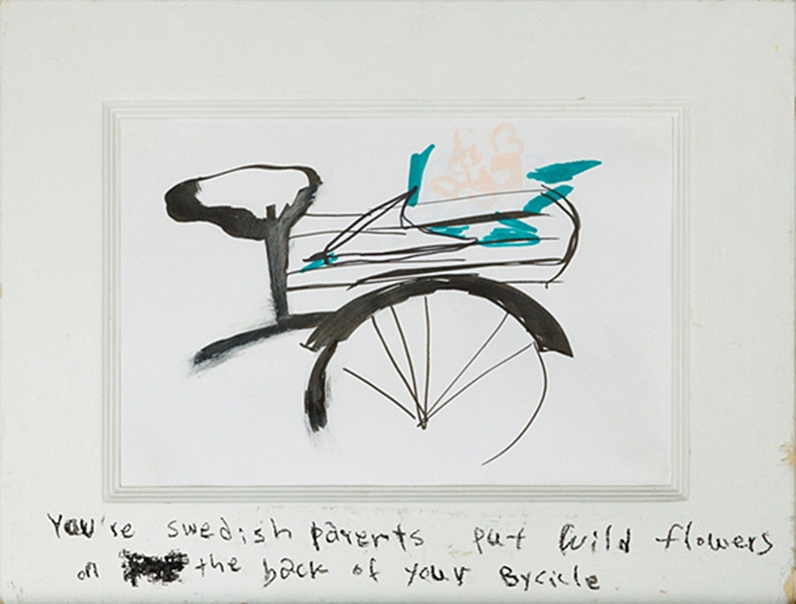
Jewyo Rhii (b.1971) has utilized variable, temporary, and non-rigid mundane materials as the primary materials for her work, capturing the processes of change and adaptation within given conditions. Starting from personal narratives rooted in her own experiences, Rhii's work often expands to question societal structures, systems, and the marginalized elements within them, seeking to uncover their latent values.
 
To achieve this, Rhii employs a wide range of mediums, including drawing, installation, and public sculpture. She challenges conventional exhibition methods by proposing new approaches and perspectives, while simultaneously bringing to the surface the conflicts and tensions created by established norms, encouraging viewers to see these issues from a fresh viewpoint.


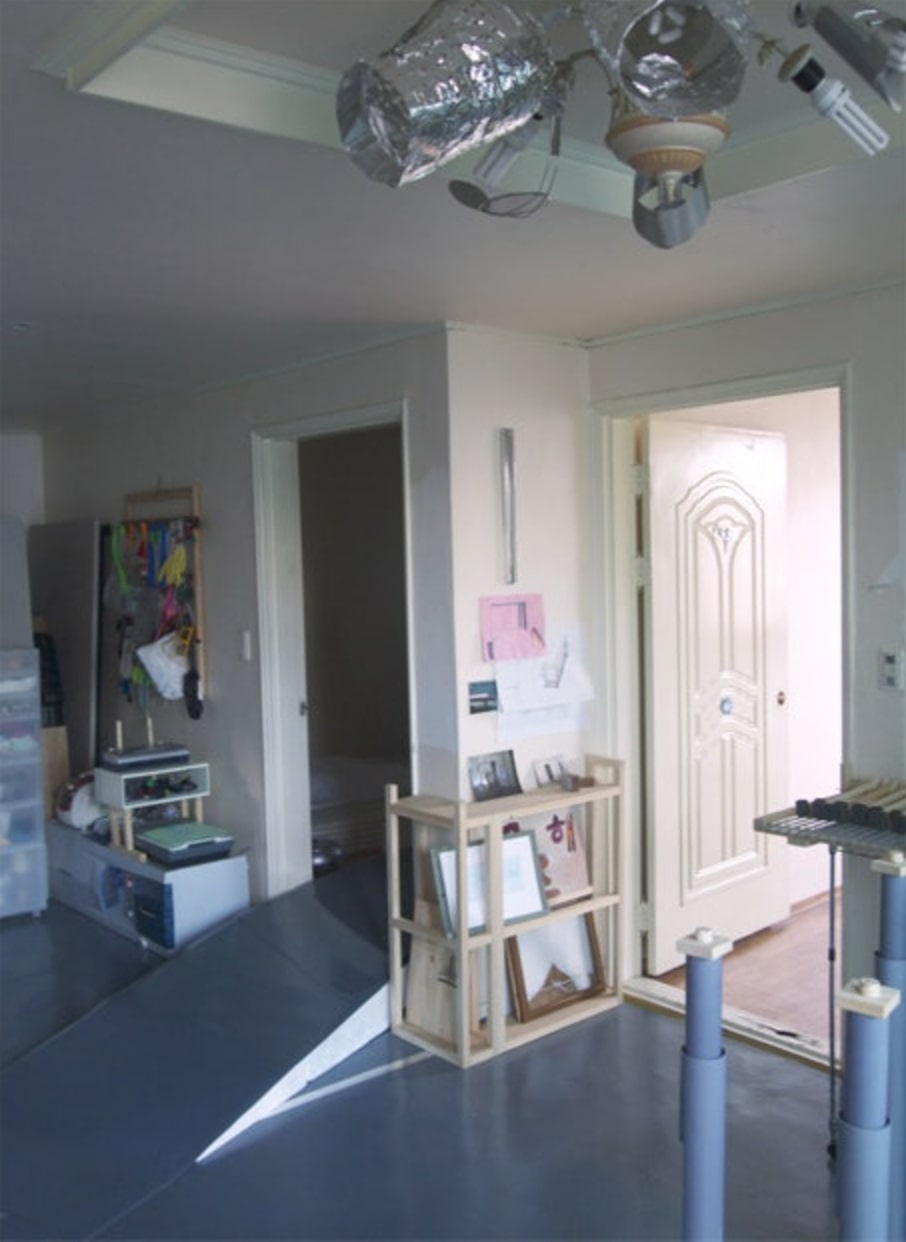
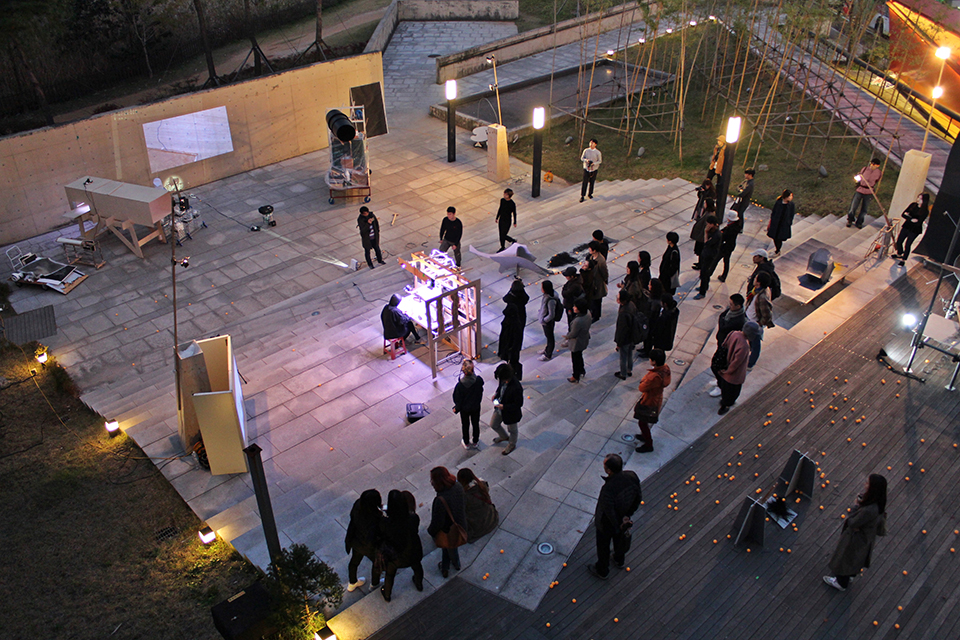
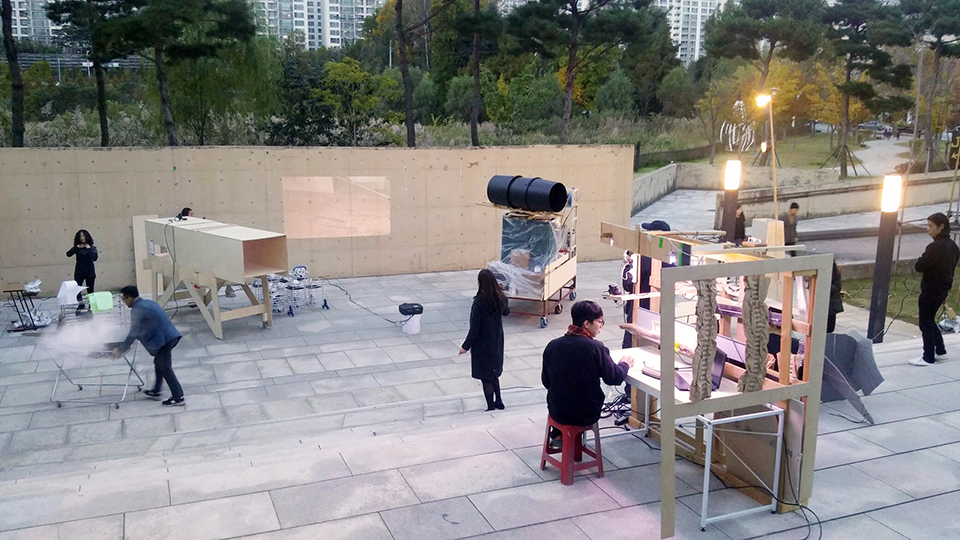
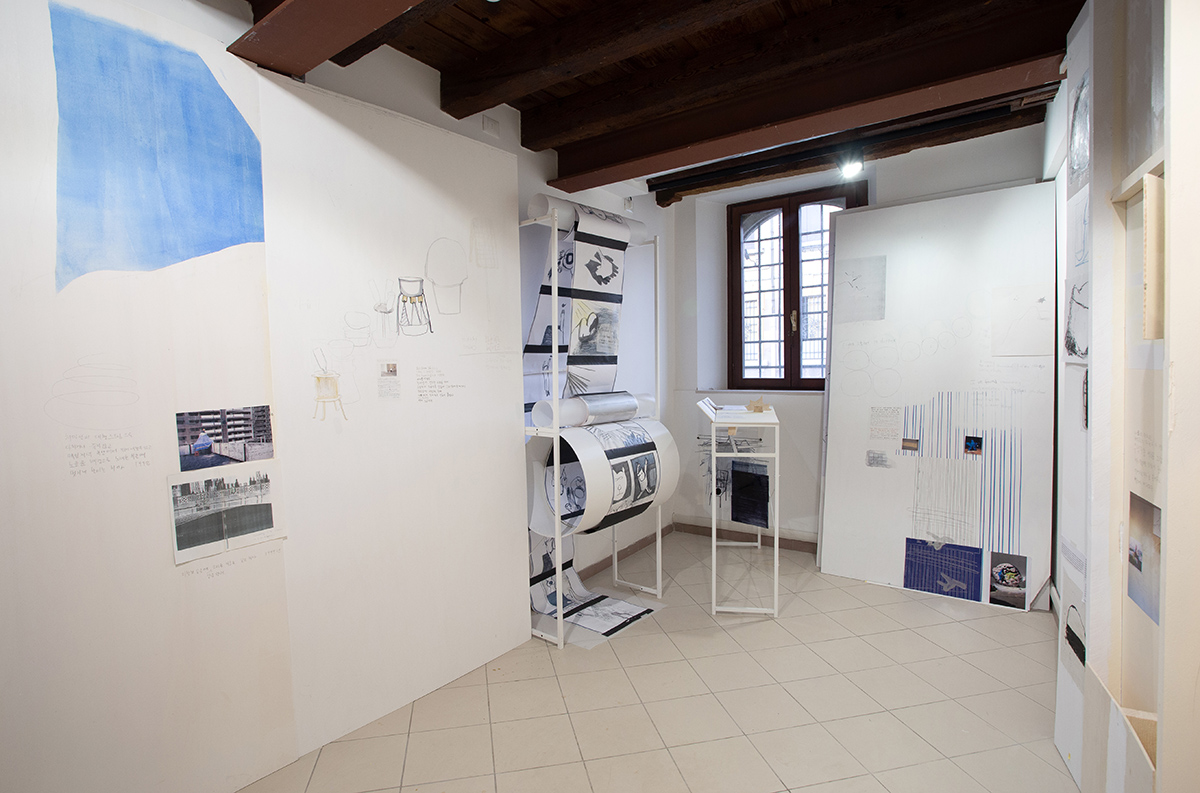
Installation view of “Night Studio - Fall” (2010) ©Jewyo Rhii

Night Studio is an open house project by Jewyo Rhii, in which she invited a certain number of visitors into her home and studio located in Itaewon, where she lived from 2008 to 2011. During her time in Itaewon, she adapted found furniture to suit her height, built devices to protect herself from the cold and heat using materials she found nearby, and devised security measures to guard against theft.
 
Through objects and drawings that reveal practical decisions, aesthetic and sematic choices, the artist explored her environment and living conditions, while also experimenting with the inevitable moments when artistic decisions occur. This accumulation of processes and objects in her home-studio was presented to a small visitors through four separate Night Studio projects, each with a unique subtitle reflecting the situation or theme, and each lasting for two weeks.

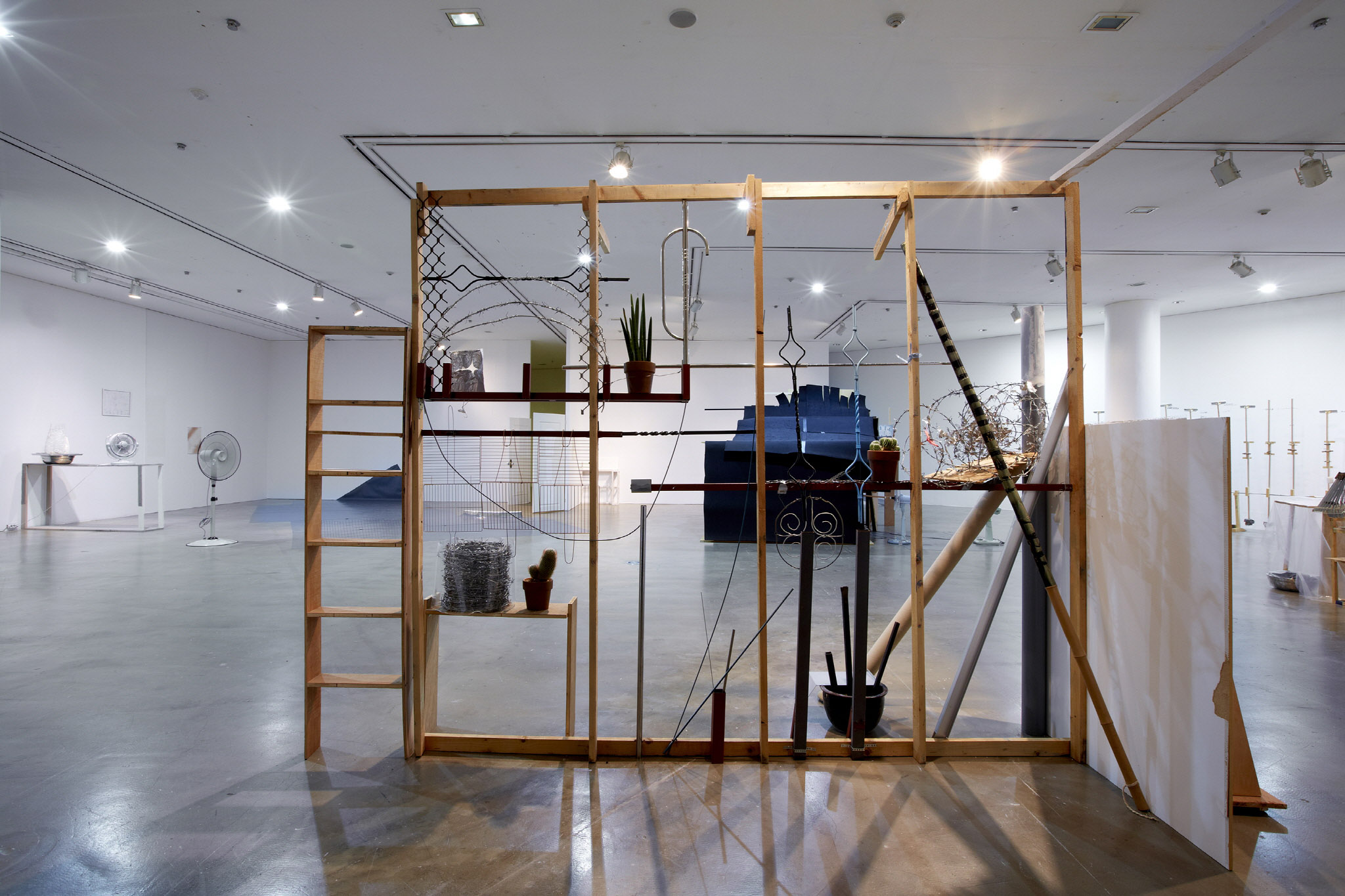
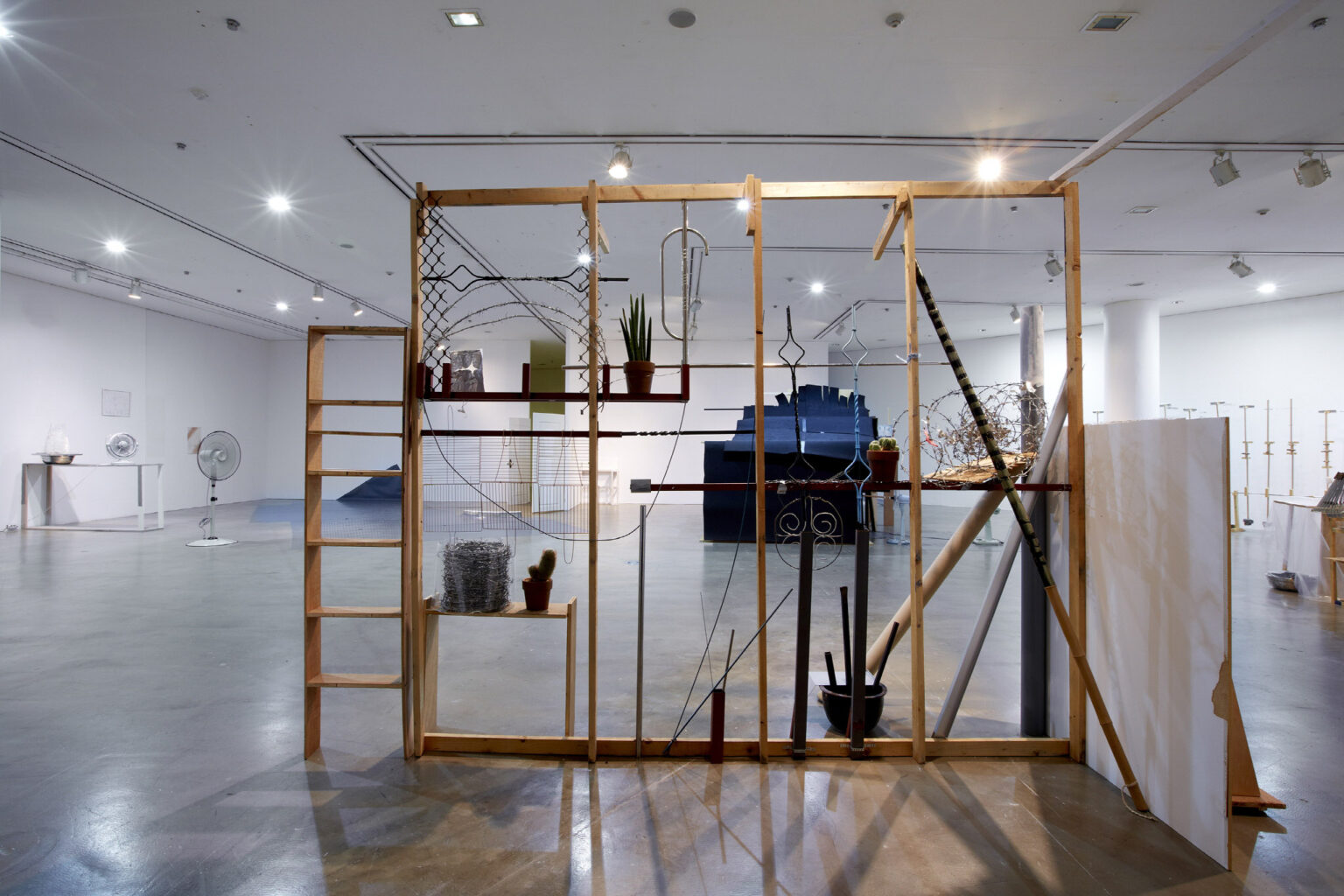
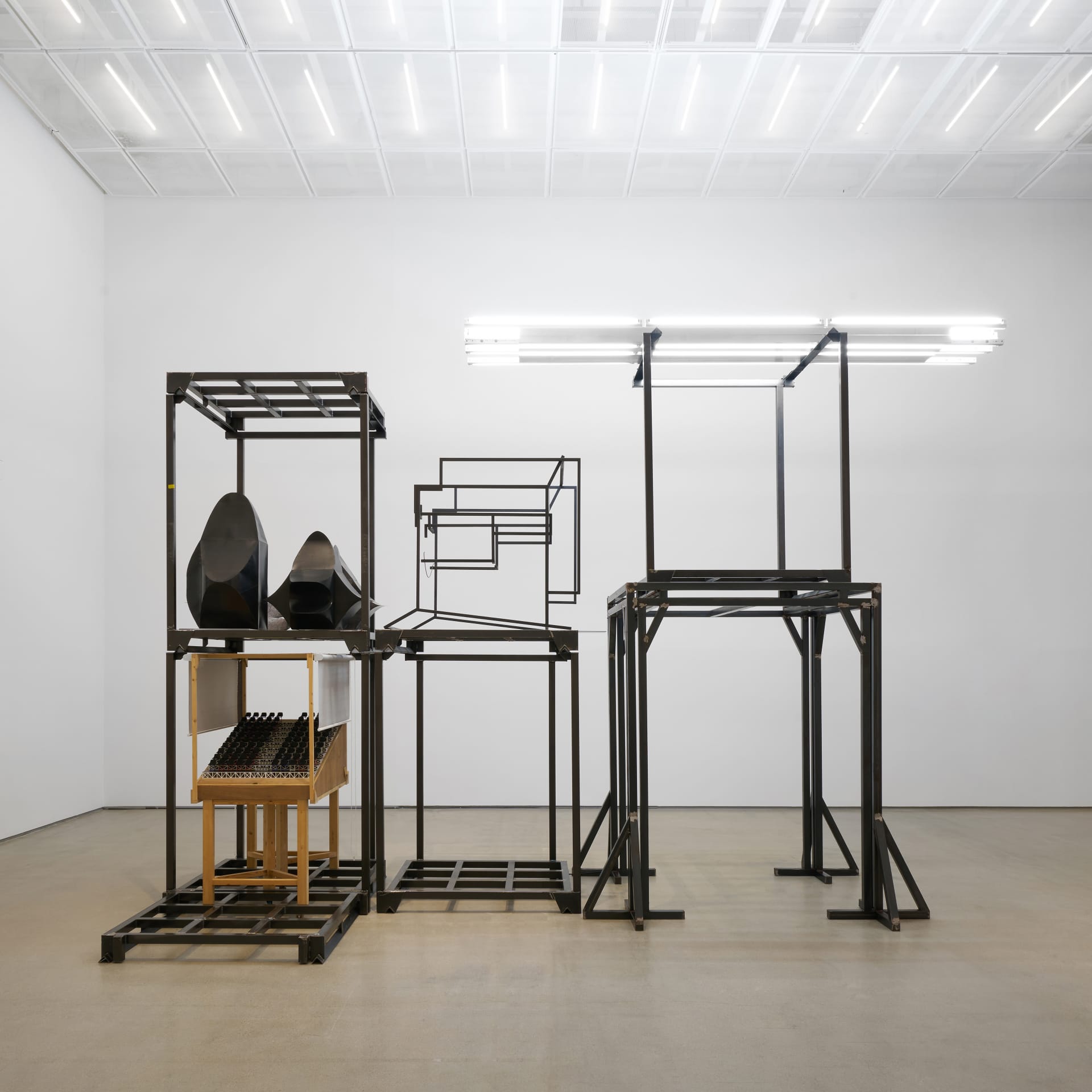
Installation view of “Jewyo Rhii: Night Studio” (Art Sonje Center, 2013) ©Art Sonje Center

The works in Night Studio—having departed the Itaewon in 2011 and traveled through museum exhibitions at various cities—became to meet the ‘public moment’. In Korea, in 2013, Art Sonje Center held an exhibition to conclude the long journey of Night Studio.
 
The exhibition presented a newly conceived version of Night Studio, focusing on the meaning of works that have been added to and accumulated over time, location, and social relationships.

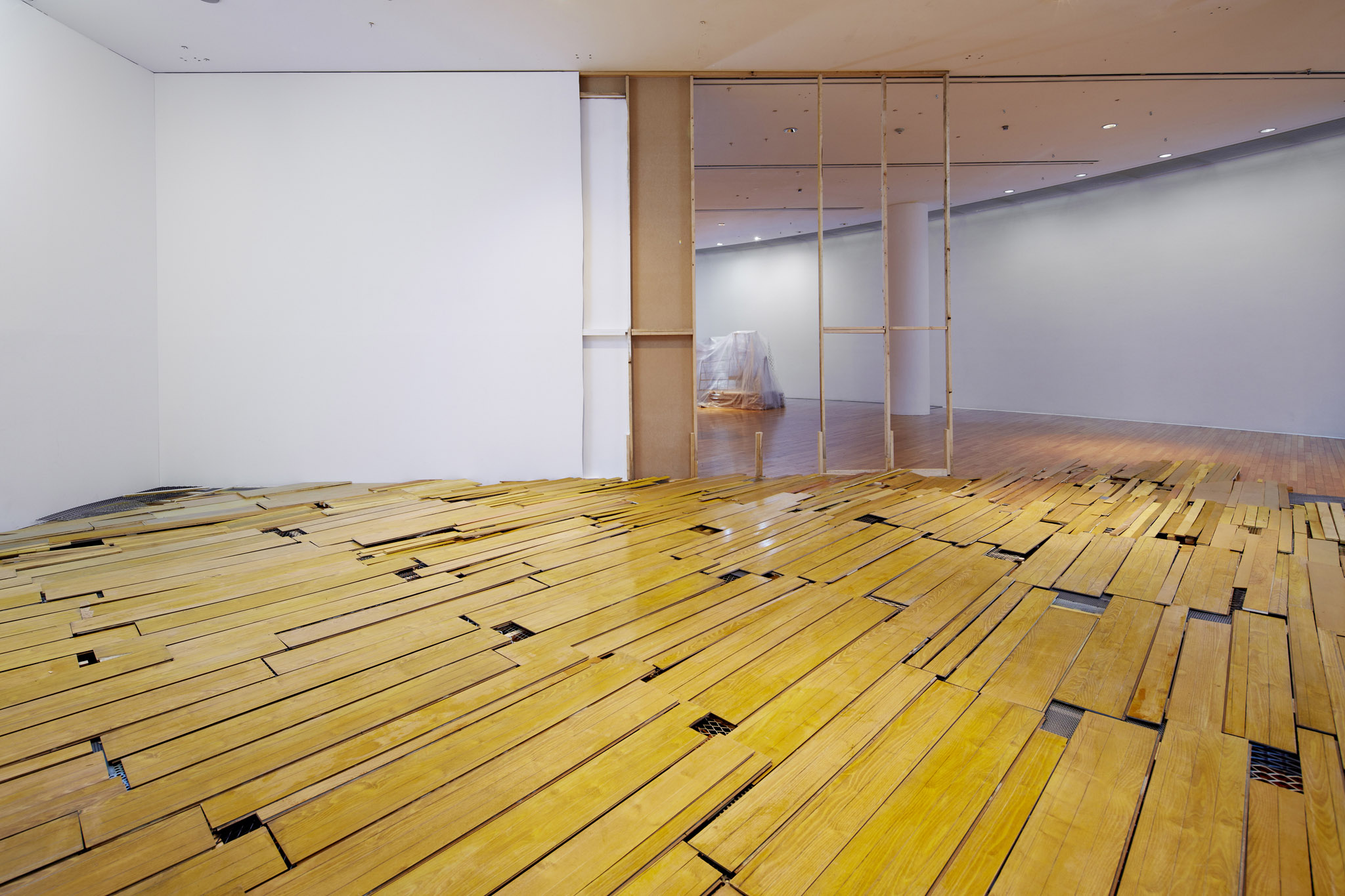
Jewyo Rhii, Moving Floor, 2013, Installation view of “Jewyo Rhii: Night Studio” (Art Sonje Center, 2013) ©Art Sonje Center

In the exhibition at Art Sonje Center, the artist expressed her fears and anxieties about her new residence in Itaewon through new installation methods, including works that reflect the fear and anxiety she experienced while living there. For example, Rhii installed a Moving Floor made of the same material as the exhibition floor and invited the audience to walk on it, allowing them to physically experience the anxiety she experienced in Itaewon through their bodies.


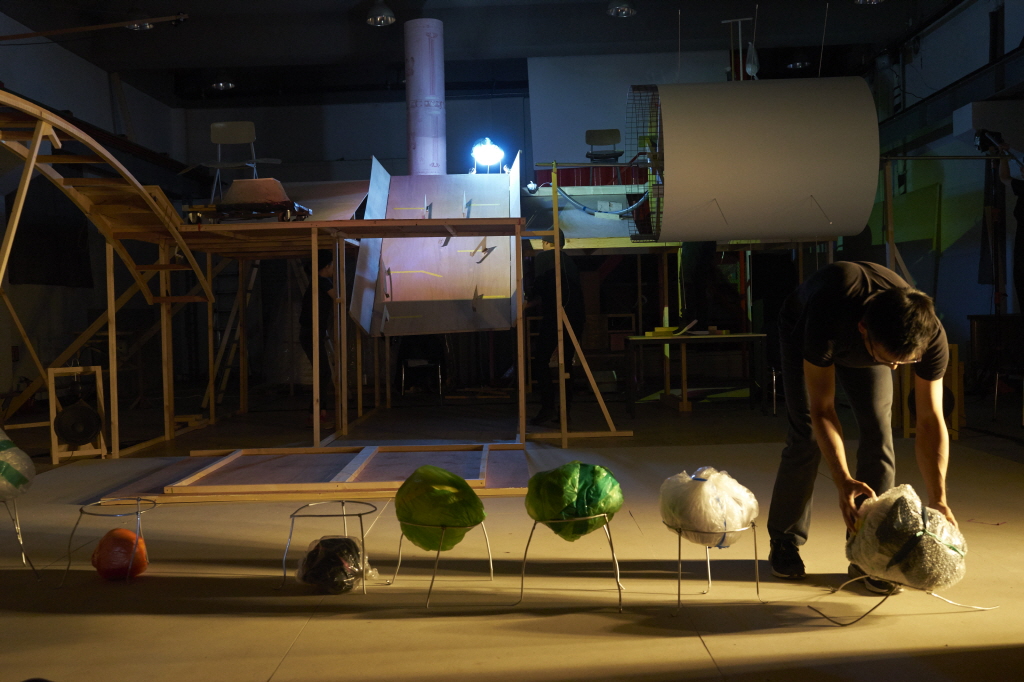
Jewyo Rhii, Ten Years, please, 2017, Performance view at Namsan Arts Center (2017) ©Namsan Arts Center

A decade later, in 2017, these forgotten works took center stage, becoming the protagonists of a performance. The performance explored the dynamic interaction between objects and artworks, as well as between the life of the artist and the life of the artworks themselves. Through elements like speech and silence, movement and sound, and light and shadow, these pieces resonated and conversed with each other on stage, illuminating the boundary between art and life.


Jewyo Rhii & Jihyun Jung, Dawn Breaks, 2016, Installation view at Gwangju Biennale 2016 ©Jihyun Jung

The experimental recontextualization of previous works that Rhii explored in Ten Years, please was expanded upon in her collaboration with artist Jihyun Jung in the project Dawn Breaks. This project included multiple installation pieces and a parade performance, where the narrative continuously evolved and transformed based on the people and situations involved. Through these objects, a variety of stories were created and reshaped in real-time.
 
Dawn Breaks was first showcased at the Queens Museum in New York in 2015, followed by its presentation at the Gwangju Biennale in 2016 and the Art Sonje Center in 2017. This was the first performance by the two artists, from different generations, and began with a dialogue in which they shared their respective creative histories through the objects and images they suspended and displayed on the stage.

Jewyo Rhii & Jihyun Jung, Dawn Breaks, 2016, Installation view at Gwangju Biennale 2016 ©Jihyun Jung

Later, through the parade performance, the numerous images and objects that existed in fragmented forms were given order and time through the physical framework provided by the artist, forming a narrative without the need for words or text. Additionally, they also invited fellow artists and makers to place or hang their poems, paintings, and sculptures on the apparatuses and activate them creating a series of narratives. In this way, the objects were transformed into a small theater that moved and changed according to the six chapters of the parade, functioning as mechanisms that wove together various narratives.

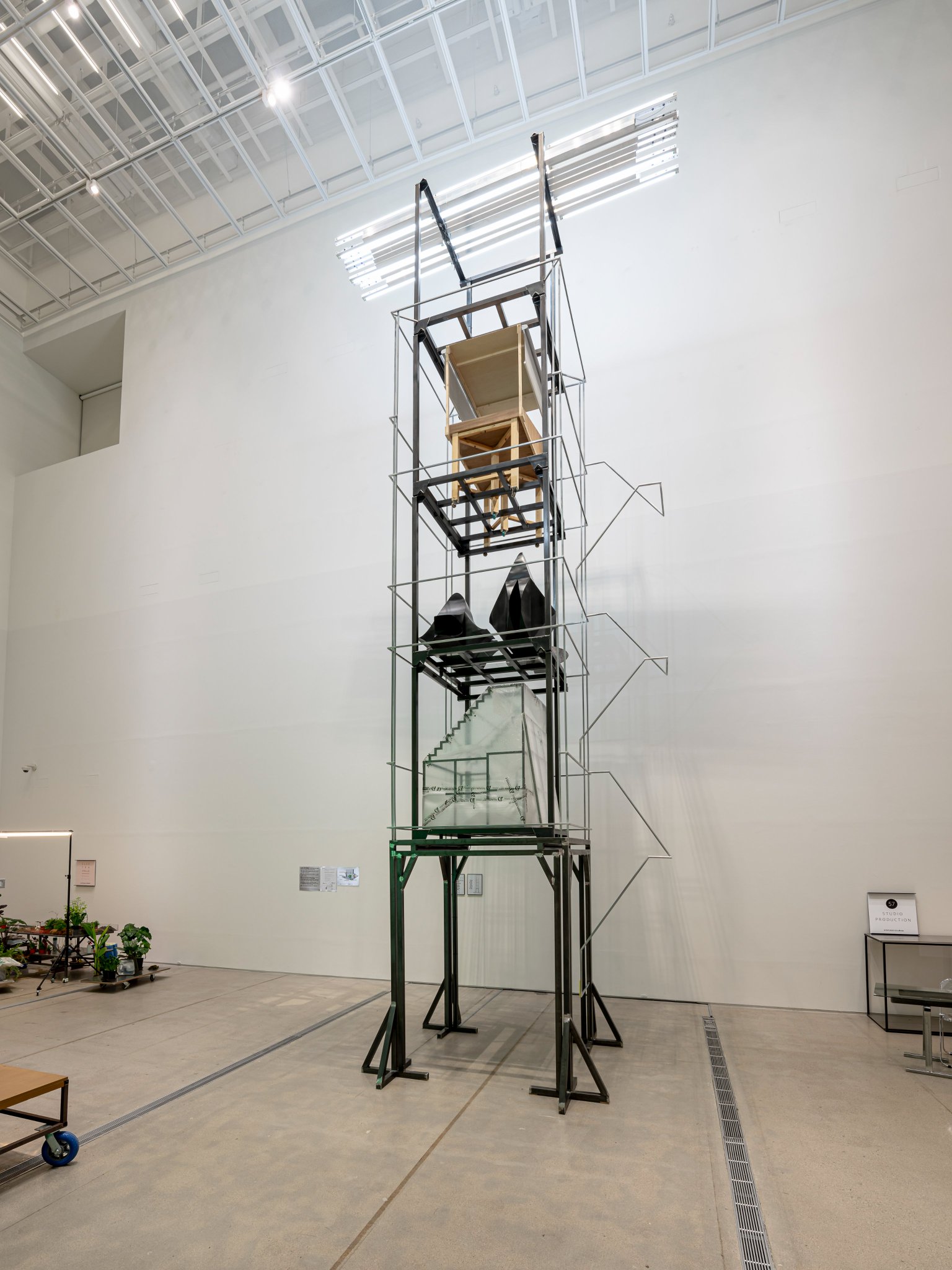
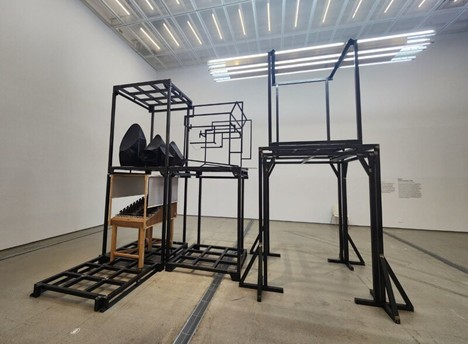
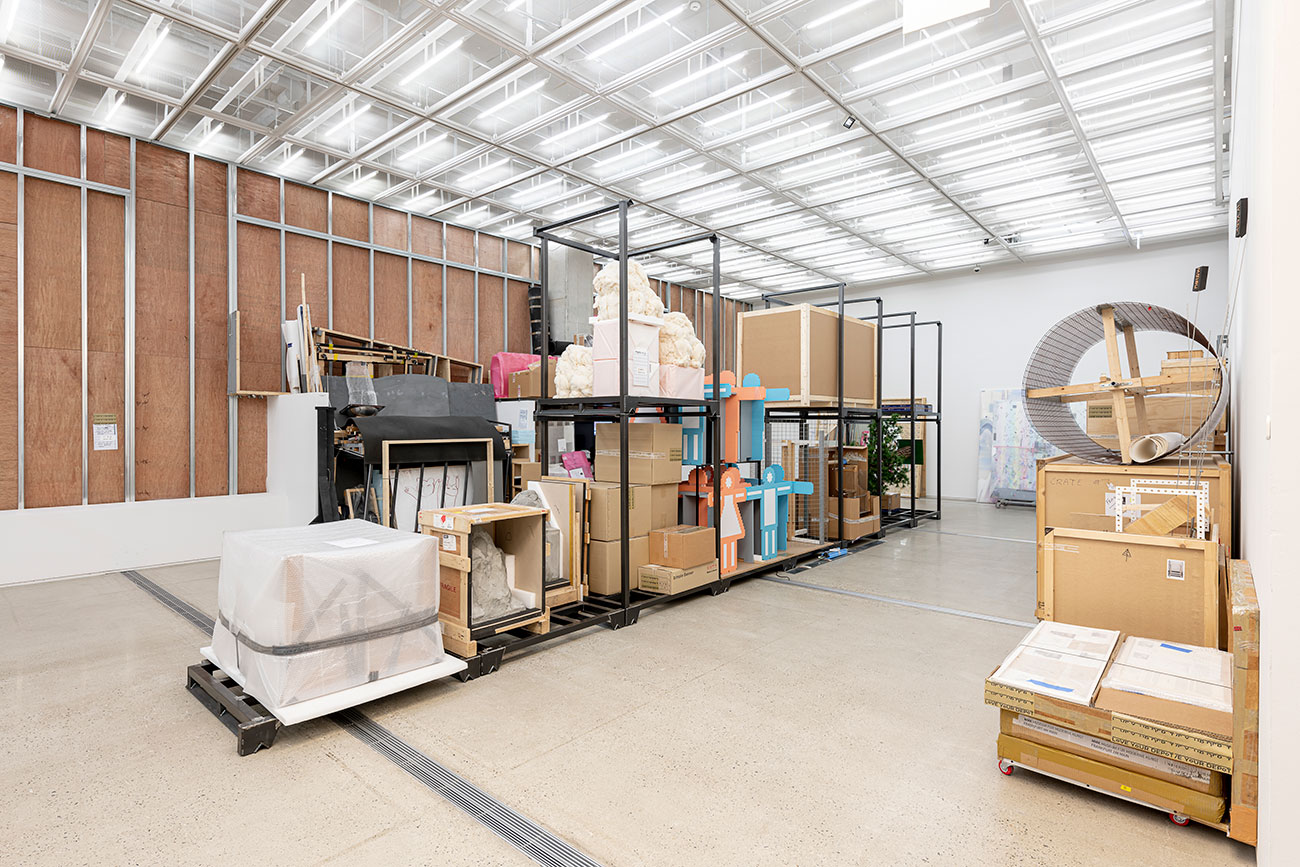
Jewyo Rhii, Five Story Tower, 2019-2020 ©MMCA

In 2019, at the MMCA's “Korea Artist Prize”, Jewyo Rhii presented Five Story Tower and Love Your Depot, offering a new form of creative space and artwork storage system. Five Story Tower is a five-story art storage unit designed to maximize the use of limited space. During the exhibition, works by contemporary artists such as Jihyun Jung, Park Jihye, Hwang Sueyon, and Hong Seung-Hye were entrusted to the tower. The structure could be installed in eight different configurations depending on the conditions of the exhibition space.

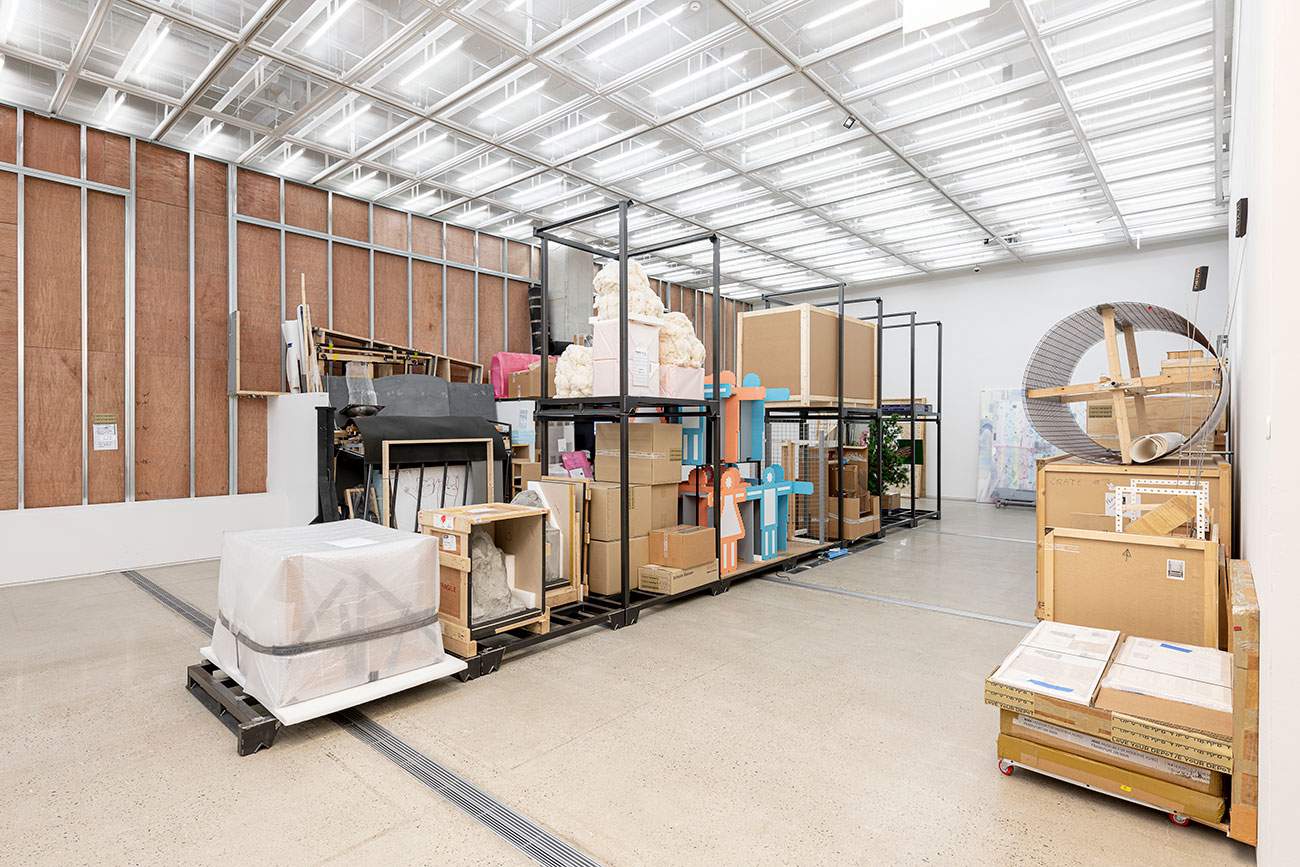
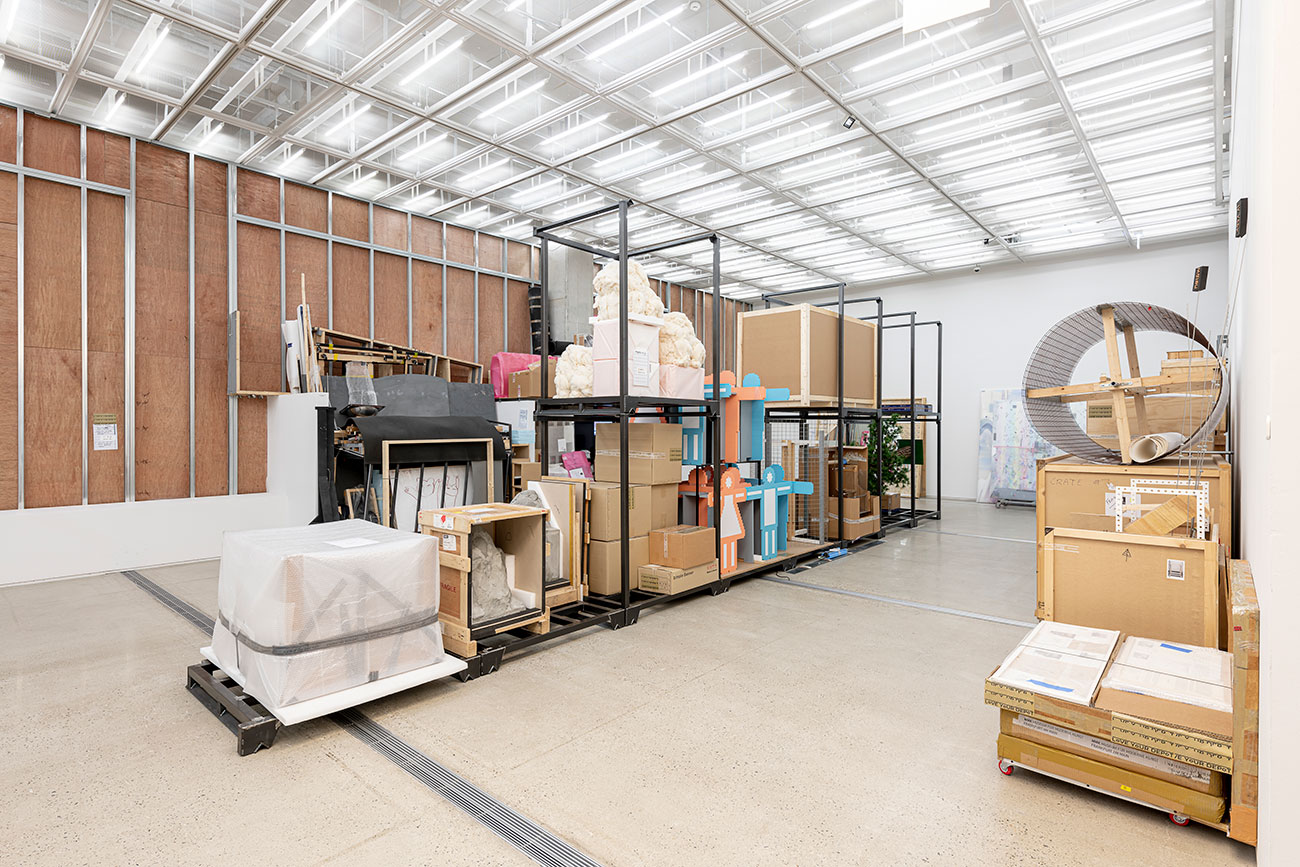
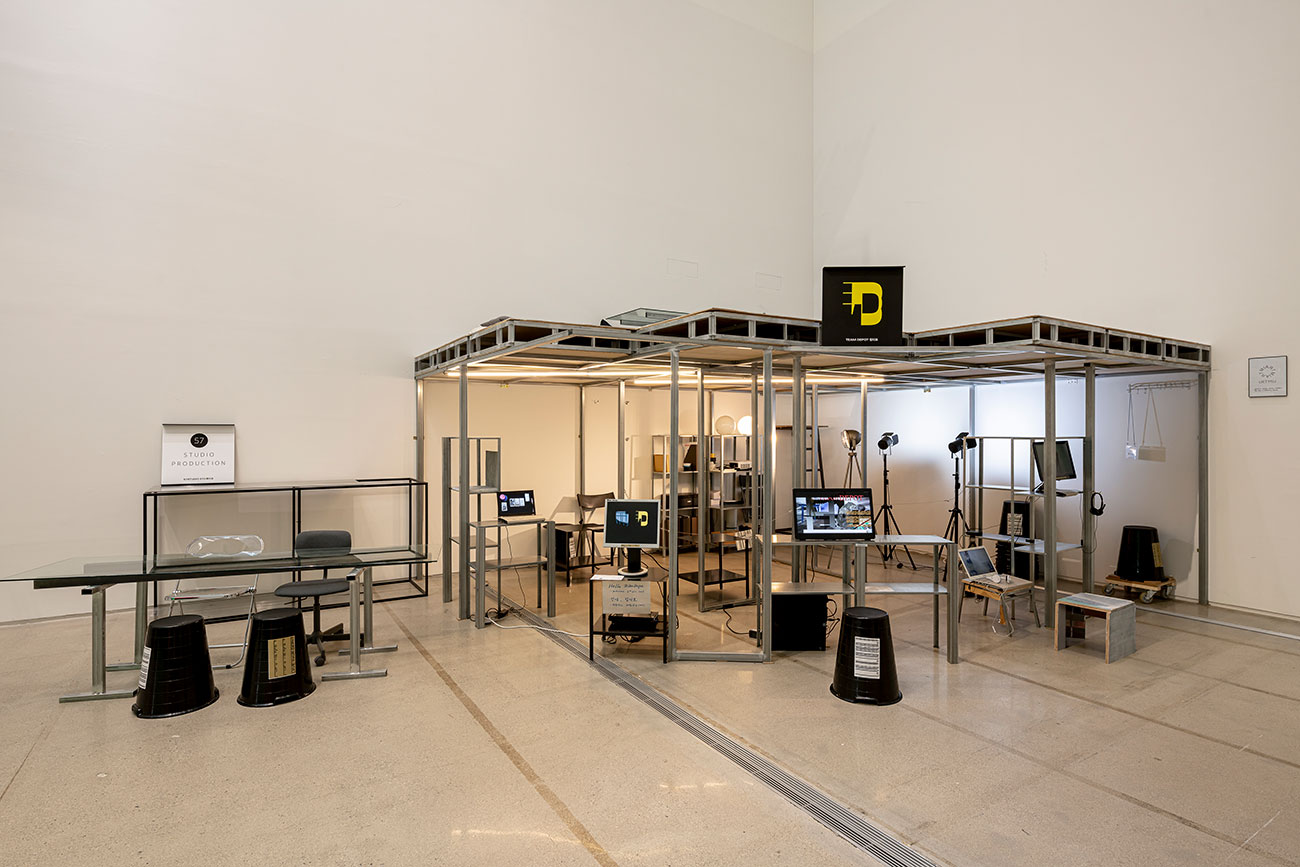
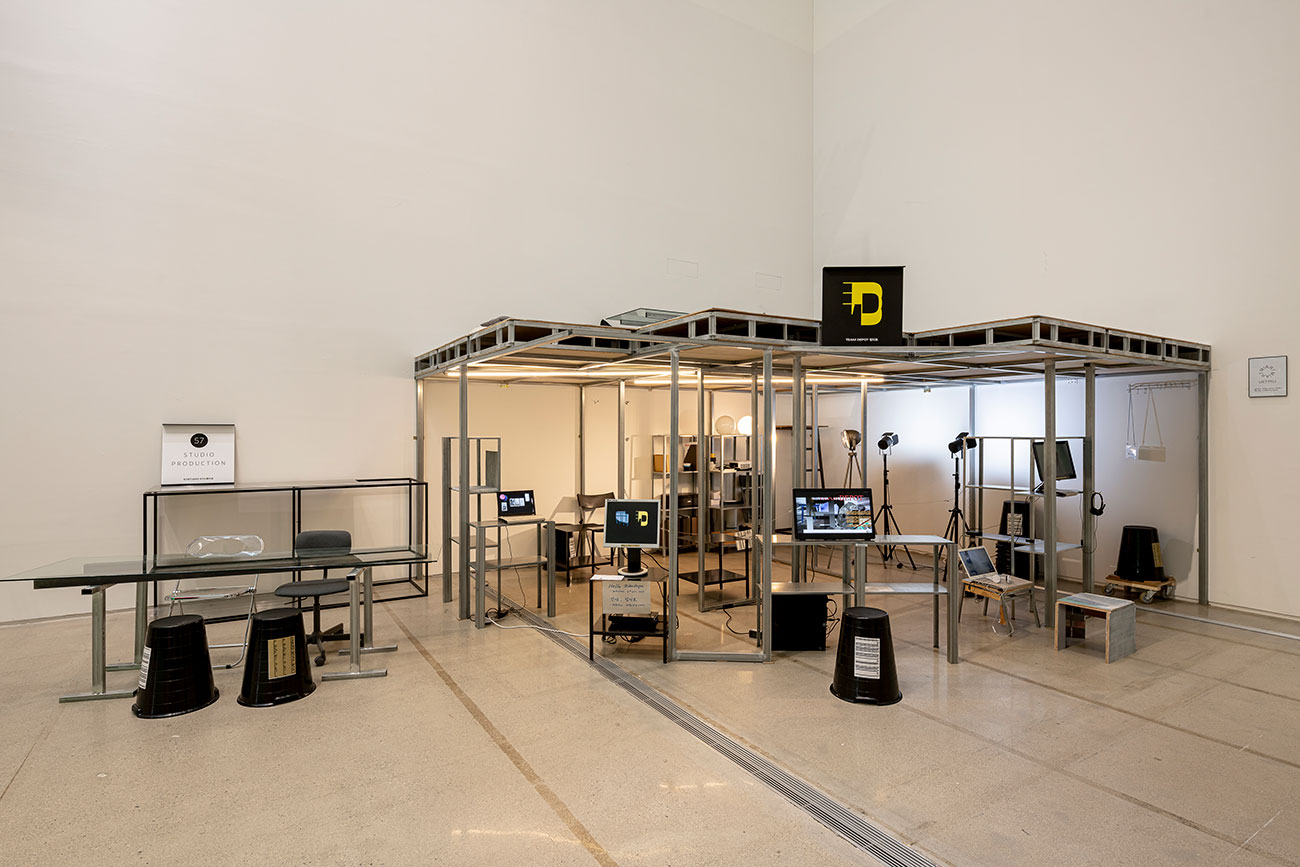
Jewyo Rhii, Love Your Depot, 2019 ©MMCA

Love Your Depot, presented alongside Five Story Tower, serves as a proposal and a prototype for an alternative storage system that the artist wishes to implement in the future. This project, which consists not only of Jewyo Rhii’s works but also those of other artists, is designed to function as an 'open storage' system for preserving and exhibiting works that have been marginalized by the logic of the mainstream art market.
 
During the exhibition, Love Your Depot was researched and recorded in various ways by participants who were present in the exhibition space. At the same time, a platform operated that allows for the online broadcasting of content generated on-site, creating a living communication hub. In other words, Love Your Depot is an alternative proposal that seeks ways to delay the disappearance of artworks that have been left behind after exhibition or have not been exhibited at all, while also exploring ways to share art. It represents a political stance towards the institutional framework of art.


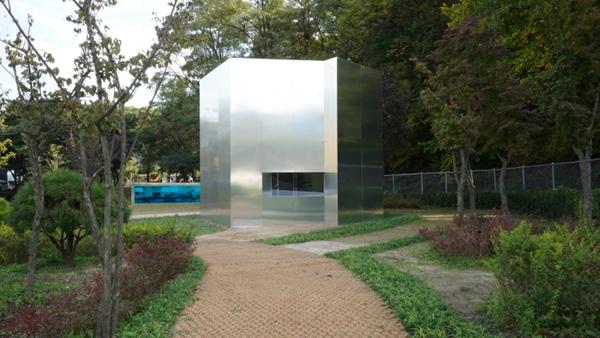
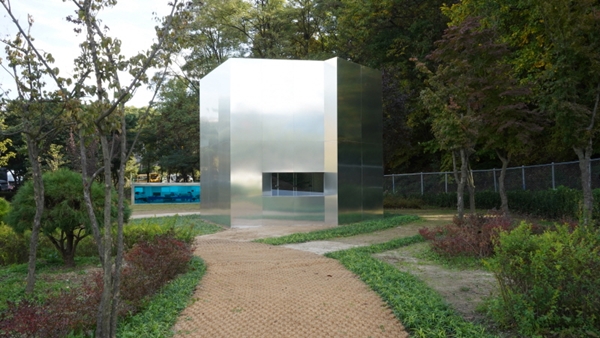
Jewyo Rhii, Love Your Depot_Gangnam Pavilion, 2021 ©Gangnam-gu

Rhii was selected as the final winner of the 2019 Korea Artist Prize, and Love Your Depot was subsequently installed as public art in 2021 at the Gungmaeul Park in Suseo-dong, Gangnam-gu. Love Your Depot_Gangnam Pavilion consists of the Turn Depot, a storage and exhibition center that is the core of the project, and the Under Depot, a cube-shaped structure where immaterial works such as smoke, light, sound, video, and performance are screened and stored.
 
The Turn Depot rotates at a very slow speed once every three minutes or so, allowing the audience to stand in one place and view the stored works through the windows of the storage. The outer surface, made of special aluminum, changes its appearance over time as it reflects the surrounding environment.
 
Meanwhile, Under Depot adjusts the transparency of the large glass windows through the manipulation of electronic signals to move between the exhibition space and the screen, breaking down the stereotype of artworks as fixed and unchanging, and expanding the audience's perception to accept works that are characterized by change and disappearance as art.

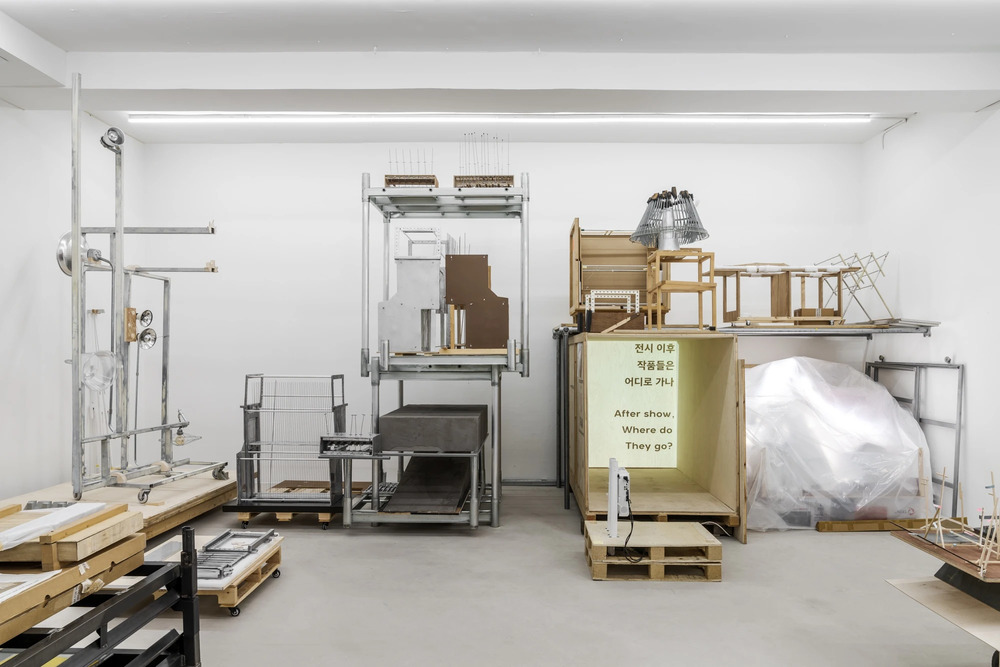
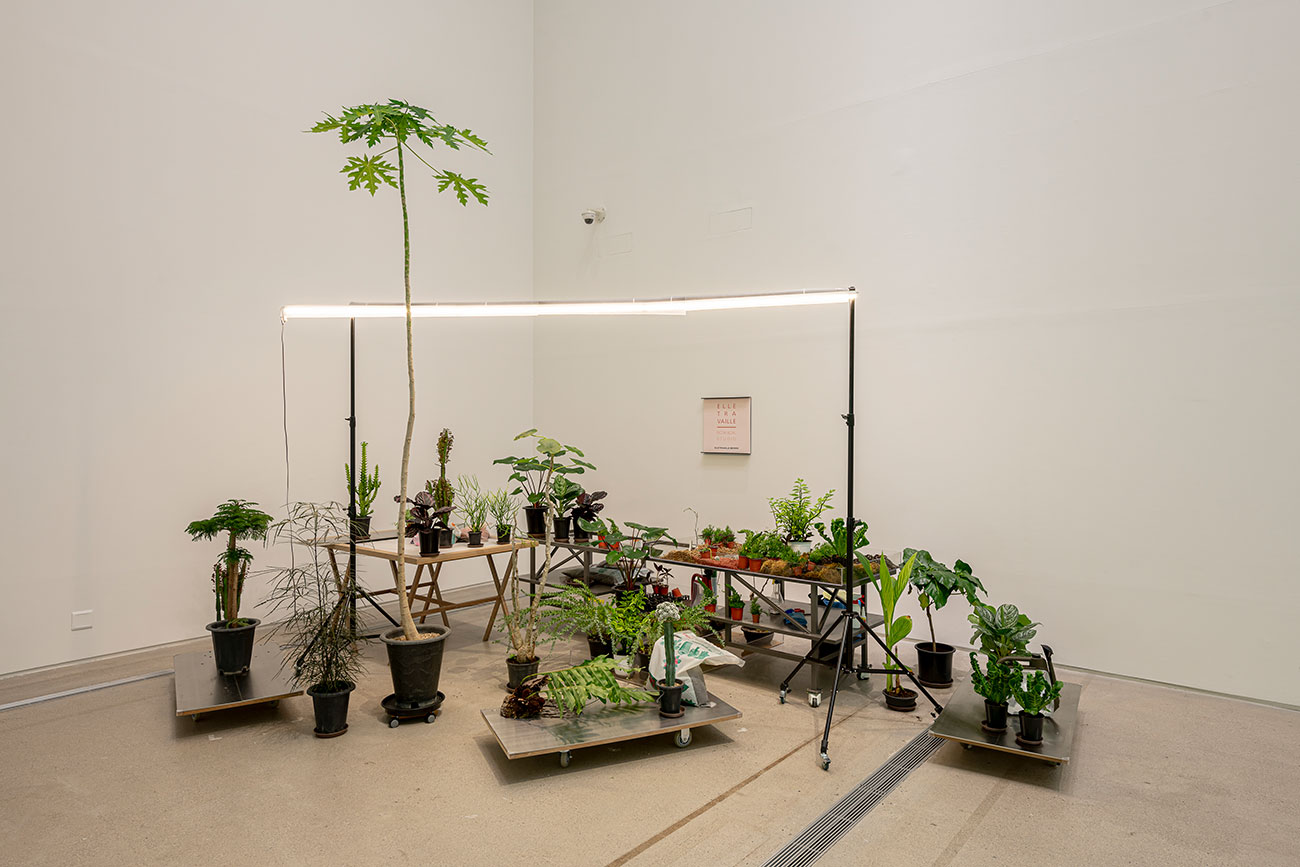
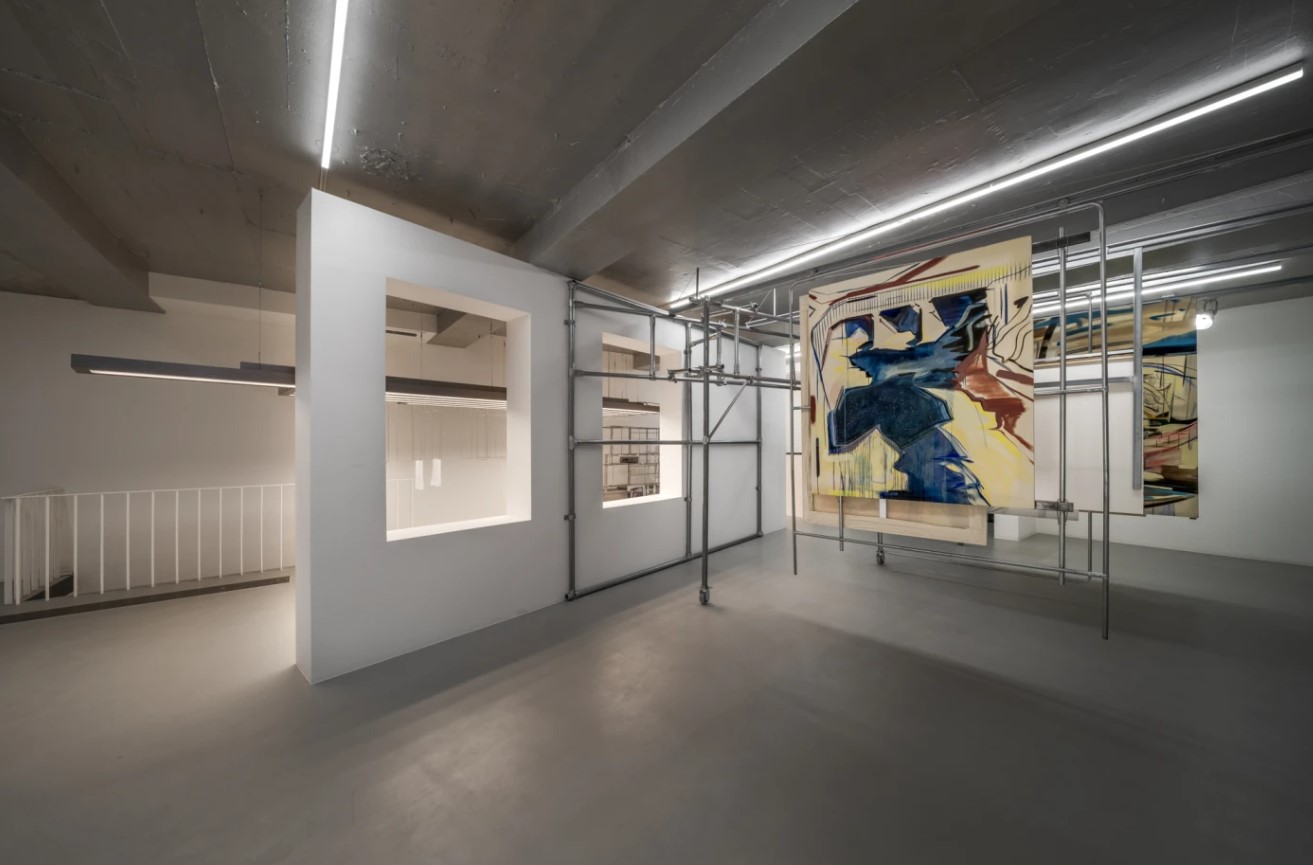
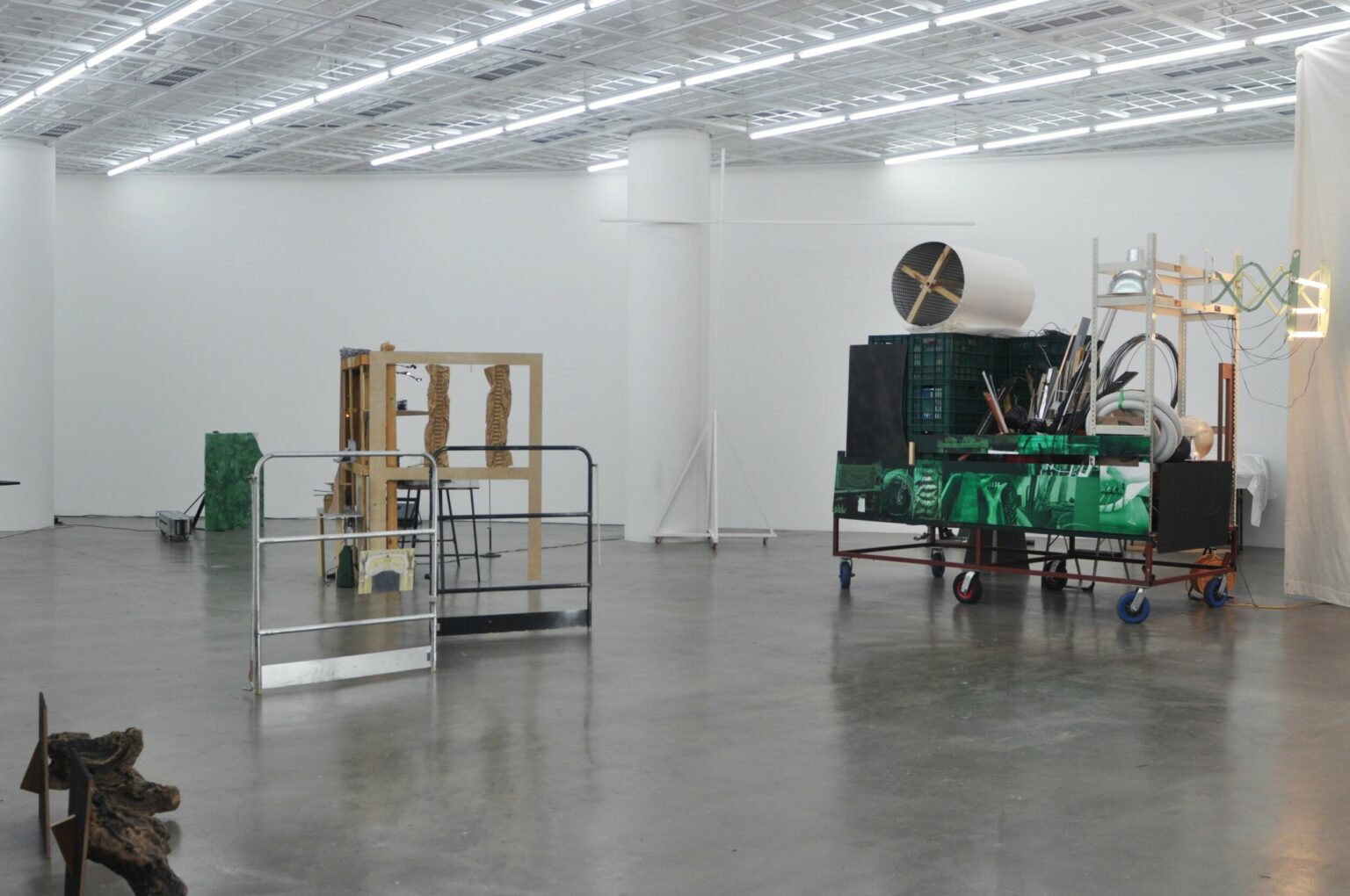
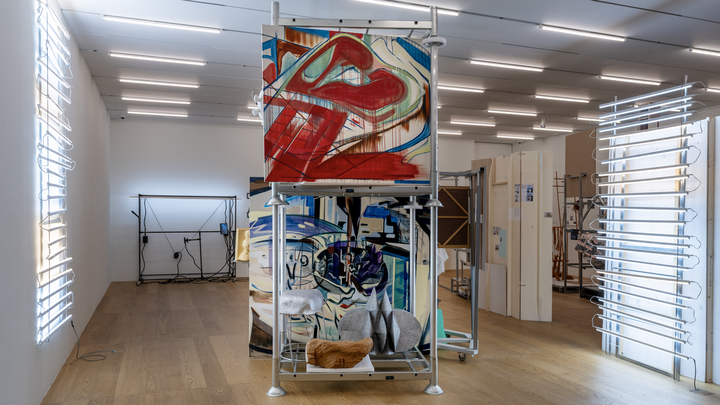
Installation view of “Jewyo Rhii: Of Hundred Carts and On” (Barakat Contemporary, 2023) ©Barakat Contemporary

And last year, Jewyo Rhii presented an expanded version of Love Your Depot in her solo exhibition “Of Hundred Carts and On” at Barakat Contemporary. “Of Hundred Carts and On” departs from the publication ‘Of Five Carts and On’ (2009), which chronicled the journey of the artist's works that were on the verge of being discarded due to no place to store them after completing her previous overseas residency programs.
 
Since the 1990s, the artist has been making art that adapts to and survives the unstable conditions of traveling between cities in various countries, which has since evolved into Love Your Depot, an alternative art storage that stores and exhibits works by other artists. Barakat Contemporary showcased the journey from just five carts to hundred carts, a journey that began as a personal narrative and progressed toward a consciousness of the fragile periphery outside the institutional framework.

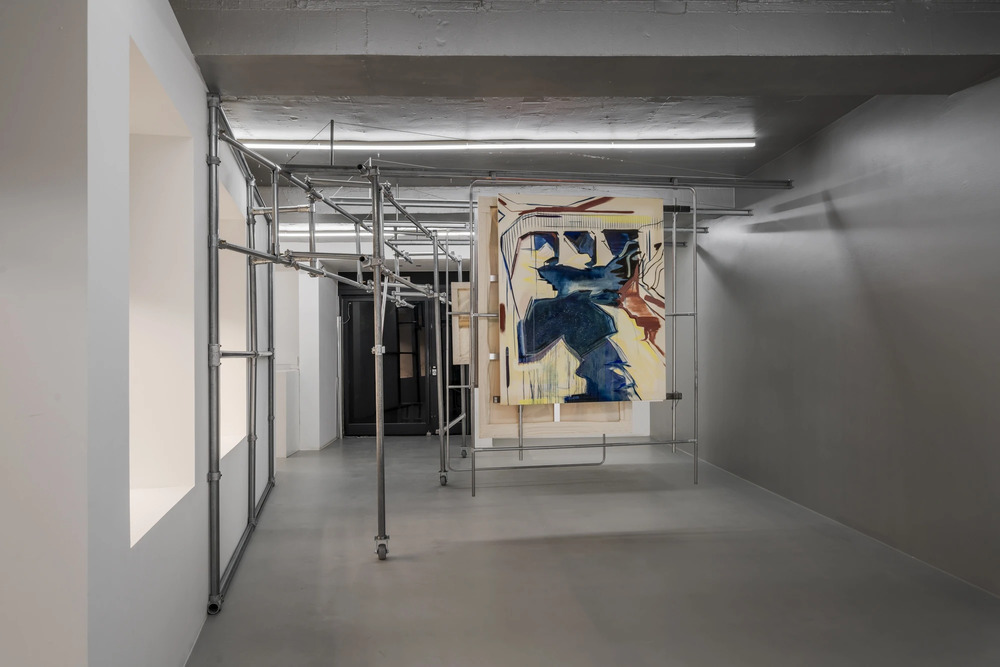
Jewyo Rhii, Painting Plate, 2023 ©Barakat Contemporary

Additionally, in this exhibition, the artist also presented a version of Love Your Depot that the previously wooden works were recast in metal, enhancing its durability and sustainability. Alongside this, an indoor version of Turn Depot, which was featured in the Gangnam Public Art Project, and the steel frame work Painting Plate, which can be slid left and right to view from multiple angles, were introduced.
 
Through these works, Rhii has begun by expressing the issues of others, as well as the anxieties, anger, and fragility of individual existence, experienced while moving between unfamiliar cities. This expression is conveyed through non-formal, temporary, and variable works and installations. She is now advancing into the public domain, proposing and implementing alternative systems while creating a foundation that can mobilize while firmly supporting fragile and unstable existences.

“Ultimately, my work is about 'physicality.' This word encompasses various physical meanings, such as corporeality and materiality. The way this world operates is inherently physical.
 
I have been experimenting with and documenting the process of fragile existences passing through an unwavering physical world from multiple perspectives. Initially, I focused more on the physical and personal aspects caused by the harshness of this physical world, but now I am concentrating on the harshness shaped by the macro environment of life.”

(Art in Culture, August 2010)


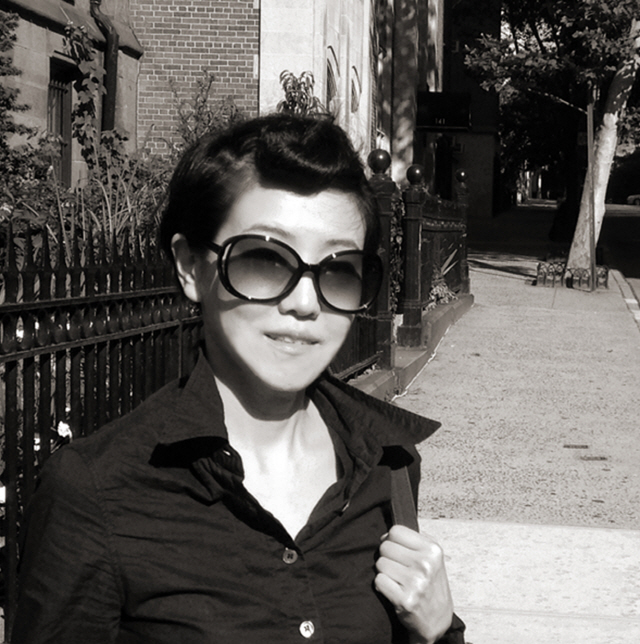
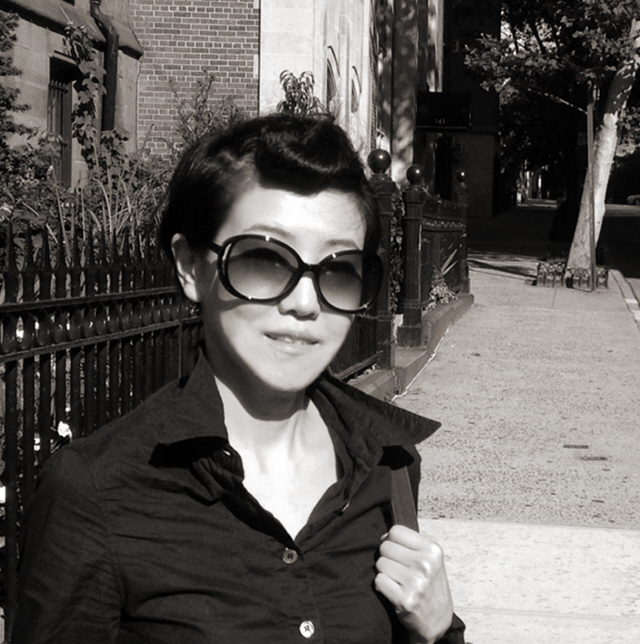
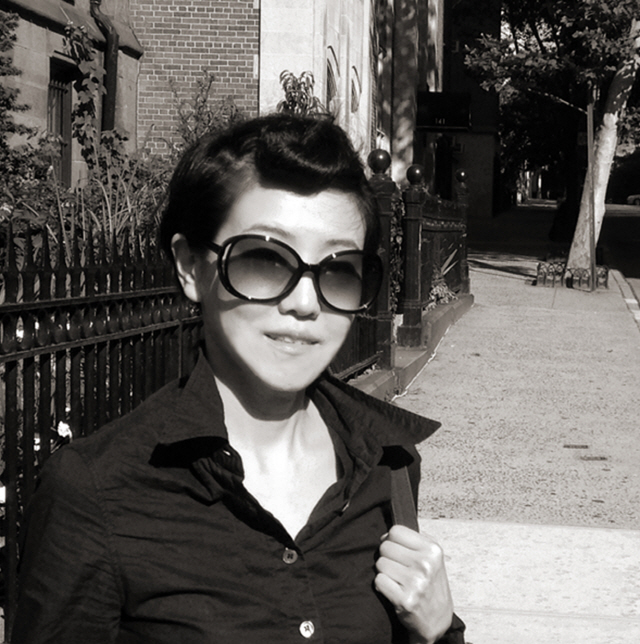
Artist Jewyo Rhii ©MMCA

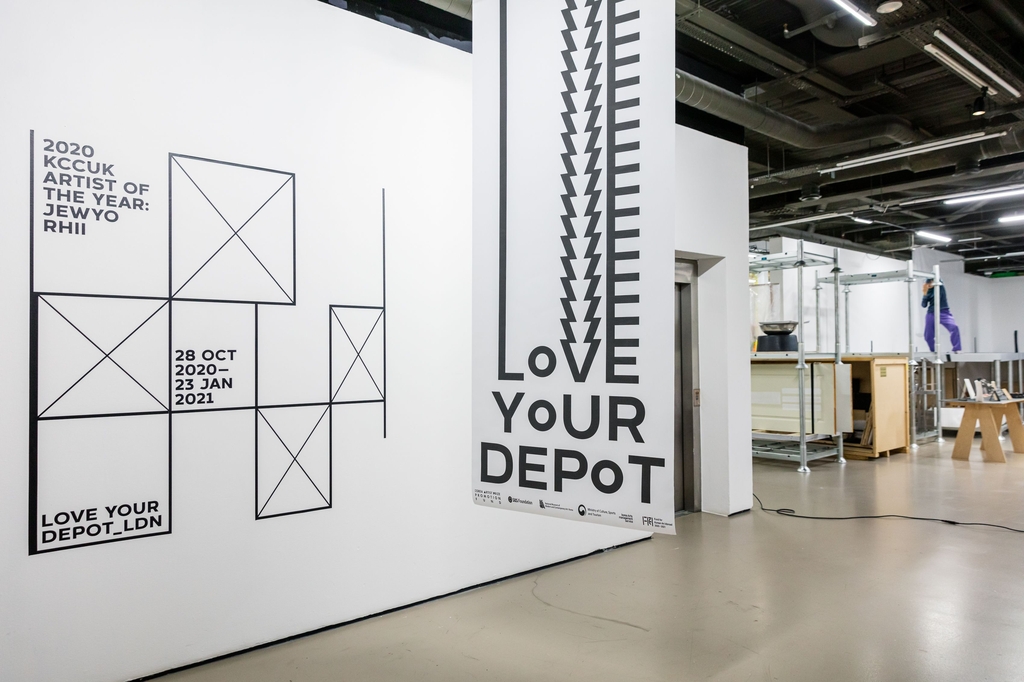
Jewyo Rhii majored in Western Painting at Ewha Womans University and later obtained a Master of Fine Arts degree from the University of Pennsylvania and Chelsea College of Arts. Her major solo exhibitions include “Of Hundred Carts and On” (Barakat Contemporary, Seoul, 2023), “Artist of the Year 'Love Your Depot_London” (Korean Cultural Center UK, London, 2020), “The Day 3, Walls and Barbed” (Amanda Wilkinson Gallery, London, 2017), “Walls To Talk To” (Museum für Moderne Kunst, Frankfurt, Germany, 2013), “Walls To Talk To” (Van Abbemuseum, Eindhoven, Netherlands, 2013), and “Night Studio” (Art Sonje Center, Seoul, 2013-2014).
 
She has participated in numerous international group exhibitions, including the 2019 Korea Artist Prize (National Museum of Modern and Contemporary Art, Seoul, 2019), the 11th Gwangju Biennale (Gwangju, Korea, 2016), and the 3rd Paris Triennale (Paris, 2012). She received the 2019 Korea Artist Prize from the MMCA and the 3rd Yanghyun Prize in 2010.

References