


Solo Exhibitions (Brief)
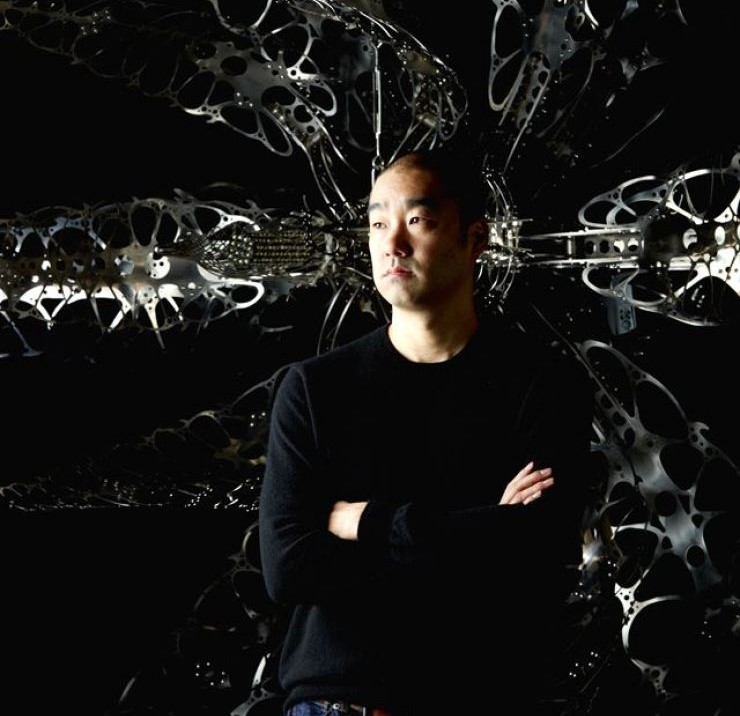
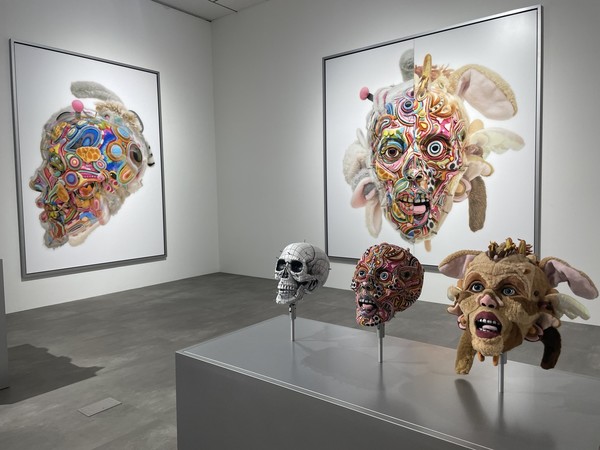
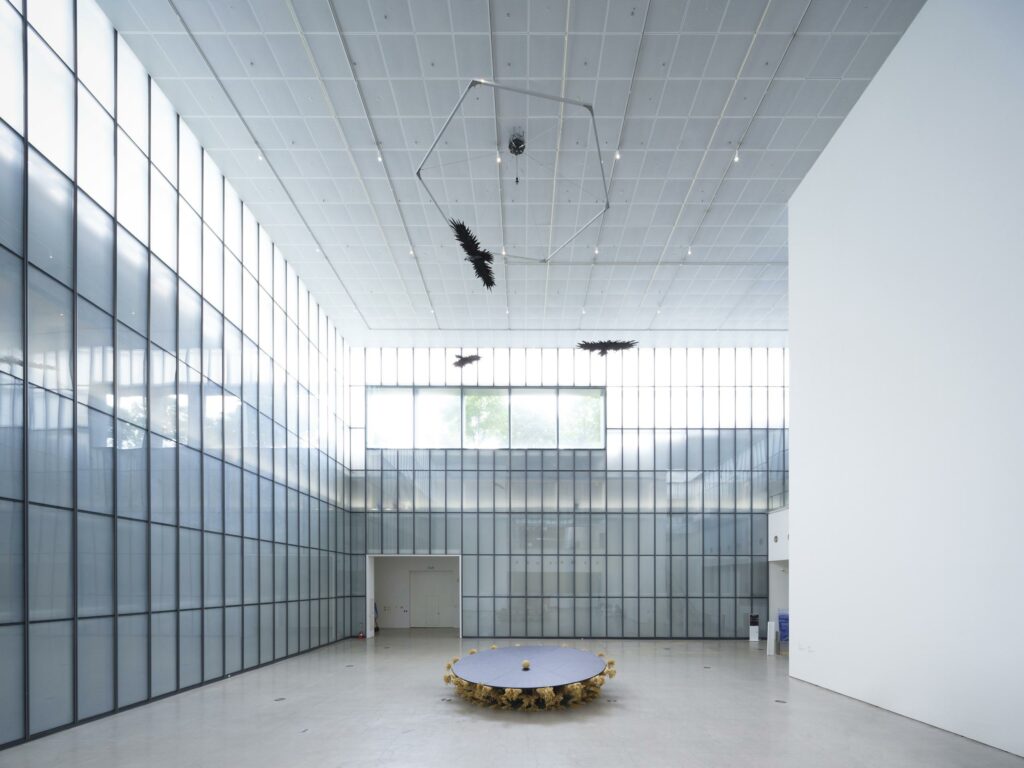
Following his first solo exhibition in 1998, Choe became the first Korean artist to hold a solo exhibition at the Mori Art Museum in 2006. He has held numerous solo exhibitions around the globe including Korea, the United States, Turkey, and Taiwan. In 2022, he was selected as the exhibiting artist for the MMCA Hyundai Motor Series and held his solo exhibition at the National Museum of Modern and Contemporary Art, Korea (MMCA).
Group Exhibitions (Brief)
Since 1997 Choe participated in various group exhibitions at the 2nd Gwangju Biennale, Seoul Museum of Art, Busan Museum of Art, Kumho Museum of Art, Manchester Art Gallery, Amorepacific Museum of Art, Leeum Museum of Art, MMCA, and so on.
Awards (Selected)
Choe U-Ram has received several major awards,
including the Grand Prize at the 1st POSCO Steel Art Award in 2006, the Young
Artist of Today Award in the Fine Arts category from the Ministry of Culture
and Tourism, the Kim Sejoong Young Sculptor Award in 2009, and the Grand Prize
in the Artist category at the 2024 Monthly Art Awards.
Residencies (Selected)
Choe was selected to participate in the Doosan Residency New York in 2009 and Autodesk Artists in Residence Program in 2014.
Collections (Selected)
Choe U-Ram’s
works are included in the collections of the National Museum of Modern and
Contemporary Art, Gwacheon; the Seoul Olympic Museum of Art; Leeum Museum of
Art; and the Amorepacific Museum of Art.