





Solo Exhibitions (Brief)
Kim’s
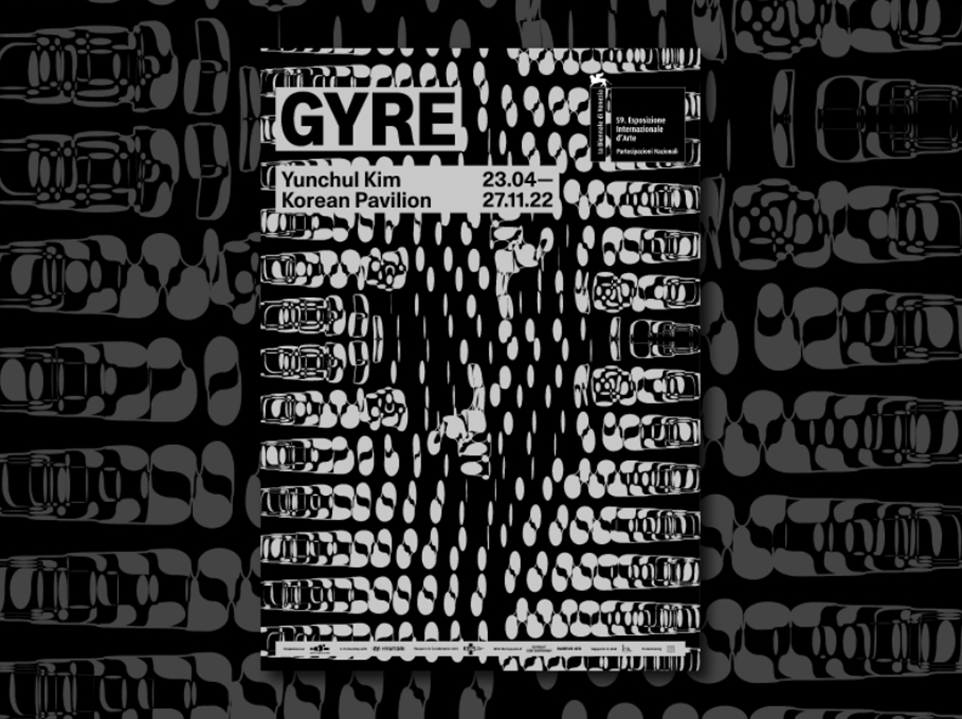
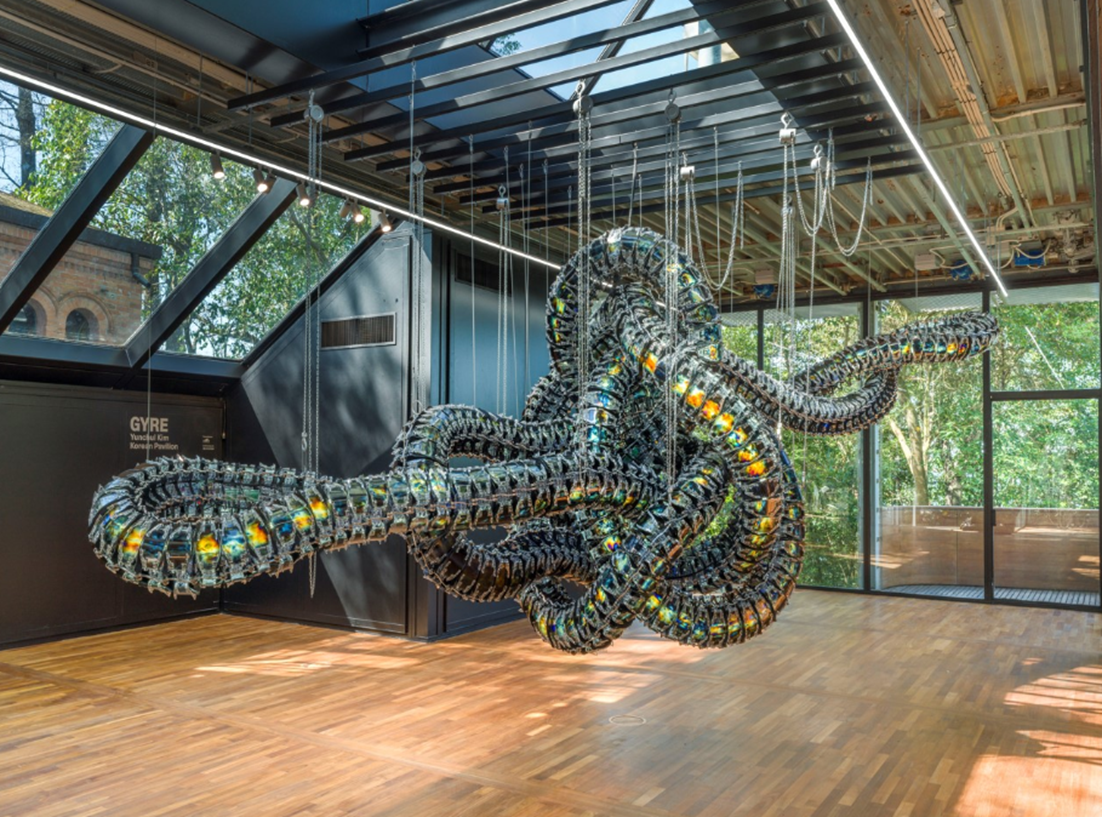
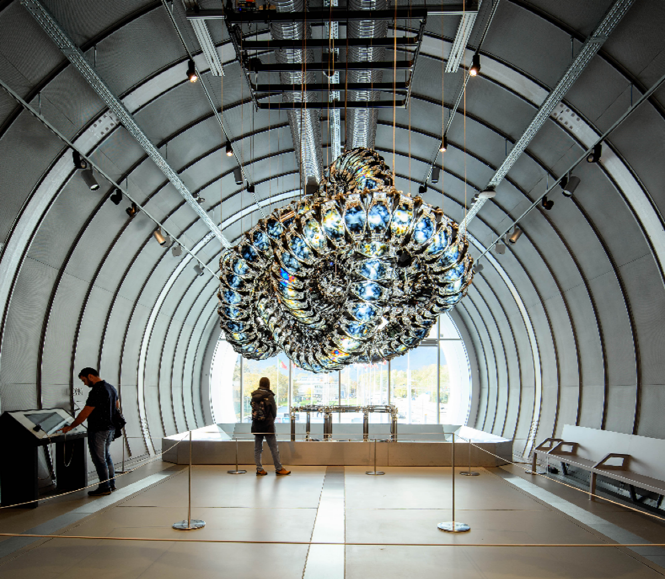
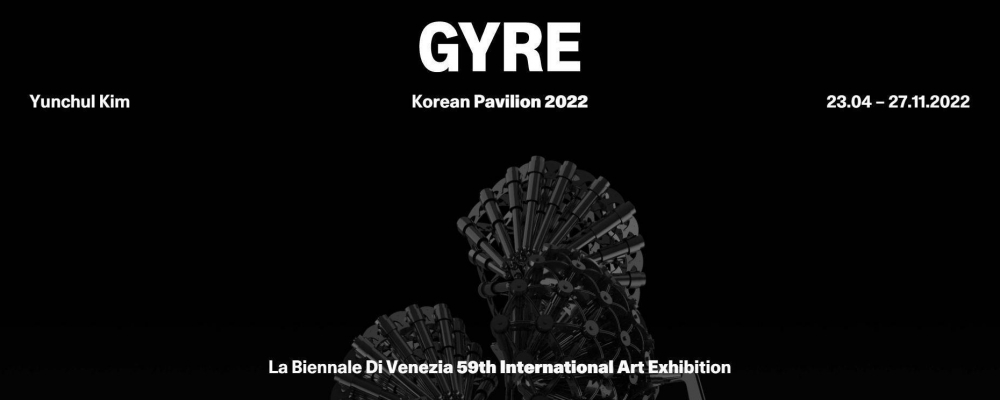
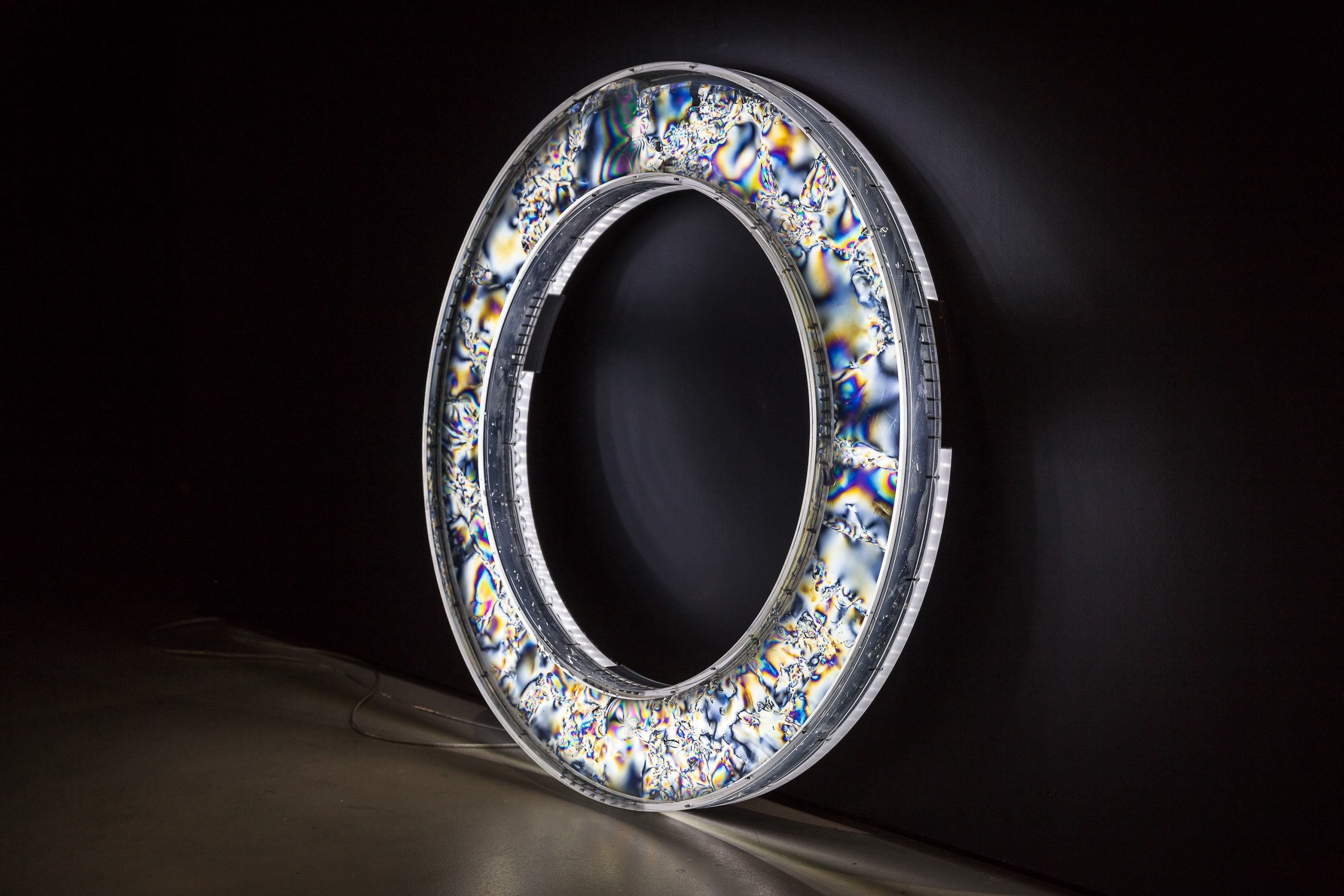
recent solo exhibitions are 《Gyre》 (Korean Pavilion, 59 th La Biennale di
Venezia, Venice, 2022), 《Glare》
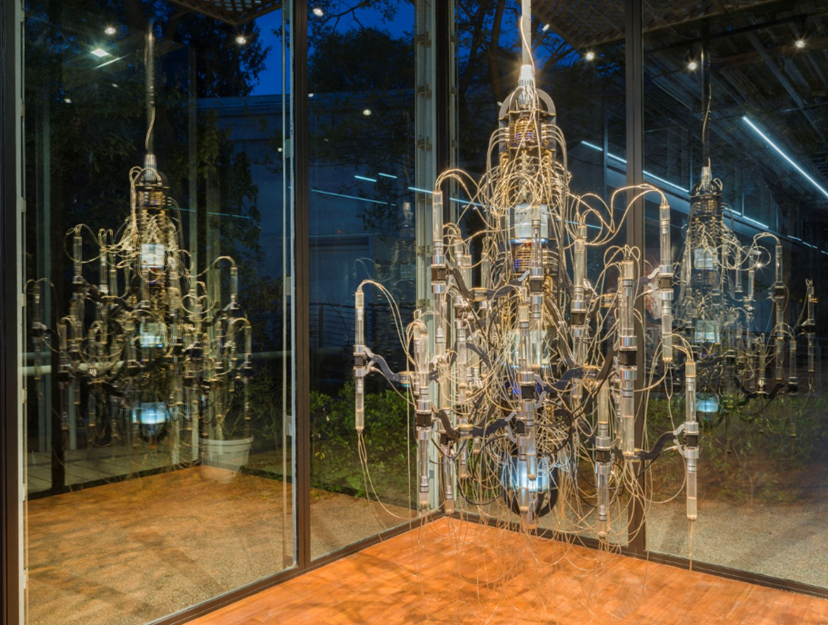
(Barakat Contemporary, Seoul, 2022), 《Dawns, Mine,
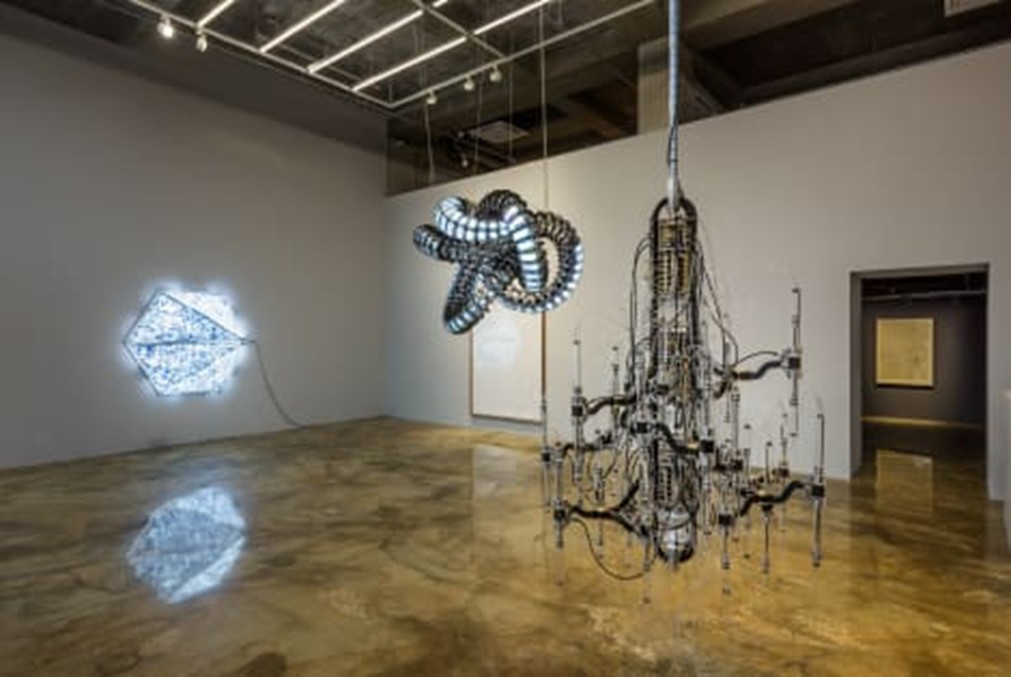
Crystal》 (Korean Cultural Centre, London, 2018), 《Gyre》 (Gallery Baton, Seoul, 2017), 《Evanescent》 (SongEun ArtSpace, Seoul, 2016) and
《Whiteout》 (Alternative
Space Loop, Seoul, 2014).
Group Exhibitions (Brief)
Kim
have recently participated in various group exhibitions, including 《Soft Robot》
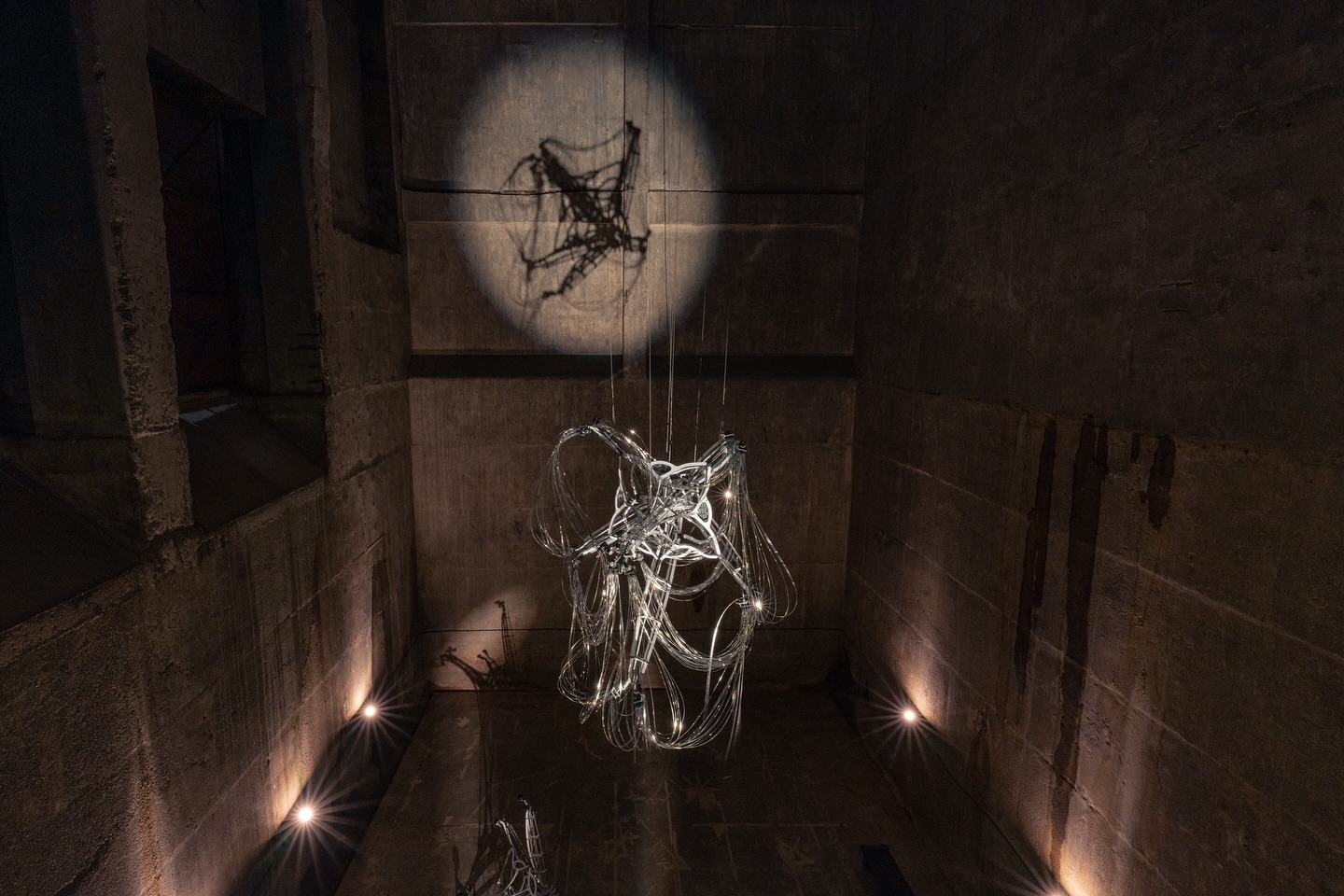
(Copenhagen Contemporary, Denmark, 2025), 《Liquid Politan》 (Art bunker B39, Bucheon,
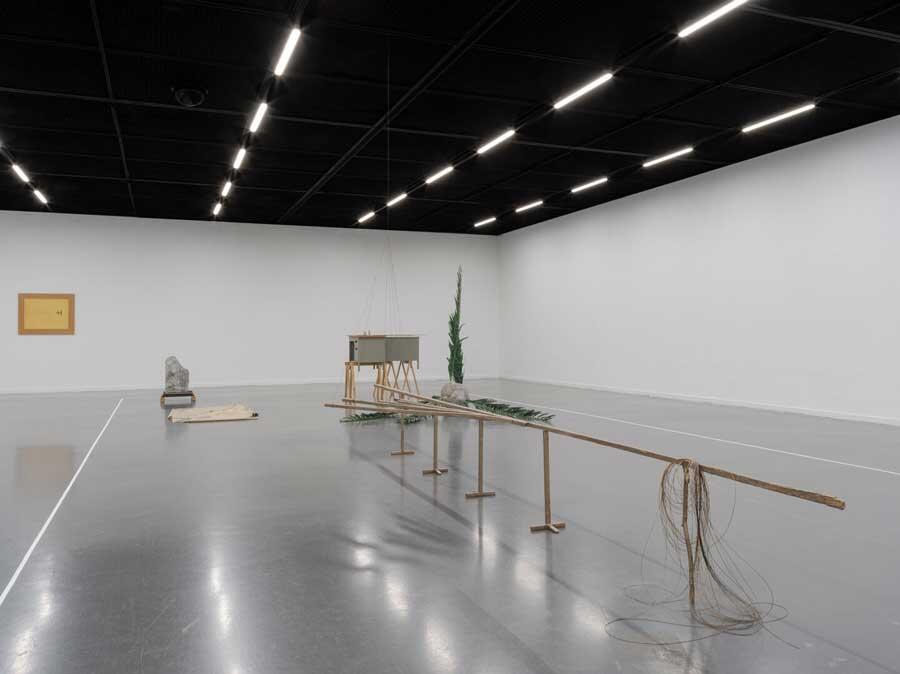
2024), 《Exploring Unknown, Science Gateway》 (CERN, Geneva, 2023), 《Future Collection》
(Ulsan Art Museum, Ulsan, 2022), and 《Nothing
Makes Itself》 (Arco Art Center Gallery, Seoul, 2021).
His
works have been also presented by a number of renowned international
organizations, including CCCB (Centre de Cultura Contemporània de Barcelona),
Spain; FACT (Foundation for Art and Creative Technology), Liverpool, UK; Ars
Electronica, Linz, Austria; Frankfurt Museum of Art, Germany; International
Triennial of New Media Art, Beijing, China; VIDA15.0, Spain; Schering Stiftung,
Berlin; Transmediale, Berlin; and the 6th Electrohype, Ystad Sweden.
Awards (Selected)
Kim has been the recipient of a number of
international awards, including the 2016 Collide Award from CERN, the world’s
largest particle physics research institute, the VIDA 15.0 Third Prize, along
with awards at Ars Electronica and Transmediale.
Collections (Selected)
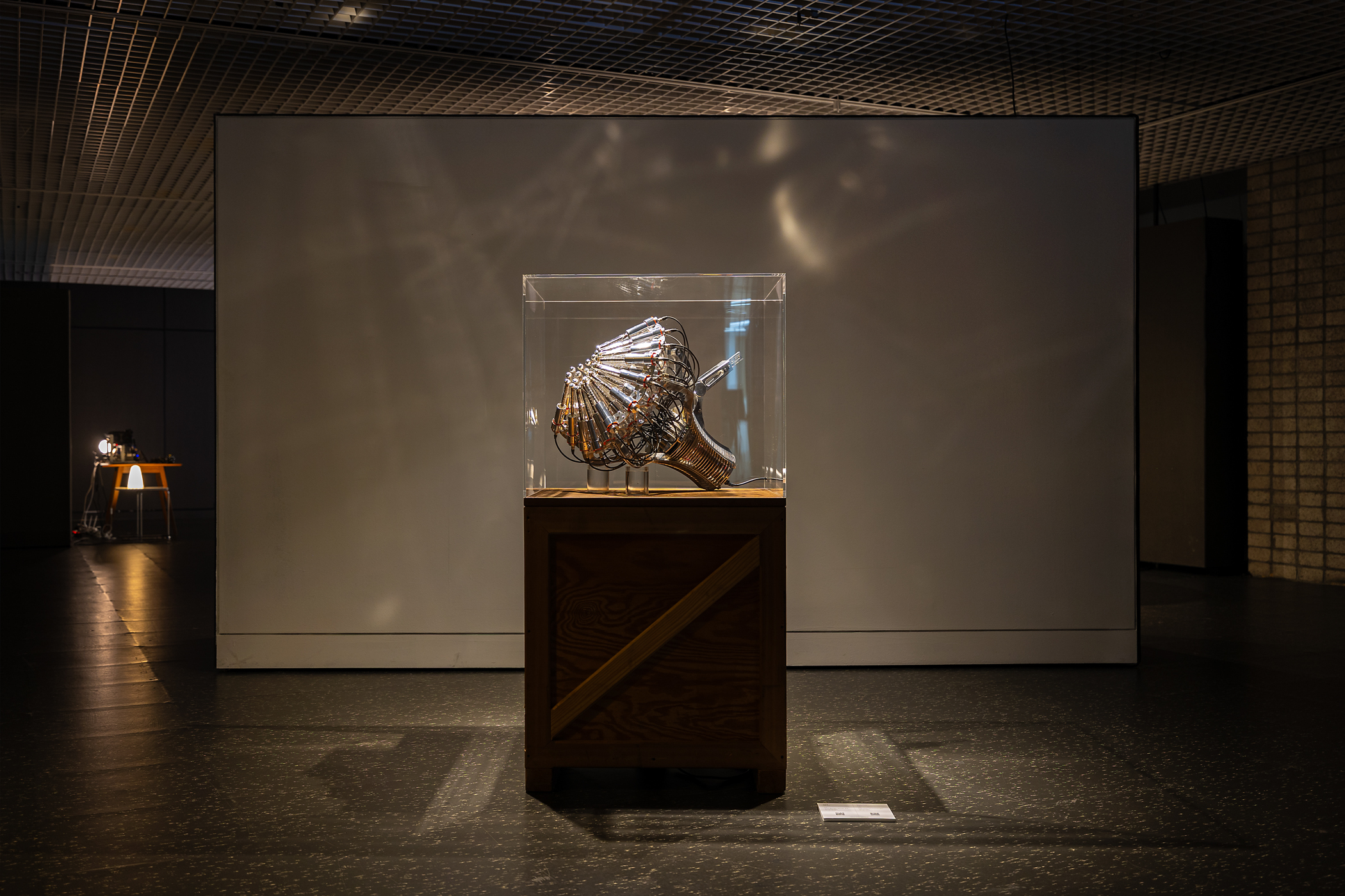
Yunchul Kim’s works are included in the collections of the National Museum of Modern and Contemporary Art (MMCA, Seoul and Cheongju), the Seoul Museum of Art (SeMA), the Daejeon Museum of Art, the Museum of Contemporary Art Busan, and the Ulsan Art Museum.