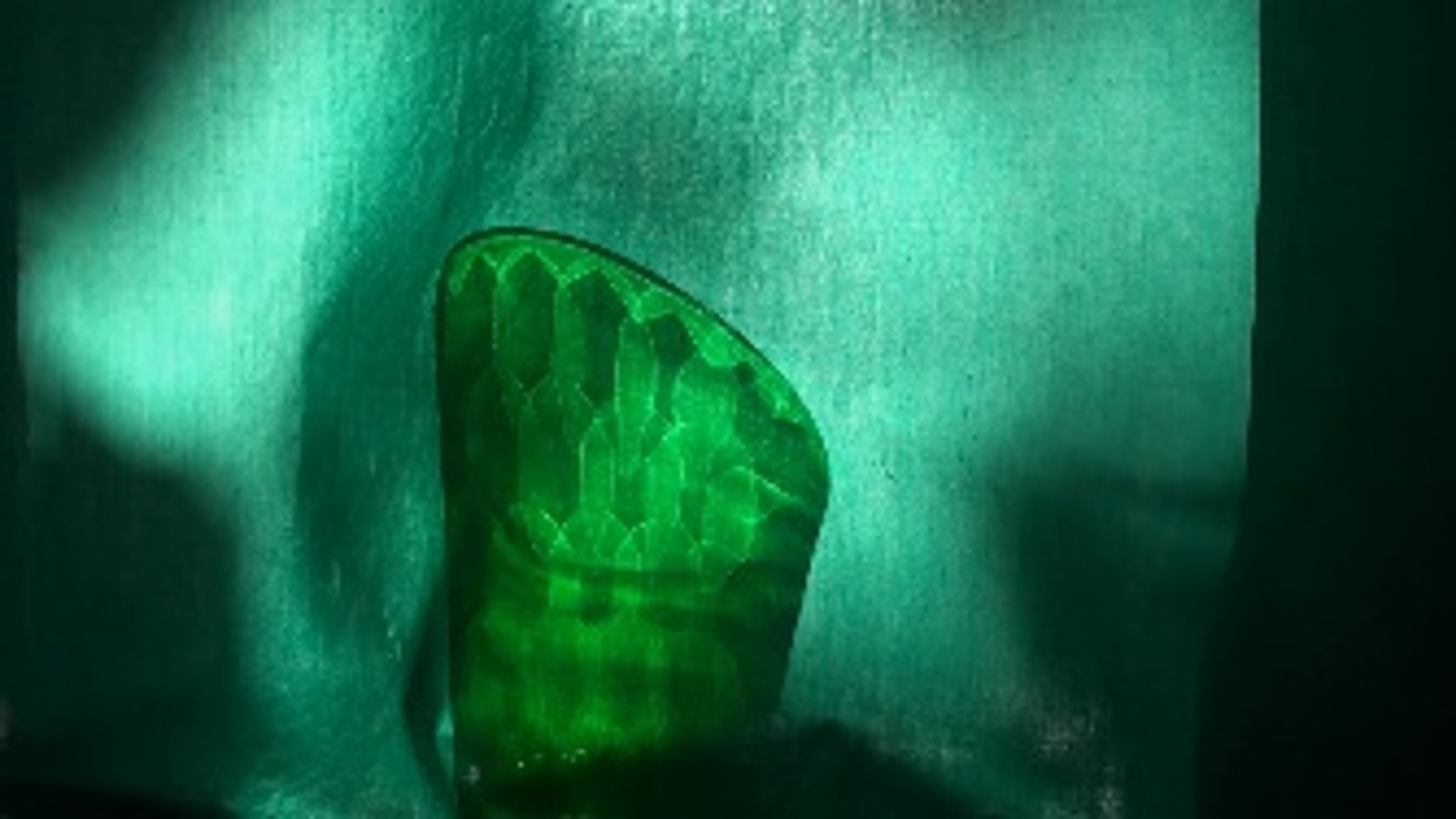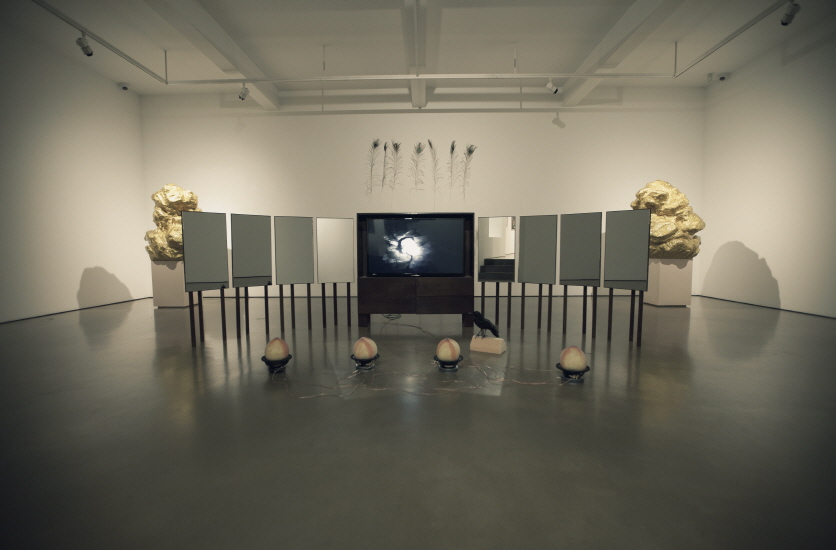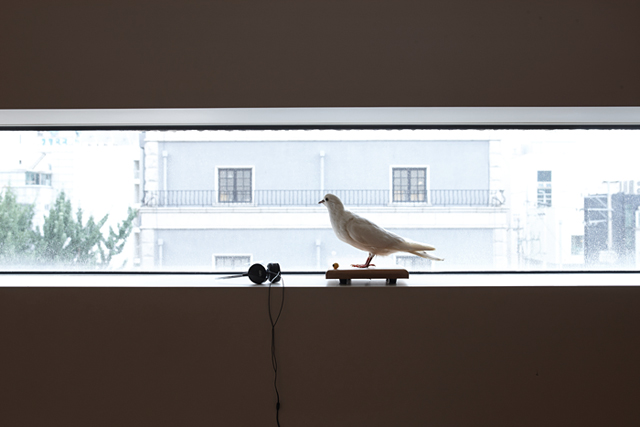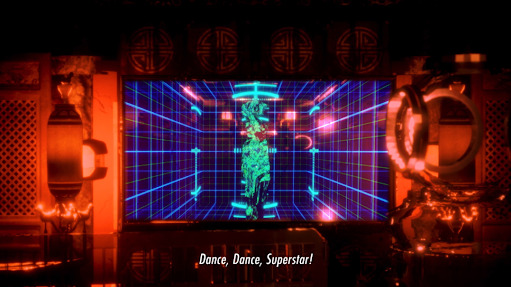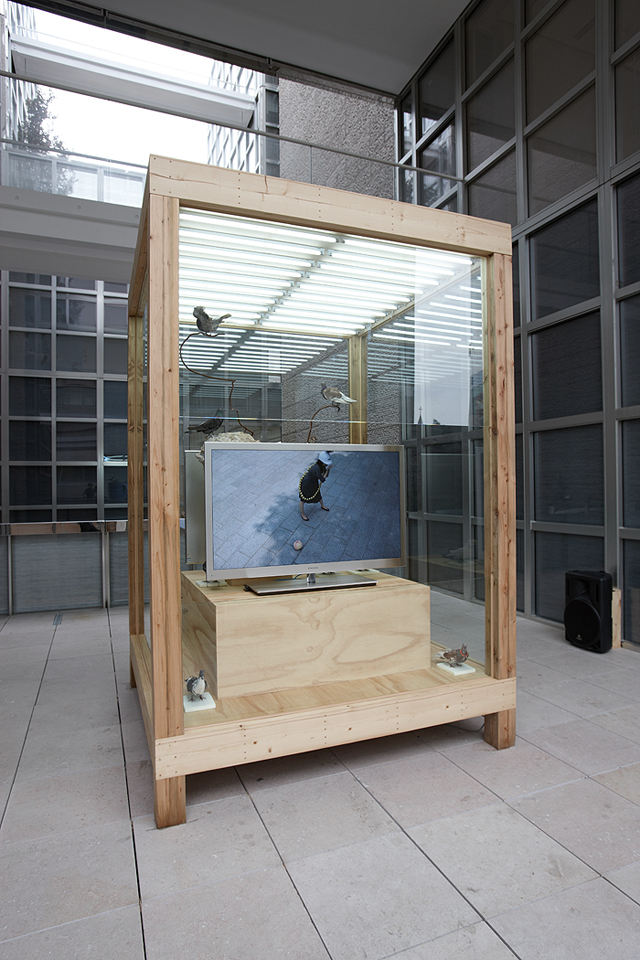

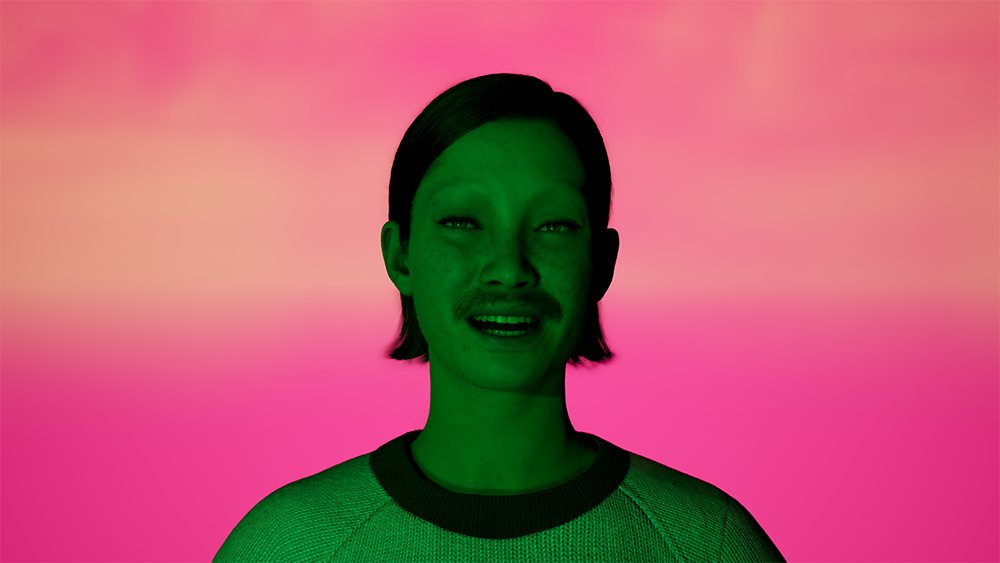
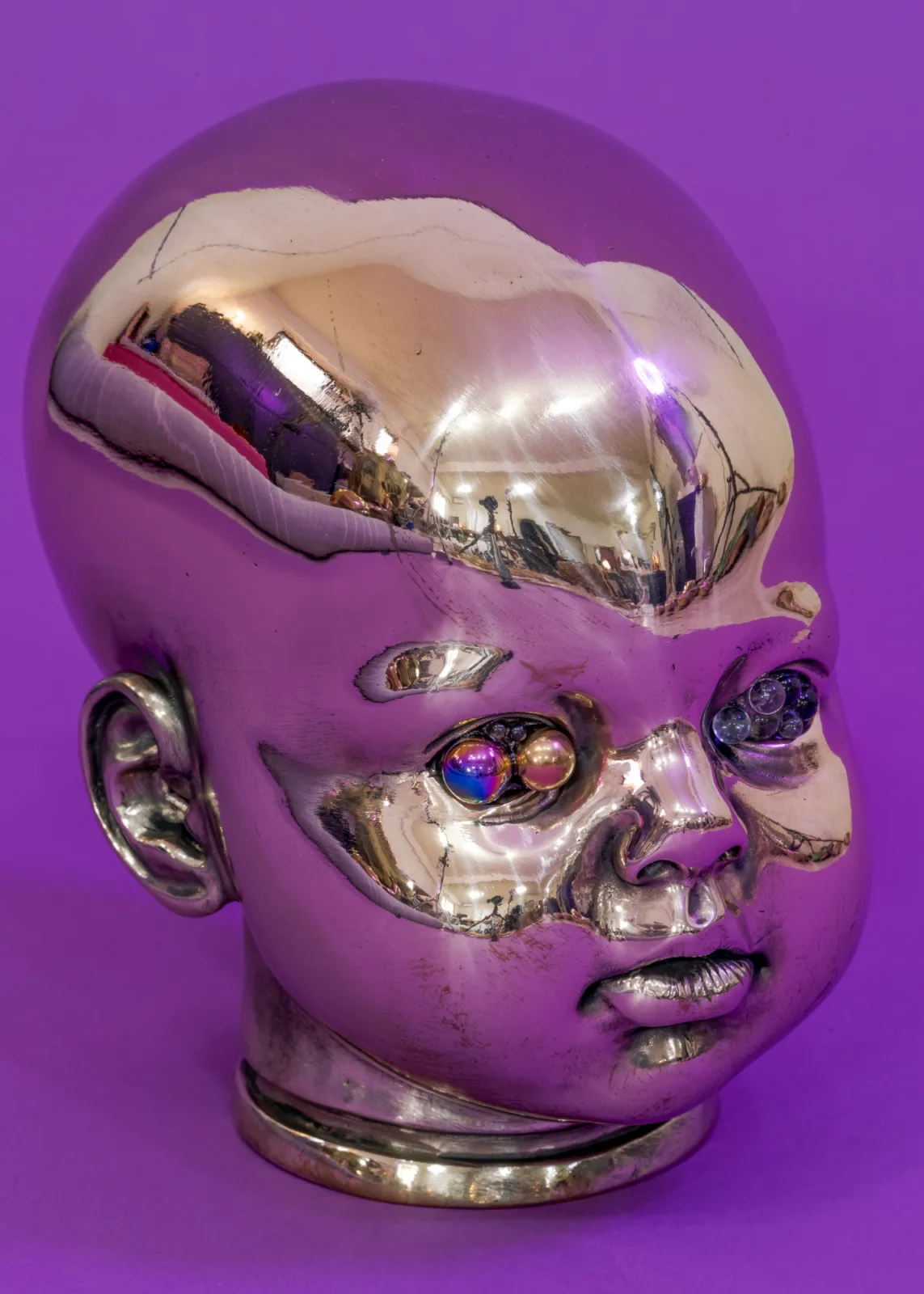
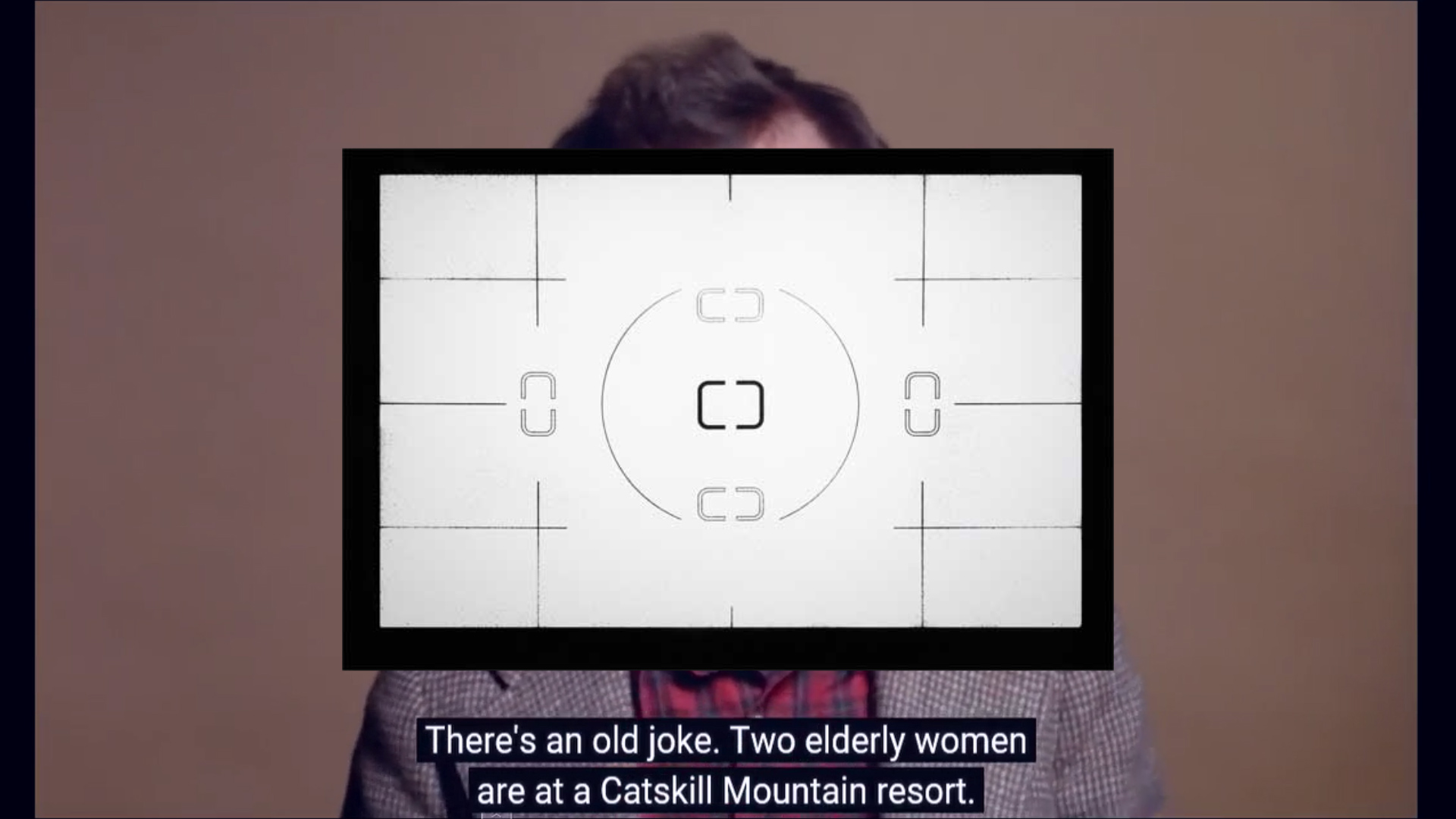
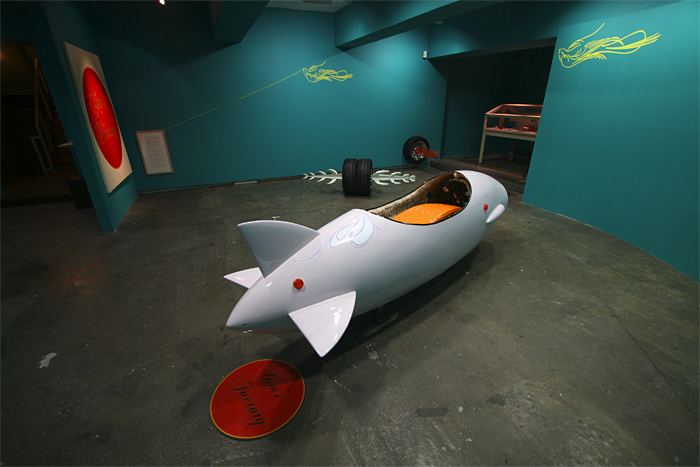
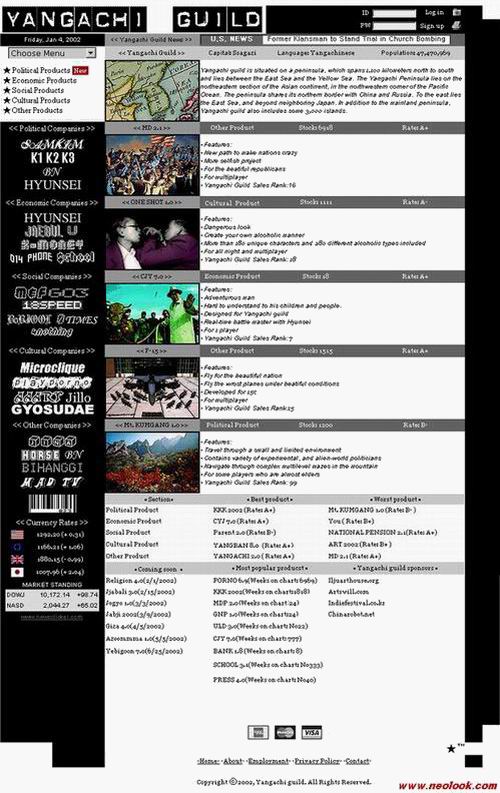
Yangachi, White Hole, 2014, video, 5min 29sec ©Hakgojae Gallery

Five years after 《Middle Corea》, a project addressing political and social issues in Korea, Yangachi returns with a solo exhibition titled 《Night of Burning Bone and Skin》. While the earlier exhibition had a somewhat hopeful ending—destroying old systems and criticizing the present to envision a new world—this new exhibition, though retaining a critical perspective on society, seems devoid of hope. Pain subsides yet endlessly recurs, making it difficult to hold onto hope. Witnessing how the irrational societal structure from thirty years ago is repeating today, the artist references the title of a film born from the so-called 3S policy (Sports, Sex, Screen)—a political strategy in the mid-1980s. Night of Burning Bone and Skin can rightly be seen as a symbol of the erotic films that surged in popularity around 1980. Yet if one interprets the words literally, it could evoke a terrifying horror film—or, depending on the context, a record of the horrific torture and massacres that took place at the time. Either way, the meaning of the title will differ based on one’s experience of the 1980s.

Although Korea endured a painful modernization process, today’s societal flow doesn’t appear orderly or upright. Trust has weakened—whether between individuals, classes, or generations—while conflict has intensified. Though the military regime ended about twenty years ago, bringing a breath of relief, a stifling atmosphere seems to be resurging lately. Despite the recurrence of environmental destruction, broken families, cults, and absurd accidents, the state remains silent, compelling silence upon the victims. These problems are real, and naturally demand diagnosis. In this context, the artist’s message becomes clear. As an artist, Yangachi could not help but perceive the similarities between the repressive past of thirty years ago and the present, and the repeating of a history that should never repeat became his motive to speak out. He states, “Thirty years ago, (the oppression of power) was visually evident, but now it operates through systemic and subtle control—making it invisible, and thus difficult to recognize.”

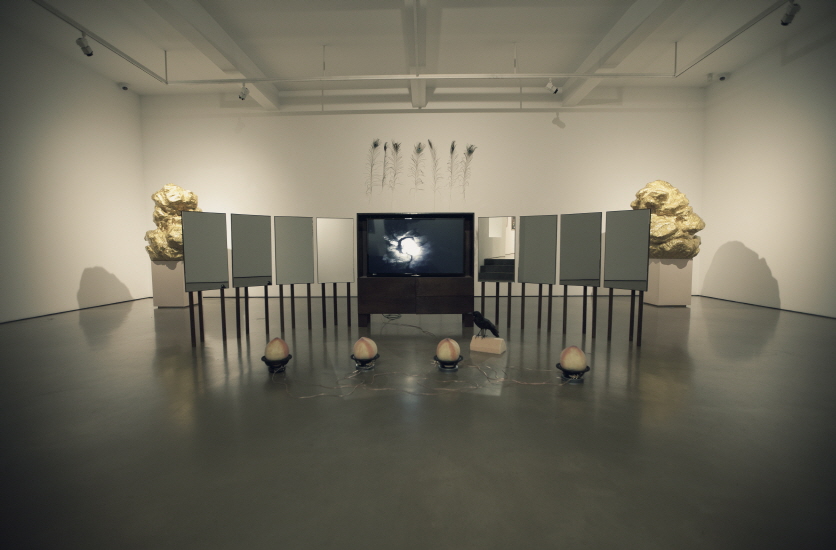
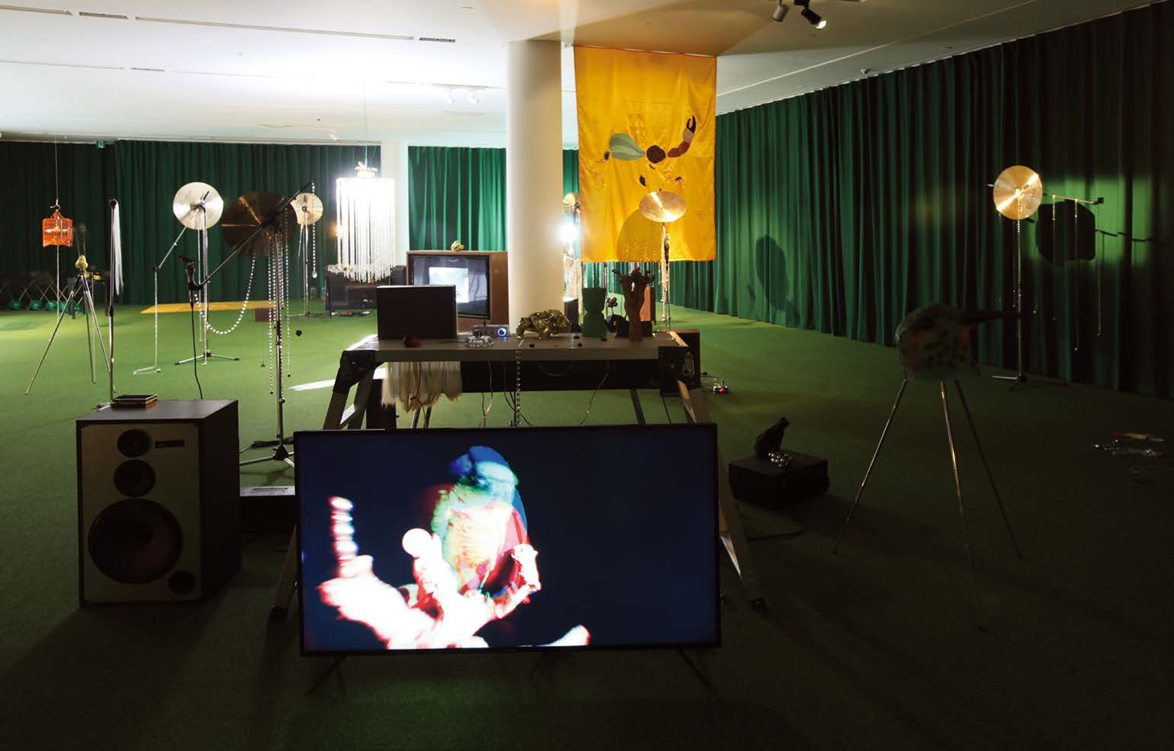
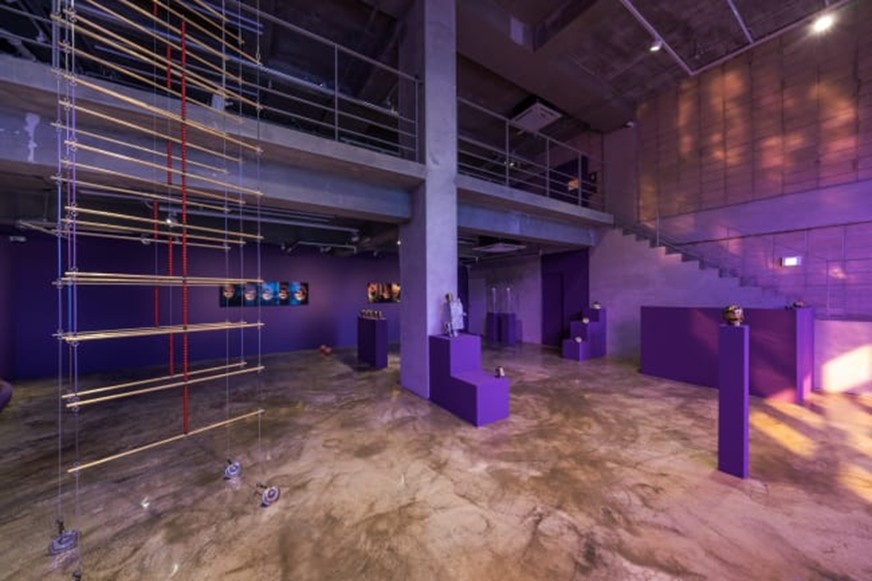
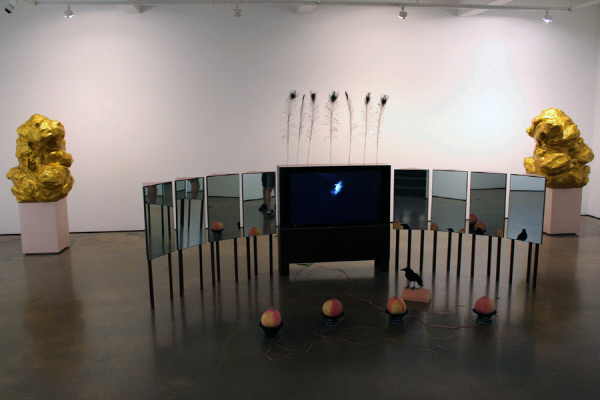
Yangachi, Night of Burning Bone and Skin,, 2014, Mixed Media, Variable size ©Hakgojae Gallery

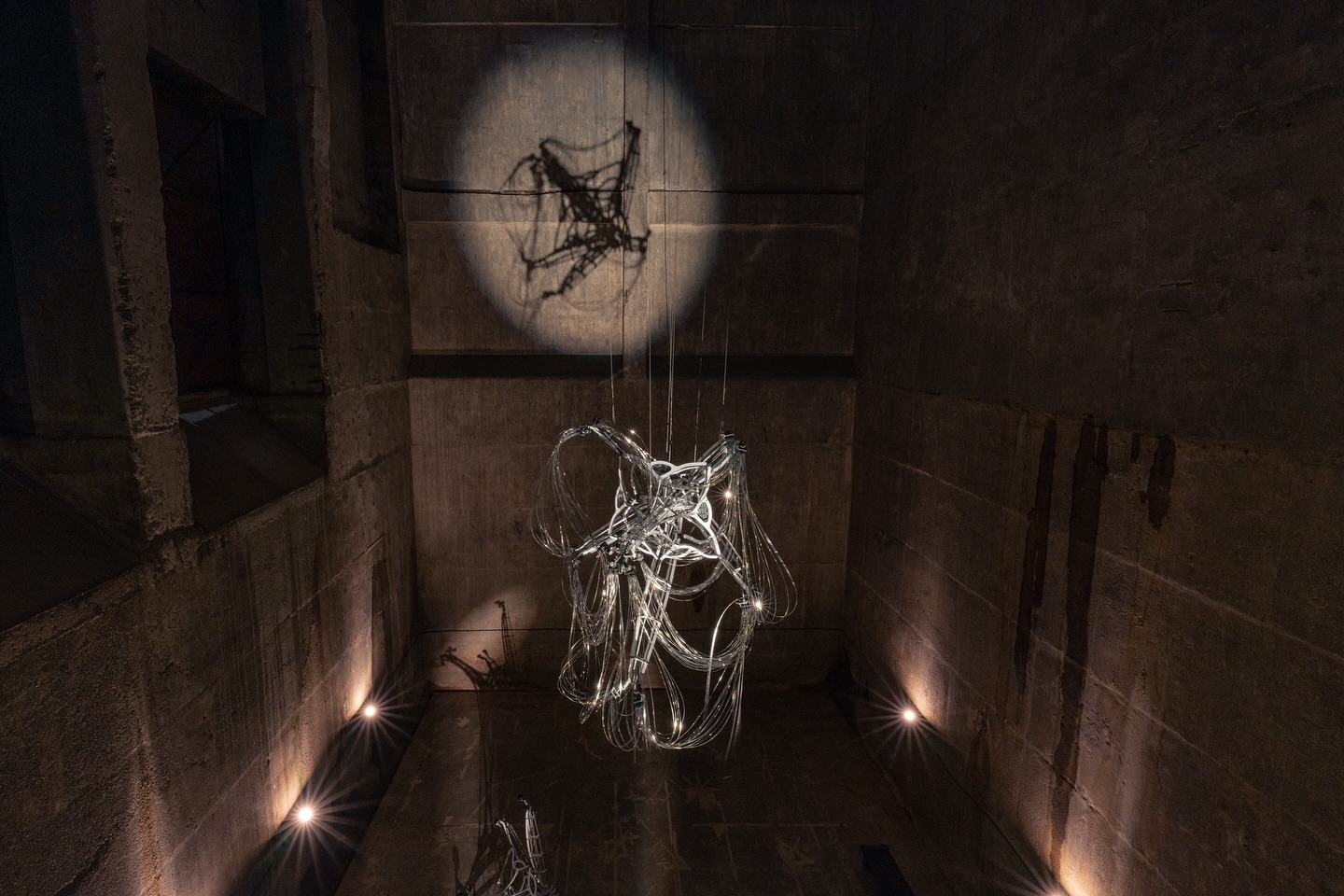
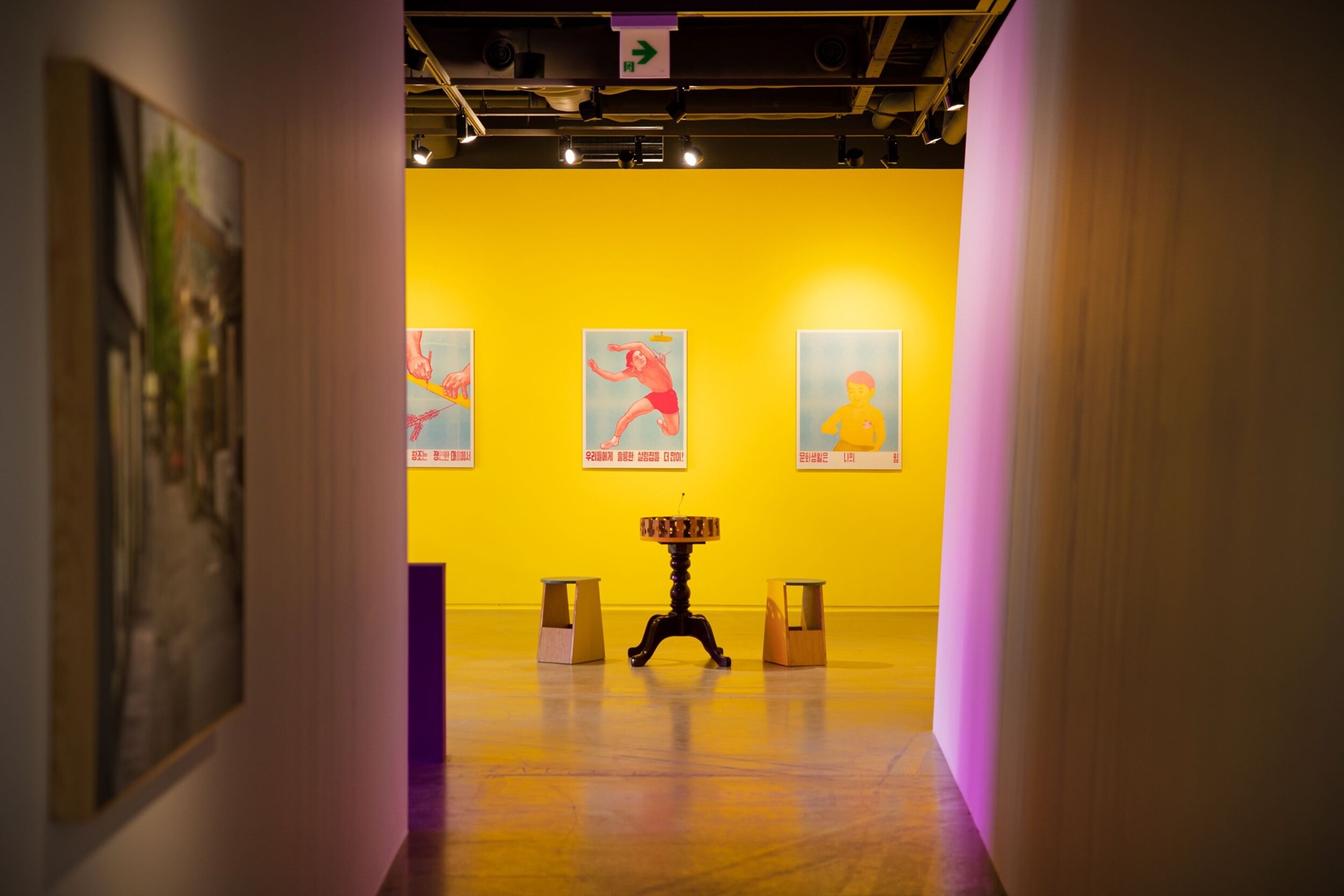
The exhibition space was filled with images and objects that blended the atmosphere of thirty years ago with that of the present. Chandelier, candles, glasses, taxidermy animals—elements evocative of a haunted mansion—appeared, alongside figures wearing wolf masks or bird heads resembling chicken heads (looking down indifferently), clumps of hair representing body parts left in the forest, cherry trees, and statues with heads hanging low. These objects created an erotic yet horrifying mood, symbolizing various aspects of contemporary reality, even evoking death-related imagery that resonates with today’s societal issues. The scenes were filmed at night using lighting, enhancing the contrast between light and darkness and amplifying the atmosphere. Through these interwoven codes of sexuality and fear, the artist bluntly reveals the unstable reality where fiction and reality, death and life, despair and futile hope intertwine, underpinned by the irrational structures of our present society.

Yangachi’s new work Night of Burning Bone and Skin is the result of roughly six months of repeated nighttime hikes. Walking dark mountain paths may be frightening, but it is also a solitary time, a time of encountering one’s existence. Solitude becomes a way to control time. Through this ascetic solitude, the artist repeatedly questions why misfortune repeats itself. Through the exhibition, he seems to propose that we, too, take time for such solitary reflection.

References