








Solo Exhibitions (Brief)
Since 2002, Yangachi has held approximately 9
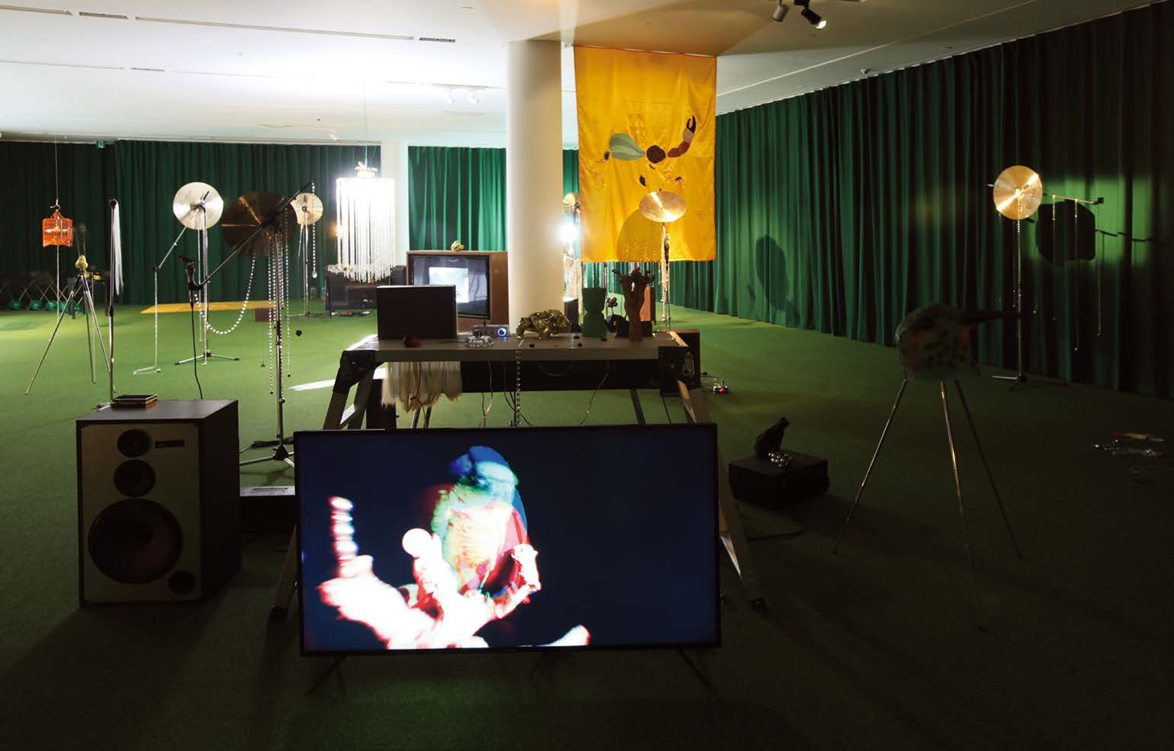
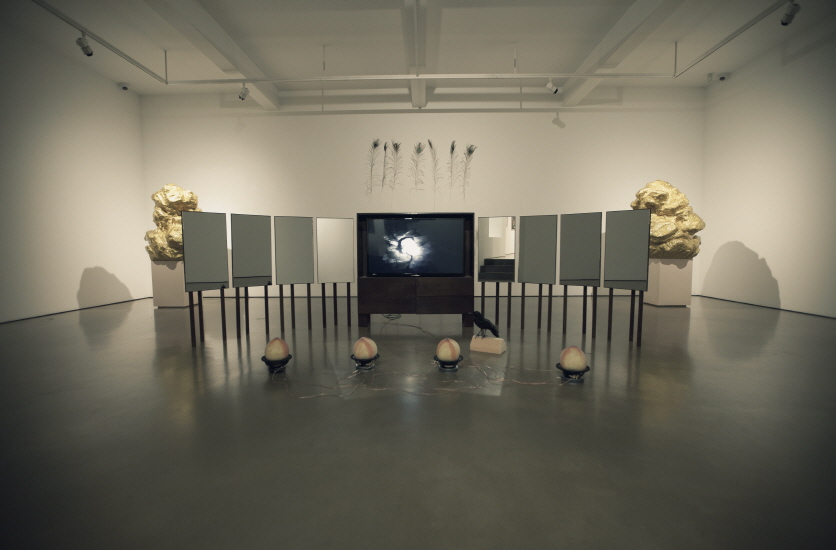
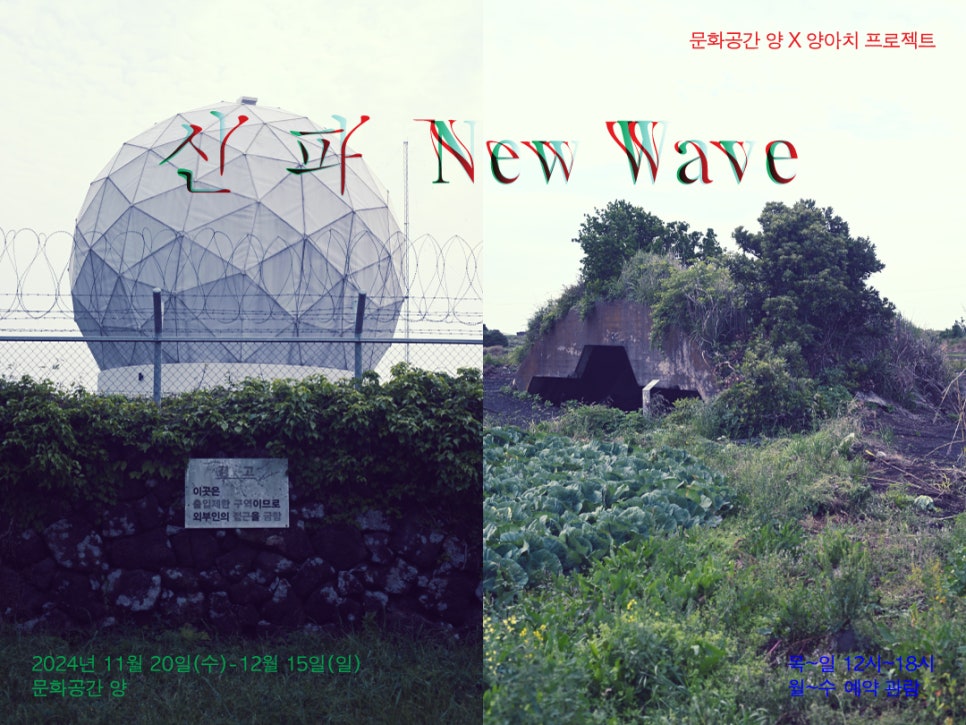
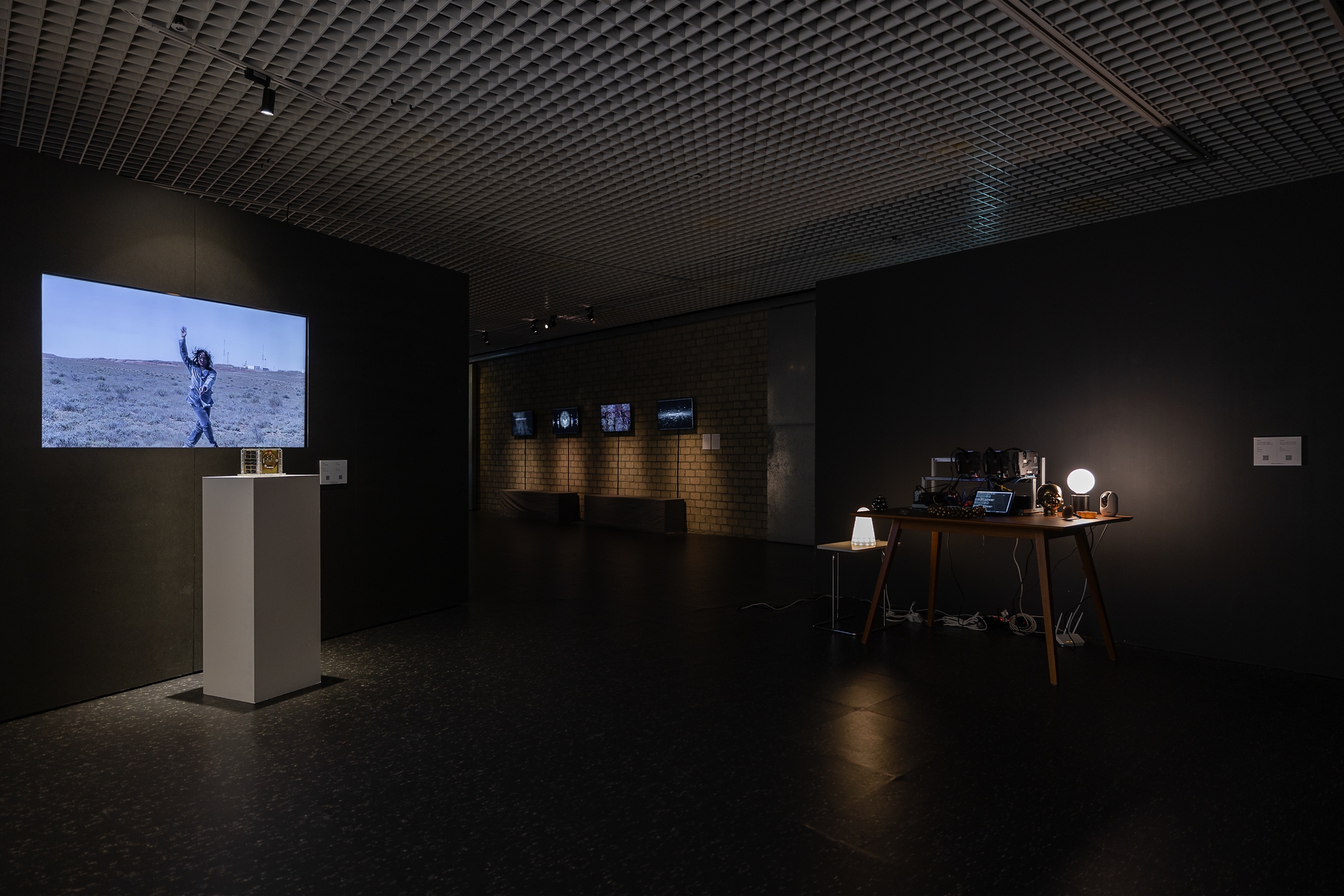
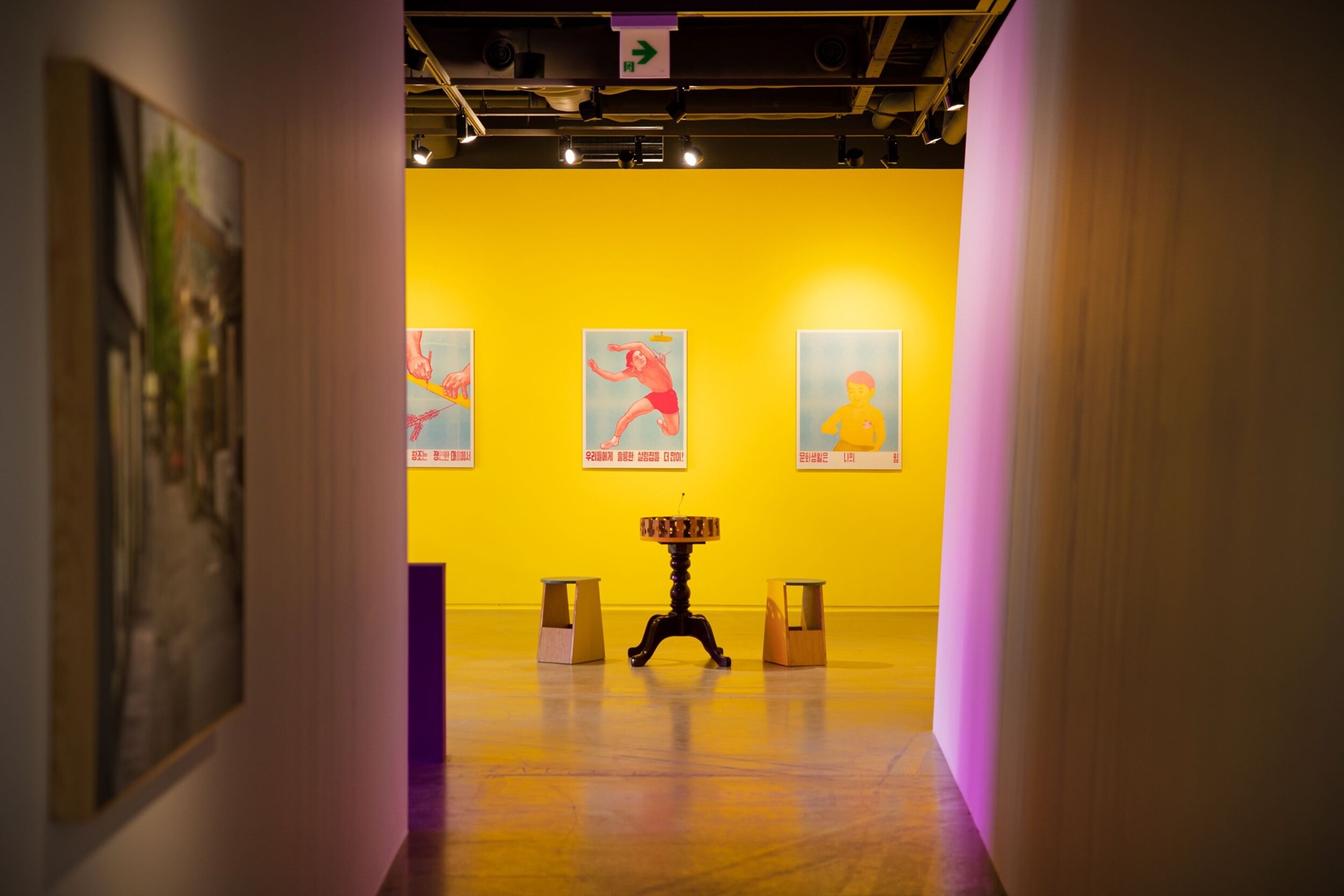
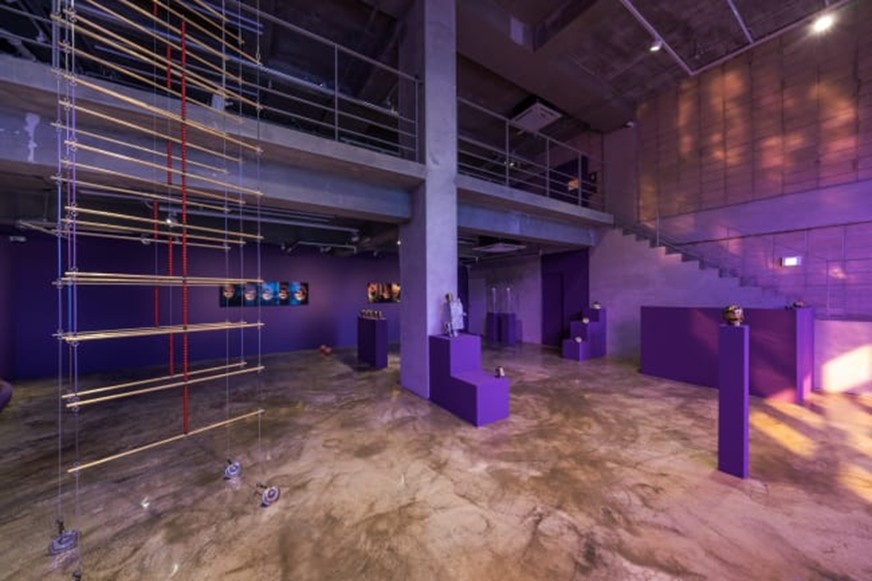
solo exhibitions. Notable solo exhibitions include 《New Wave》(2024, Culture Space Yang, Jeju), 《Galaxy
Express》(2020, Barakat Contemporary, Seoul), 《When Two Galaxies Merge,》(2017, Atelier Hermes, Seoul), 《A Night of Burning Bone and Skin》(2014, Hakgojae Gallery, Seoul), 《Middle Corea: Yangachi Episode III》(2009, Art
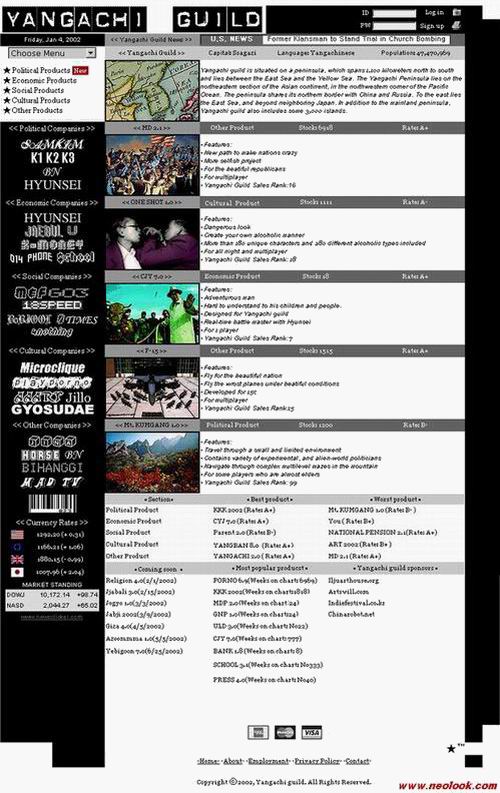
Center NABI, Seoul), 《Yangachi Guild,
www.yangachiguild.com》(2002, ILJU Art House, Seoul),
among others.
Group Exhibitions (Brief)
Yangachi participated in recent group
exhibitions including 《Synthetic Fever》(2025, Coreana Museum of
Art, Seoul), 《Liquid Politan》(2025,
Bucheon Art Bunker B39, Gyeinggido), 《Cabinet of the
Ephemeral - Collecting Media Art》(2023, Art Center
Nabi, Seoul), 《Shark, Bite the New World》(2021, Sehwa Museum, Seoul), 《SF: A Fantasy
Odyssey》(2021, Buk-Seoul Museum of Art), 《Double Vision (Diplopia)》(2020, ARKO Art
Center, Seoul) others.
Awards (Selected)
Yangachi was a recipient of the Hermes
Missulssang Award in 2010
Collections (Selected)
Yangachi has his works housed in several prominent institutions such as National Museum of Modern and Contemporary Art, Korea, Seoul Museum of Art, Gyeonggi Museum of Modern Art, and Amorepacific Museum of Art.