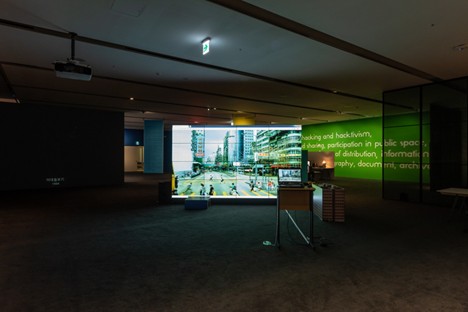
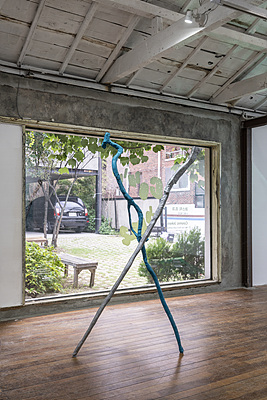
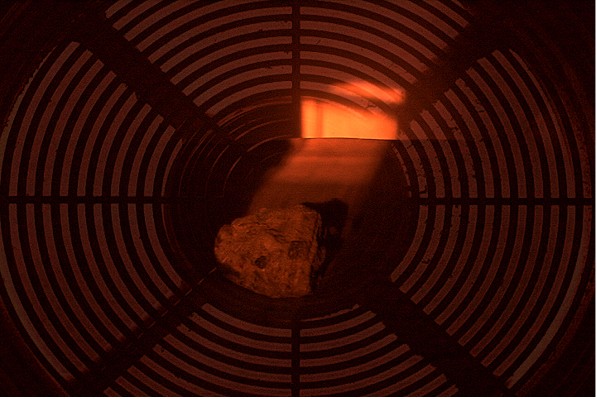
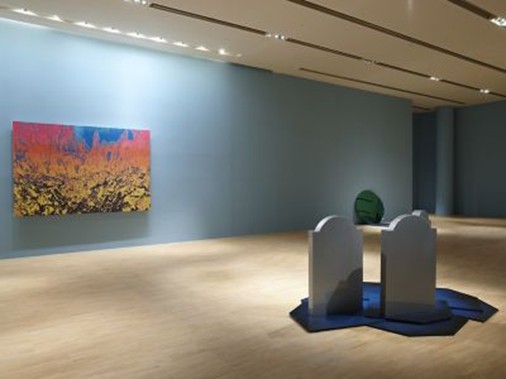
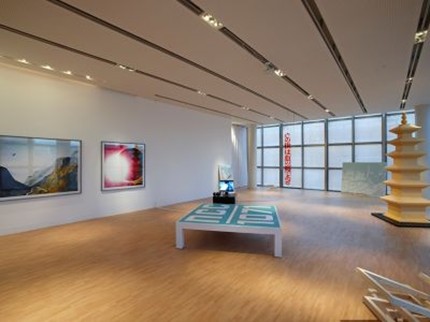
《WEB-RETRO》 examines the history of new art that emerged with the World Wide
Web and its network, which has fundamentally changed the conditions of
communication, image production, consumption, and artistic practice over the
past thirty years. With the emergence of the internet, the 1990s and the 2000s
marked an era when artists actively began to explore the roles and rules, as
well as the possibilities and limitations of the new medium.
《WEB-RETRO》 aims to
revisit this period and reexamine how artistic practices have been transformed
by the internet over the years. Considering the unique characteristics of
internet art, the exhibition explores the medium in three aspects –
“How did internet art look at the society and engage itself
with it?,” “How did internet art reflect the cognitive
changes in the meaning of individual existence and image?,” “How did internet art expand the boundaries of art in its time?”
In response to these questions,
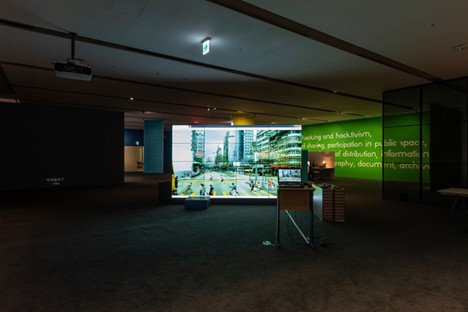
the exhibition introduces the following categories of artworks. The first is a
group of works which utilized cyberspace as an alternative space for expression
and a strategic media outlet by way of social intervention, or critical
response against the society by revealing its hidden aspects.
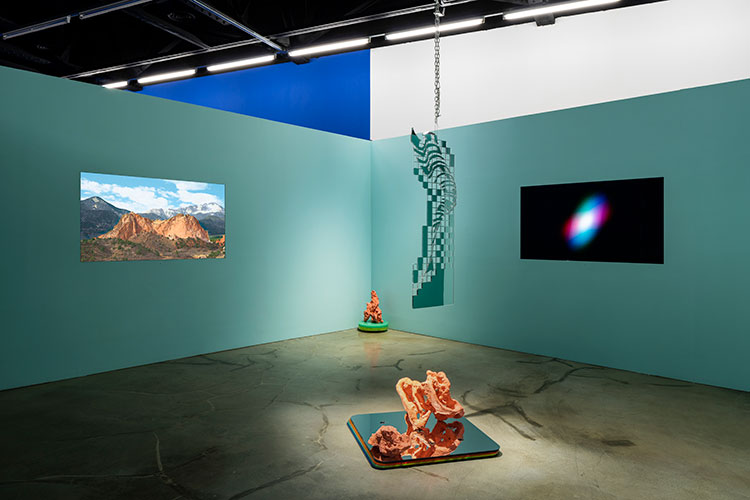
The second
category looks at artistic experiments that redefined conventional artistic
medium and explored new realms of expression made possible by technologies such
as screen images, virtual reality, real-time remote control, and etc. The third
group represents those works which embraced the open environment of the
internet where anyone could become a creator, and where underground cultures
and active communication flourished in both commercial and public realms.
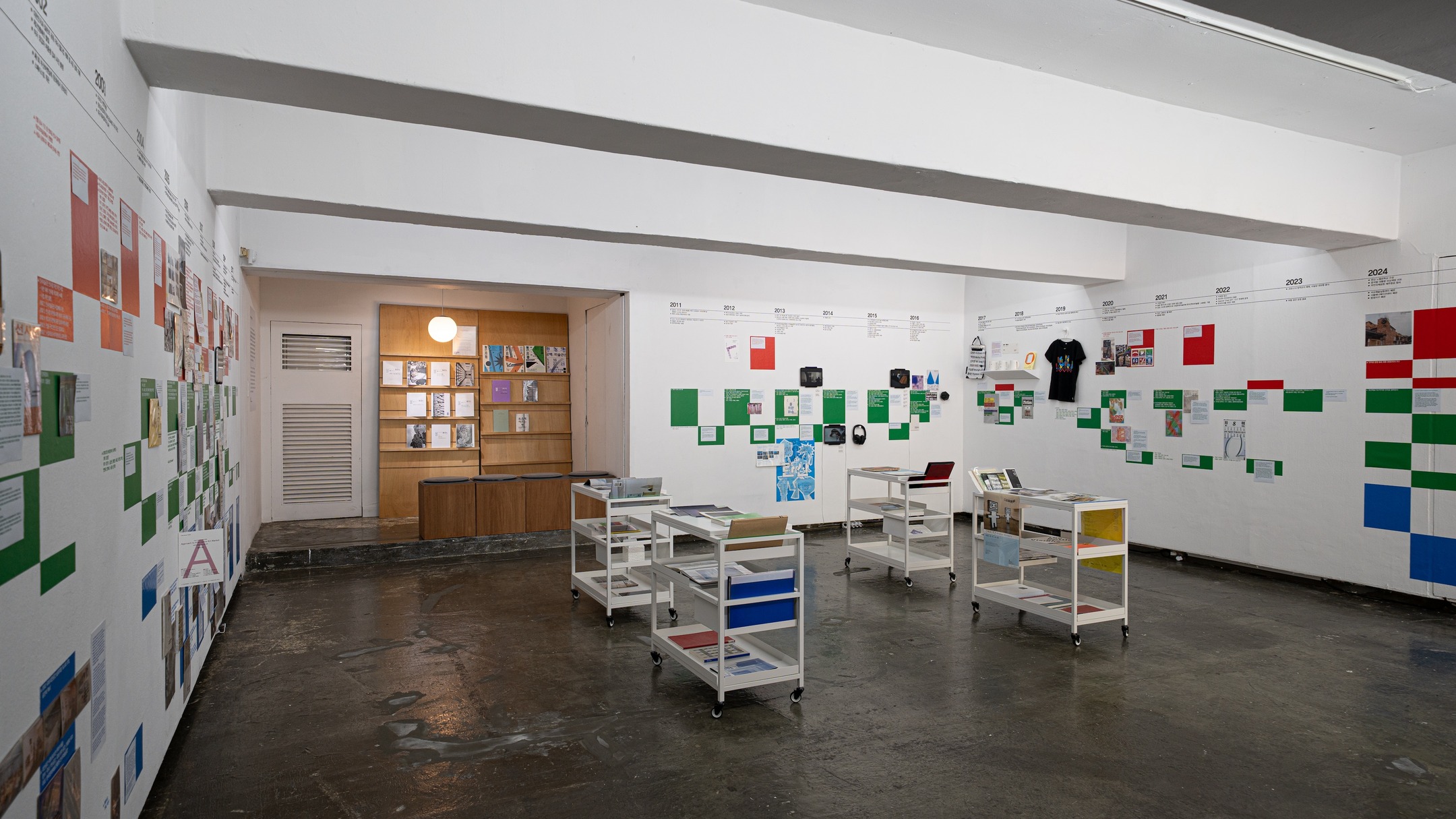
In addition to the artworks,
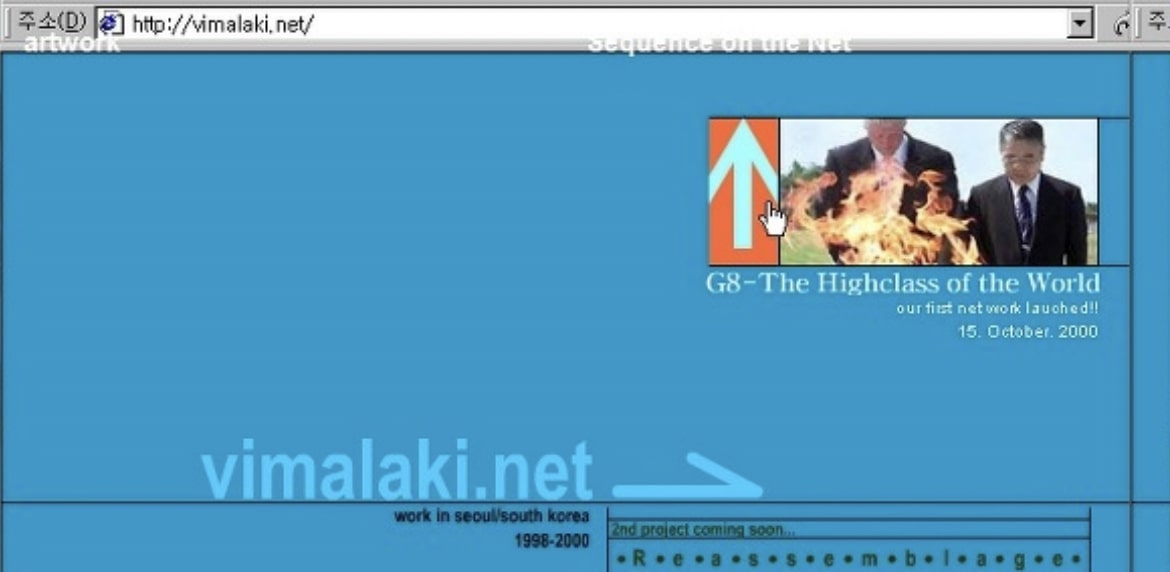
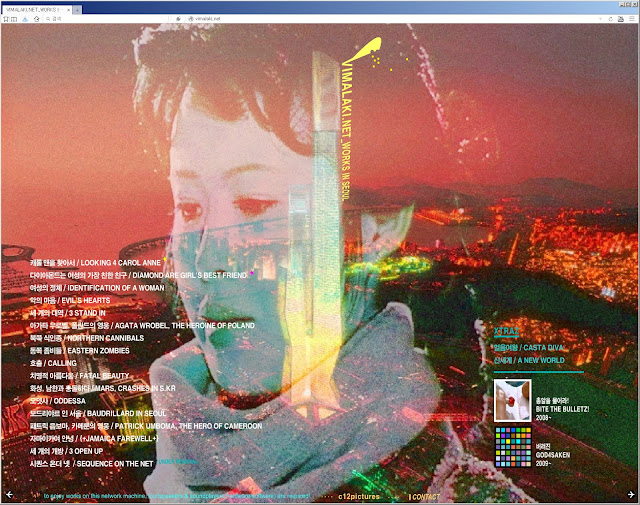
WEB-RETRO presents an online archive project which links important, historical
works of internet art on the website, as well as an offline archive which
traces important chronologies and events in the technological, social and
cultural developments of the genre. Moreover, the exhibition includes a special
restoration project for those artworks that could no longer be exhibited due to
their outmoded technology.
Collectively, the archive projects aim to introduce
the wide range of artistic attempts in internet art from both the Korean and
international art world, and construct a comprehensive topography of their
historical, cultural and technological context. By providing such long-term,
broad perspective of the genre, the archives hope to build a foundation for
further in-depth art historical research by identifying the critical periods
and characteristics of the genre.