The SONGEUN Foundation holds the annual SONGEUN Art Award through a process of open call and multi-stage review. Four artists are selected through preliminary and final evaluations, with the final grand prize winner determined through an exhibition-based judgment. SONGEUN Art Space is currently presenting a solo exhibition titled Walk in the Sun by Sejin Kim, the Grand Prize winner of the 16th SONGEUN Art Award in 2016.


Toward a Utopia

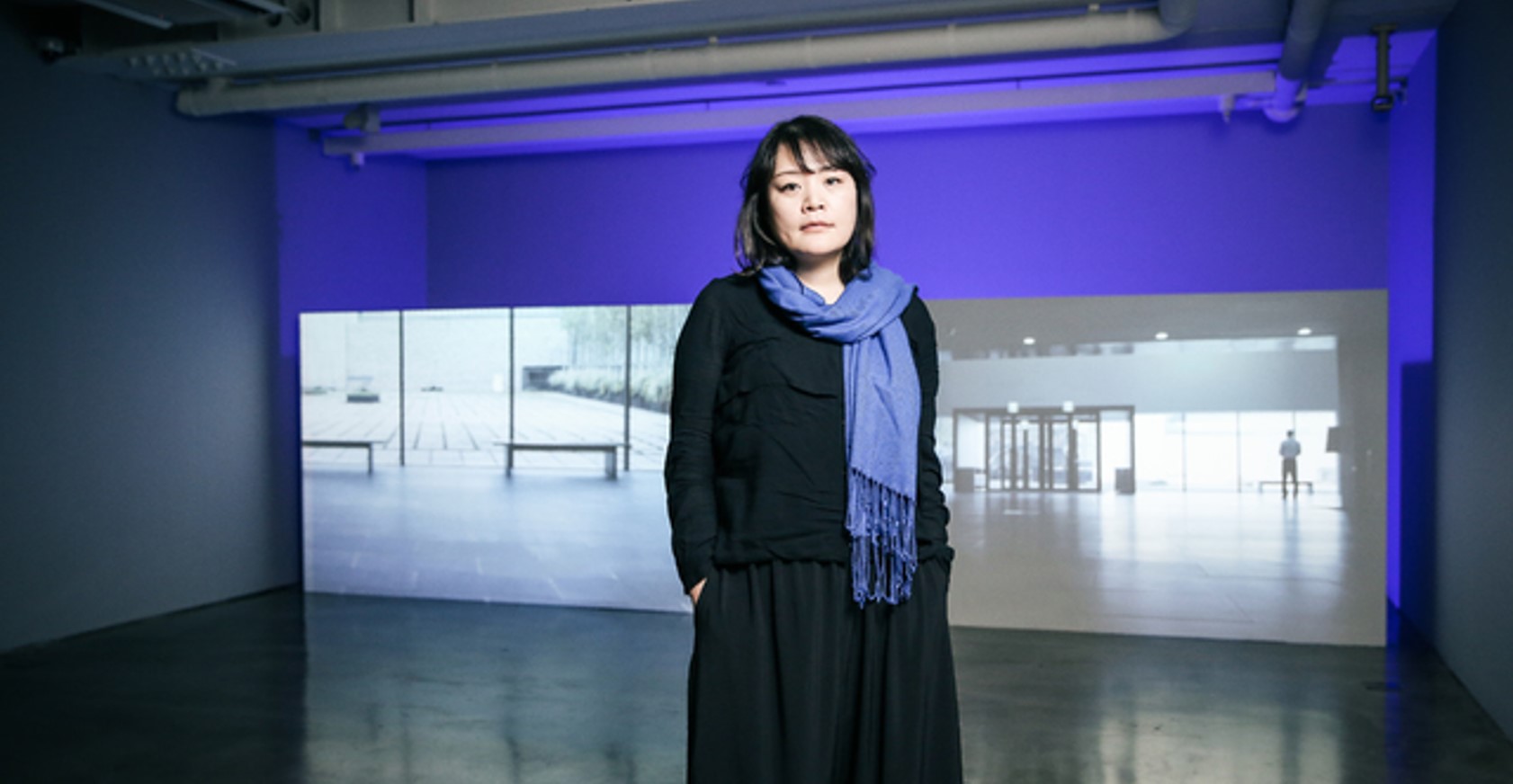
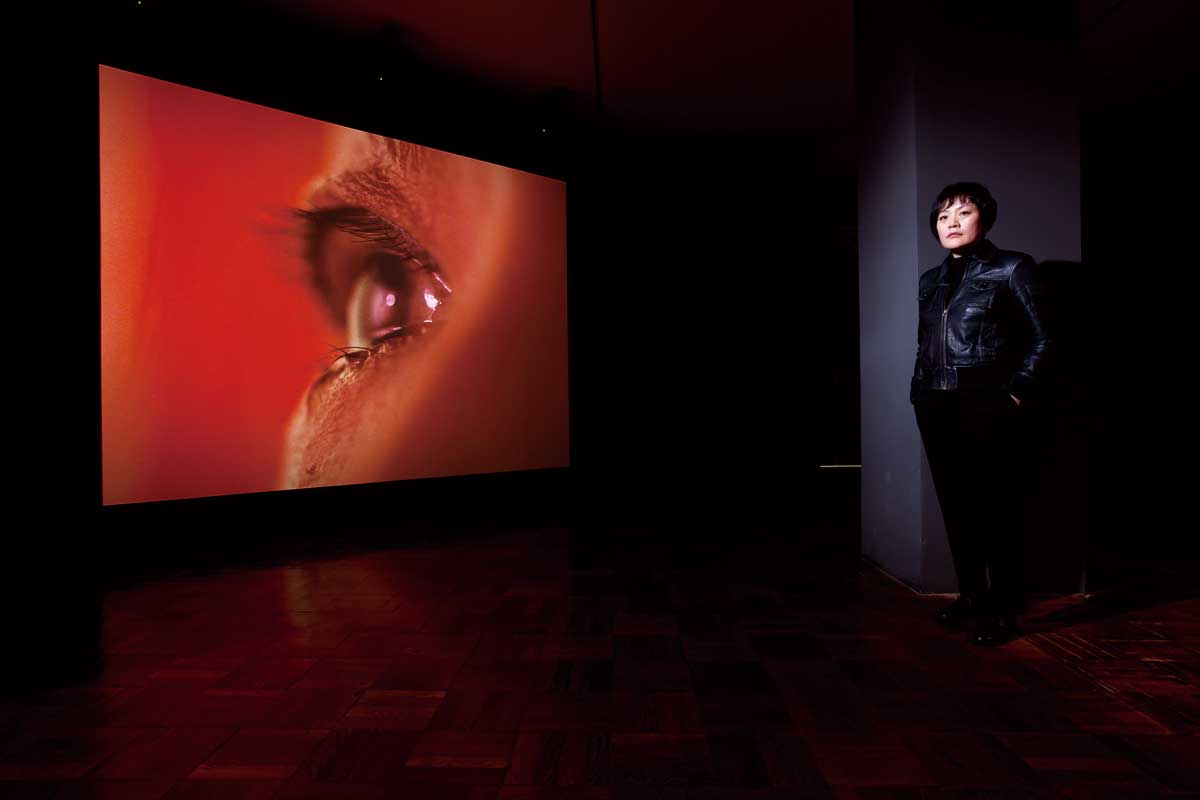
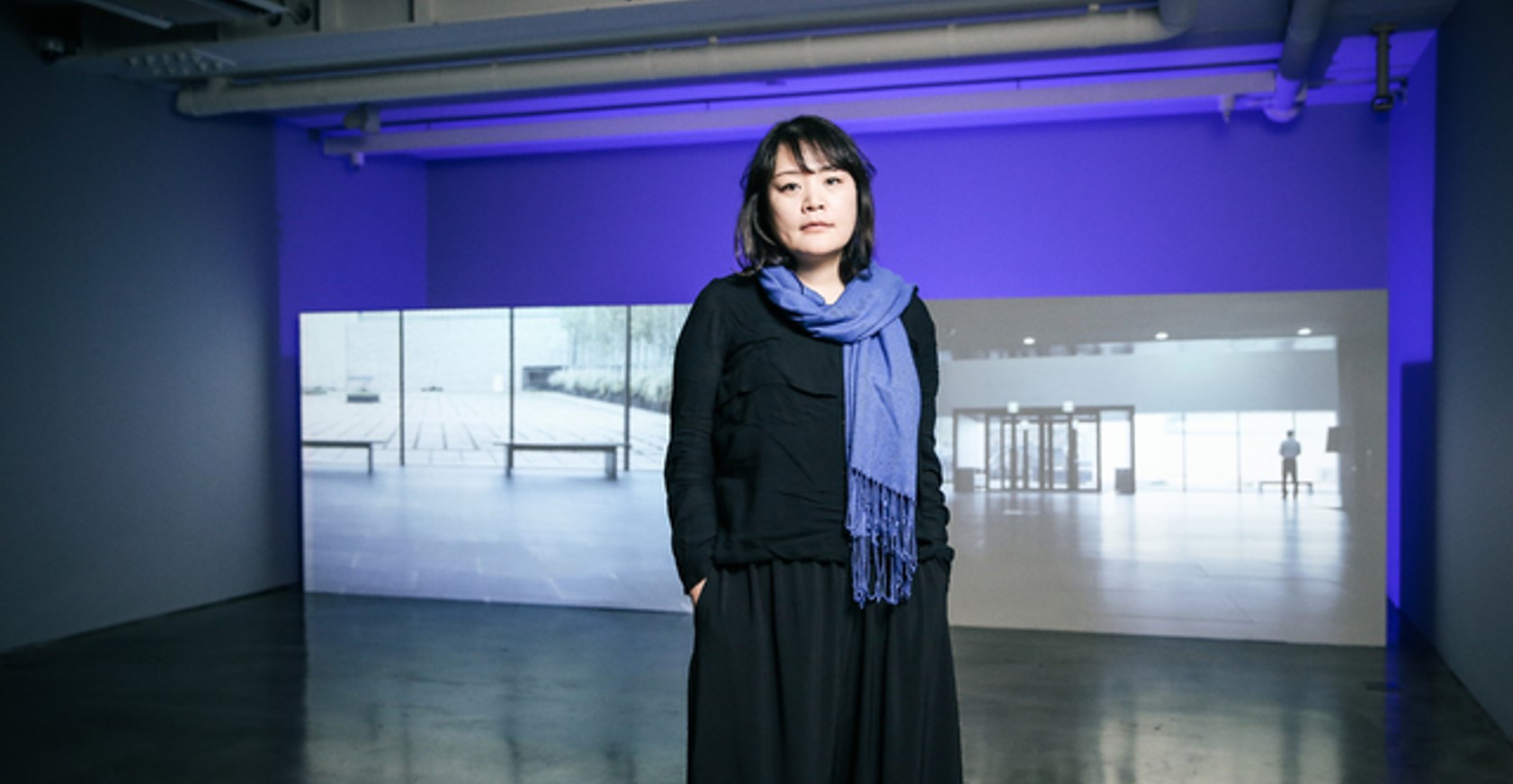
Sejin Kim draws upon the lives of individuals within societal systems as the core material for her work. By blending cinematic and documentary film techniques, along with sound and distinctive video installations, she unfolds narratives in a synesthetic manner.

The exhibition title Walk in the Sun is borrowed from a science fiction short story of the same name by Geoffrey Landis. It depicts the journey and reflections of an astronaut who crash-lands on the moon and must endlessly walk toward the sun to survive—a narrative that mirrors humanity’s physical and virtual movement in pursuit of life.

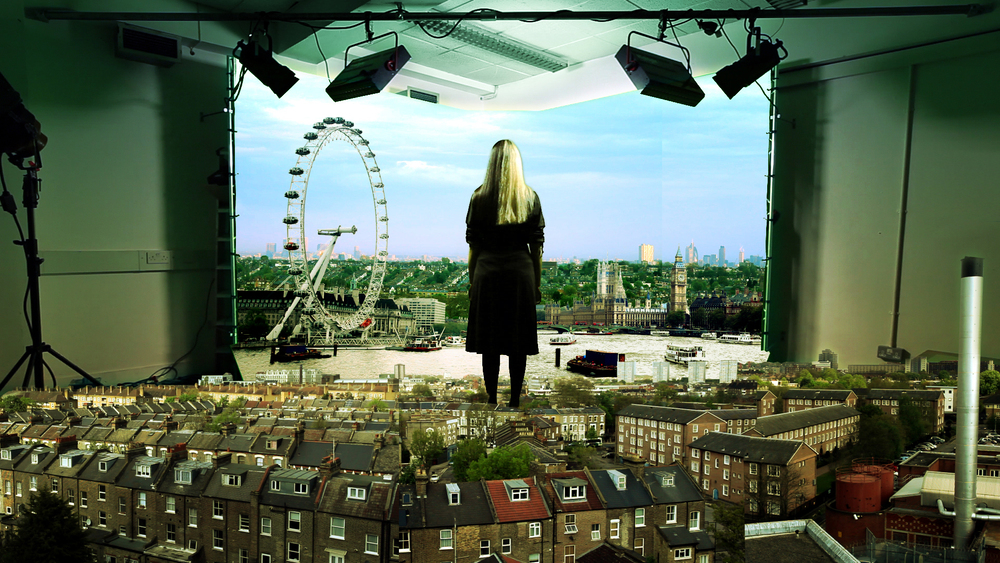
In recent years, Kim has explored themes of cross-border movement, focusing on its causes and consequences. In the 16th SONGEUN Art Award Exhibition, she presented Urban Hermit, a work portraying invisible labor within modern society.

Her work Proximity to Longing also addresses movement toward a better life or utopia as a facet of human history, such as migration and immigration. Through narratives of isolated and marginalized strangers—laborers and immigrants existing as minorities in society—she conveys emotions of solitude and loss. These emotional layers are expanded in this exhibition to a more global scale. Kim presents four new works composed of stories and records collected along a journey from Lapland in the Arctic Circle to Antarctica.


A Title Borrowed from Fiction: Walking Toward the Sun

On the third floor of the exhibition space, the video work North for the Nonexistence is shown, set in the Lapland region near the borders of Sweden, Norway, and Finland. Lapland, located in the Arctic North of Europe, is home to the Sámi people, who have long adapted to harsh climates and natural environments over centuries.

Traditionally dependent on reindeer herding for a self-sufficient lifestyle, the Sámi today face challenges due to the declining reindeer population and the impact of technological and civilizational advancement, which has led to identity confusion. Consequently, many now live in more modern ways.

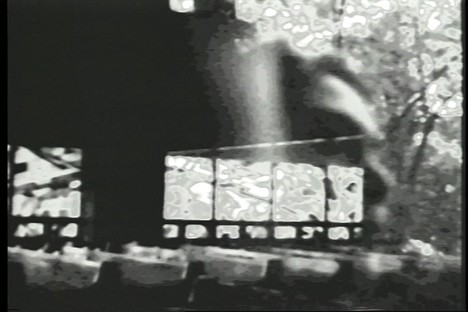
Sejin Kim, Mosaic Transition (still image), 2019, 2-channel looping video, 4-channel sound, 5 min 34 sec © Sejin Kim

North for the Nonexistence is based on the personal story of Anita Kimmel, a member of the Sámi community, and unfolds across five chapters: “A Letter from Anita,” “To the North,” “Exile,” “The Death of the Daughter of the Sun,” and more. The work examines conflicts that occur at the stark but simultaneously ambiguous boundaries between tradition and modernity, and the alienation that lies beneath.

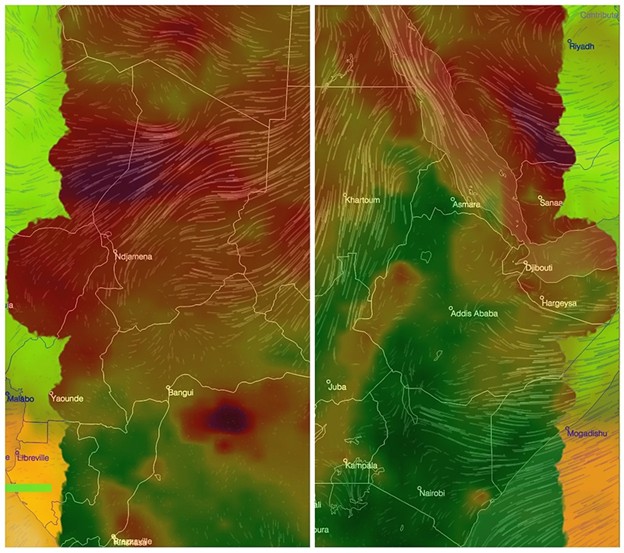
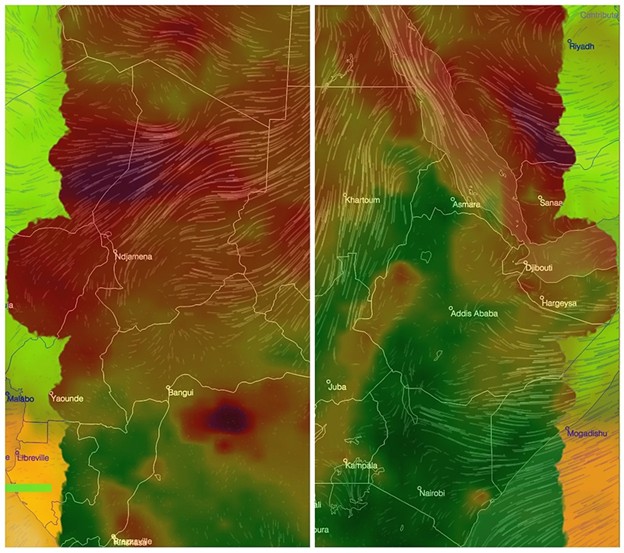
Also on the third floor, Mosaic Transition is screened in the innermost section of the gallery. The work is composed of fragmented and recombined imagery displayed on two divided screens, accompanied by layered sound. Clicking mouse sounds heighten tension as the homepage of a program called “Nullschool” appears.

Nullschool is a visual map that represents global weather data—such as wind and climate—based on big data. In the video, the mouse cursor moves rapidly, and system functions like screen capture and overlay operate incessantly, causing constant screen transitions.


A Cross-Border Interest

Sejin Kim’s Mosaic Transition depicts how the fictional imagination enabled by technological advancement and civilizational progress malfunctions at the boundary between reality and the virtual. Through digital moving images and rhythmical sound, the work portrays the inevitable glitches of the digital civilization we inhabit, as well as modern humans’ blind faith in its systems.

2048 is another work that explores a fictional territory called “G,” based on the real, ice-covered land of Antarctica. As the last place on Earth to be reached by humans, Antarctica remained shrouded in mystery until Norwegian explorer Roald Amundsen became the first to arrive at the South Pole in the early 20th century.

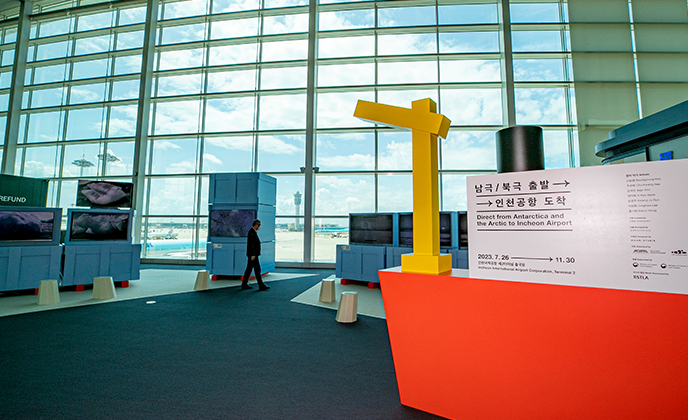
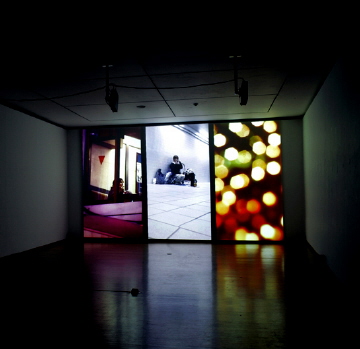
Sejin Kim, Messenger(s), 2019, 3D motion graphic video on OLED monitor, stereo sound, LED light © Sejin Kim

2048 is set in the context of the expiration of the Antarctic Treaty. It is presented on the fourth floor of the exhibition hall as a three-channel video spread across a large-format screen composed of nine signage monitors grouped together. The scenes combine actual footage Kim shot during a two-week residency in Antarctica with digitally rendered landscapes, creating a hybrid of documentary and fiction.


Stories of the Marginalized

A representative from SONGEUN Art Space remarked, “Sejin Kim’s work—comprised of diverse video and sound installations—transcends temporal and spatial boundaries that conflate the past, present, and future, as well as reality and virtuality. In this exhibition, she contemplates and imaginatively reconstructs the social and political imbalances underlying our lives and the resulting phenomena of marginalization.”
The exhibition runs through November 30.

References