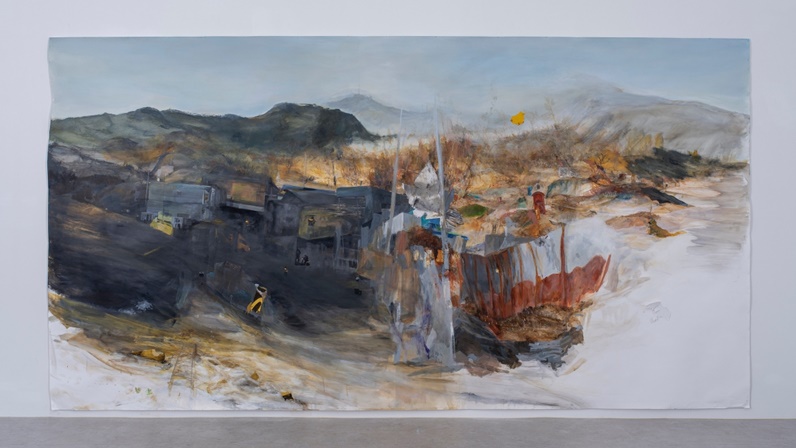
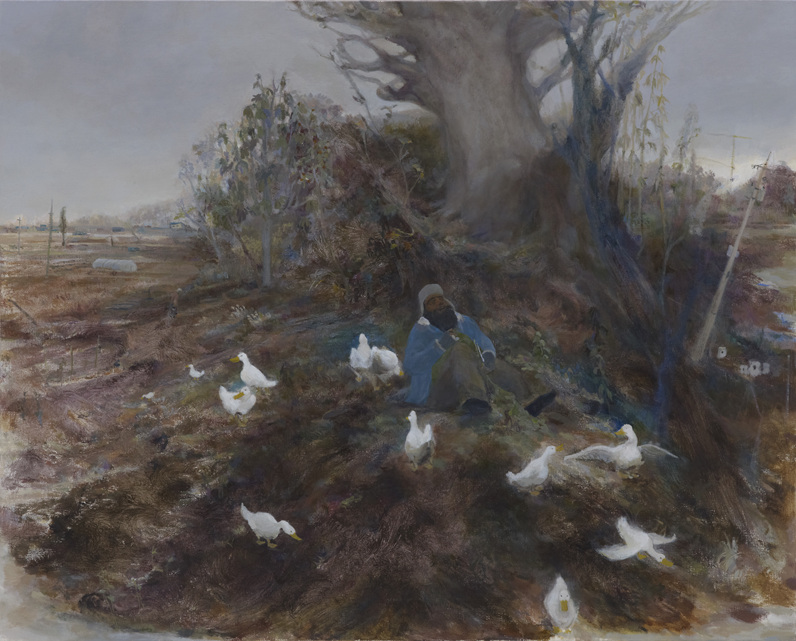
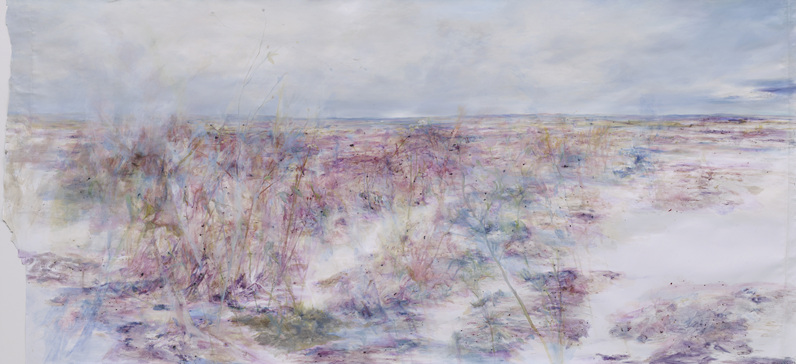
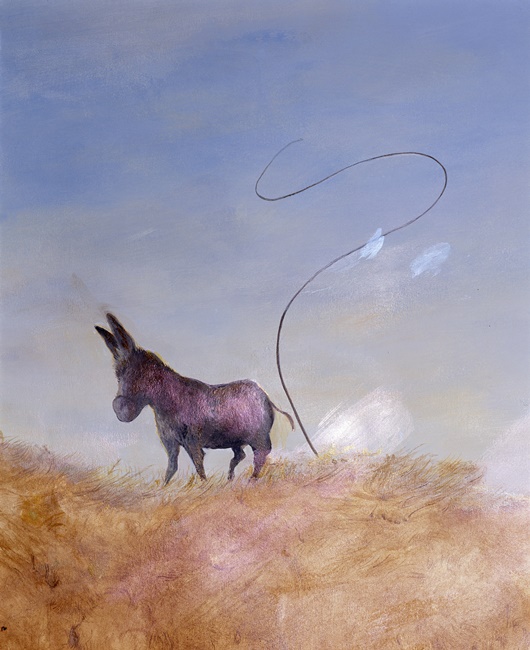
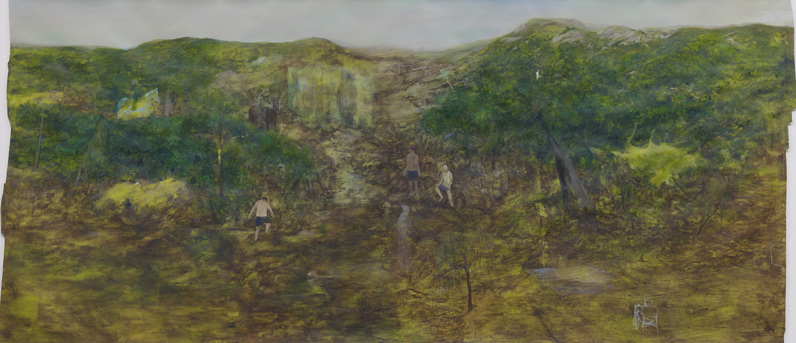
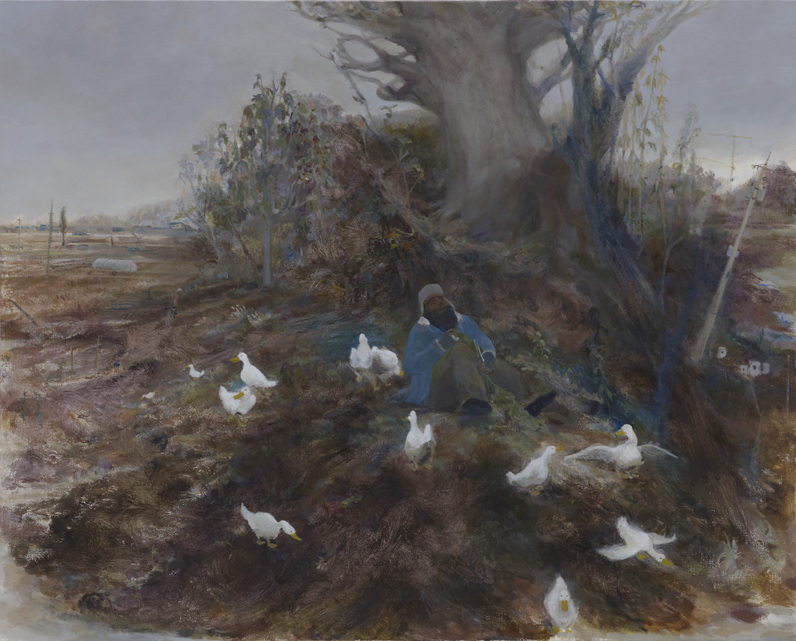
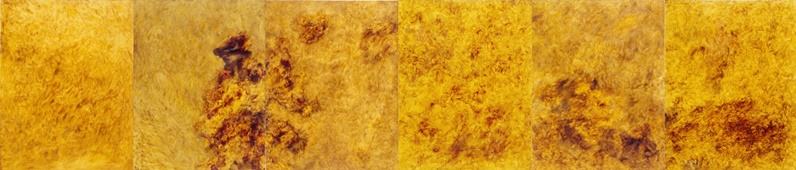
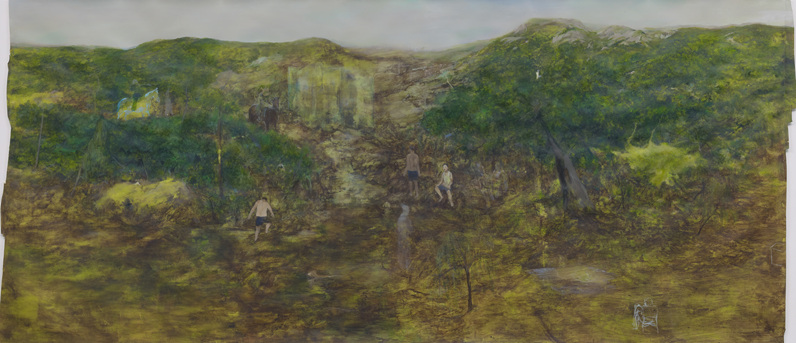
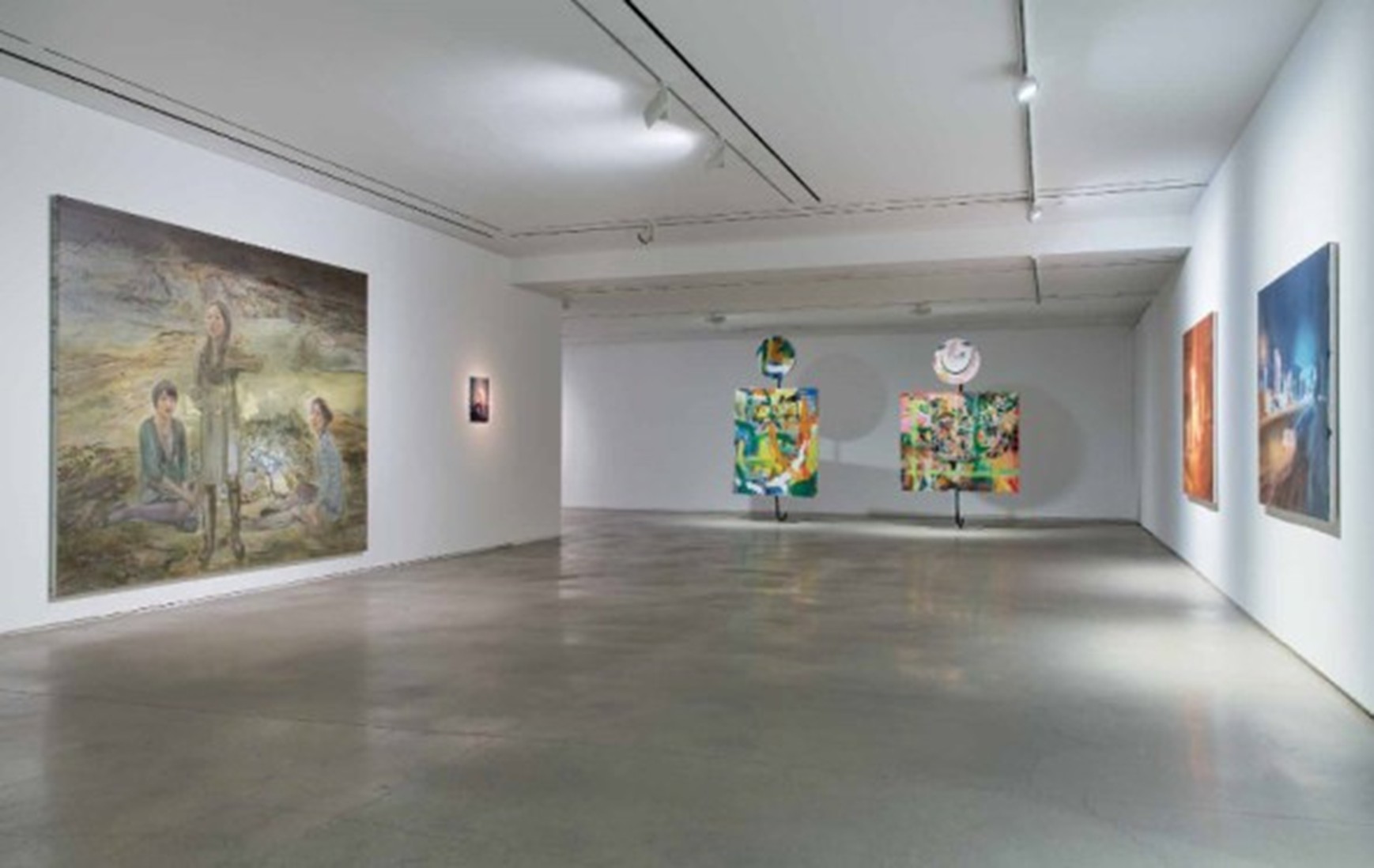
Sejin Park, Valley, The Never Dying Bandits,2013, rose, acrylic, ·glue on paper, 150×348cm © Sejin Park

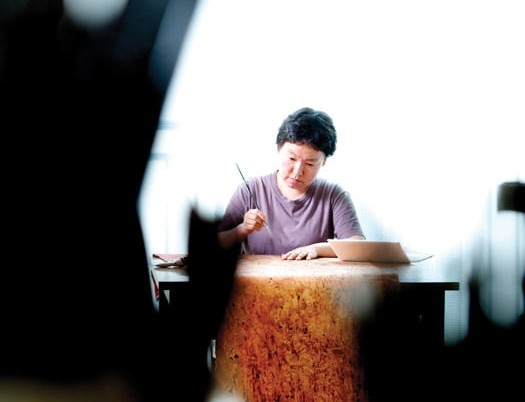
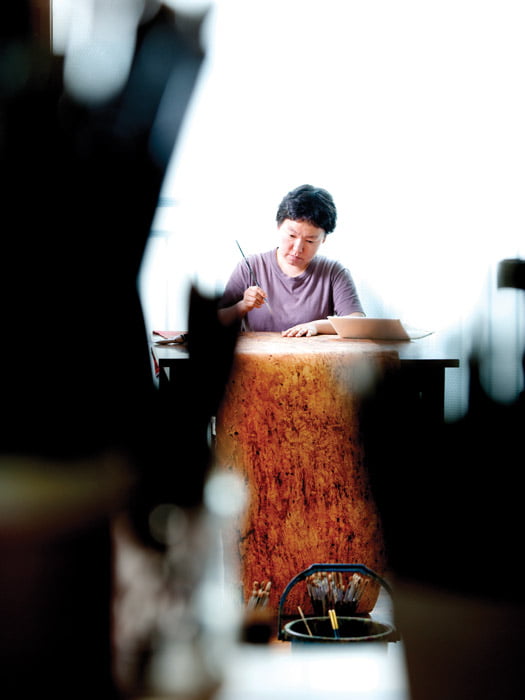
Sejin Park is a young artist gaining attention for her works that tell stories about the way we live through landscapes. After a long hiatus since 2007, she presented new works at Doosan Art Center in Jongno, Seoul.

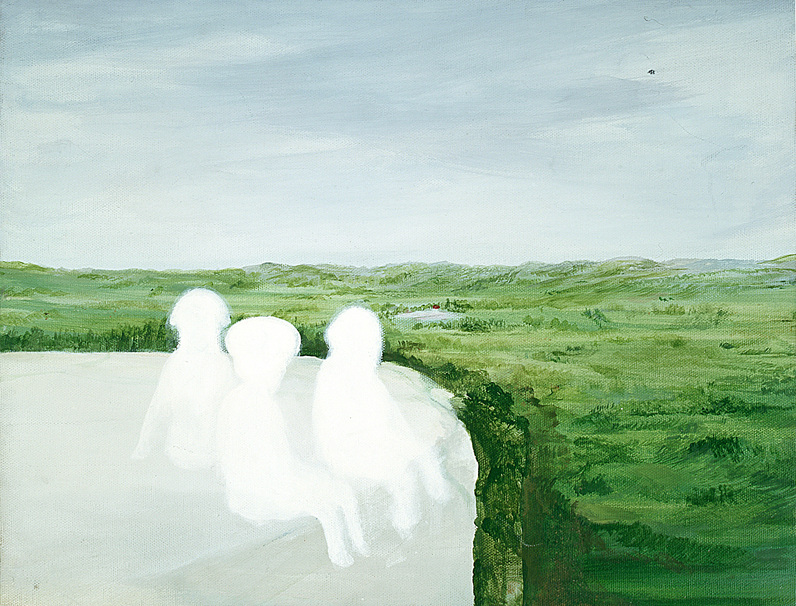
Park focuses on the appearances of people and spaces commonly seen around us. The landscapes she presents begin with the surroundings that include herself and extend far into the distance, faintly visible on the horizon. Within them lie places too familiar to be noticed, and scenes that cannot be seen with the eyes—those that exist only through imagination—formed through stains and traces of paint.

Her exploration of such landscapes began around 2002, when she first started translating them onto canvas. The initial work was a painting of Panmunjom. The landscape of Panmunjom, which she had visited long ago on a school trip, resurfaced from her dormant consciousness. Though she wasn’t from a displaced family, she could not explain why that place felt so special to her.

She had experienced something similar during her high school days in Gwangju, Jeolla Province. One day, standing on a rooftop, she gazed into the distance and saw a vision of a beach. It was a strange experience—seeing a seashore that would normally take hours to reach by car, appearing faintly as a distant view. Looking closely, she realized that the beach wasn’t really there; it was the clouds. Since then, the thought that “there exists another world beyond the far horizon” never left her mind.
 
“I saw the beach through the clouds. It felt like seeing something far away right before my eyes. After that, I began to paint everything I saw. Naturally, my attention turned to landscapes. In my paintings, landscapes connect and expand between the foreground and the distance—just like my consciousness.”


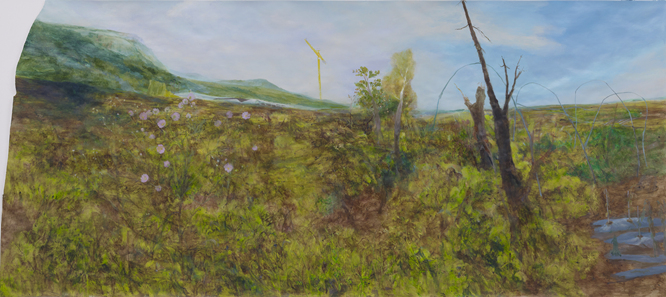
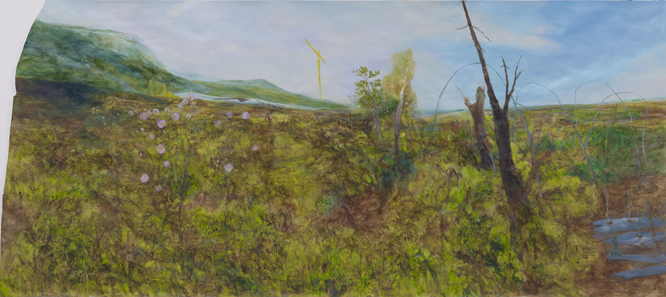
Sejin Park, Low Hills below Low Hills, 2013, rose, acrylic, glue on paper, 150×360cm © Sejin Park

The Goal of My Painting Is the Completion of Real Landscape

Her deepest interest lies in real landscapes. Her fascination with real scenery began when she encountered late Joseon landscape paintings at Hoam Art Hall. Seeing depictions of mountains that only someone who had truly climbed them could paint, she awakened to the essence of silgyeong sansuhwa—real landscape painting. From that moment, she resolved to dedicate herself to painting real scenery.

Of course, her form and expression took on her own color. She adopted the distant perspective often used in classical Western paintings that depict paradise, making it her unique visual language. When she mischievously added a background distance to a meticulously painted foreground, the composition unexpectedly harmonized. That was when she realized that “the distant view is an unchanging archetype.”

Her use of natural fruit juice as a painting material also began by chance. She once smeared fruit juice on paper, and the natural color of nature remained vividly intact. As the moisture dried, the paper became naturally wrinkled—an effect she found rather appealing. When mixed with glue, the fruit juice yielded a texture almost like oil paint.

Her paintings are thus born through these kinds of experiments. Yet, when one looks at them, they might seem effortless. Park says that appearance of ease is the result of painstaking effort few can imagine.

To create that sense of ease, she sometimes repaints a work more than fifty times. Even when painting a rice field, she starts by coating the entire surface white and then paints over it at least three more times. She spares no effort to keep the colors clear and luminous rather than muddy. Park says she feels pleased when viewers remark that her works look “easily painted”—because that means, “I wasn’t found out. I succeeded.”
 
“I often sketch intensely while asking myself, ‘What exactly is a painting?’ Sometimes I get angry when people interpret my works as imaginary or dreamlike. In those moments, I think, ‘Fine, I’ll say I paint real landscapes with anger.’ There are times when a kind of raw wildness emerges as I paint. I don’t want to be remembered as an artist who merely accomplished her own style, but as one who strives to complete the real landscape.”


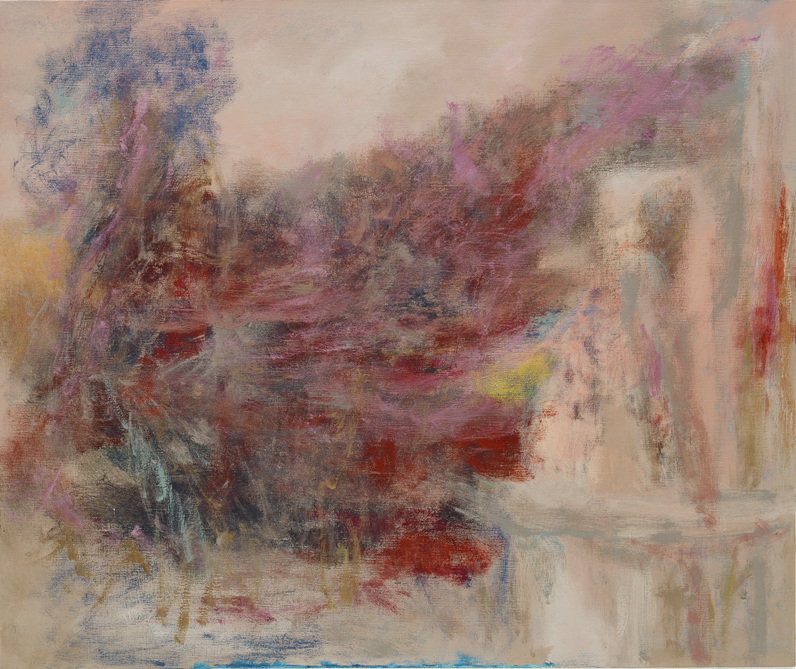
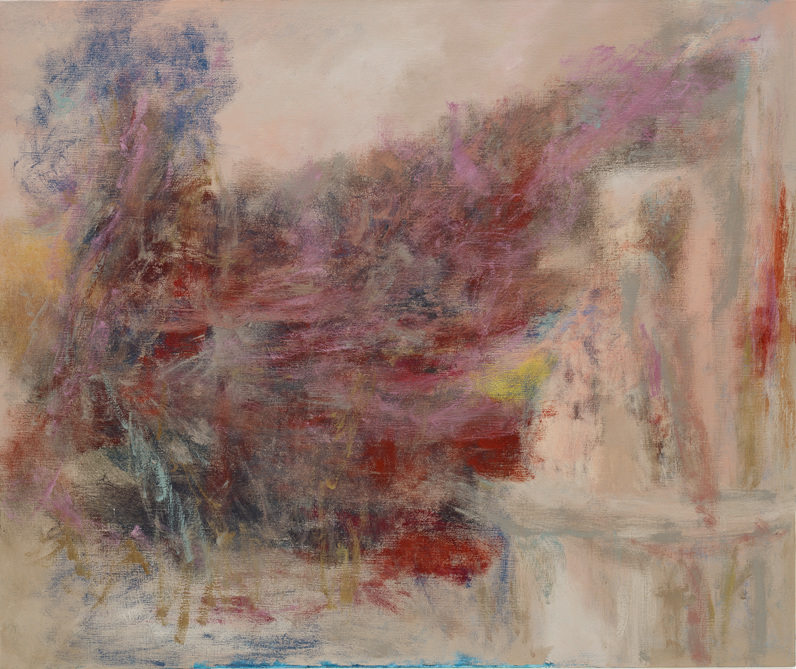
Sejin Park, Old Morning, 200, oil on canvas, 100×120cm © Sejin Park

Wandering After the Exhibition《Golden Age》

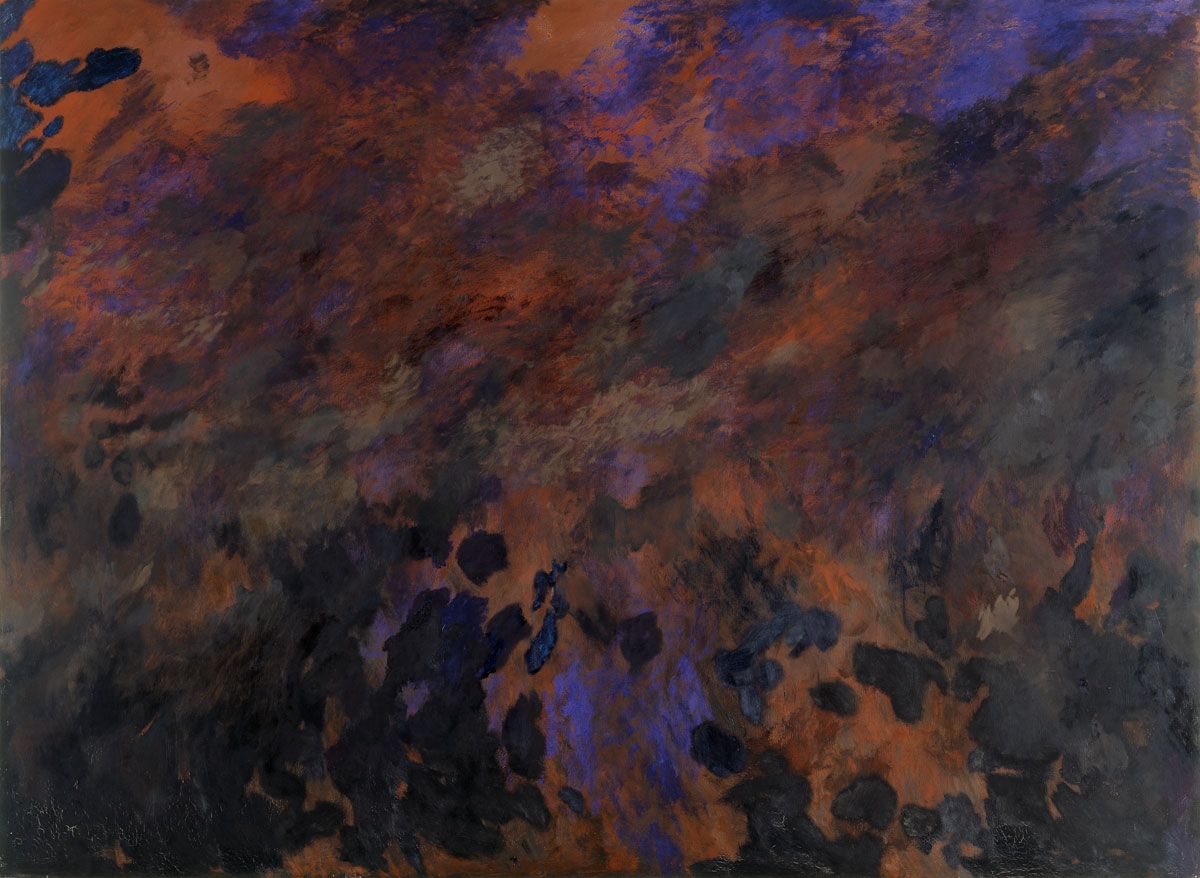
Works such as Old Morning embody Park’s intentions clearly. Some viewers find them exotic, but she insists that such impressions simply reflect the natural beauty of a Korean autumn morning. To depict real landscapes faithfully, she believes one must never take their eyes off the object. Careful observation is essential to reproduce the true color of Korean skies and stones.

Her gaze upon nature is full of affection. She paints the scenery of the provinces where she spent her childhood and the cityscapes of Seoul where she now lives and breathes. She says that, to her, Korea is more beautiful than any other country—and that she feels genuinely happy when she paints its landscapes.
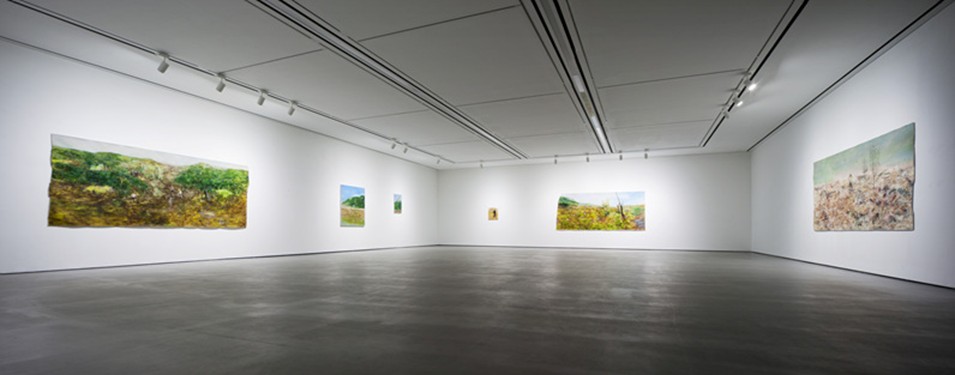
Her 2007 solo exhibition 《Golden Age》 was the culmination of that aesthetic. Preparing for it, she painted for more than ten hours a day over a year and a half. At times she lost her sense of direction and wandered within the canvas, but that only made her cling to painting more deeply.

She also painted in oils to her heart’s content—something she had long wished to do. Oil painting had always been out of reach: it was expensive, required ample space, and demanded resources that a young artist could not easily afford. Yet, because she had received early recognition among her peers, her circumstances finally allowed her to pursue it. Once she had done so, she felt deeply satisfied—she had “made it,” in her own words.


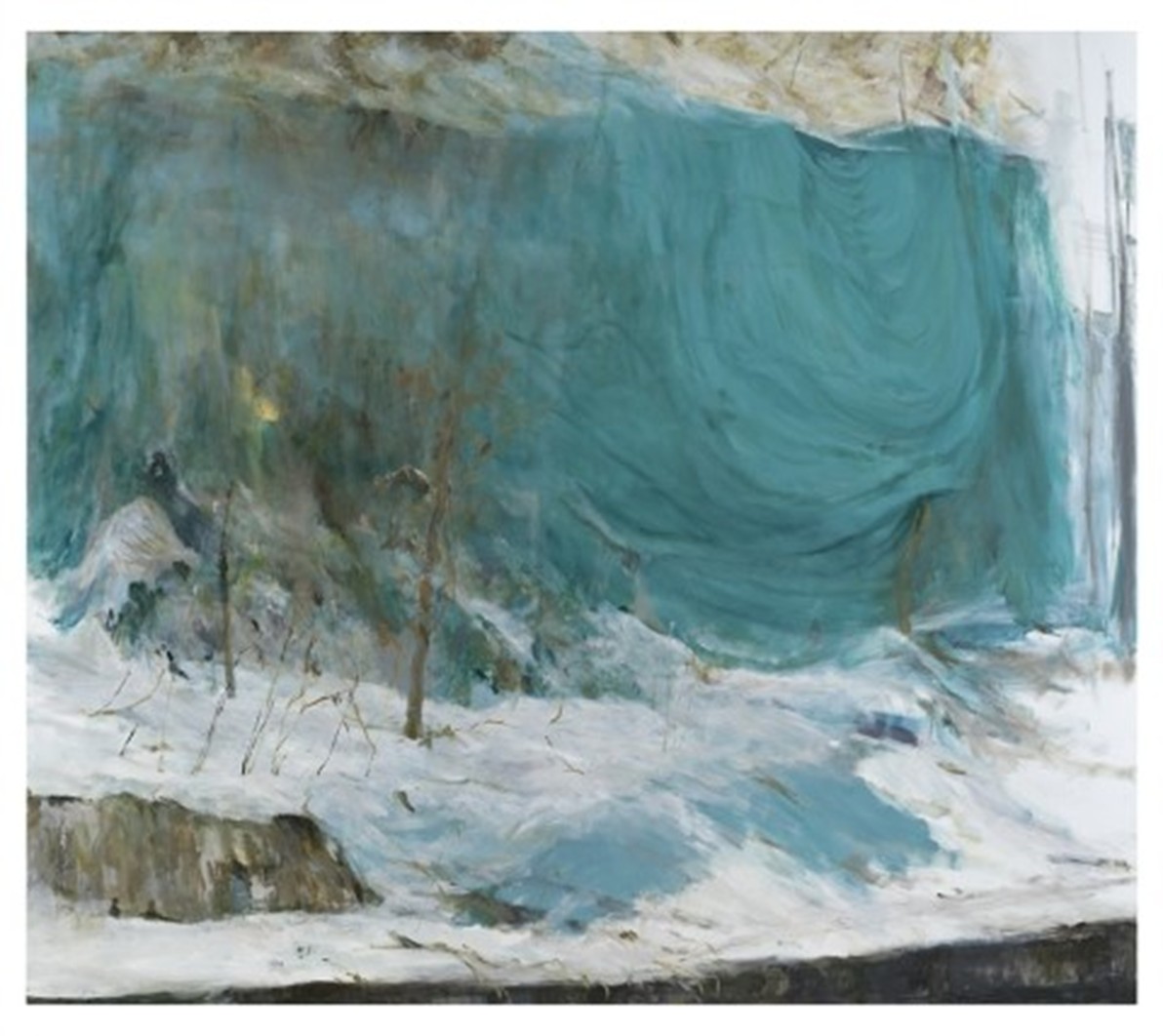
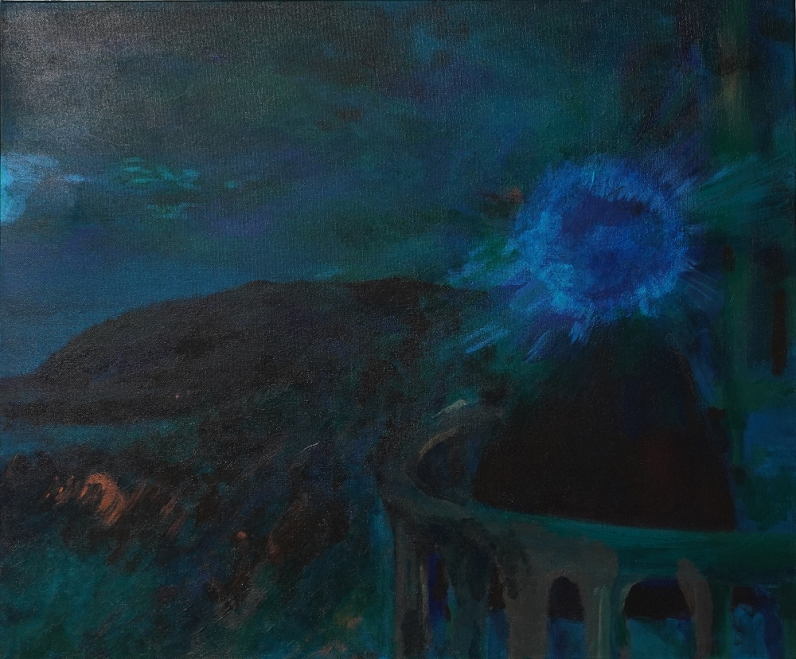
Sejin Park, Frost, 2012, oil on canvas, 80×100cm © Sejin Park

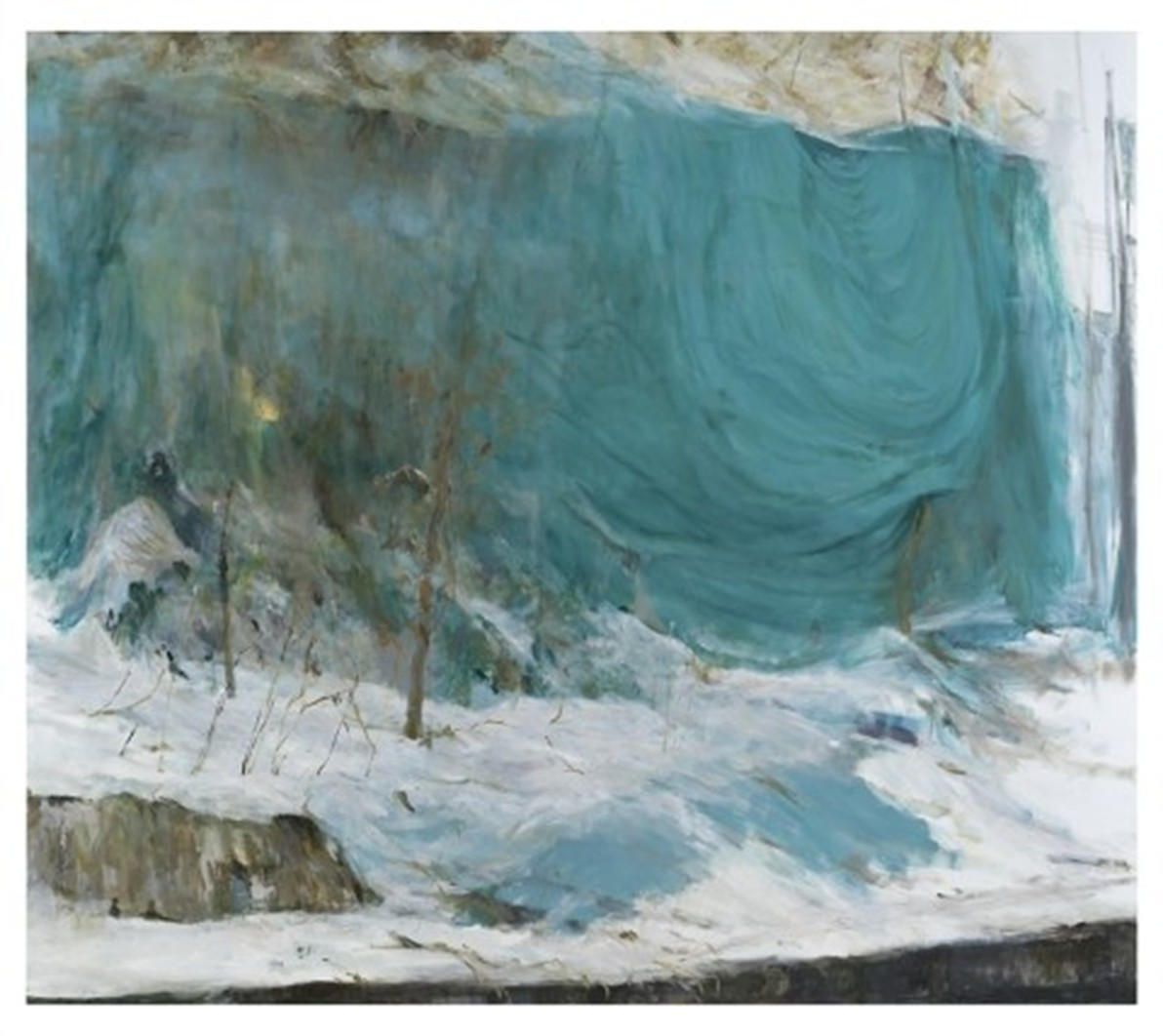
“Oil paint accumulates, while paper absorbs. I agonized for quite some time over which of the two was more faithful to the act of painting. My conclusion was that for distant views, paper—on which pigment soaks in—is the better medium.”

The crisis came after the exhibition. Having completed a show centered on the idea of distance, she fell into a kind of panic. She had poured everything into 《Golden Age》, leaving nothing left to try. Lost, she began to think of herself as a failed artist. She was caught in the extreme thought that to become a better artist, she had to sell to better collectors—that she had to choose between commercial success and pure art.
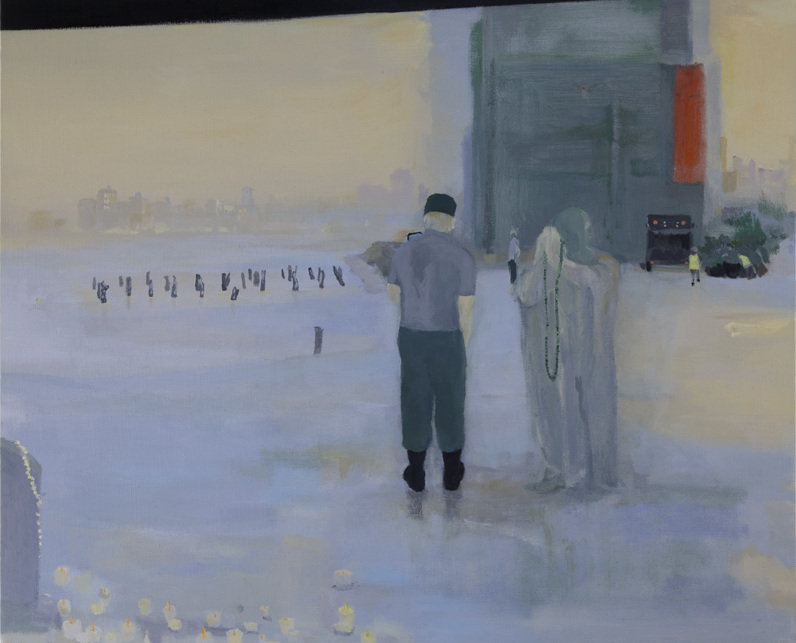
The burden of sales, payments, and her relationships with galleries became overwhelming. Her obsession with such matters snowballed into other problems. She found herself trapped between the increasingly difficult language of contemporary art, a confusing political climate, and the uncertainty of life in her thirties. The thought that she could no longer afford to fail or drift left her unable to paint at all. She wanted to stop everything and leave.


Sejin Park, After Millet, 2007, oil on canvas, each 116.8×90cm (6pieces) © Sejin Park

All Doubts Vanished After Realizing She Was a Precious Artist Herself

“The system of contemporary art was completely different from what I learned in school. From Art Basel to the Museum of Modern Art in New York and countless biennales, I experienced the art world in a short time. I saw the polished, glittering surface of the art scene and, behind it, people tearing each other down. I wanted to paint freely as my heart desired, yet I had to explain my work conceptually. I faced a system that demanded new works every time. Everything felt like a wall. In those days, negativity consumed me entirely. I was truly at a loss about how to live.”

She began to wonder what kind of work she could do that didn’t involve thinking about painting. Eventually, she went down to Jirisan to visit a friend who farmed at the foot of the mountain. Yet putting down the brush wasn’t as easy as she thought. Almost by habit, she found herself entering the studio and standing before a canvas again. Thus began a double life—dividing her time between the countryside and Seoul.


Sejin Park, Landscape 1993~2002, 2002, acrylic on canvas, 32×41cm © Sejin Park

Then one day, she realized she could paint naturally again. Even when she painted her inner world rather than external scenes, the paintings came together. Suddenly, there was so much she wanted to paint again. That was when she understood—she could simply continue as she had always done. What once felt clumsy or confusing began to make sense. As her thoughts became organized, her paintings also found resolution. Most of the works in her recent exhibition were completed during this period.
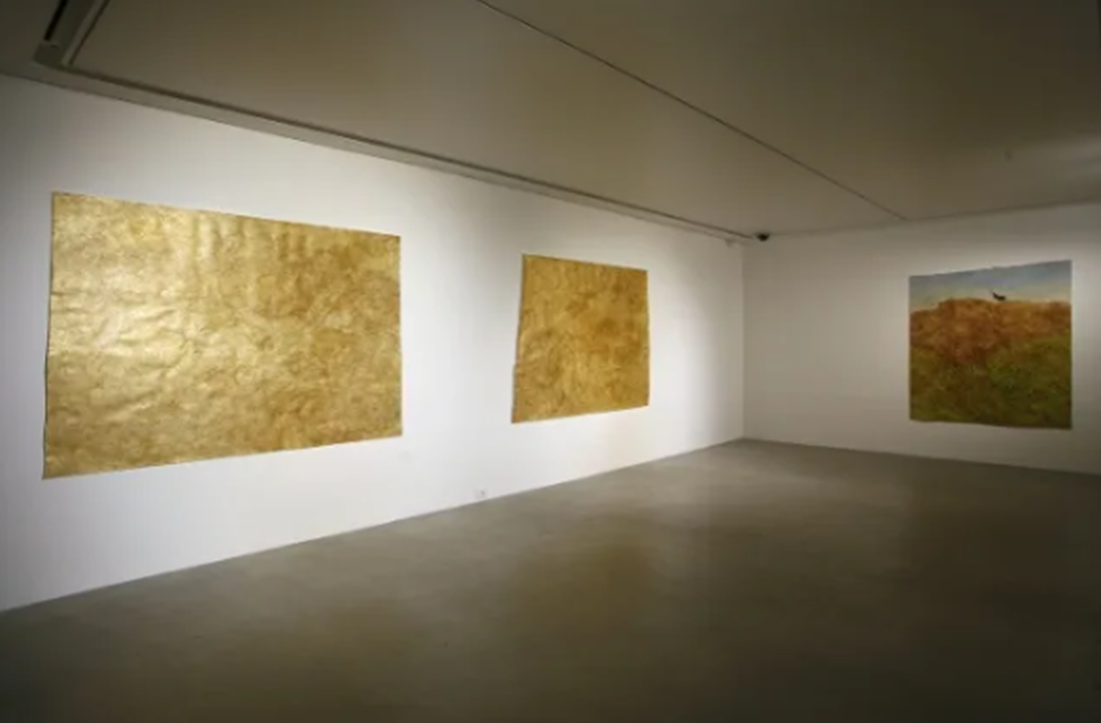
The six months she spent in New York last year deepened this realization. While staying in a studio in Chelsea, she initially felt intimidated. But as she viewed other artists’ works, she realized: “My work is unique,” and “I am a precious artist.”
 
“Basically, I’m quite satisfied with my paintings. There was a time when protecting an artist’s pride felt crucial, but now I’ve become more at ease. I just paint the way I want. If someone recognizes or appreciates it, that’s something to be thankful for—but it’s foolish to think success or failure depends on that. I think this whole process was about overcoming the thought of ‘What do others think of my work so far?’”
 
This year, Park plans to devote herself to painting more than ever. At the moment, she is completing an animation project commissioned by Anyang Public Art Foundation (APAP) in January. While the exact direction has not been finalized, she is considering turning the landscapes of Anyang—as seen through the eyes of painter Sejin Park—into an animated film. She plans to finish production by December this year and screen the animation in February next year.

References