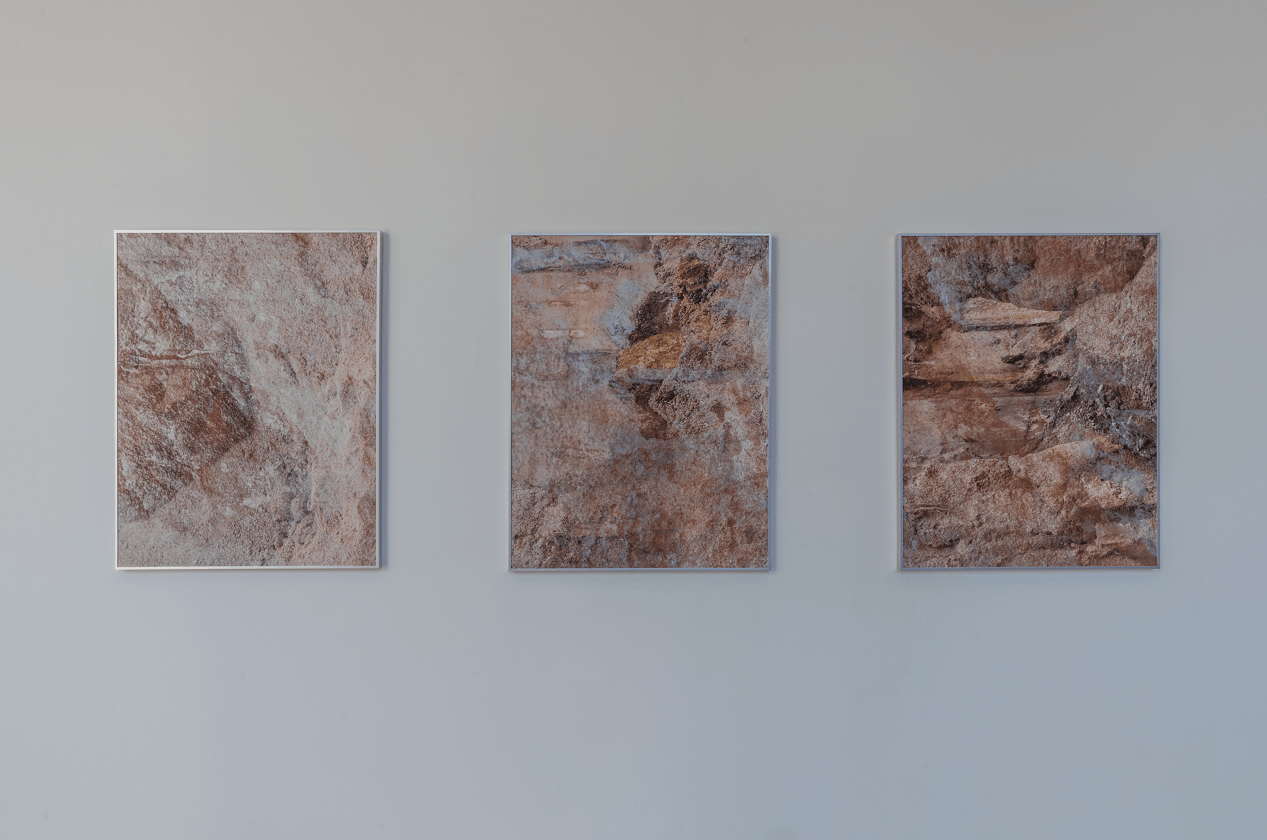
“Wait—this is a photograph, not a painting?”
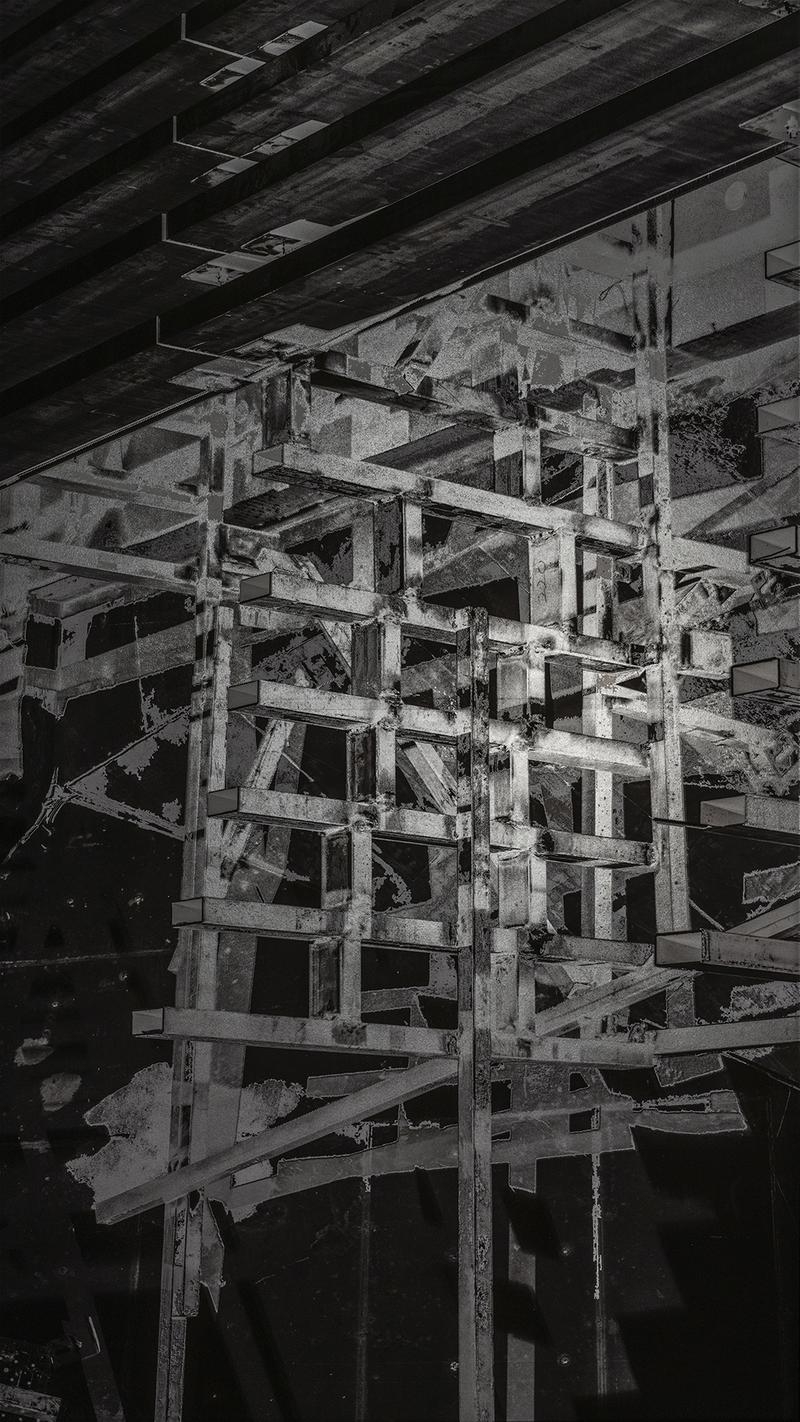
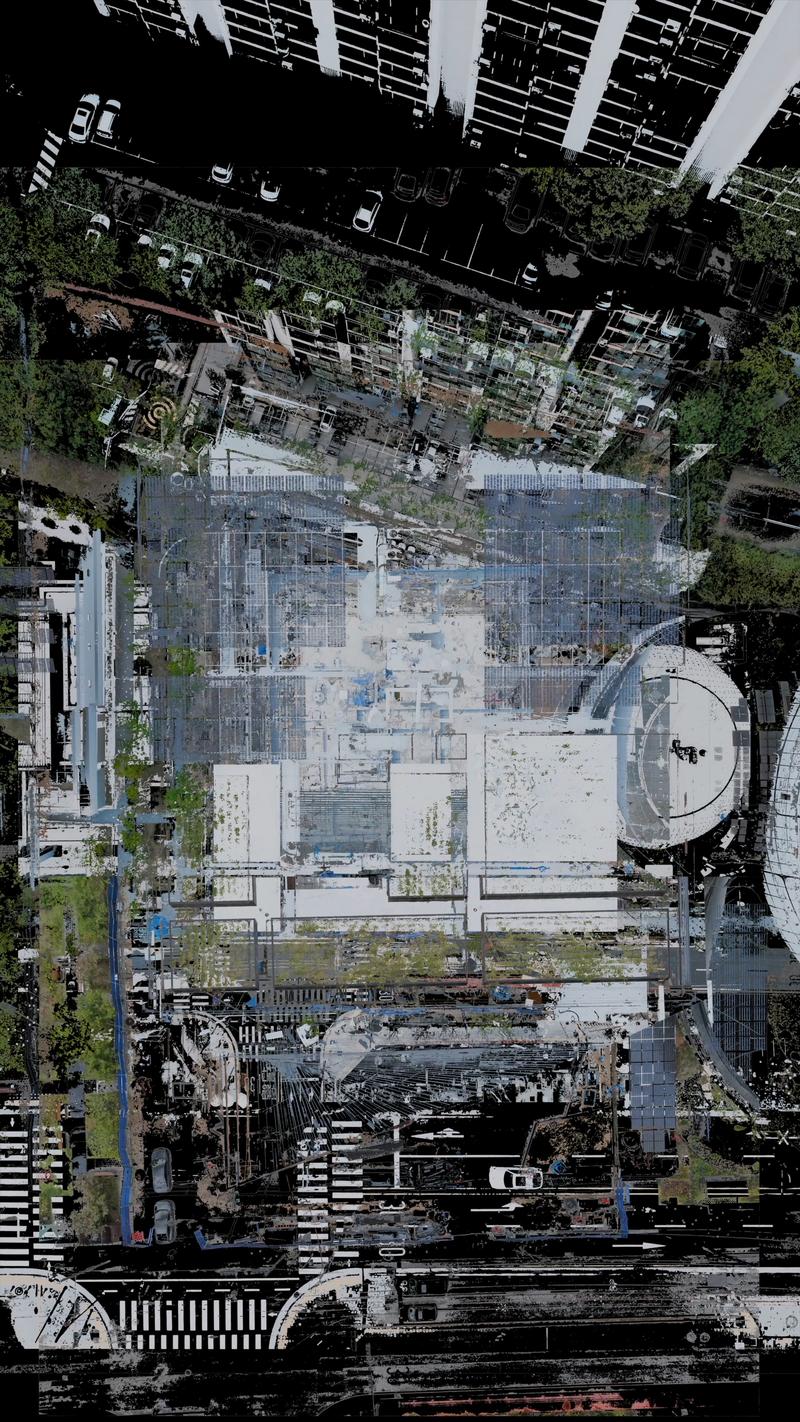
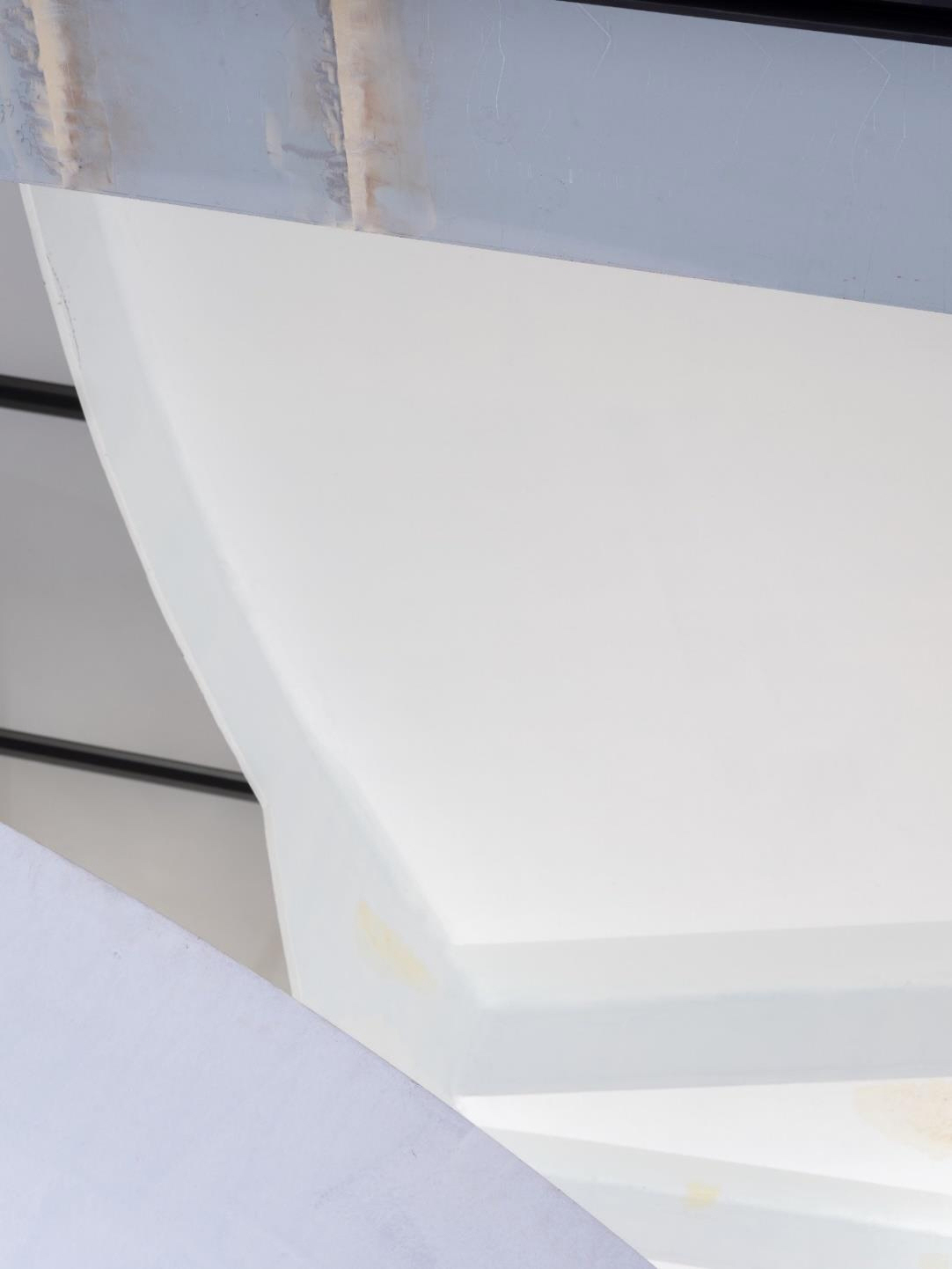
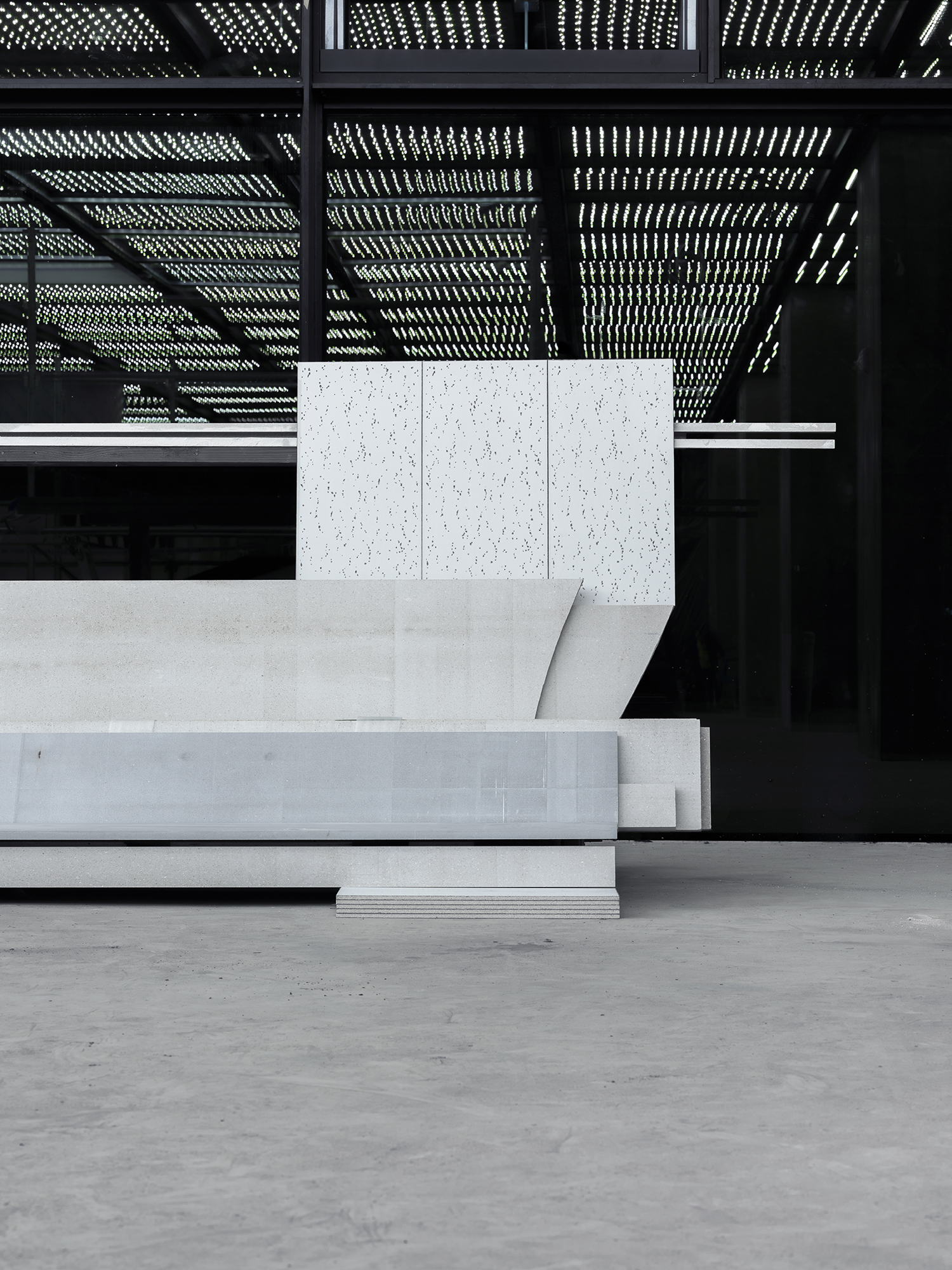
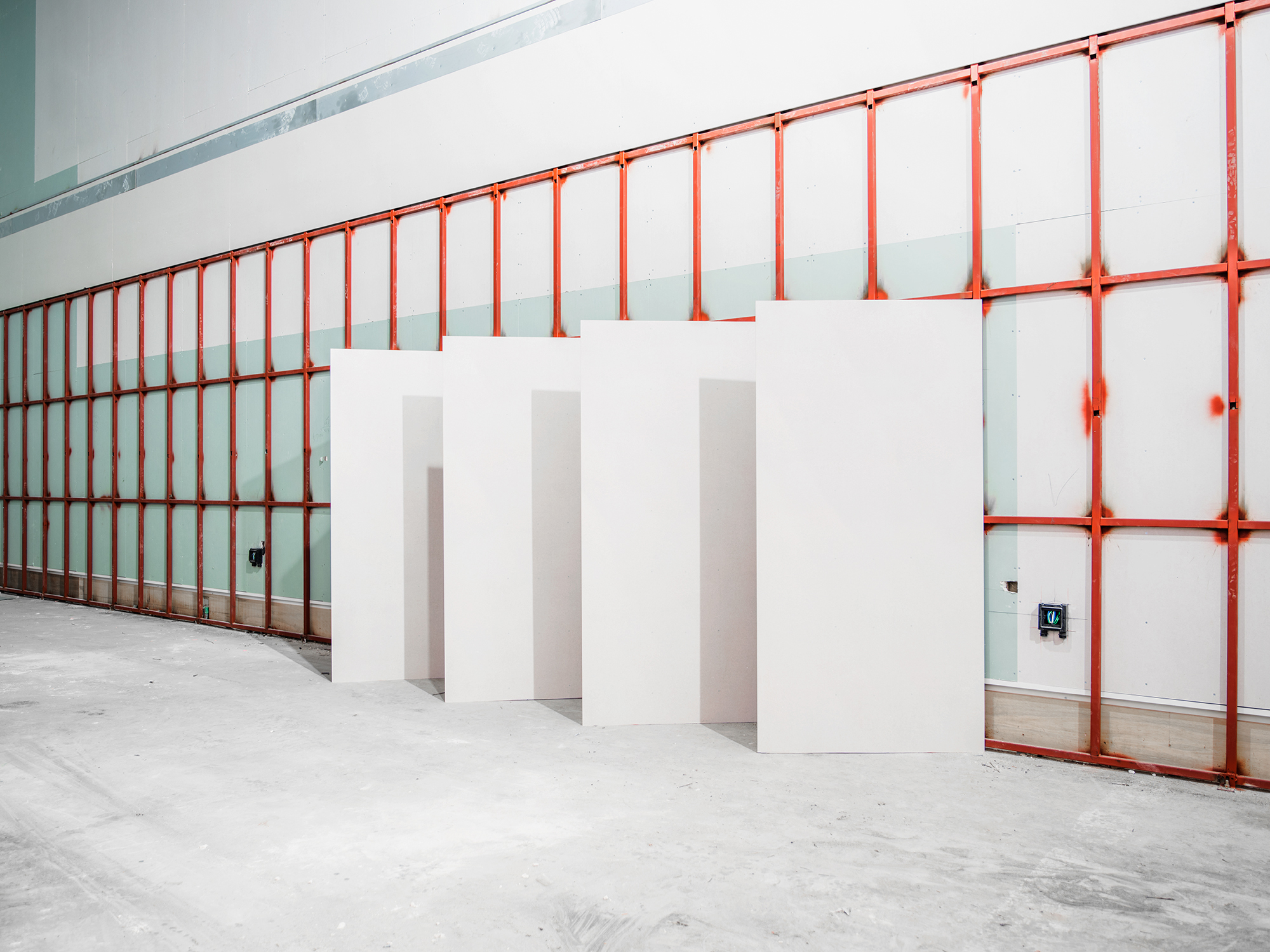
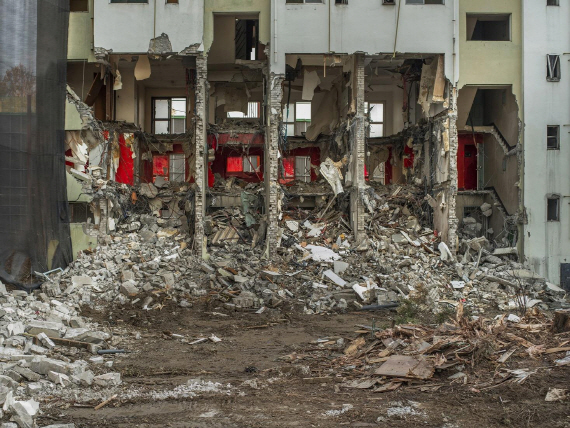
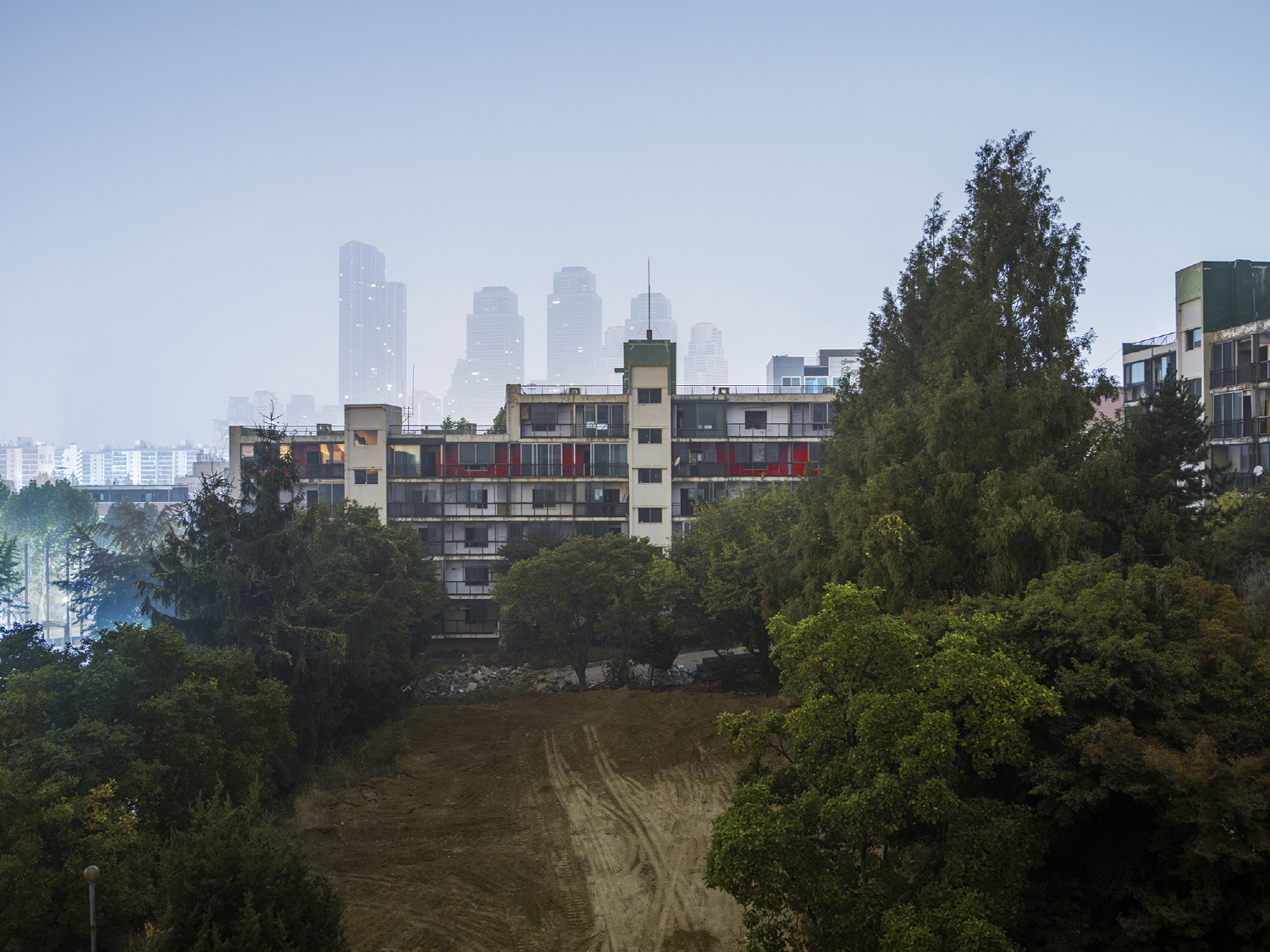
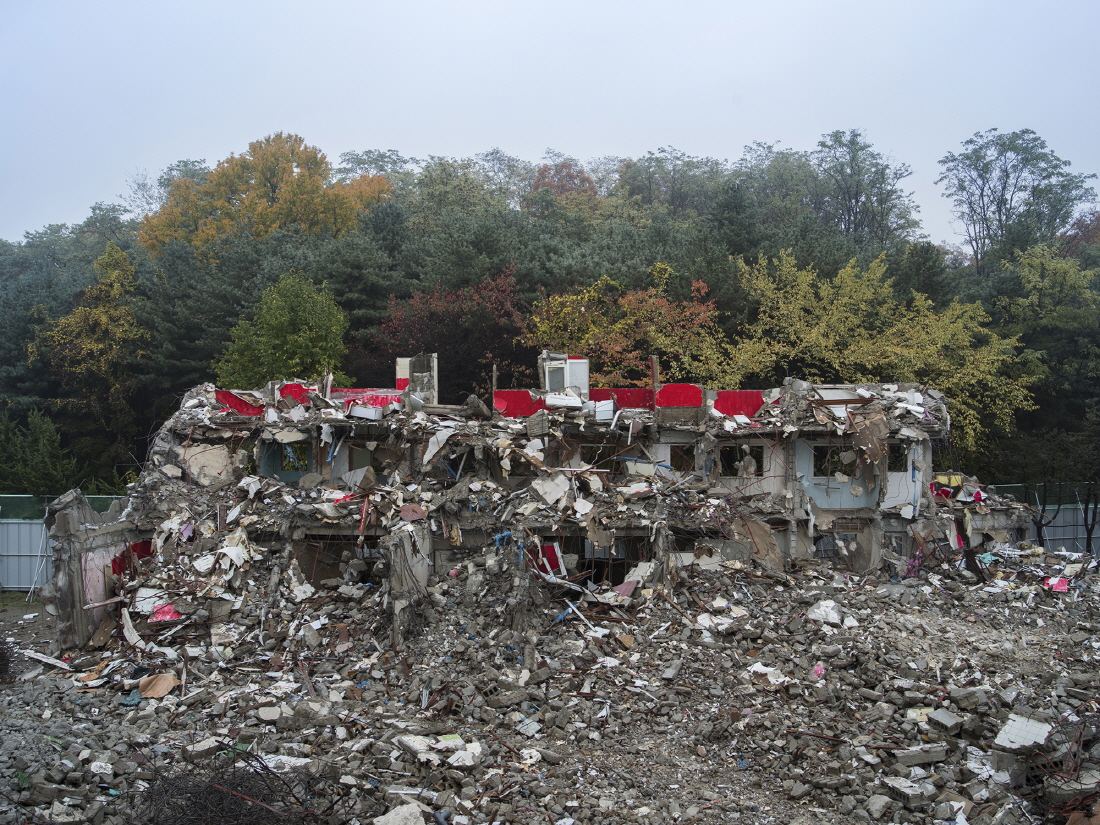
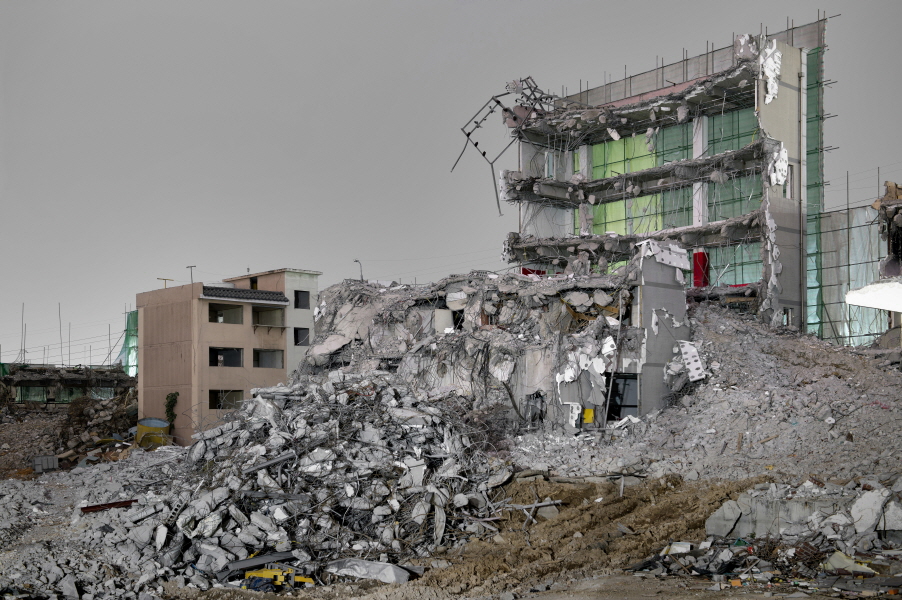
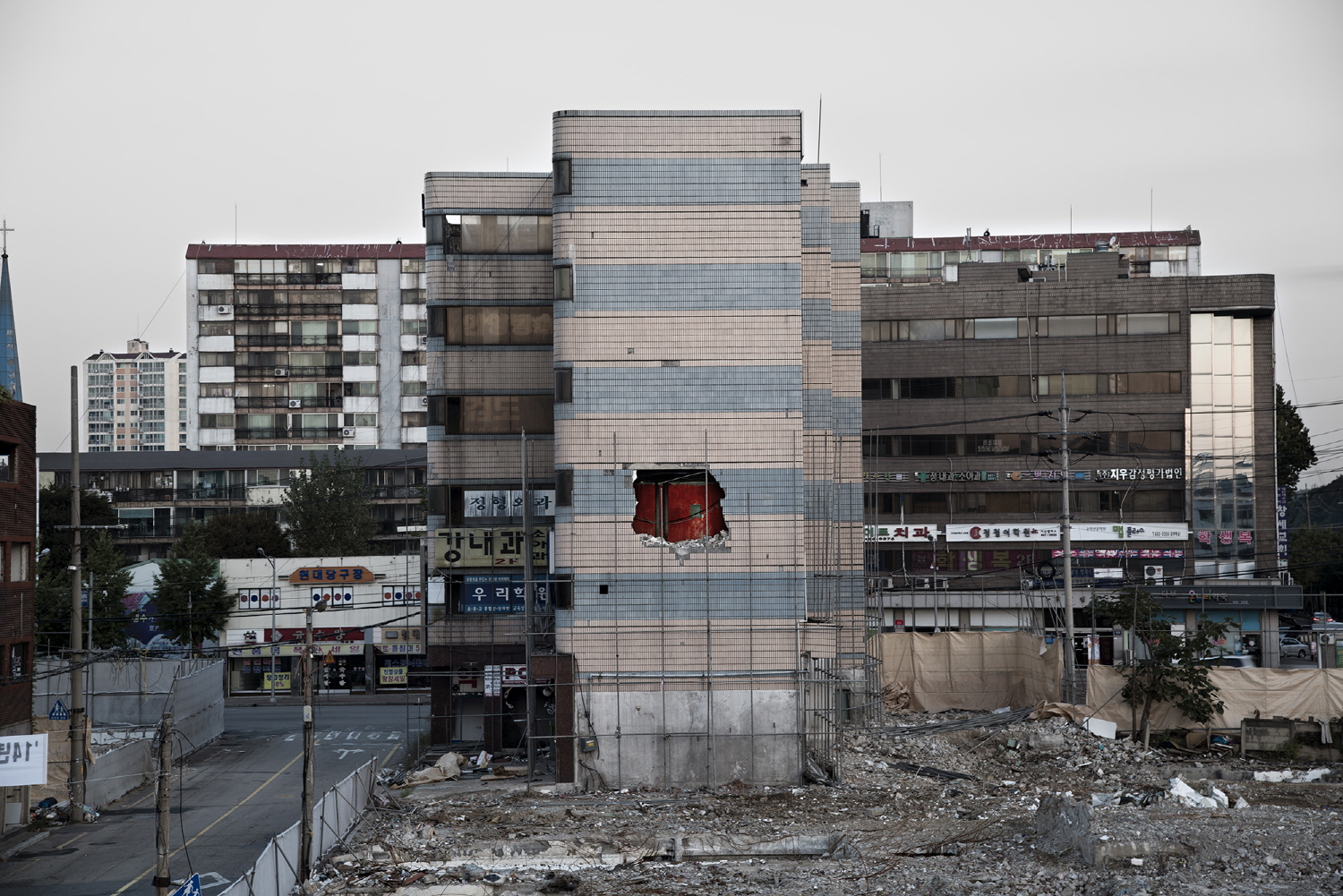
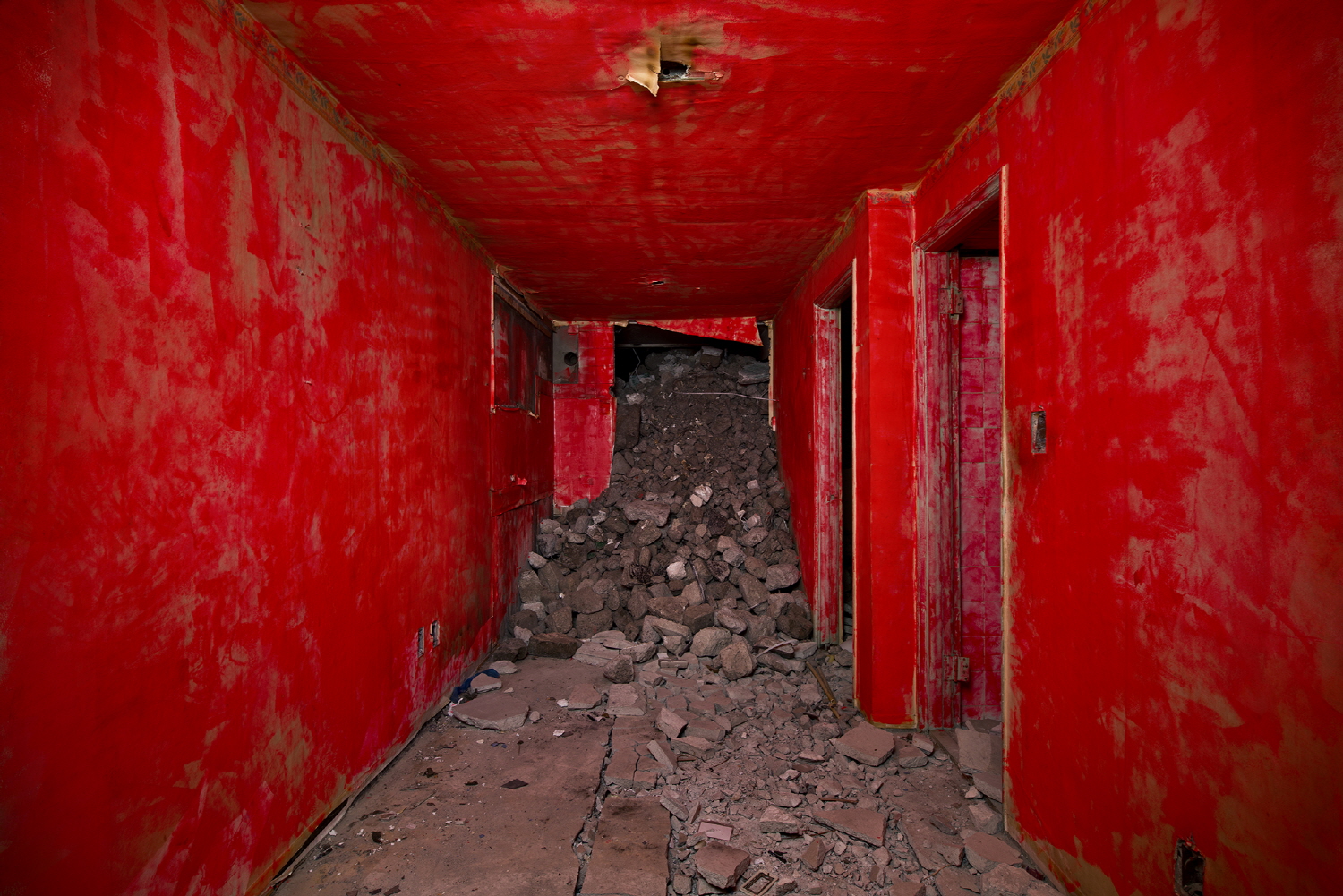
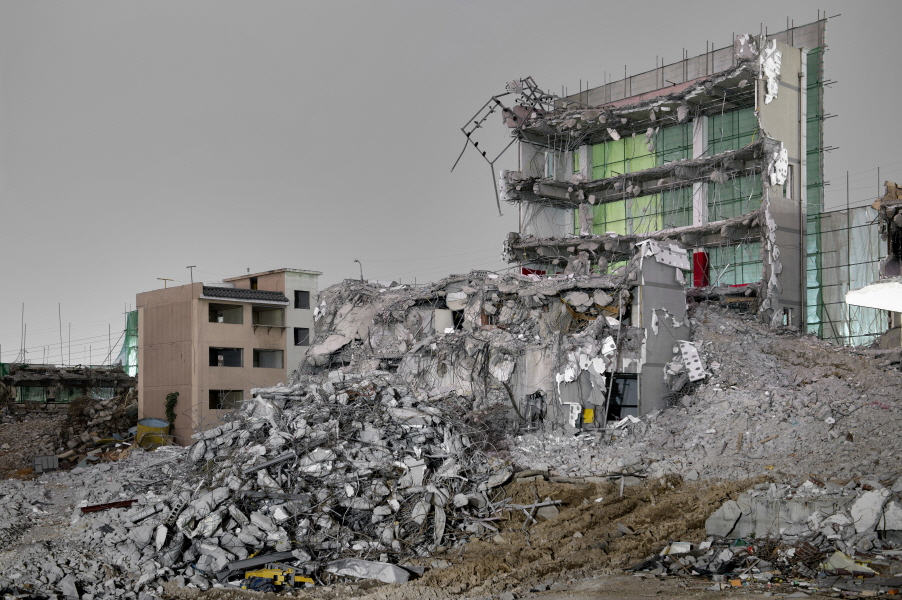
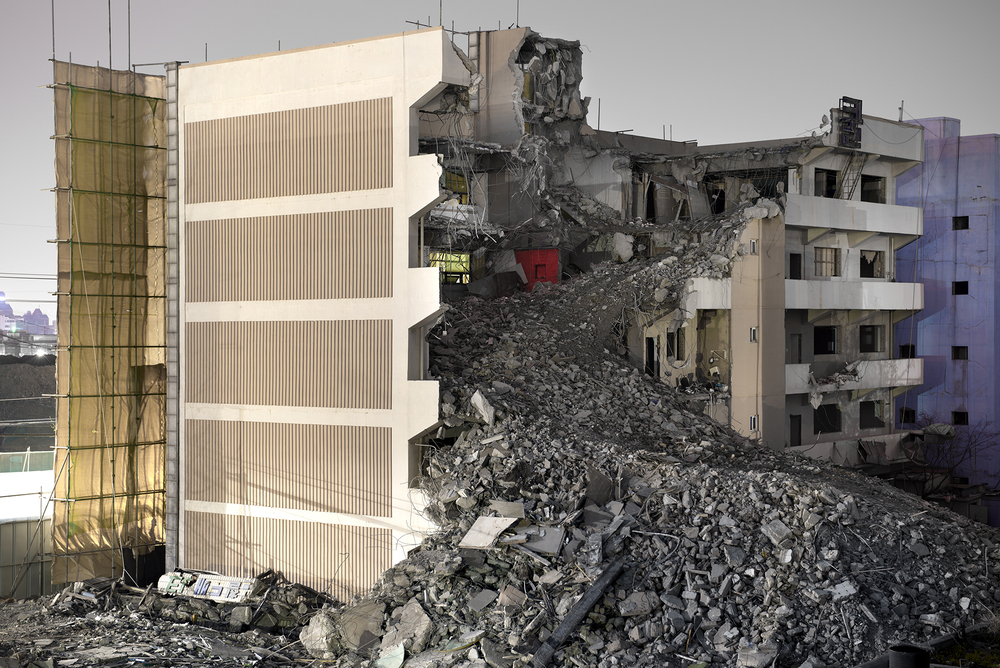
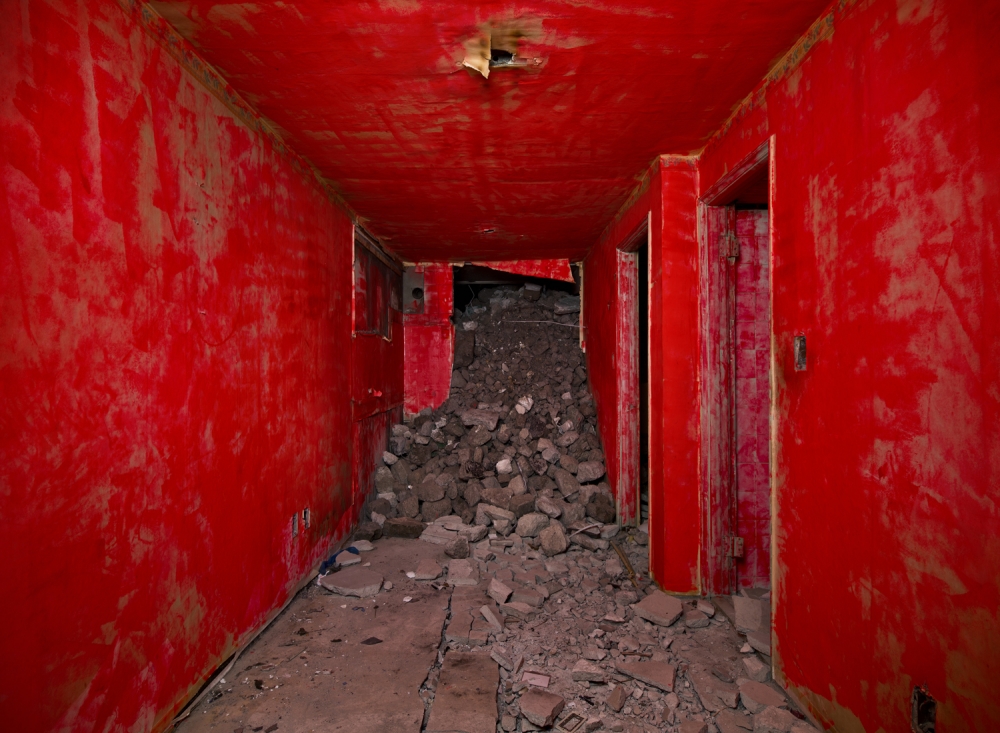
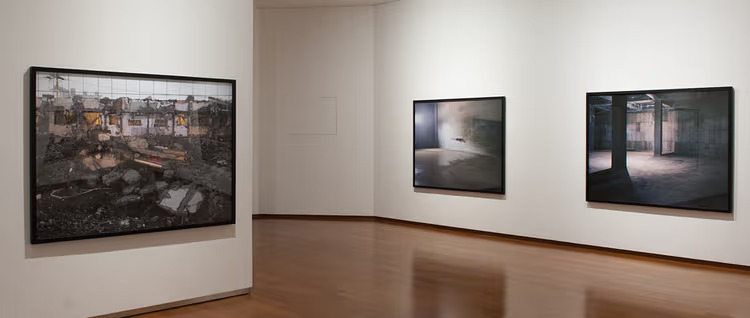
Visitors who came to the special exhibition hall on the second floor of Photography Seoul Museum of Art in Chang-dong, Dobong-gu, Seoul, on the 30th of last month were heard saying this as they closely examined the works. The images—featuring construction materials such as rebar, gravel, concrete, and wood harmonized with nature—resembled paintings. A museum official clarified, “They are indeed photographs,” adding, “They were created using a ‘photomontage’ technique, combining multiple images rather than a single shot.”
● Korea’s First Public Museum Dedicated to Photography
Photography Seoul Museum of Art is the country’s first public institution devoted exclusively to photography, encompassing 140 years of Korean photographic history. It officially opened on the 29th of last month as a branch of the Seoul Museum of Art. While most photography museums in Korea have traditionally been privately operated, this space allows all visitors to enjoy exhibitions free of charge in an open, public setting. A museum representative stated, “We have spent the past decade preparing this museum to illuminate photography both as a ‘document’ and as an ‘artwork,’ and to communicate the cultural value of photography.”
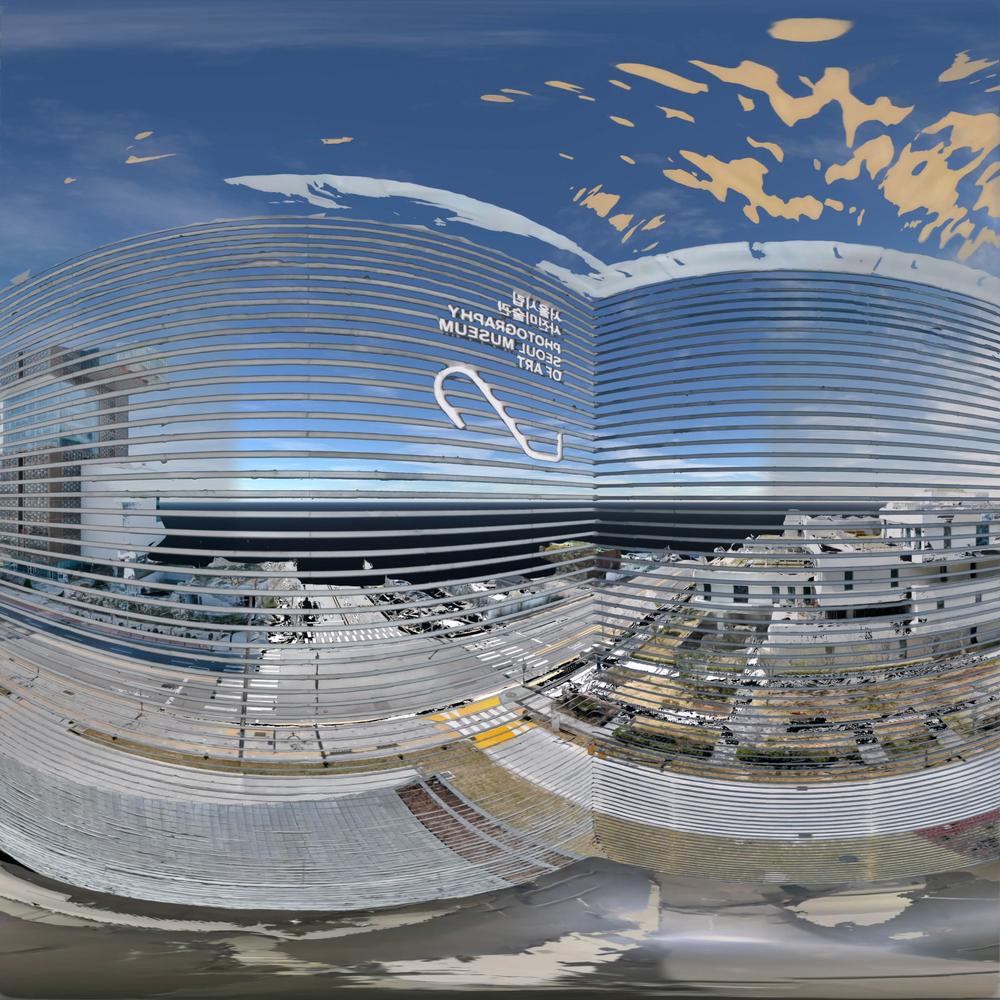
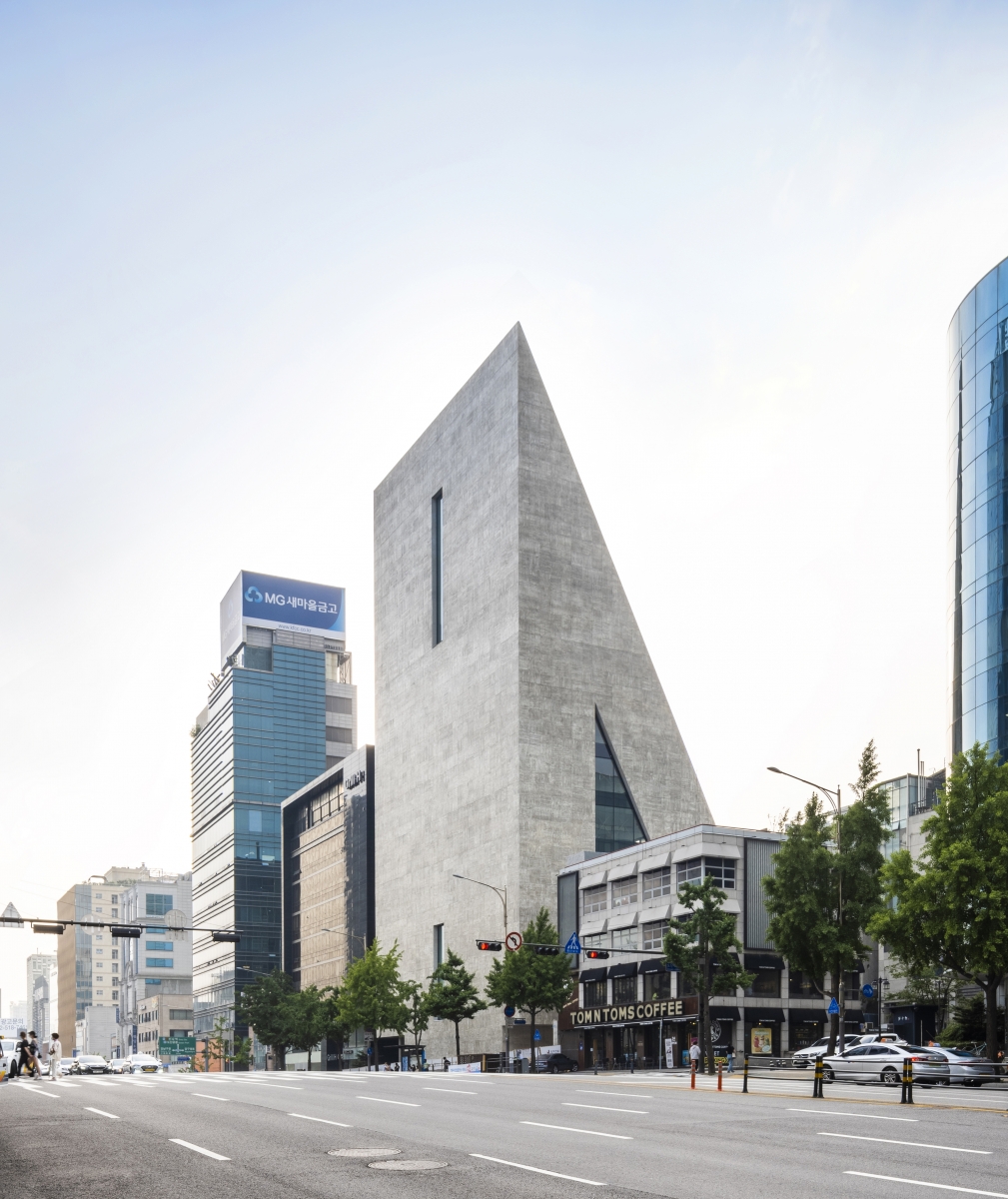
The building’s exterior immediately draws attention. Entering through a uniquely designed entrance that appears to twist the lower portion of the structure and lift one side, visitors encounter a 10-meter-high lobby. The building was created through a collaboration between Austrian architect Mladen Jadric and Korean architect Yoon Geunju, selected through an international design competition in 2019. Jadric, who was present at the museum that day, explained, “The design evokes the opening of a camera aperture. Inspired by the pixel—the smallest unit of photography—the façade is composed of layered rectangular modules.”
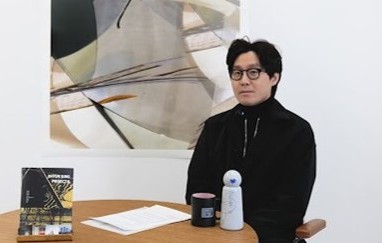
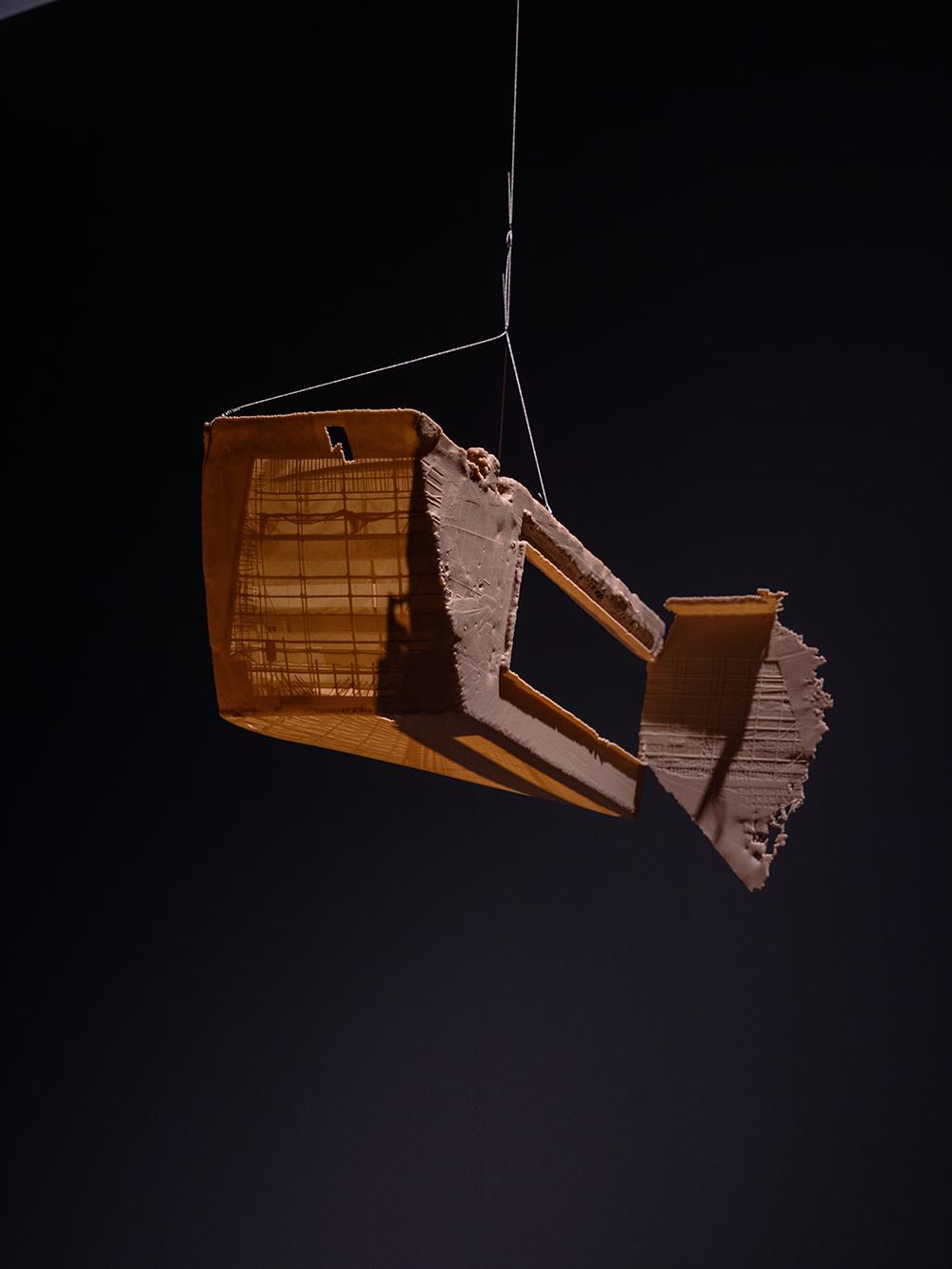
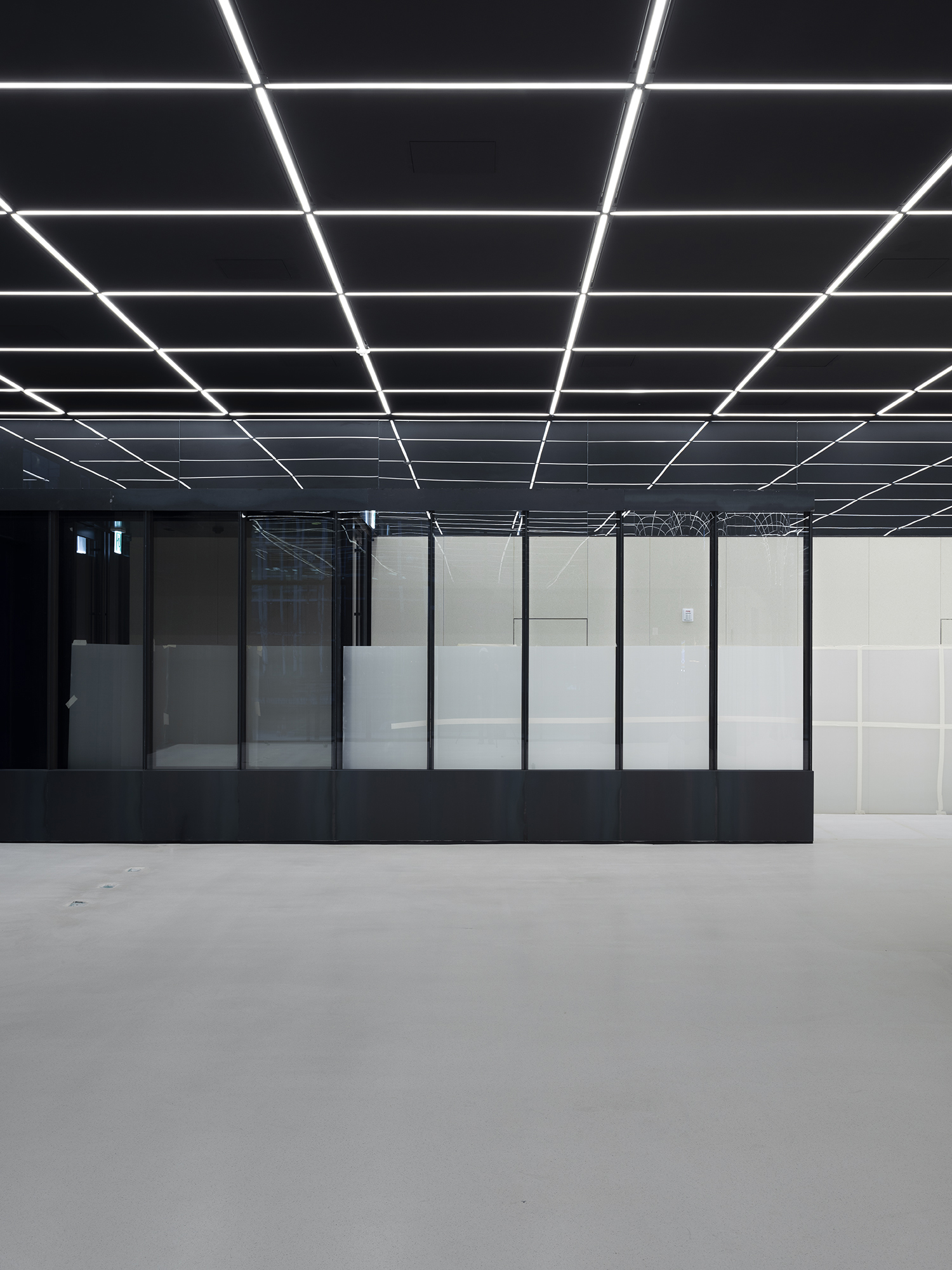
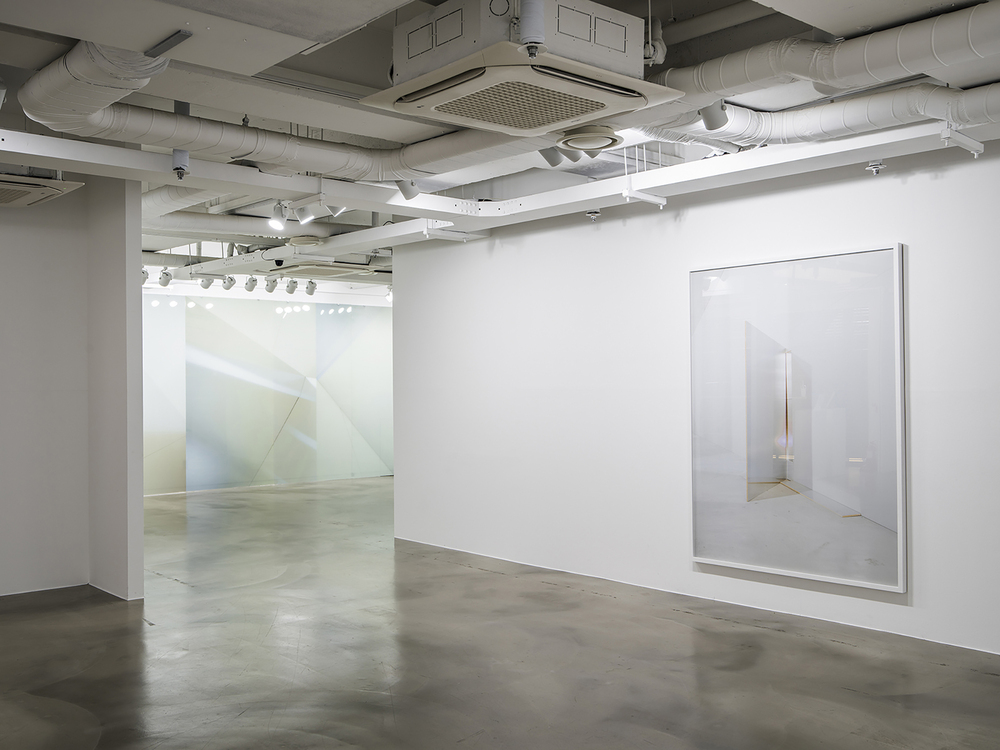
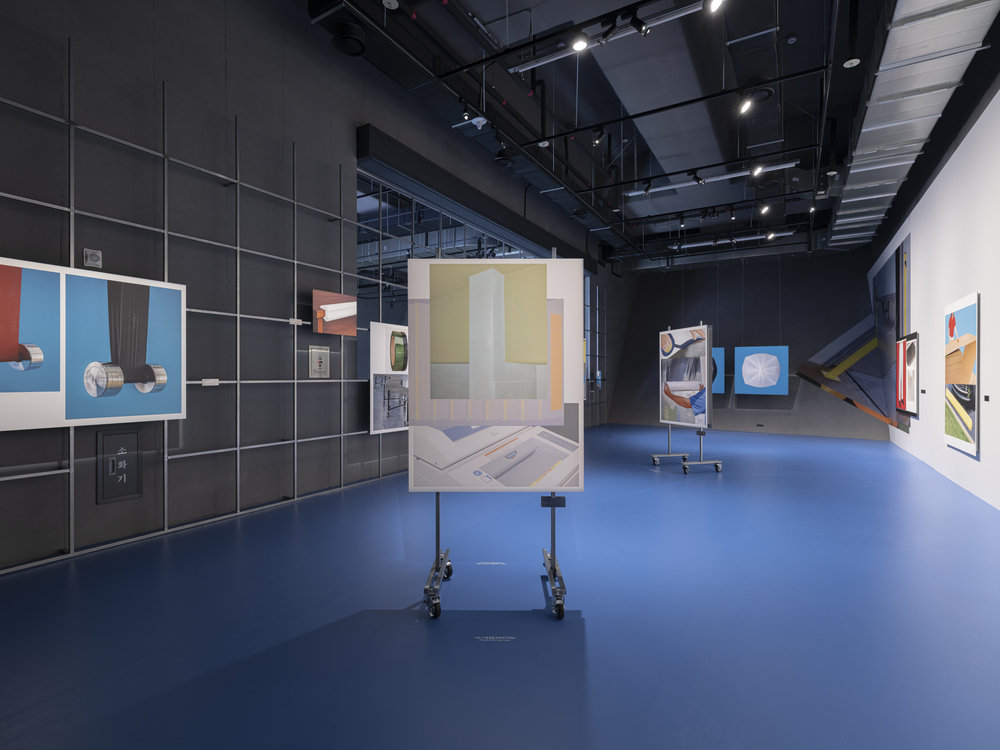
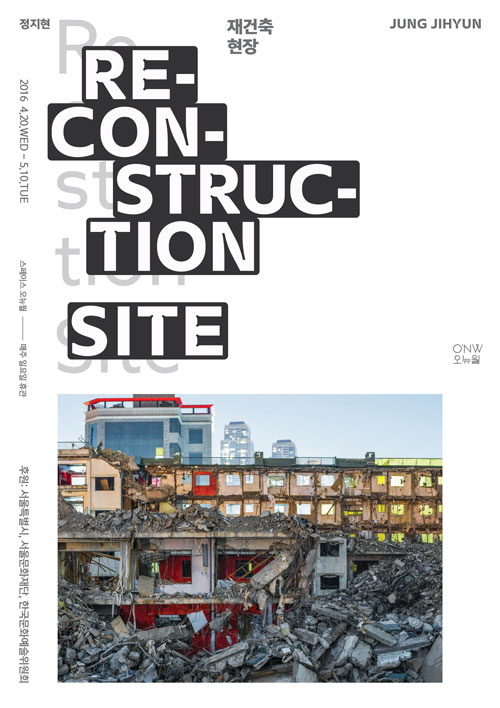
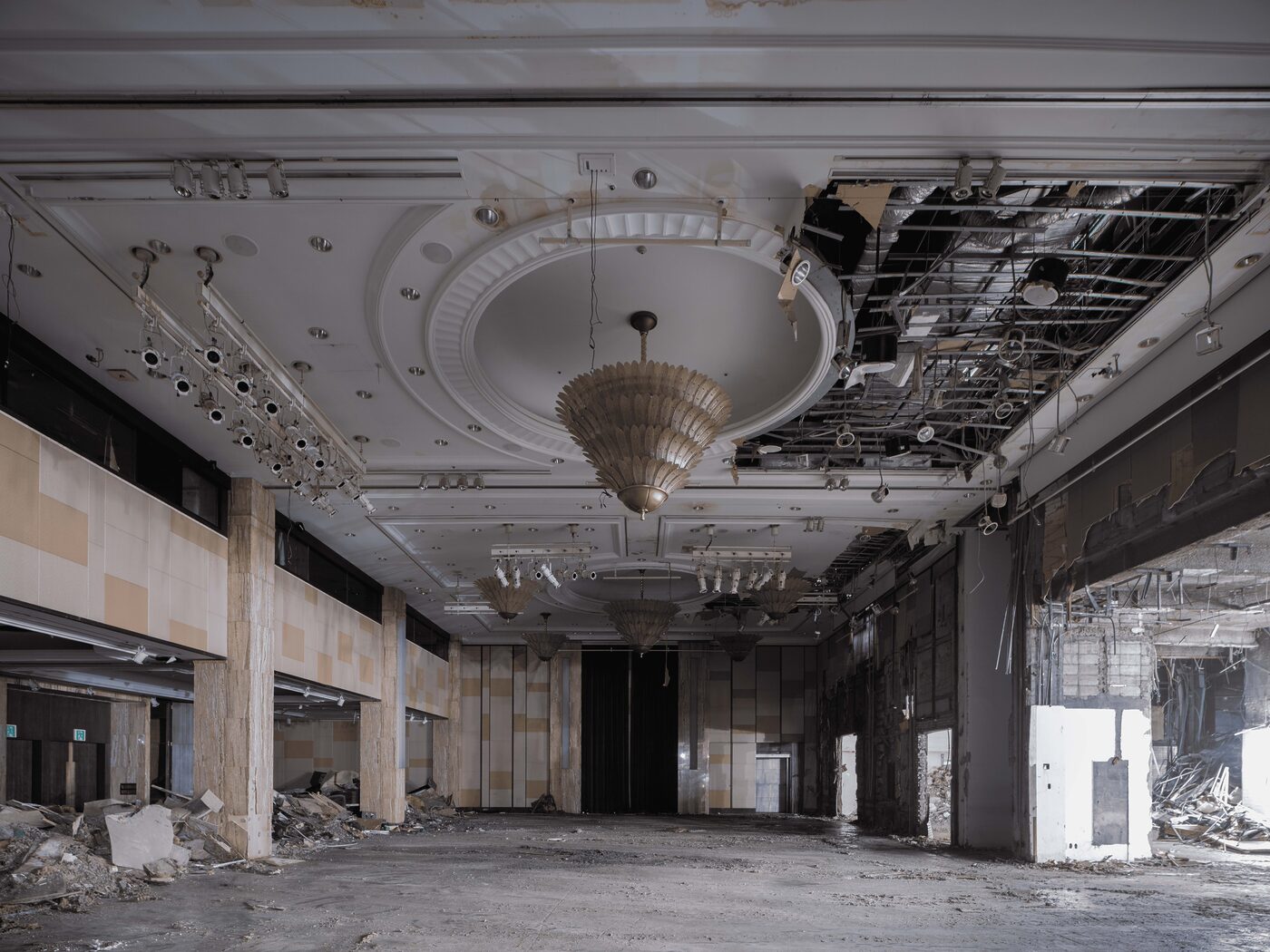
With a total floor area of 7,048 square meters, the museum spans two basement levels and four above-ground floors, housing exhibition halls, educational spaces, a darkroom, and a photobook café. On the second floor, the special exhibition 《Storage Story》 is currently on view as part of the museum’s opening program. Six contemporary artists, including Dongsin Seo, Oh Jooyoung, and Won Seong Won, present works that interpret the museum’s construction process through photography. Notably, Jung Jihyun reinterprets the three-year construction process through flat images, silkscreen, and 3D simulation.
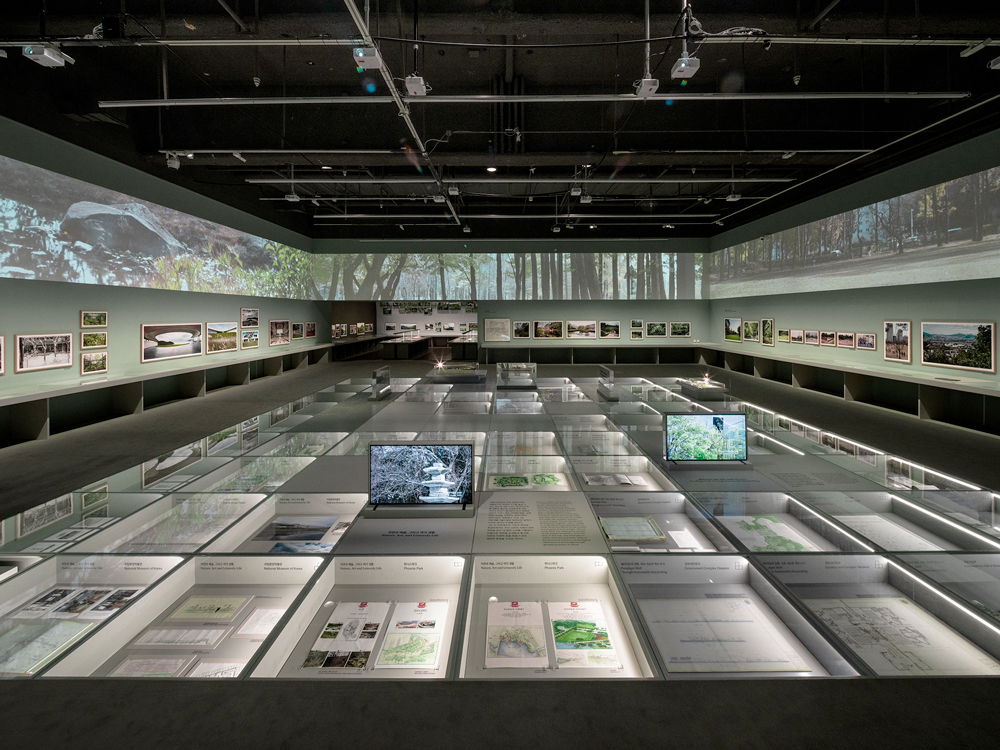
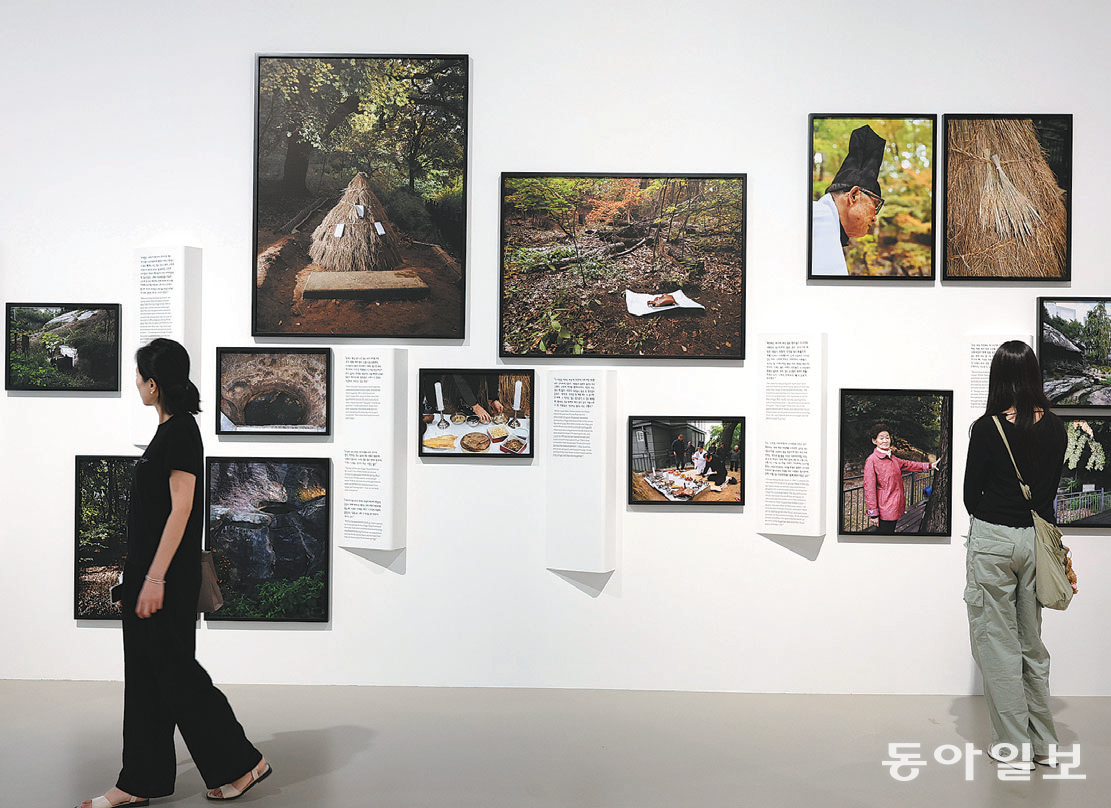
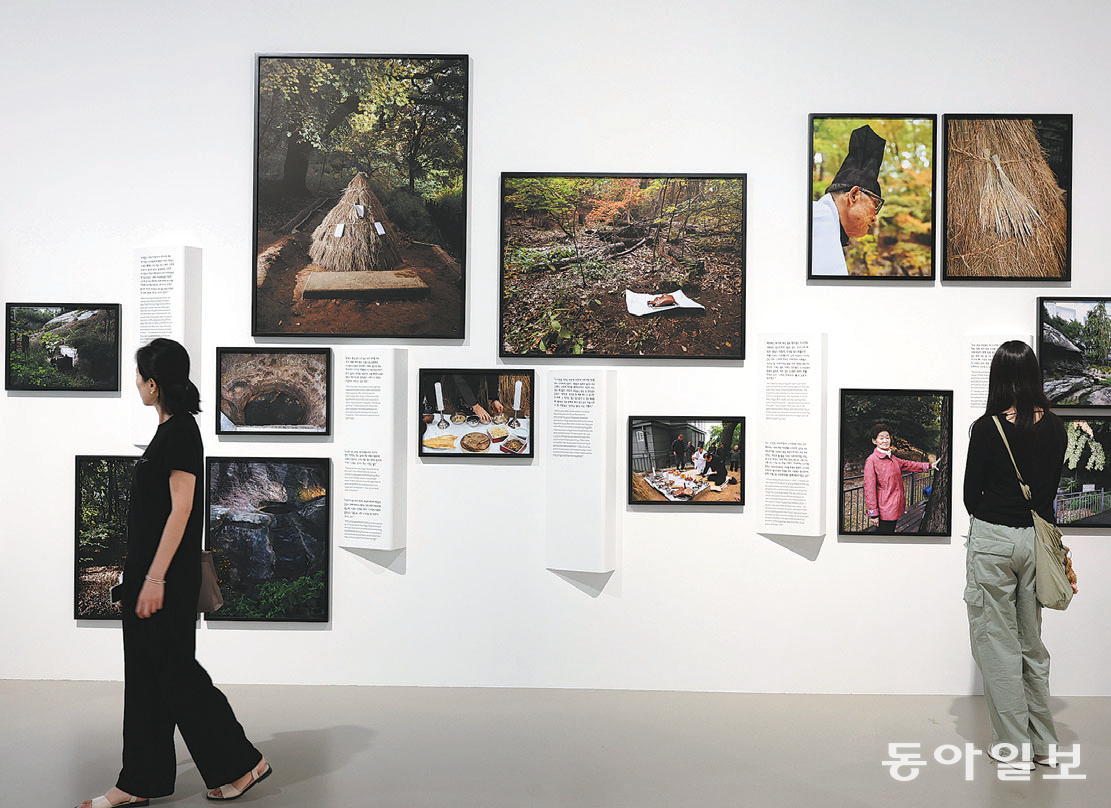
On the third floor, another opening exhibition, 《THE RADIANCE: BEGINNINGS OF KOREAN ART PHOTOGRAPHY》, is being held. The exhibition features works by pivotal figures in Korean photographic history, including Jung Haechang, who held Korea’s first solo photography exhibition in 1929; Lee Hyungrok, who documented urban life and ordinary citizens after the Korean War; Lim Suk Je, who held an art photography exhibition following Korea’s liberation in 1948; Cho Hyundu, a pioneer of Korean modernist photography; and Park Youngsook, known for her feminist perspective.
● K-pop Arena to Follow Science Museum Opening
On the fourth floor is the ‘Photo Library,’ a specialized photography library open to all visitors. It houses over 5,000 volumes, including photobooks, exhibition catalogs, and rare publications that trace the history of Korean photography and photographic culture. Additional facilities such as a photobook café, darkroom, and educational spaces are also in operation, inviting public participation. Seol In-seon (72), a visitor that day, remarked, “I’ve been taking photographs for over 40 years, and I’m truly delighted that a public museum dedicated to photography has finally opened. Seeing diverse exhibitions like photomontage makes me want to come back often.”
With the opening of the museum, Dobong-gu—once lacking in cultural infrastructure—is emerging as a new cultural hub in northeastern Seoul. Following the opening of the Seoul Robot & AI Science Museum in August last year, the 28,000-seat K-pop performance venue ‘Seoul Arena’ is scheduled to open in 2027. A Dobong-gu official stated, “Chang-dong is becoming a key base that is reshaping Seoul’s cultural landscape. In connection with projects such as the planned hanok village at the former Dobong-dong military training site, we aim to establish the area as a central destination for cultural tourism.”