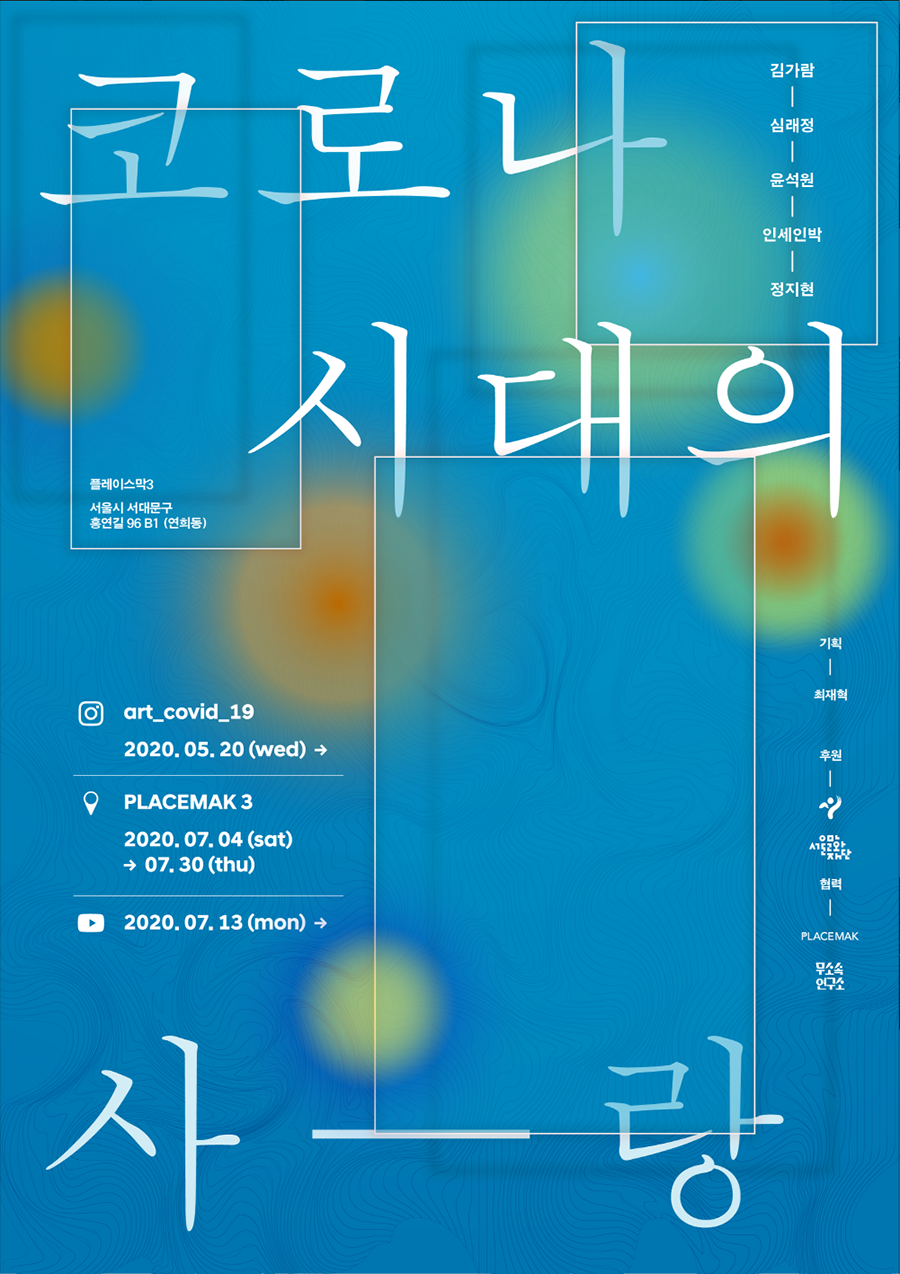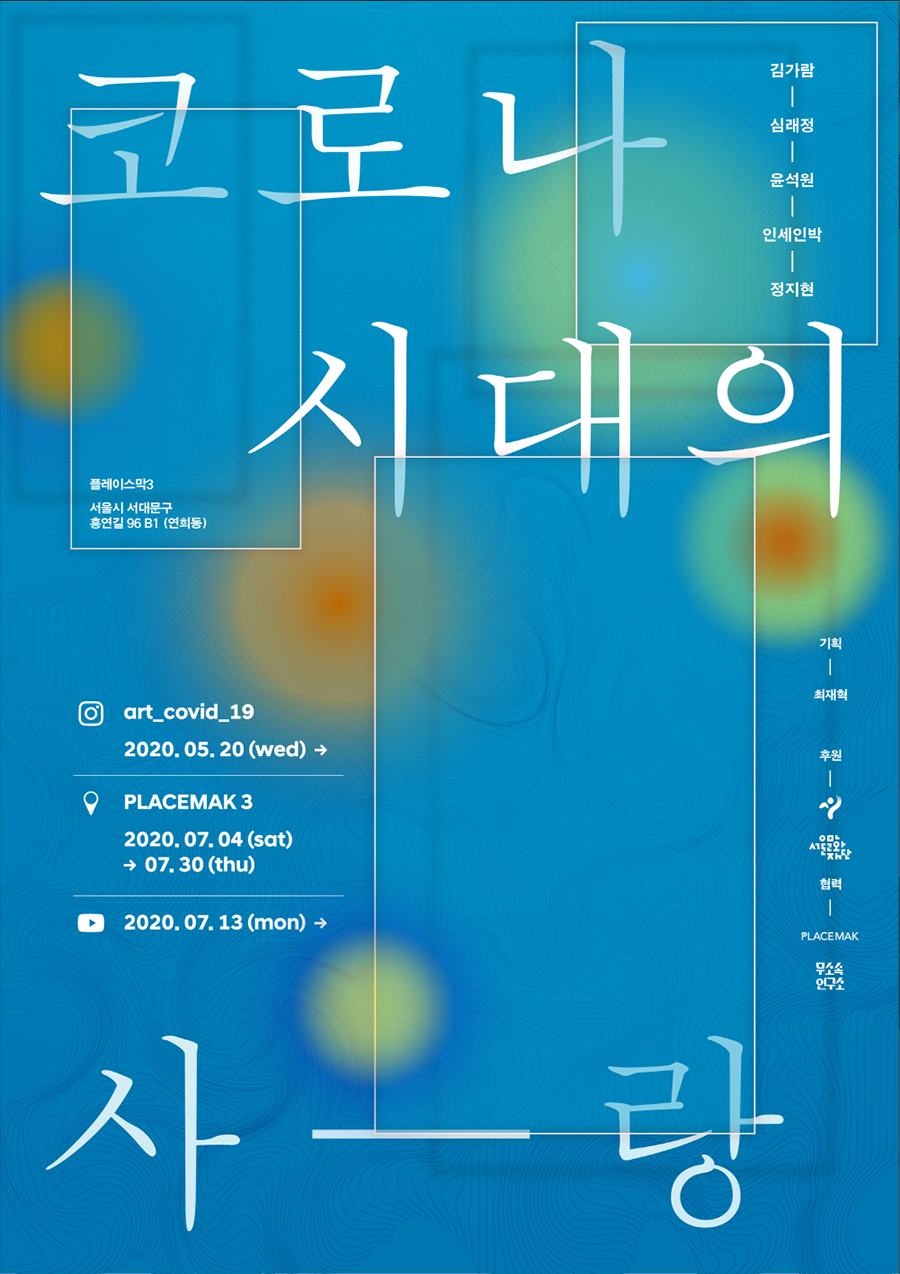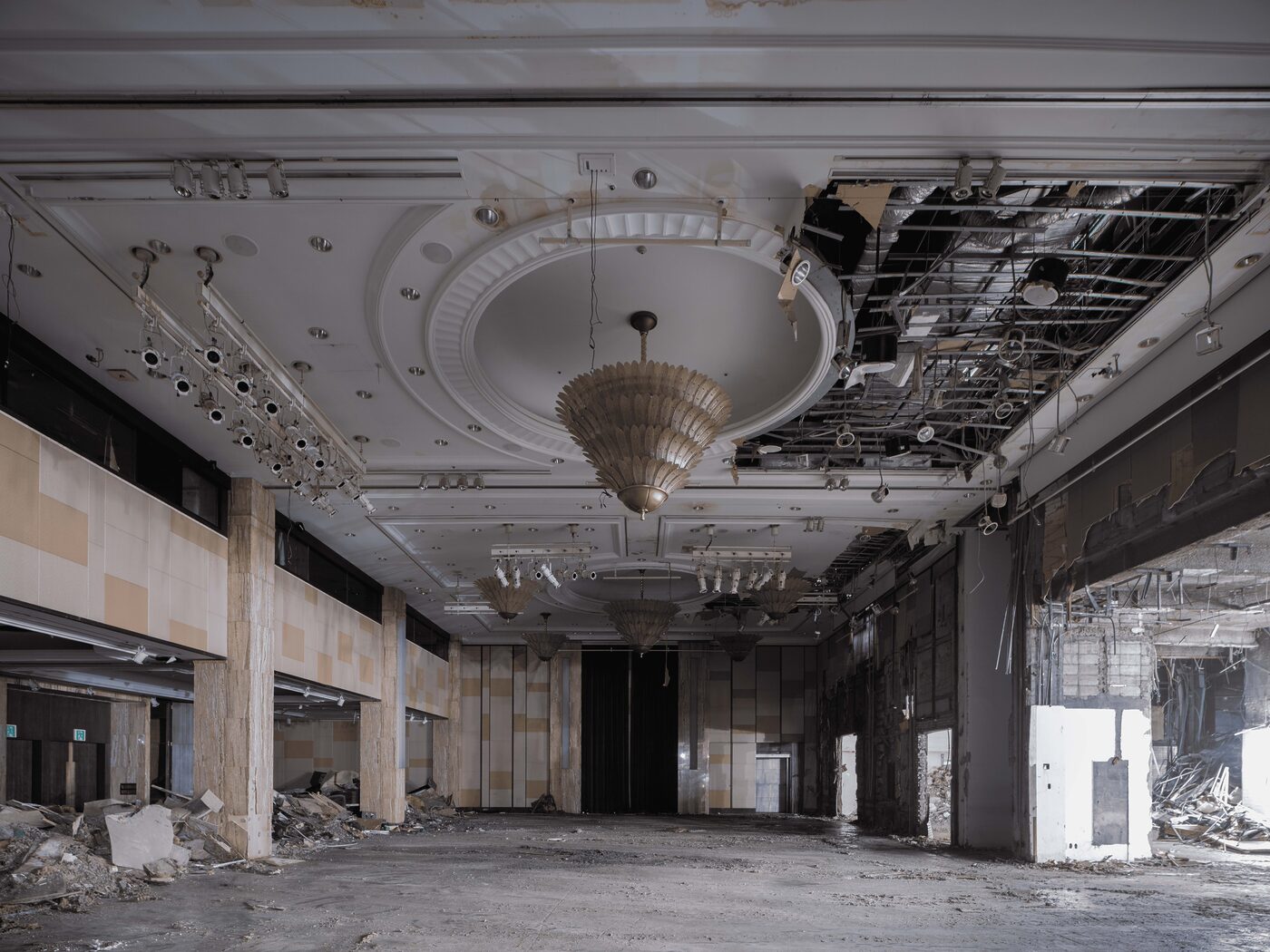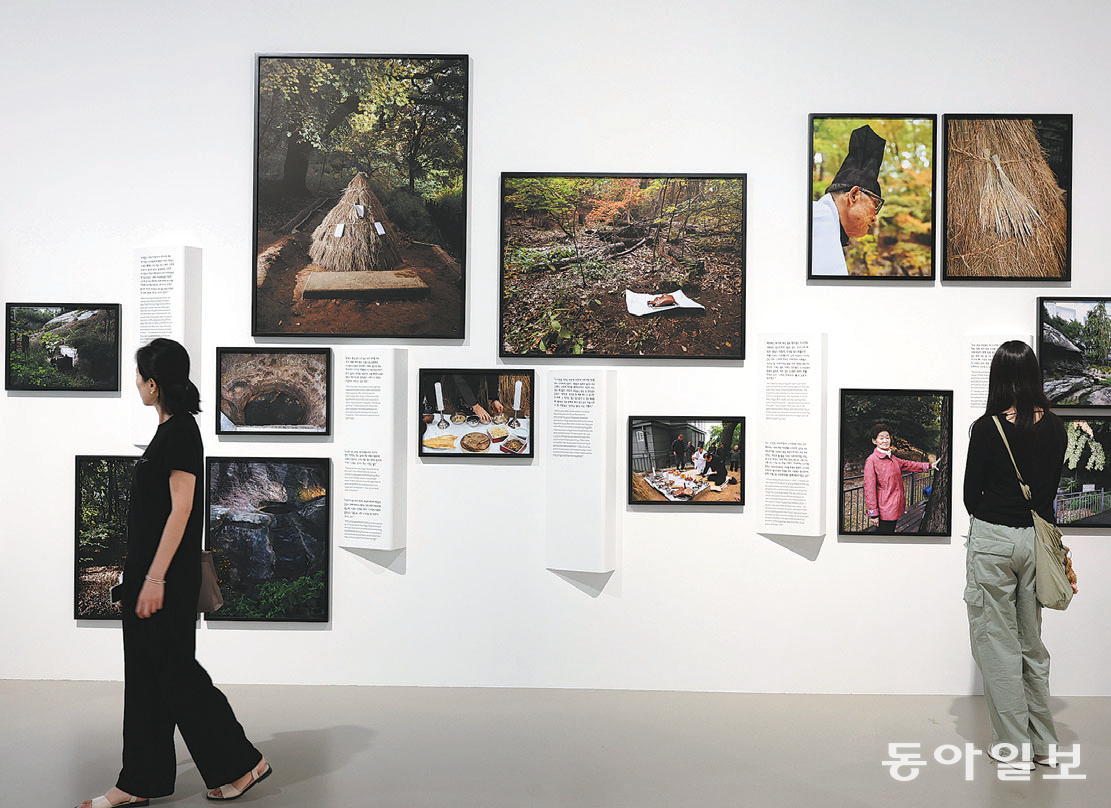


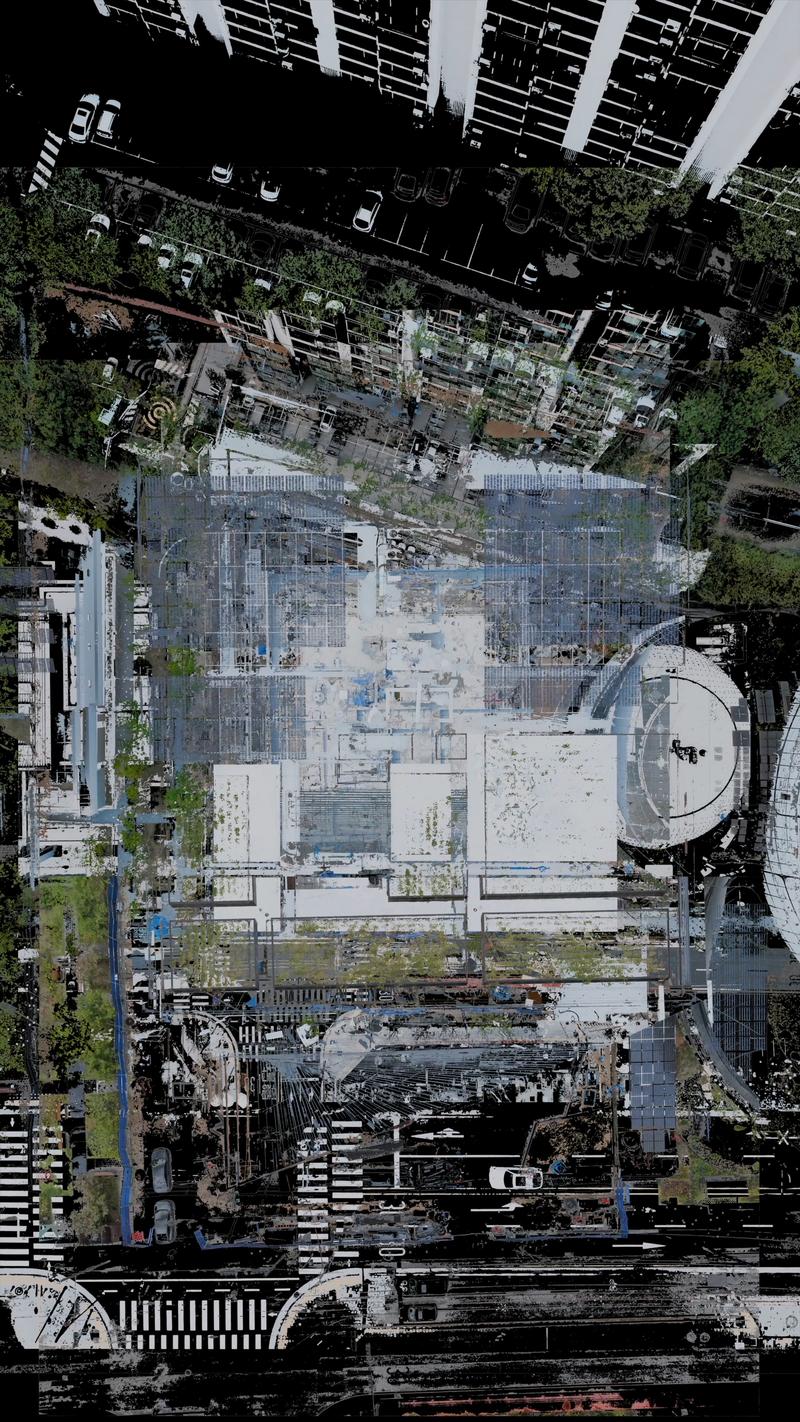
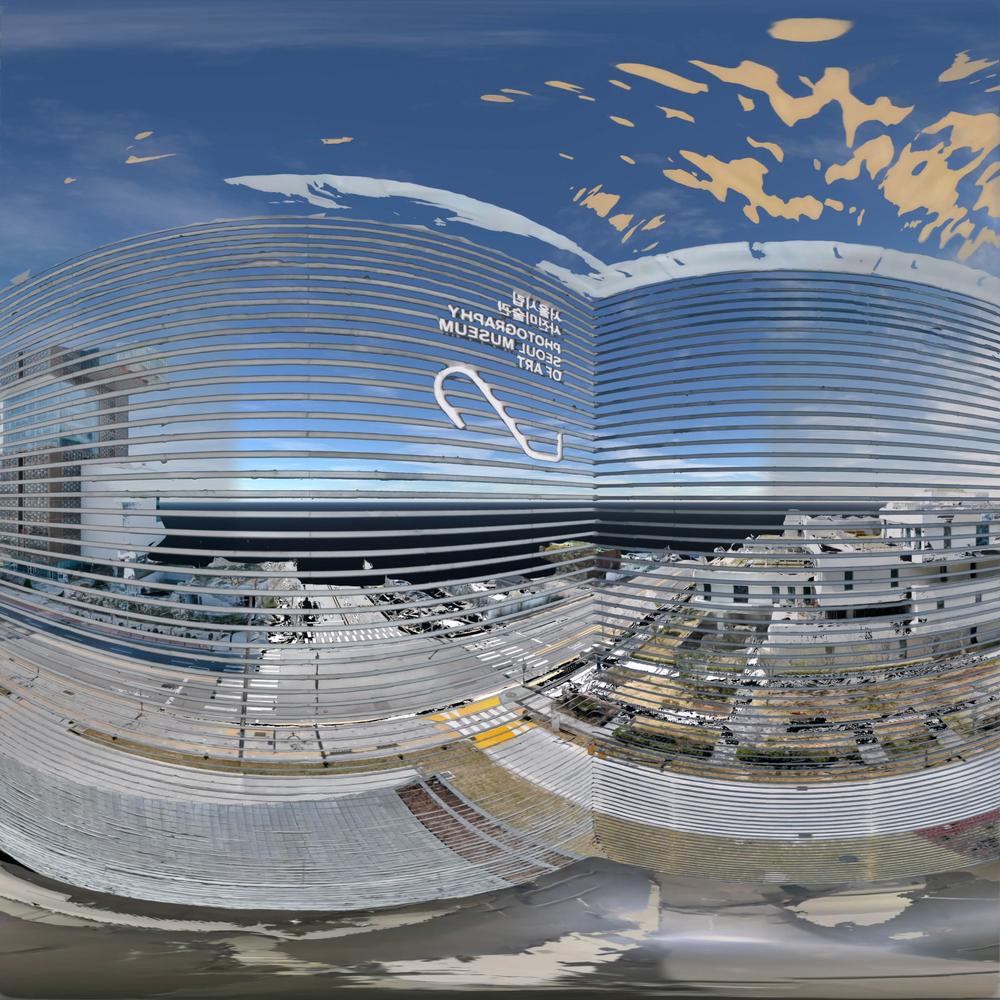
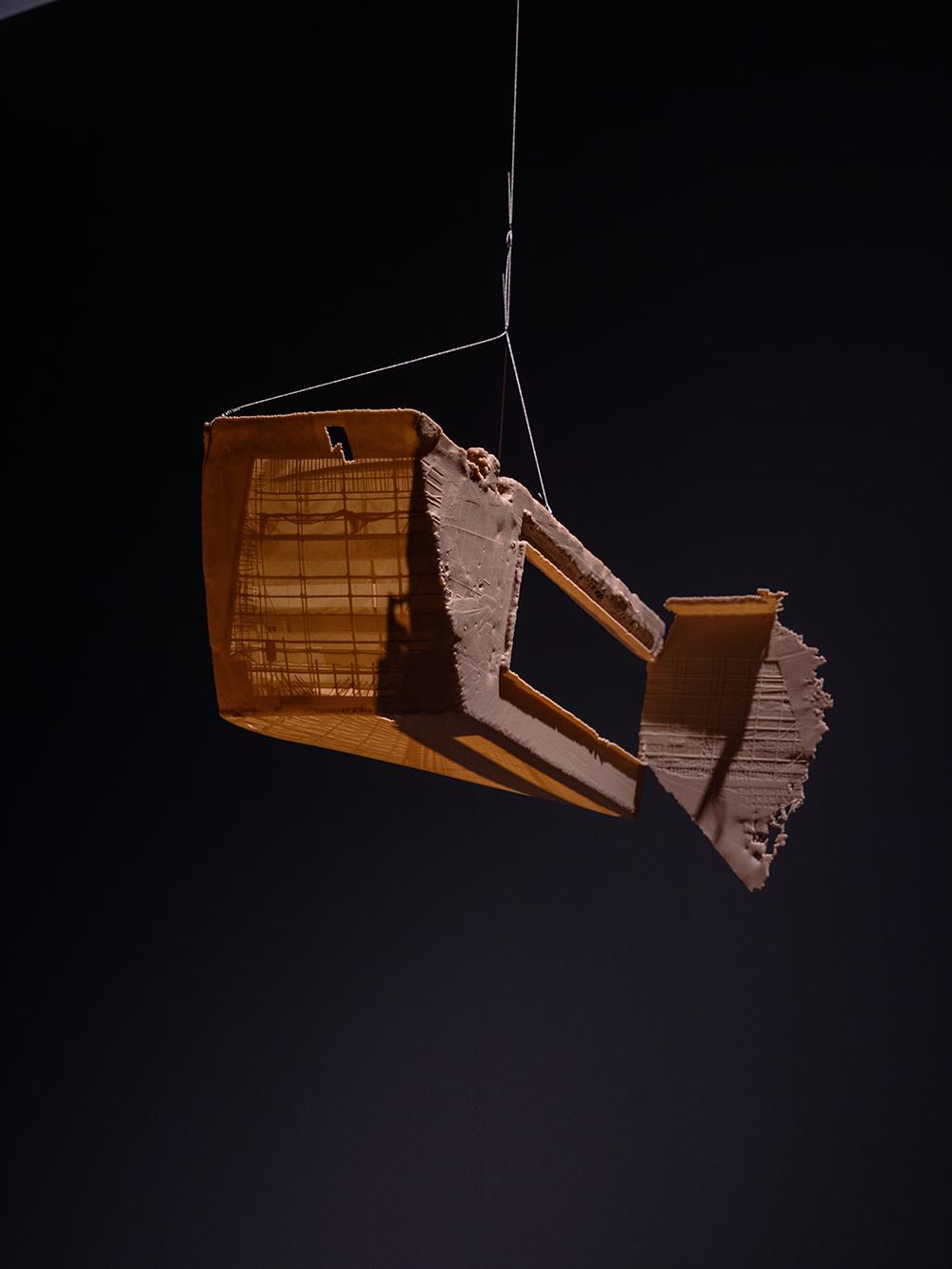
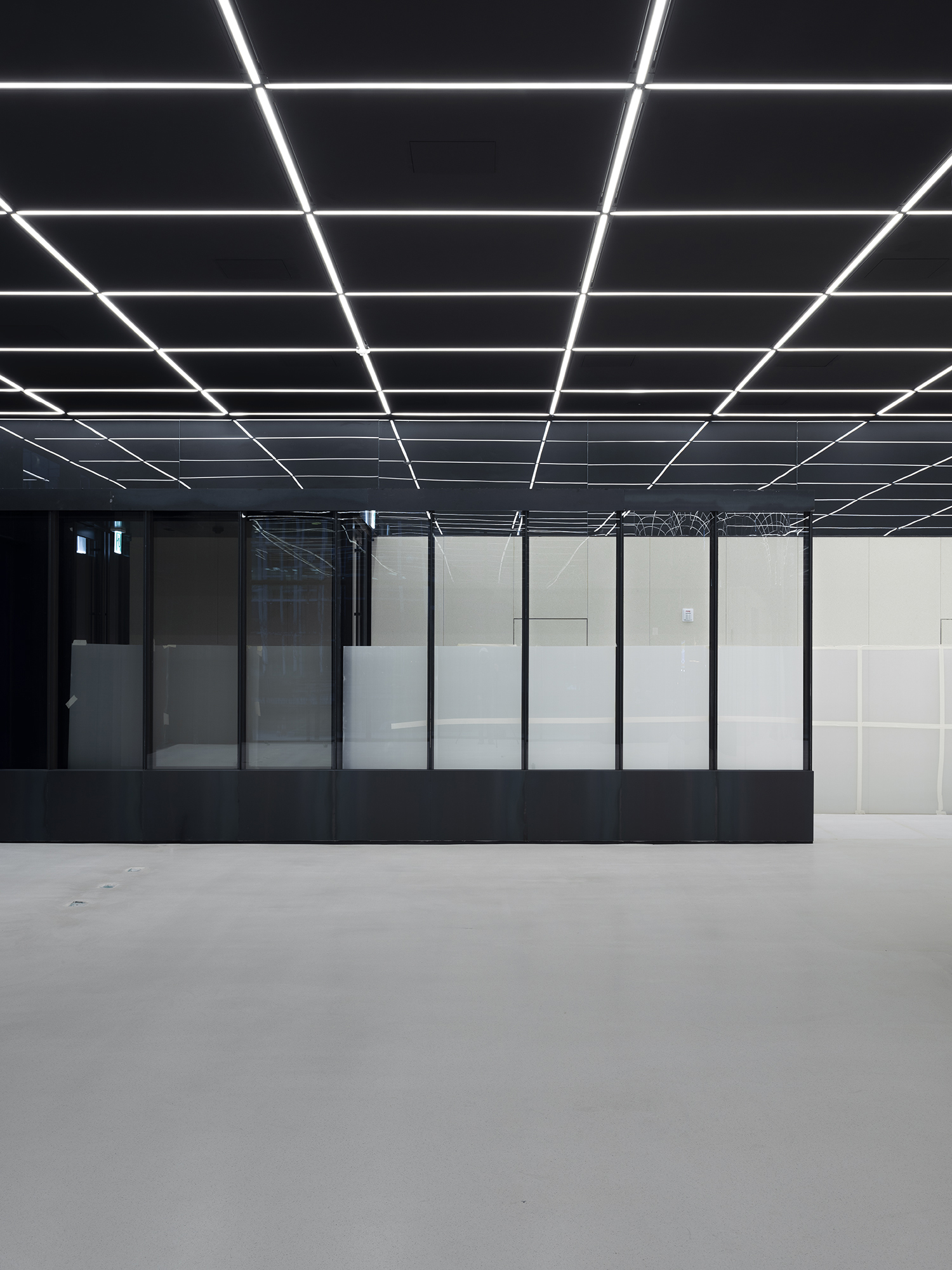
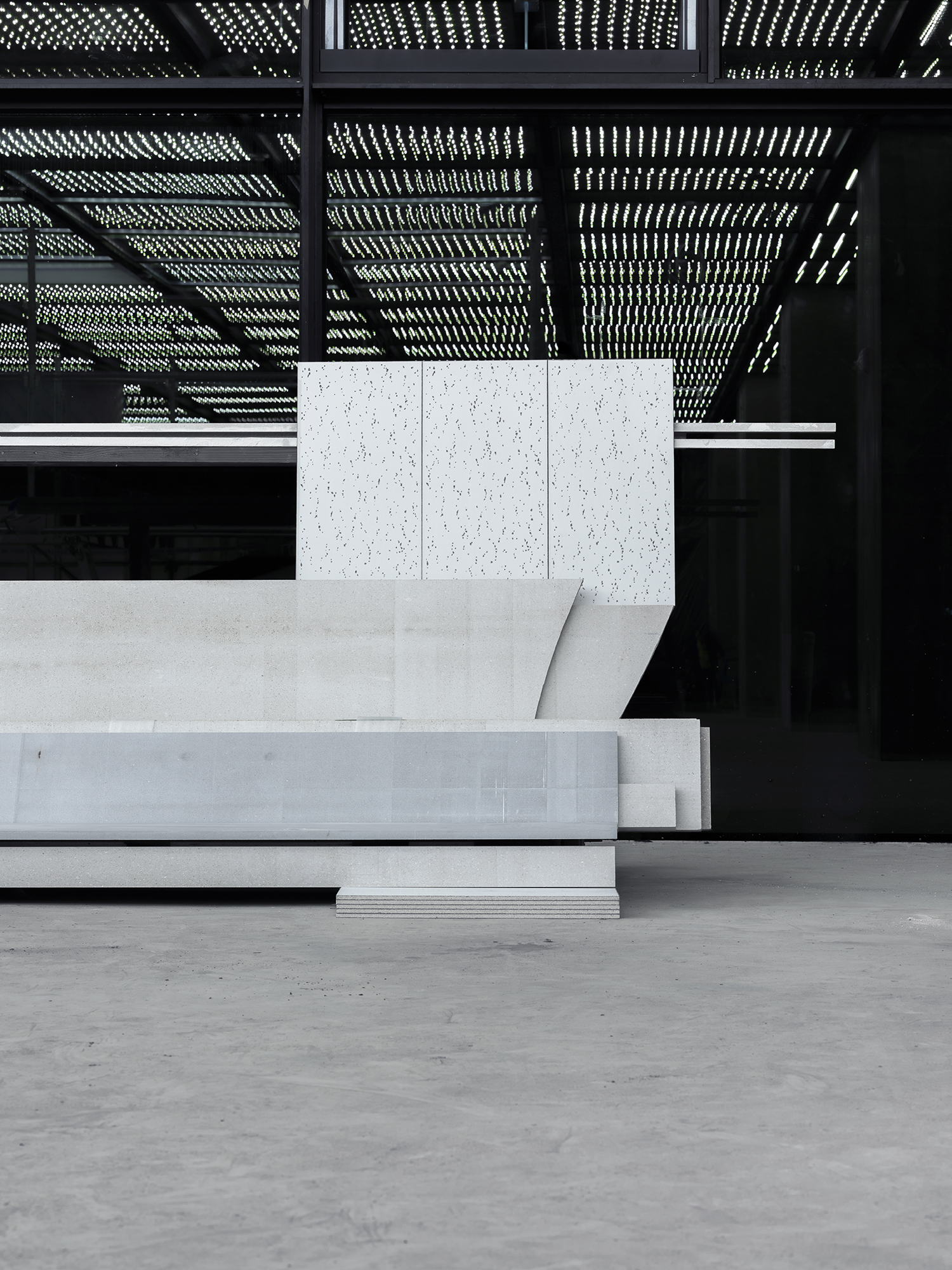
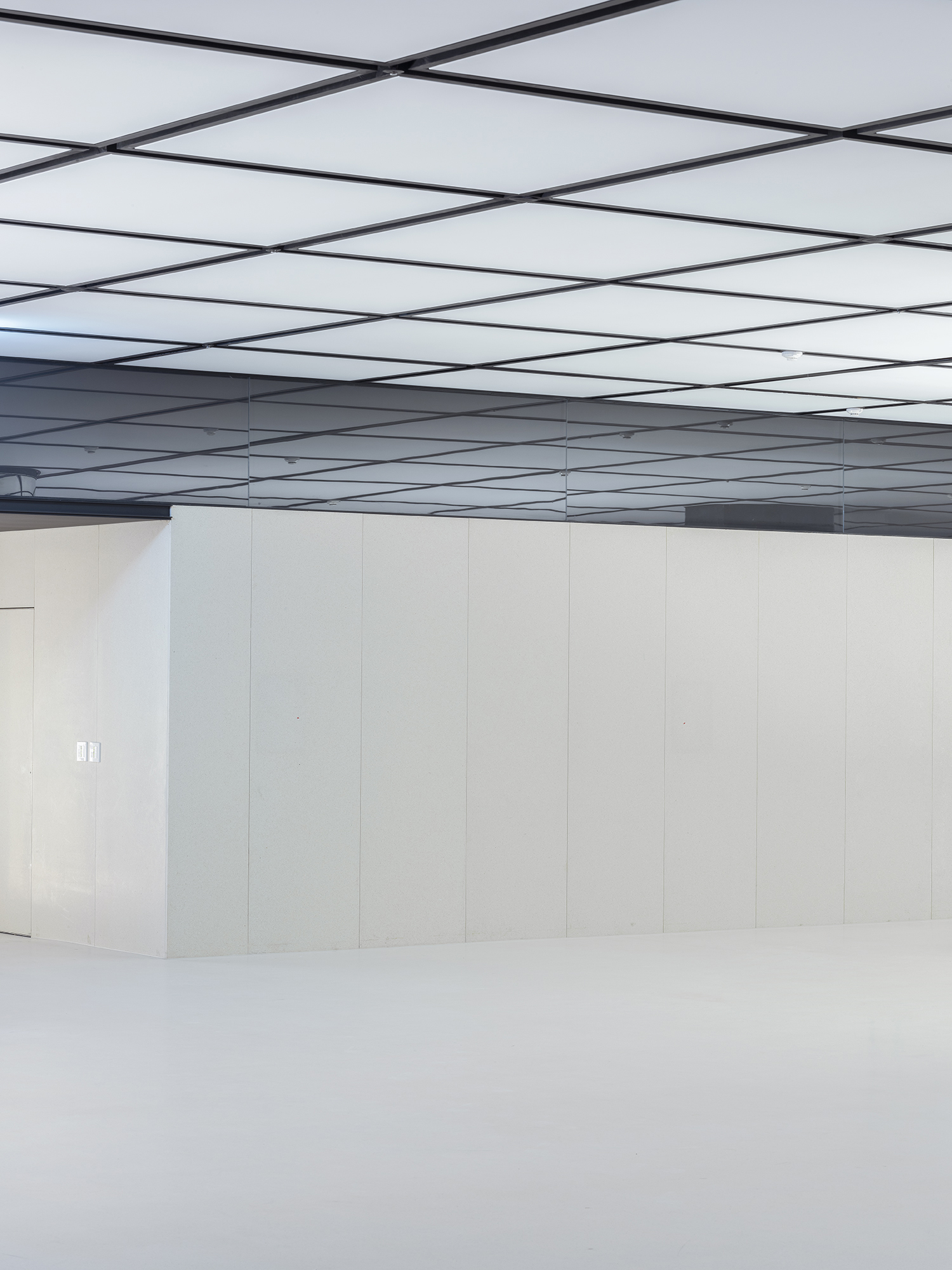
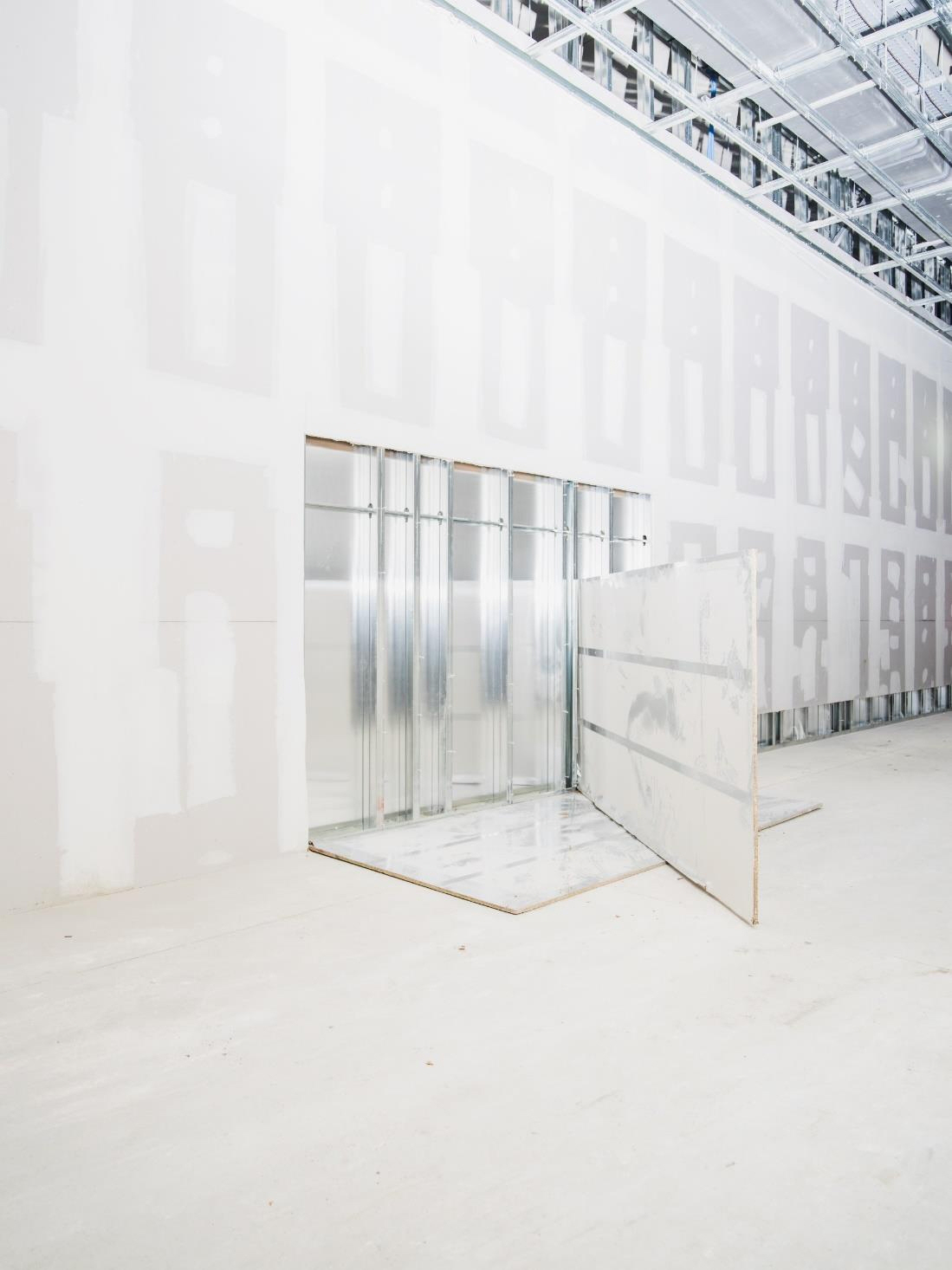
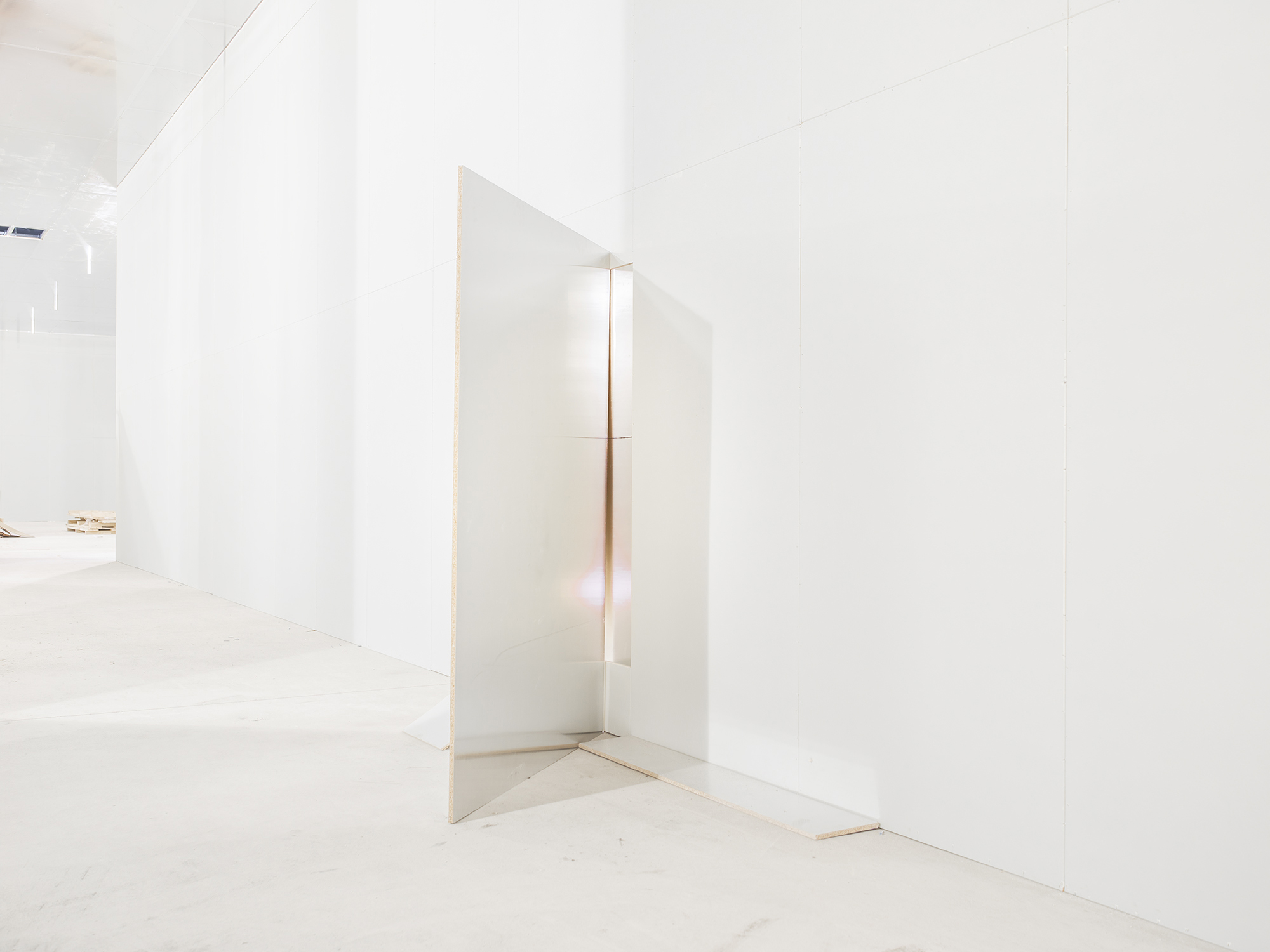
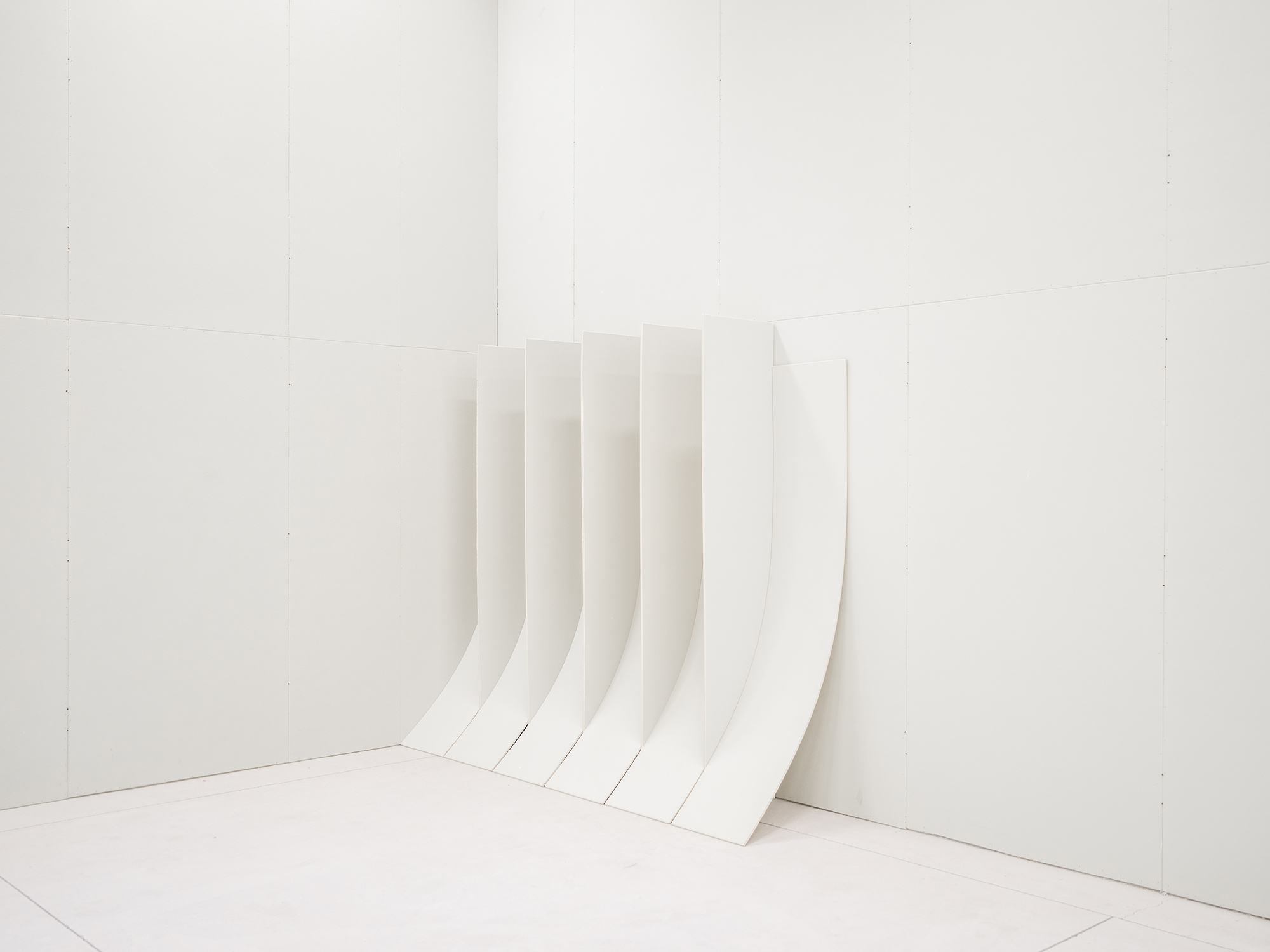
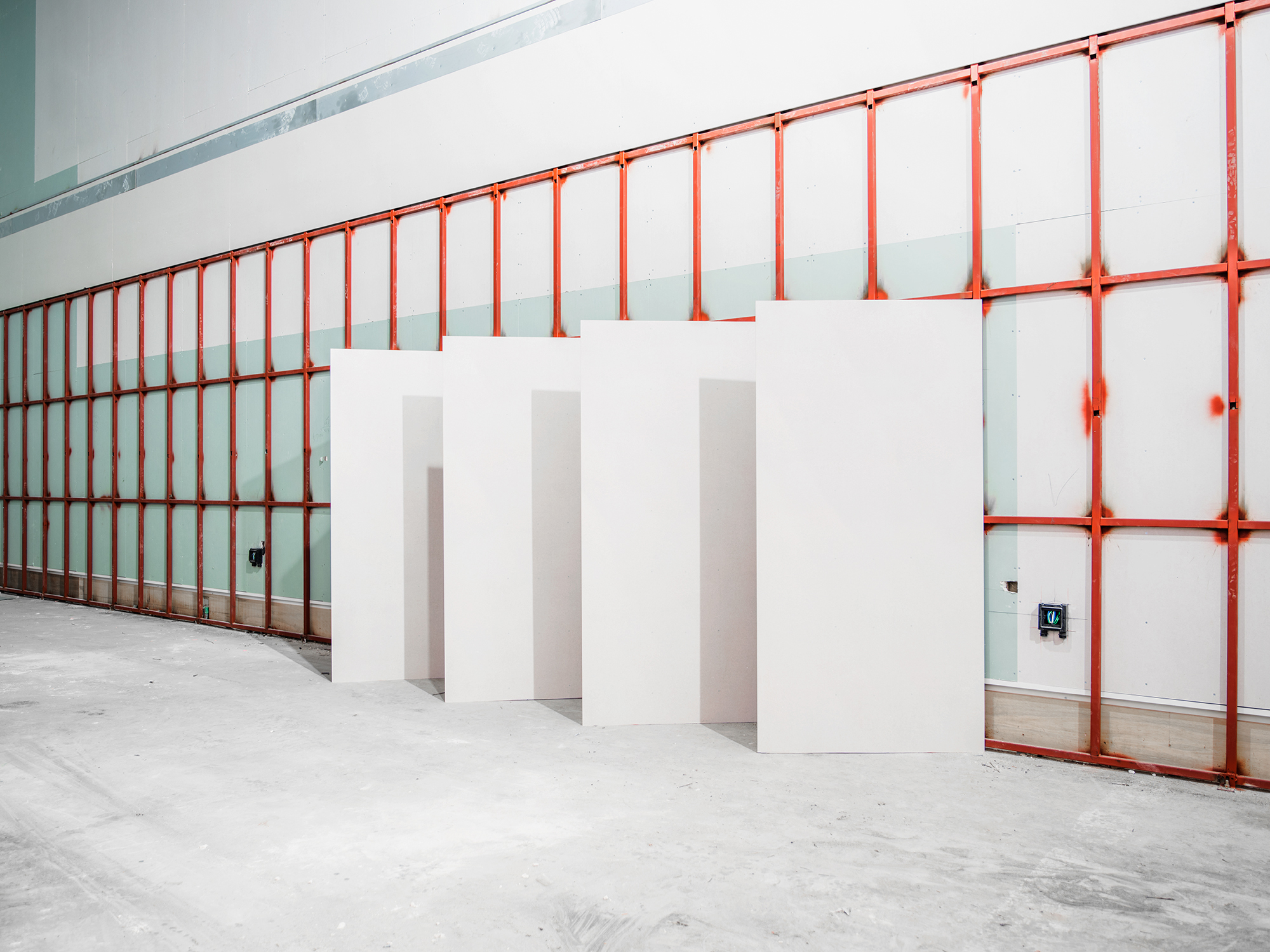
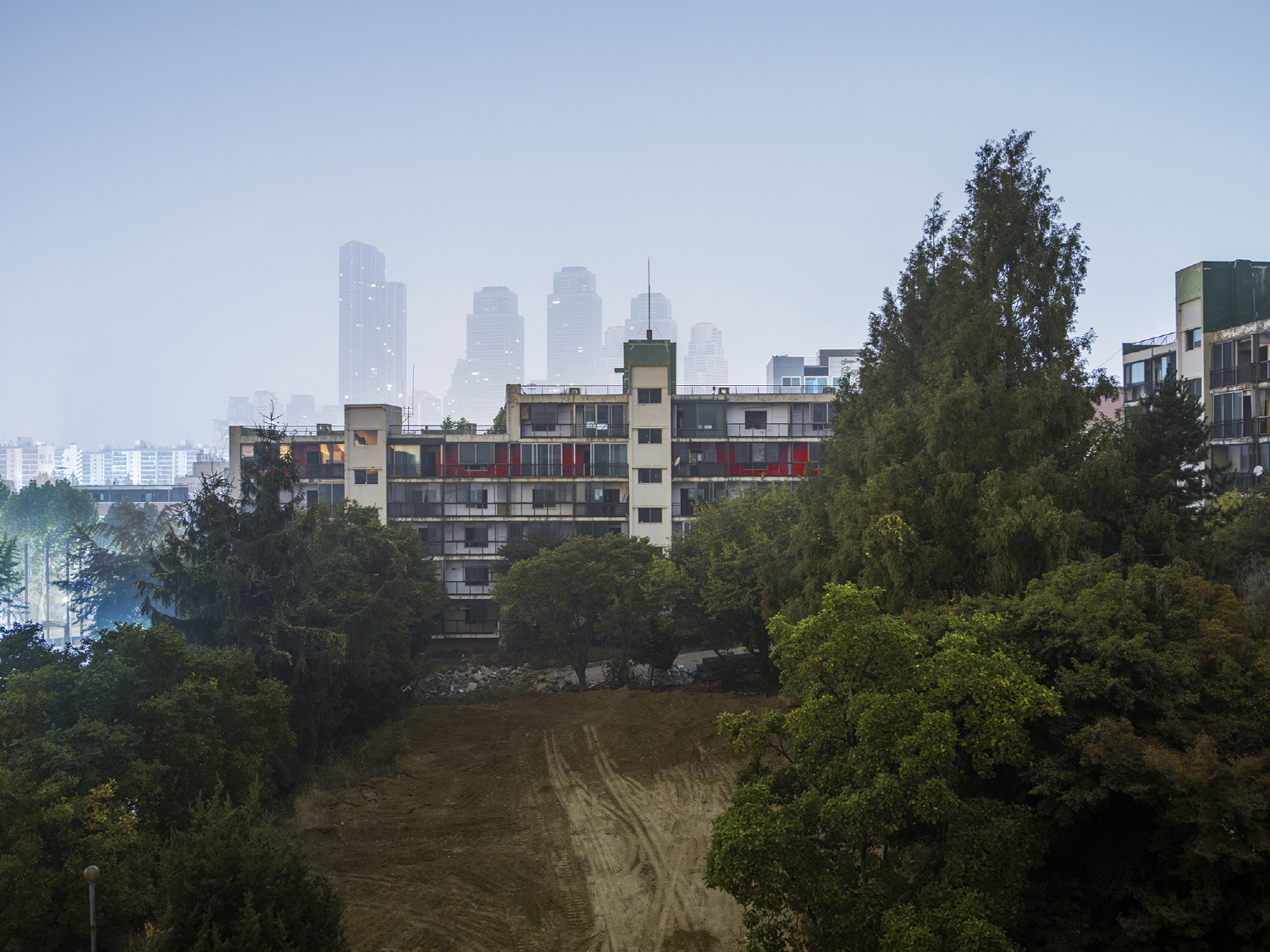
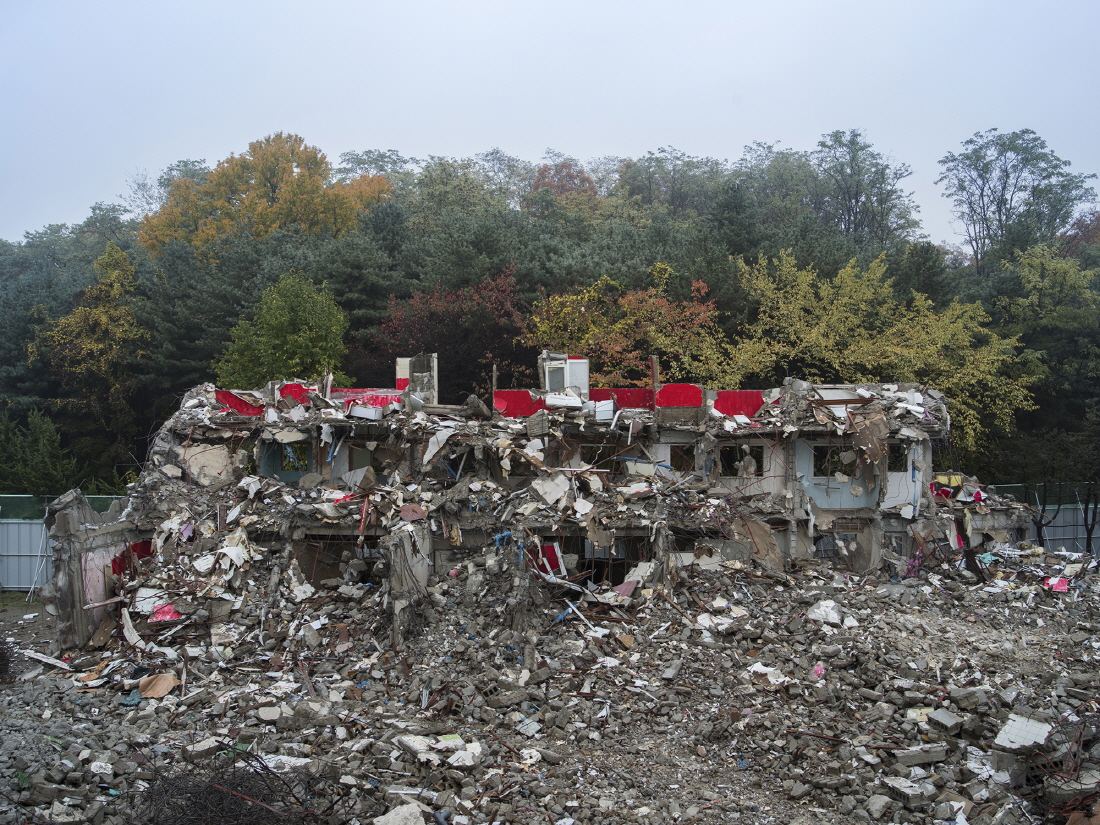
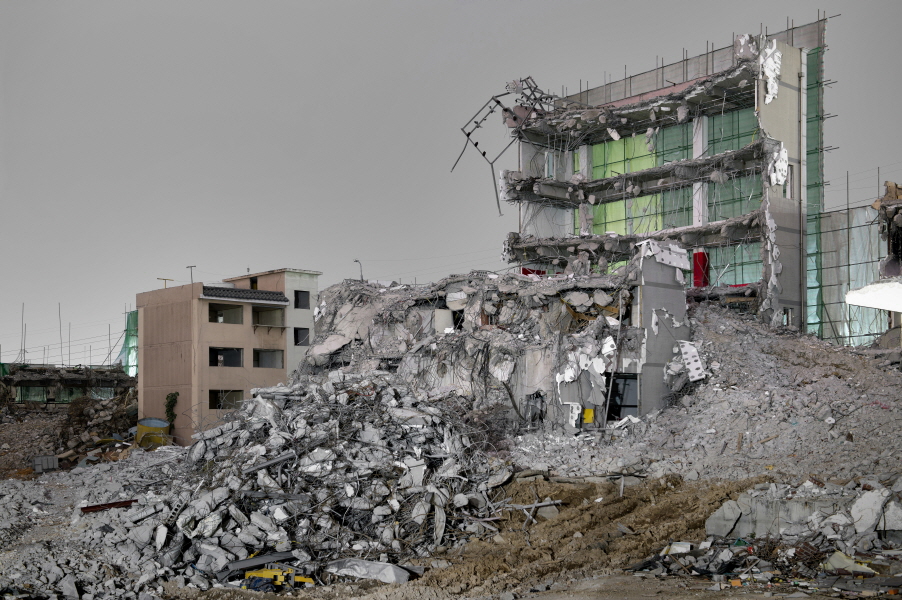
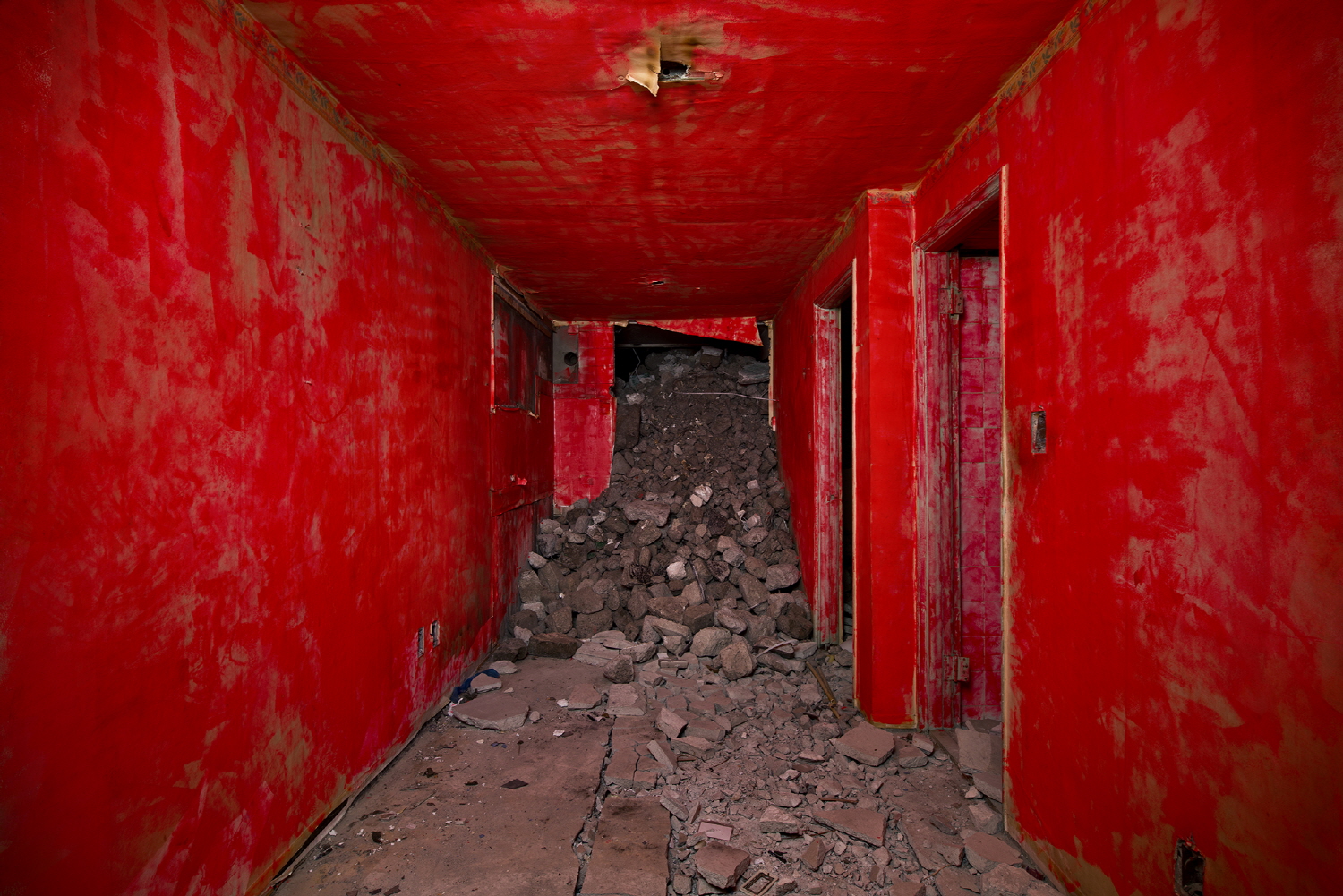
Poster image of 《Love in the Time of Corona》 © PLACEMAK 3

The title 《Love in the Time of Corona》 is borrowed from Gabriel García Márquez’s novel Love in the Time of Cholera. In the novel, set in the 19th century, cholera goes beyond the dimension of disease transmission, demanding changes in the ways of love, social conventions, and systems of values. These transformations remain relevant to us today as we confront the “age of corona” in 2020.

At present, various fields—including medicine and science, as well as sociology, psychology, and ecology—are preparing for a post-COVID era. In the field of visual art, attempts such as VR and online museums have been made under the notion of “untact,” yet these largely amount to changes in modes of viewing. Works, exhibitions, and artistic discourse that directly engage with the conditions of the pandemic through the language of visual art remain insufficient. In response, this exhibition brings together five artists (Kim Garam, Sim Raejung, Yoon Seokwon, Insane Park, and Jung Jihyun) to document the present moment and reflect on its conditions.

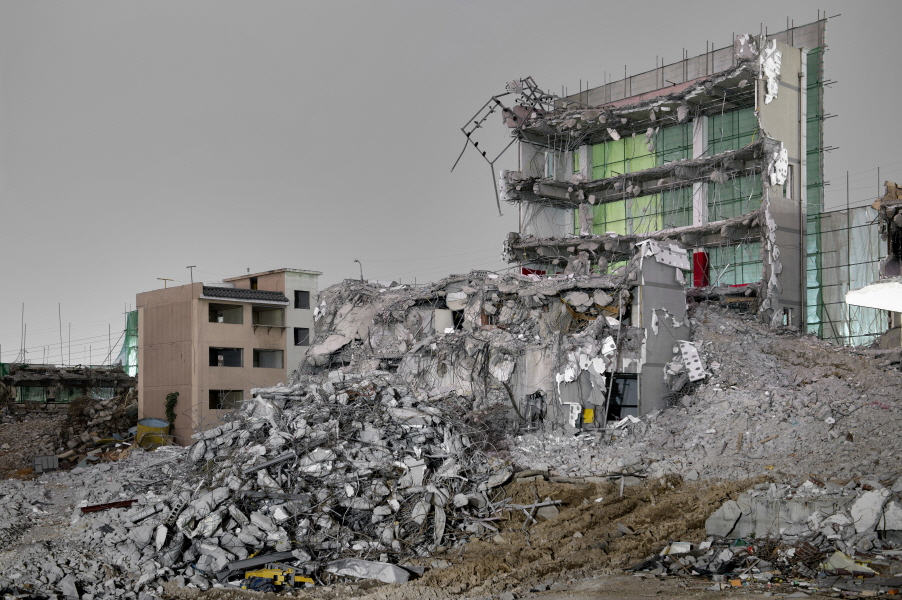
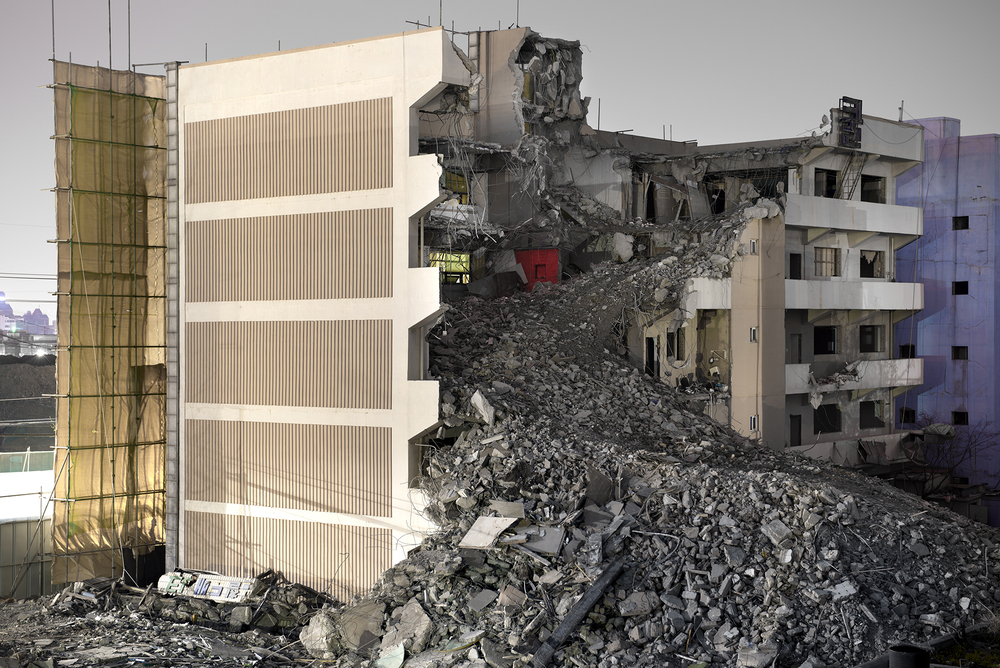
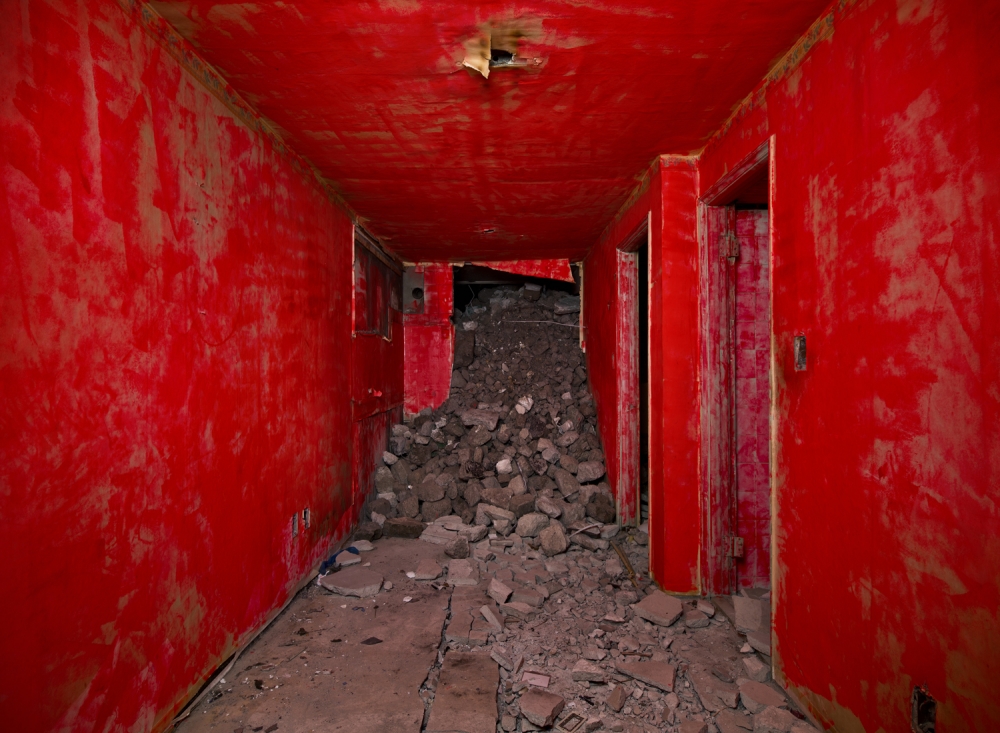
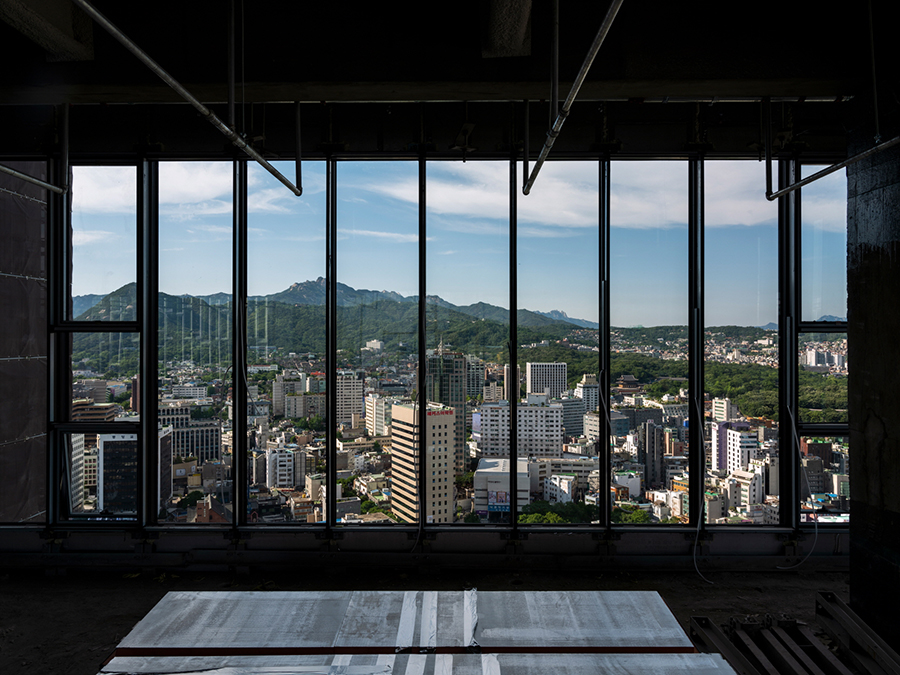
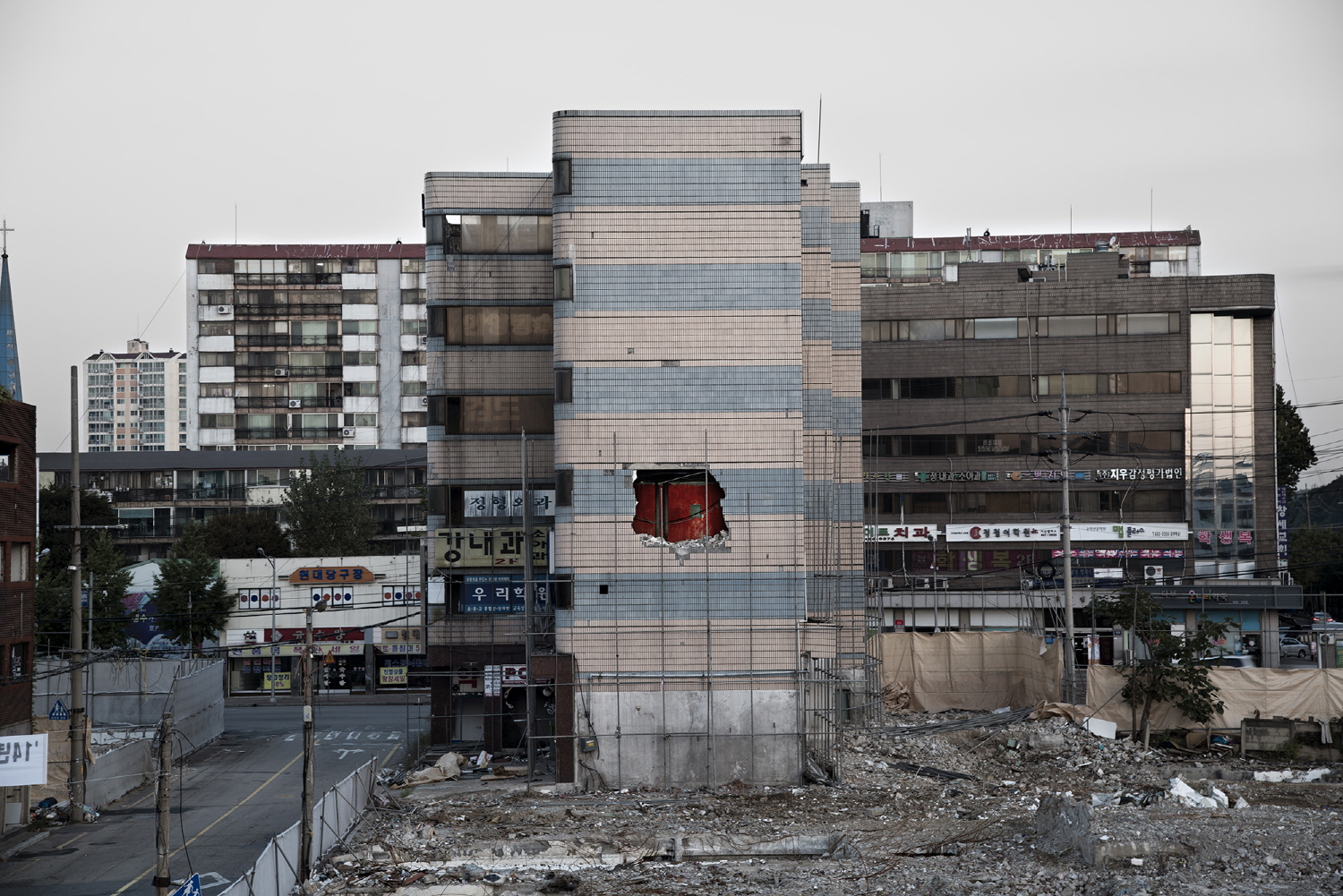
All participating artists were born in the 1980s and, as emerging practitioners, have keenly observed this rapidly changing era. Drawing on their responsiveness, they have produced entirely new works for the exhibition. Through their respective media and disciplines—painting, photography, installation, media, animation, and essay—they present themes and keywords such as “the language of the new normal,” “the invisibility of the virus,” “individual observation of local communities,” “fear and contagion amplified by media,” and “urban landscapes and spatial transformations in the time of corona.”


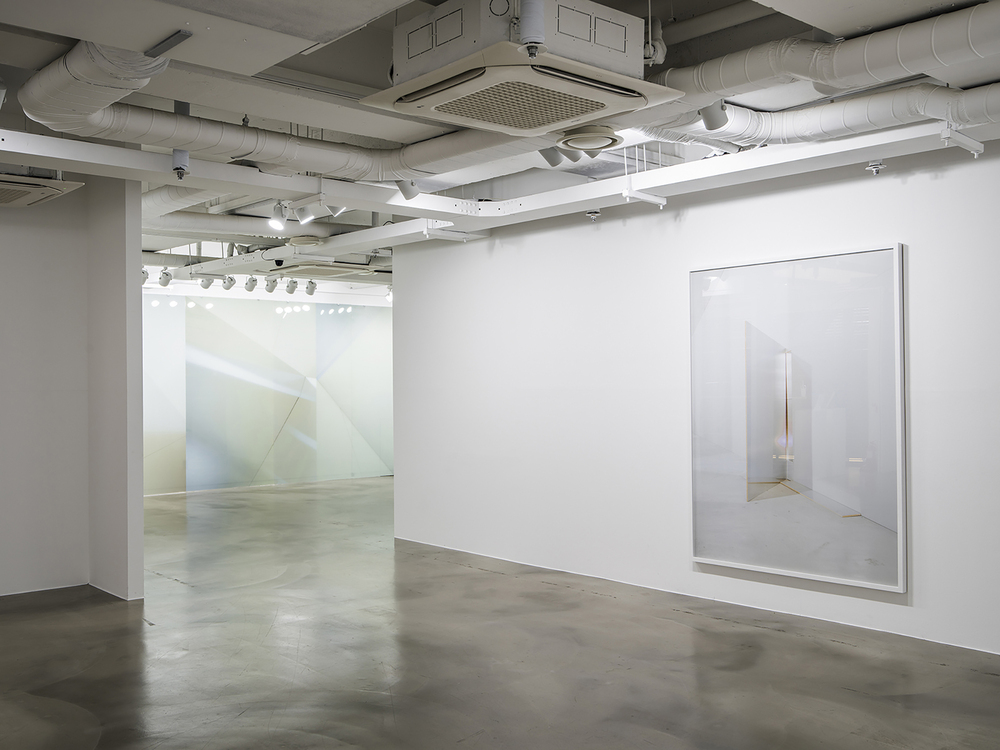
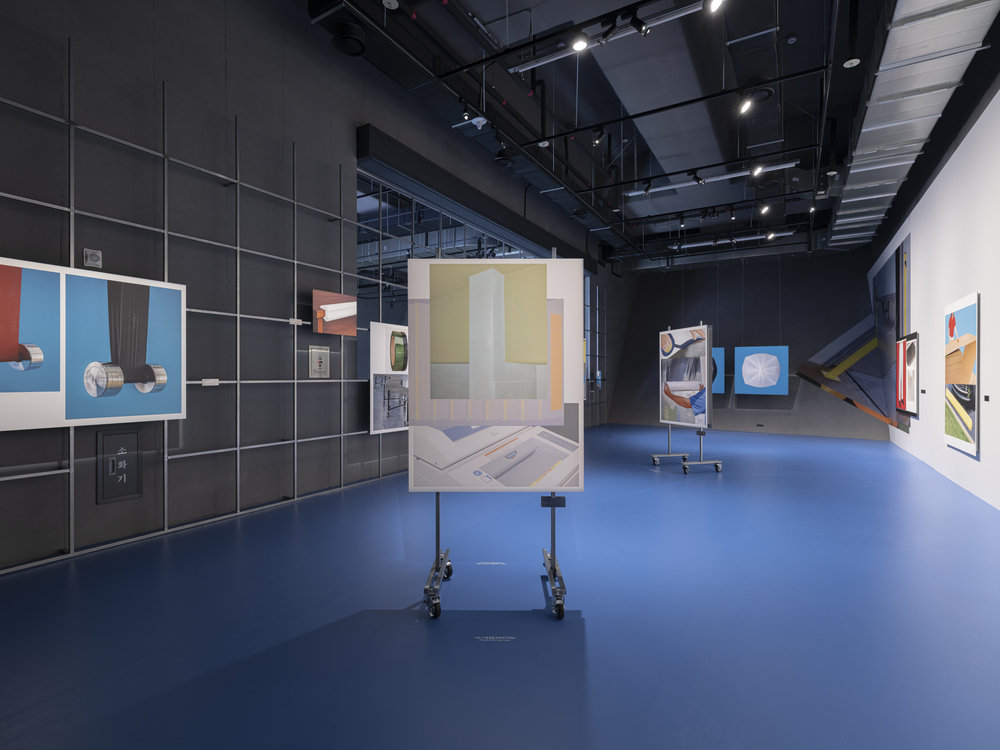
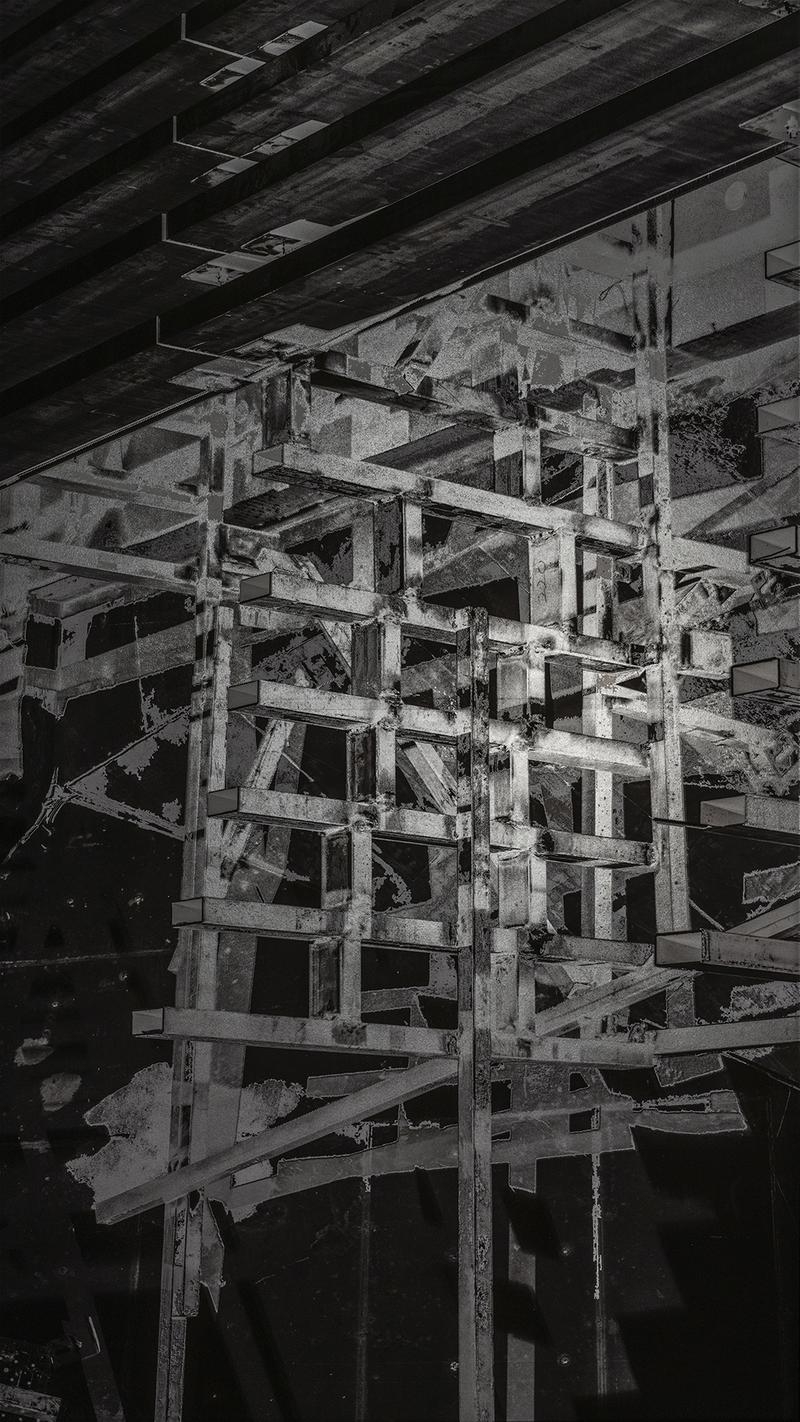
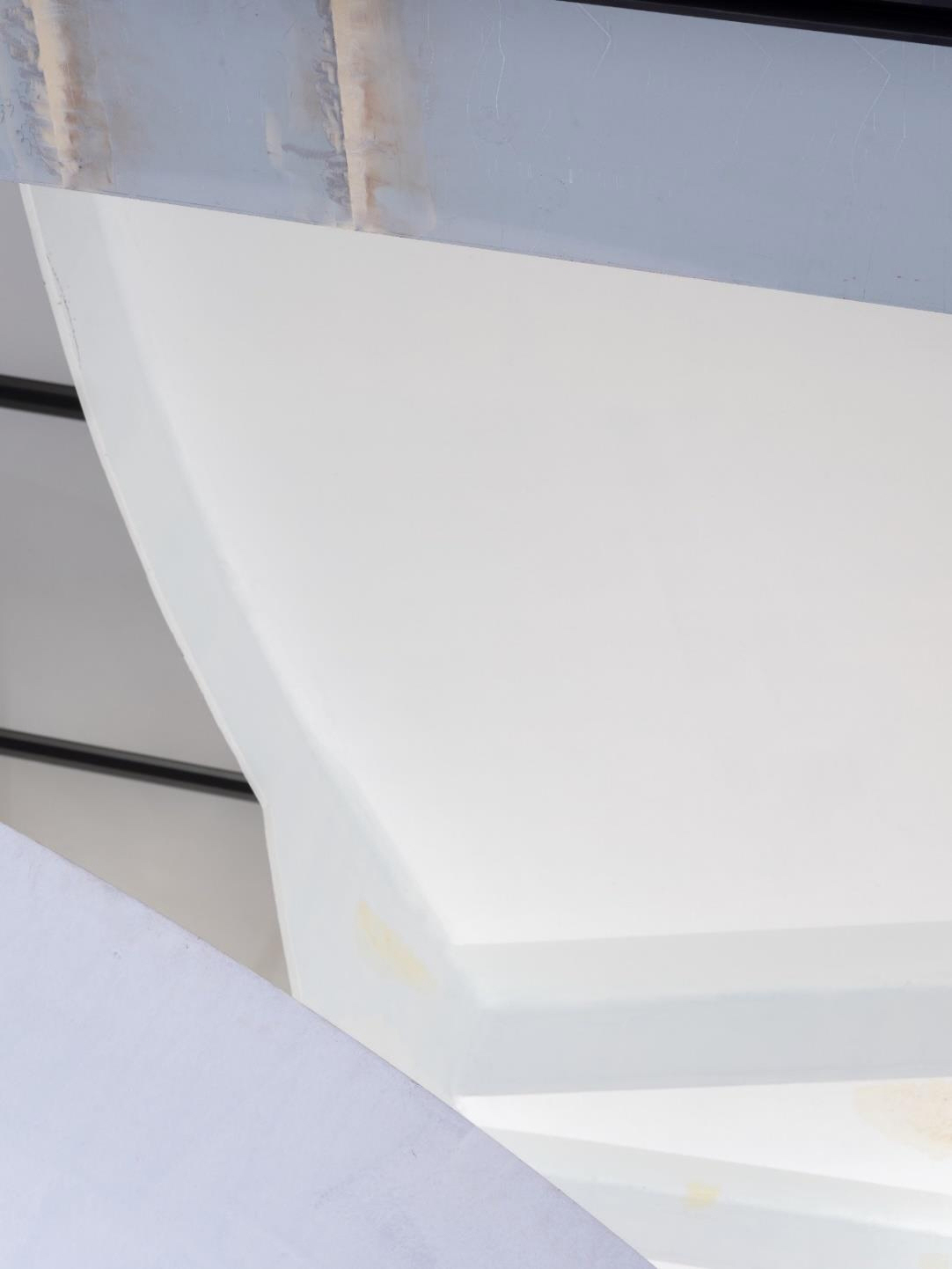
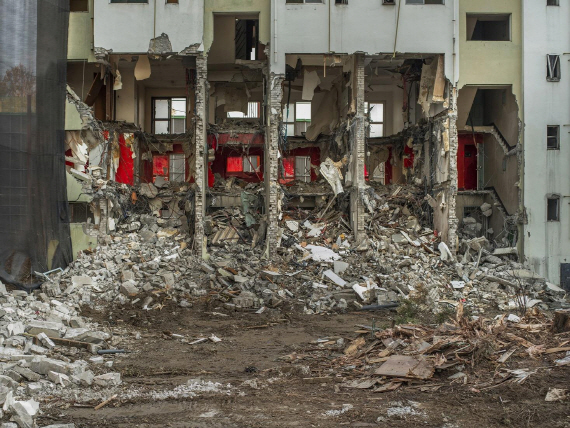
Jung Jihyun, Curtain wall 03 Outside, 2020 © Jung Jihyun

This exhibition experiments with hybrid formats that integrate online and offline modes, which are expected to become normalized in the age of “untact.” Prior to the offline exhibition, “Online A” will take place on Instagram (@art_covid_19) as a platform where the process of creating the works is uploaded daily.

Moving away from the notion of a static and finalized exhibition space, this approach further narrows the temporal distance between the audience and the artworks. Subsequently, “Online B” will present follow-up videos on YouTube, compiling footage from the exhibition site, curatorial introductions, and artist interviews. This allows viewers to experience even the finer details of the exhibition online without physically visiting the venue.

Online is no longer merely a supplementary device for promotion and archiving. The distinction between online and offline roles has become increasingly meaningless; instead, they function in a complementary relationship, each holding equal importance to the physical exhibition space. Through this attempt, the exhibition seeks to redefine the concept of exhibitions in the post-COVID era as an integrated on–offline experience.

References