Exhibitions
《Crossing Plane: Unit, Layer, Nostalgia》, 2015.11.27 – 2016.01.31, Ilmin Museum of Art
November 25, 2015
Ilmin Museum of Art
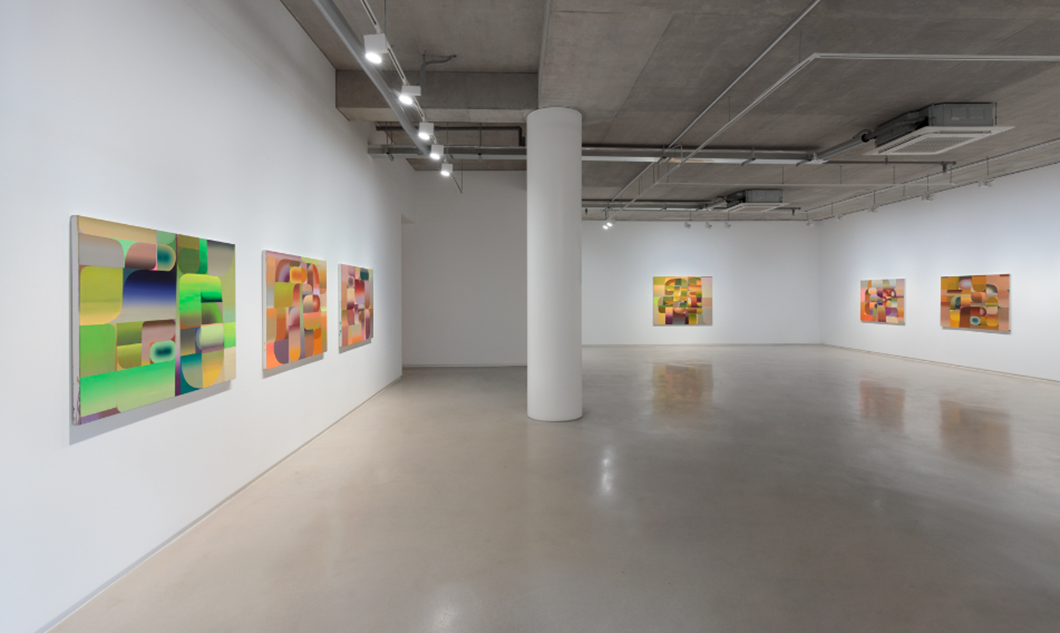
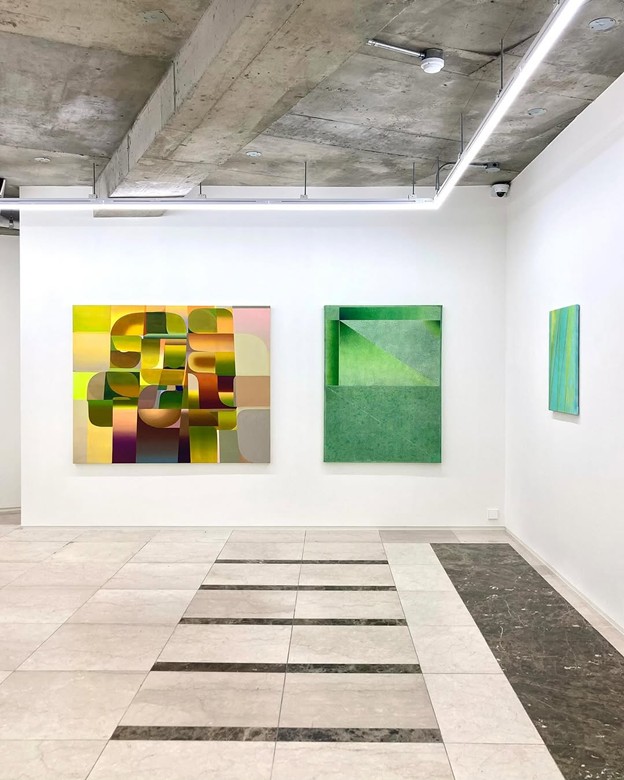
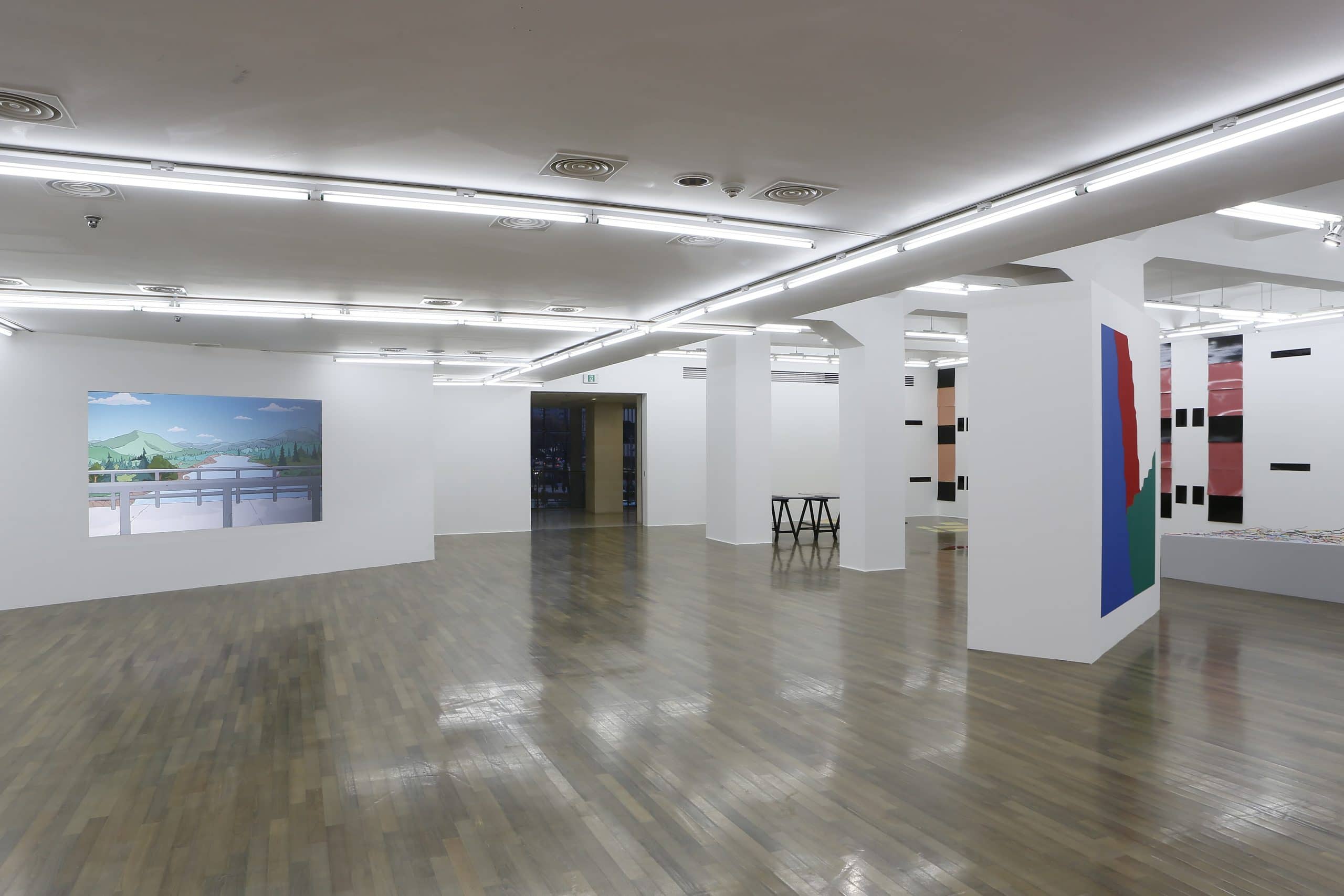 Installation
view of 《Crossing Plane: Unit, Layer, Nostalgia》
© Ilmin Museum of Art
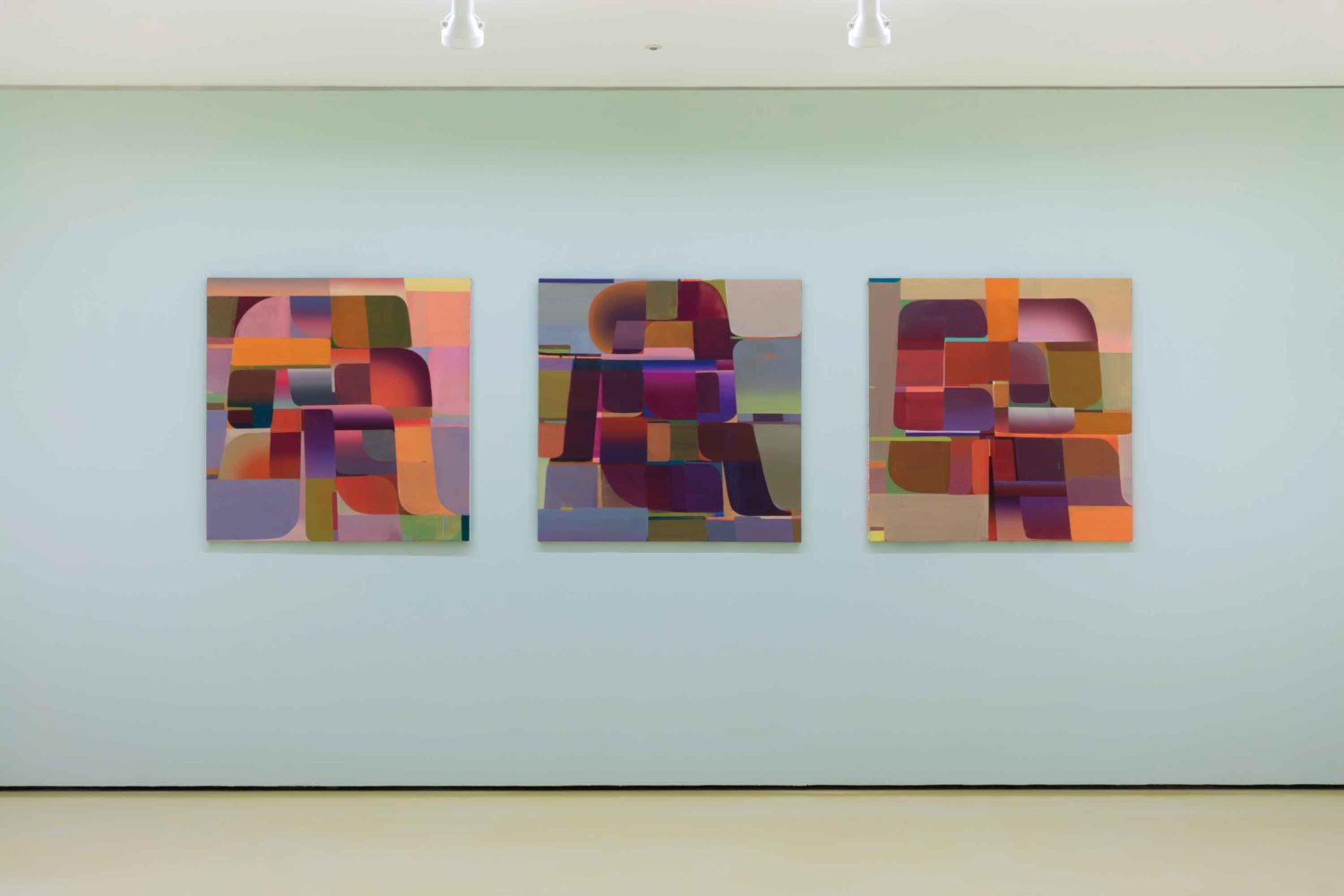
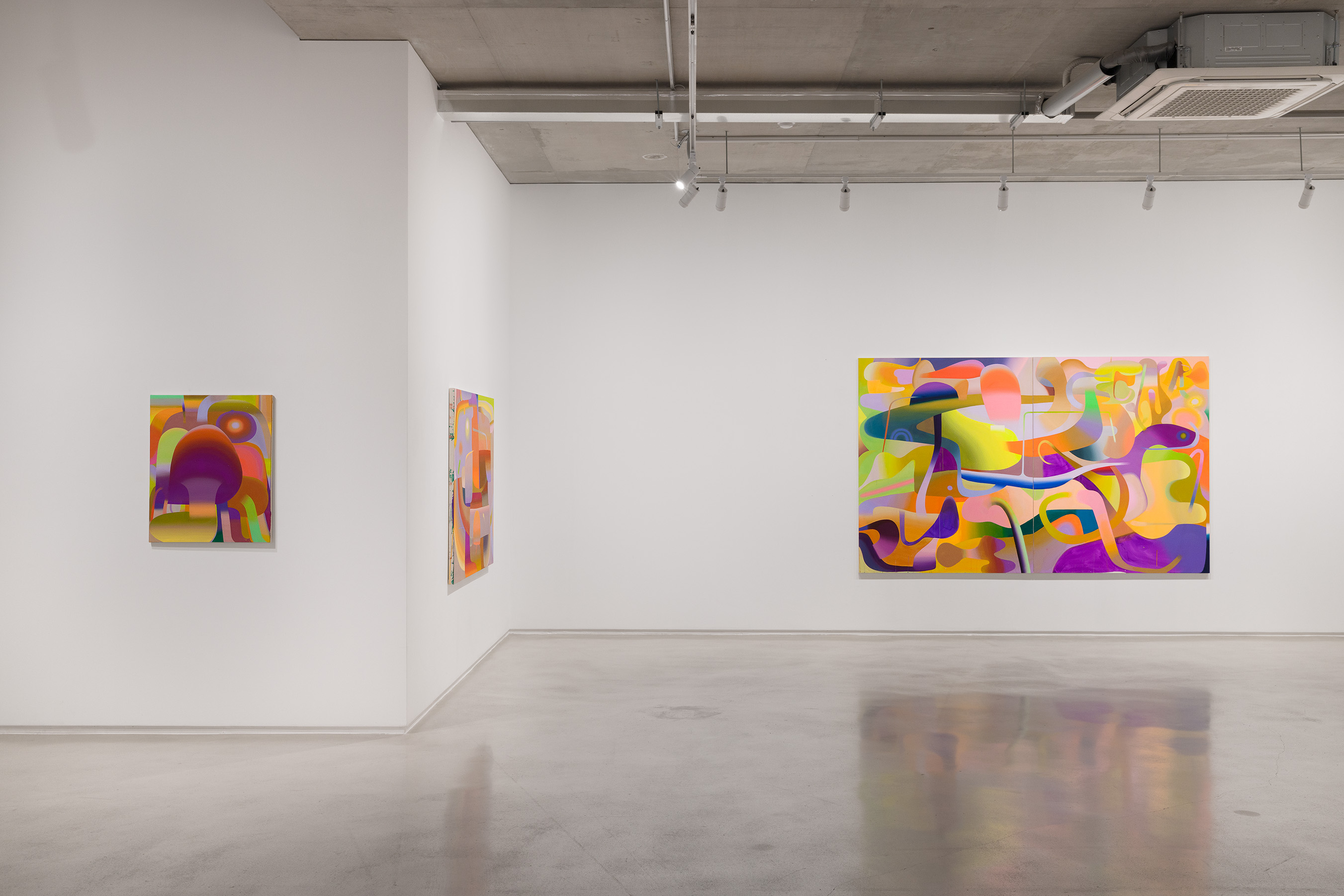
Installation
view of 《Crossing Plane: Unit, Layer, Nostalgia》
© Ilmin Museum of Art
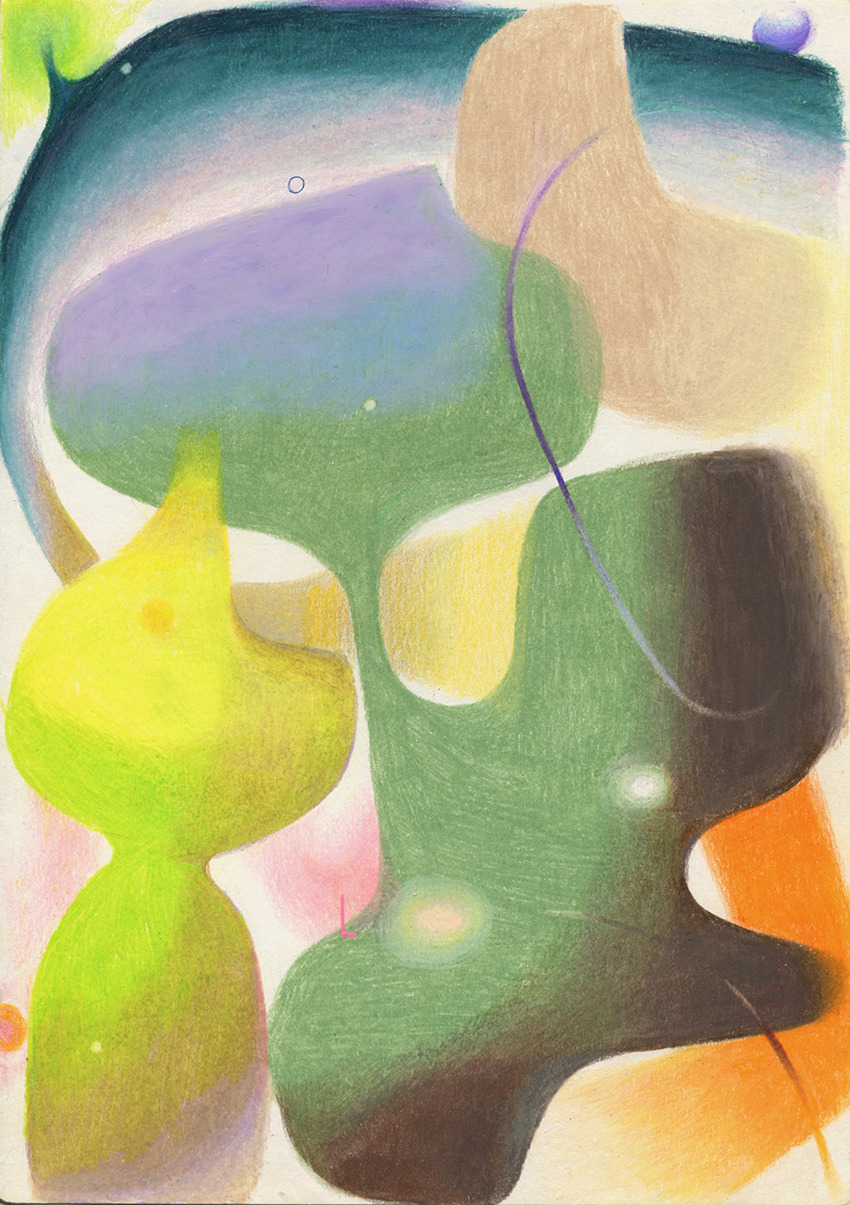
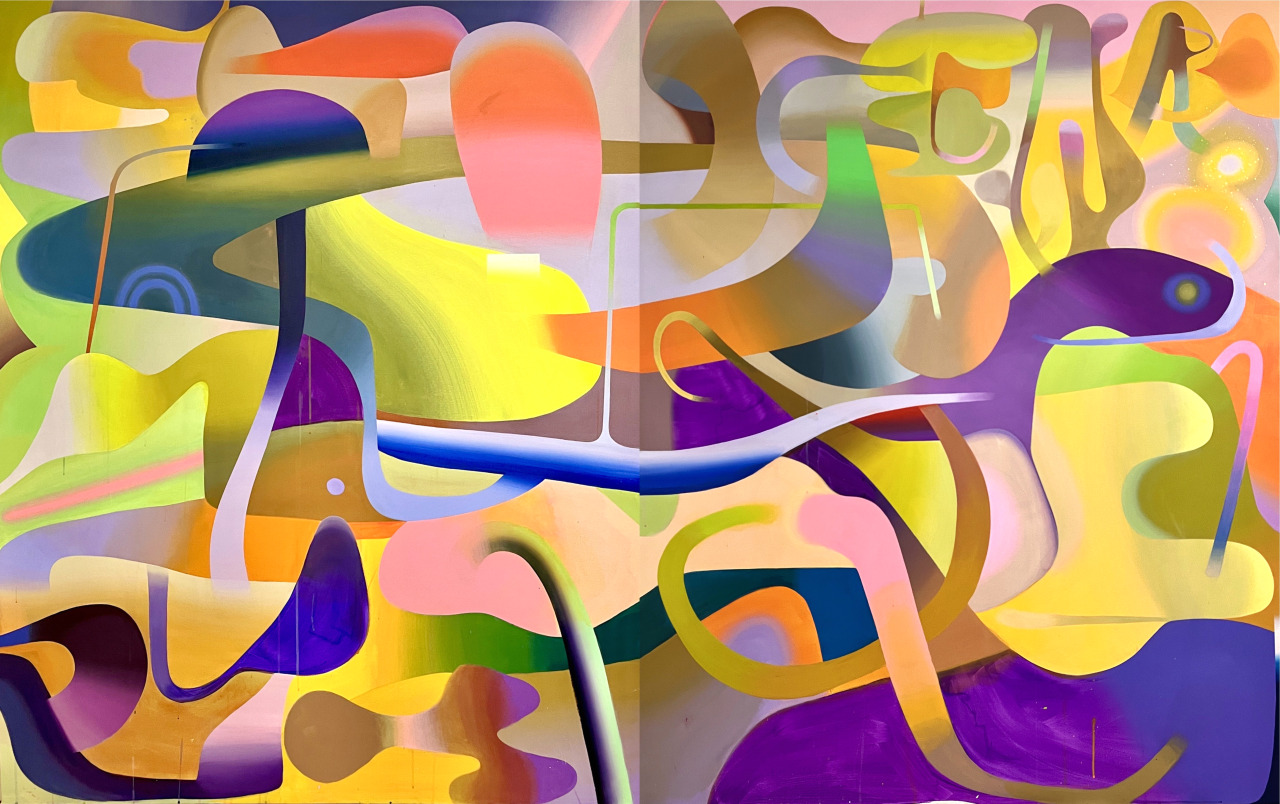
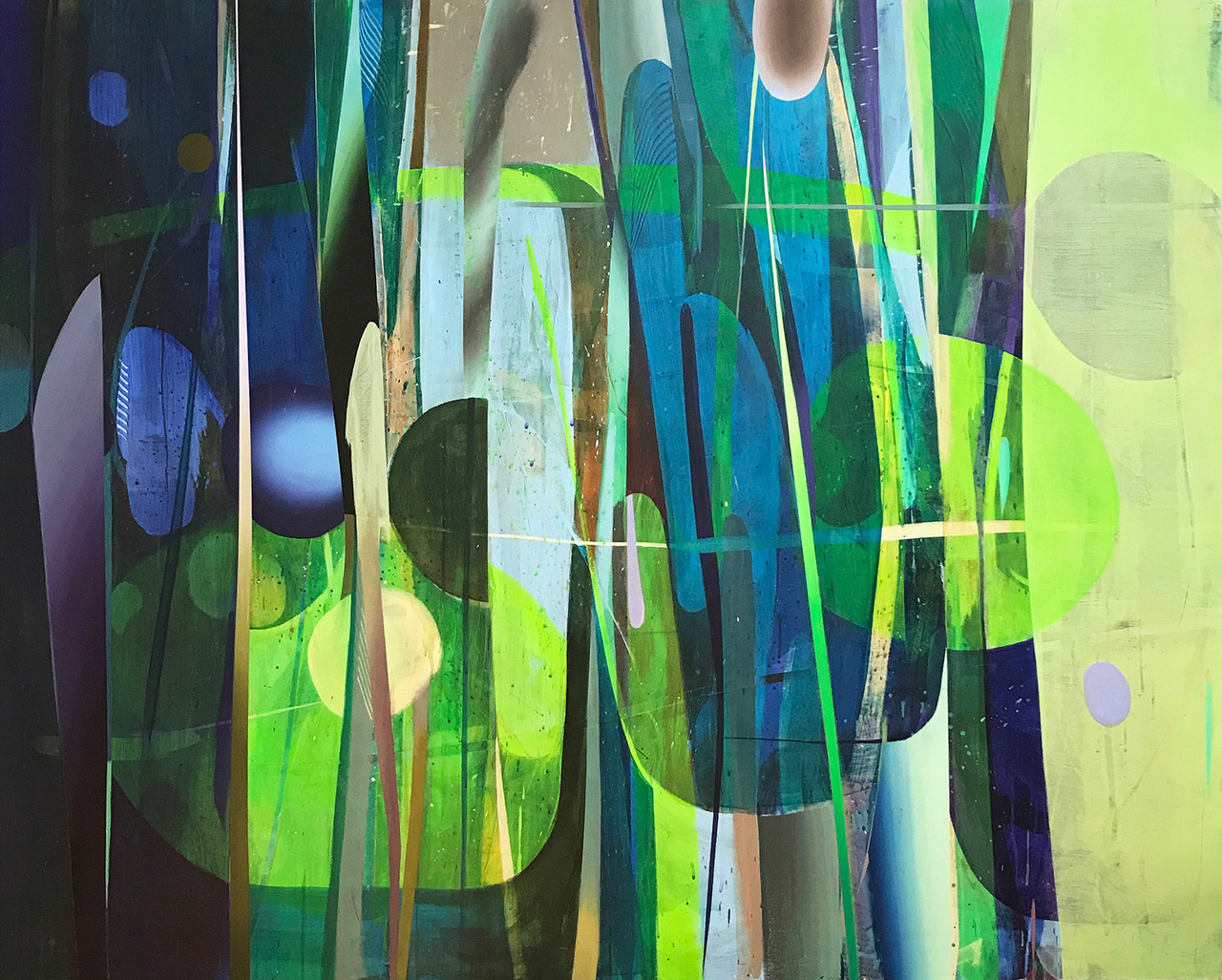
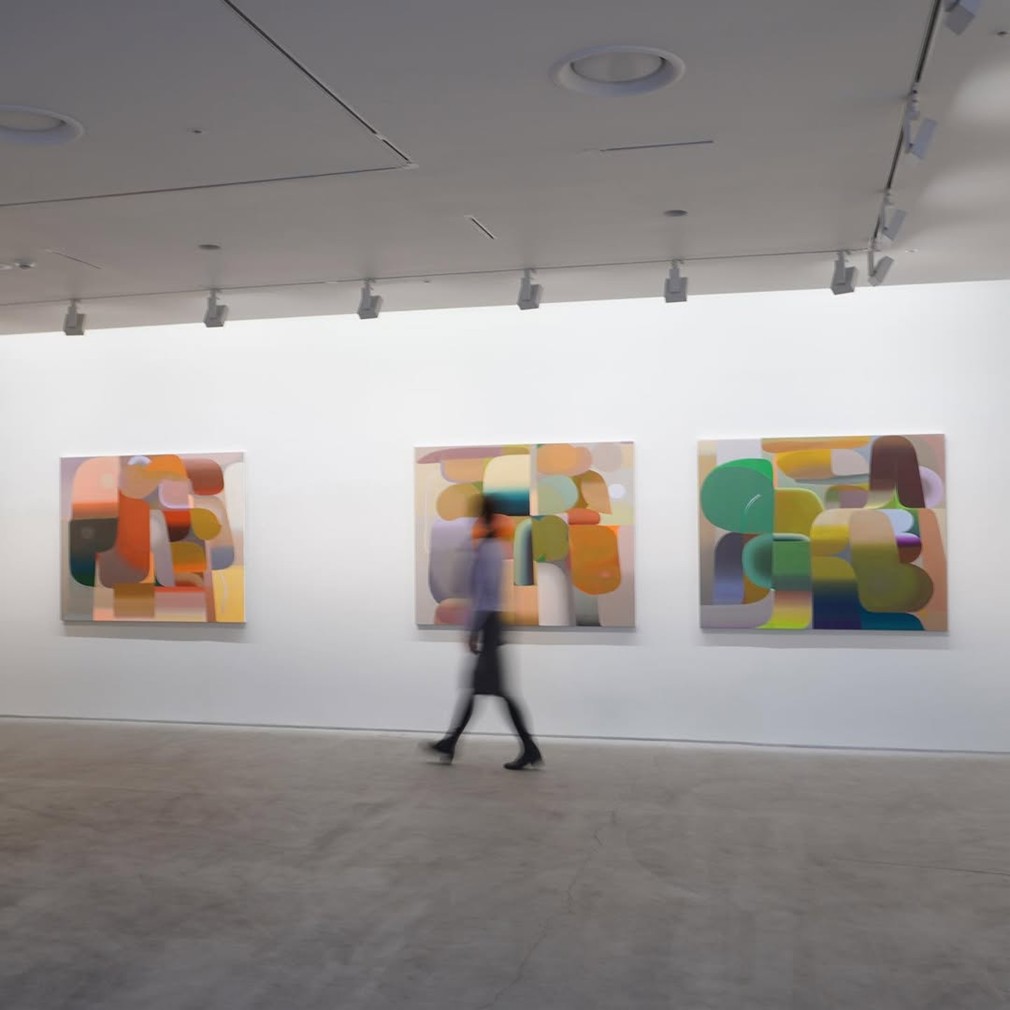
《Crossing Plane: Unit, Layer, Nostalgia》
focuses on how artists explore the condition or materiality of the plane. Each
exhibition hall is loosely organized around the keywords Unit, Layer, and
Nostalgia, which serve as tentative categories that overlap and reference one
another organically throughout the exhibition.
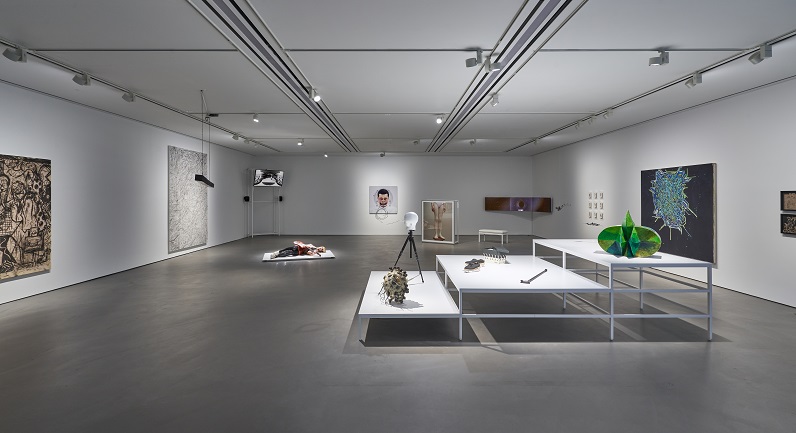
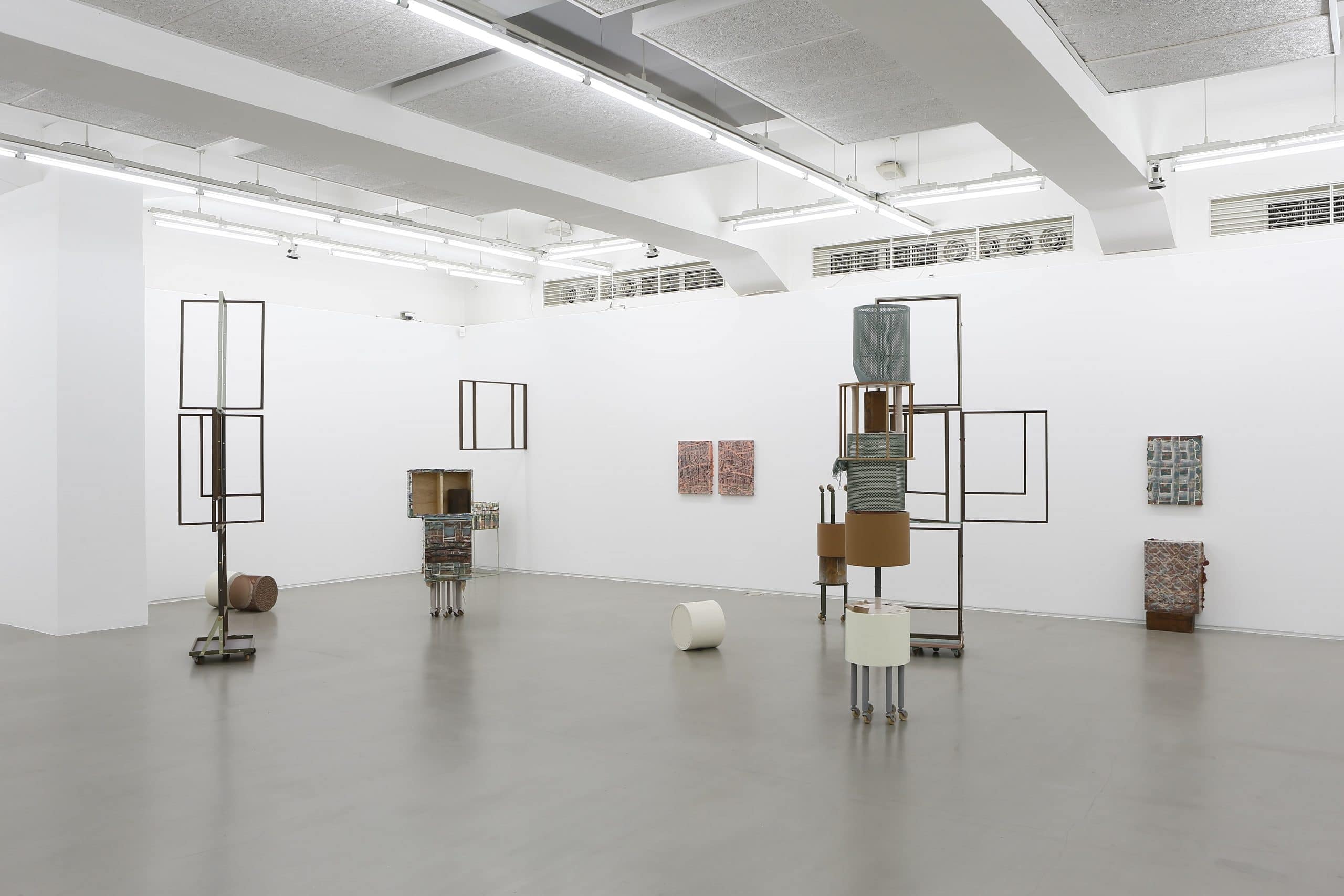 Installation
view of 《Crossing Plane: Unit, Layer, Nostalgia》
© Ilmin Museum of Art
Installation
view of 《Crossing Plane: Unit, Layer, Nostalgia》
© Ilmin Museum of Art
The
artists introduced in the first exhibition hall use units not merely to fill a
plane or to investigate its physical conditions, but as a means of responding
to the classical question of how to occupy a given canvas with paint and brush.
Their works arise from a process of refining the impulse to fill an empty
surface, exploring how visual units placed upon the plane can be materially
derived and organized. In this sense, examining the various ways artistic forms
encounter the notion of the plane itself becomes an act of exploring the plane.
The
artists presented in the second hall expand the plane beyond a flat geometric
concept, treating it instead as a layer. Starting from this recognition, they
attempt to pull the plane into the tangible realm of three-dimensional space,
or conversely, to reach the geometric notion of the plane through the
sculptural. They also attempt to endow the plane with temporality by
overlapping multiple layers.
Drawing from databases of everyday visual stimuli
or the formal conditions of painting, they extract and recombine image layers,
exploring different methods of layering and re-painting. At the same time,
exploring the plane also entails reflecting upon the historical process of its
exploration—questioning what destiny such an endeavor may hold.
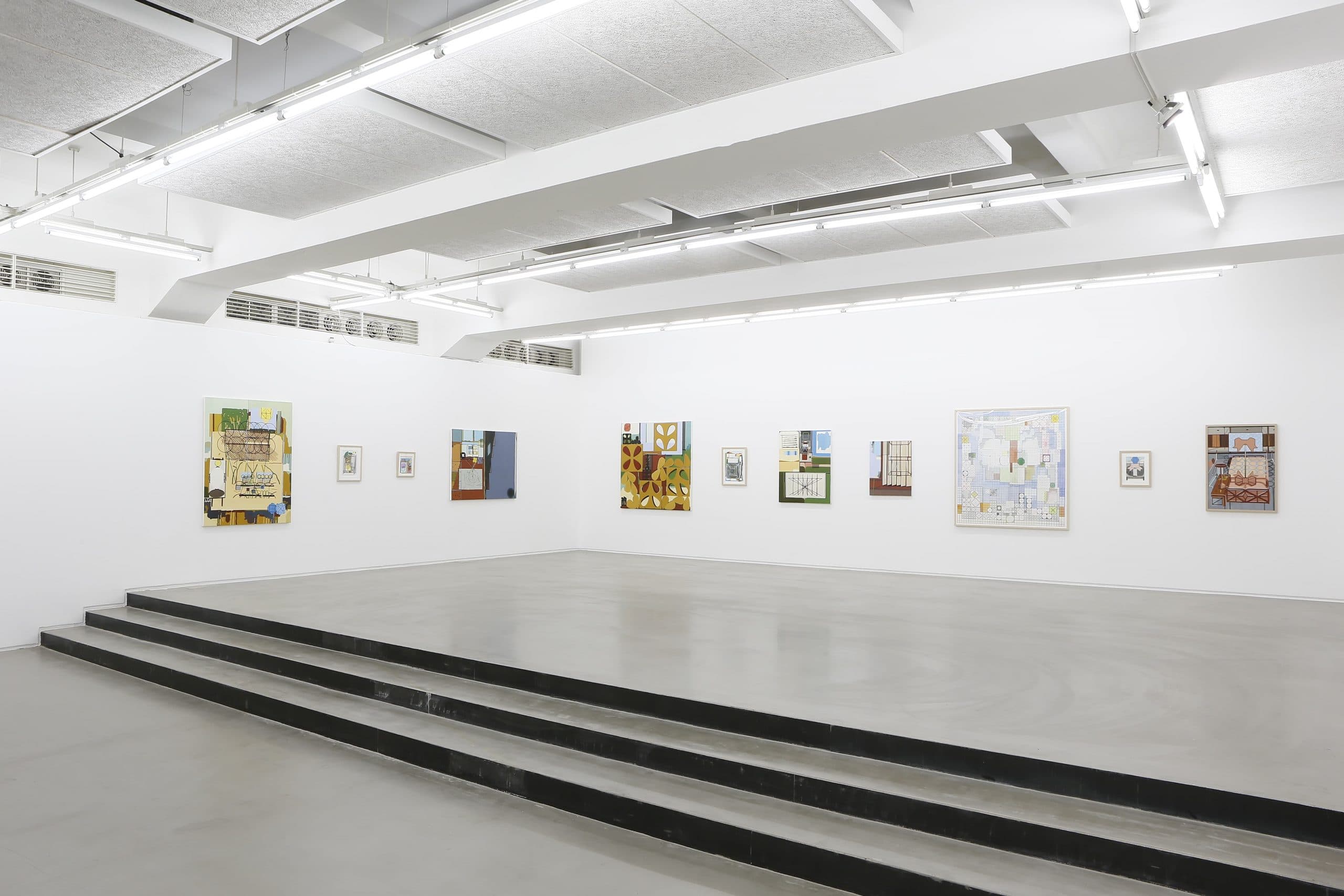 Installation
view of 《Crossing Plane: Unit, Layer, Nostalgia》
© Ilmin Museum of Art
Installation
view of 《Crossing Plane: Unit, Layer, Nostalgia》
© Ilmin Museum of Art
To
contemplate that destiny, the artists in the third hall seek to view the whole.
Their attempt to grasp the totality may also be understood as a form of
nostalgia—a longing for the path that art, or the artist, has taken. This can
be read as both the story of an individual artist who must endlessly vary and
reinvent themselves, and as the trajectory of the visual language of art
grounded in the plane itself.