The
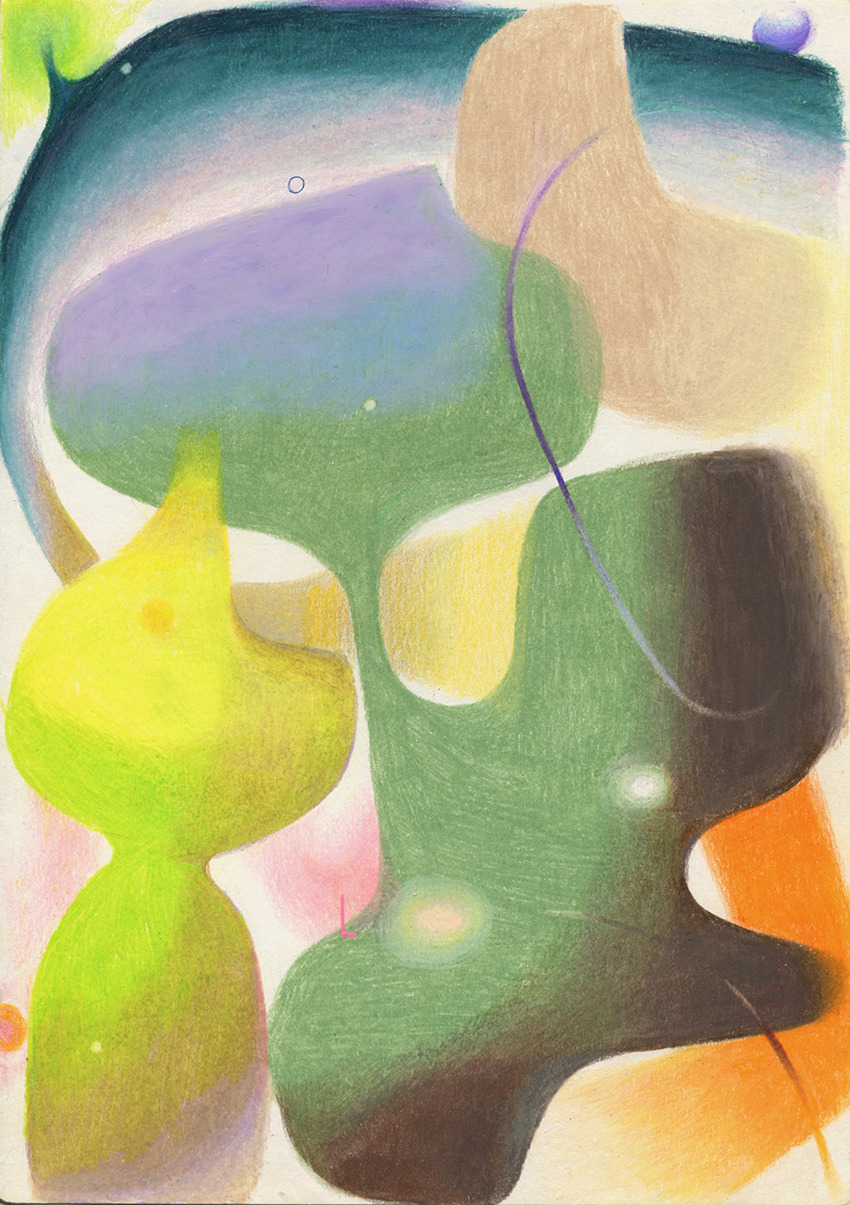
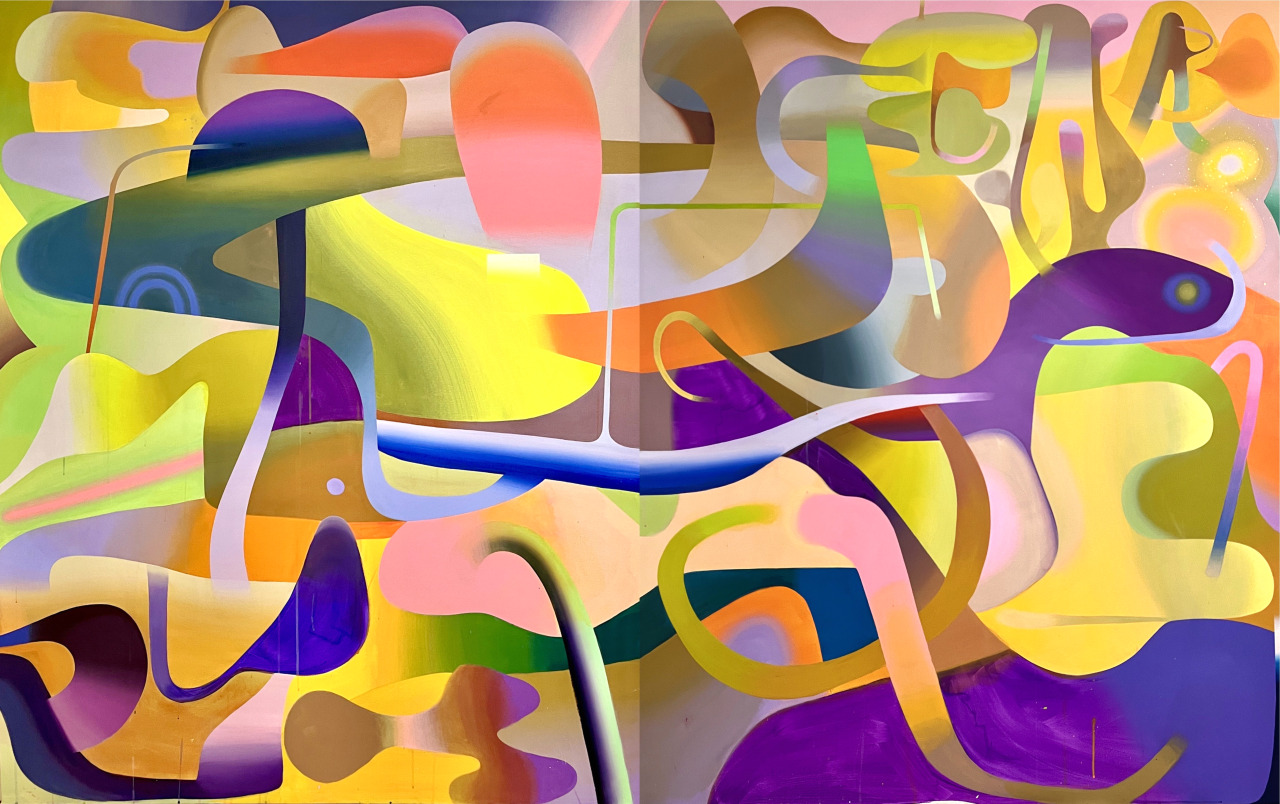
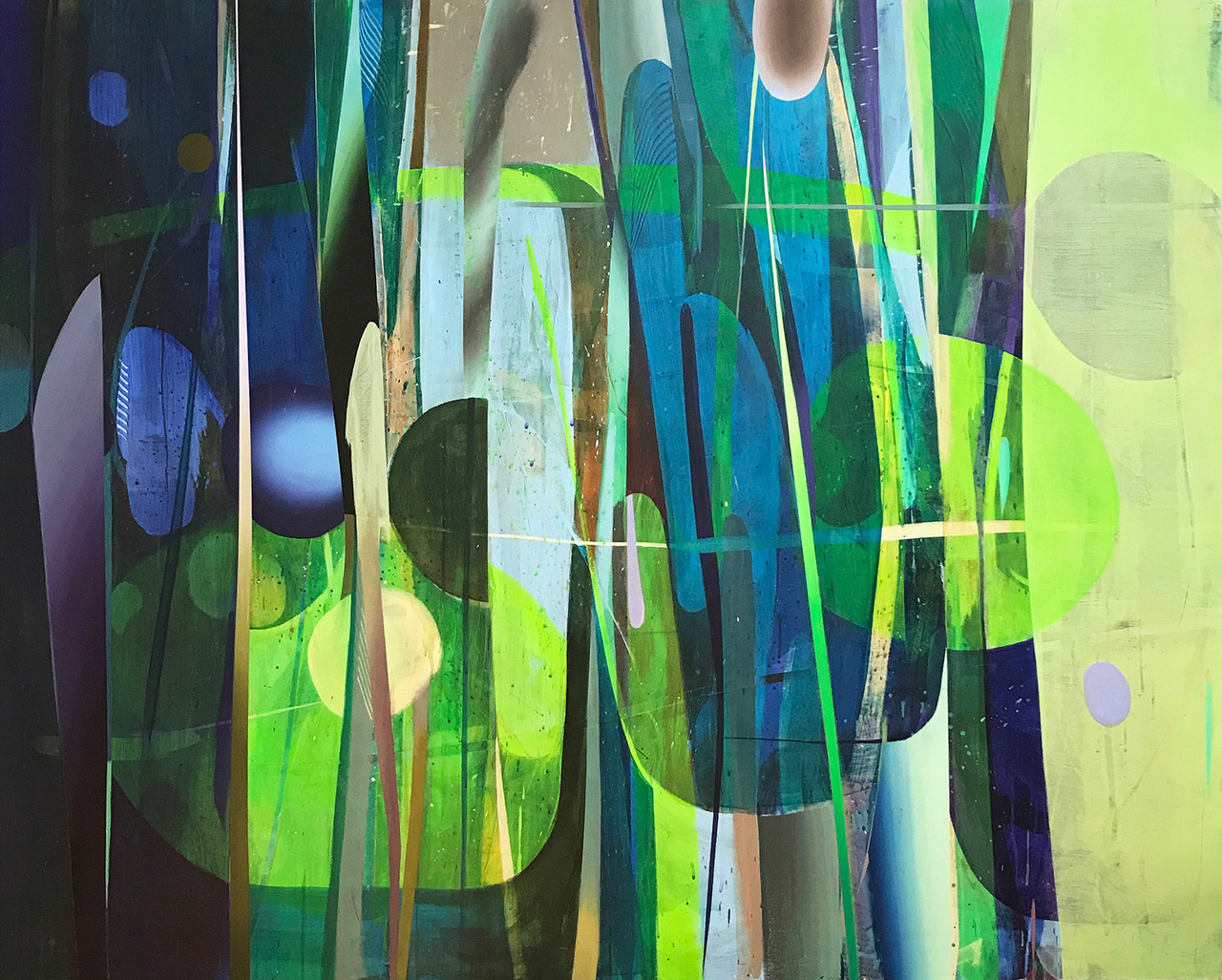
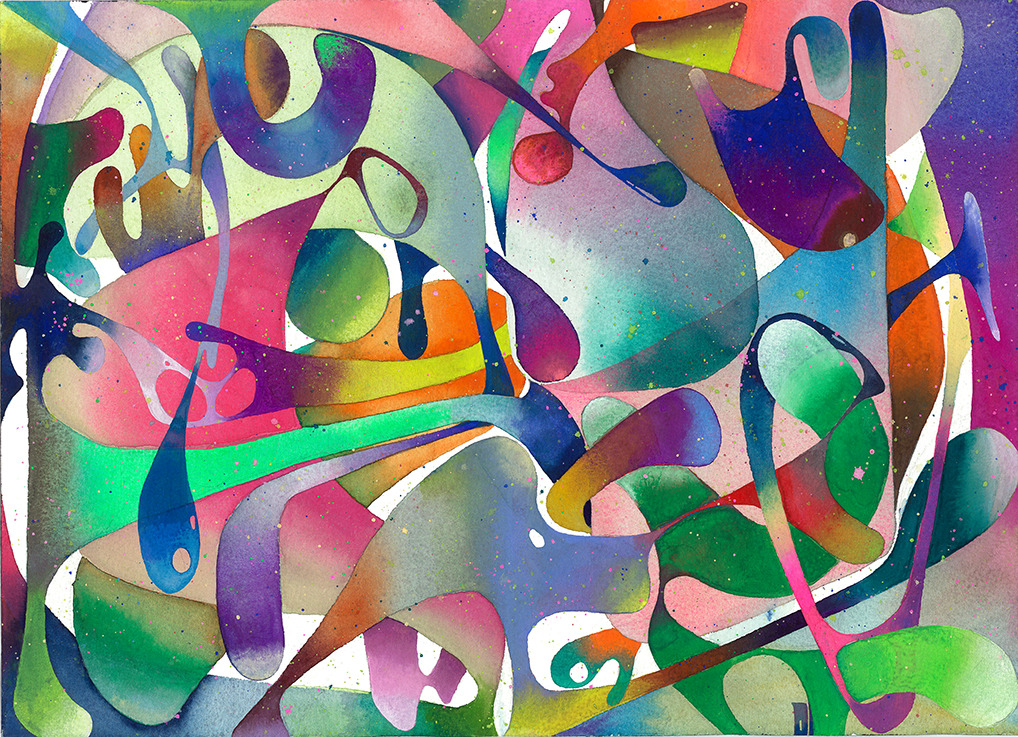
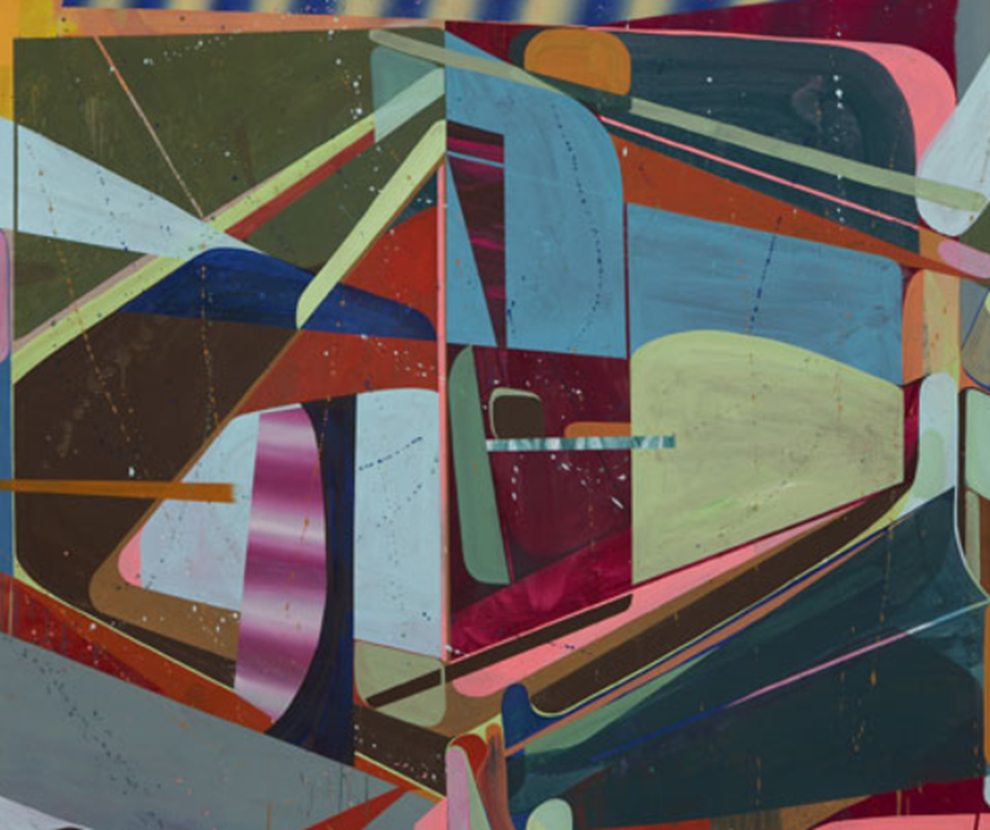
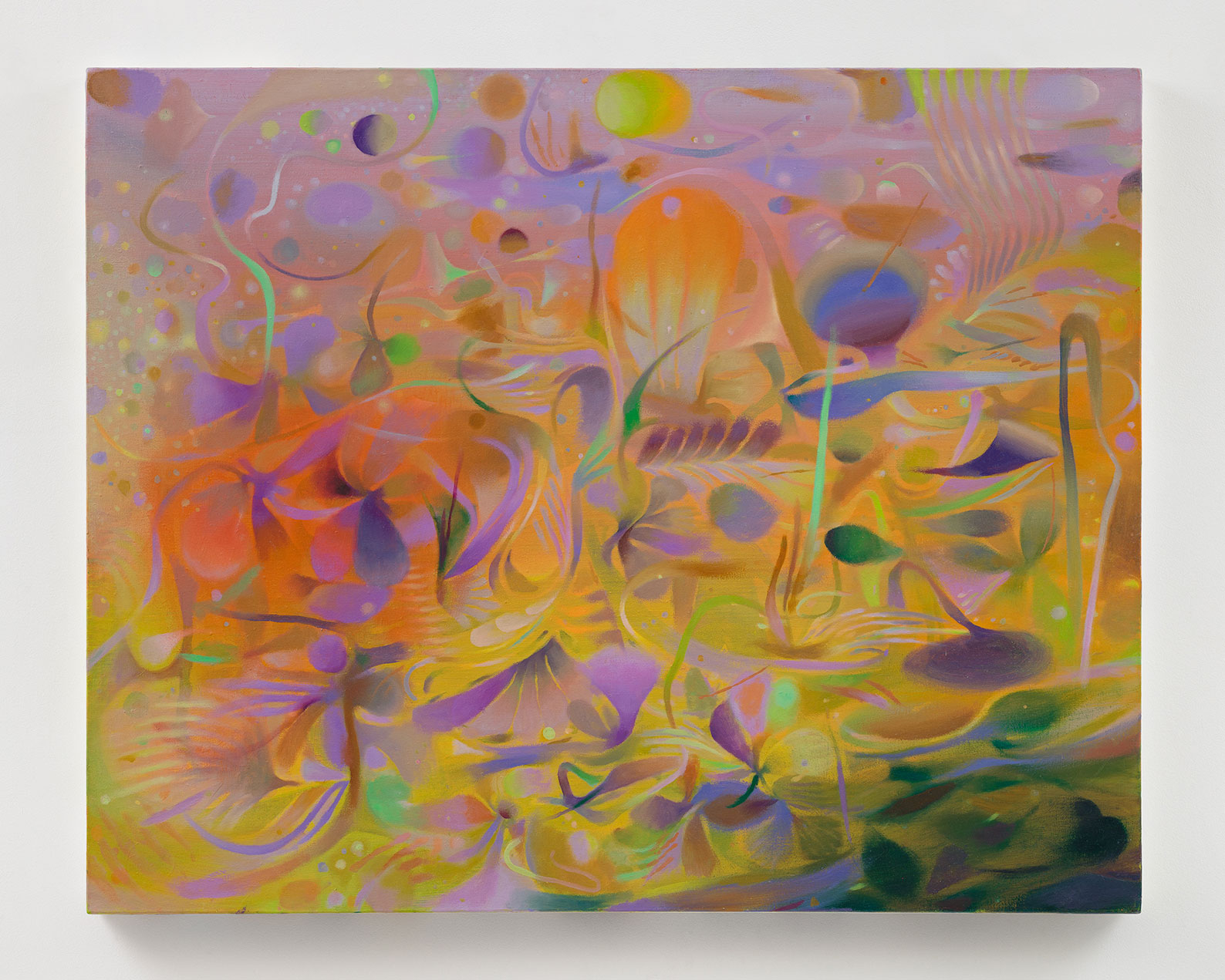
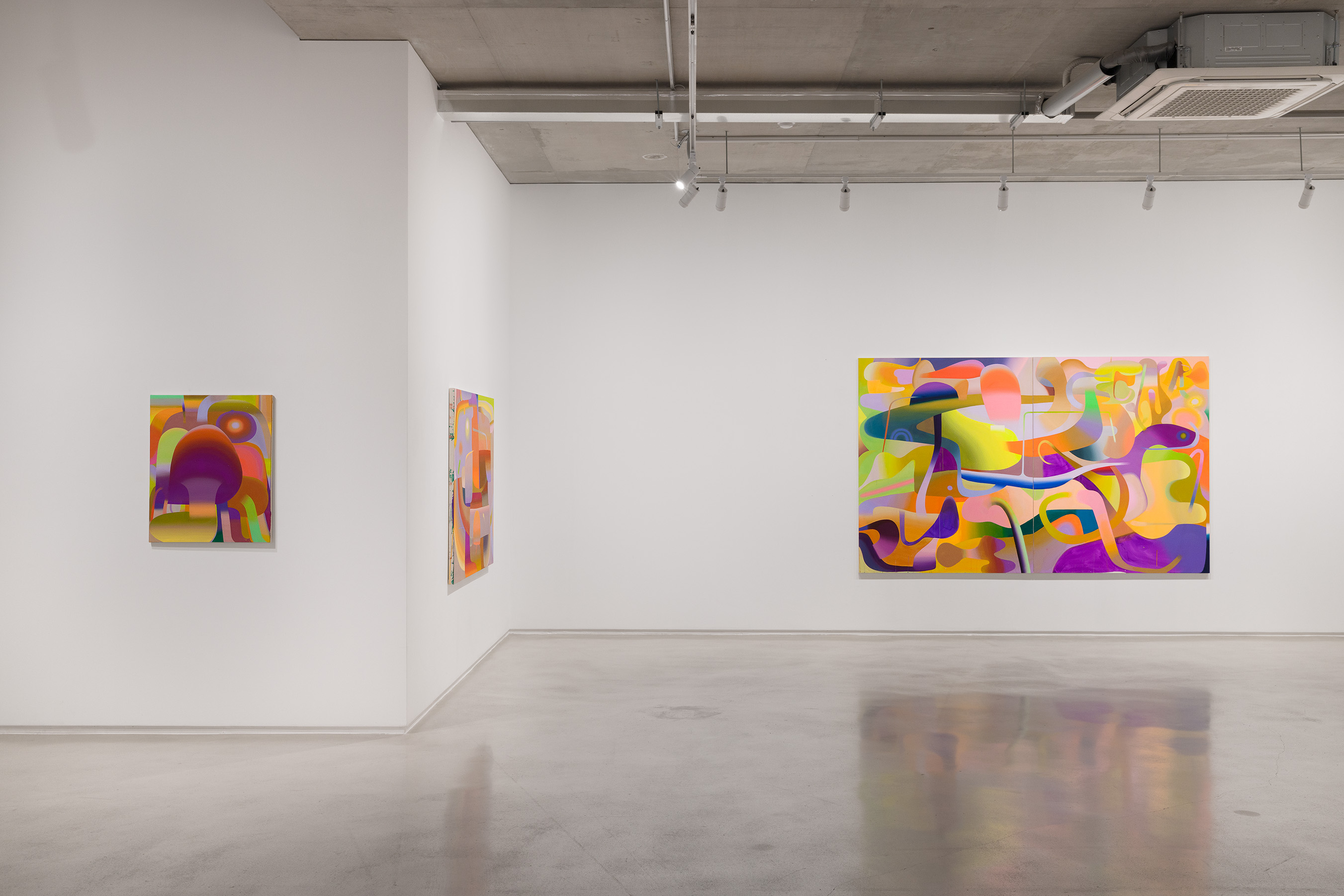
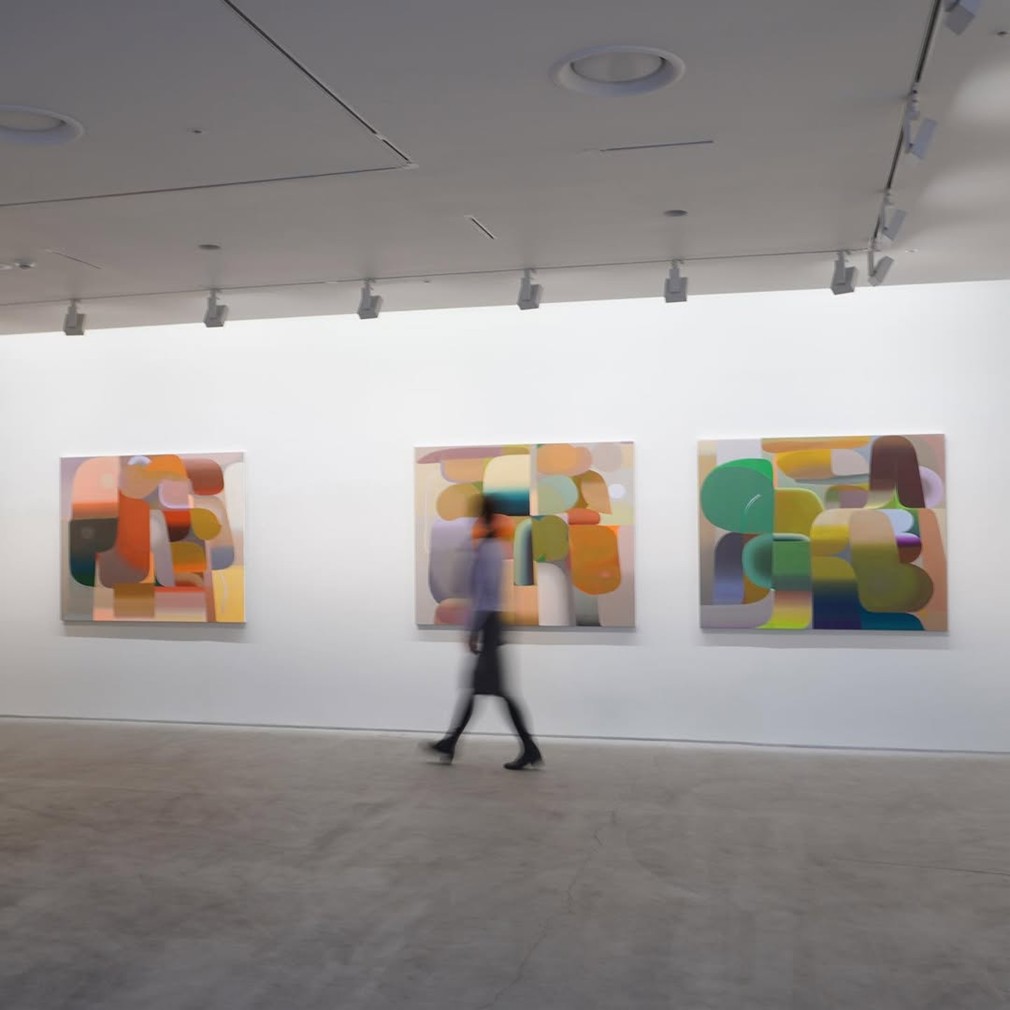
paintings of Nakhee Sung (b. 1971) are renowned for their exploration of an
infinitely proliferating world of abstract forms. In each work, masses of color
that transform into dots, lines, and planes emerge, dividing and occupying the
canvas. Each elemental unit seems governed by an internal genetic protocol.
Her
paintings can be appreciated much like pop music. To use an analogy: the first
encounter calls for attention to the overall impression rather than analytical
thought; the second follows the melody of the vocals; the third focuses on the
guitar track; the fourth isolates the keyboard; the fifth attends to the bass
line; and the sixth to percussion. Finally, one begins to discern when and how
each channel attaches and detaches from the structure, and an understanding of
the overall formal composition of the sound gradually takes shape.
The
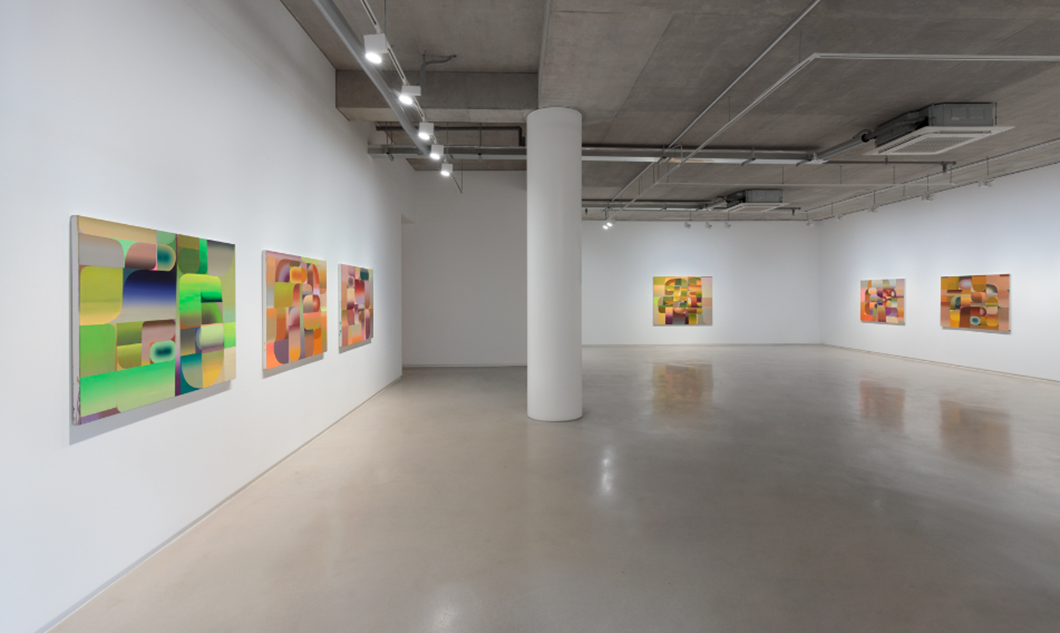
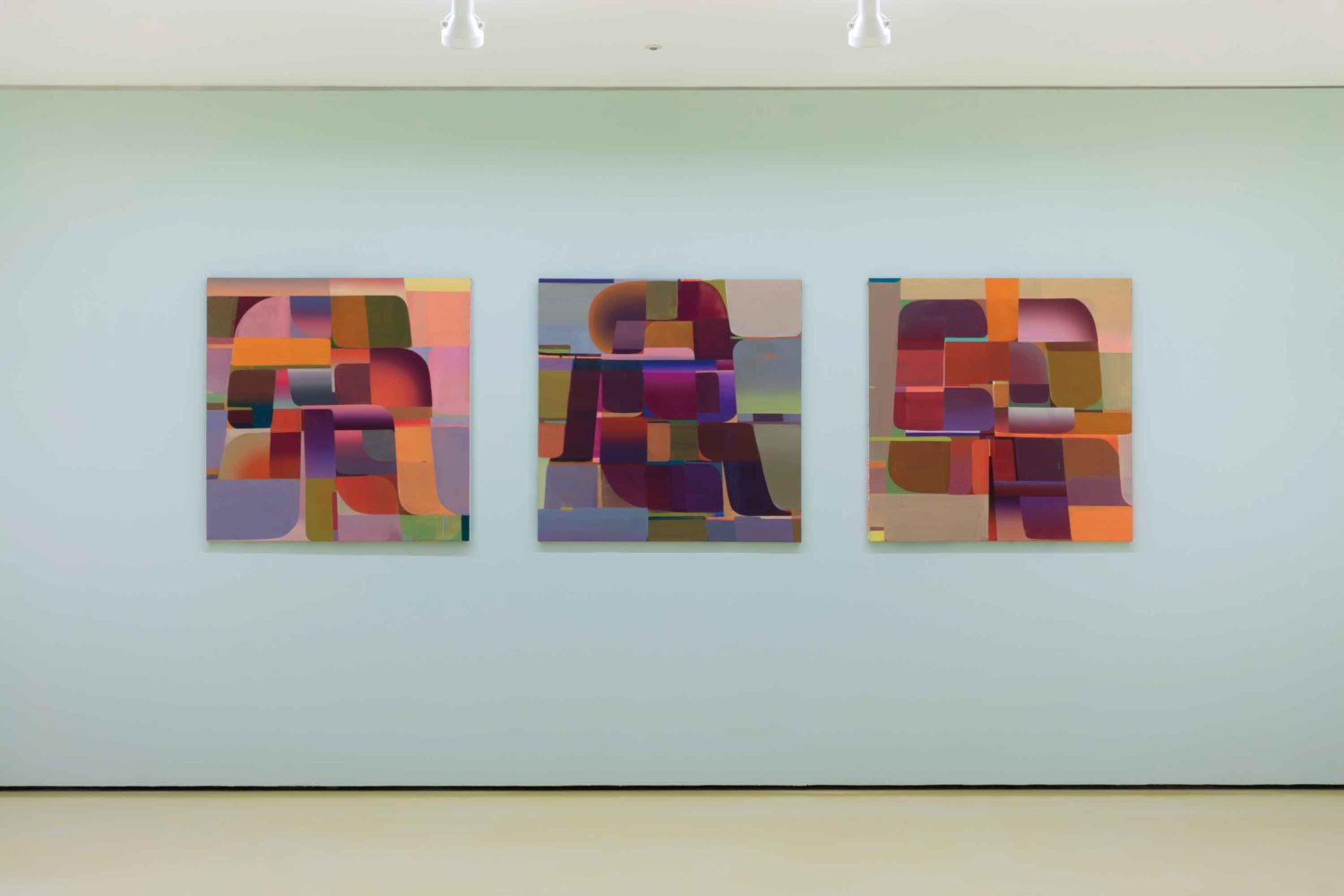
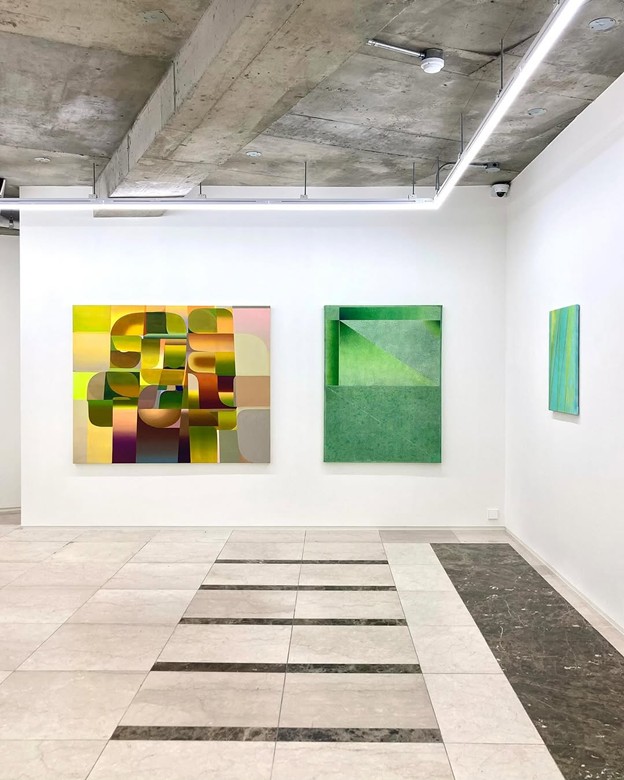
new works unveiled in her 7th solo exhibition 《Translation》 bear a peculiar quality. Titled
Entrance, Leap, Settlement, Condensation, Outflow, Whirl, Resonance,
Reverberation, and Tone, they serve as diagrams
illustrating the contrapuntal foundation of Sung’s abstract painting practice—a
microcosm of her painterly world that now explains itself through painting once
again.
The
artist sought to create “viewer-centered paintings.” Hence the title 《Translation》: to make her works more easily
legible and interpretable, she presented them frontally, facing the viewer. “In
the end, the paintings became remarkably flat,” she says.
This
new phase of painting, begun in 2002, seems now to reach the close of its first
act. The color-shapes—resembling primitive organisms—once born on paper,
expanded restlessly across gallery walls and canvases alike. Now, they have
evolved to the stage of self-reflection and self-explanation.
One
key viewing point is gravity—both literal and pictorial. There is the real
force of gravity, and then there is the gravitational (or magnetic) pull that
operates virtually within the picture plane. Beyond the traces of paint that
flow downward under real gravity, we can speculate about the multiple
gravitational forces that acted on the work during its making. Through this,
one experiences the painting as if it were rotating, lying flat on the ground,
and then rising again on the wall to face “me”—a mysterious and intimate
encounter between viewer and work.