The
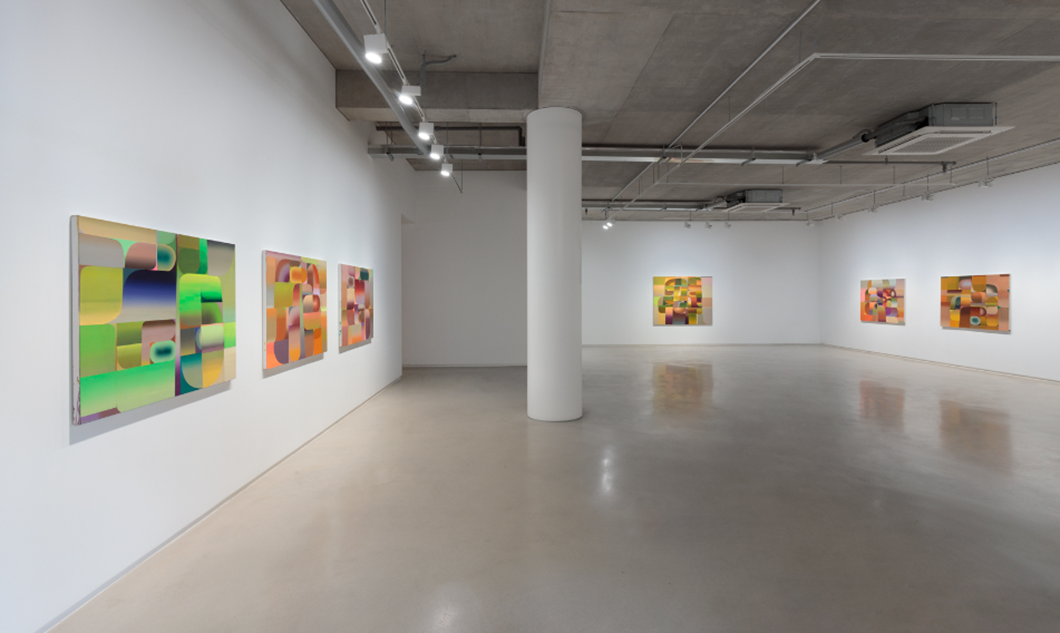
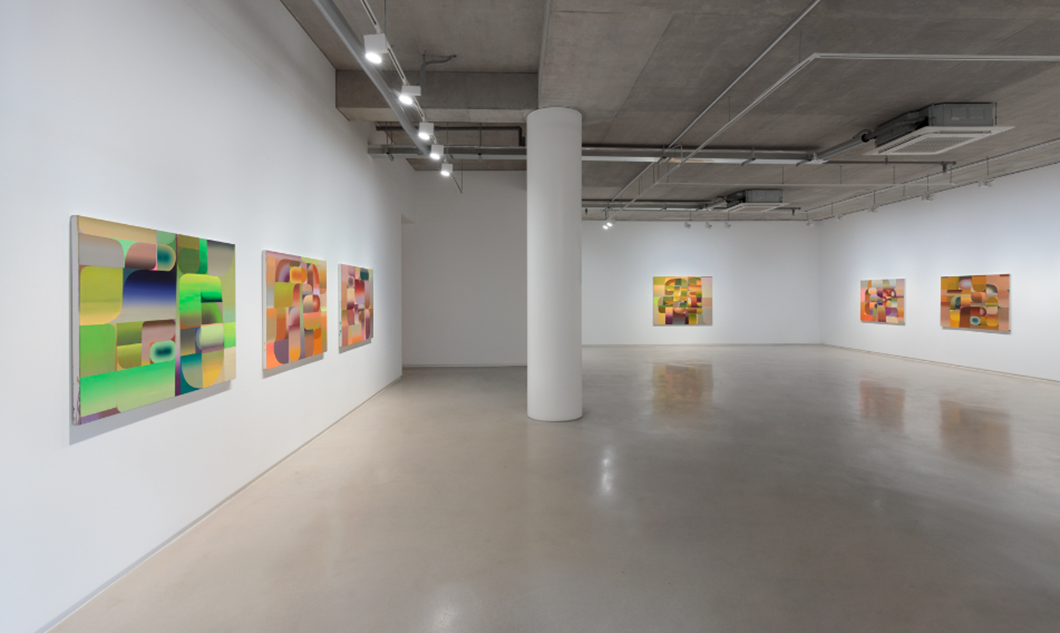
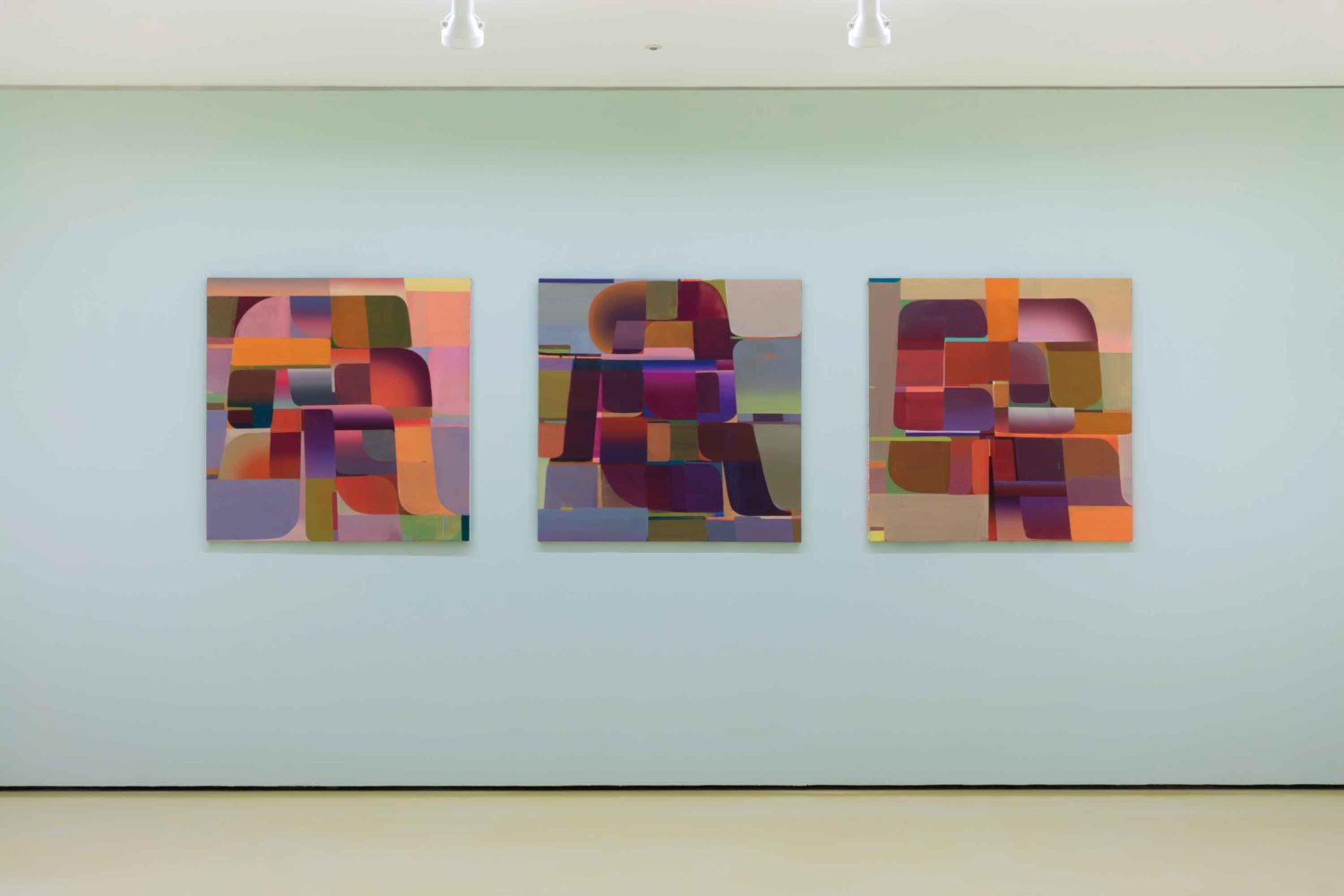
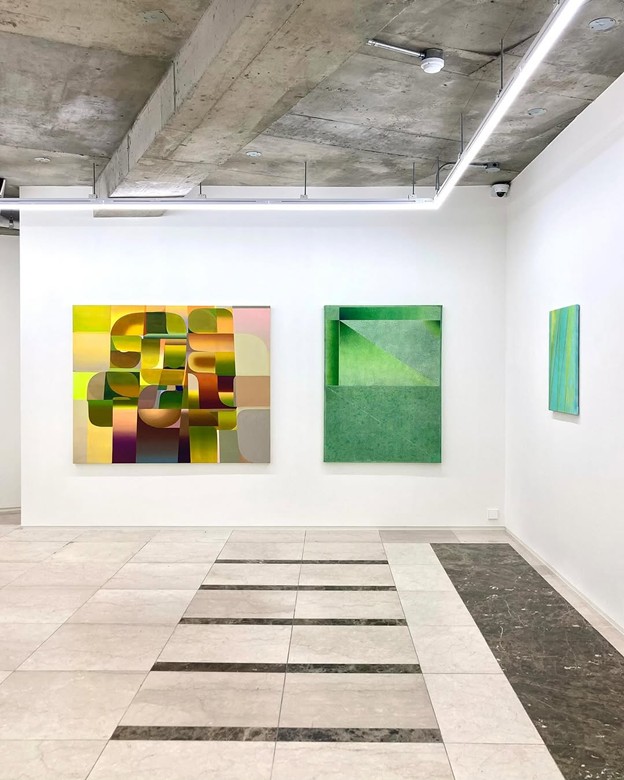
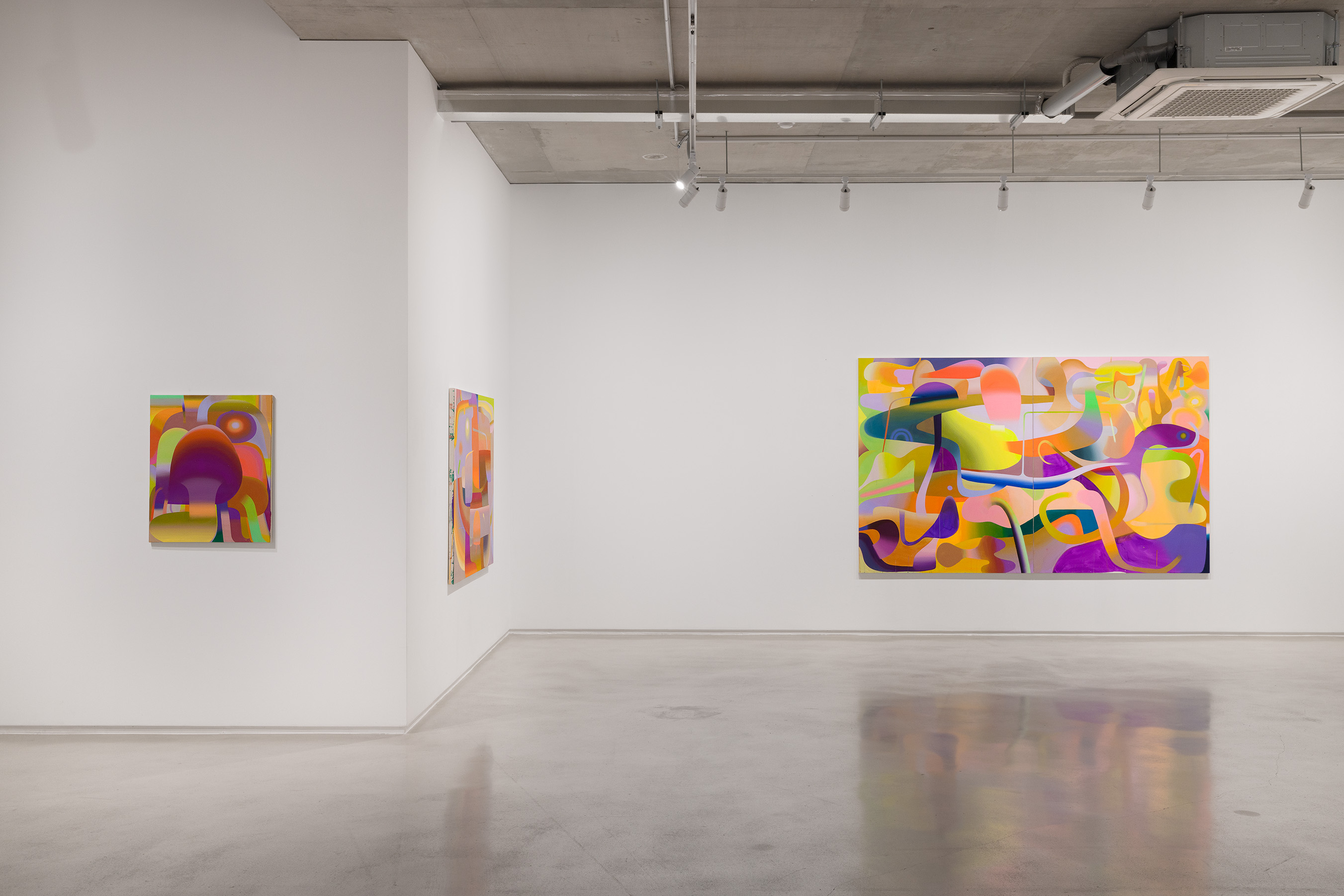
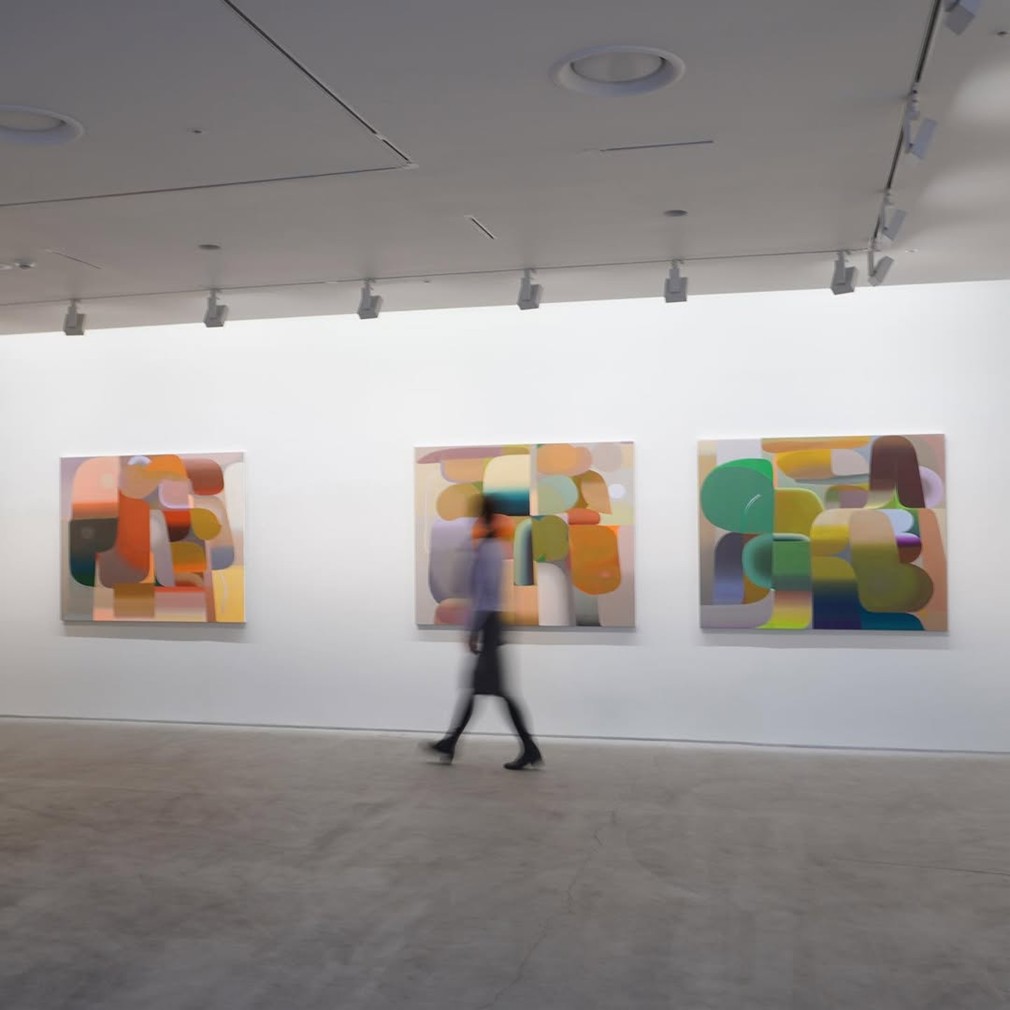
solo exhibition 《LUCID》 by Nakhee Sung at PIBI Gallery successfully transfers the spatial
sensibility constructed within her two-dimensional works to the exhibition
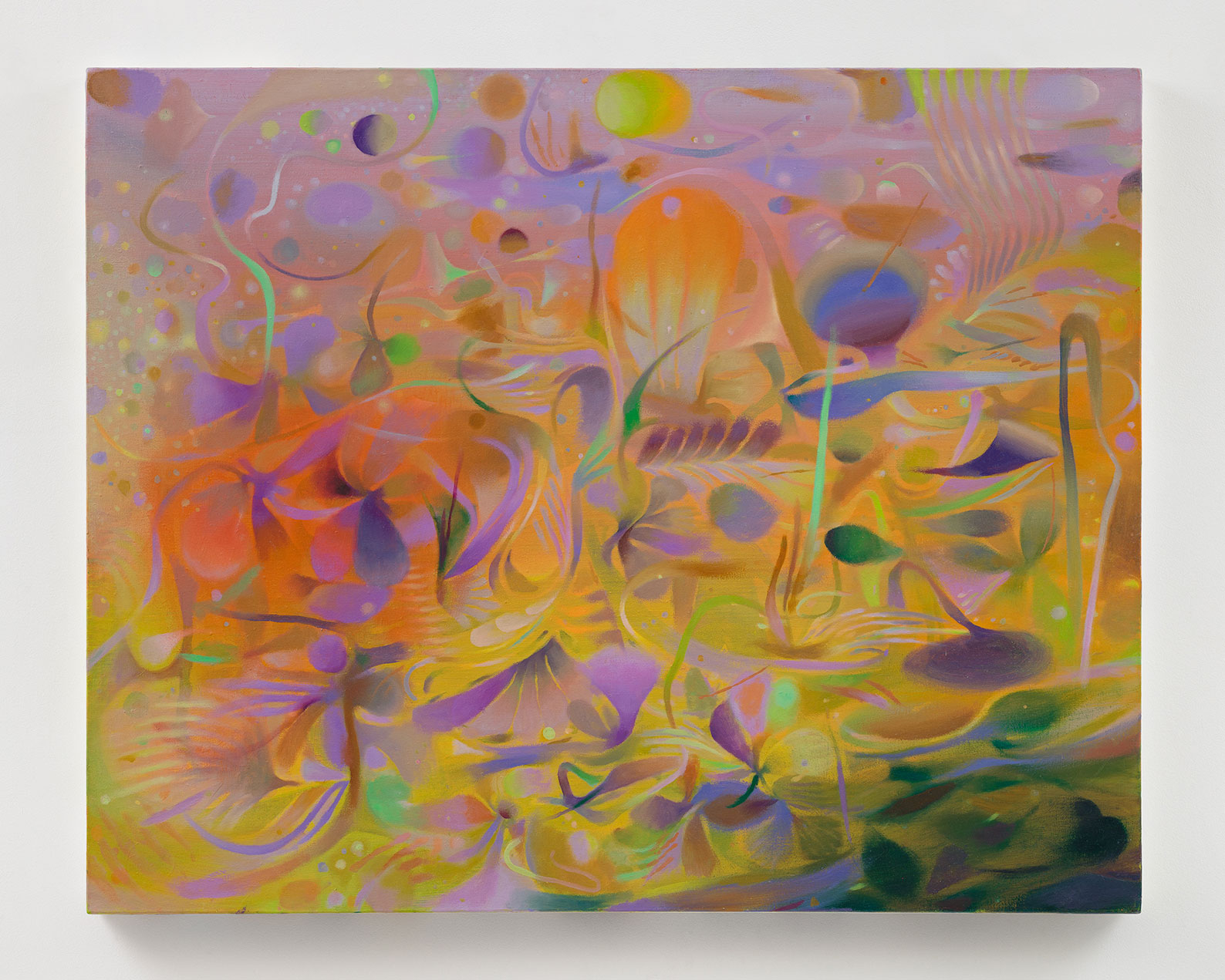
space itself. At the same time, by placing two earlier works at the end of the
show, the exhibition hints at the continuity of her artistic trajectory. The
scale of her works has shifted slightly over time, and in this recent series,
she appears to regulate the visible “value” of the canvas—the fixed frame upon
which her images rest—thereby limiting the viewer’s field of vision. Through
this, her method shifts from surveying infinite space to tracing the rhythm of
form within a restricted pictorial area, presenting minimal configurations that
prevent the viewer from grasping the image’s full structure and dynamism at
once.
In
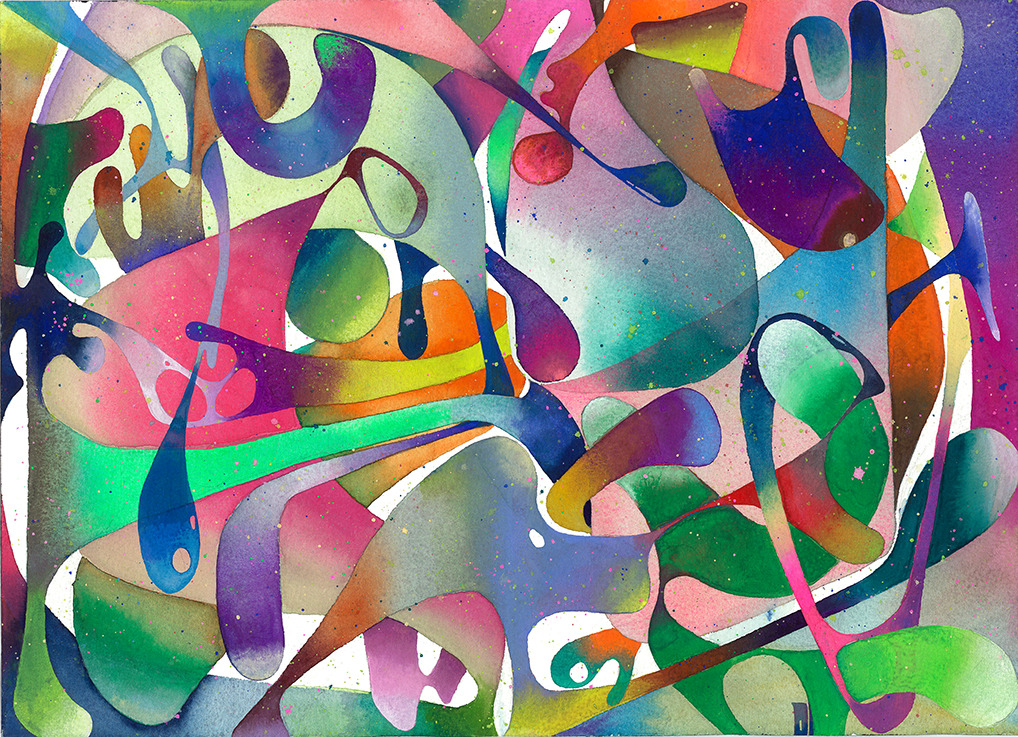
Sung’s early works from the 2000s, the use of lacquer paint and markers
revealed her intention to occupy architectural space through mural or
graffiti-like interventions. Once she settled onto the canvas, however, her
focus turned to balancing images within the pictorial field. The series
presented in this exhibition extends her ongoing exploration of mobility
through acts of zooming in, zooming out, and cropping, suggesting her viewpoint
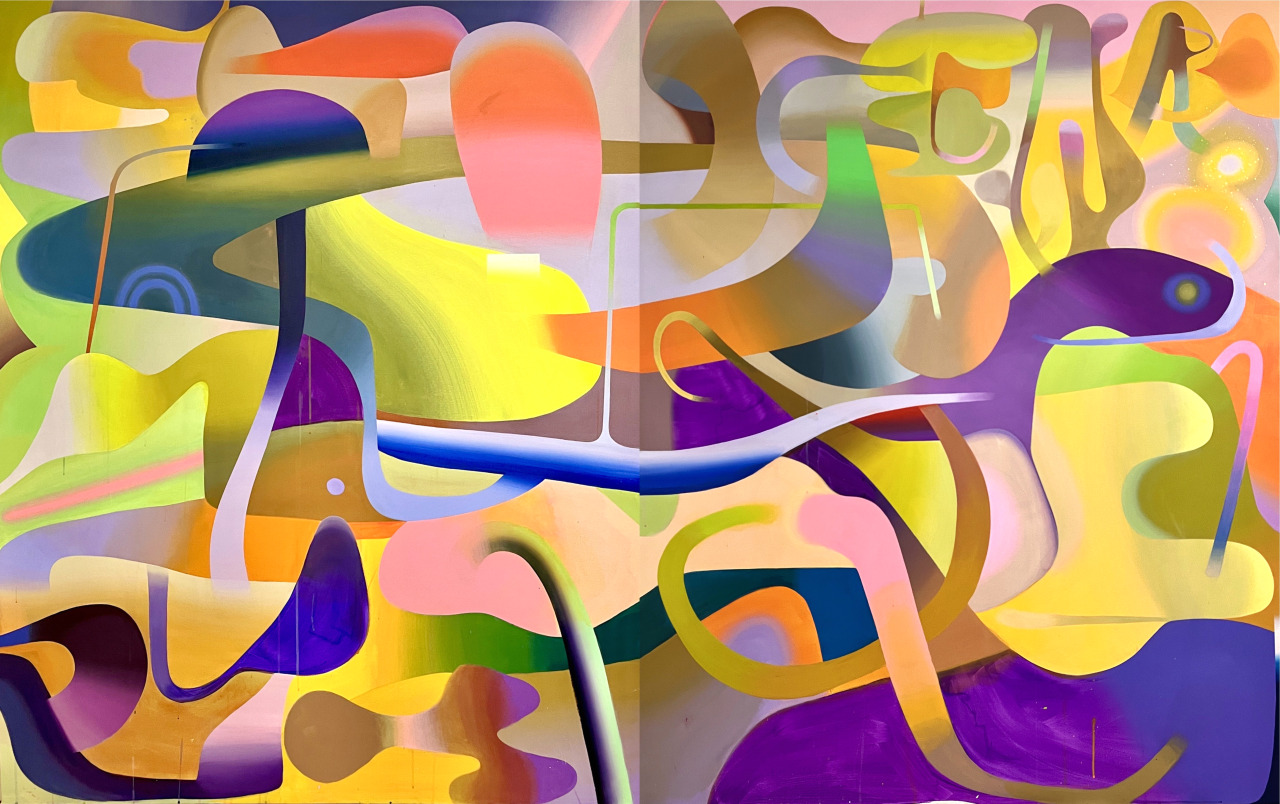
toward infinite space beyond the edges of the canvas. Color fields accumulate,
and spaces emerge in the gaps between them; spontaneous layers and overlapping
brushstrokes reveal traces of the painter’s body, the gaze directed toward the
work, and the imagined motion of the forms depicted.
The
energy that once extended vertically and horizontally across Sung’s
compositions now accumulates in layers upon the canvas surface, generating new
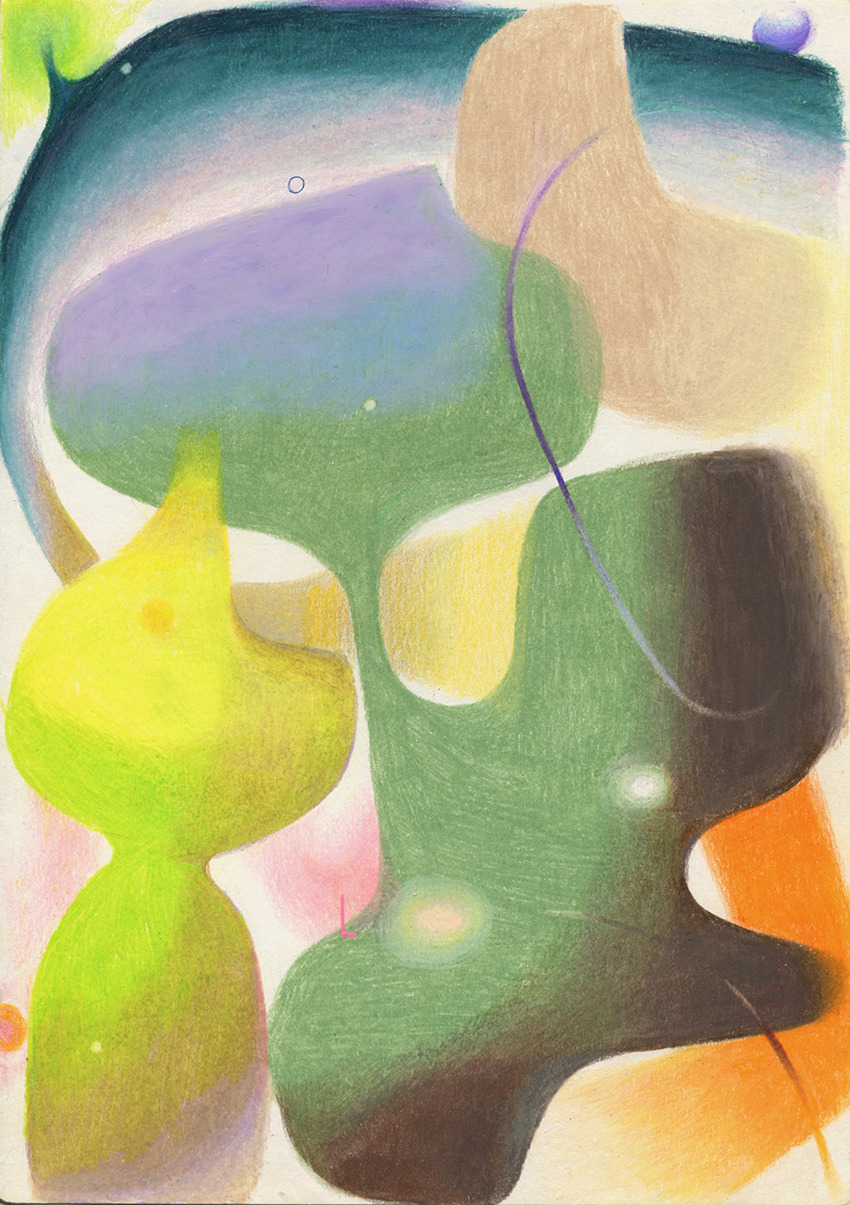
forms of density, structure, and spatiality. Instead of stacking color planes
vertically, she now builds them horizontally, gently occupying and tapping the
surface rather than extending outward in all directions. When viewed closely,
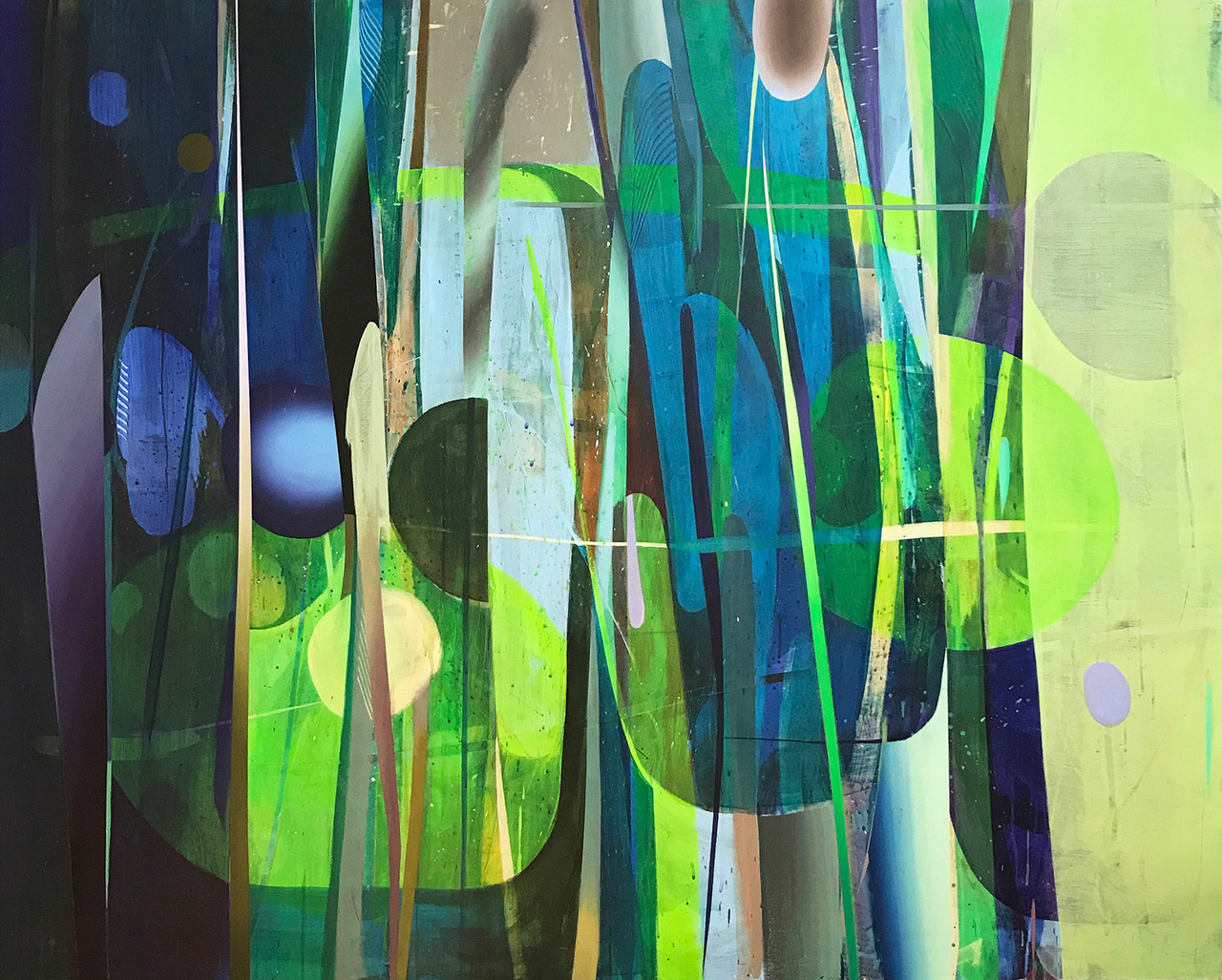
the images do not appear as symbols or shapes but as translucent surfaces, akin
to stained glass. This is due to her refined palette and technique of layering
transparent acrylic pigments. While her earlier works employed industrial
materials such as flash paint or glossy enamel—creating opaque and somewhat
turbid coatings—the recent paintings, as their title 《LUCID》 suggests, radiate vivid and luminous
light. Within these overlapping layers, the artist seems to have found a middle
ground between clarity and ambiguity.
In
Sung’s compositions, units or flickering traces of light leave marks within
vast color spaces; these traces gather into clusters, which in turn take on
form. The series presented here can be seen as a continuation of her
exploration of mobility—translating what was once contemplated as form into the
experience of plane and color. Her attention has shifted from the dynamic
vertical and horizontal energy of earlier works toward the absolute color field
itself. Absolute abstraction, however, also carries an iconic dimension—one
that is less expressive than descriptive or directive. To enact this, a kind of
manual exists, and what was once permitted to the artist was faithful
reproduction. Yet as this repetition accumulated, the figurative icons
composing her narratives began to dissolve into patterns. Repetition of these
patterns eventually turned, like hundreds of recited prayers, into sounds—no
longer instruction or language, but resonance.
Kazimir
Malevich’s Black Square reflects this essence of the icon:
the attempt to return the divine—distanced from essence through clarity—back to
abstraction through repetition, dissolution, and pattern. For Sung, the square
canvas possesses materiality; when repeated, it becomes a body in
representation. Hence, she leaves only minimal traces at the point where the
image attains materiality. By limiting the visual field so the form cannot be
fully discerned, she resists turning the color field into a defined object.
Within her practice, repetition functions as a deliberate threshold. Her
works—constructed through spontaneous gestures that occupy and remix the
pictorial surface—continuously create new narratives or blur the very sense of
narration itself. One eagerly anticipates how this process will continue to
transform in her future works.