Myoung
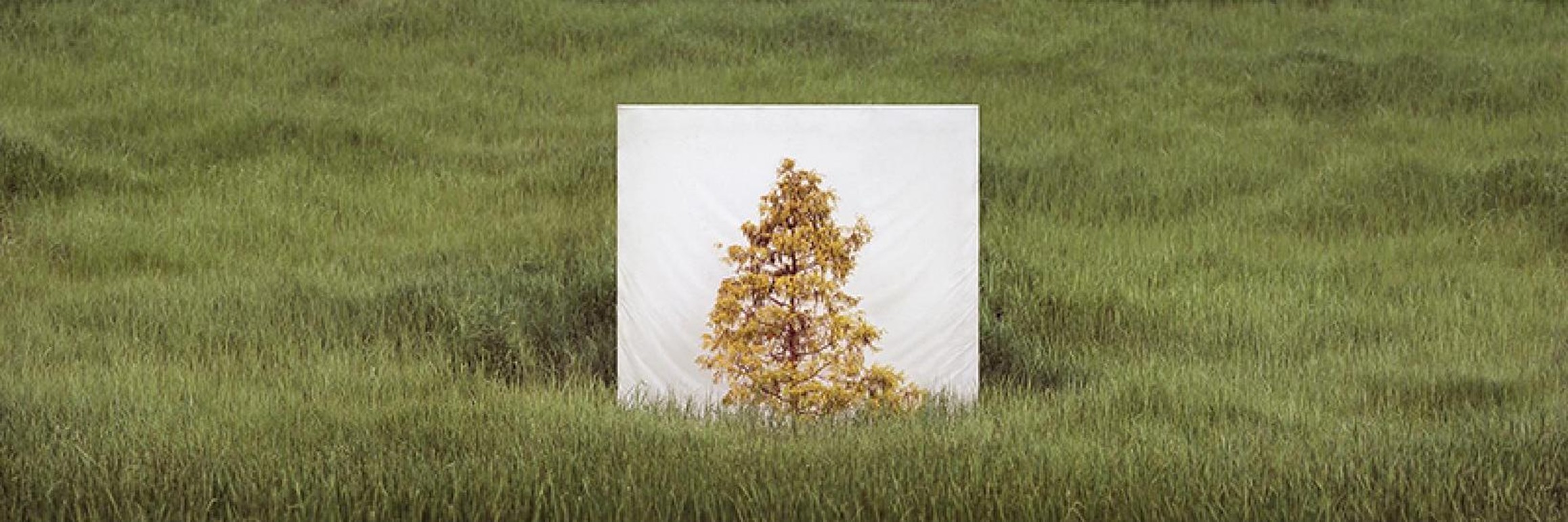
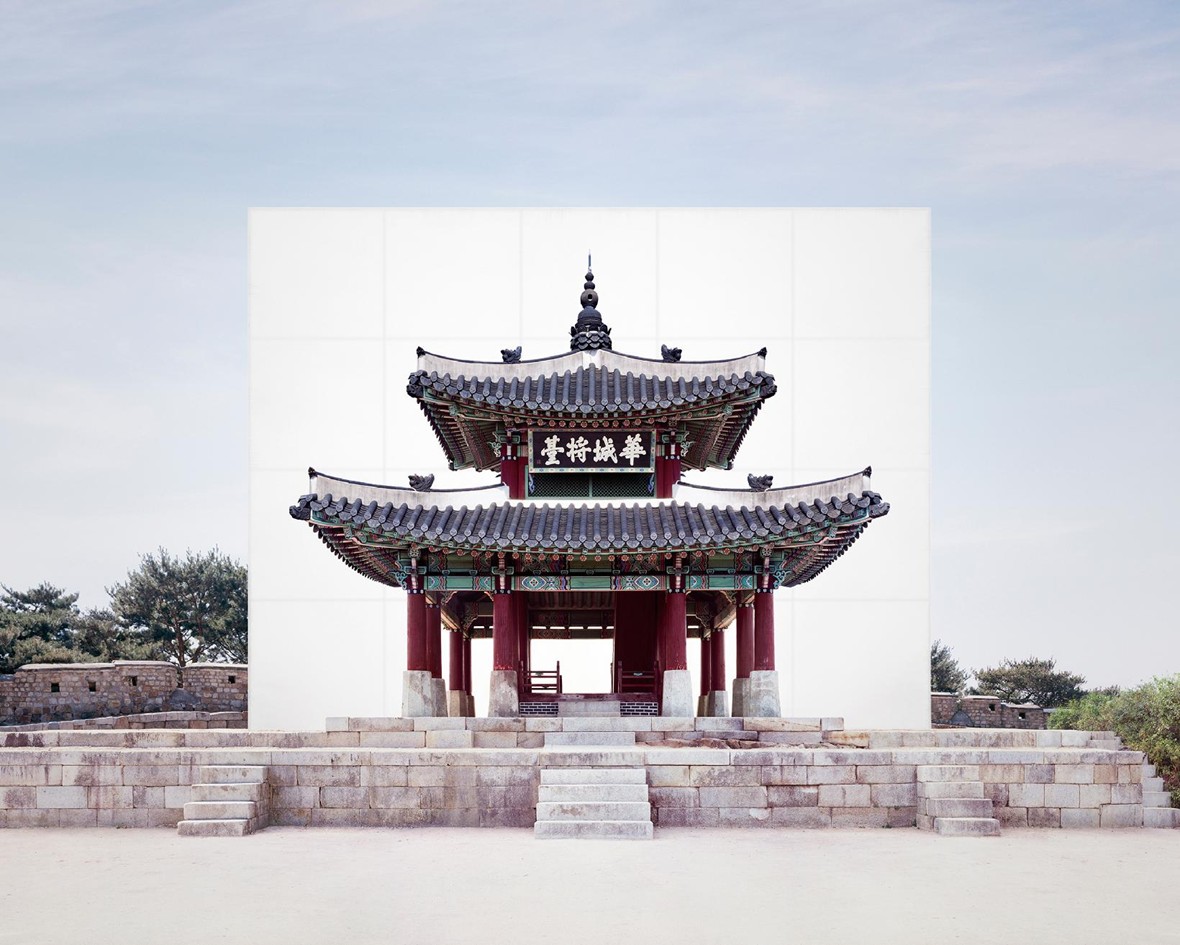
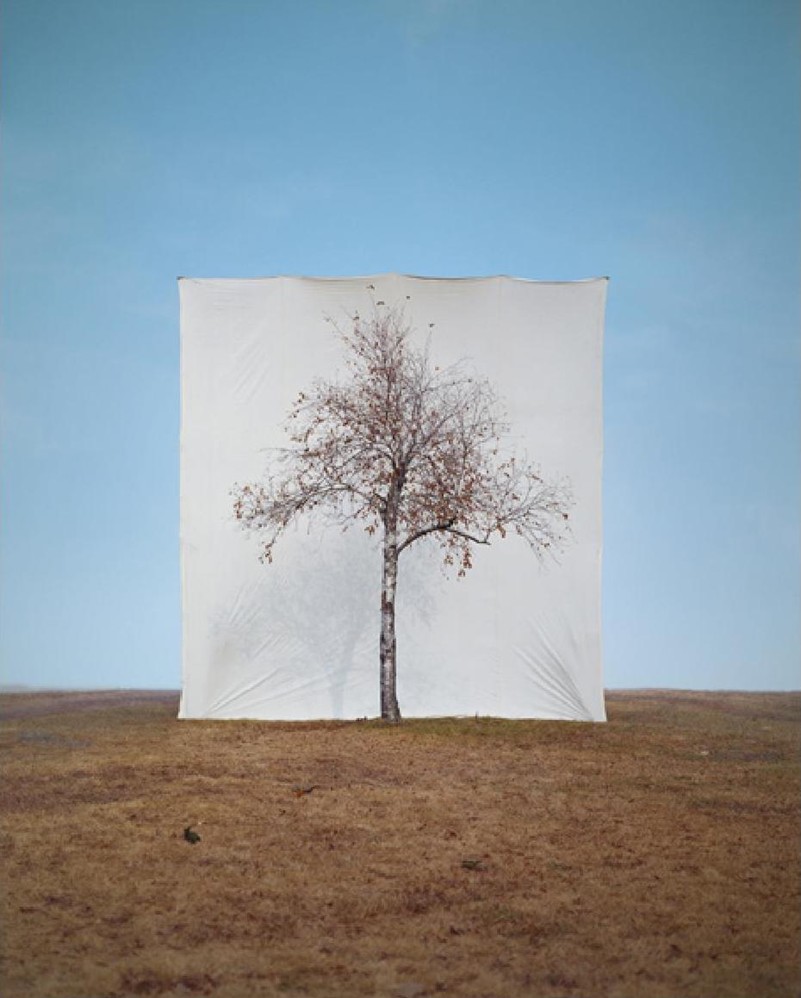
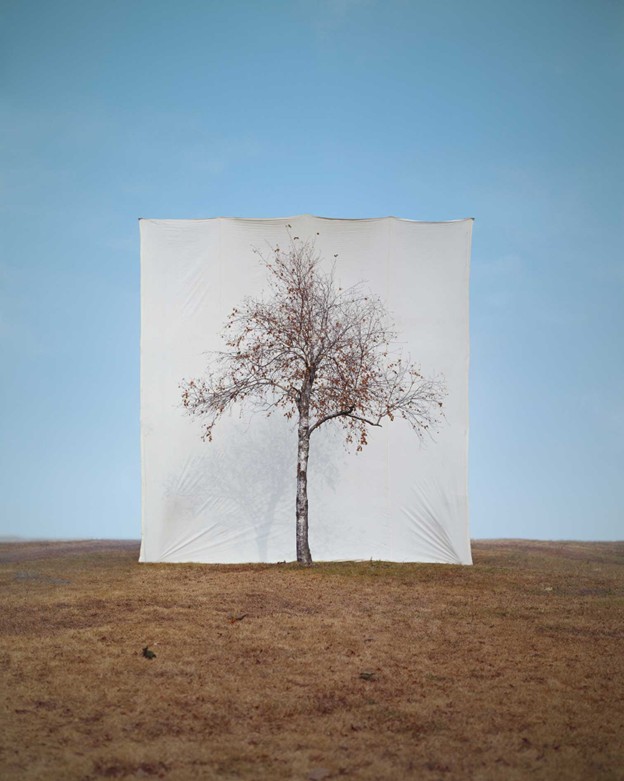
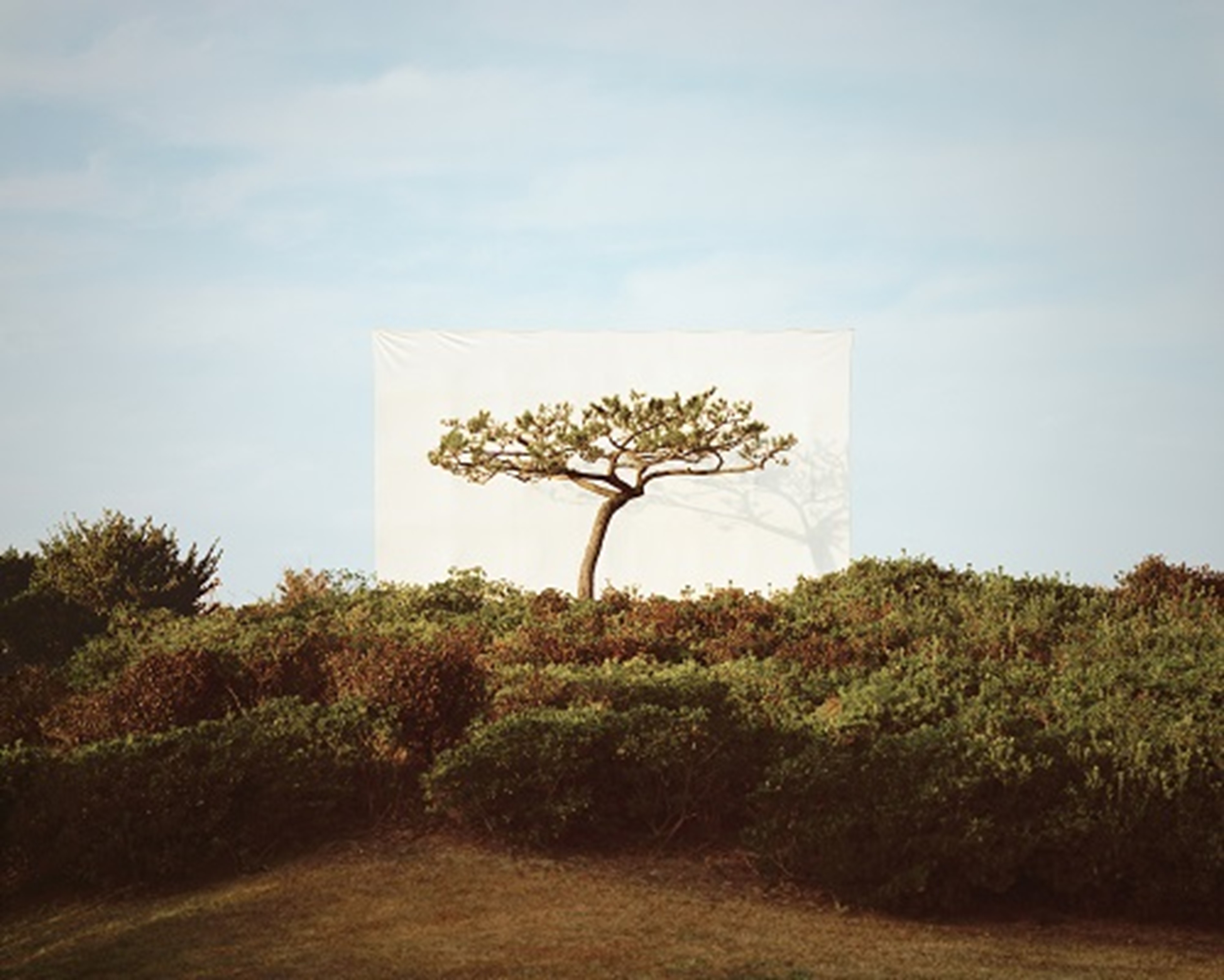
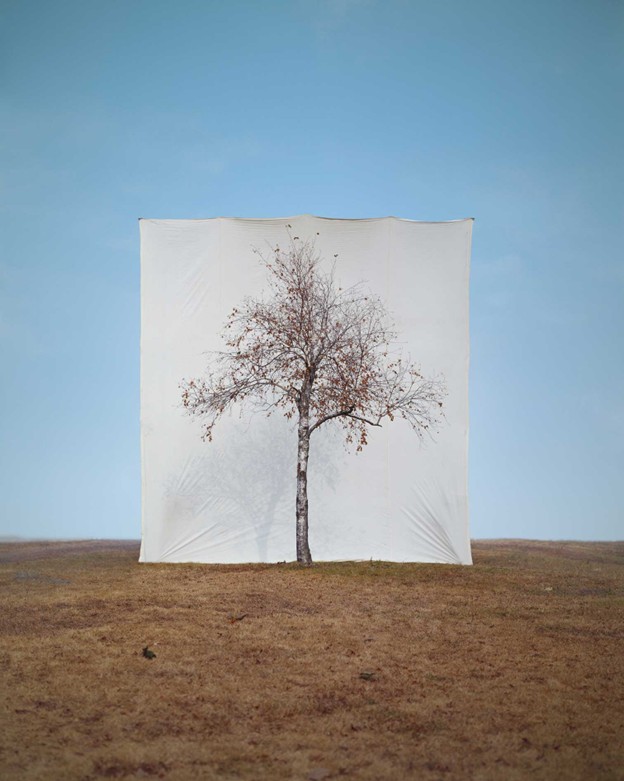
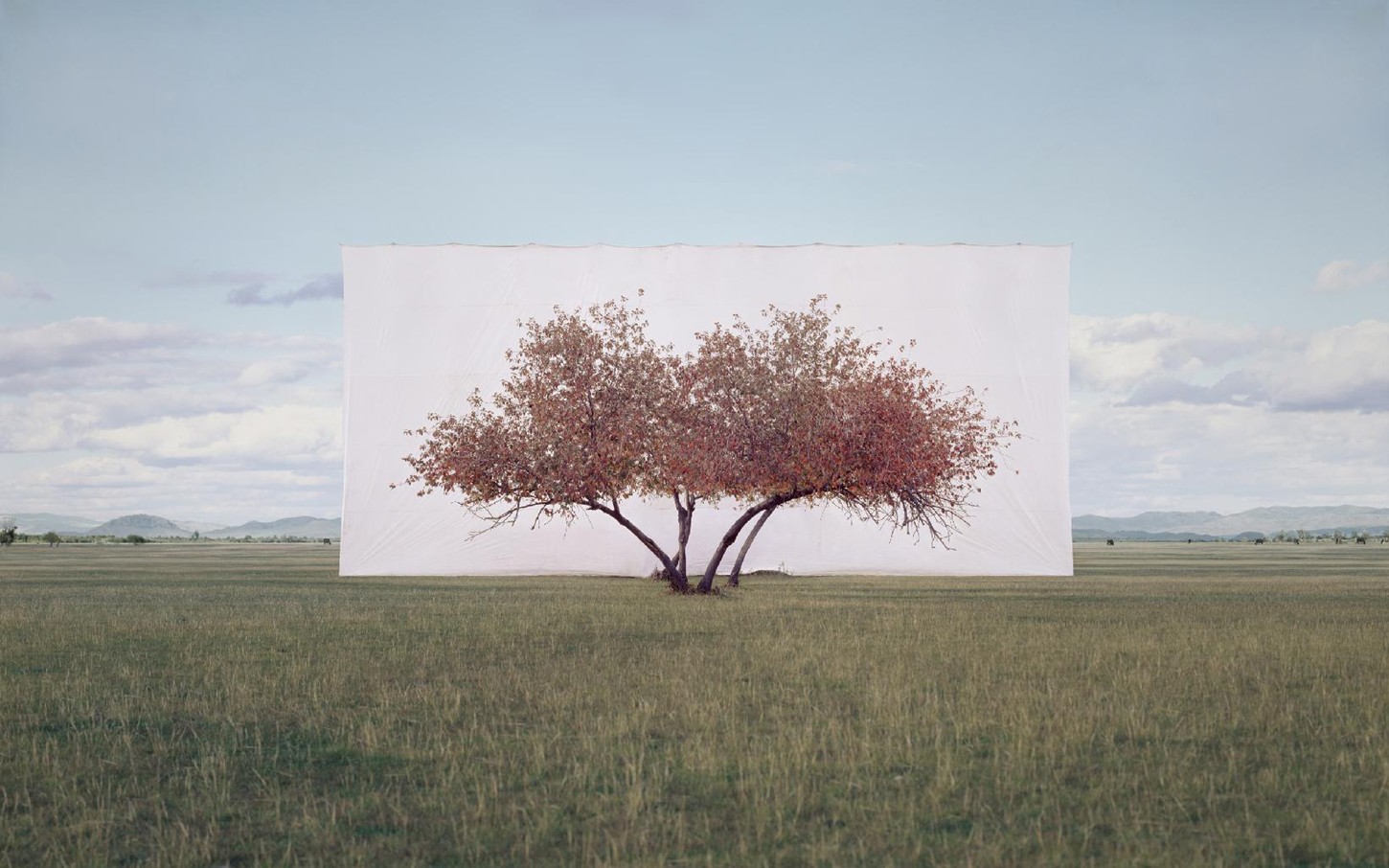
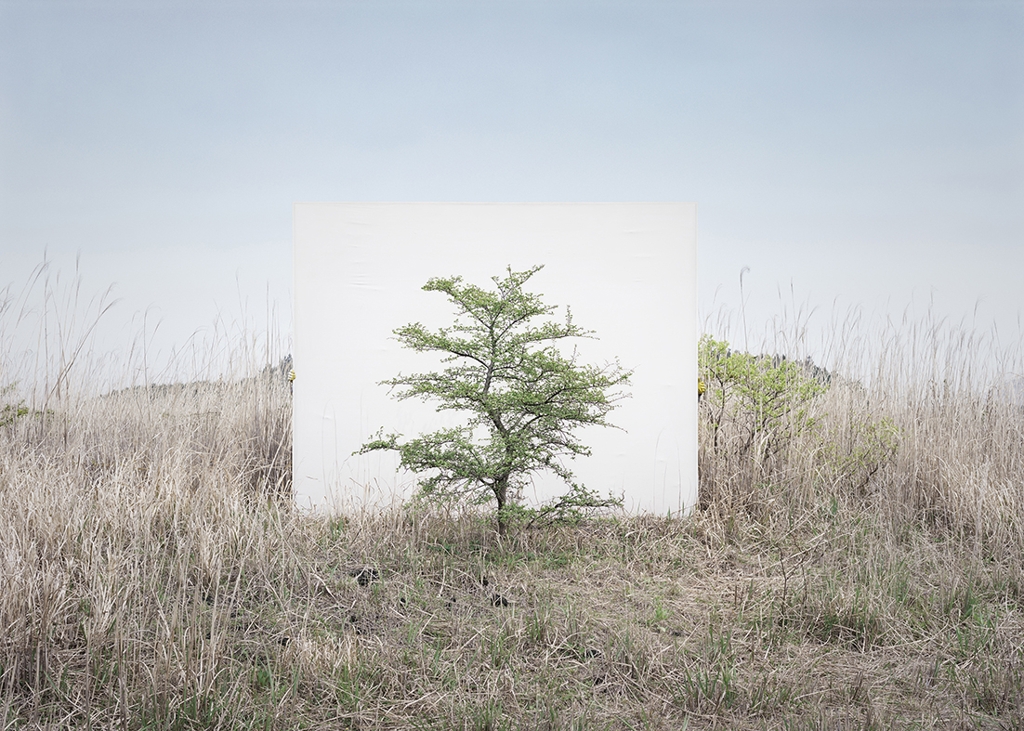
Ho Lee has become famous with his 'Tree' series, photographed with installing
backdrops against trees and emphasizing the original beauty of their forms. In
studio photography, it is an old tradition for photographers to use backdrops,
which is related to Western art’s still-life
painting.
Especially in photographs of people, backdrops have been widely used
to highlight figures and existence of people not only for portrait photo shoot
but also for commercial fashion photo shoot. It is a well-known fact that the
masters of the portrait photography, Richard Avedon and Irving Penn used simple
white or medium tone backdrops to maximize the effect.
Myoung
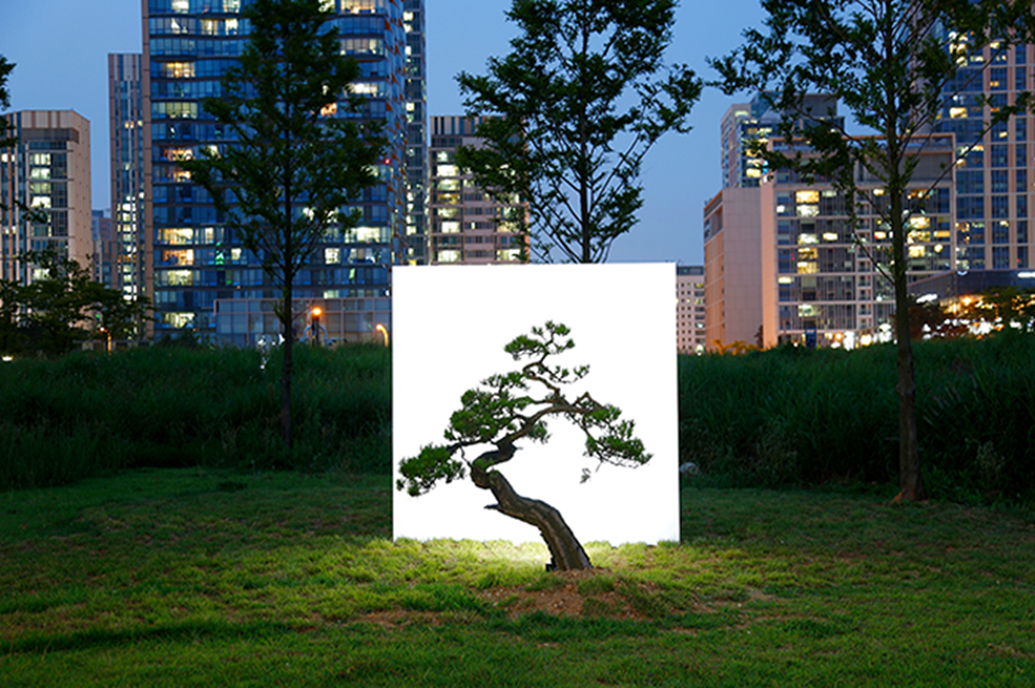
Ho Lee’s 'Tree' series can be called the portrait of
trees, as it applies a common tradition of studio photography to trees in
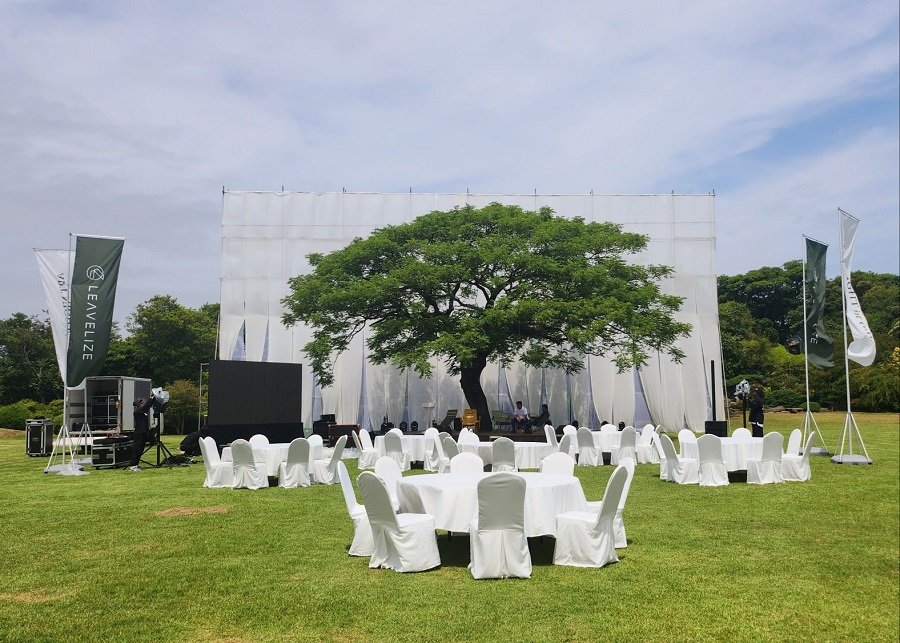
nature. It depends on the situation, but usually a maximum 25 by 12 meter
backdrop is installed behind the tree. This process is harder than it sounds as
it transfers Myoung Ho Lee’s artwork from regular
photography of art to conceptual art project, of which teamwork and labor are
crucial than anything else. The importance of labor in fine art began to be
considered crucial since the 1960s with emerging of conceptual art, minimalism,
land art, performance and installation, and Myoung Ho Lee’s photography project continues its context.
It is not easy to
travel everywhere to find trees for the subject of artwork, but it is even more
complicated to bring all the people and equipment to where the chosen immovable
trees are. During this process, at least dozens of people are involved, at
least two cranes are placed on the both sides and all the equipment including
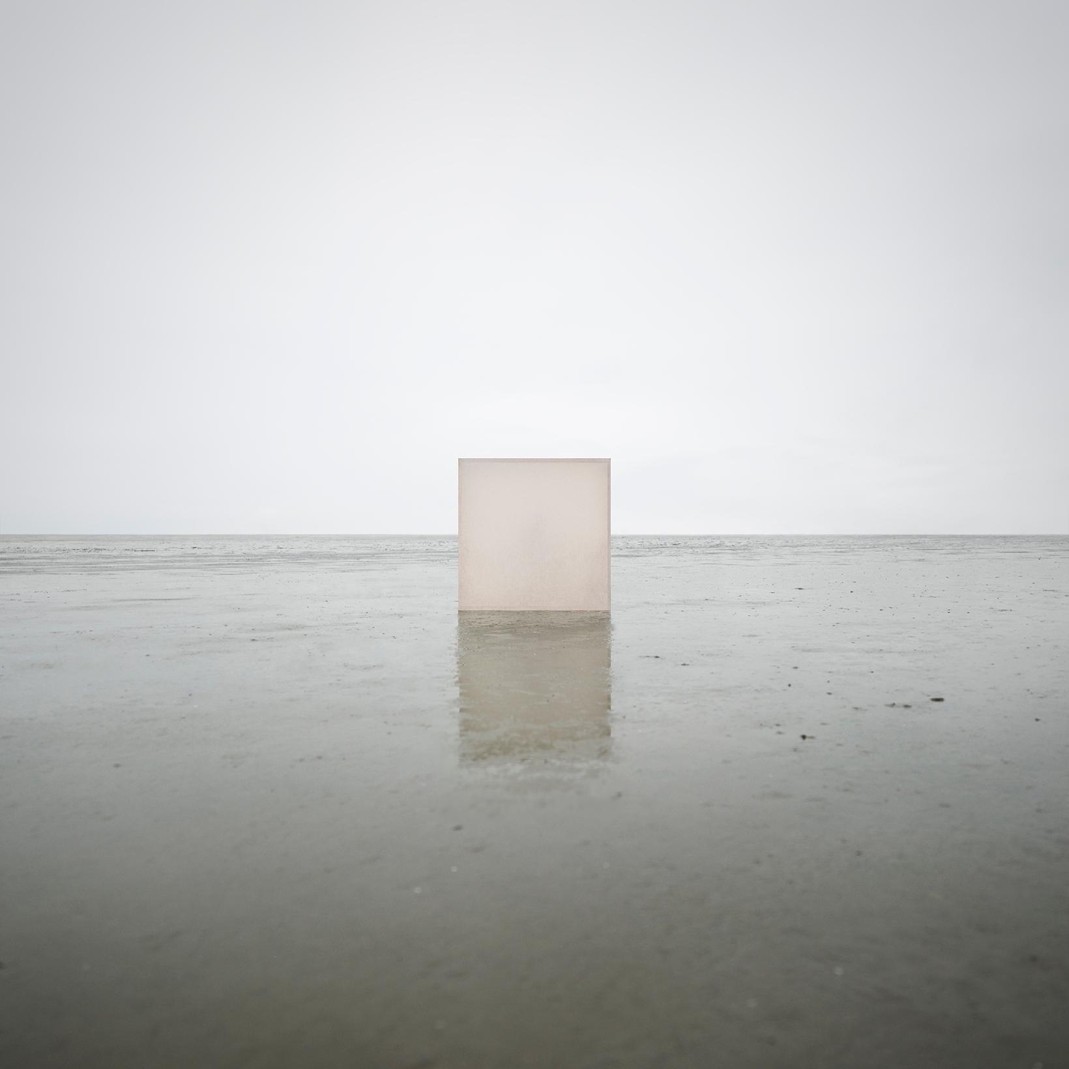
lighting system is brought. Myoung Ho Lee hired 320 people for his 'Sea'
project with the idea of creating horizon of the ocean from the horizon of the
desert, by placing people to hold a canvas in the desert. The artist has
expanded his artwork to the vast conceptual art project from the landscape
photograph of trees and deserts.
Myoung
Ho Lee and his staff also document the whole process of his projects as
snapshots and videos, and they are exhibited in three different results of
artwork. The point of Myoung Ho Lee’s artwork is creating surrealistic and artistic photographs looking
like paintings with beauty of modern formalism, such as a “portrait” photograph of the simple
composition by setting a white backdrop against the tree or in the surrealistic
desert.
In the corner of the exhibition space, there are small snap shots that
show the vast work scale and the collaborative work process involving numerous
people. There are also videos showing his staff’s
intense hard work over the day and night to install the backdrop. Since it is
very sensitive process to the weather, it requires longer time and more labor
than we can imagine.The snap shots contain images of the artist directing his
staff with big gestures like a conductor of an orchestra in the open field, and
the playful and dynamic atmosphere of the site where his staff working happily
with the artist.
These
two videos just show the labor focused repeated behavior. One video is about
the process of installing the backdrop behind the tree, and another video is
about 320 people holding 3 kilometers long fabric and walking slowly in rows.
The viewers are looking at these over one hour long videos, in which the
backdrop appears to be up on the place but actually it does not work properly,
ends up working all over again, or even when it is fully installed, people all
have to wait until the wind is gone, and question why the artist does this
action requiring so many people and massive equipment.
This
point is where Myoung Ho Lee’s work meets
conceptual art of the 1960s. What is art, what does the artist pursue and how
do the viewers receive art? There are no concrete answers. In the 1960s,
conceptual artists, chasing anti-aesthetics and dematerialization of the art
object, intentionally created boring videos and unattractive photographs to
make a fun of their viewers or to make the viewers do philosophical
introspection under their own logic. Myoung Ho Lee’s
video is boring but it is a documentary video that has a clear purpose. Myoung
Ho Lee’s snap shot as well is a documentary photograph
that contains the hard working process with a clear purpose. Myoung Ho Lee’s art is obviously different from the 60s conceptual art in the way
that he creates the artistic photographs having the idea of beautiful formalism
to restore aesthetics in Photography.
Myoung
Ho Lee’s work in terms of changing the context by
installing backdrops reminds of Irving Penn’s travel
pictures to Peru in 1948. Penn set Cuzco people like our celebrities and
photographed them. His pictures play an important role of bringing up the
natives’ own aura, buried in the nature, because the
natives, wearing their traditional attire, were taken in the artificial studio
set with backdrop installed, while they were separated from their natural
circumstances. Myoung Ho Lee’s work is similar to Penn’s in the way that he emphasizes the individual beauty of each tree,
which couldn’t be specifically recognized as a part of
nature.
However Penn’s work is ethnologically very
controversial because Penn arranged the natives in the civilized context and
objectified them, and they became the subject matter of materialism in Western
society. Unlike Penn’s work, the subject is not people
but trees in Myoung Ho Lee’s work. It appeals to
ontology, and brings the viewers’ sincere response.
Especially his simple composition of putting a tree in the middle of a picture
creates some kind of illusion of an anthropomorphized tree portrait. It allows
of applying frontality of contemporary photography to his work.
Around
the 1990s, the main trend and the philosophical discussion in contemporary
photography were about frontality of the portrait. This frontality, noticeable
in European tradition, particularly August Sander’s work from Germany, emerged with Bernd and Hilar Becher’s industrial architecture’s frontality. It
appears dominantly from Thomas Struth’s family
portraits, who was a student of Bernd and Hilar Becher at Düsseldorf Academy. A
famous American modernist art critic, Michael Fried also mentioned the importance
of frontality from Rineke Dijkstra, Patrick Faigenbaum, Luc Delahaye, Roland
Fischer and Douglas Gordon’s works. As Fried applies
frontality, unawareness, immobility and unobtrusiveness, which never react to
surroundings, to his theory ‘anti-theatricality’, he eventually substituted Heidegger’s
existentialism for their photographs.
Myoung
Ho Lee’s Tree series transfers frontality of humans to
frontality of trees. It makes the viewers relate human existentialism to trees.
A lot of writings about Myoung Ho Lee’s work also focus
on the fact that he separates trees from the original context. Strictly
speaking, Myoung Ho Lee inserts the equipment called backdrops without
completely cutting out the surroundings to emphasize trees, rather than
separating trees from the original context. The meaning of existence of the
tree and the meaning of his photograph would be entirely different, if there
was no nature exists behind the backdrop of the tree and if there were no trees
behind the tree that he chose.
The tree, which is highlighted as a leading
character of surroundings where it belongs, is beautiful, calm and even
strangely immobile as if time stood still. Sometimes there is a wave pattern on
the backdrop like the trace of wind, but it just plays a role of emphasizing
the tree’s immobility and aesthetics value in a
relative sense. The very last process of Myoung Ho Lee’s
photography project is to eliminate ropes and bars, used for the backdrop, by
using digital software. Through this process, the backdrop has the artificial
but surrealistic feature of representation as if the backdrop is floating.
Because
of the surrealistic artificiality created by digital modification process,
existence of trees becomes more magnified, and some people even compare his
work to Jean Baudrillard’s simulacrum
and hyperreality. However Myoung Ho Lee’s photograph
clearly doesn’t pursue hyperreality. Hyperreality is a
term associated with mass technology reproduction producing something that does
not actually exist, but looks ‘more real than real’. However, Myoung Ho Lee’s subject the tree
certainly exist and it is represented without any conversion. The backdrop
behind the tree is not a tool of separating the tree from its surroundings; it
functions as highlighting the existence and the figure of the tree, which we
never value enough in our daily lives.
The nature behind the tree is also
photographed as its authentic way it is. The digital technology used in Myoung
Ho Lee’s photograph, is not the means of creating
surrealistic realism, but is used for eliminating some components of the canvas
support system around to emphasize trees. In that respect, Myoung Ho Lee’s photograph rather focuses on emphasizing nature from the original
photograph or the existence of the subject from landscapes by using backdrops.
By editing the existing landscape with dynamics, his work suggests the viewers
to see nature in a different view.
Myoung
Ho Lee’s final result through all these steps has
simple and modern beauty, detached from the aspect of conceptual art project.
In fact, Myoung Ho Lee’s photograph itself is so
attractive that a lot of people want to collect and hang on their walls. His
'Desert' project looks surreal, but a closer look reveals unimaginable details
from his simple and modern composition. At first glance it looks just regular
desert photograph, but upon closer inspections somewhere in the photograph
there is a spot looking like an oasis, but it is actually an illusion of a
canvas fabric. Anyone who knows about his work process is able to see the
existence of many people holding the fabric in the back. Myoug Ho Lee
almost hides the attraction of his project that 320 people work together in the
calm landscape of the vast desert.
Myoung
Ho Lee stands at the center of contemporary photography trend, which restores
the aesthetics interpretation of modernism and values the concept of artwork.
His photograph has inherited the aesthetics of modernism in painting, and his
snapshot and video continue the tradition of conceptual art with the 60s
photograph. Myoung Ho Lee’s artwork that
represents the aesthetics of modernism buried by antiaesthetics can be defined
as “post-conceptual art photography project”.