1
Reminiscent
of Walter Benjamin, who once attempted to write a text with only quotations,
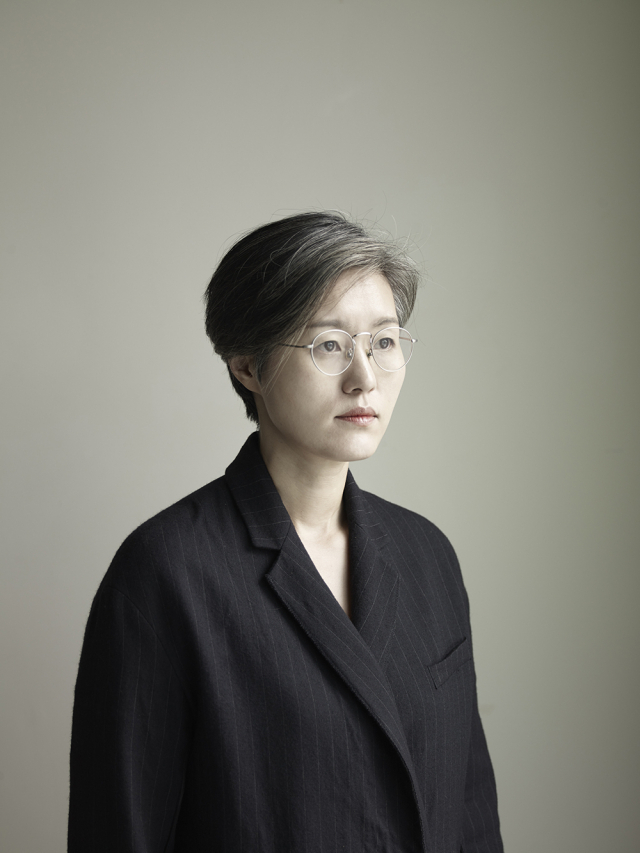
Chung Heesung’s new project is based entirely on the words and works of other
artists. Composed of Chung’s images and interviews with twenty-five artists,
this work recalls the somewhat familiar method of compiling contemporaneous
ideas from an array of astute minds. In response, I’ve also decided to borrow
the collage format by writing a few letters to the “artist of today.”
Dear
Artist,
This letter might be a bit long, so please be patient. I’m stuck in temporary
accommodations. After returning to Korea from the Netherlands, I’m in self-
quarantine for two weeks. But I knew about this in advance, and I am certainly
no exception. I’m no different from anyone else, and I’ll follow the same
guidelines as everyone else. The silence and desolation at Amsterdam Airport
Schiphol was a strange sensation, unlike anything I’ve ever experienced before.
After checking in at the ticket counter, where everything was vacuum-sealed in
plastic covers, the air inside the plane cabin felt a little suspect.
Some
people were even wearing protective clothing that they got from who knows
where, which made me a little fearful. Returning home with that fear, I
immediately became a target to be managed, and made to wait in a long line for
so-called “quarantine procedures.” But after all, I was pretty familiar
with this identity as a “surplus” person that was awaiting me. Having extra
time on my hands always reminds me of the lines drawn by the system.
Ironically, I became a surplus being again at the very moment that I seem to
have returned myself to the field of art, although I’m still not sure whether
I’m standing inside or outside.
You
might not be aware, but after giving birth and moving to the Netherlands, I
spent almost all of my time on childcare. In the meantime, art simply faded
away, having no space inside my manifold identity as a woman, foreigner,
mother, and Asian. Art was just something that I occasionally found in life. Of
course, you might think that, since leaving the orbit of Korean society, I must
have had some new experiences, encountering things I’ve never faced before. But
looking back, I don’t really know what I experienced while I was there. All I
know for certain is that the capital cities of Western Europe aren’t so
different from here.
Everywhere I went, I couldn’t escape the realm of
homogenized individuals surrounded by global companies, eating the same foods
and consuming the same products. At one time, the cities of Europe were the
object of such envy and admiration as global tourist attractions and historical
sites frozen in time. Witnessing the decline of this “original” makes me feel
that everything we’ve eagerly seen and studied is coming to an end. But these
days, even that type of experience is hard to come by. My last memories of
Europe are of a city on lockdown, empty streets devoid of tourists, given over
to the birds.
I’ve
felt like I’ve lost the capacity to feel beauty, except perhaps when I see a
three-year-old looking in the mirror. Even if I catch a quick glimpse of
something beautiful in a museum, it just feels like an anomaly, an exception to
the overlying cynicism. Eventually, the only hint of aesthetic freedom that I
can find is in de- regulated objects with no intentionality. Let me emphasize
that I’m not trying to say something trite about how everything in our lives
has aesthetic possibilities. I’m simply reconsidering the essence of “beauty”
from the perspective of a surplus person. Ever since art was domesticated by
“institutions,” artistic beauty has become the exclusive domain of its
administrators. This idea might seem a little vague, but that’s how the landscape
looks to me since I took a step back from the art field. So what’s going on
here?
I
recognize the limitations of subjective narration, but for now I’m going to
embrace those limitations in order to express how my views of the art world
have changed as I’ve grown. My first impression of you—the Artist— was a
certain looseness or clumsiness in your attitude and appearance. Having
finished my college entrance exam just after the 1997 financial crisis, I often
snuck into the exhibition openings of young artists who had returned after
studying abroad, or other events like that. You and I met for the first time by
Hongdae, in an alternative art space that is no longer there.
You were
indignant about the harsh working conditions at the 24- hour gimbap place where
we were sitting, an attitude that still resonates in your recent work, for
better or worse. But rather than being weighed down by these heavy thoughts,
the scenes of that day remain vivid and fresh, when everything felt natural in
a friendly place filled with familiar smells. It didn’t have a finished form or
a name, and I wasn’t aware of exactly what was happening at the time, but there
were certain places where people would gather, drawn by the mere fascination of
novelty. It’s such a downer to label something so fun and bold and mischievous
with the same old worn-out terms: “alternative,” “underground,” “subculture,”
etc. Looking back, when the pulsing drums of indie musicians resonated through
the neighborhood, everything seemed glorious.
And back then, the artists had
this sense of freedom from being outside the system, and the sheer confidence
of knowing that they themselves were art. Rather than a profession, being an
artist was a matter of attitude, or self-consciousness. But even then, the
territory outside the system was already shrinking. By the 2000s, the lives of
artists could no longer resist the pull of “labor market flexibility.” The
arrival of neoliberalism was followed shortly by the institutionalization of
Korean art, and suddenly the profession of curator has emerged in earnest.
While a few chose to maintain their amateurish status within this flexible
labor market, the wiser ones began using prestigious journals and other venues
to represent themselves as experts or global elites. As the prize became
clearer, so did the monopoly of winners. The phenomenon of contemporary art as
spectacle, which was created at that time by a few successful artists
collaborating with economies of scale, can still be seen in installations in
museums today.
But
to what end? Despite this institutional expansion and growth, contemporary art
hasn’t formed any clear causal relationships within our society. Art has lost
any semblance of authority or public expectations, and the Korean art market,
with its bizarre and bewildering structure, has become an embarrassment. Then
how do we persuade ourselves to keep going? Since I graduated, over the course
of two presidential terms, our generation consented to the claim that art was
labor. While some young artists questioned how the act of art could be
considered labor, their questions only seemed to confirm that we are all
laborers now.
As such, their remarks could be read as a demand for an economic
safety net and a disclosure of class within the art field. And at the same
time, it seemed like a sign that institutional art had crossed the point of no
return, enacting a reality in which “society” was impossible. Nevertheless,
like the young artist who said “I want to be a star at any cost,” the
individualistic will is still prevalent in this scene. And this illusion of
meritocracy will persist by periodically incorporating a few artists into its
structure of recognition based on effort and ability. But Artist, don’t you
know enough by now to see that the reality that awaits us is much different
than it was a decade ago? Projecting myself onto my colleagues who declare art
as labor, I see today’s secularized and commercialized art. So my familiar
sense of being “surplus” beings must be a delusion, because in today’s art field,
there is no more space for surplus.
2
Like
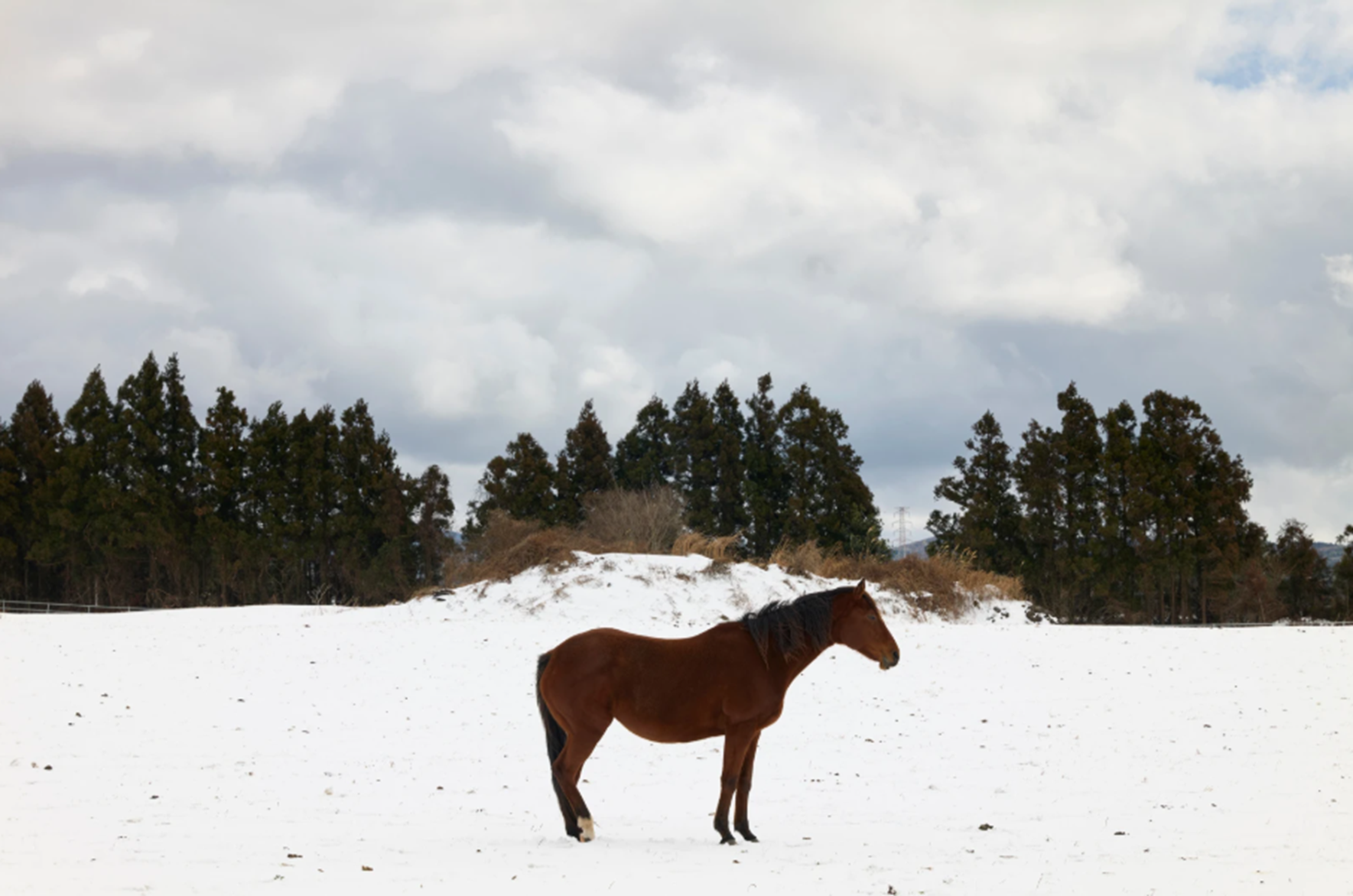
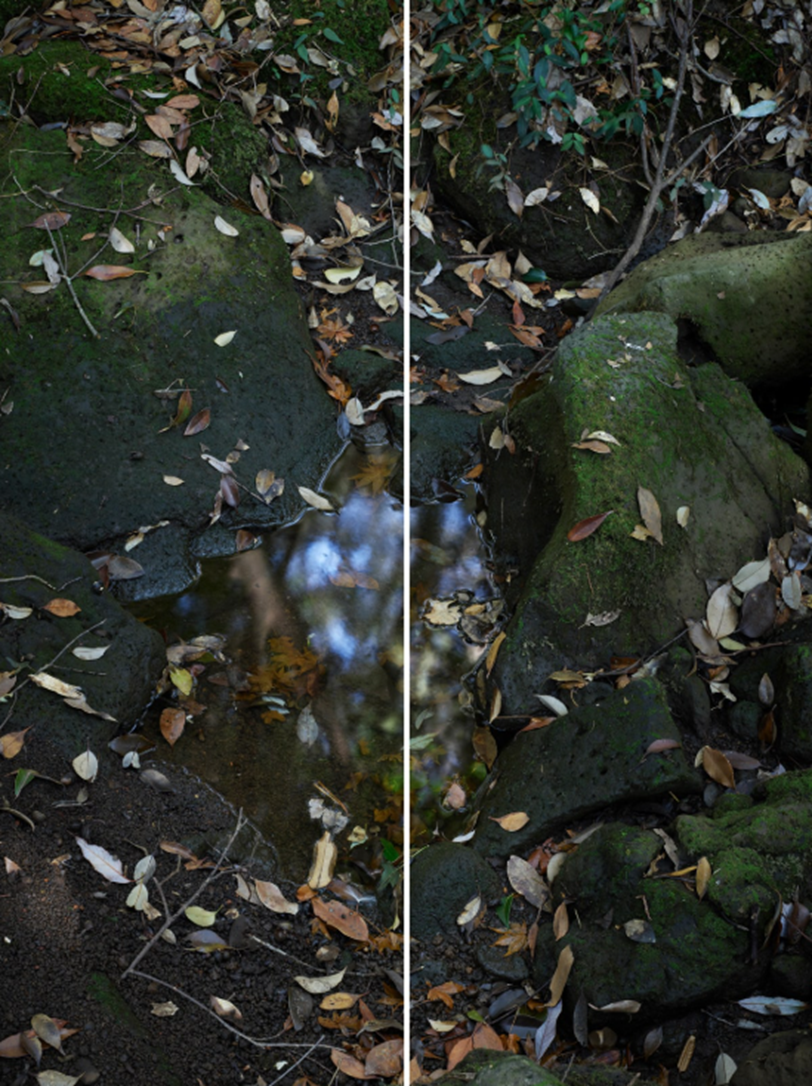
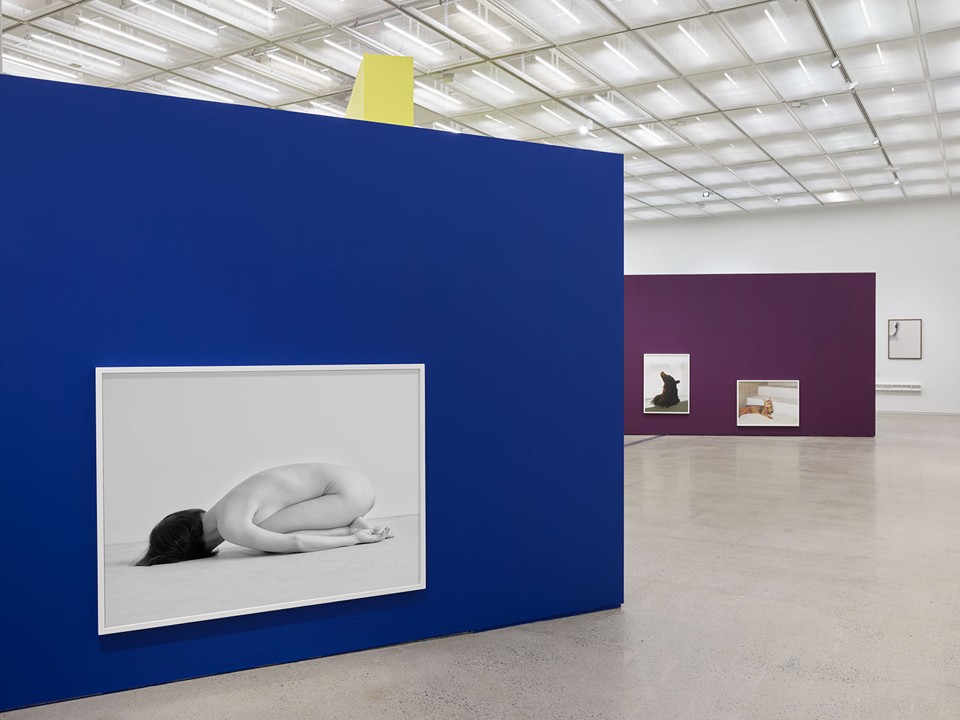
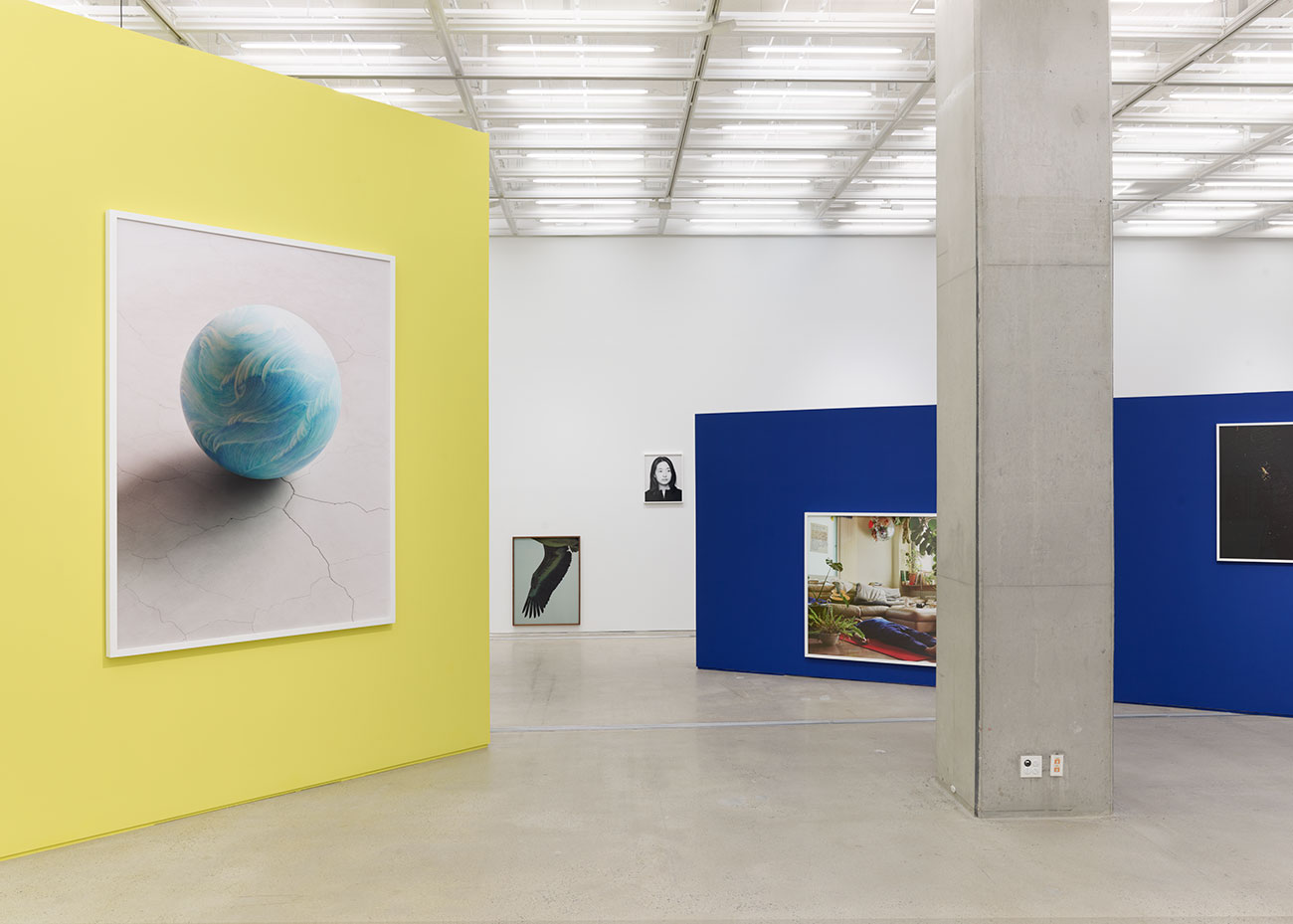
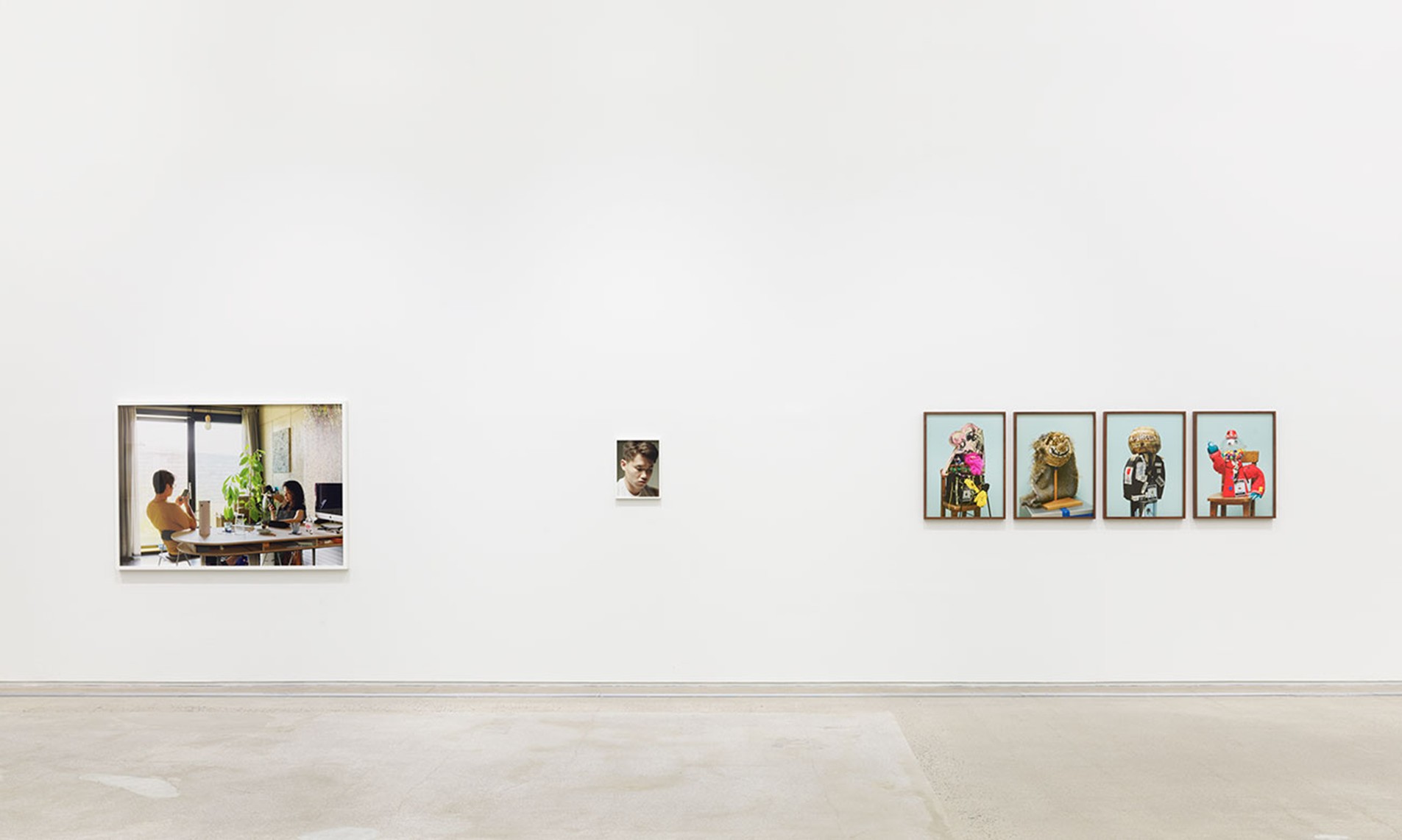
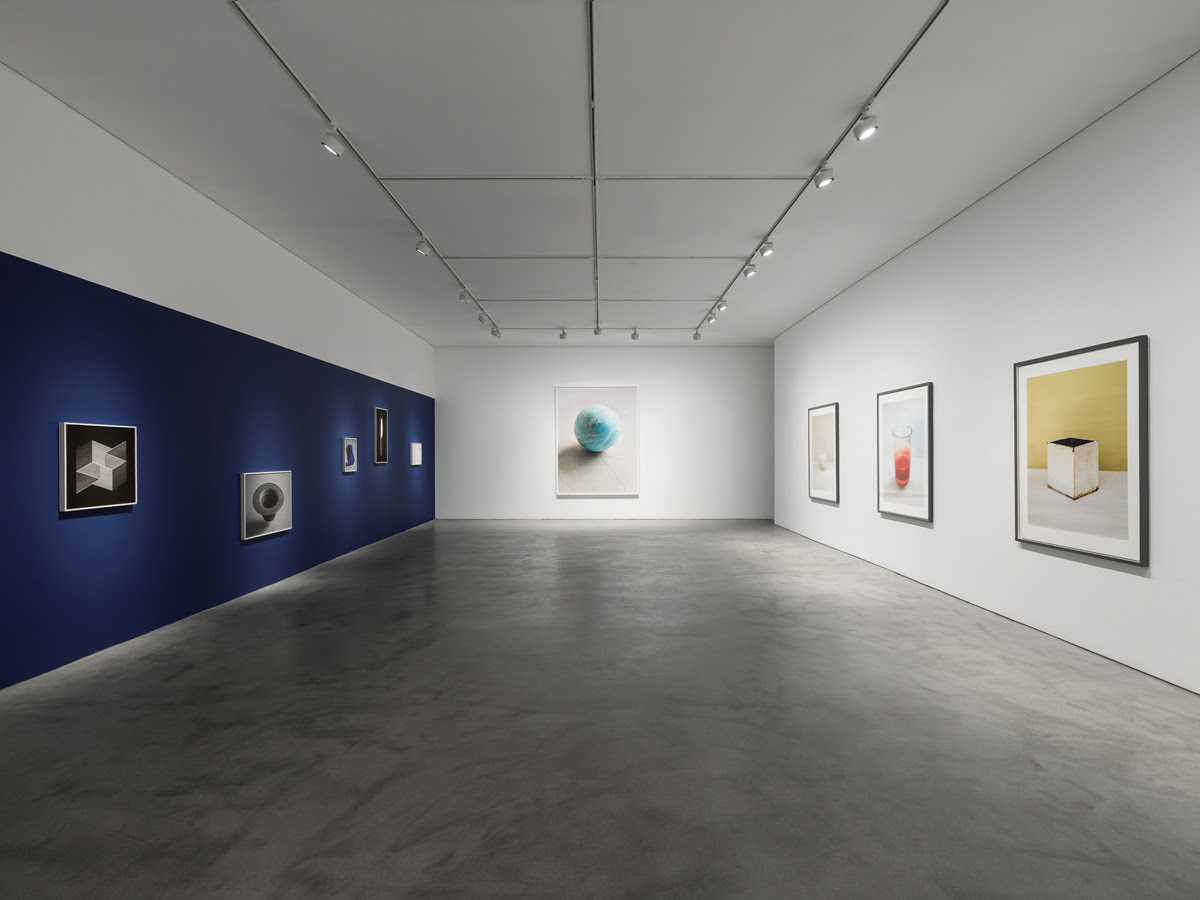
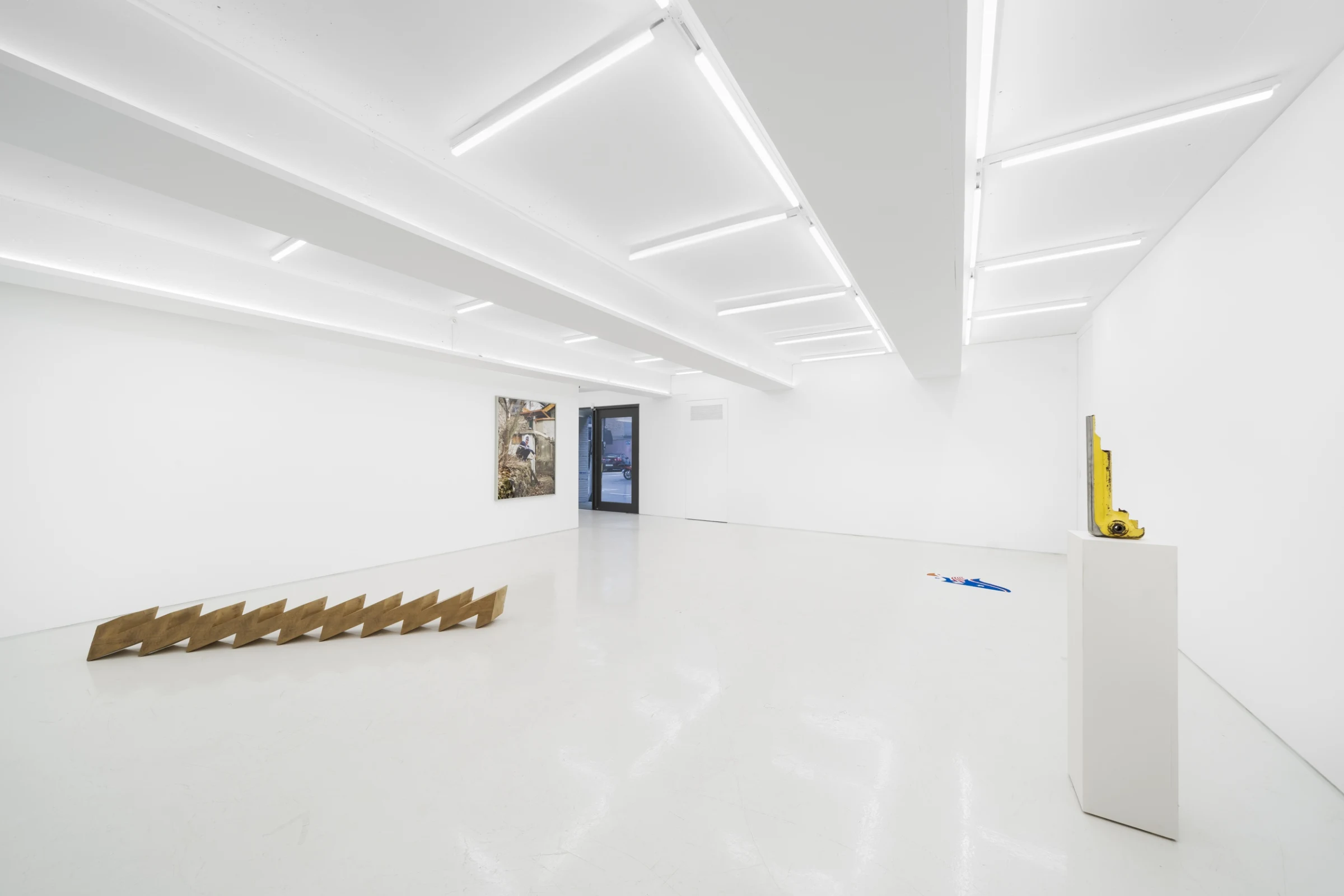
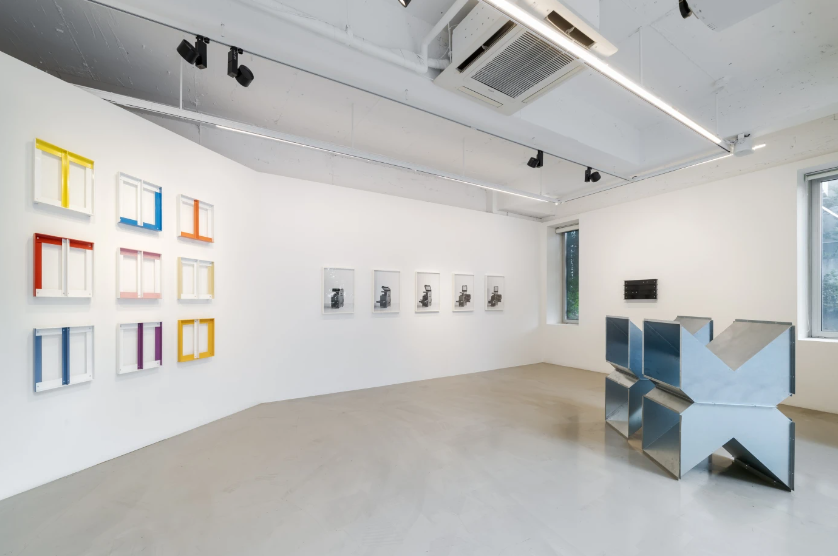
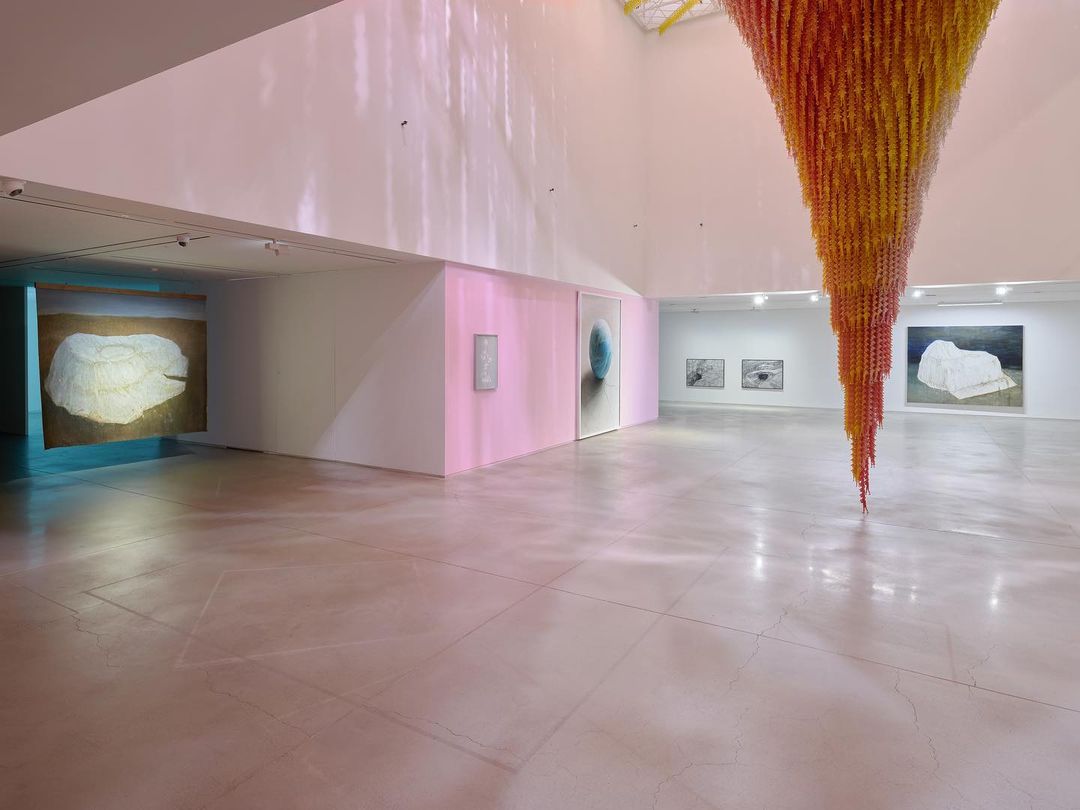
mixed-up pieces of a puzzle, Chung Heesung’s photography is scattered in space.
These fragments that refuse to be easily assembled become a riddle, infusing
the exhibition space with a desire and determination to complete a puzzle that
has missing pieces. Sometimes a name causes us to misconstrue the true meaning
of a thing, rather than the opposite. But Chung affirms and even embraces this
state of inscrutability, focusing instead on the ambiguous nuances of what will
or will not be completed. By rejecting the conventional symbolic systems for
the subject of photography, her images occupy a state in which (in her own
words) “the subject has not yet been determined, and the meaning has not yet
arrived.”
Dear
Artist,
This morning, the government official in charge of my case brought some relief
supplies for my self-quarantine, leaving them by my door. Coming from the
Netherlands, where even the simplest administrative procedures can take a
couple months of more, the rapid response of Korean society has been hard to
fathom. Our society is the pinnacle of convenience—as long as I remain on the
side of the consumer, averting my eyes from the excessive labor required by
faceless individuals. No matter how many times I experience this convenience,
it’s still hard to believe at times, but we should remember that it comes at
the cost of surveillance and control. To the government official who carried
food in both hands to “take care of” me, I’m just a potential hazard who
strolled into the neighborhood from parts unknown. It’s not just me.
Everywhere
we go these days—public transportation, parks, sidewalk—띶we’re bombarded with signs, banners, and infographics reminding us
of the rules that we should follow as “citizens of an advanced country.”
Throughout the day, the government sends out a massive amount of emergency
alerts instructing us what we should or should not do, almost to the point of
exhaustion. For critic Kim Kimyoung, this type of government micromanagement is
a form of “maternal” care that treats citizens like children.1 Of
course, Kim was well aware of the prejudices embedded in this analogy, given
the distorted concept of the word “maternal” within the patriarchal ideology of
Korean society. Since protection presupposes a “protected object,” both the
protector and protected are locked in an inevitable exchange relationship. In
this case, rather than mutual respect and reciprocity, “motherhood” implies a
degree of control over a “protected object,” rather than care.
A
few years ago, when I attended an event to award funding from a local cultural
foundation, a staff member kindly explained the program and administrative
system to me. He finished up by saying, with a faint smile on his face, that,
“People who don’t have money or power should get together more often through
this kind of event.” I’m not sure if he saw the frown on my face. Seemingly
unaware of his objectification of others, he was equally blind to his rudeness.
It’s not that I’m super- sensitive to the hierarchy between the enforcer of the
system and the beneficiary.
The federal, regional, and district governments of
Korea have established a number of support systems that provide a nonstop flow
of funding for various purposes. But when funding is too compartmentalized, it
becomes more difficult to comprehend, smaller in quantity, and less effective.
As the system becomes more elaborate, we are more susceptible to the illusion
of its benevolence. Yet the real problem is that the system is equally elaborate
in displacing the trust of the community, until those who are subordinated to
the system become as tame as pets on a leash.
I
don’t want this to sound like another banal complaint about the evils of the
system or the disadvantages of being an artist. In fact, contemporary art has a
symbiotic relationship with this system, such that every artist must pass
through it. The big award that made you who you are today is also sponsored by
a major corporation, and I’ve been getting paid by a corporate institution for
many years. Of course, I once felt ashamed of myself for relying on the object
of my criticism. To be honest, after I left the blurry circle of the art field,
even this system stuck in neutral and riddled with weak connections started to
look somewhat reliable.
How naive does that ethical purity seem now? But
there’s no other way. Now no one is afraid of art, but instead, artists are
afraid of “them.” In Korea, which doesn’t have a single independent, private
art museum of any real significance, art’s dependence on public subsidies and
corporate sponsorship seems inevitable. To compensate for the indifference of
the private sector, the government treats art like a welfare recipient. Of
course, the system has not grown stronger on its own. I’m very aware that some
people have closed ranks by drawing a circle to create a boundary that is
actually just a line. And how well do the experts who are standing on that line
really know art? Today, the social reputation of experts has collapsed.
The
recent #MeToo movement in the art scene revealed how sexual predators disguised
as artists committed their crimes with the acquiescence or even assistance of
those around them, and it has also revealed the absurd power of those who
monopolize institutional resources. Within this closed system that continuously
awards corporate contracts and government projects to the same select few, what
is art and what is fraud? The myth of the supposed autonomy of artists has long
since expired.
Since
I’ve already come this far, I’ll go a little further with my pessimism. Maybe
there’s no more place in our world for art. In today’s society, art seems
completely impossible. When an artist can never hope to top the performance of
a politician, the only thing left is parody, or self-parody. The former
function of art, to present a world that has not yet arrived, has been
paralyzed. In the surplus, aesthetic experiences had the power to change a
person’s life or attitude, and thus to help them break free from their point of
origin. That power lay in the reckless imprudence that coaxed or coerced a
person to violate the symbolic system of society, to break through the
procedures recommended by the system, and ultimately to return to living as an
individual. But what about art now? It’s either a repetitive specious statement
aimed at acquiring compartmentalized funding or an expensive trinket that mixes
taste with marketability. Rather than taking the risk of trying to change us,
art just brings us into a place of supposed safety and comfort. By binding
itself in such ways, art has been reduced to a sleek accessory to the system.
3
The
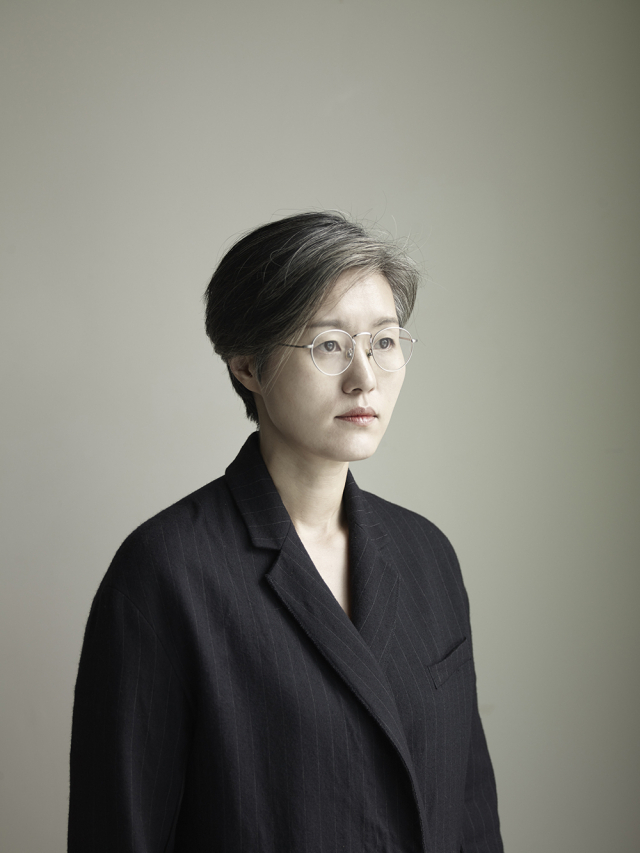
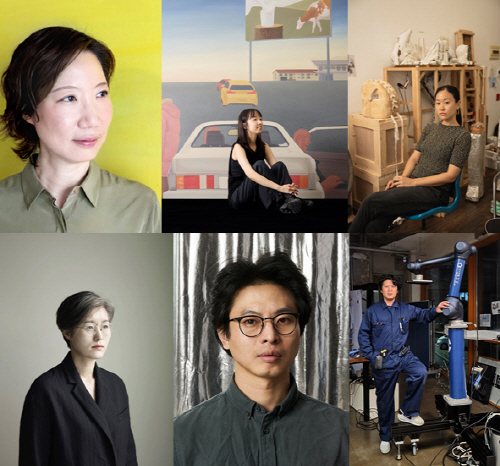
artists who Chung Heesung met are different in age, gender, class, career, and
location. Thus, as a biased story, based solely on “people she knows,” the work
is less generalizable. Indeed, even in revealing the “artist of today,” the
work suggests the impossibility of generalizing any art, which is inherently
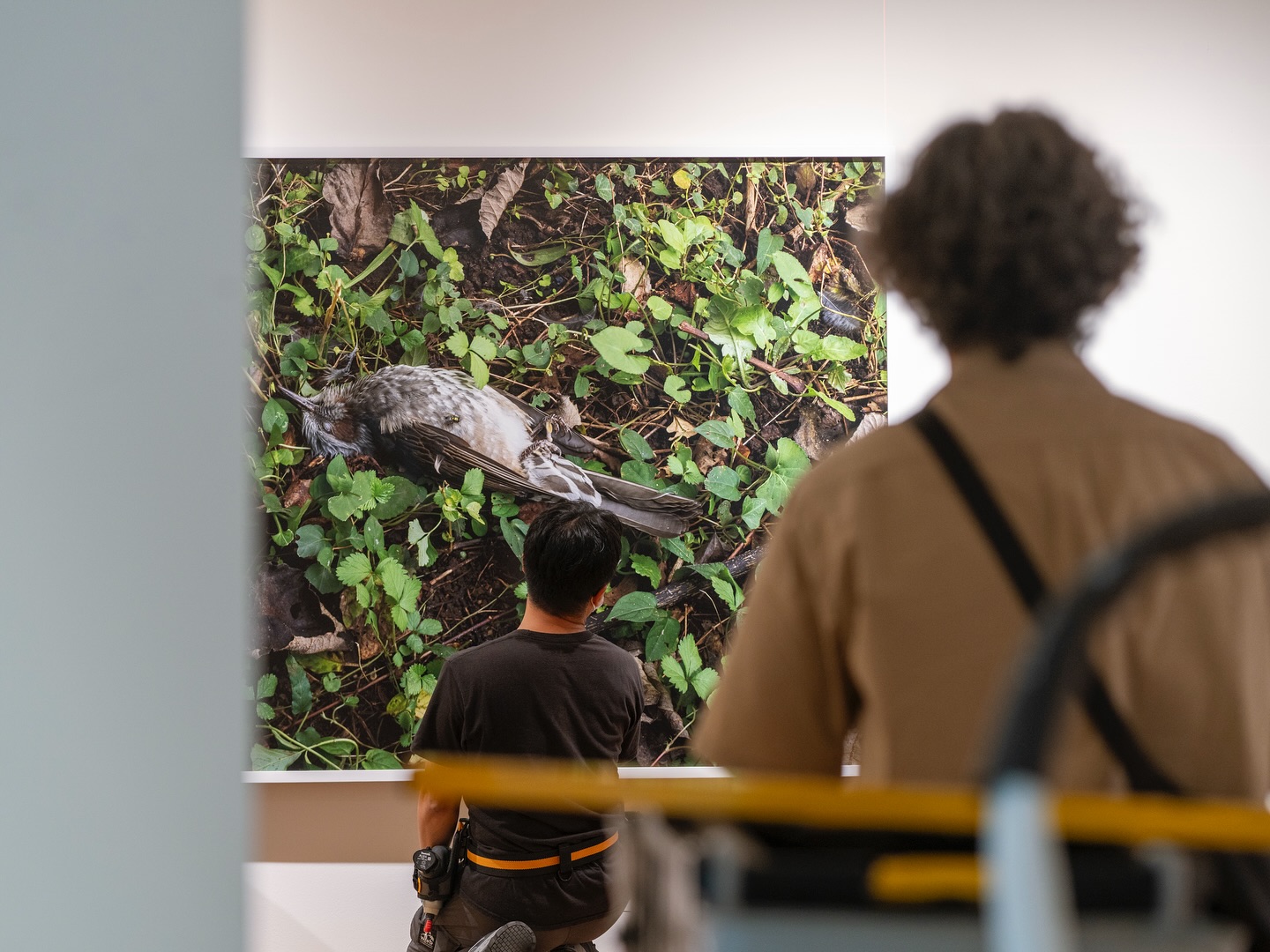
arbitrary. Representing the other side of art creation, Chung’s scenes capture
slices of private life, in the form of portraits of artists or pieces of works
in progress. Reminding us that art is made in an ambiguous realm between life
and work, her photos embody both the specific lives of the artists and the very
site of art creation, raising the inevitable question: can a photo of an
artwork being created be an artwork, in and of itself?
As both an observer and
an artist, Chung seeks to identify, and perhaps even to occupy the inexplicable
point at which a certain act becomes “art” within the existing system. In this
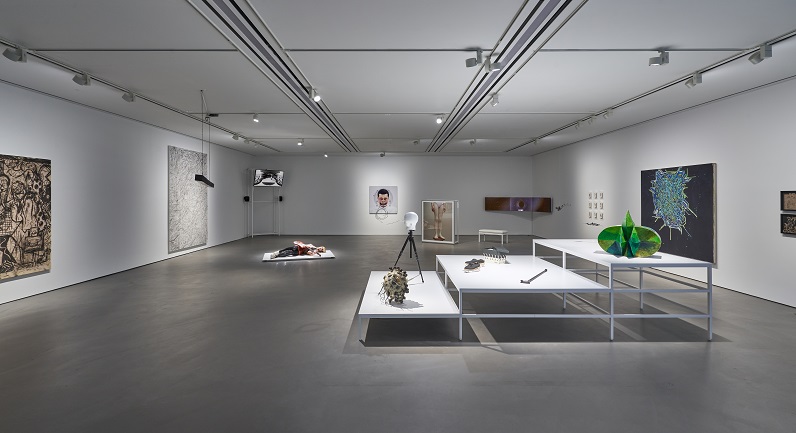
exhibition, for example, Chung’s work is interrupted by the images or works of
other artists, which are seemingly irrelevant to the institutional approval of
the Korea Artist Prize. Yet this very irrelevance paradoxically proves Chung’s
value as an artist. So what makes them art? What makes an artist? Of course,
these questions are unanswerable. The images of other artists’ works appear
naturally in the exhibition space, nonchalantly hung there by Chung herself.
By
provoking our curiosity about the original work, which they can never show us,
these images compel us to ponder the hidden side of artworks, while also
pulling back the curtain to reveal the secrets of how art is produced and
approved by the system. What is the meaning of this mysterious state of
affairs? In today’s world, where art is impossible, must we continue in this way?
In the end, the question that Chung repeatedly asked her fellow artists —“Why
do you do this?”— returns to her as “Why do I do this?” Likewise, this question
ultimately summons the reason for making art.
Dear
Artist,
I think I was a bit cynical in the last letter. I have to admit that this long
isolation from Europe is wearing me down. Because of the sudden lockdown, my
family and I had to hurry back to Korea. But at least I have a place to come
back to, unlike some people. This sense of loss has revealed the fragility of
everyday life, which we worked so hard to maintain. When the pandemic first
started, while I was in Europe, I was confused when anonymous people on the
street would cover their nose and mouth when they saw me.
The virus had paved
the way for the discrimination and hatred that was now polluting the air that I
was breathing. Instead of getting angry, I wanted to fully inhabit the
experience of being the Other. If I said that, “I felt some relief, since the
only ethical subject in the neoliberal era is a victim,”2 would
I be deceiving myself? Of course, everyone’s status continually changes, and no
one is always the minority. I can’t deny the well-managed, moderate life that I
enjoy in my home country. But it’s clear to me that human life today is
perpetually exposed to various degrees of violence, and even worse, we’ve
become accustomed to it.
All
of a sudden, I find myself thinking about the tunnels connecting Seoul to
Gangwon Province. Even though the landscape is filled with curves and
mountains, the cars run through it in a straight line. How many mountains had
to be dug to build those tunnels, and how many people had to be evicted? And
even after all that, how are people treated? Alarms to keep drivers from dozing
off at the wheel, and artificial noises and visual stimulation bombarding
people from all sides, eventually triggering mechanical responses, turning
humans into materials and objects. If Simone Weil was right when she wrote that
“violence turns anybody subjected to it into a thing,”3 then surely these
straight tunnels are violence. In this fast-paced battle to prop up the
platform economy, humans are no different from delivery goods in the back of a
truck. Can the life of an artist be an exception to this rule? I’ve finally
gotten around to asking how you’re doing.
How
have you been?
I
know, it took me a long time to get to this question. So I’ll ask you again.
What possibilities remain for artists today? Some have said that the job of an
artist is too human to ever be replaced by technology, but that doesn’t bring
me any comfort. And by the way, do you really think that’s true? This ultimate
“human” act could probably already be replaced by state-of-the-art technology.
Not long ago, I read a novel written by an A.I. program, and the language was
just as good, if not better, than most novelists.
And now A.I.—edited videos,
A.I.—designed installations, and extraordinary paintings by A.I. are providing
an alibi for abandoning human authorship or art production. Furthermore, in an
age when criticism has lost its authority and influence, the public response to
art that ignores critical values seems to reveal people’s true desires or
expectations for art. At the very least, those who want to stay in a familiar
fantasy will not welcome art that can “really” threaten their life phases. The
biggest crisis facing art is that it can no longer create aesthetic issues.
We’re helpless not because we don’t know anything, but rather because we know
everything.
For
this reason, Artist, I hope that you’ll stop being an artist. Now that everyone
can become or has become an artist, do we really need professional artists to
increase the volume and thickness of institutional art? After all, making
things is just the ingrained habit of people caught up in the inertia of
perpetual development. Maybe the harder we strive to do our best, the quicker
we destroy the world. If we can’t even justify why we’re maintaining the system
of the past, can’t we get away from the indolence that we’ve reluctantly
accepted? Now is the time.
I
sometimes imagine a world where no one makes art. What would the world look
like without art? I wonder what’s beneath the skin. I still believe in you,
dear Artist, but you’re not here right now. You could be the entire field of
art, but at the same time, you’re no one. You look like everyone and you don’t
look like anyone. The reason I’m writing to you is because of your absence.
What’s really been going on in the meantime? Who made you disappear? I don’t
think we did that. Actually, the most painful part is that we cannot blame any
of us. Seriously, where are you?
Meanwhile,
Benjamin’s project to write entirely with quotes remains unfinished.
At
the request of Chung Heesung, this essay looks at the reality faced by the
“artist of today.”
1
Kim Kimyoung, “What Europe Cannot Learn from Korea,” Firenze’s Dining
Table (April 2020), https://firenzedt.com/?p=5909.
2
Jeong Heejin, “Unfamiliar Relationship: Quarantine Dictator Dreaming of
Martyr,” Kyunghyang Shinmun, September 16, 2020.
3
Simone Weil, War and the Iliad, trans. Mary McCarthy (New York: New York
Review of Books Classics, 2005).