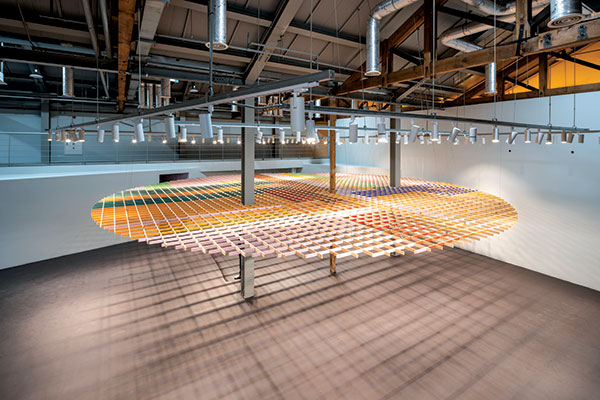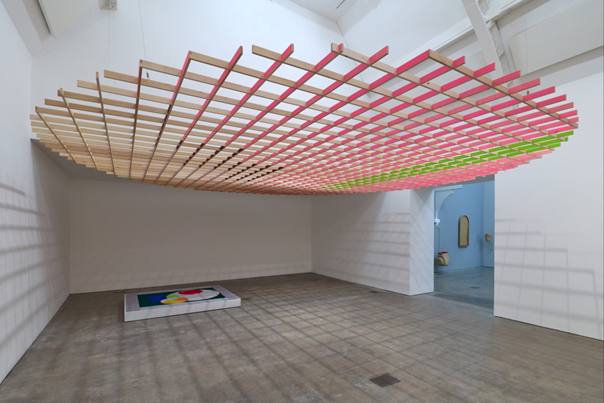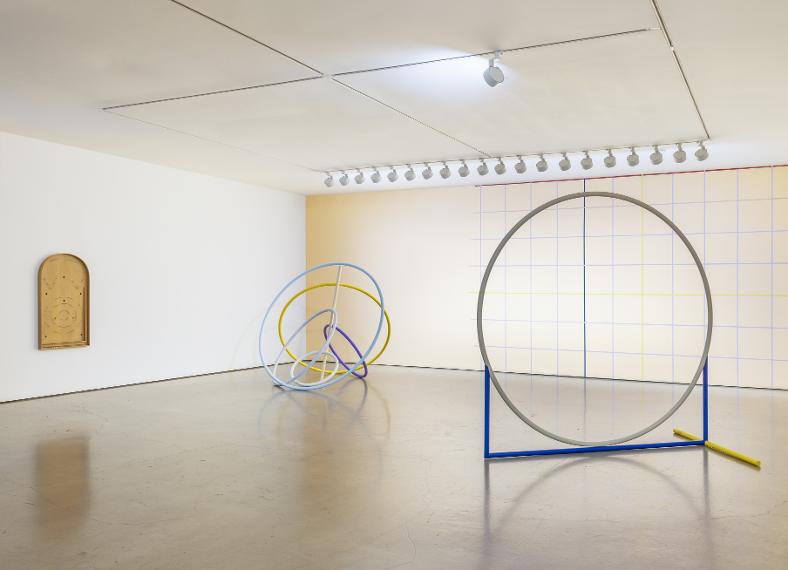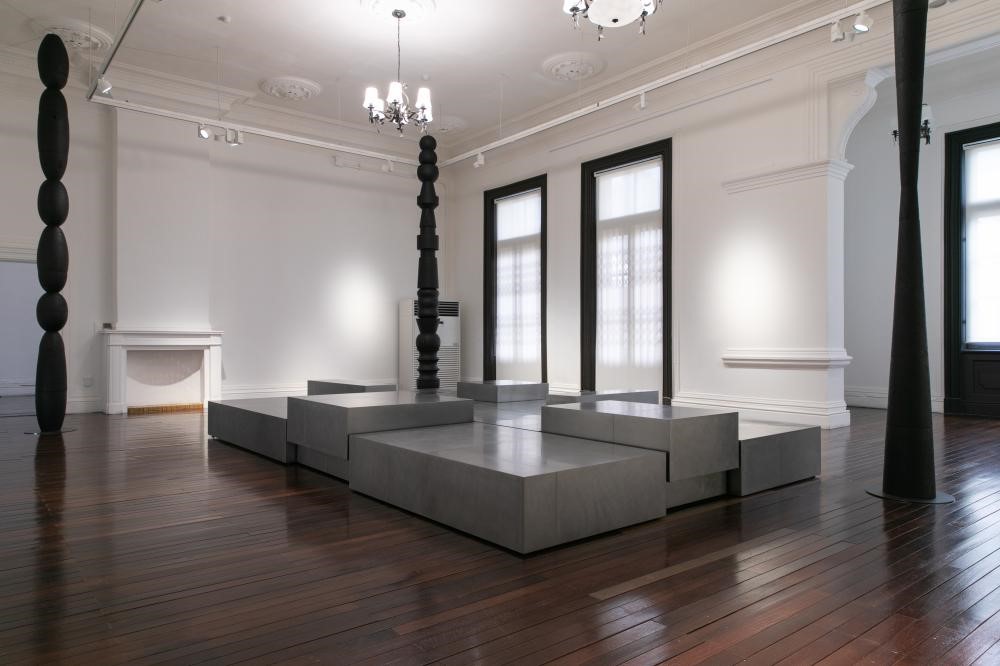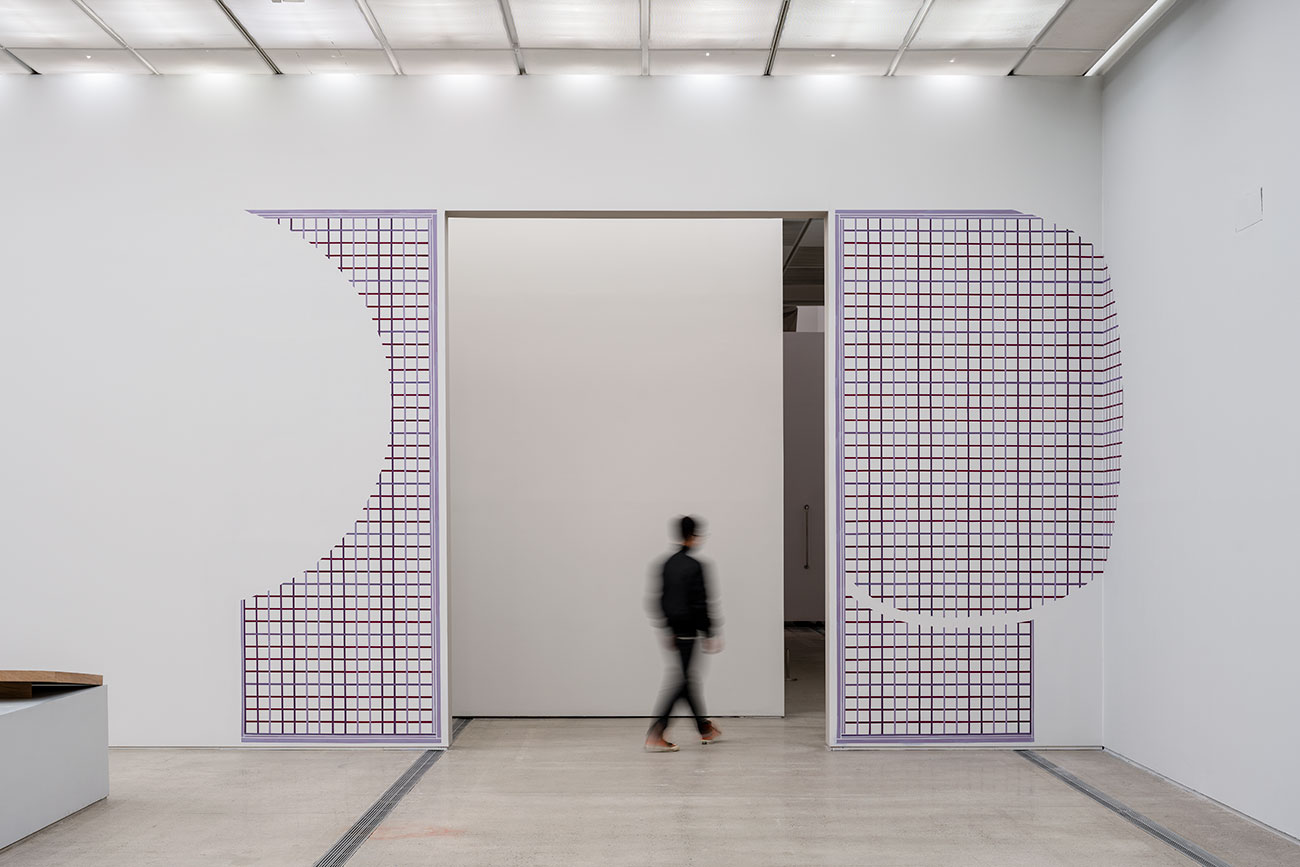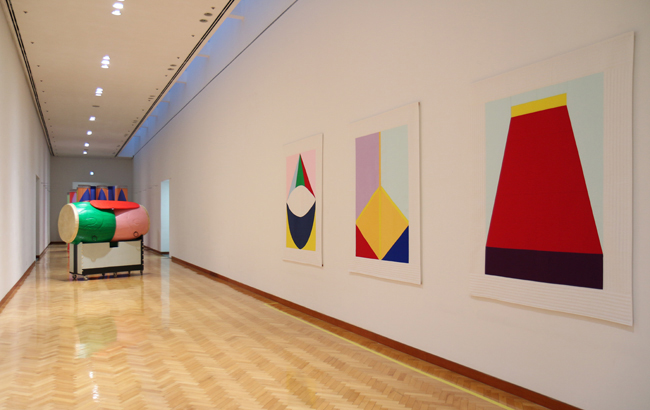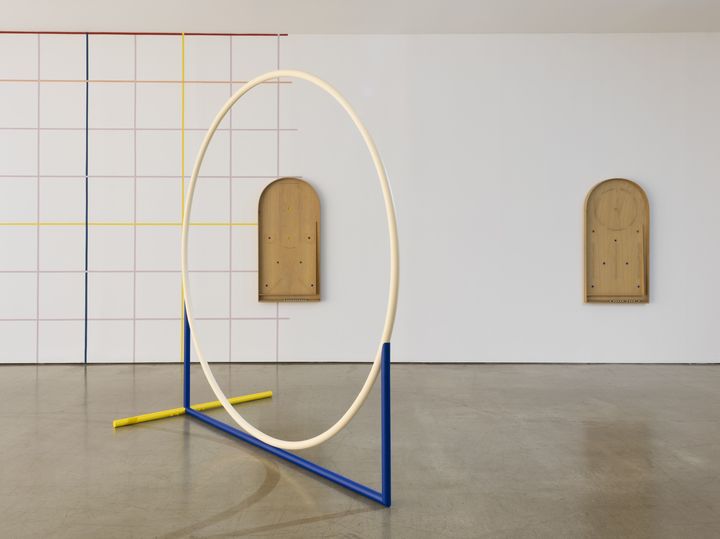
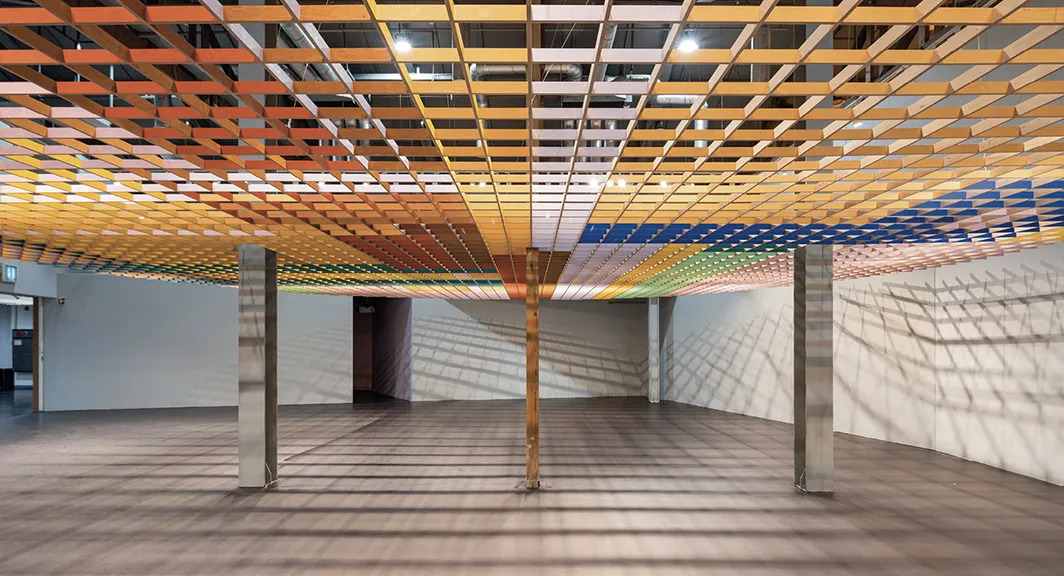
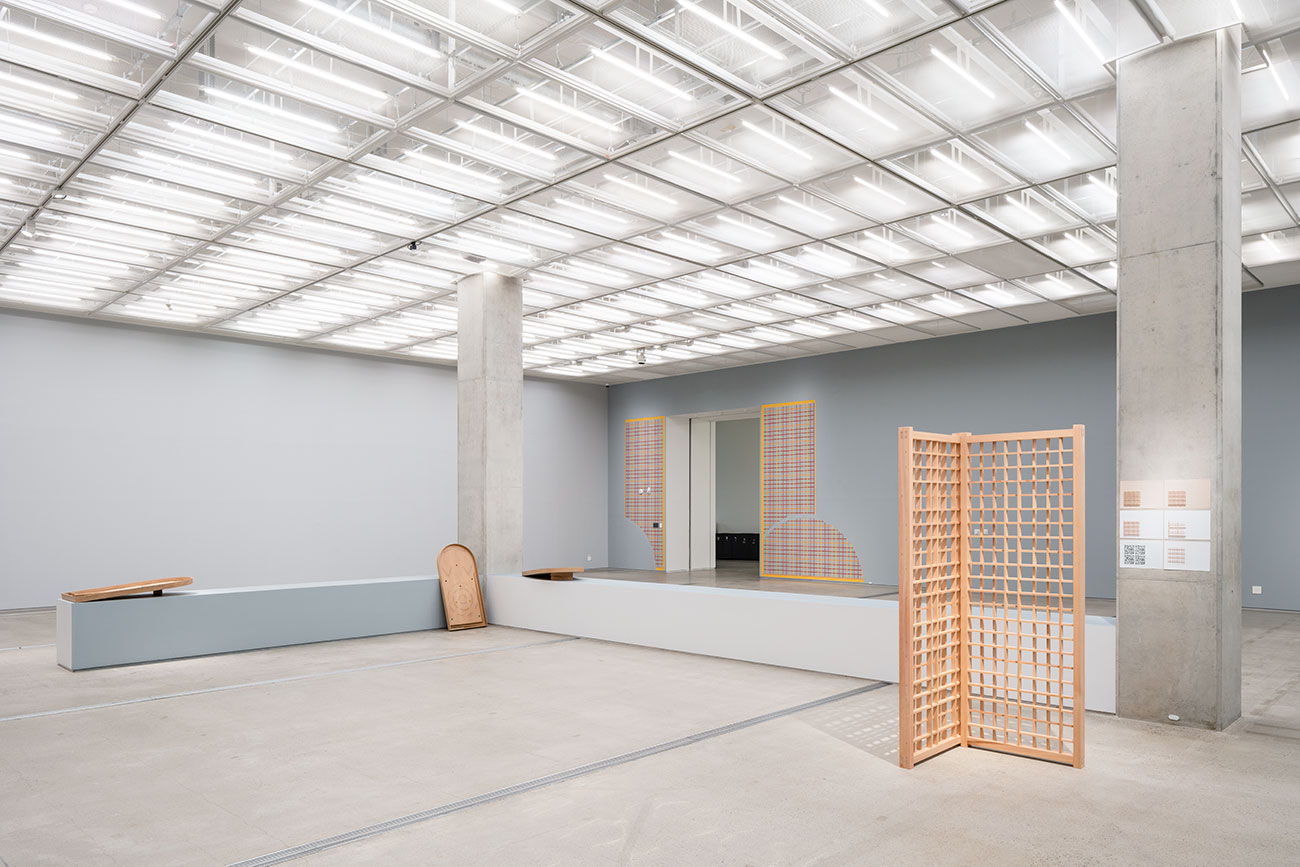
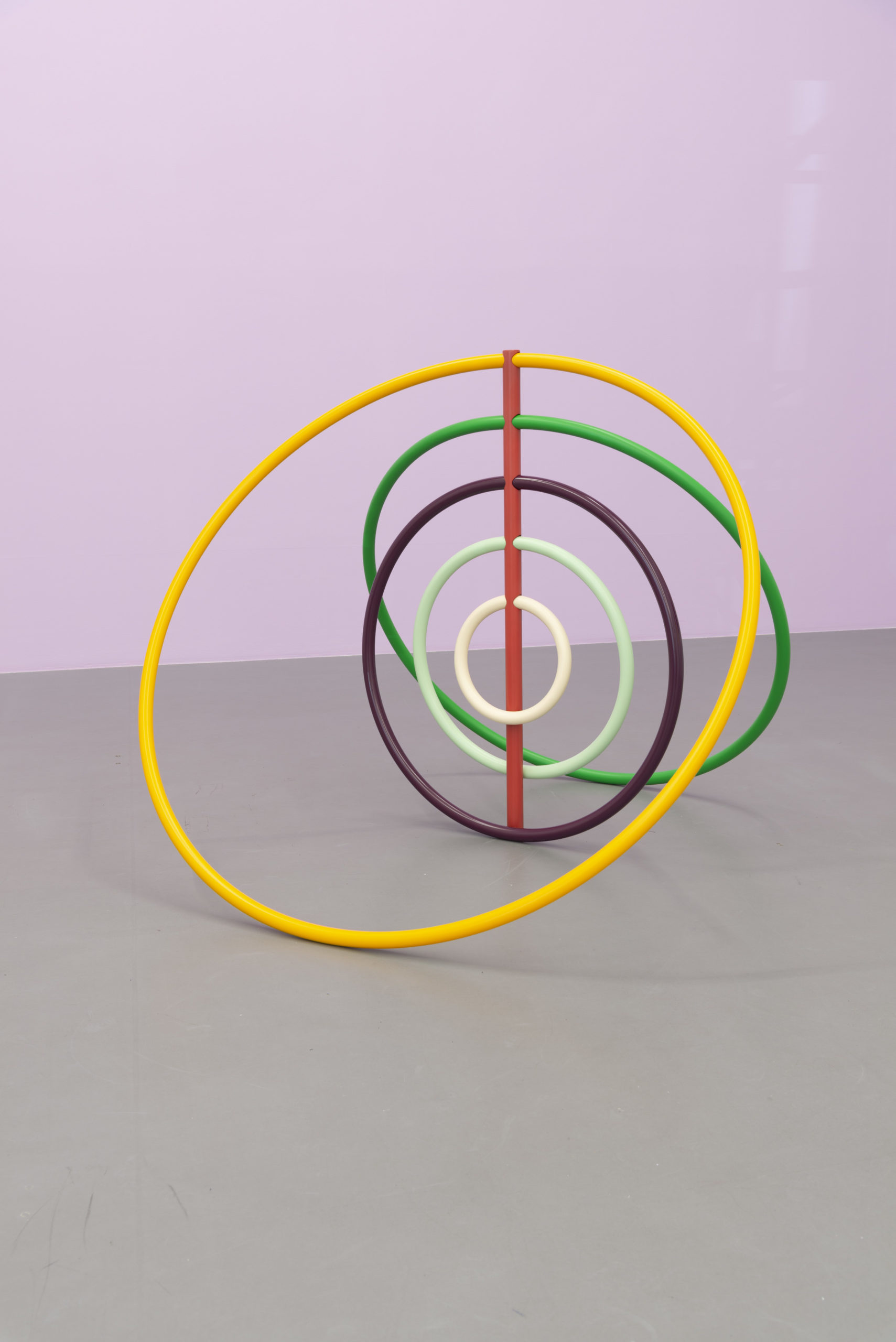
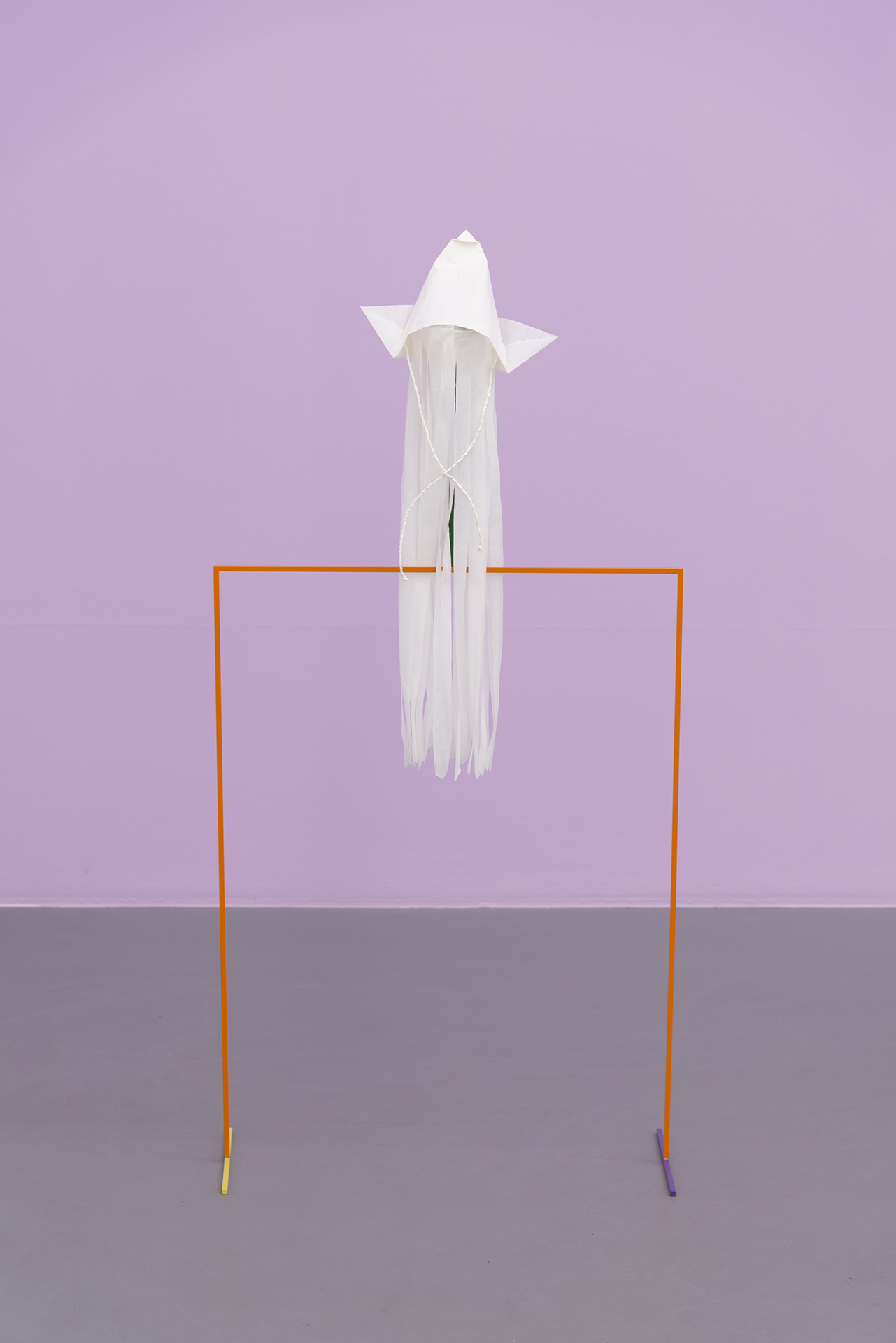
Installation view of 《SAMSAM》 © Gallery Hyundai

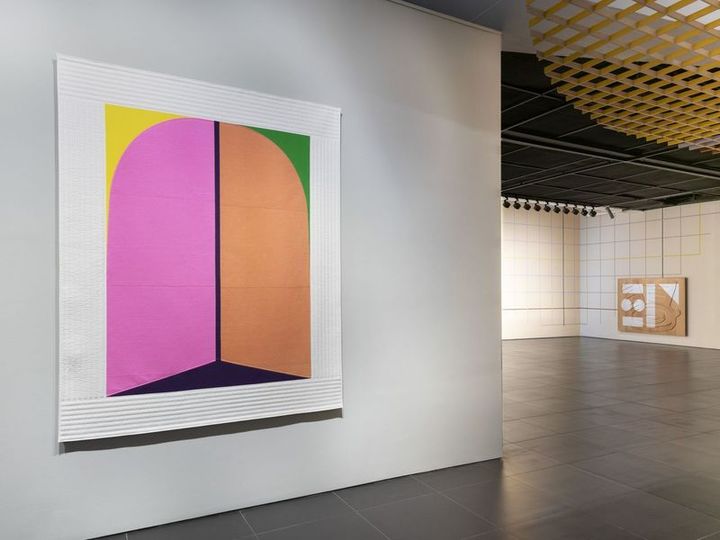
Even a blanket becomes an artwork once it is hung in an exhibition space.

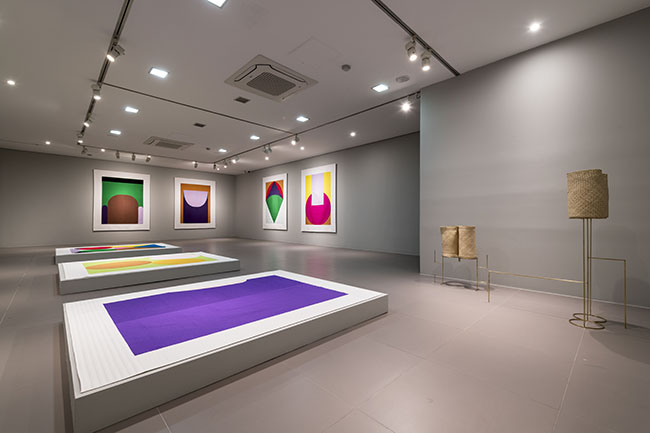
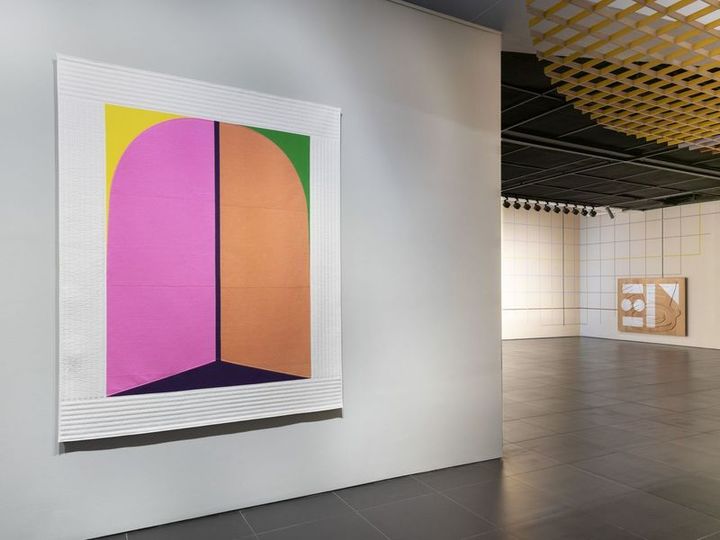
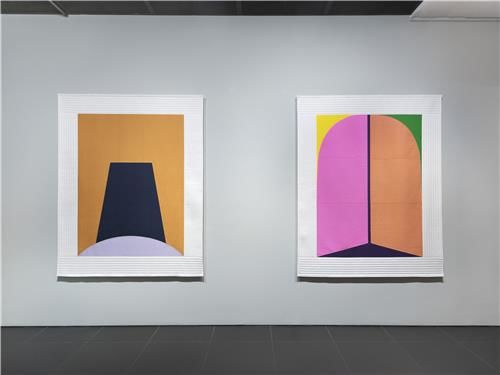
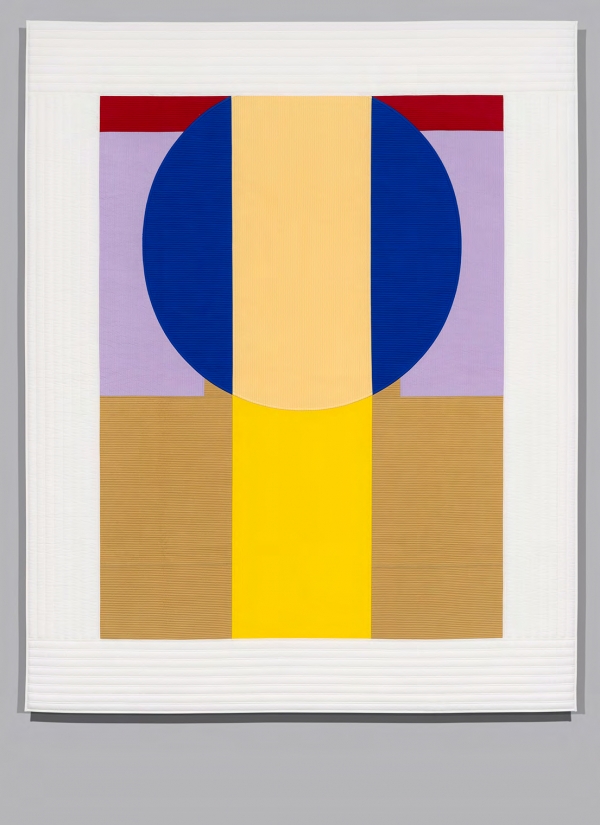
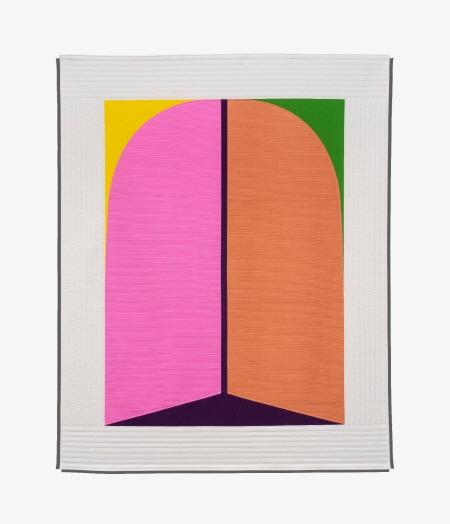
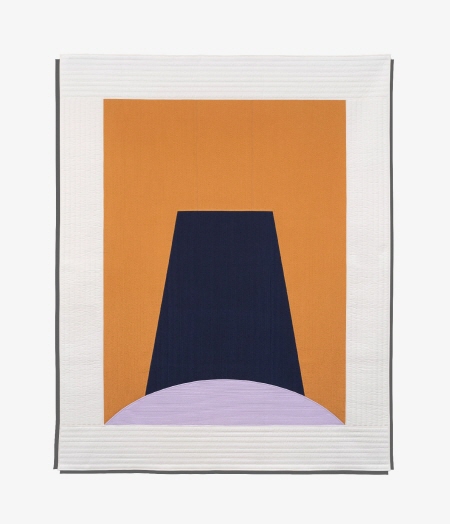
Seulgi Lee’s ‘Blanket Project: U’, created in collaboration with master artisans of Tongyeong quilt-making (nubi), is a clever work that adopts the concept that “everything in everyday life can be contemporary art.”

After graduating from the École nationale supérieure des Beaux-Arts in Paris, the artist—who has been based in France—began working with blankets one day in 2015. The idea arose when her attempt to gift a traditional nubi blanket to a French friend fell through. As such blankets were no longer produced in Korea and could not be found, she decided to make one herself, marking the beginning of her unprecedented “blanket works.”


Installation view of 《SAMSAM》 © Gallery Hyundai

The transformation of blankets into artworks stems from the artist’s distinctive perspective and imagination. Having lived in France since 1992, she developed an interest as an outsider in the folk elements and everyday objects of various cultures. She has explored language barriers through geometric patterns and created sculptures and installations in which vivid colors bring together tradition and modernity.

Her solo exhibition in Seoul, held for the first time in six years, once again showcases her playful wit and imaginative sensibility.

The blanket works and the new ‘BIANE Hanging Board Project’ presented on the 27th at Gallery Hyundai in Samcheong-dong, Seoul, are as light yet inventive as the exhibition title ‘SAMSAM.’


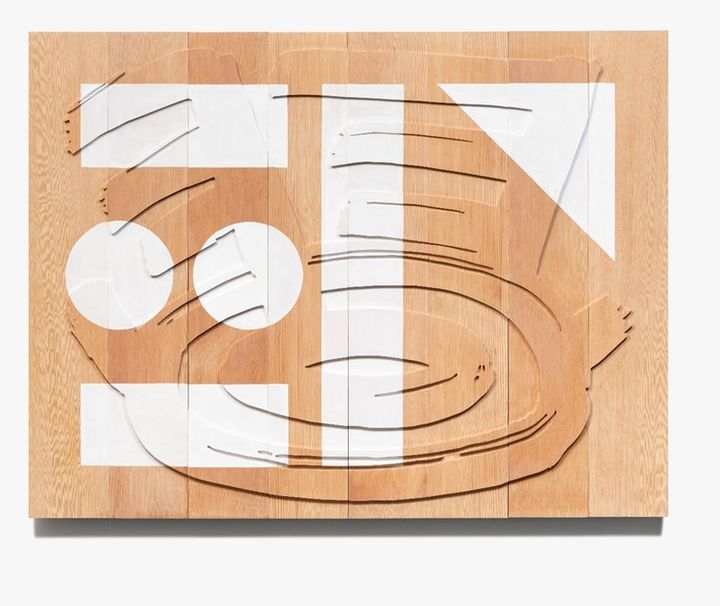
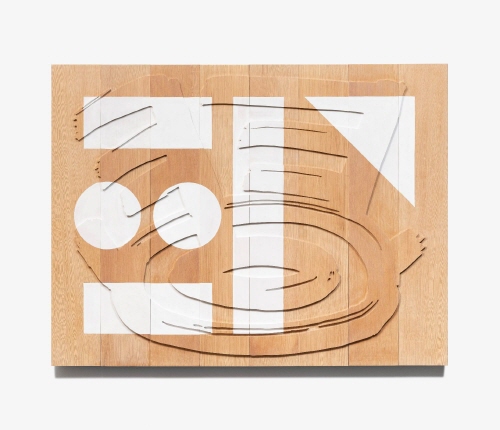
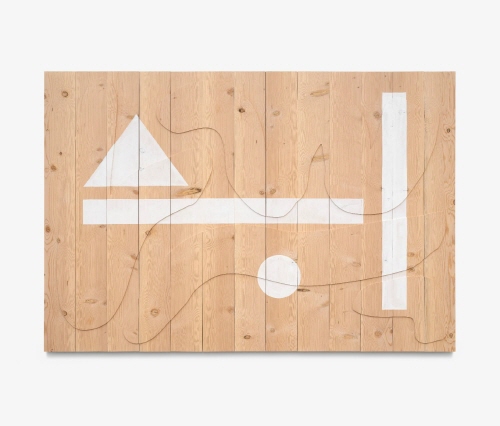
Seulgi Lee, Kkoung Kkoung BIANE Hanging Board Project, 2024 © Seulgi Lee

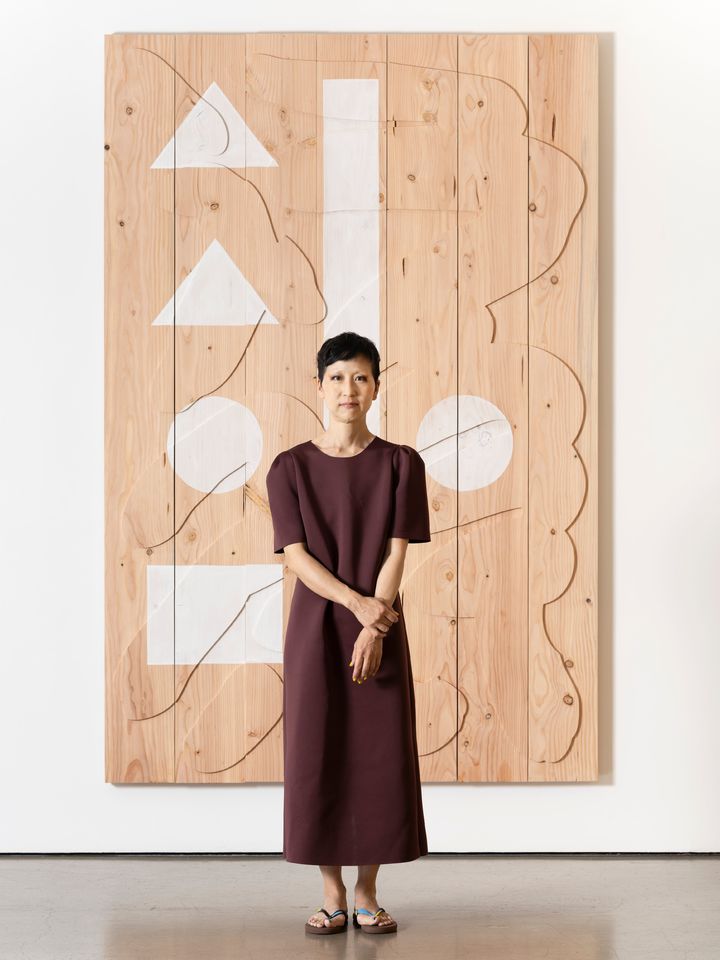
The ‘BIANE Hanging Board Project’ reveals increasing ingenuity the longer one looks. She sheds the weight of traditional signboards—once inscribed with authoritative names—and instead presents a refined reinterpretation. On red pine wood, she writes words such as “bushishi,” “seuleuleuk,” “deok,” “swi,” and “kkoung kkoung” in white dancheong. Inspired by the signboard of Daehanmun Gate at Deoksugung Palace, the artist began to explore what primordial words might have been.

By engraving onomatopoeic and mimetic words onto wooden planks, she humorously visualizes the connection between the meaning of words and their forms. Conceived during a several-month stay in Korea, the work is refreshing in that it breaks away from the conventional, old-fashioned perception of signboards.

The artist explained, “Korean onomatopoeia is highly graphic. Words like ‘kkoung kkoung,’ ‘kwang kwang,’ and ‘kkung kkung’ all generate ‘samsam’ scenes.”


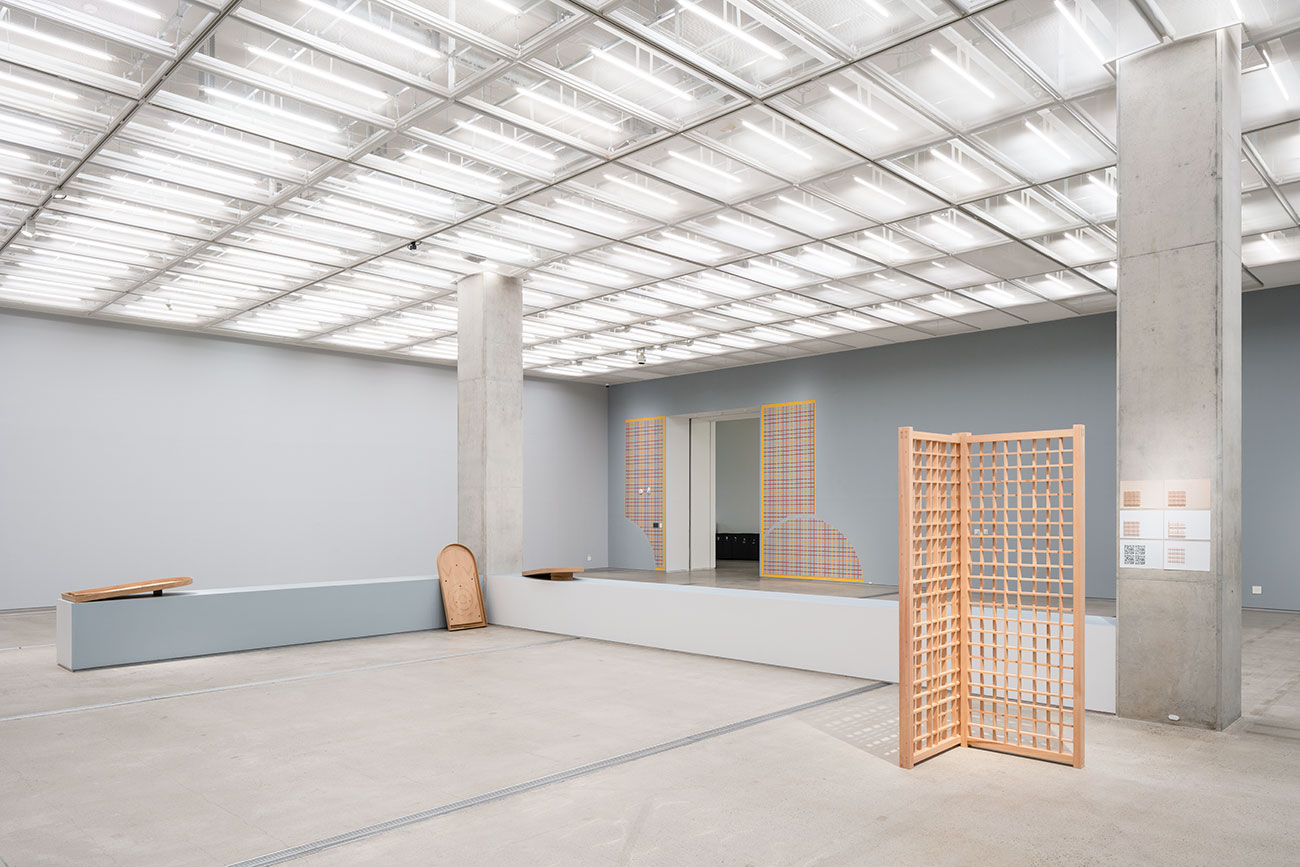
Installation view of 《SAMSAM》 © Gallery Hyundai

For this exhibition, Seulgi Lee emphasizes “holes” as a key concept. “I imagined a scene where the glow of sunset seeps into the exhibition space through virtual holes.”

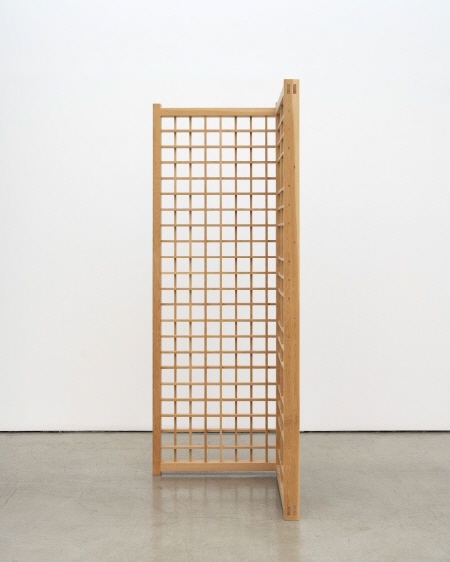
The “holes” the artist refers to encompass various forms and meanings: from the large opening created by a door connecting inside and outside, to the small apertures naturally formed within the lattice of wooden window frames, and even the gaps between woven ramie dancheong on the gallery walls. The apricot-colored paint applied throughout the space also functions as a kind of hole, transmitting the light of sunset into the white cube.

Through the ‘BIANE Hanging Board Project,’ she expands her ongoing exploration of the theme of the “door,” which she has been pursuing since 2019. The door suggests three spaces—“a place to enter,” “a place to exit,” and “the place where we are now”—opening up the possibility of understanding and interpreting a single event from different perspectives.

All the works are fluid and ever-changing. They shift and are interpreted differently depending on the viewer’s position, gaze, and emotions. Seulgi Lee’s exhibition evokes a ‘Rashomon effect,’ presenting, with a sense of innocence, how differing perspectives can alter the essence of an object.

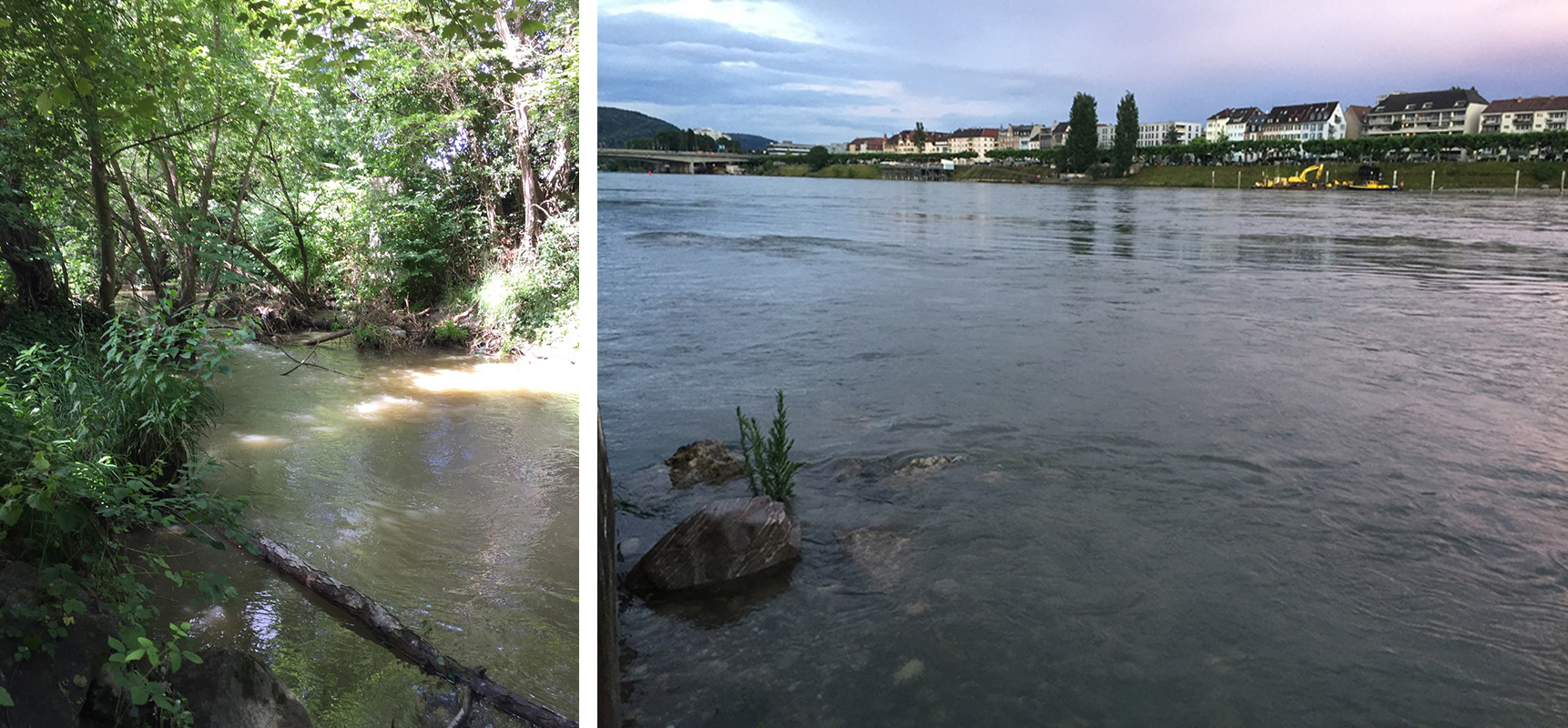
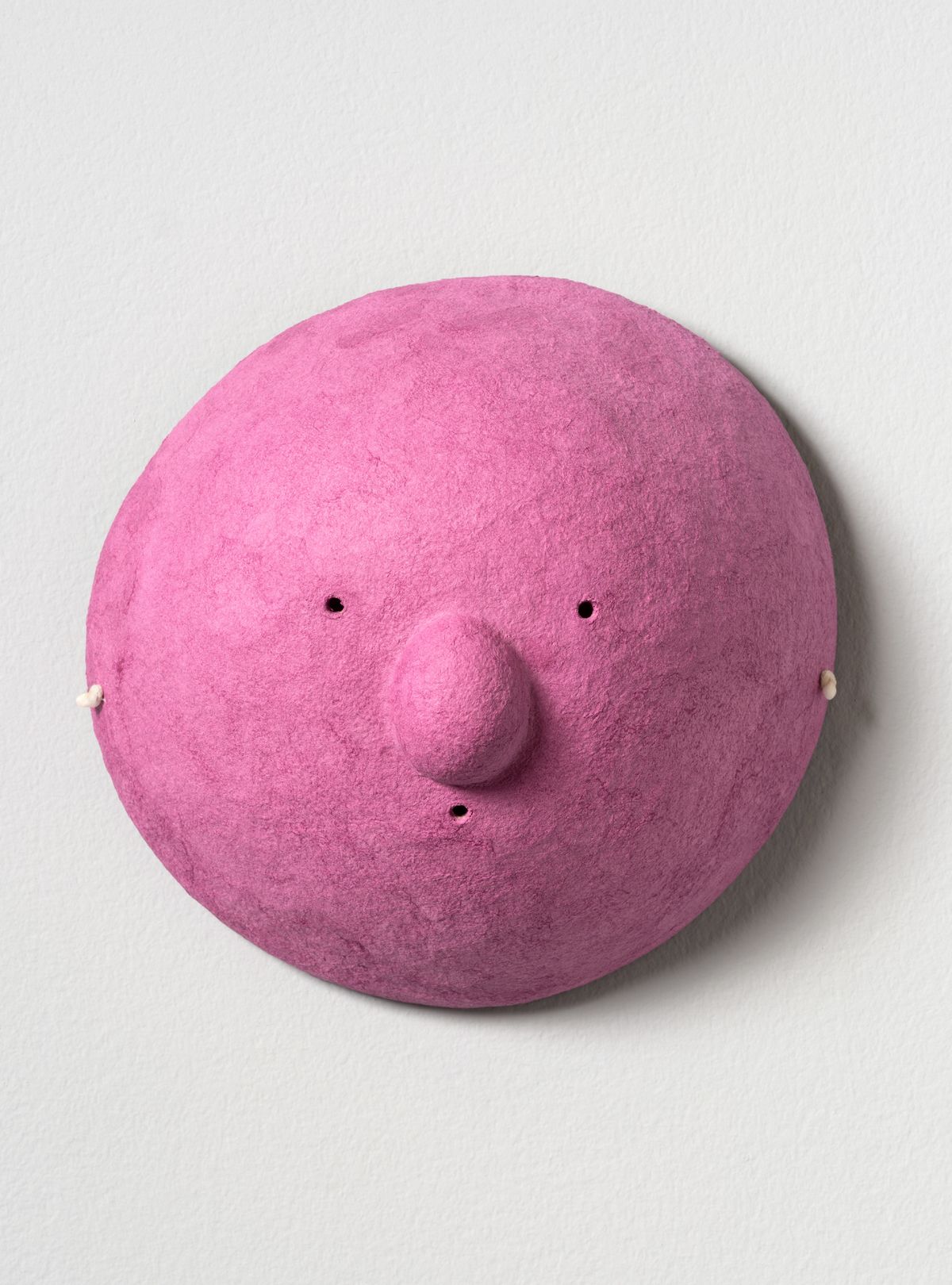
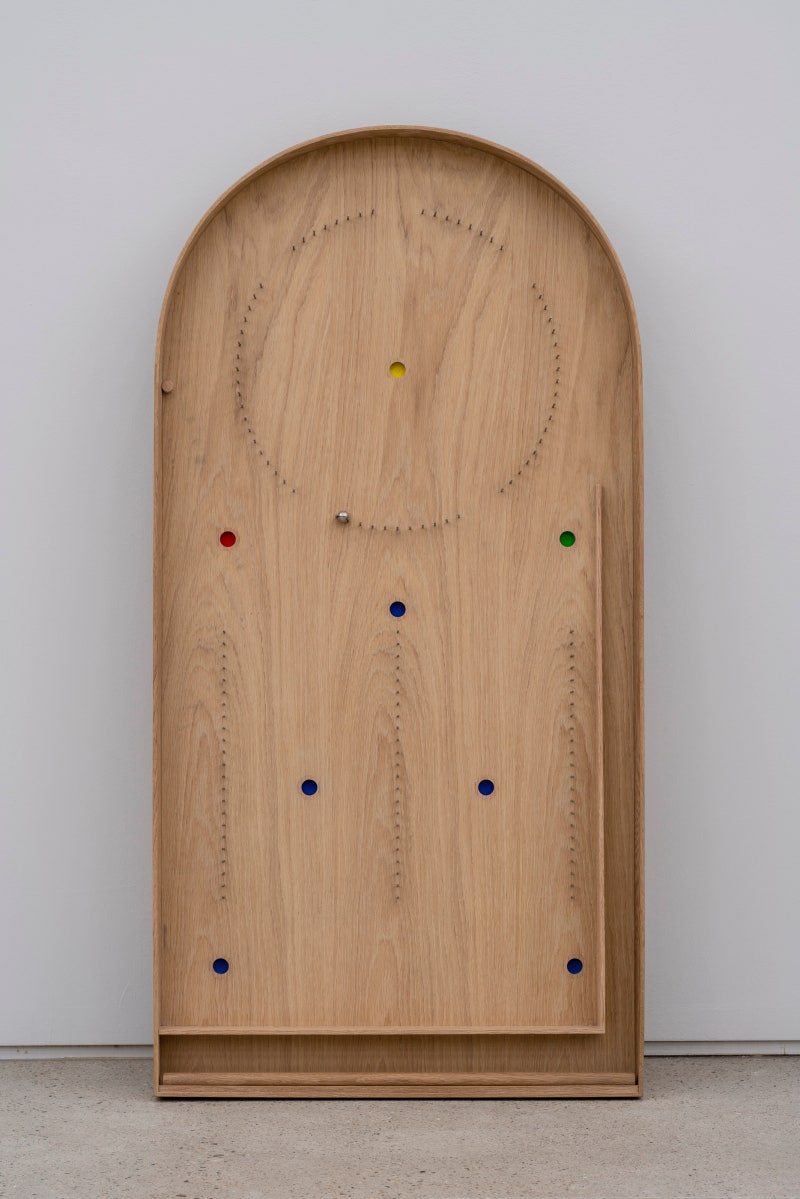
The exhibition features around 30 works, including the ‘BIANE Hanging Board Project,’ Hongsong, Mosi Dancheong, Kundari, and Bagatelle, as well as the collaborative ‘Blanket Project: U’ with nubi artisans, and Han 1, 2, 3, in which the artist directly collected water from the Han River into glass bowls. The exhibition runs through August 4.


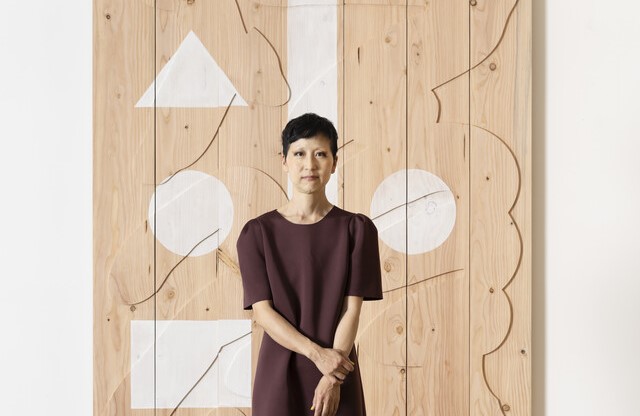
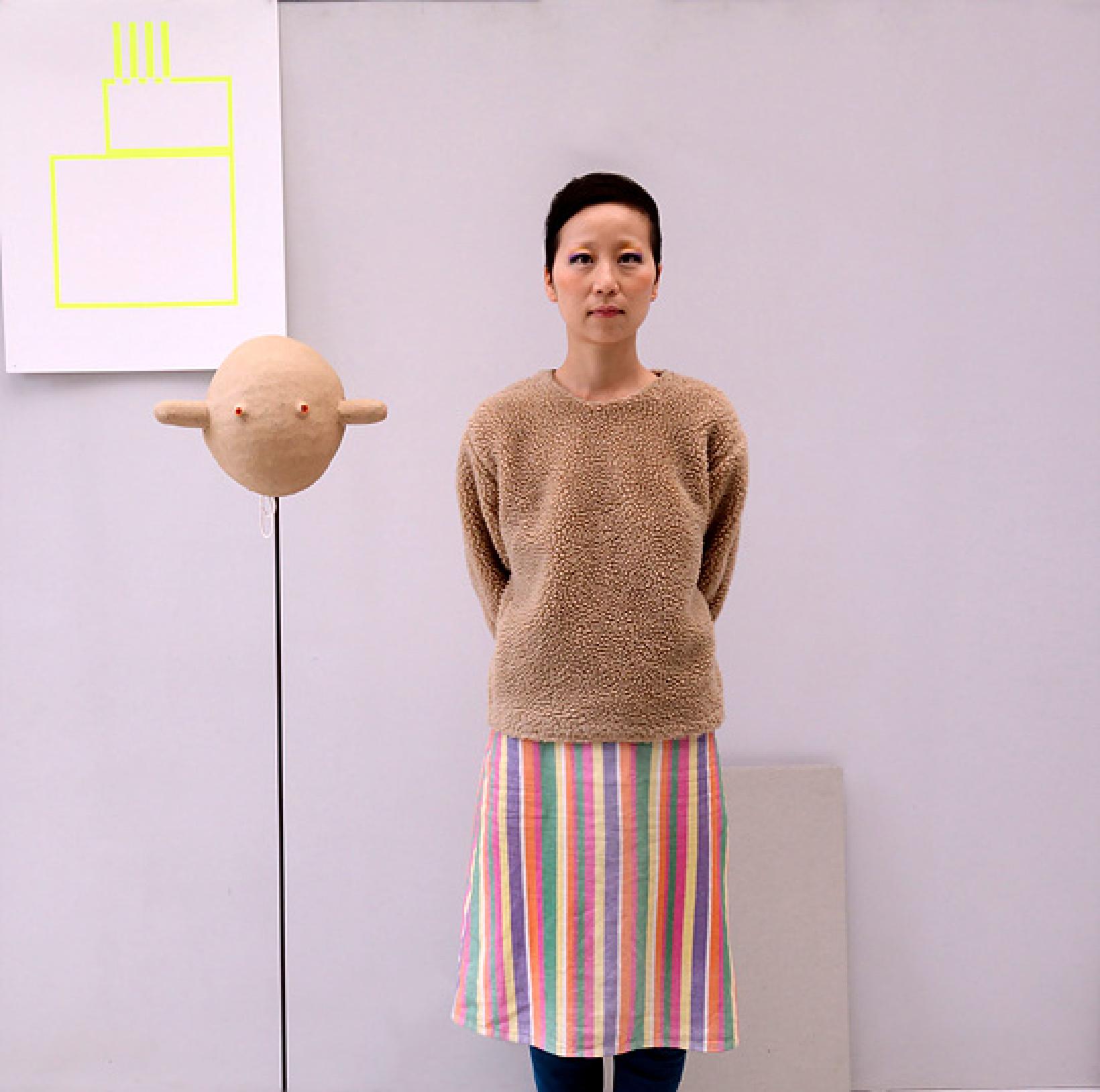
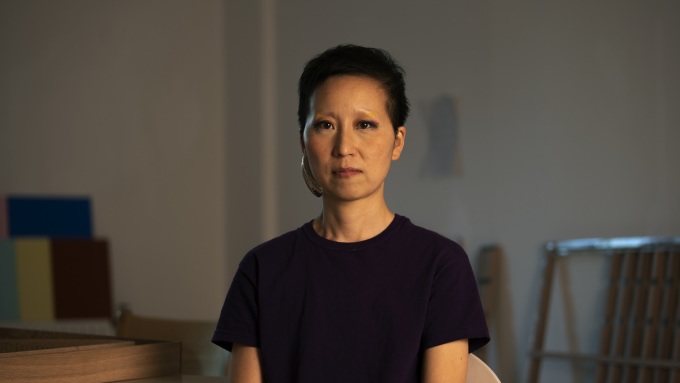
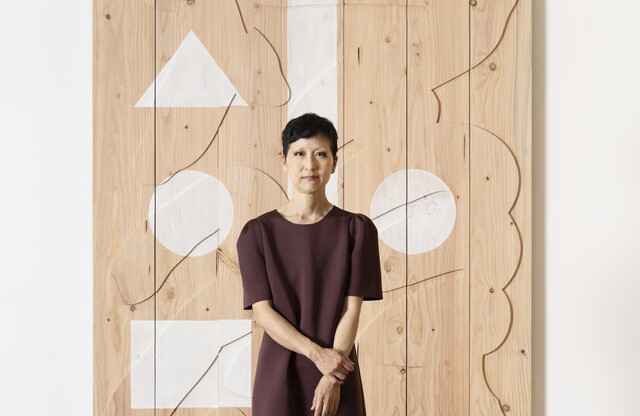
The Artist © Seulgi Lee
References