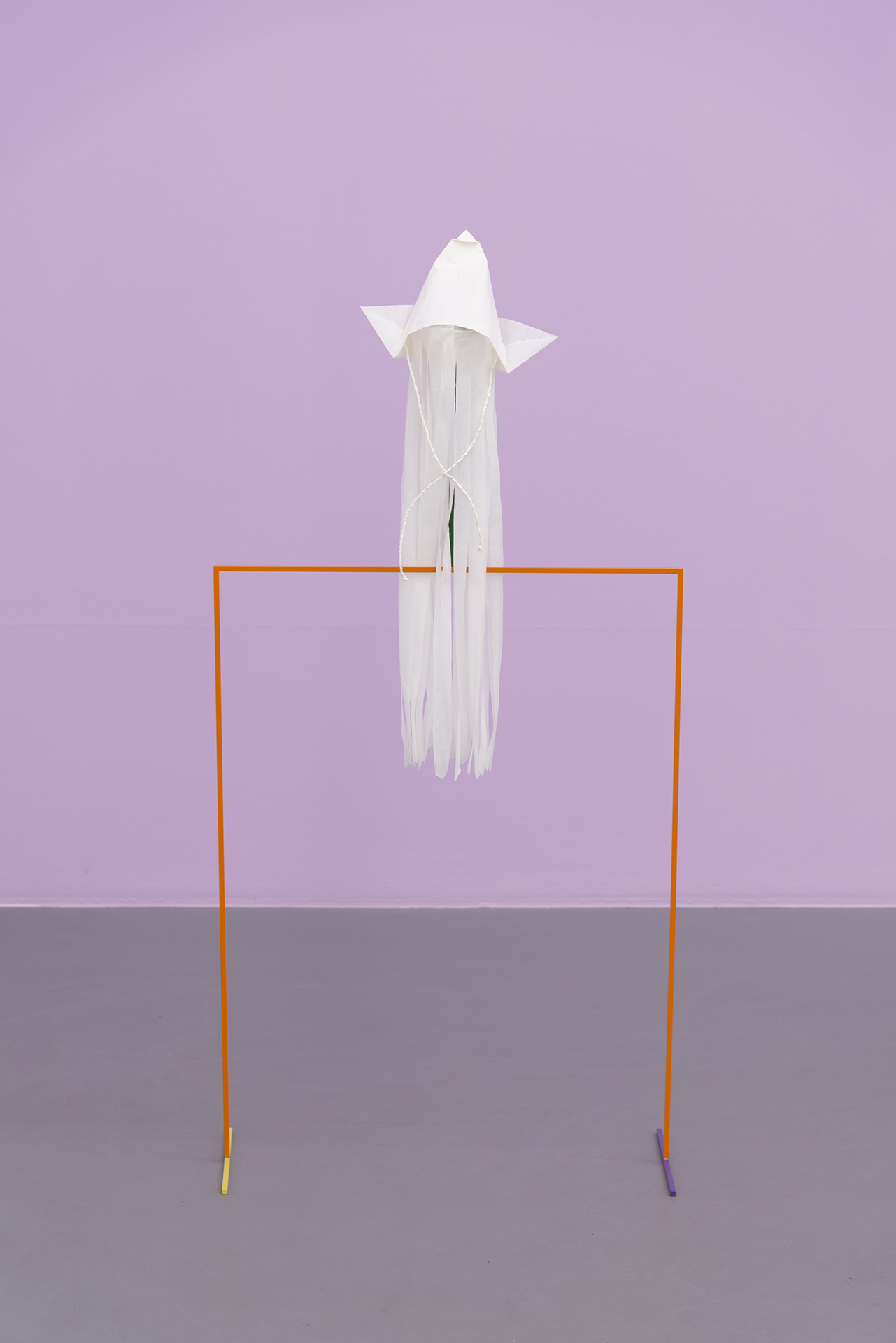
France, 2001

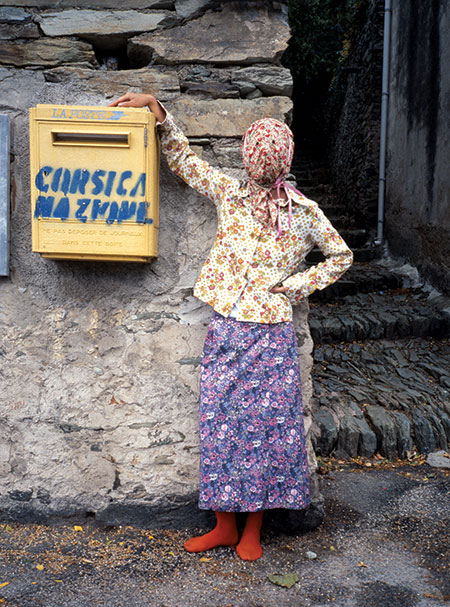
After graduating from high school in February 1992, Seulgi Lee left for Paris, France, to study abroad. She graduated from the École Nationale Supérieure des Beaux-Arts in Paris in 2000. The following year, in April 2001, she performed a piece on the island of Corsica, supported by Palais de Tokyo. The performance was inspired by the fact that Afghan women wear the burqa, one of the most restrictive forms of Islamic dress, covering the body from head to toe. Since there is no clear religious basis for the claim that “women must wear a burqa that covers even the eyes,” it is often prohibited in many Muslim countries.

It is most commonly worn by women in Afghanistan under Taliban control. Seulgi Lee walked throughout Corsica with her eyes and entire face covered in vividly colored, patterned fabrics. Whenever passersby asked who she was, the artist would say that she was an Afghan woman. Considering that the U.S.–Afghanistan War began later that same year following the September 11 attacks in New York, this act can be understood as both dangerous and daring.

Throughout 2001, Seulgi Lee operated the Paris Project Room on Rue Dreshkier in Paris together with her partner, Simon Boudvin. They created a fictional (middle-aged) male director named Marcel Wallace, and the space functioned as a collaborative platform for young artists as well as an experimental exhibition venue, presenting a new exhibition each week.

On Friday evenings, rather than the small 17×4㎡ interior exhibition space, the street outside would become more crowded with young artists engaging in conversation. From the very beginning, rather than positioning herself as an outsider in the Paris art scene, Seulgi Lee acted as an activist, introducing young artists who had just graduated from art school and had limited opportunities to exhibit.


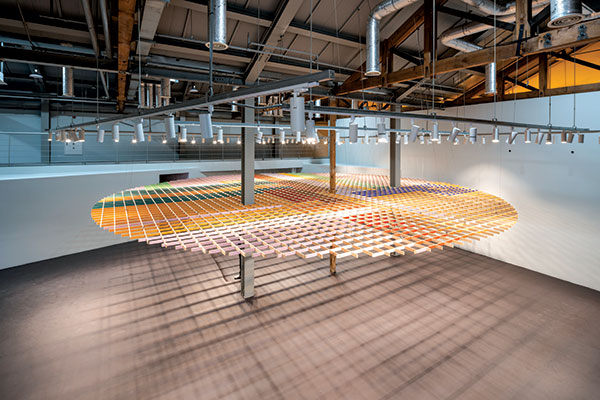
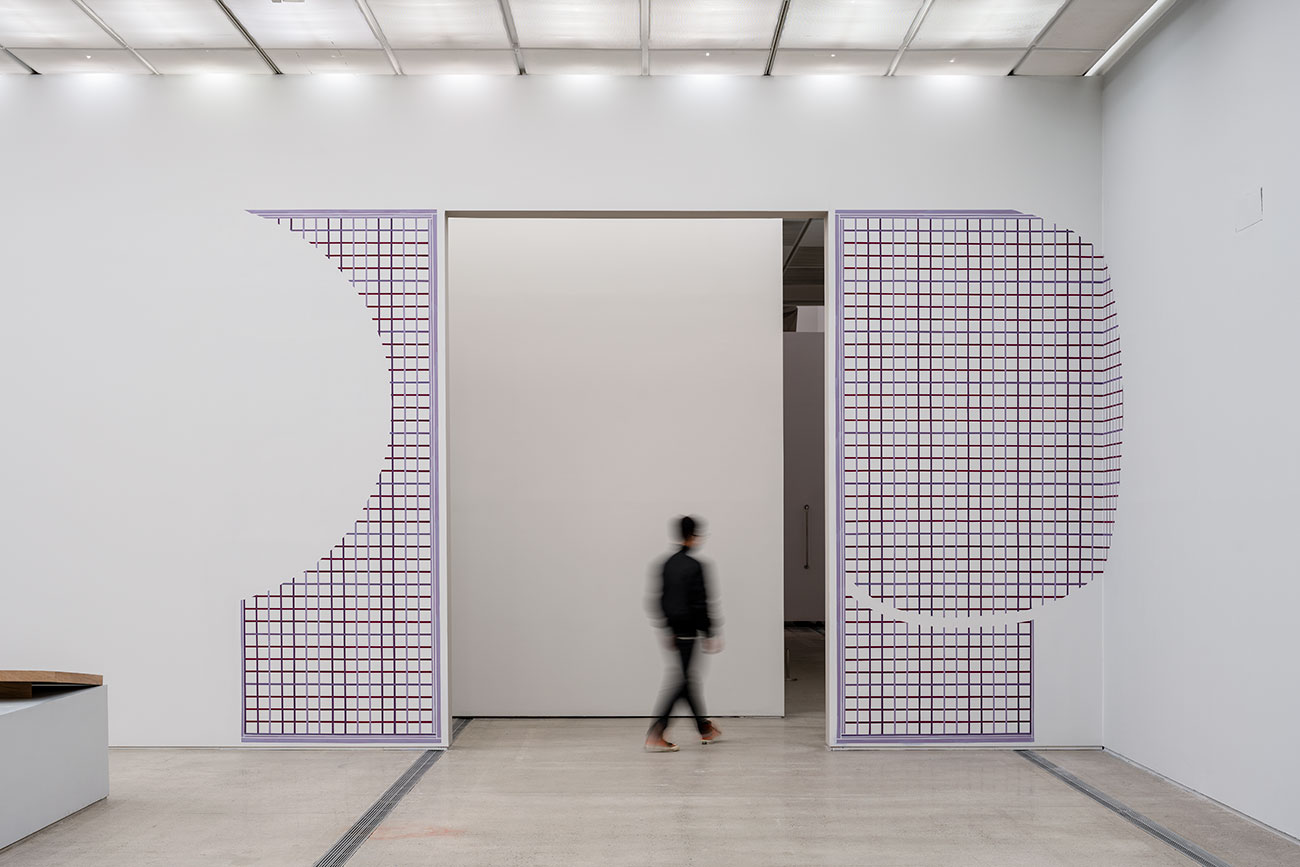
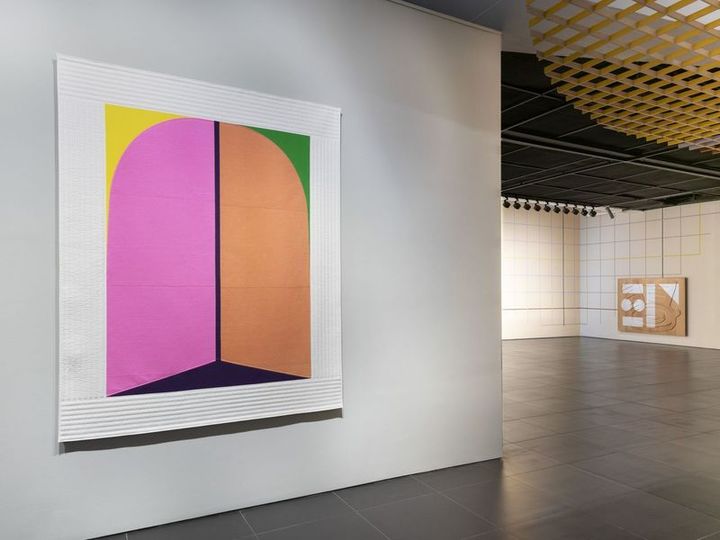
Installation view of 《SLOW WATER》 © Incheon Art Platform

Informal Economy and Strike

The values pursued by the artist are embodied in her 2004 solo exhibition 《Informal Economy_Informal Economy - Seulgi Lee Solo Exhibition》 at Ssamzie Space. The informal economy refers to economic activities that are not included within the officially recognized economy acknowledged by the government. Such activities operate outside formal accounting systems and are therefore not reflected in Gross National Product (GNP) statistics. A representative example of informal economic activity is the labor performed by women within the household. It is impossible to assign a uniform monetary value to domestic labor, and the boundary between home and workplace remains ambiguous.

In the exhibition, Seulgi Lee positions herself as a participant in the “informal economy,” reflecting on how to sustain both her livelihood and artistic production. She grapples with the precarious balance between formal economic activity—monetary compensation—and informal economic activity—art-making—while considering ways to sustain her artistic practice.


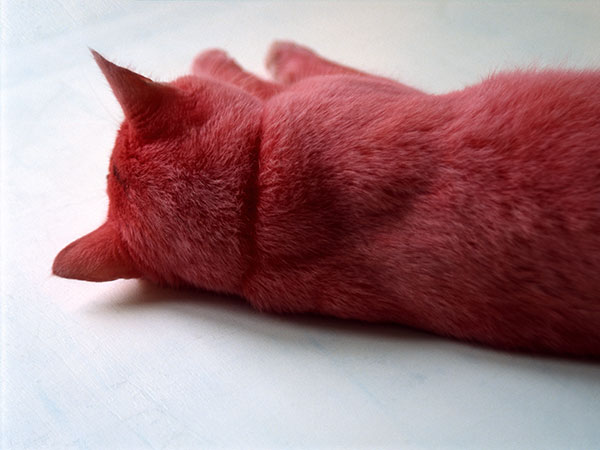
Seulgi Lee, The Red Cat’s Museum Occupation Project, 2005 © Seulgi Lee

The artist sets the temporal framework of this exhibition in a future where environmentalism has already become a myth, presenting works that look back on 2004 from the perspective of the year 2200. Natural Rain Drink (2003) is an installation in which rainwater collected on the rooftop of the seven-story Ssamzie Space building is filtered and made available for visitors to drink in the exhibition space.

A Strike (2003) is a flag work created with middle-aged and elderly women the artist met at senior centers and housewives’ gatherings, featuring the word “grève” (French for “strike”) embroidered onto fabric. It was produced through solidarity with those engaged in informal economic activities, and the artist stated her intention to lend the flag whenever there are protest strikes opposing unpaid domestic labor.

In Gobelet (2007), Seulgi Lee presents a disposable paper cup fitted with a motorized straw device, placed on a plastic fast-food tray. Positioned at the center of the exhibition space, the cup becomes a fountain that continuously expels a transparent liquid through the straw. The artist suggests that the paper cup—destined for single use and disposal—refuses the labor assigned to it and is “on strike.”


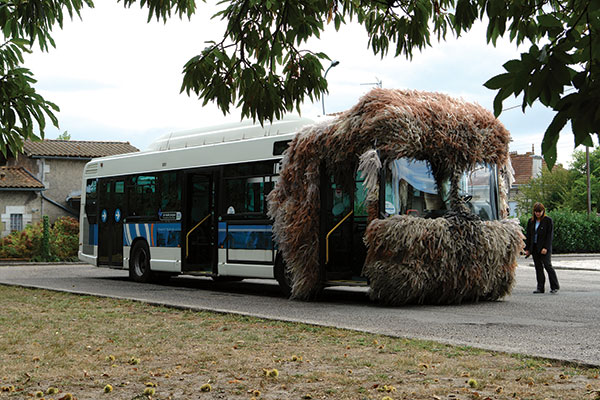
Seulgi Lee, IDO, 2009, Fabric, aluminium, webbing, public bus and driver © Seulgi Lee

The artist produced IDO (2009) in Bordeaux, along the Rhône River in southern France, in collaboration with a close artist colleague. Viewing a city bus as a moving monument in which a temporary community is formed, she covered the front of a bus with a headpiece made of long, dark strands of hair, attached one by one. As the bus moves, the hairpiece flutters in the wind. When someone, startled by the unusual front of the bus, turns to look back, they are met with the completely ordinary rear of the vehicle. Those who experience this moment are left questioning whether what they saw was real. The process of handcrafting IDO with an acquaintance later became a turning point that led the artist to take an interest in the labor of craft artisans.

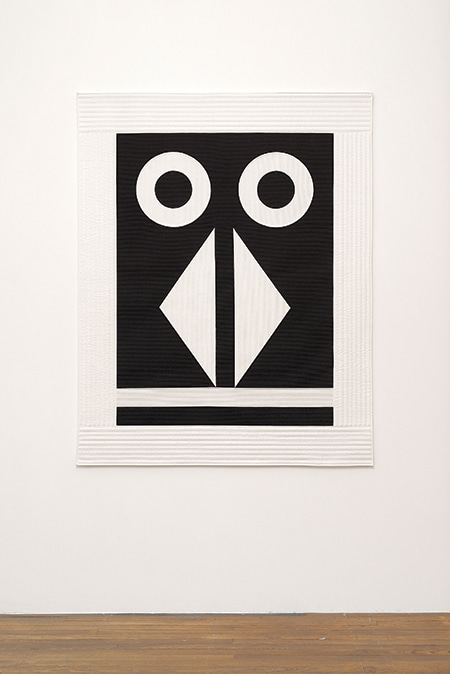
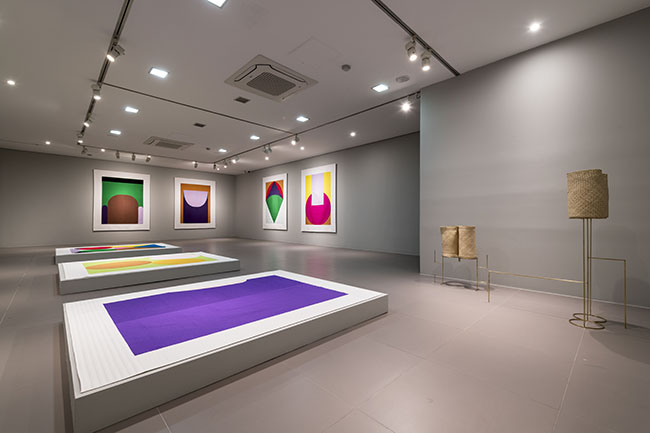
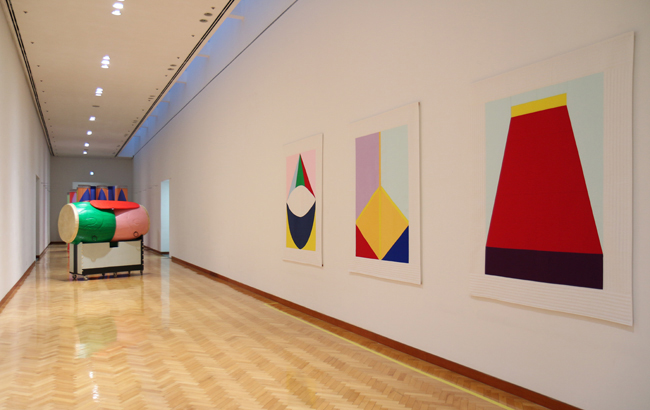
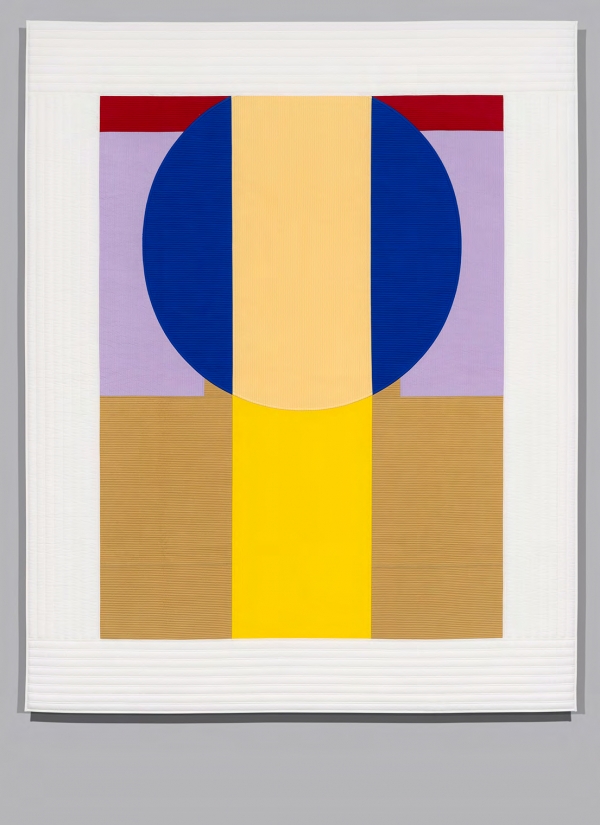
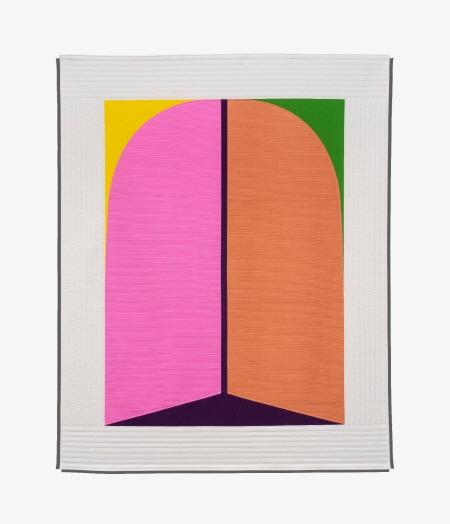
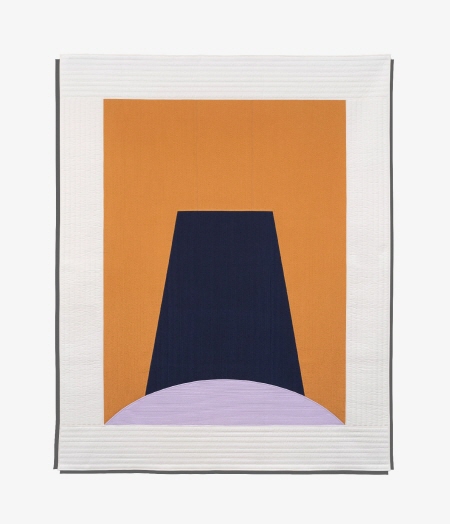
Since 2014, she has initiated ‘Blanket Project: U,’ a collaboration with a Tongyeong nubi (quilt) master with over 30 years of experience. The project becomes a kind of shamanistic sculpture from the perspective of the blanket, posing the question of whether embedding proverbs that carry a sense of community into the deeply personal space of a blanket might influence the dreams of those who sleep under it. The repetitive act of stitching each line of quilting is connected to a sense of wish or devotion, and the work becomes a translation of this delicate and highly skilled process. For example, in Lick the Watermelon. = Rush job., a green oval and a red square are clearly contrasted and separated.


Seulgi Lee, U: Be crushed by a pair of scissors. = Not being able to wake up right after having a nightmare., 2015, Silk, Tong-Yeong Nubi (korean quilt), 195 x 155 x 1 cm © Seulgi Lee

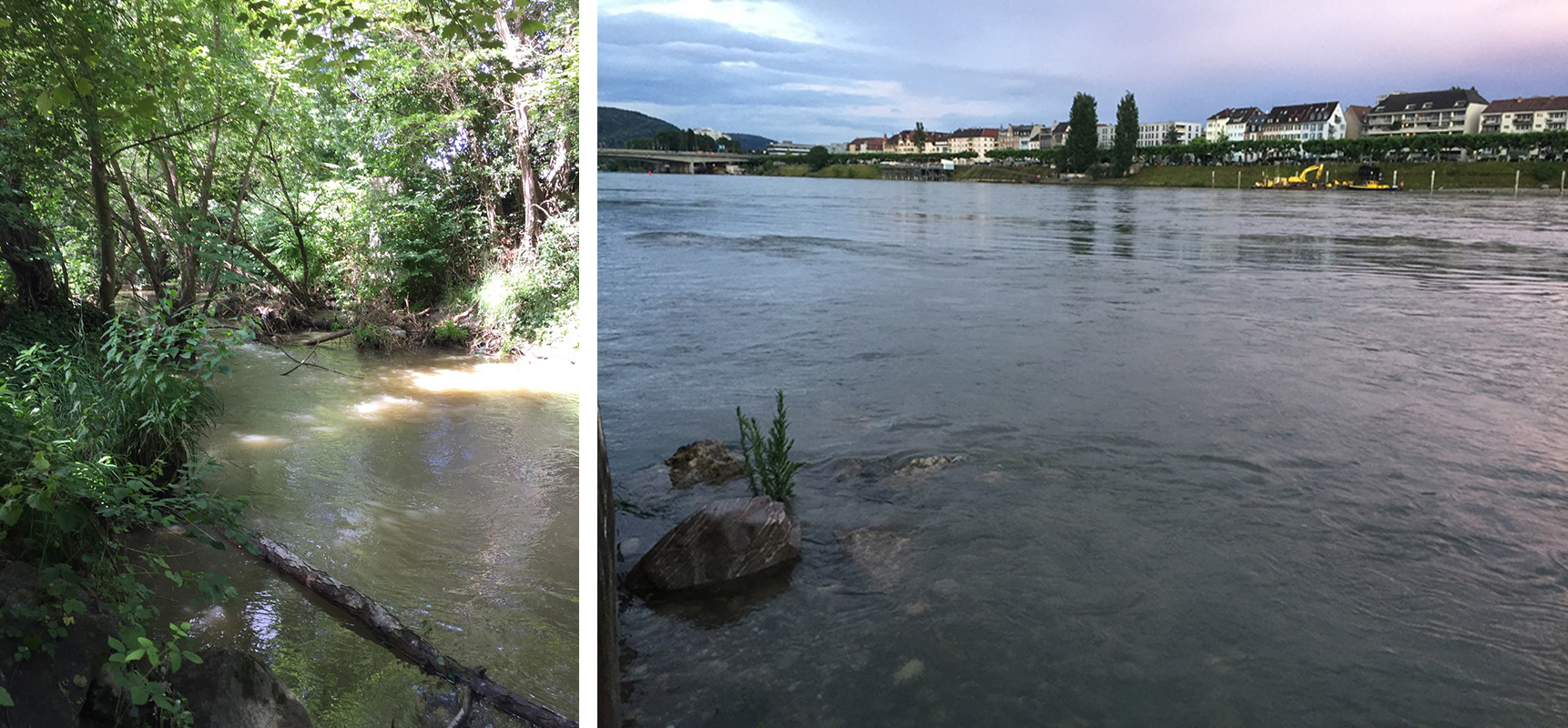
At her 2015 solo exhibition at Mimesis Art Museum, she presented for the first time eleven works from the ‘Blanket Project: U’ series along with a new work, COPROLITHE!. Using approximately five tons of mud collected from the riverside in Paju, where the museum is located, she created five dinosaur excrement forms of roughly human scale—coprolites, or fossilized feces.

While coprolites are serious objects that contain the meaning of time and the history of the earth, allowing us to understand the ecology of animals long extinct, they ultimately retain the present-day humor of being, simply, excrement. “Humor is a means of resistance,” the artist states succinctly. During the exhibition period, COPROLITHE! gradually eroded within the museum, and after the exhibition ended, it was returned to the riverside in Paju, where it reentered nature.

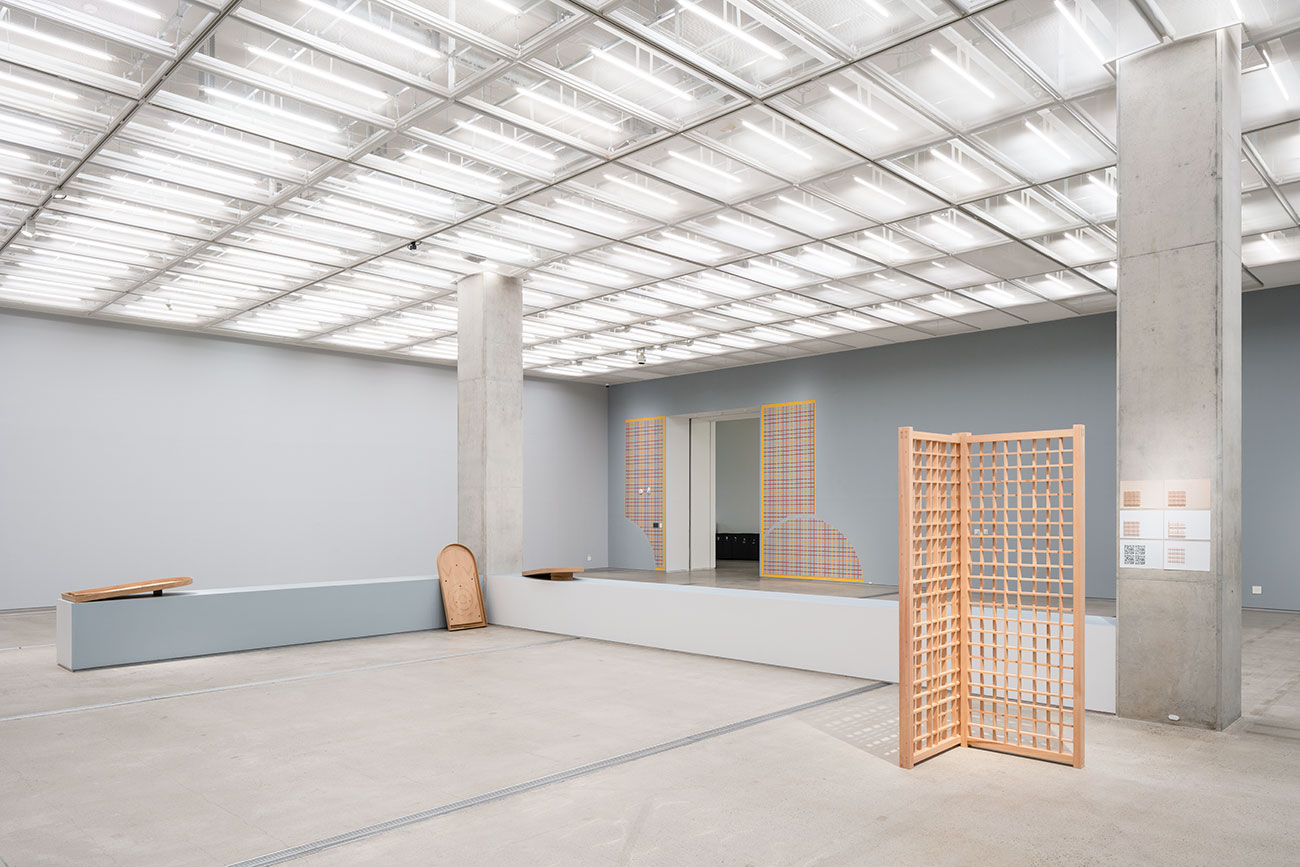
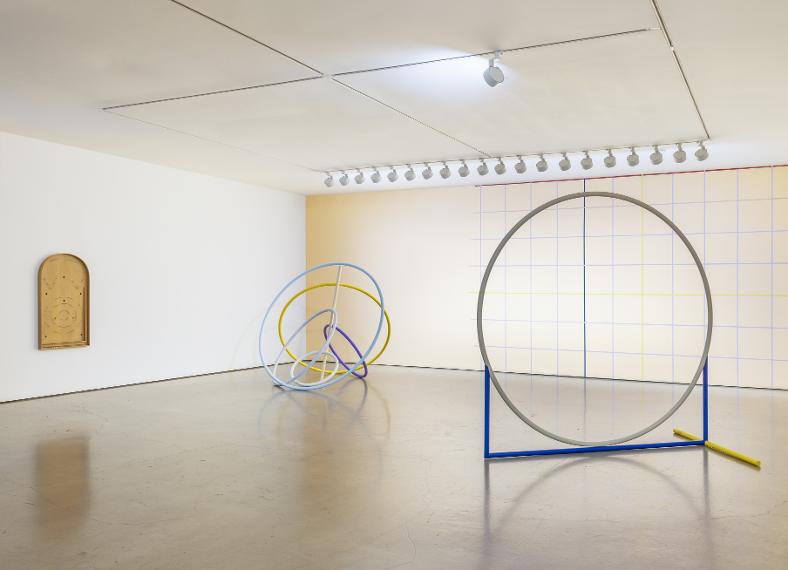
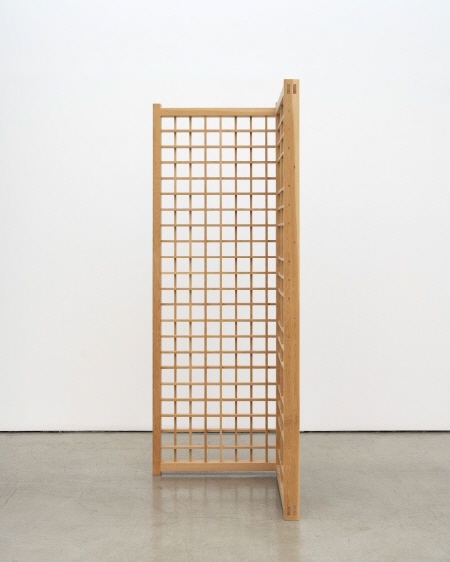
Following this, the artist began collaborations with basket weavers in Burkina Faso in West Africa, artisans in Santa María Ixcatlán in Mexico, and ceramic artisans in northern Morocco. To facilitate these collaborations, she reportedly visited Morocco up to ten times a year. In Moroccan mashrabiya—structures that cannot be understood without being experienced on site—she discovered lattice screens that filter sunlight and allow air to circulate.

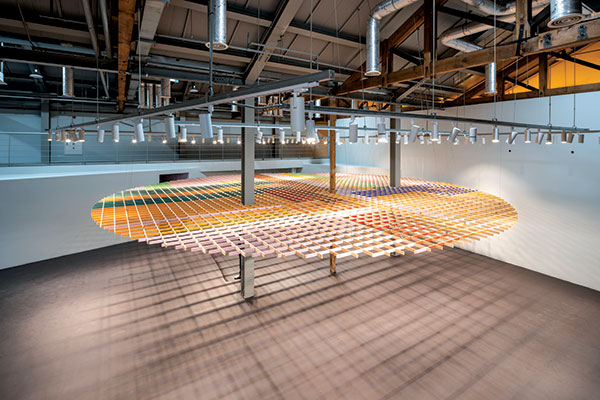
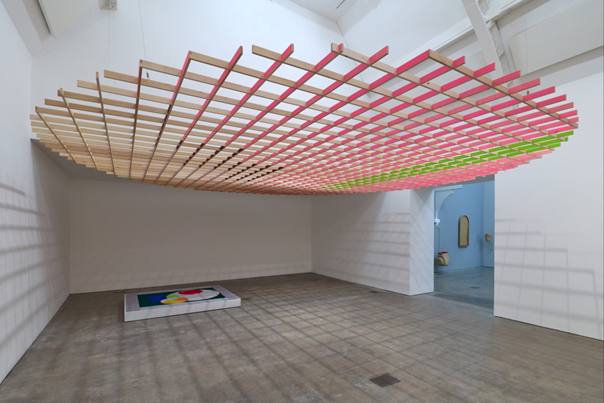
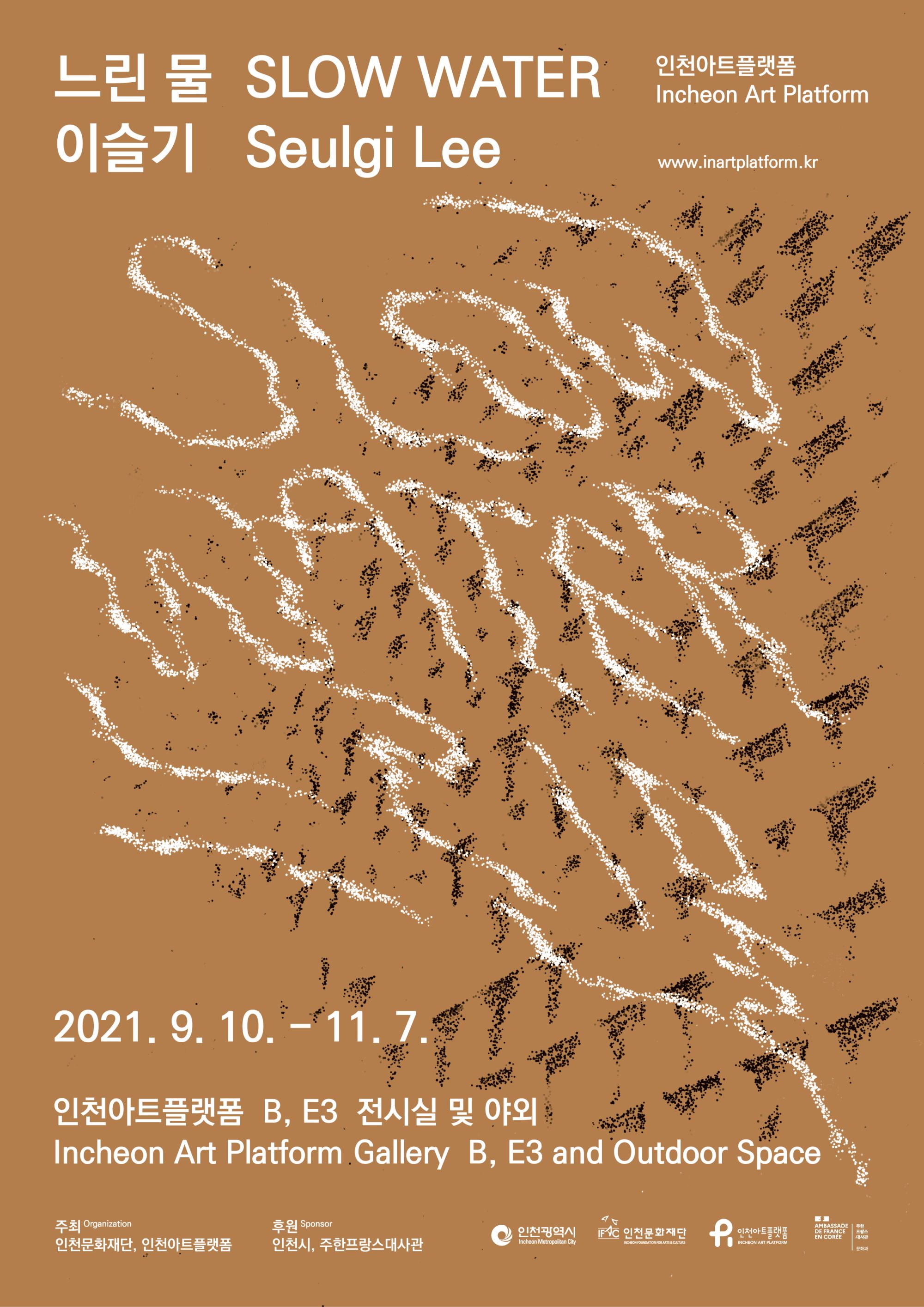
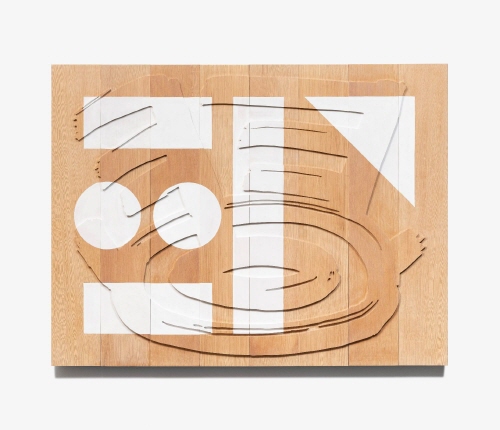
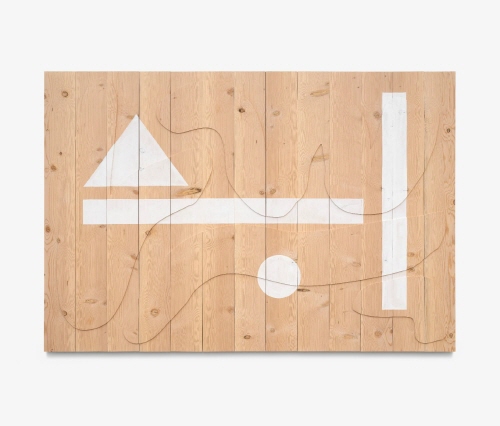
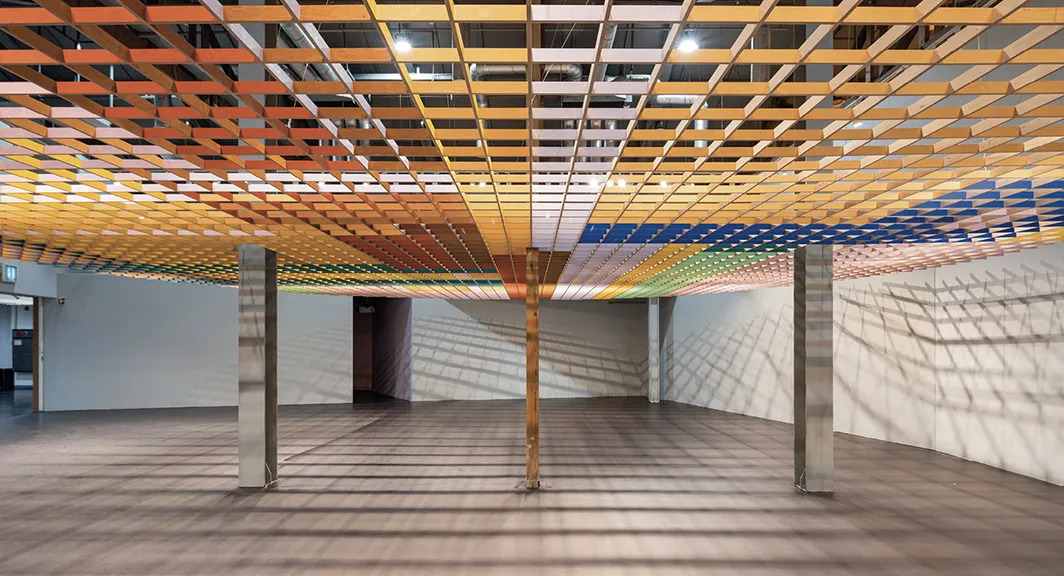
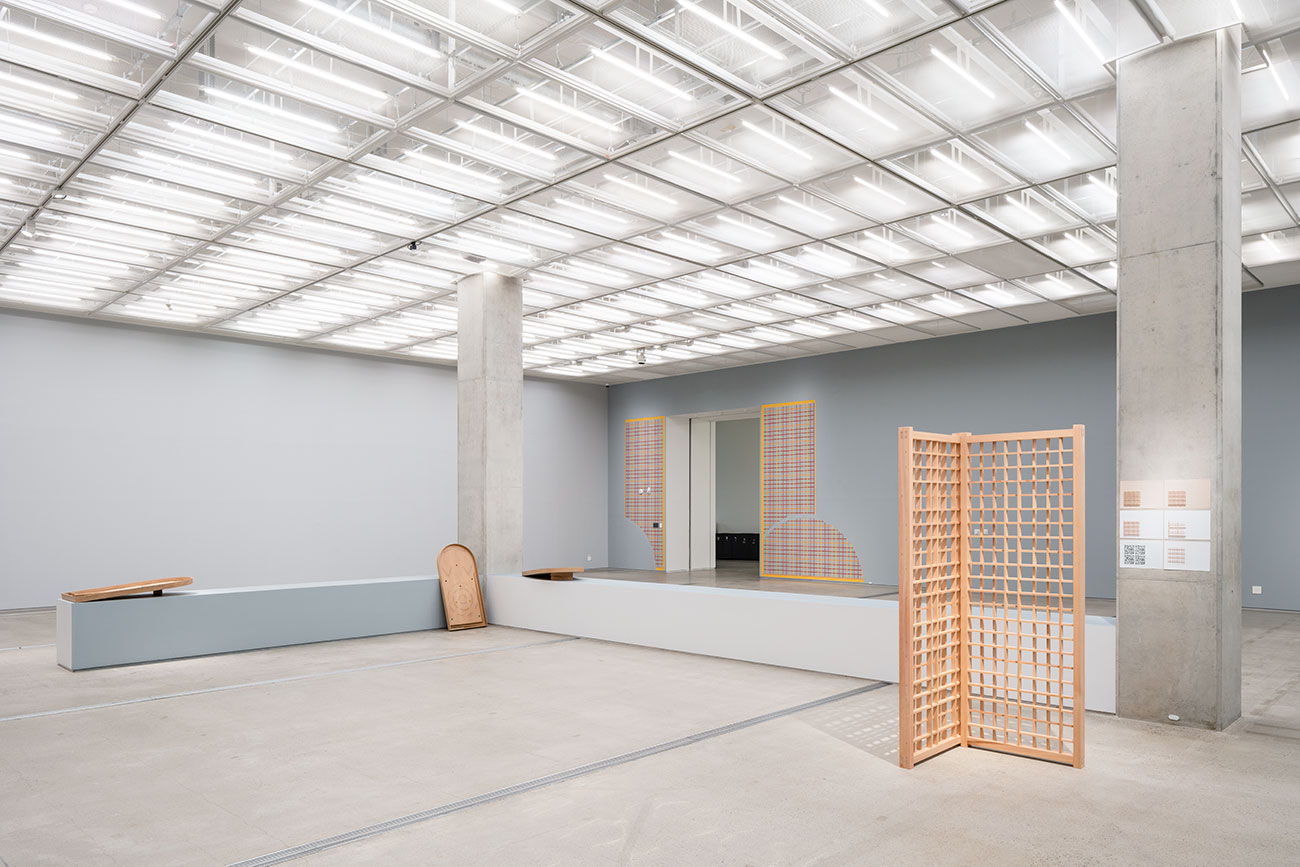
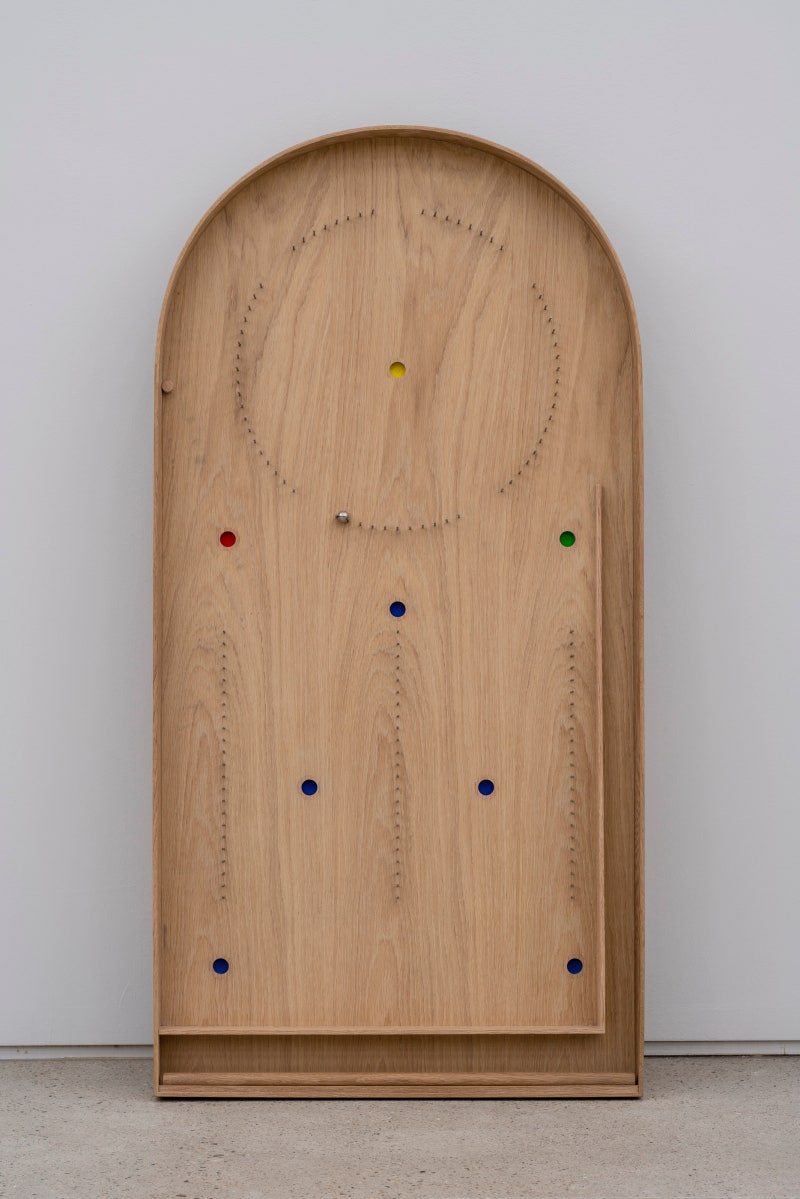
This later led to her works on traditional Korean window lattices presented at the 《Korea Artist Prize》 at the National Museum of Modern and Contemporary Art in 2020. In the 2021 exhibition 《Slow Water》 at Incheon Art Platform, the window lattice motif expanded into an installation form, becoming a suspended wooden “pond” whose colors shift depending on the viewing angle.


Seulgi Lee, An Afghan in Corsica, 2001, Performance © Seulgi Lee

Singing the Female Erogenous Zones

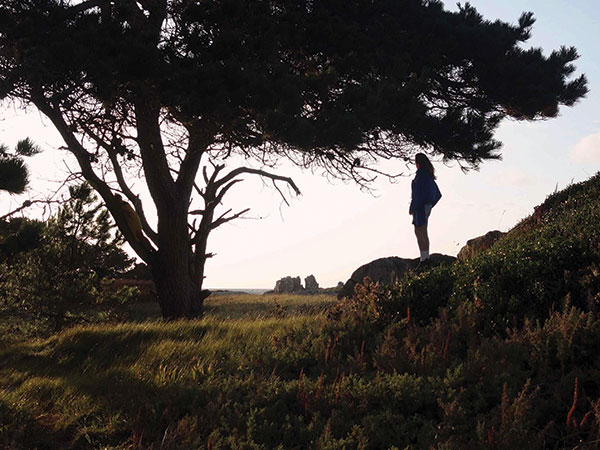
There is a small island off the northern coast of Brittany, France, in Penvénan, which can only be reached at low tide. It is ‘The Island of Women (L’île aux femmes)’, whose shape resembles that of the male genitalia. In this region, located close to England, there exists a tradition of bawdy songs once sung by women in a dialect quite different from standard French in the 1950s. After listening to Chansons en Poitou by Linette Gendron, collected by Pierre Chevrier in the 1950s, the artist created a new song by adapting the lyrics and incorporating dialectal variations.

The video work L’île aux femmes features two young women, Anne Laure Vincent and Clémence Mimault, moving across various parts of the island while singing. The lyrics include lines such as “A summer night on the island of women / Don’t touch my basket,” where, in the regional dialect, “basket” refers to female genitalia. The work playfully demonstrates that the act of singing is an essential human characteristic.


Seulgi Lee, L’île aux femmes, 2019, Video, color, sound, 13 min 30 sec © Seulgi Lee

Seulgi Lee’s artistic practice—carried out autonomously and driven by joy—becomes a form of informal economic activity. In contrast to formal economic activity, it may be understood as a more fundamental and primal human act. Lee discovers others around the world who embody similar values, forming solidarities with them and moving forward together.


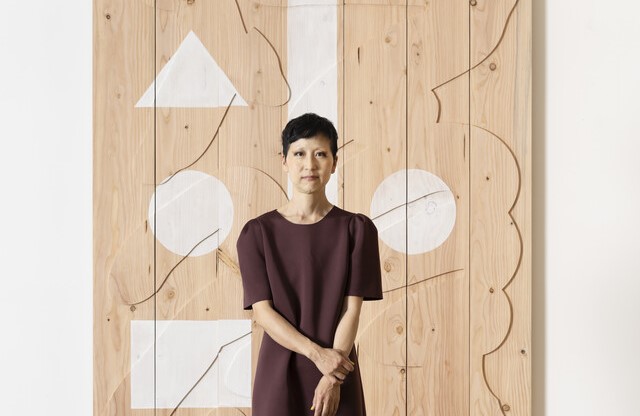
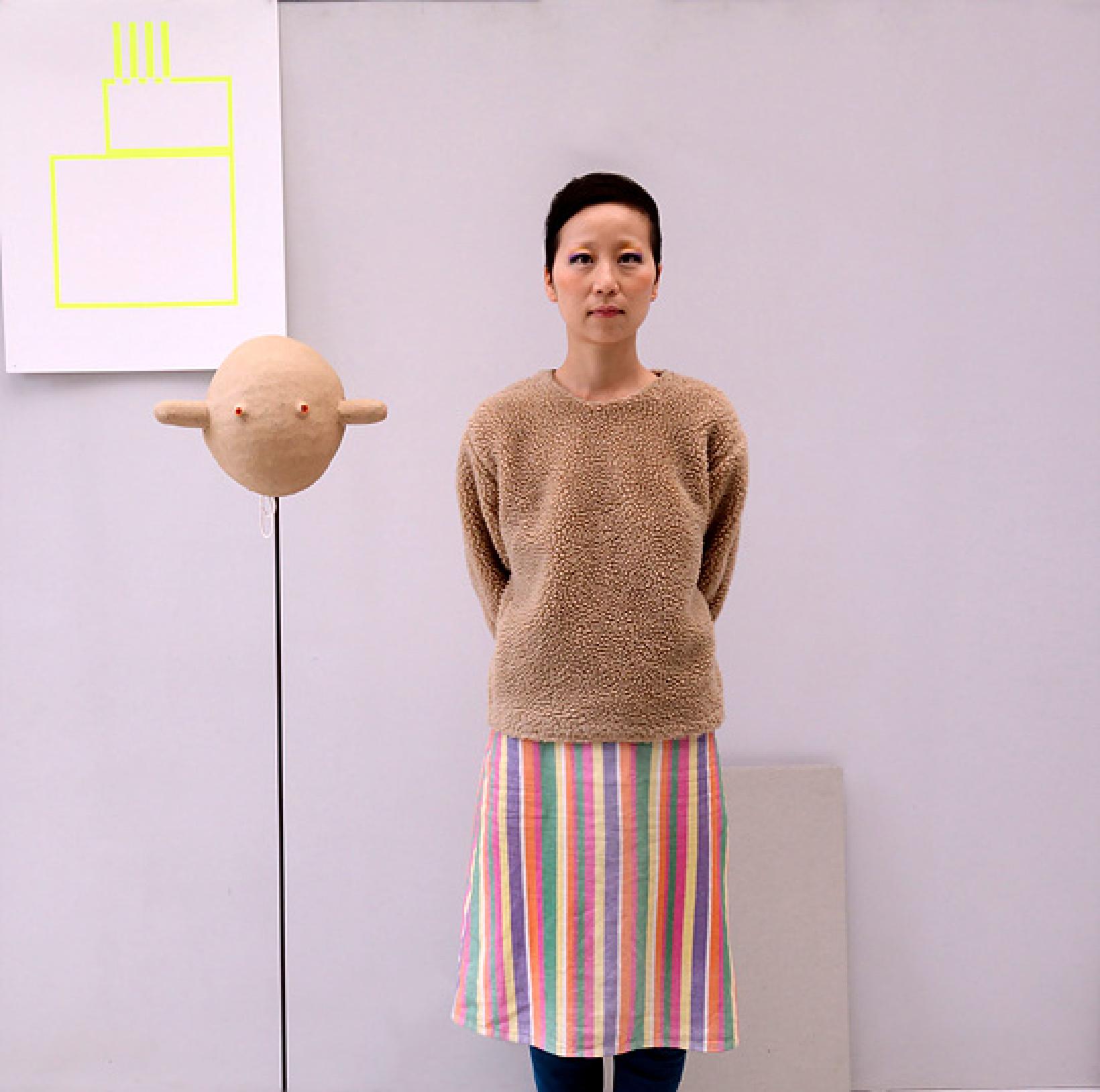
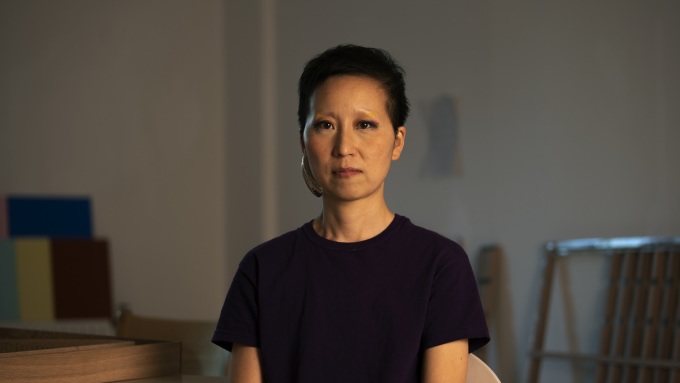
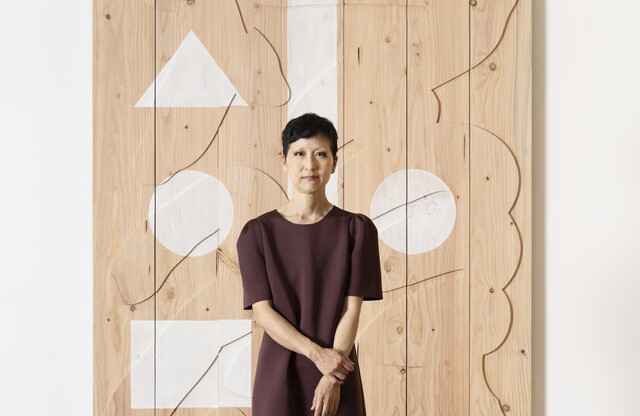
The Artist © Seulgi Lee
References