Walking in the Rhythm of Gray
A long history of a city, the
social meanings it has created, and the different images it has generated
create an aura. True, the identity of an object with an aura is not easily
distinguishable. It is something you might realize once you take a step outside,
putting aside confusing descriptions of a city. This place I live in, the space
that surrounds me, and a part of my life - this is what makes everyday life. A
gray city is nothing more than the world as I perceive.
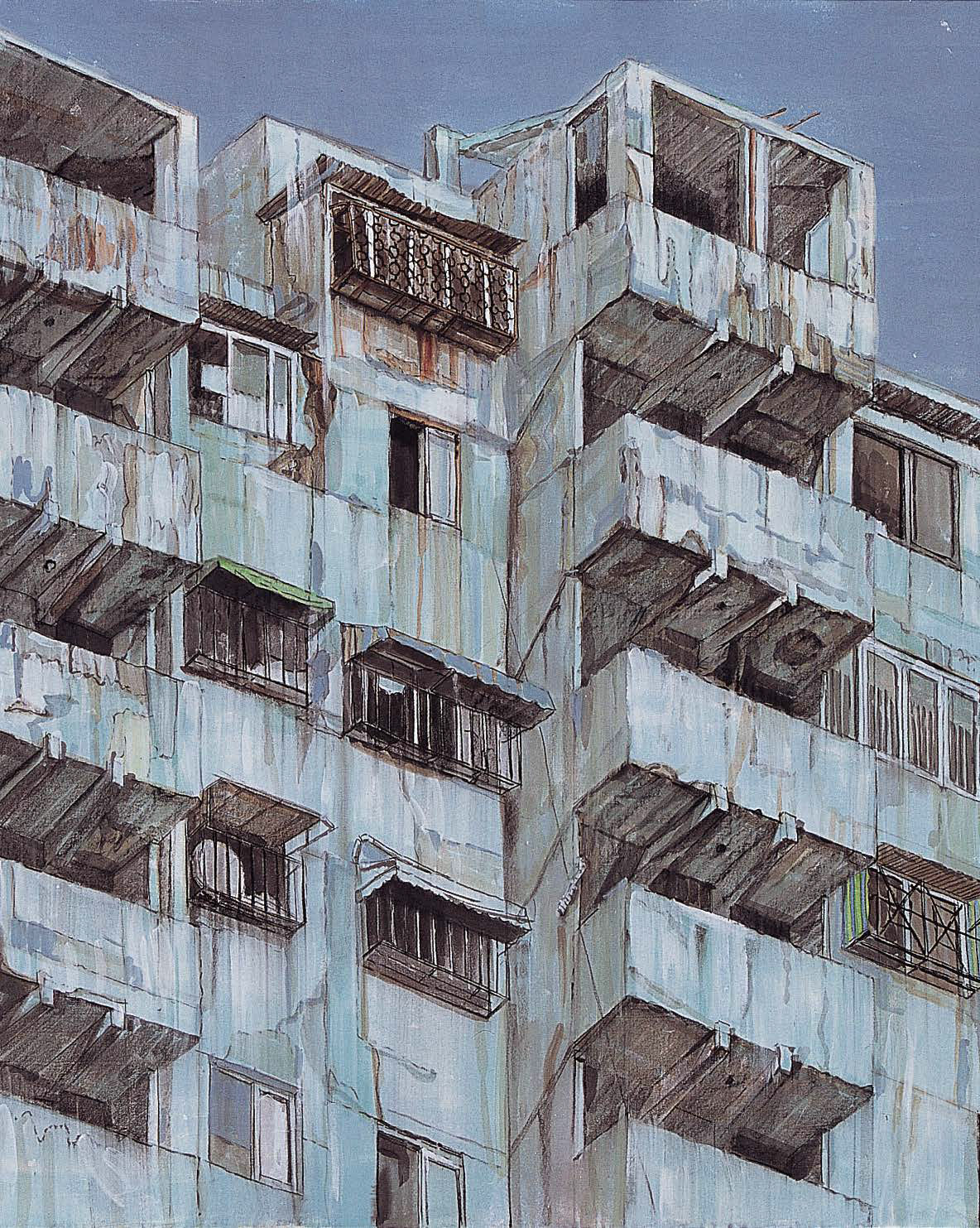
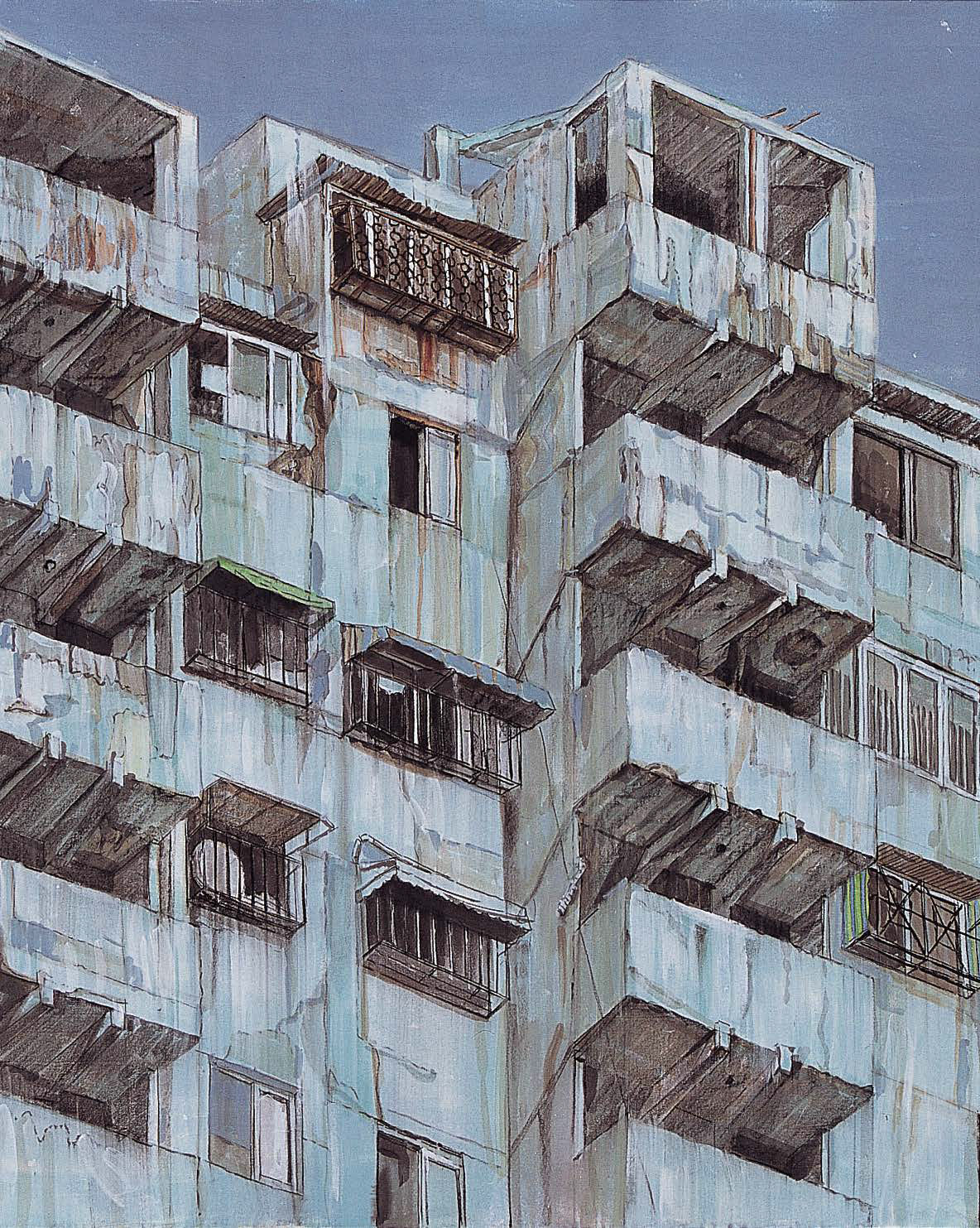
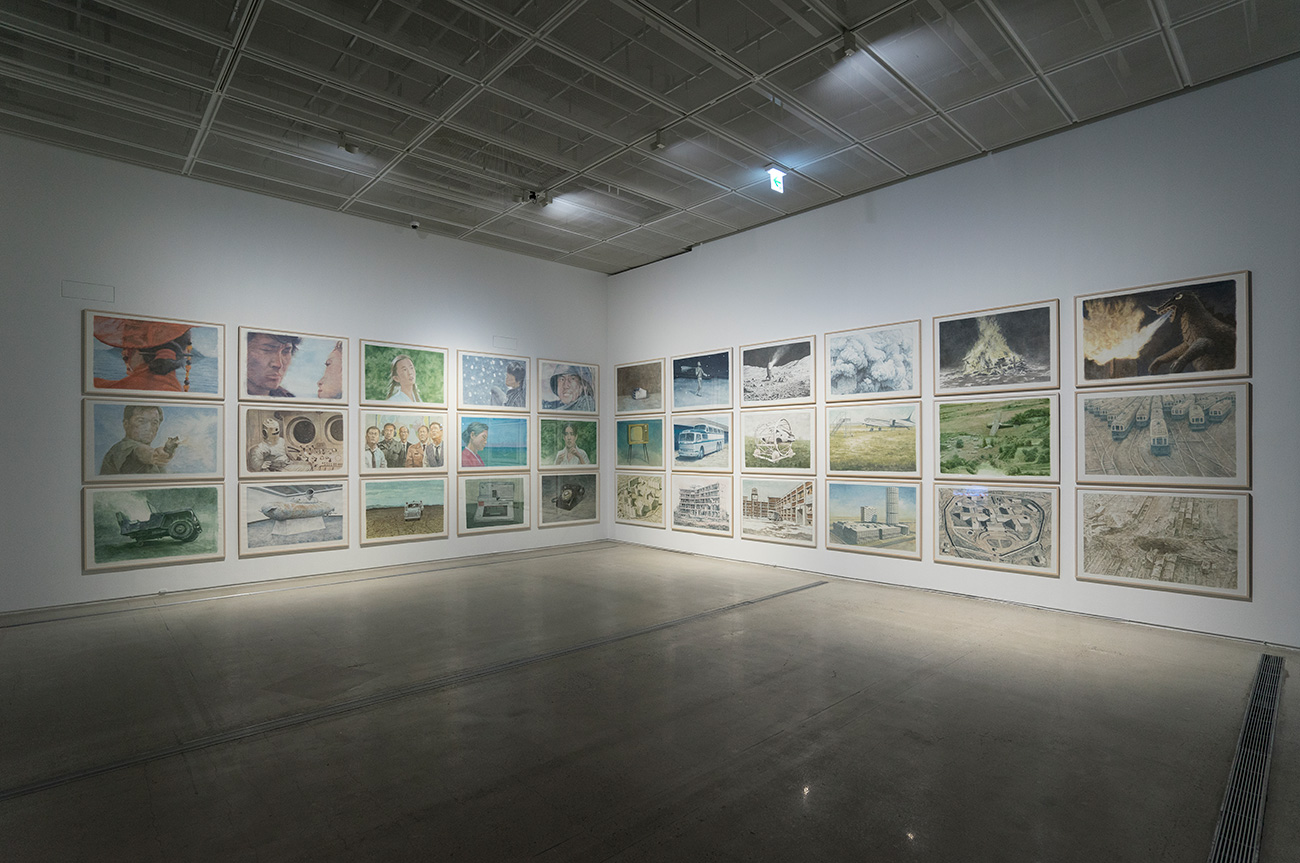
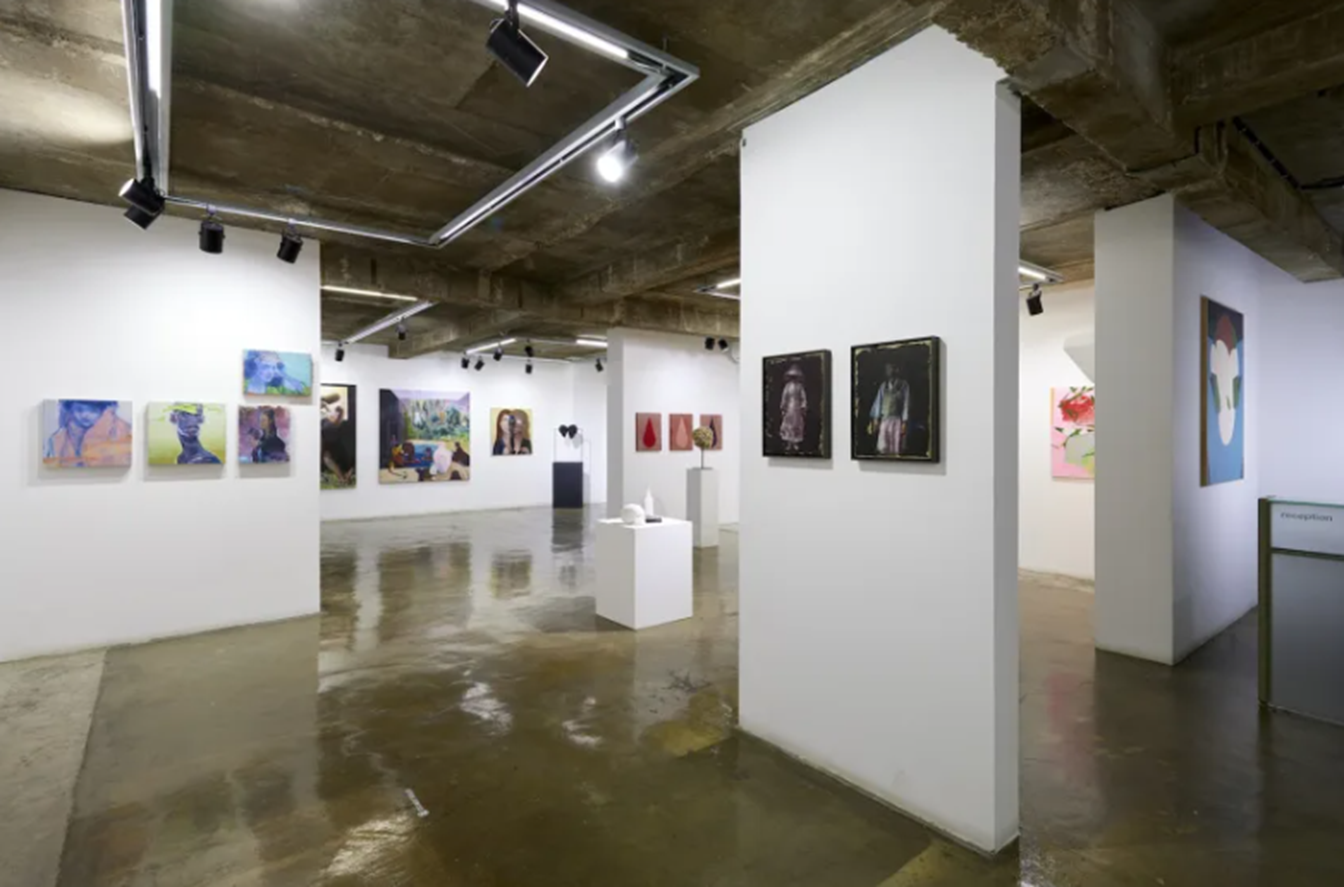
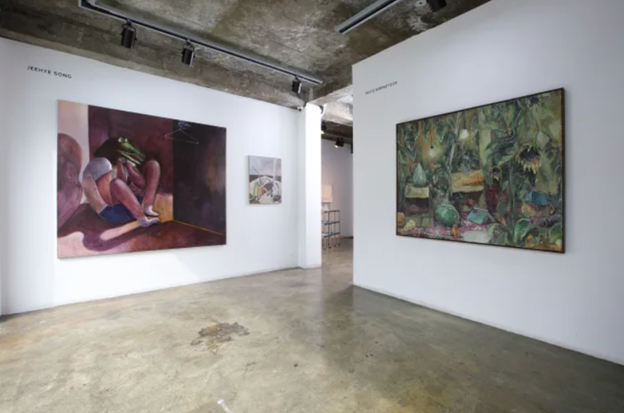
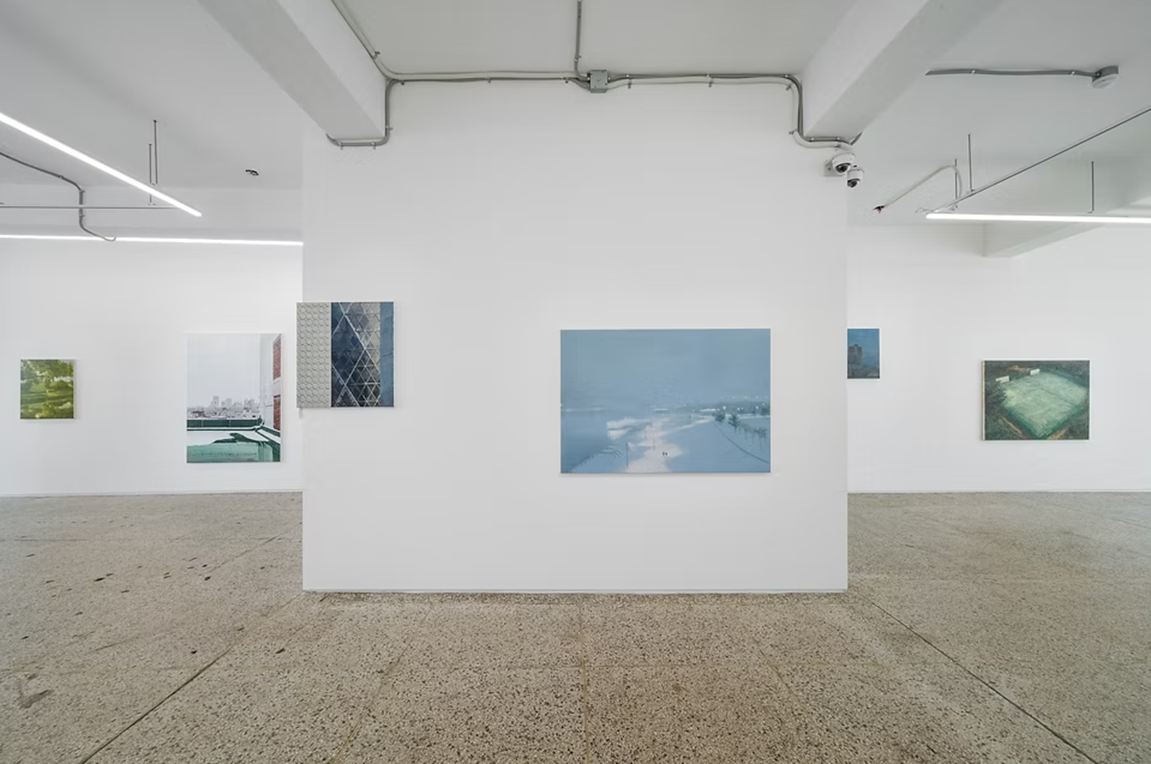
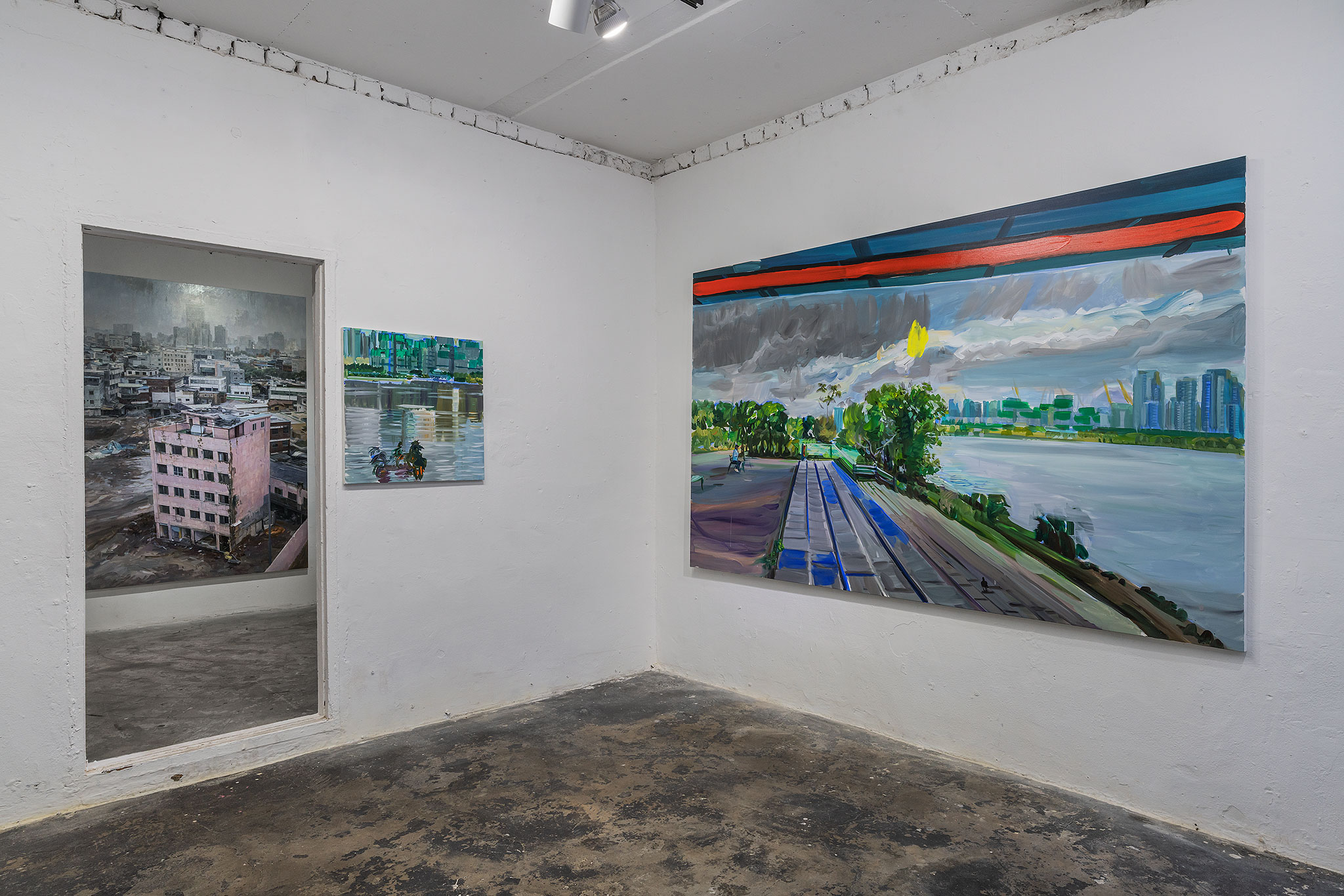
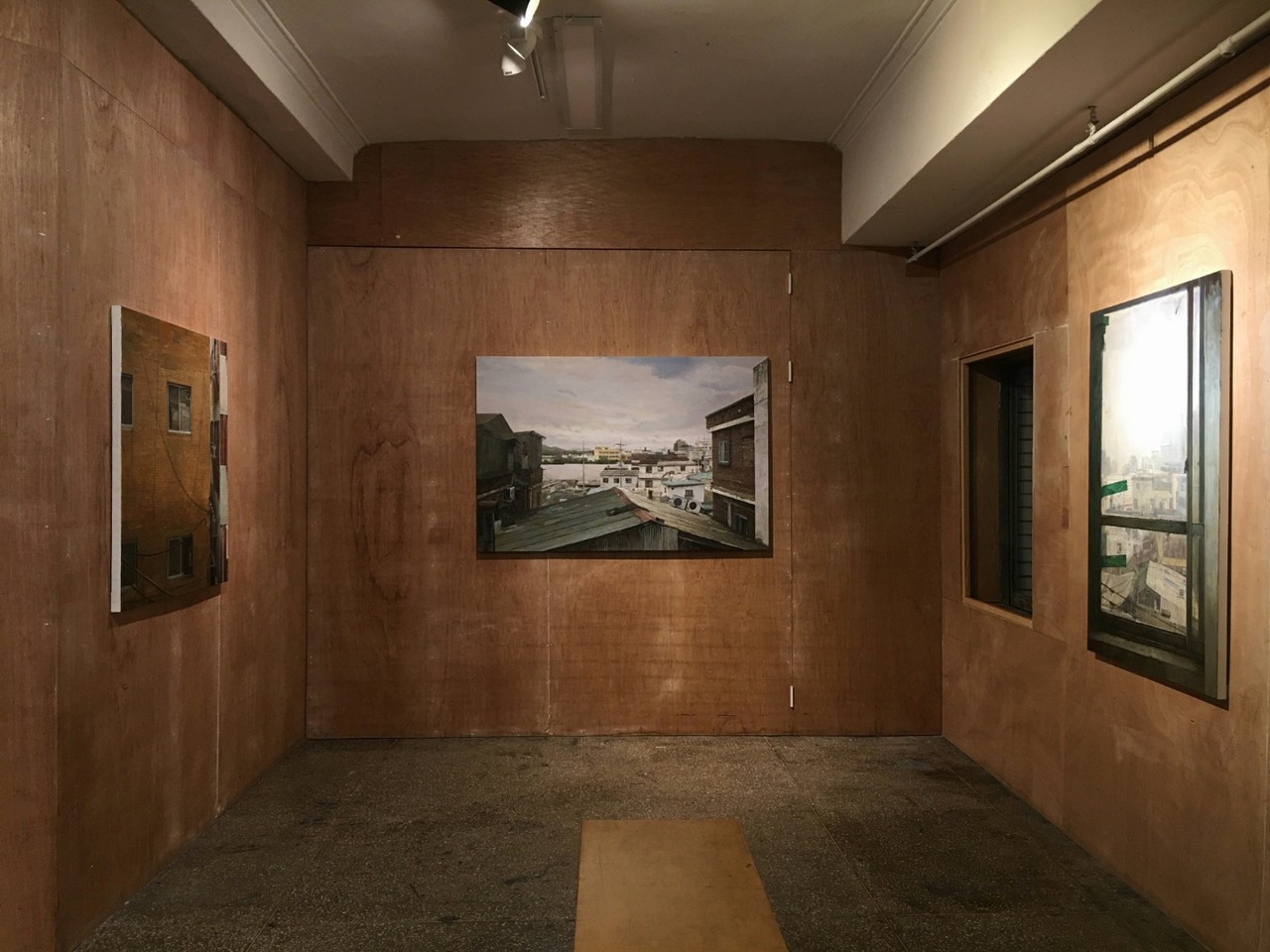
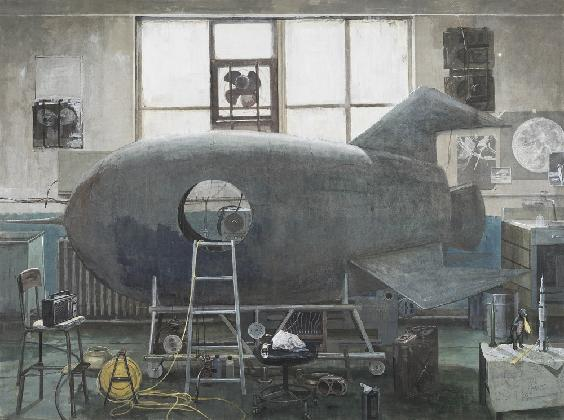
The four artists in 《Urban Gray》 paint such cities. They started
painting on campus in the 90s when a city in the modern sense started to serve
as an everyday space, while getting attention with a series of urban paintings.
Having created their own version of painting without being swayed by any trend
of the times, stepping away from the intense consciousness of certain themes in
the previous generation, they viewed cities from different perspectives,
incorporating them into figurative paintings. They either focused on the
figurative beauty of canvas, looked into the human history in a city, captured
city-specific sentiments, or reflected on inherent social problem. And they
still paint cities even today. Just as a city is changing, so are their
paintings.
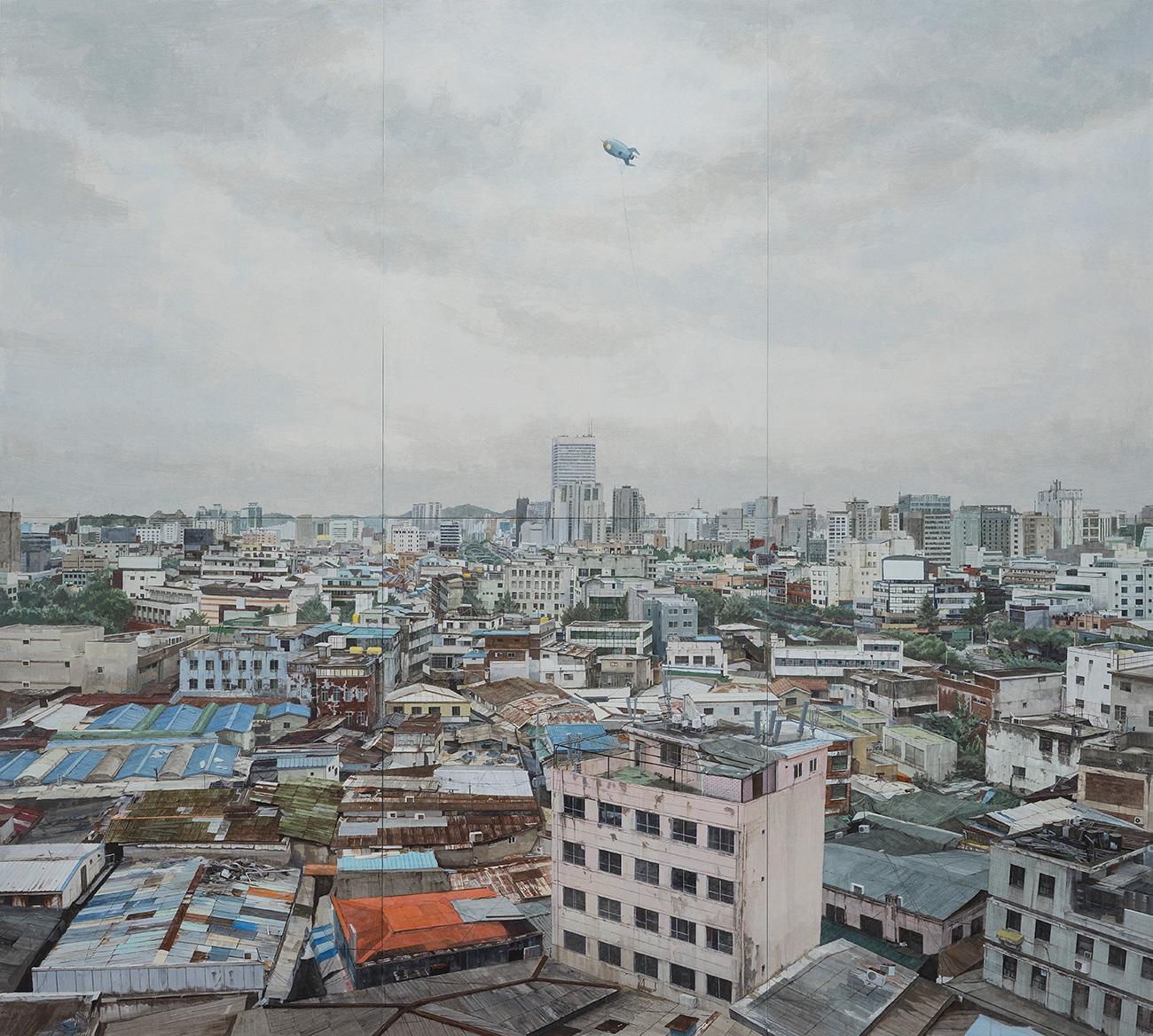
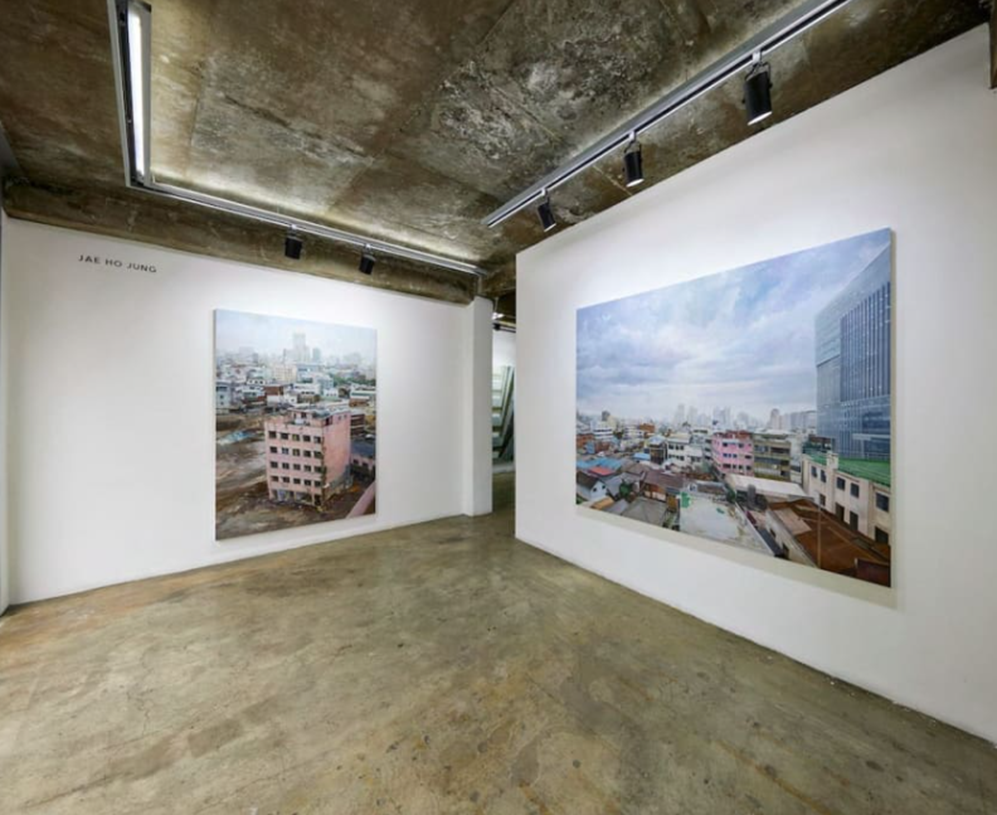
Jaeho Jung records places that
were once symbols of a city, but are now crumbling. As such, his paintings take
a different direction from a city, which is constantly moving towards newness.
He says that the closer he gets to his subject matters and the more he
translates them into painting, the more they become not just objects, but
beings that have shared time with their city. For him, a city has become a
companion that shares the fate of time. His paintings that have moved in the
opposite direction of a city have come to walk side by side with the present
city, sharing memories of the past.
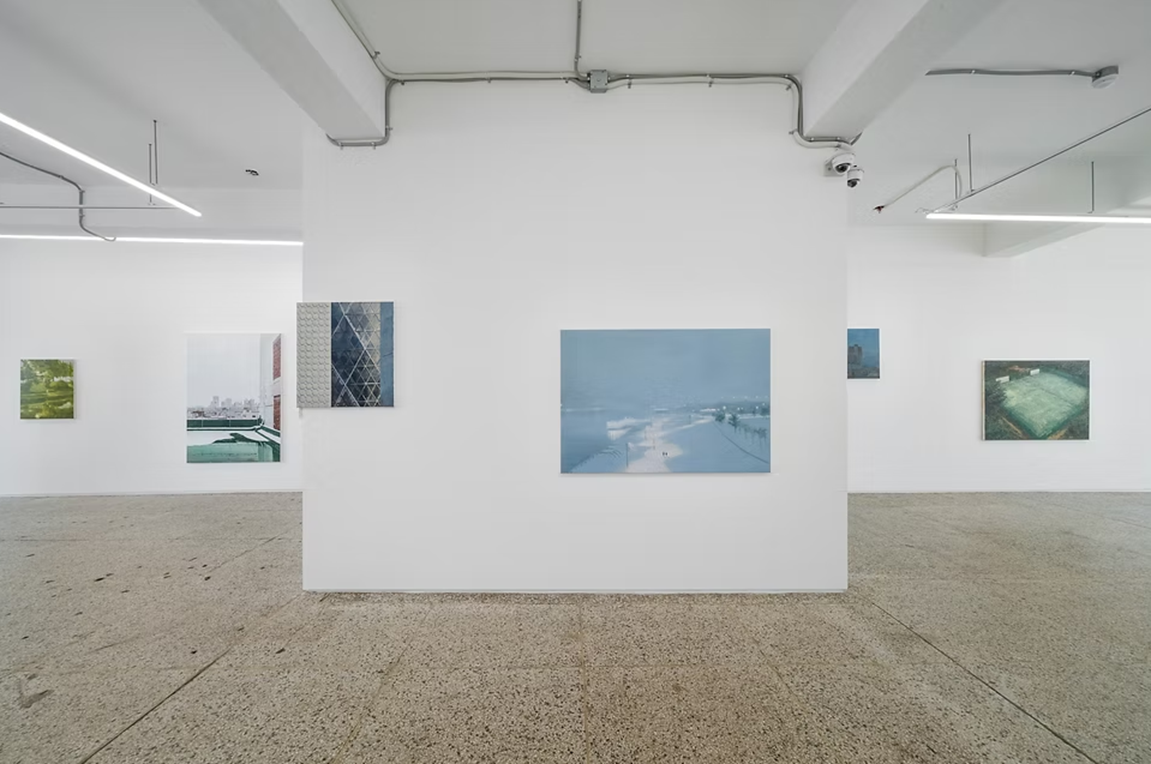
Choong-Hyun Roh, an artist that
paints places that are familiar to him, consciously keeps a distance from his
objects. His paintings, which he paints while standing up without going close
to the canvas in order not to specifically depict anything, are a step back
from the joys and sorrows from the hustle and bustle of a city. There entered
an emptiness of life into a space emptied out as such. The emotion of emptiness
is subconsciously felt, but is present in everyone, thus evoking empathy. His
paintings have turned blurrier and more moist, as if responding to the empathy
of viewers. As his paintings recede, urban sentiments are felt more vividly.
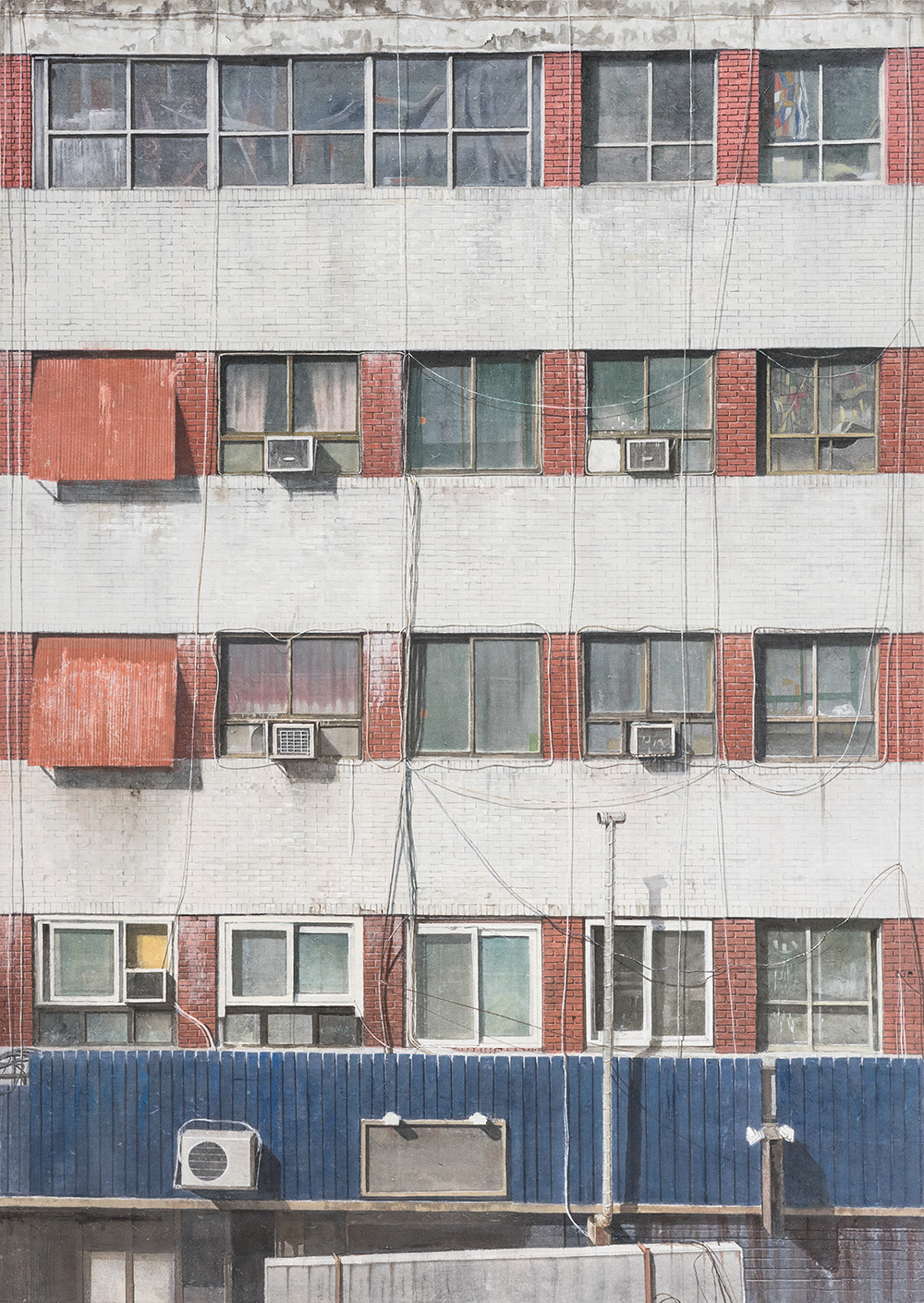
Manna Lee paints urban
landscapes that can be found anywhere. Since he paints on objects by
remembering them for so long that the places he paints are sometimes no longer
there. His immersion, which is like painting as if to engrave onto canvas
spending ample time, fills up the place with new vitality, the one that anyone
would have seen in passing it by. The moment an ordinary landscape stares back
at you with intense vitality, it becomes a space beyond reality. By immersing
himself in the everyday life of a city, his paintings become scenes of
surrealism.
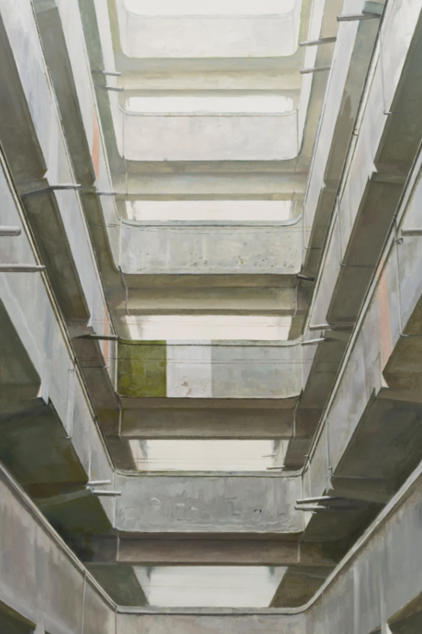
Suyoung Kim’s paintings of urban
skyscrapers are perhaps the most urbanistic of all. Figurativeness unfolding on
the canvas is reminiscent of discourses of contemporary aesthetics, and the
symbols of the buildings evoke many symbols of the modern society. Her
paintings have a juxtaposition of postmodern buildings and obsolete buildings
in Euljiro district, old tile walls covering the canvas, and the sky edgily
peeking through the buildings as thin brushstrokes of her hand. Her paintings
came to embody free breaths by not getting caught up in the substance of a
city.
As such, the four artists have
painted the cityscape in the way they see it and think about it. They have
continued to paint by accepting the urban changes as changes within themselves
as human beings living in the city. The difference and continuity create
colorfulness in their paintings and add rhythm to the cityscape. Being cold yet
warm, dry yet moist, dark yet bright, superficial yet real, the cityscape is
tinged with gray light. It creates the rhythm of gray. They walk into a city
and the rhythm of gray. This is how they grasp the world.
Chun Heejung(Gallery SoSo)