Exhibitions
《Planet》, 2011.07.22 – 2011.08.21, Gallery SoSo
July 21, 2011
Gallery SoSo
 Jaeho
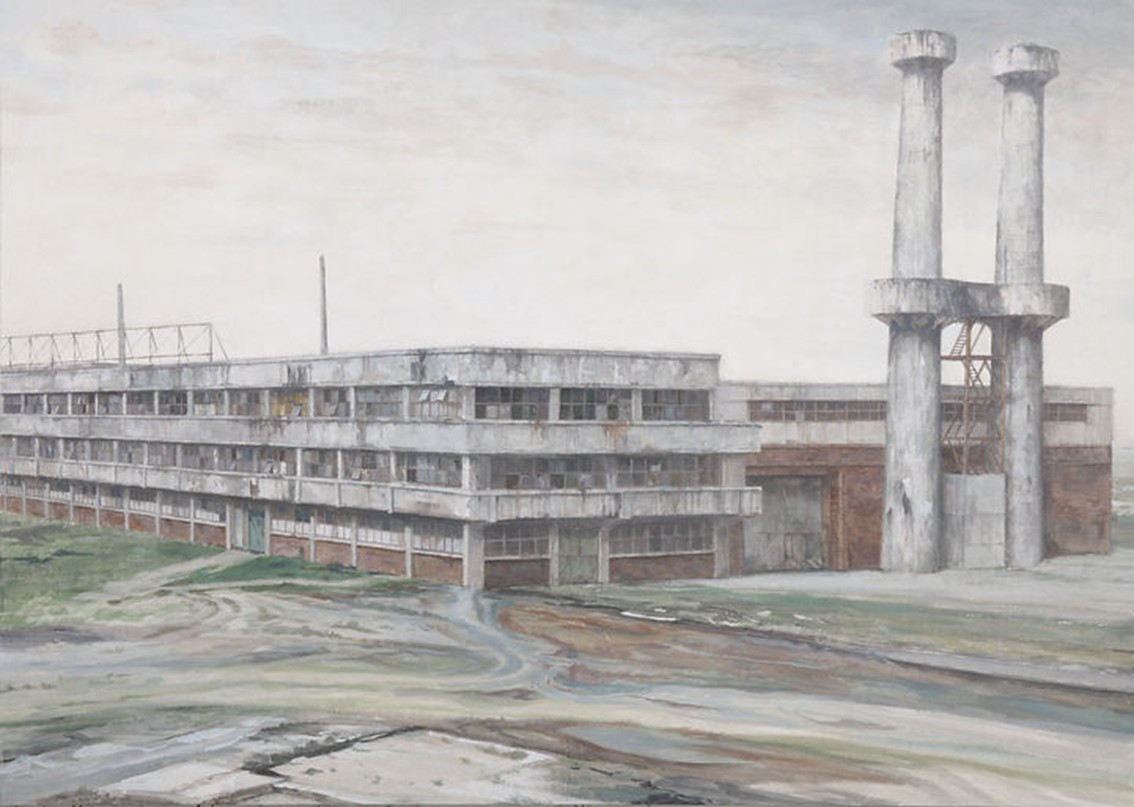
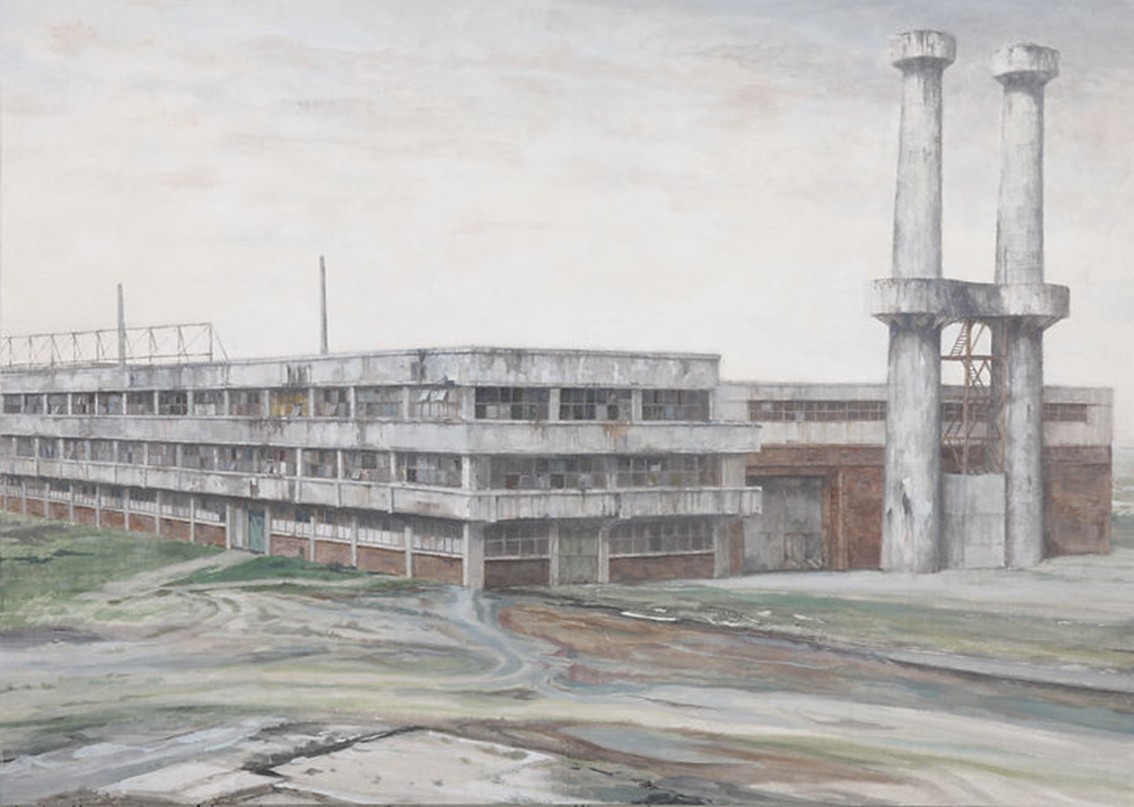
Jung, Heart, 2011 © Jaeho Jung
Jaeho
Jung, Heart, 2011 © Jaeho Jung
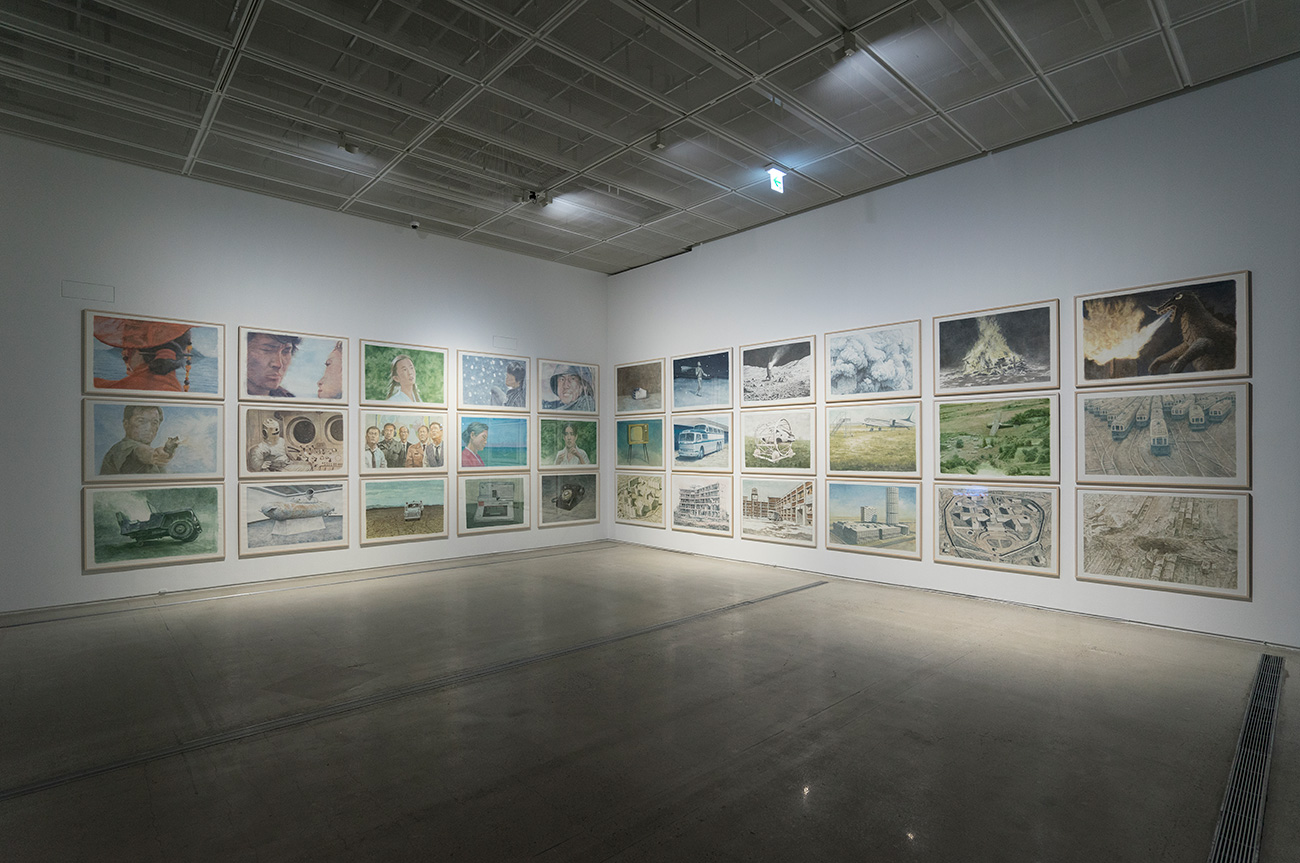
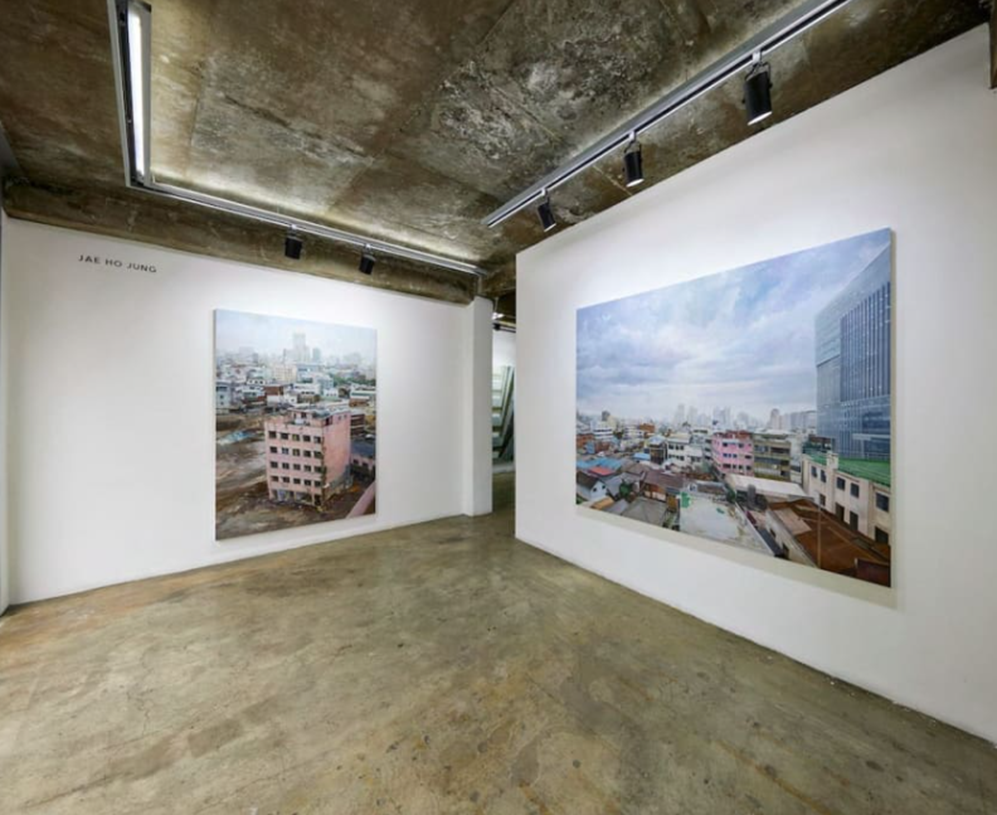
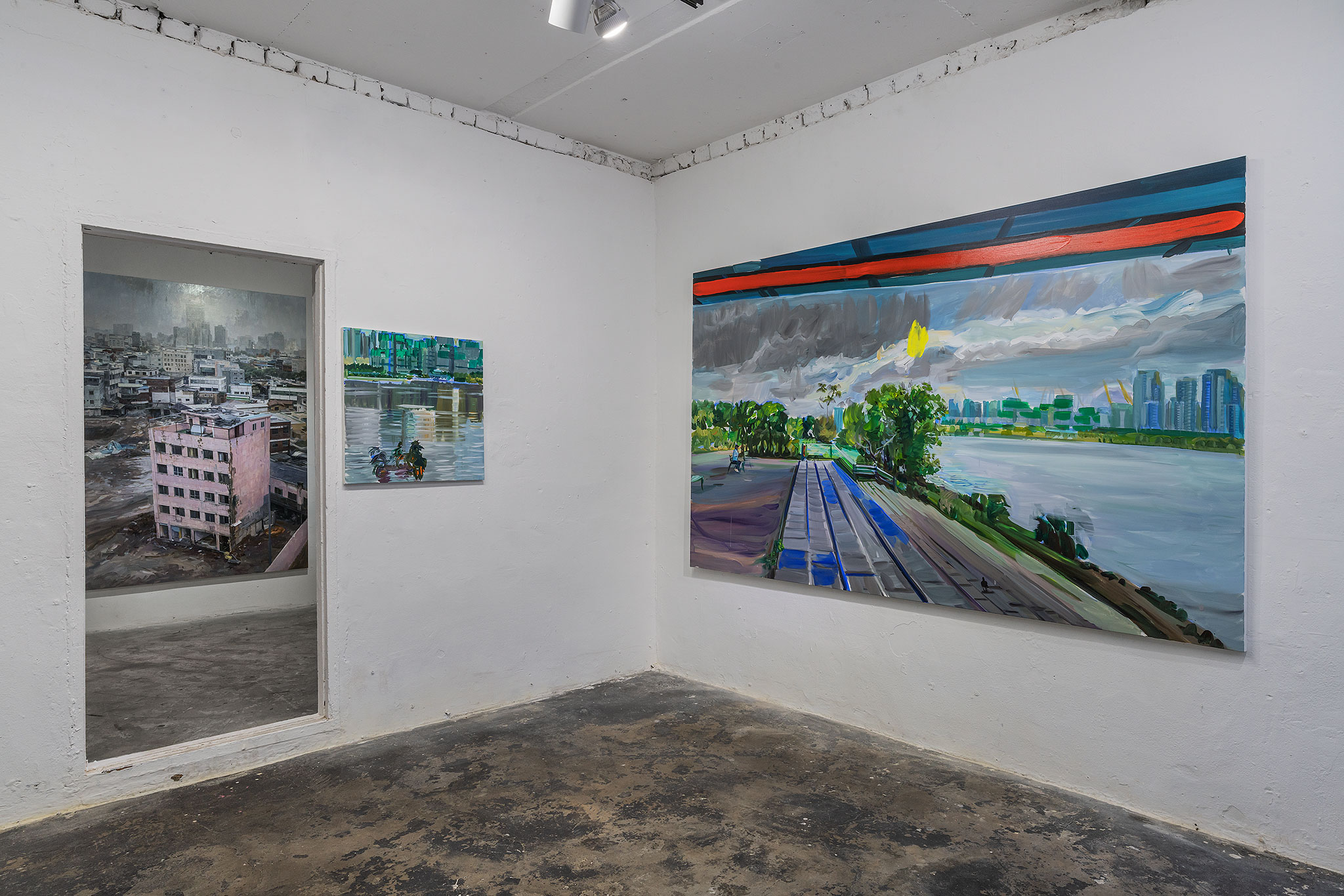
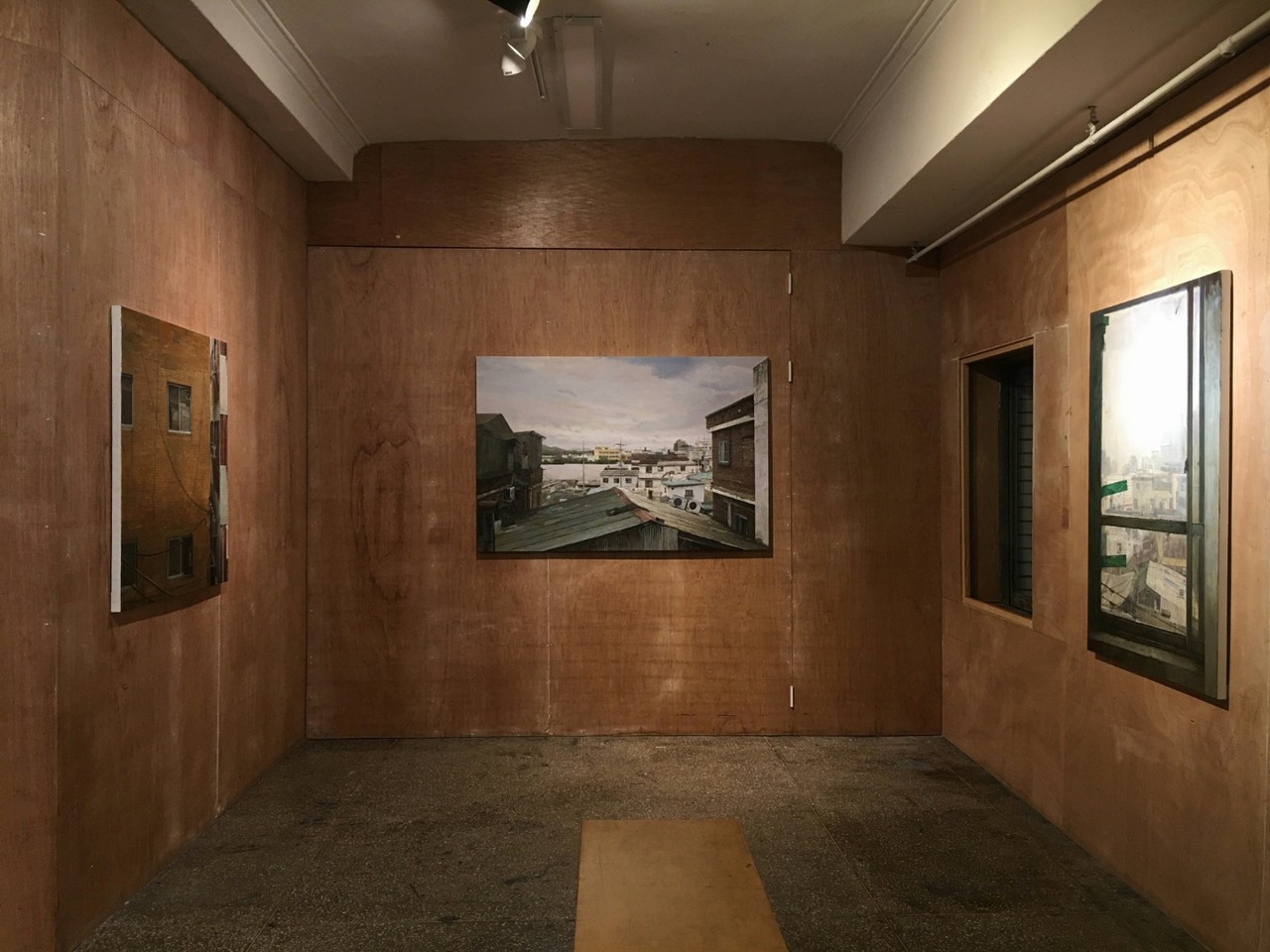
Jaeho Jung, who has presented records of history that has become
the past through painting using a documentary approach, presents in this
exhibition the landscapes of 1960s Korea as he observed them.
The 1960s were a
period when the entire nation devoted itself to economic recovery after the
war, and when the government laid the groundwork for rapid economic growth
through the implementation of the Five-Year Economic Development Plans. The
artist looks back on this era by reversing the flow of time.
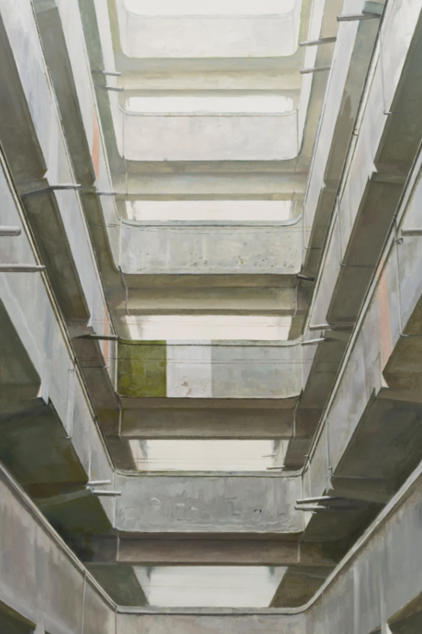
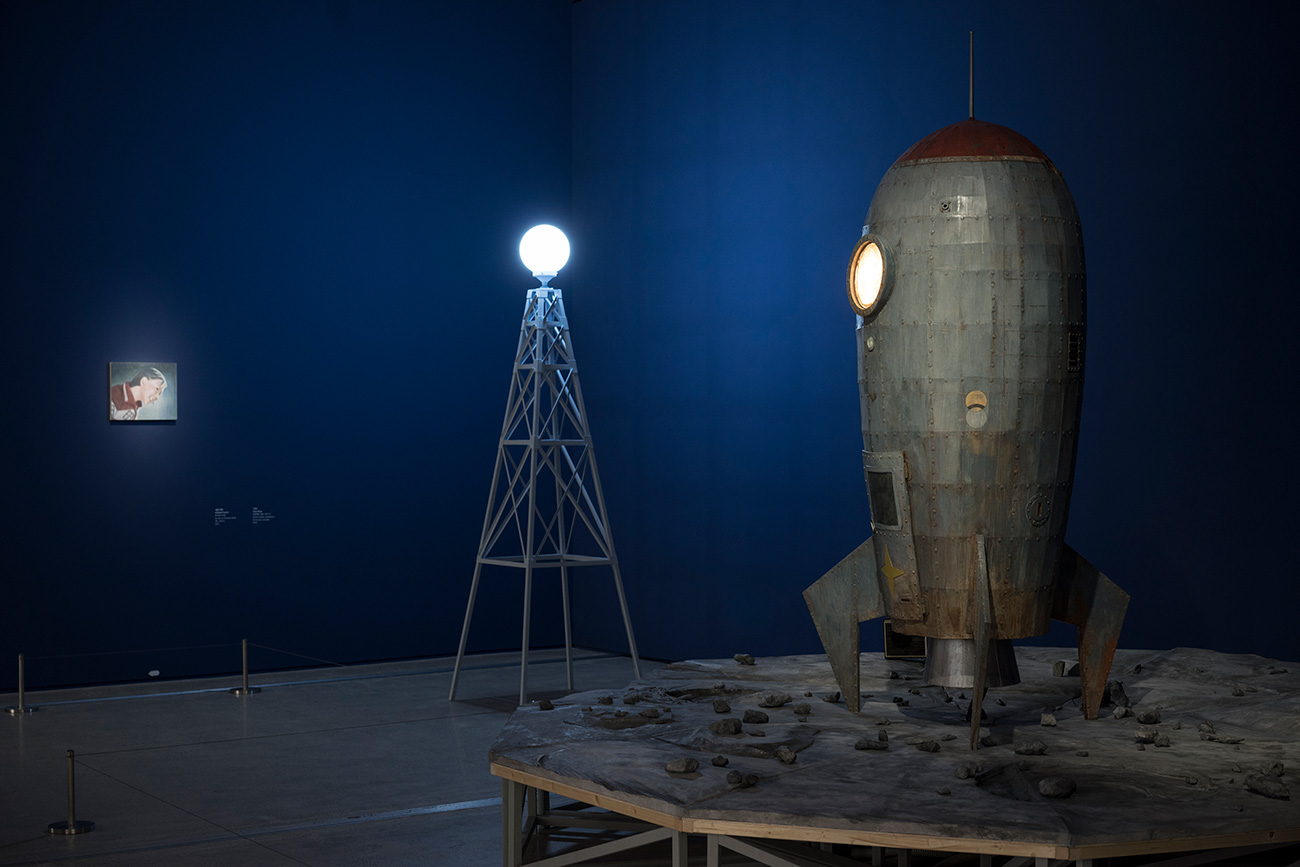
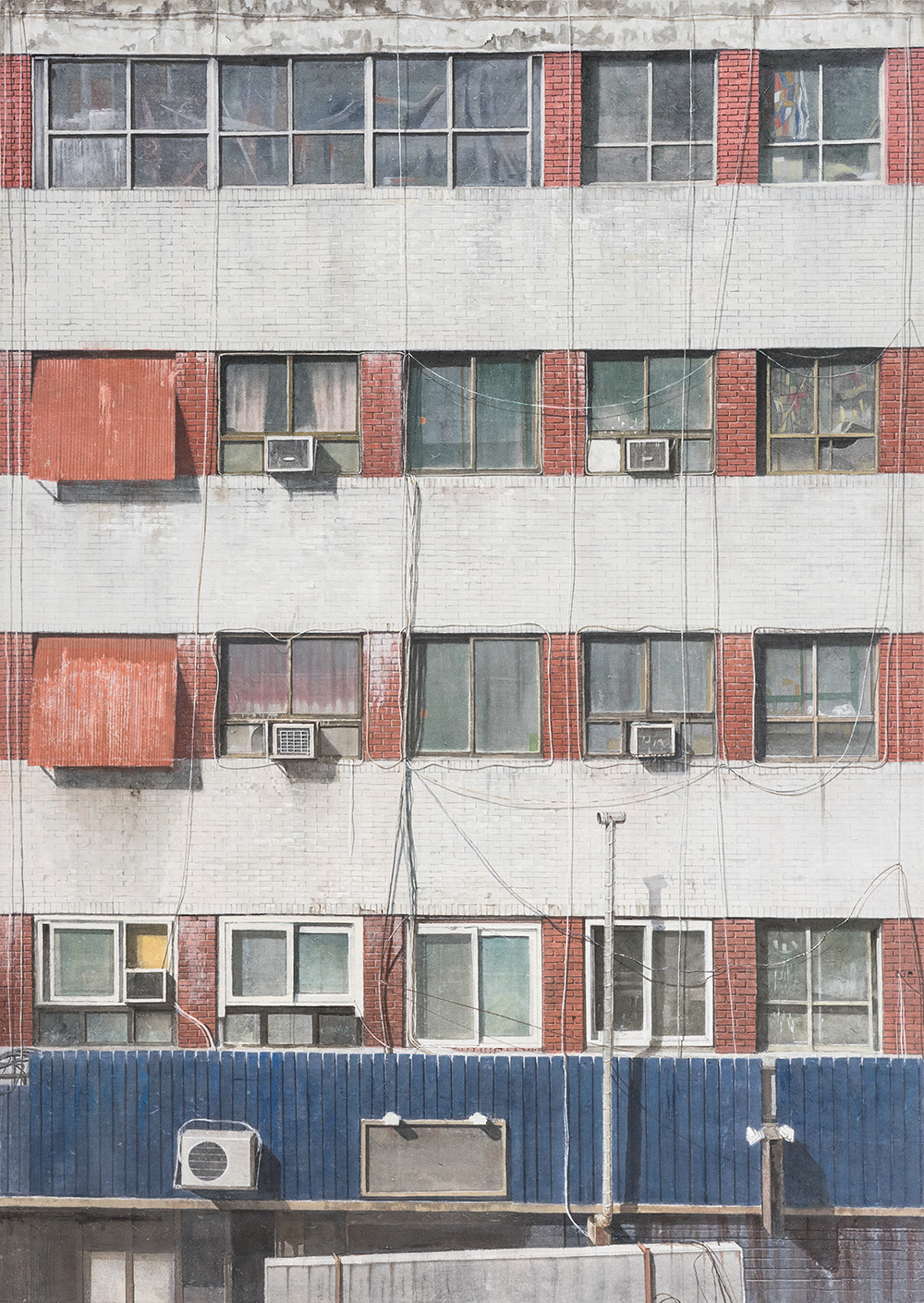
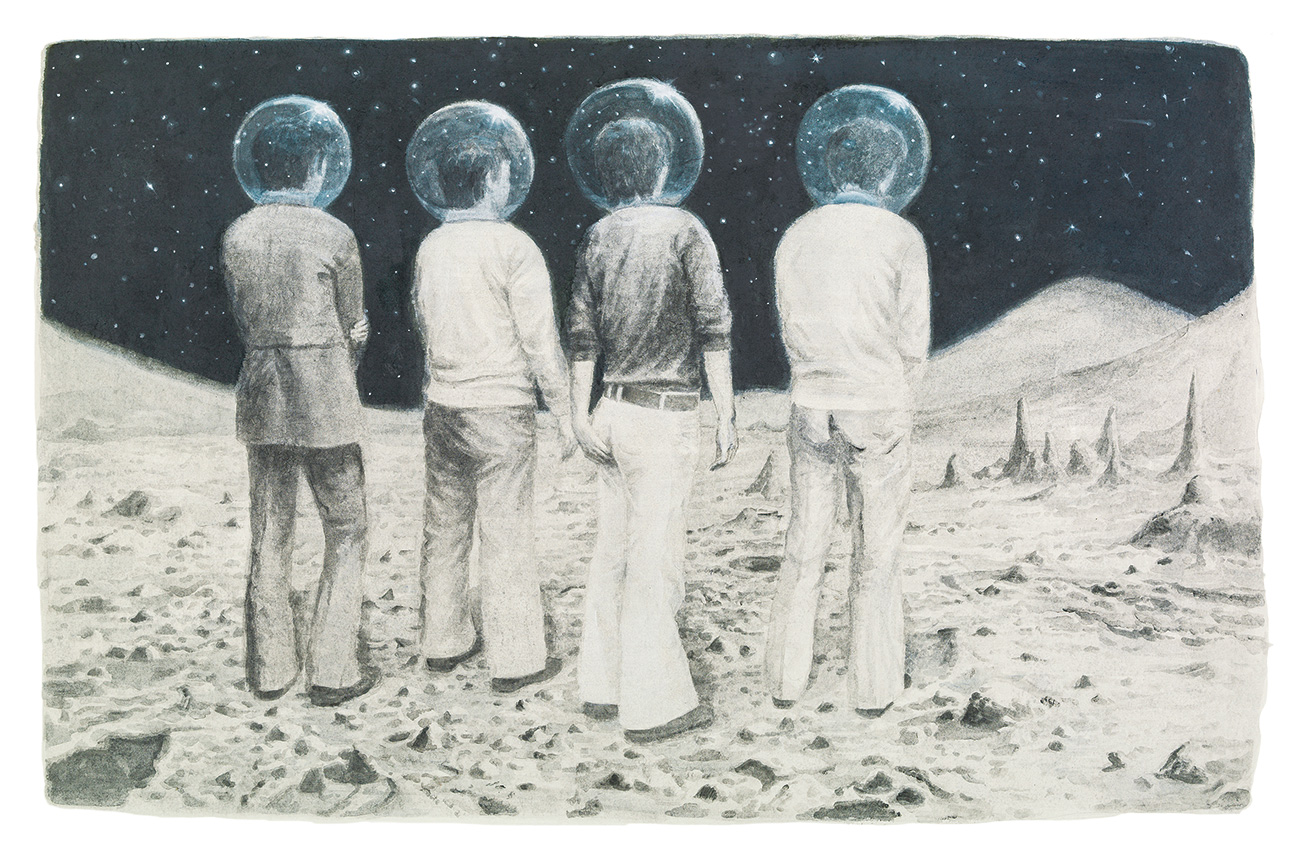
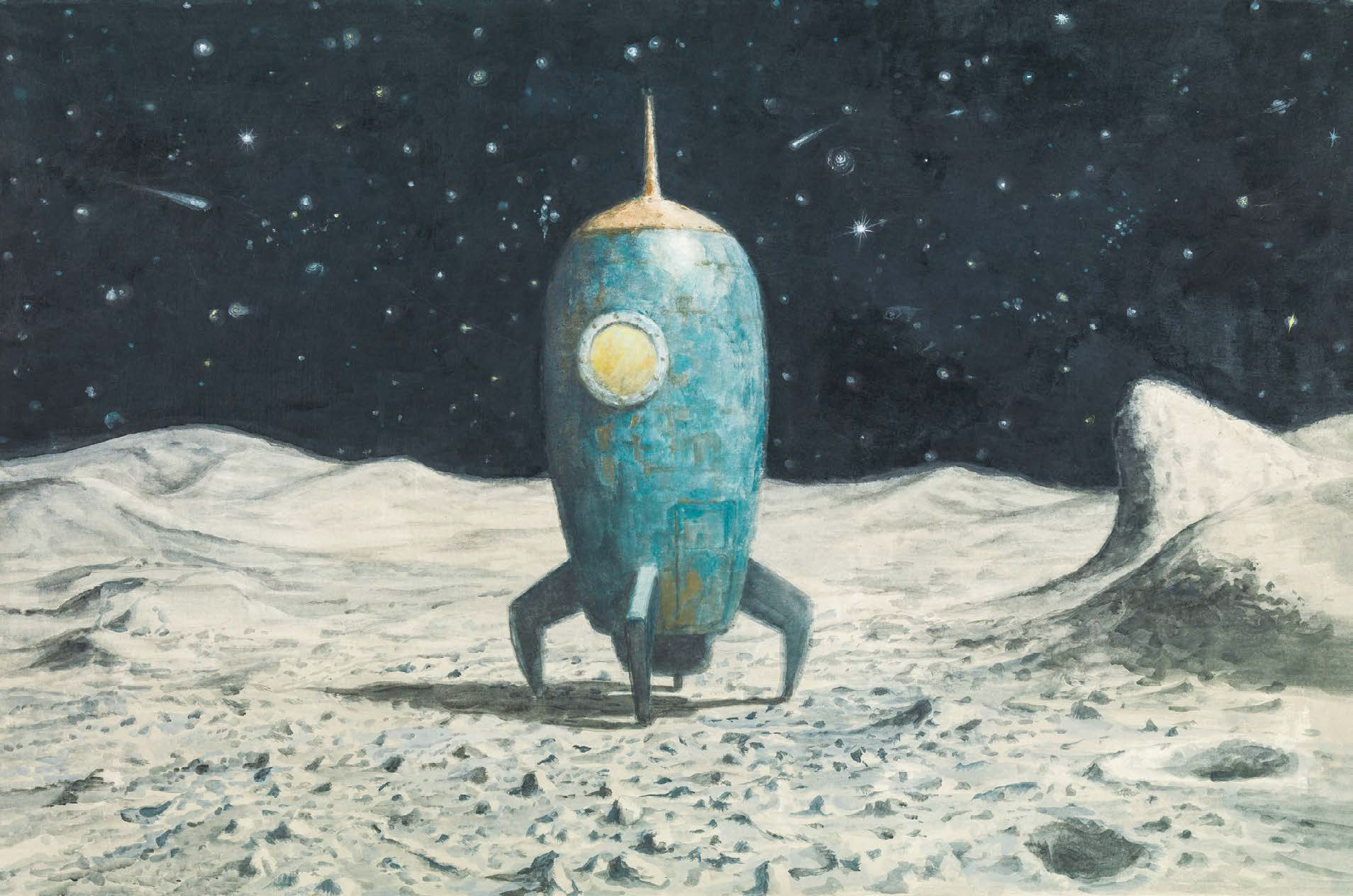
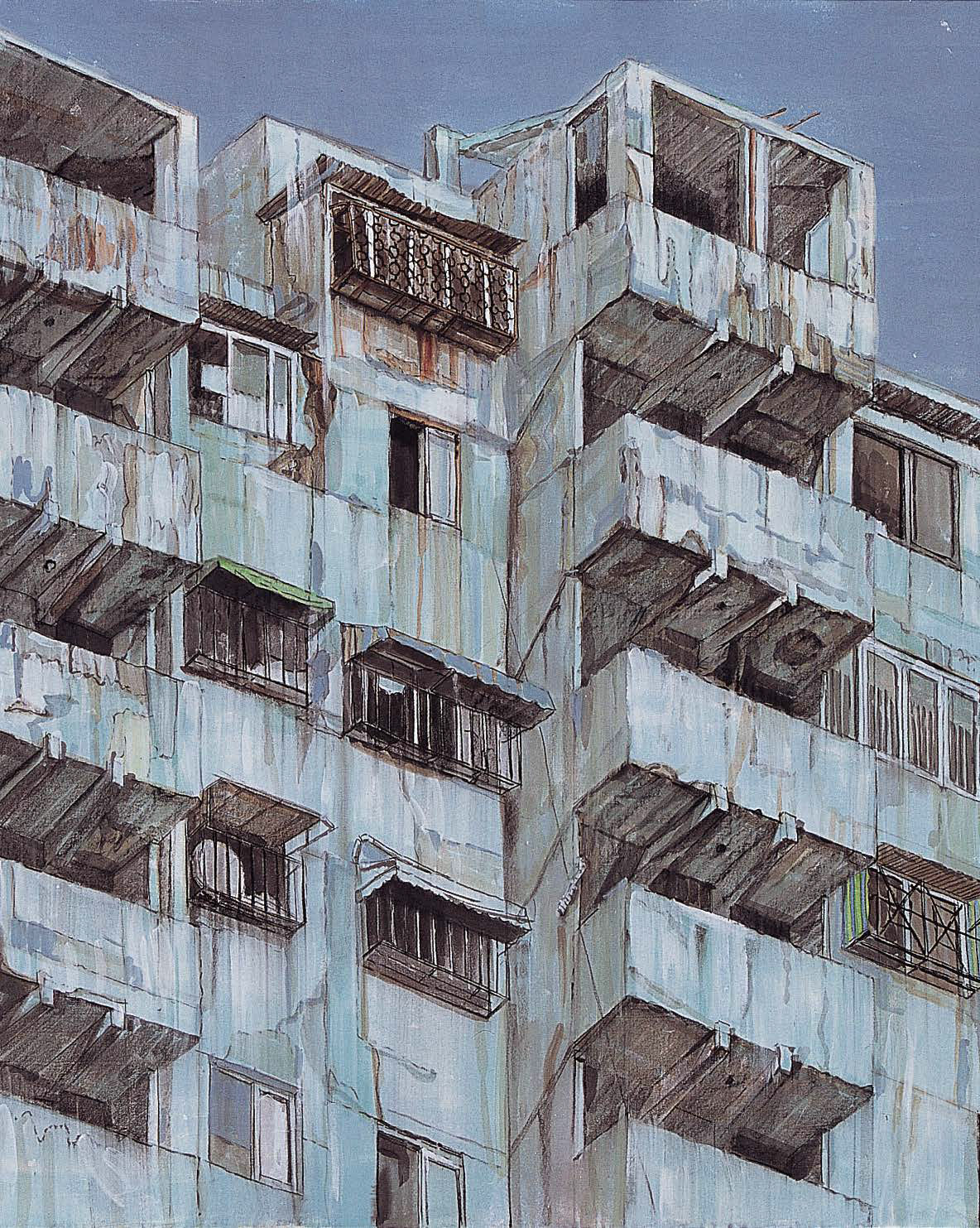
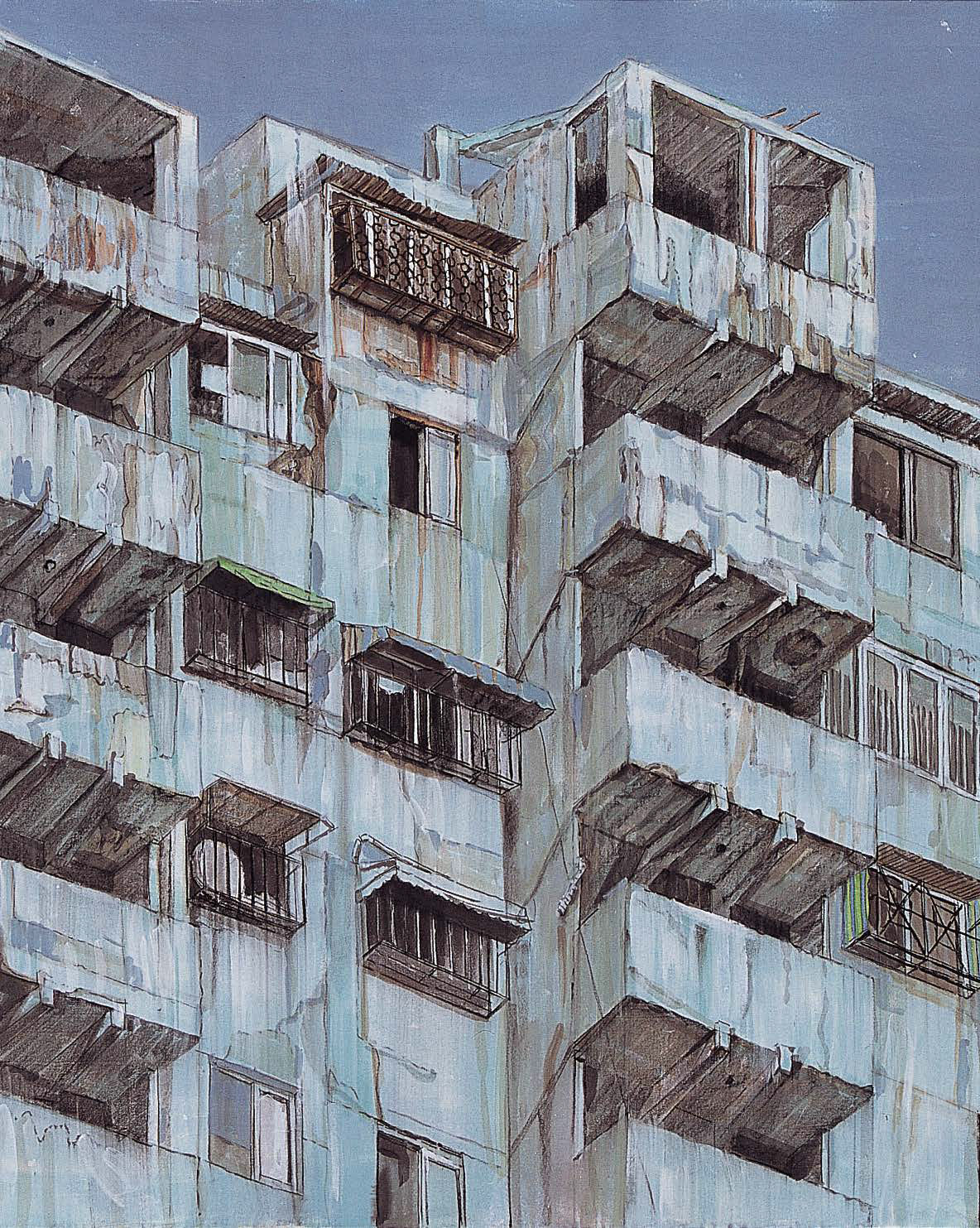
Through images such as Sewoon Sangga, Korea’s first mixed-use
residential-commercial building; the Hyundai Motor Company’s Ulsan factory at
the time of its establishment; shop windows displaying prosthetic limbs; and
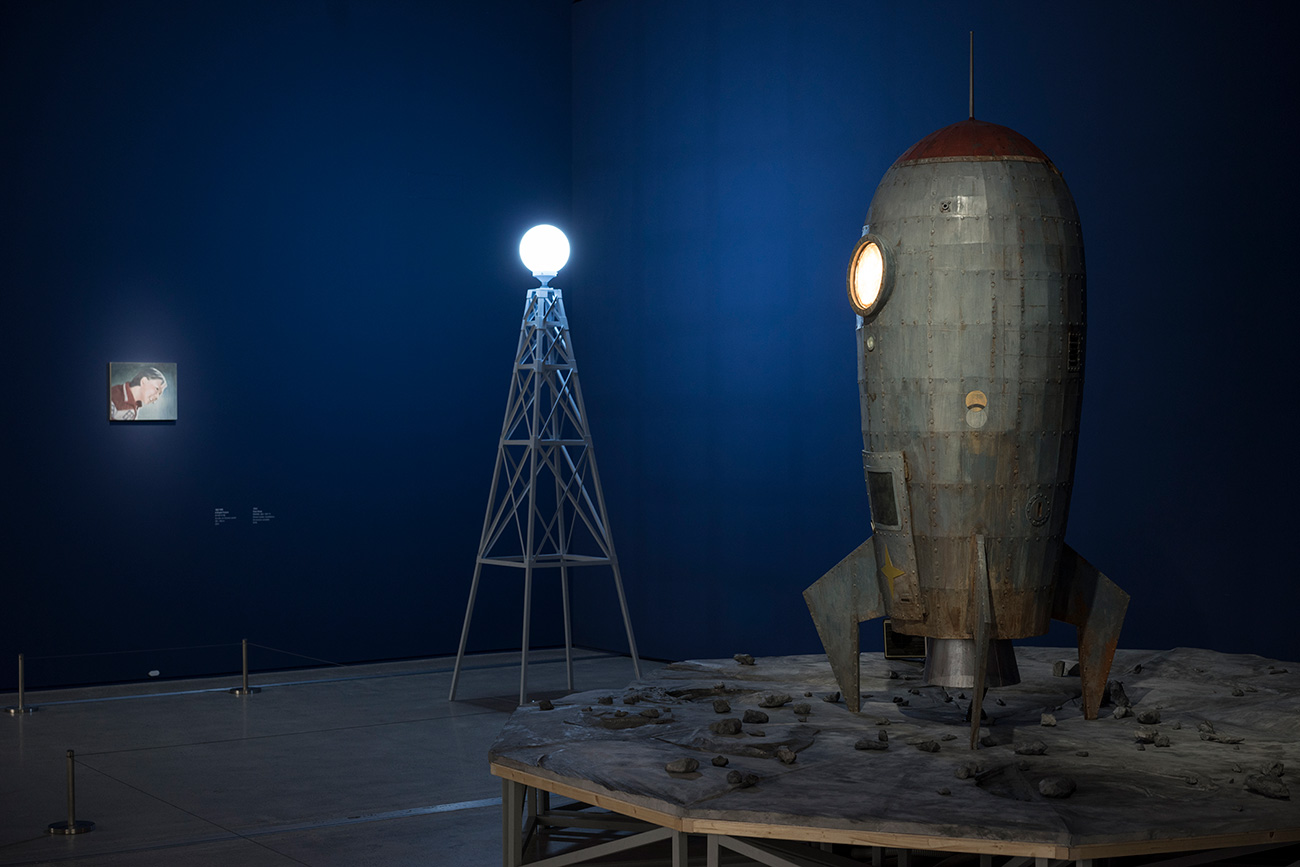
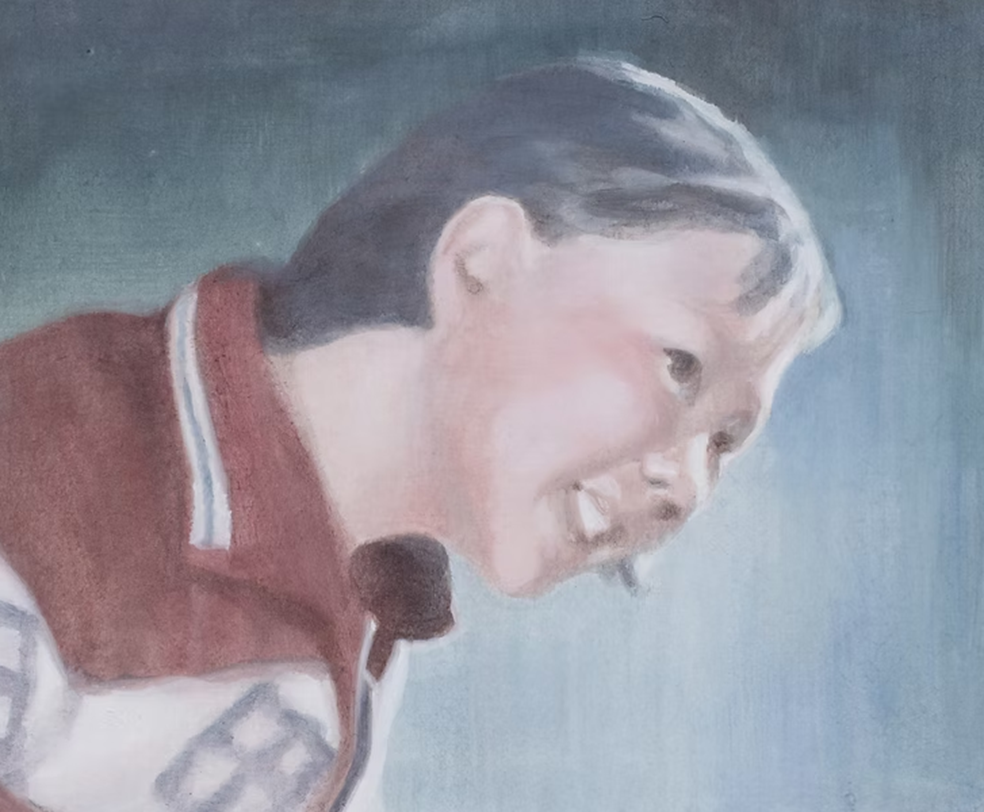
astronaut models exhibited at science fairs, traces of corporate economic
activity and the image of a nation dependent on the West are metaphorically
revealed.
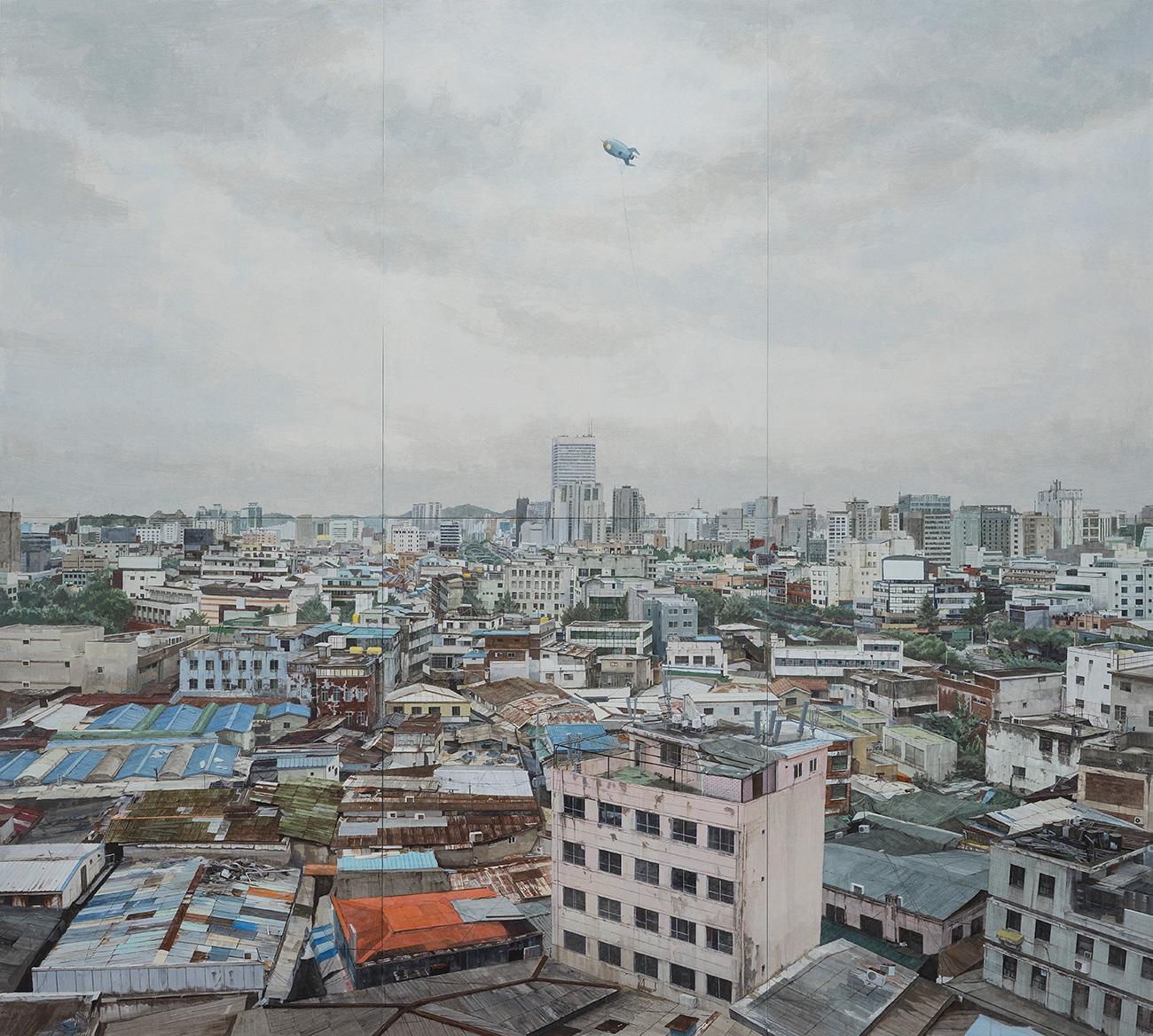
 Jaeho
Jung, Bright Future, 2011 © Jaeho Jung
Jaeho
Jung, Bright Future, 2011 © Jaeho Jung
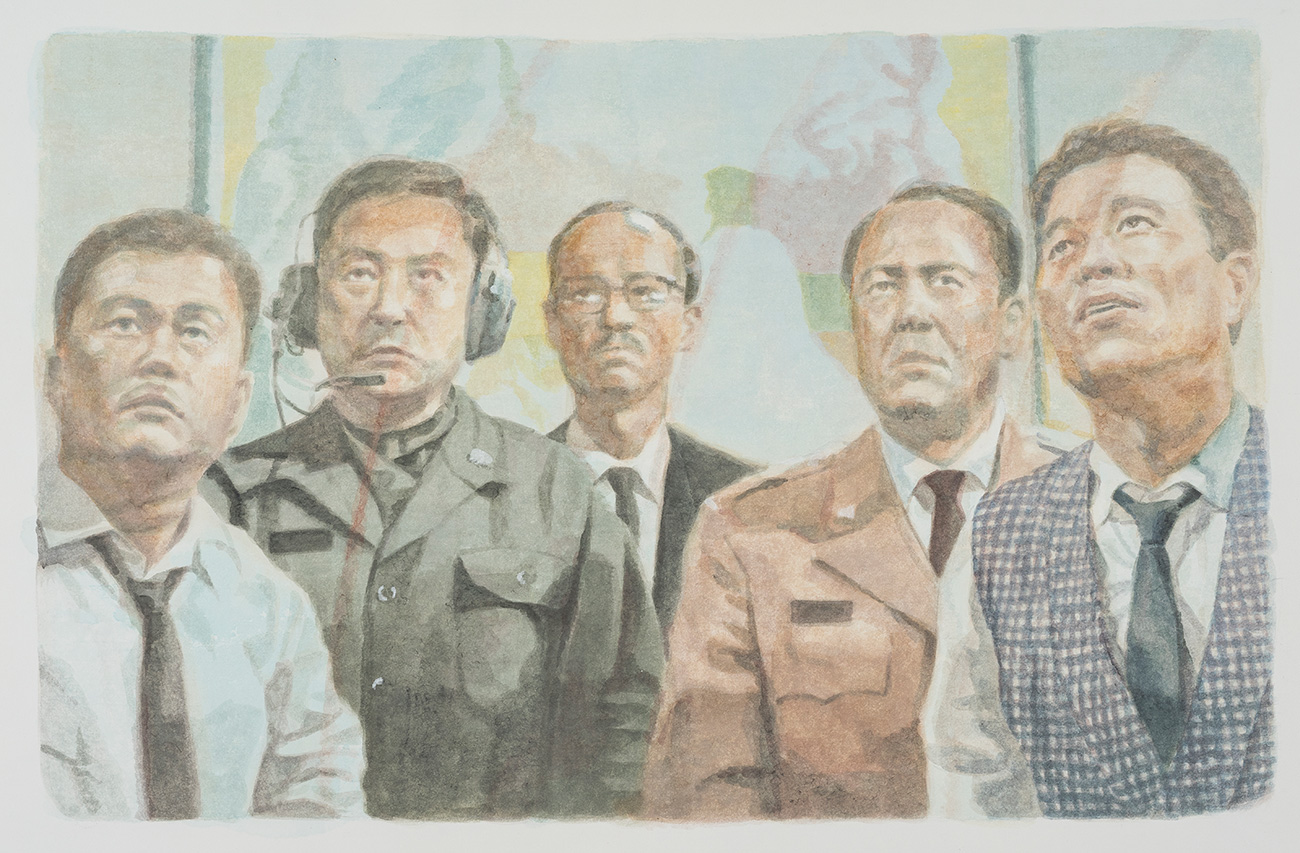
To compose these scenes, he primarily appropriated images found online, ranging from official government archival photographs to corporate promotional images, advertisements, photographs left as private records by U.S. Forces Korea personnel, and video materials such as Daehan News(Korean News).
To construct a single scene, he combined and arranged images scattered across different times and spaces, and at times presented these landscapes as aged or ruined images.
By intervening in the past that underpins the present, he drew it out not as a frozen time-space, but into a space imbued with a sense of reality. To achieve this, he added color to black-and-white images and replaced crude image quality with varied textures.
As such, assembling puzzles from past moments in the here and now is possible because there exists a continuity of phenomena that cannot be overlooked today. He constantly speaks of the present moment while simultaneously intervening in images of the past, thereby acquiring a historical consciousness.