Exhibitions
《Spear and Heap》, 2020.12.02 – 2020.12.27, Sahngup Gallery
December 02, 2020
Sahngup Gallery
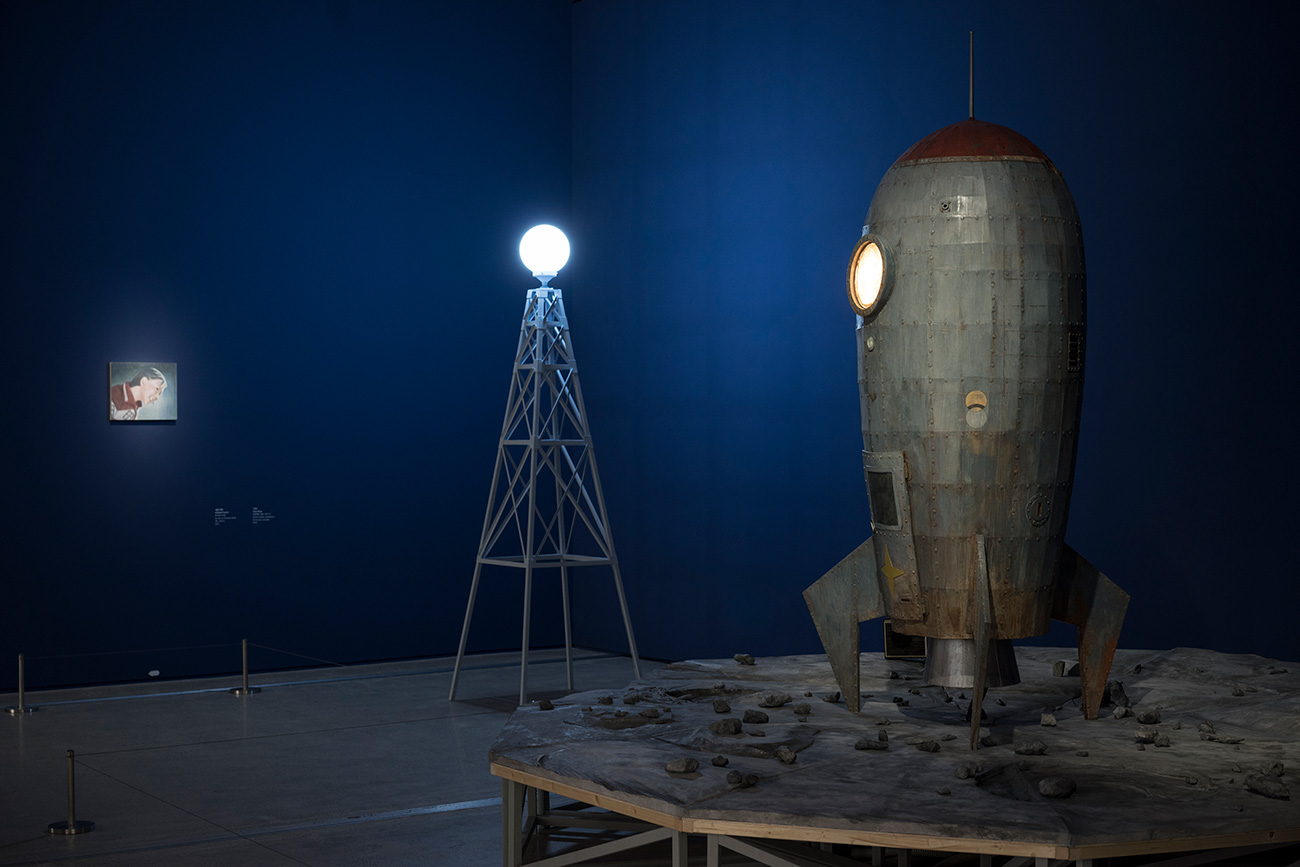
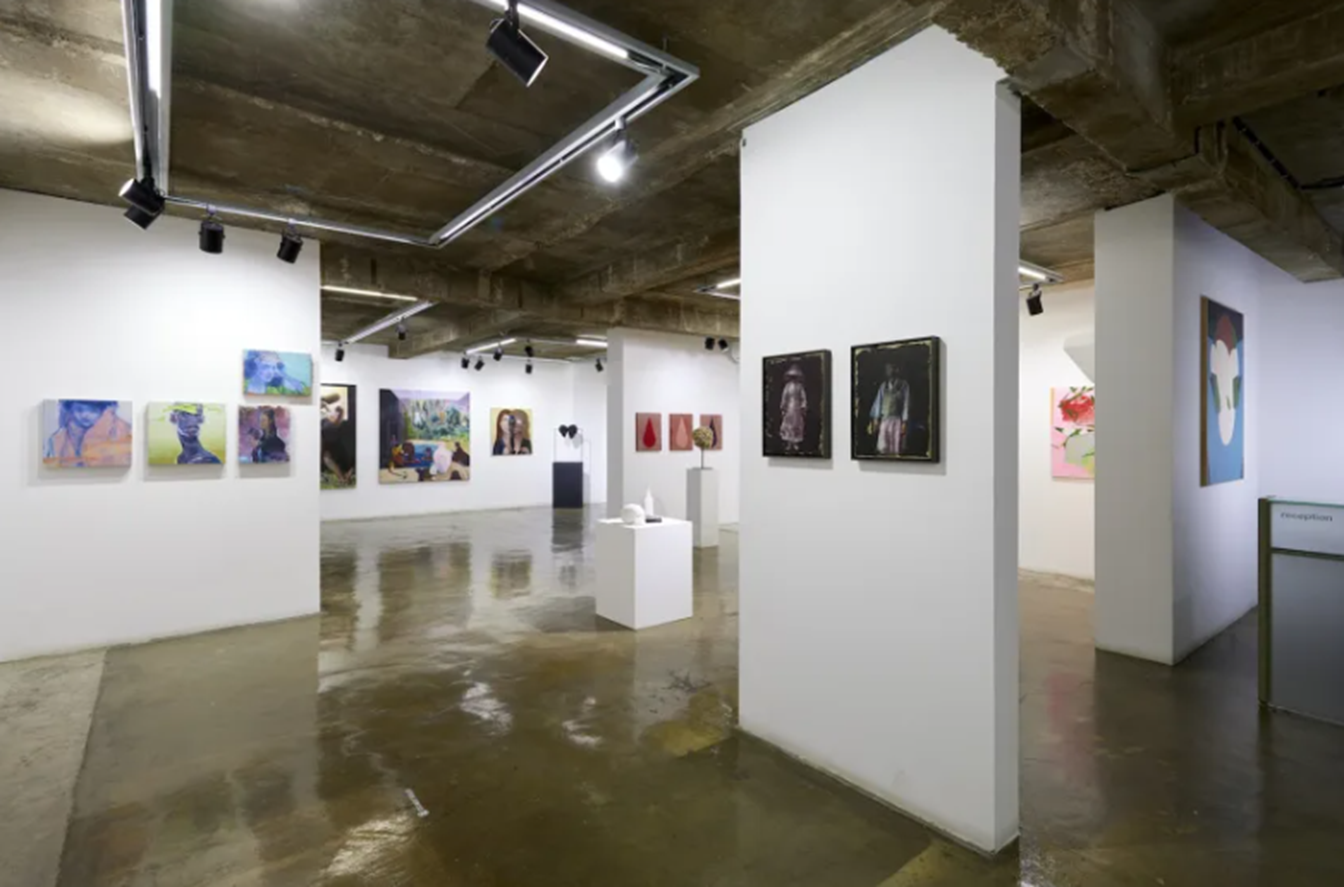
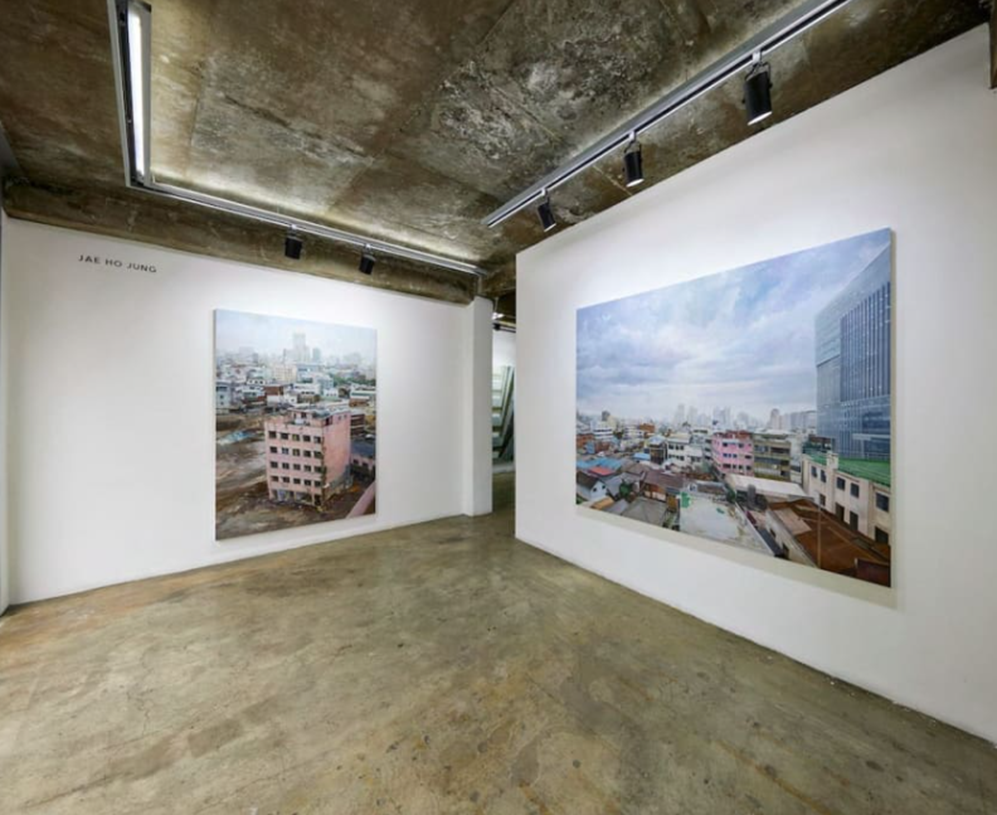
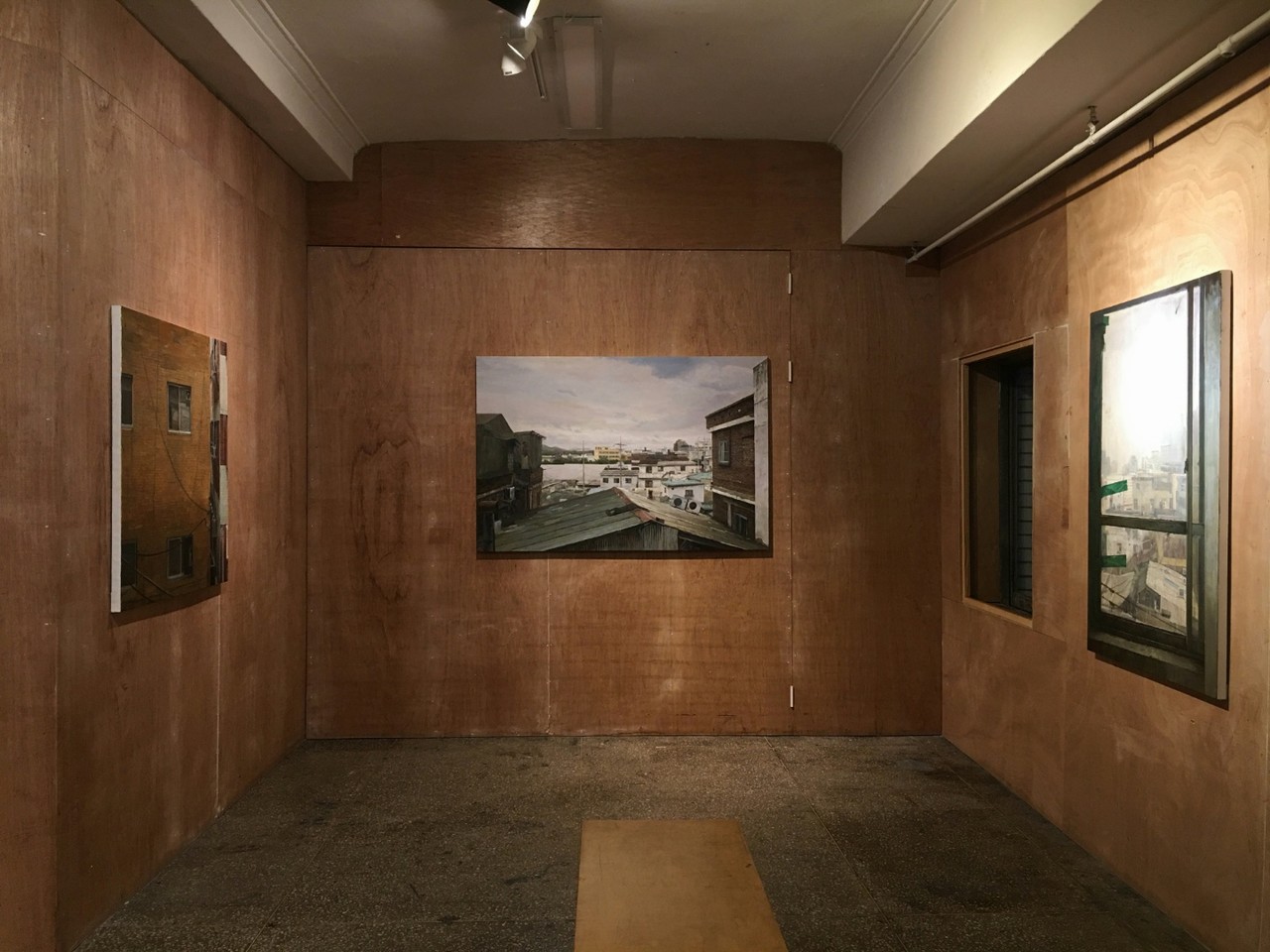 Installation
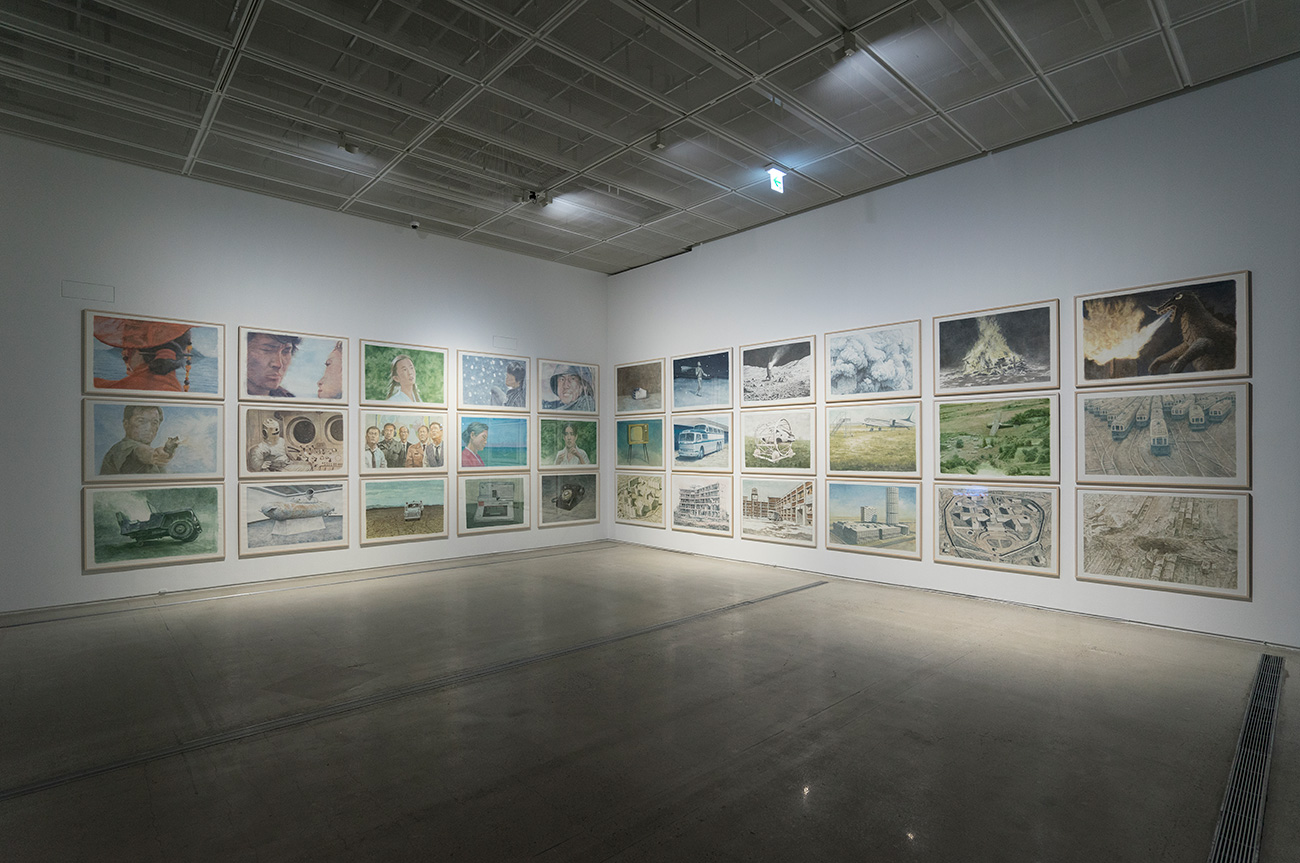
view of 《Spear and Heap》 © Sahngup
Gallery
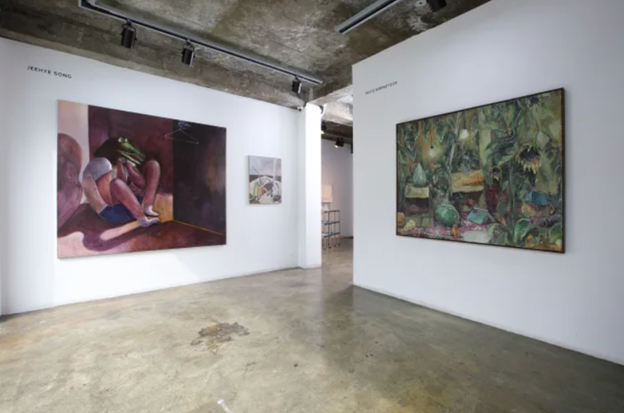
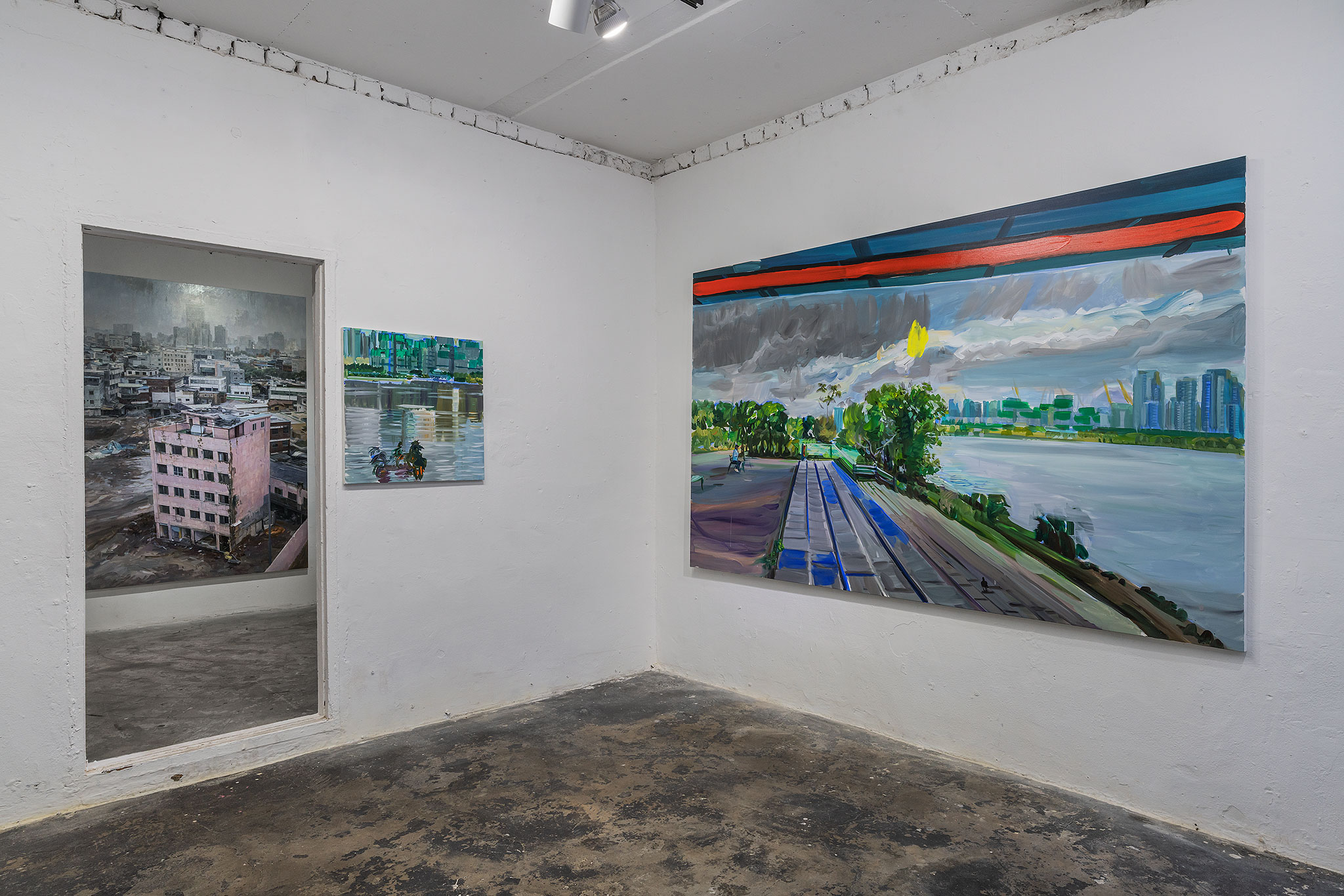
Installation
view of 《Spear and Heap》 © Sahngup
Gallery
The
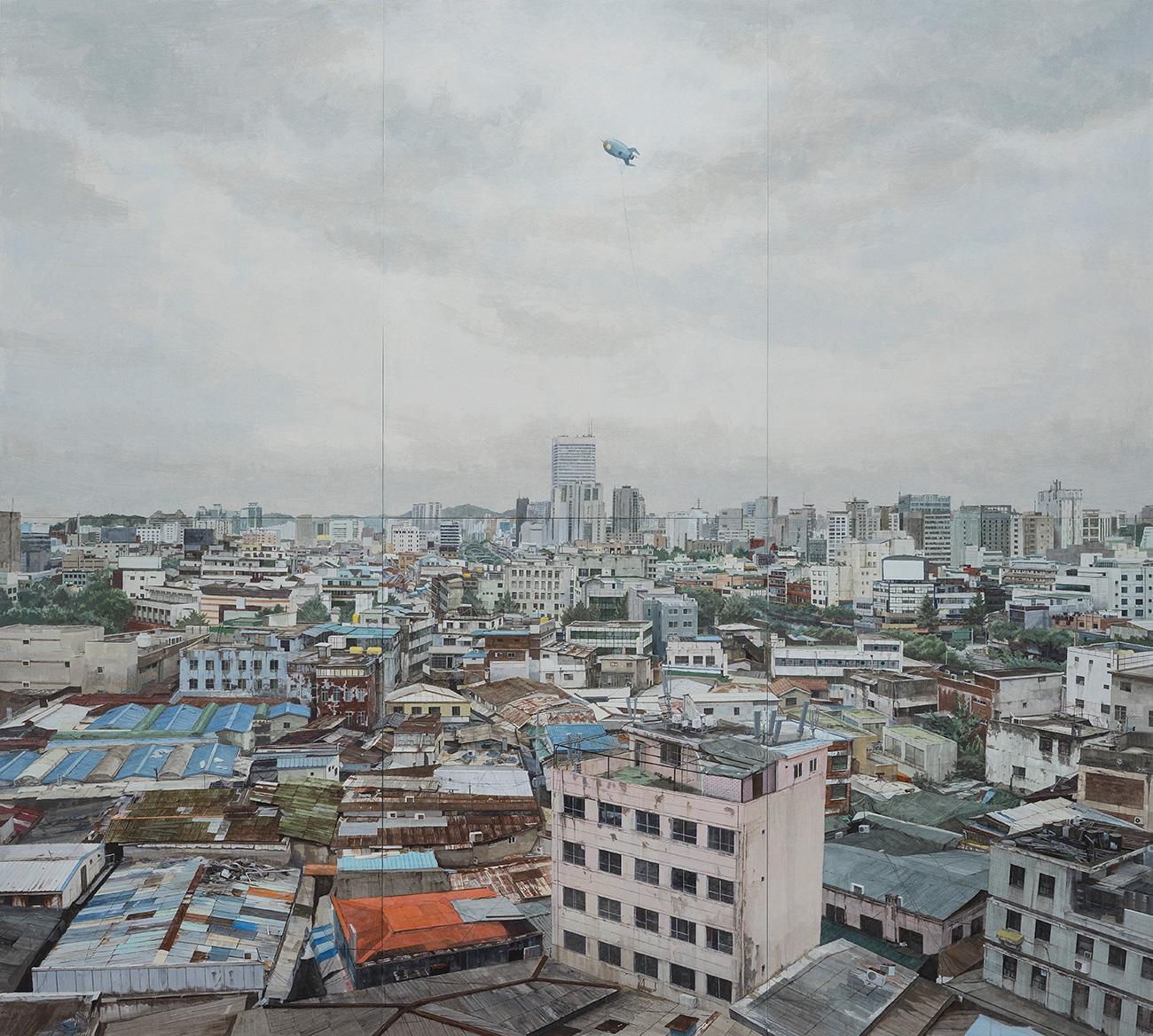
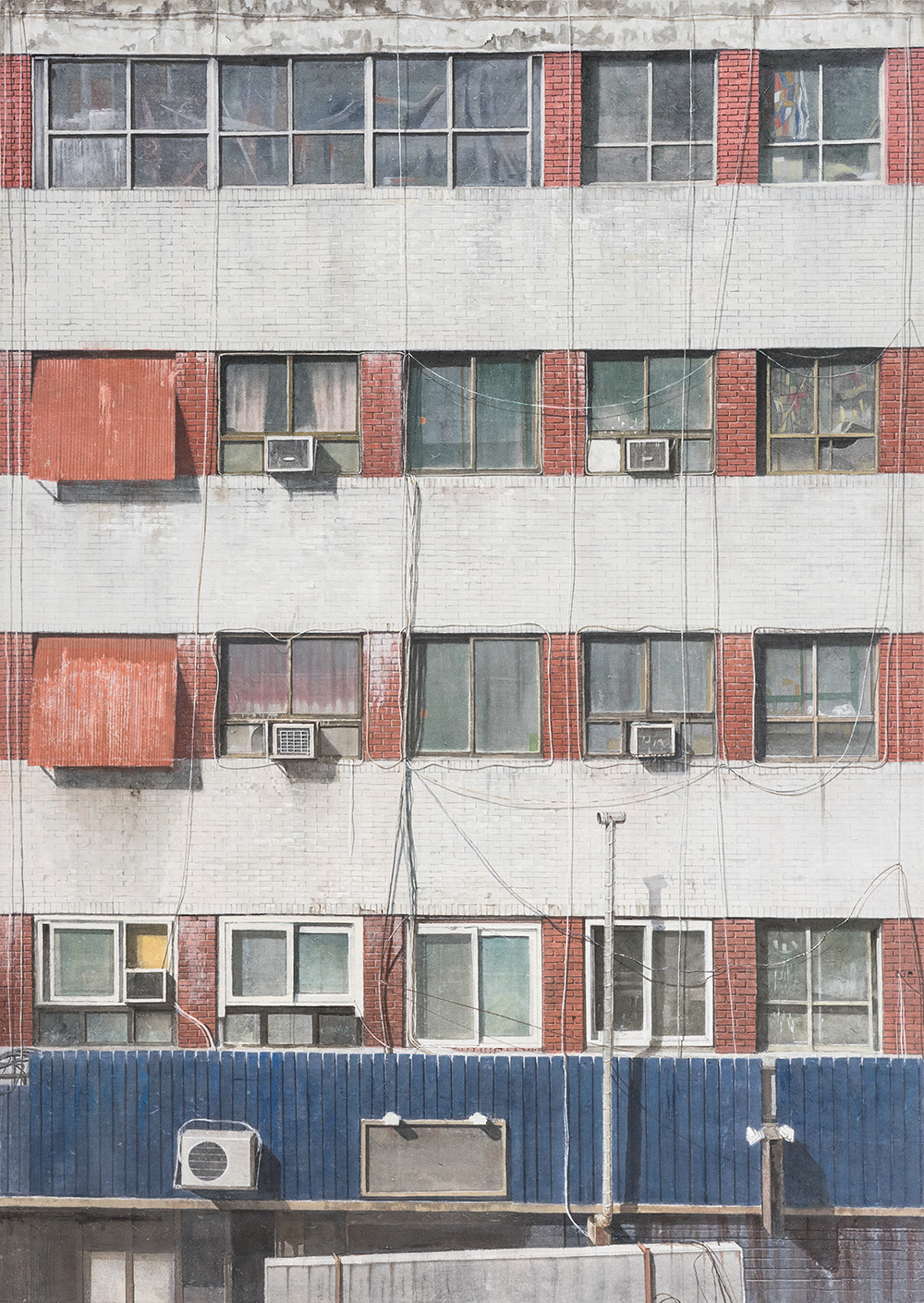
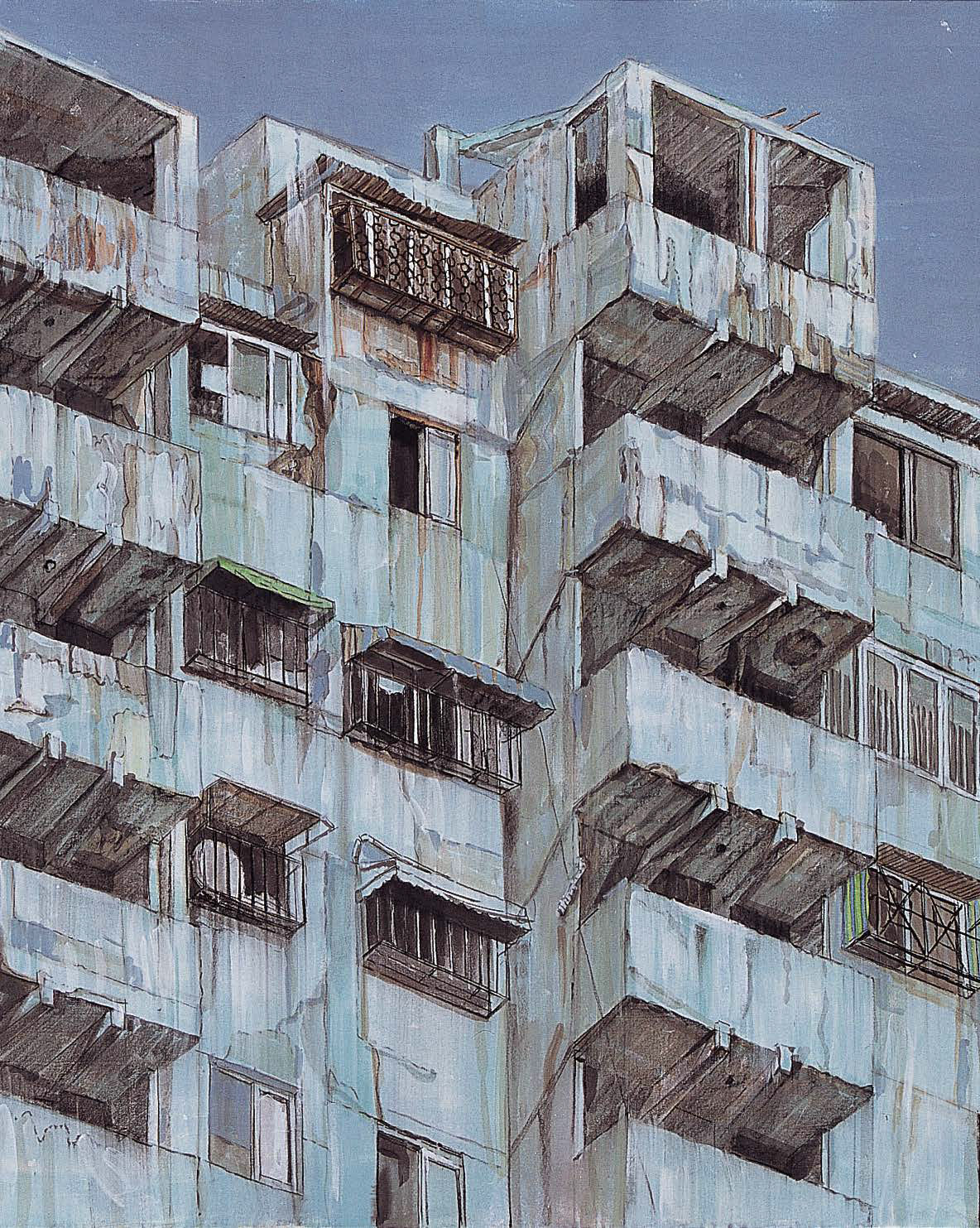
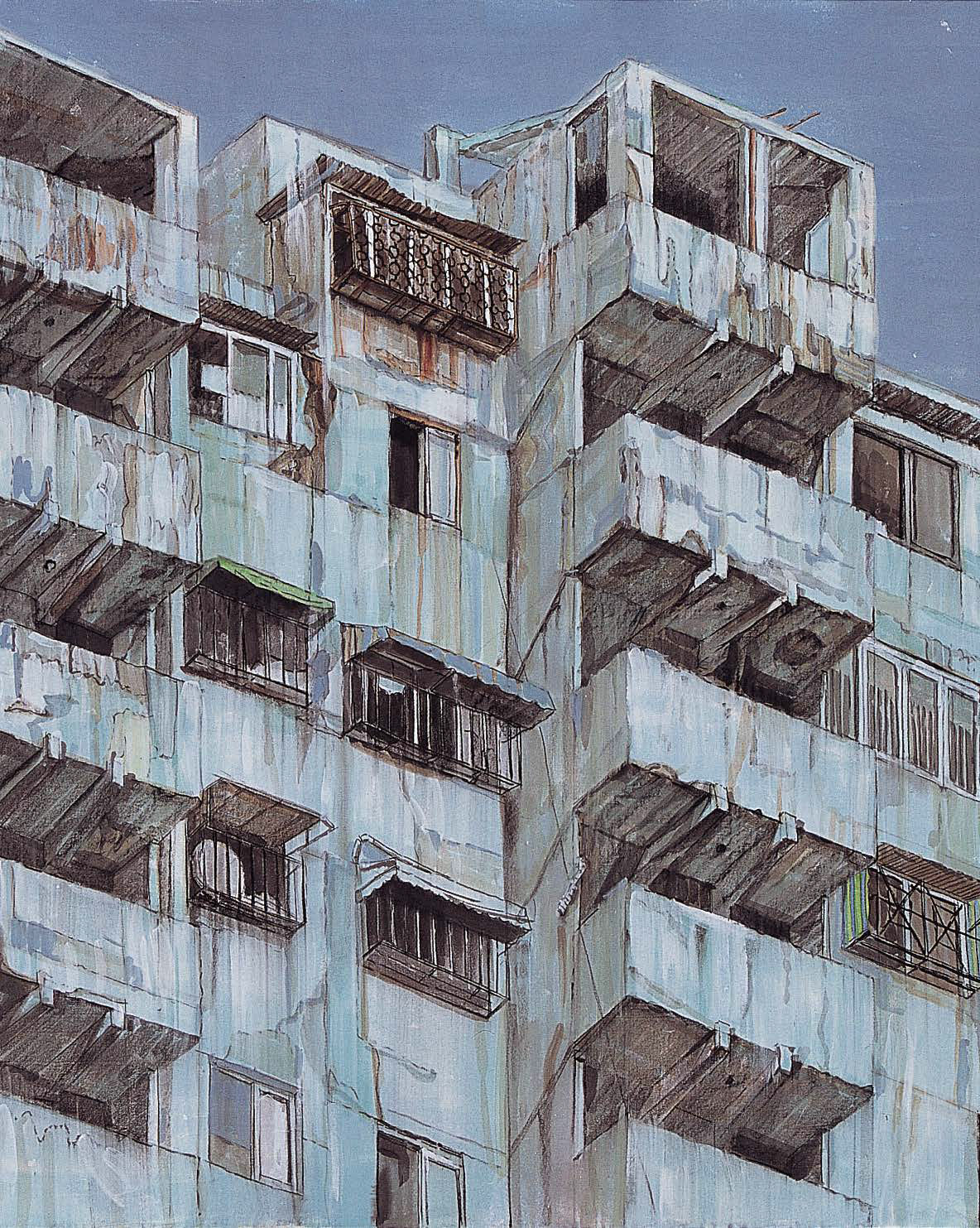
paintings I created this time depict landscapes from the Euljiro and
Cheonggyecheon areas. These places were familiar to me, and I had painted a few
works there before, but this was the first time I deliberately decided to focus
on them. The landscape stretching from Jongno through Cheonggyecheon to
Euljiro, with Sewoon Sangga at its center, had been divided into zones called
“Sewoon districts” due to redevelopment projects that began several years ago.
Stripped of their original names, these areas were being hastily demolished.
Houses
that had once been densely packed so tightly that the ground was invisible had
their roofs removed, then their walls torn down, eventually becoming small
hills of debris. It was only last autumn that Sewoon District 3 was completely
cleared and turned into an empty lot. When a site foreman ran toward me and
asked why I was taking photographs, he soon softened after seeing the drawings
on my phone and began telling me stories about what had happened in this place.
I heard things I did not know, and facts that differed from what I thought I
knew. When I returned to the studio and faced the painting again, I could not
help but hesitate.
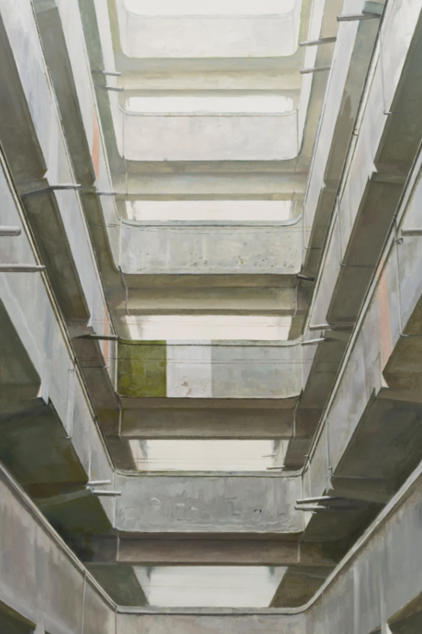
Spear
and Heap was painted around this time. In the cropped and
zoomed-in scene taken from a photograph of the backstreets of Euljiro, there is
a piece of lumber jutting out between buildings pressed together like a canyon,
with a heap of discarded objects piled behind it. I thought of a spear standing
at an angle, and of corpses on a battlefield. This painting might have become a
symbolic image of ruins, death, and resistance by depicting lumber and a heap
as a spear and corpses. However, I could not proceed beyond rendering the scene
with greater care.
How
reckless it is to paint a landscape believing that one already knows it. It was
better to sit down, listen, look, and paint. And so, the act of completing the
remaining paintings became a process of repeatedly layering small brushstrokes
to describe details within the landscape—erecting houses, forming streets, and
adjusting perspective and light.
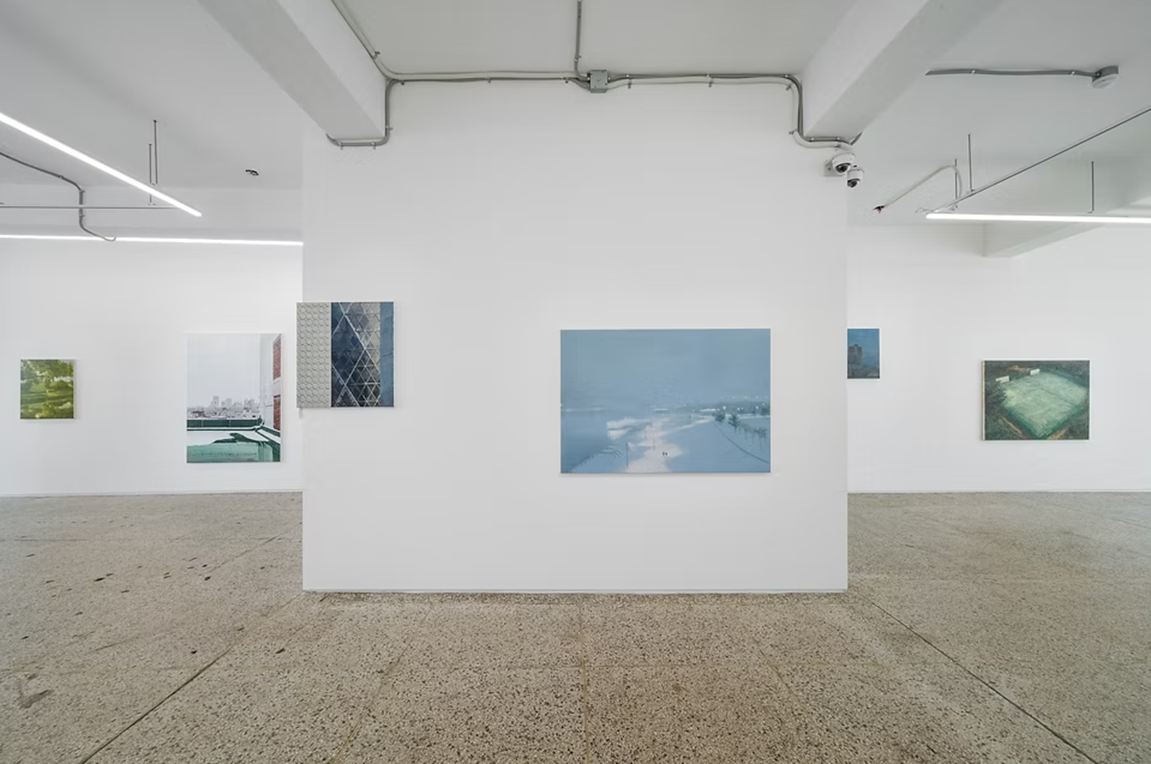
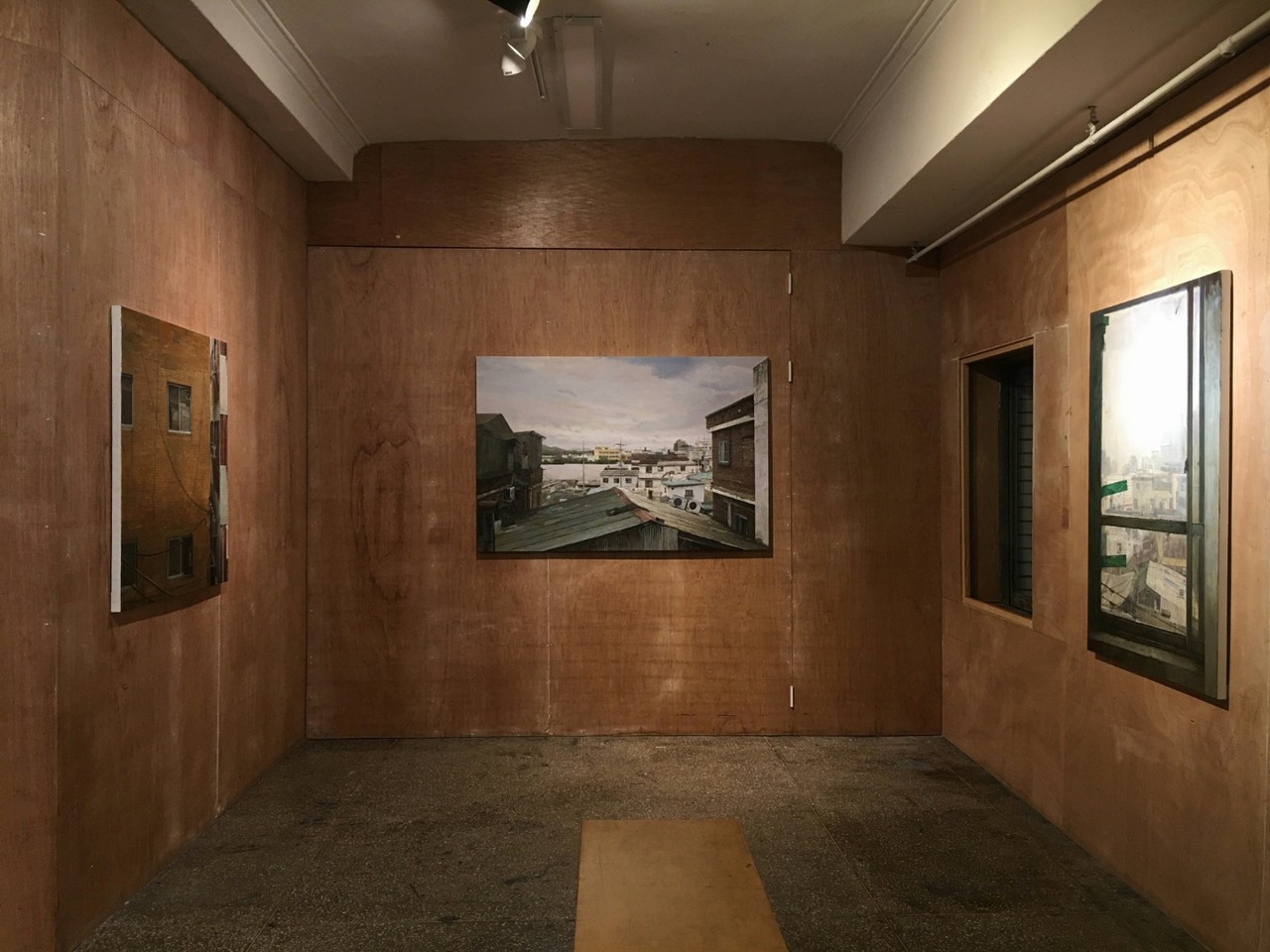
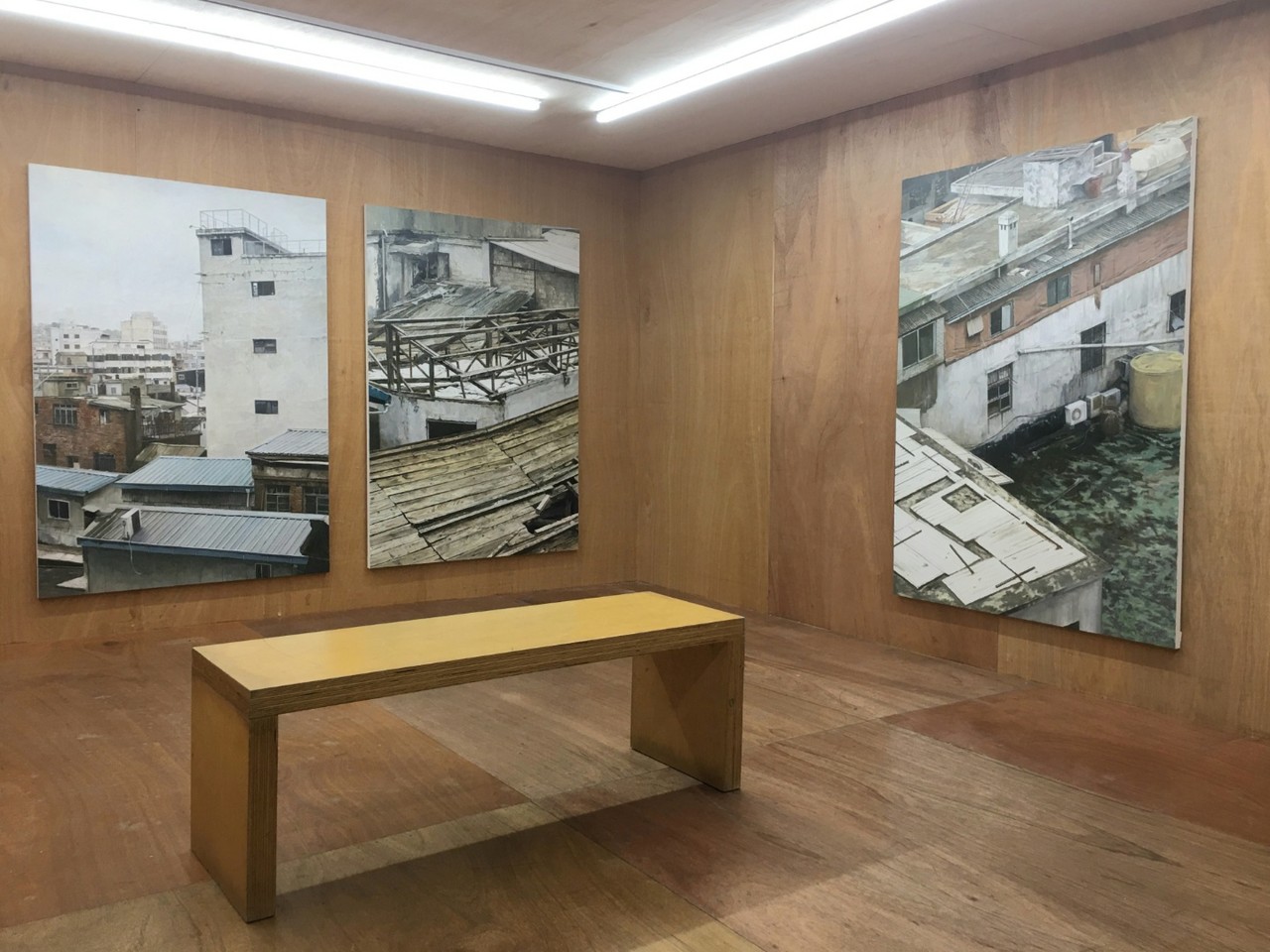 Installation
view of 《Spear and Heap》 © Sahngup
Gallery
Installation
view of 《Spear and Heap》 © Sahngup
Gallery
All
of these works were painted in oil. While I was certainly drawn to oil paint
out of fascination and curiosity, my primary reason was my desire to render the
unique colors and textures of this place as they truly were. With the change in
material, the process of painting also changed. Whereas building up paint on
Korean paper was a process of revealing parts from the whole, oil paint led me
to structure the whole through the accumulation of parts.
The
process of moving from giving form, color, and texture to objects toward
forming a landscape resembled architectural construction. It dismantled my
sense of distance from the landscape, drawing me inward so that I looked at
objects as if I were directly participating in architecture itself. I placed
art and painting in parentheses, adopting an attitude of listening to, seeing,
and touching the elements within the landscape as I painted.
There
seem to be landscapes painted because one thinks one already knows them,
landscapes painted in order to know them, and landscapes painted while setting
aside the desire to know altogether. I began with the first, passed through the
second, and eventually arrived at the third—that is, simply painting.
A
landscape reveals different appearances before painting, during painting, and
after painting. After completing a work through arduous attention to detail and
then returning to the actual landscape, it appears even more majestic. This is
true not only of this place, but likely of all landscapes.
Looking
at the paintings hung on the wall, they feel woefully insufficient and trite.
Suddenly, I feel as though I am standing alone in a vast field. What else can
be done? One can only continue forward.
Text
by Jaeho Jung