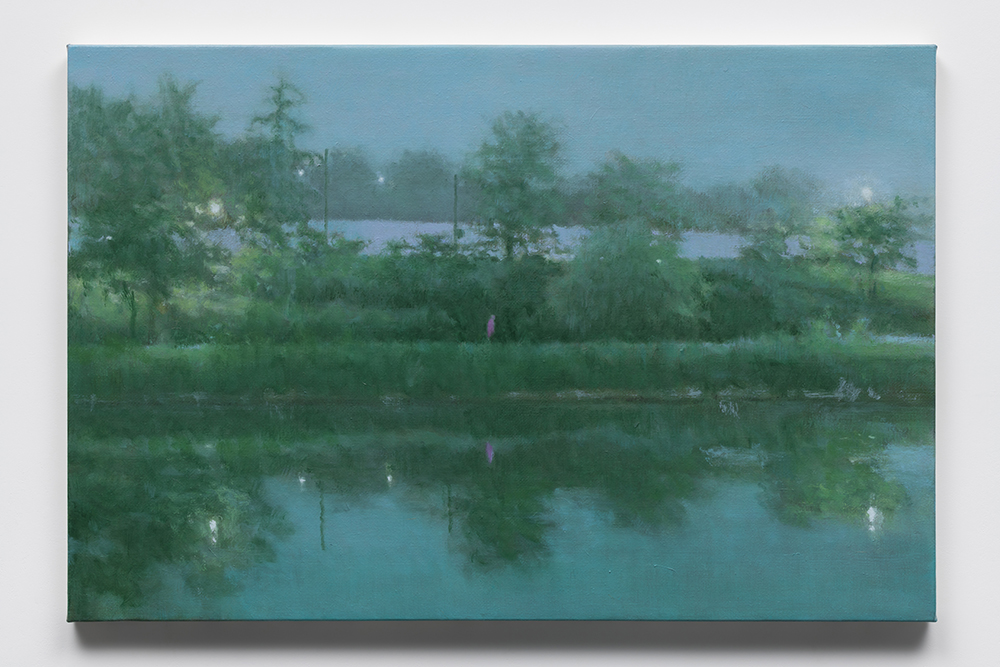
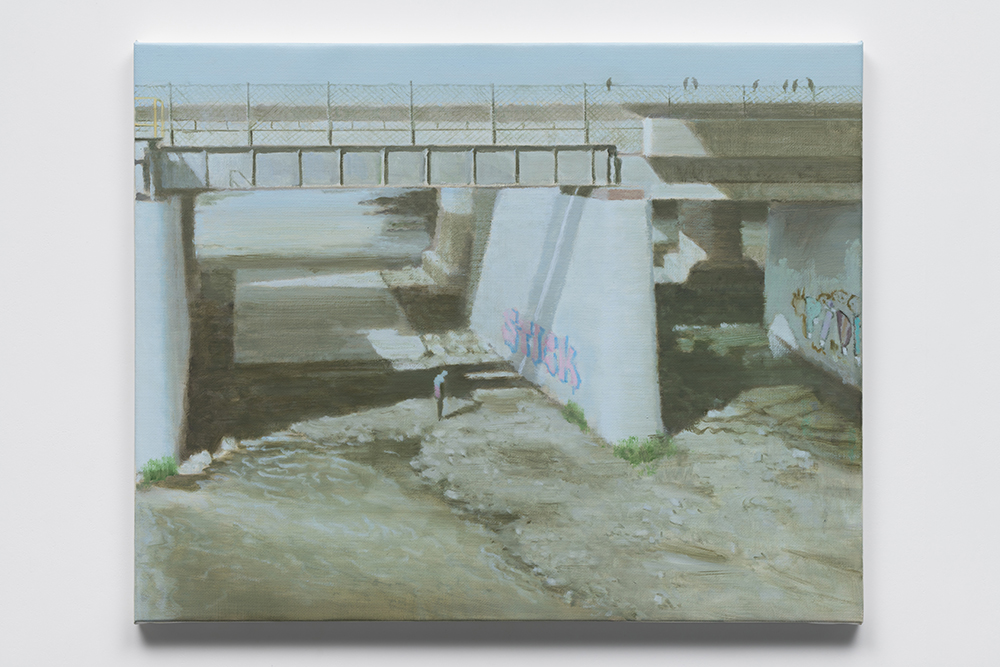
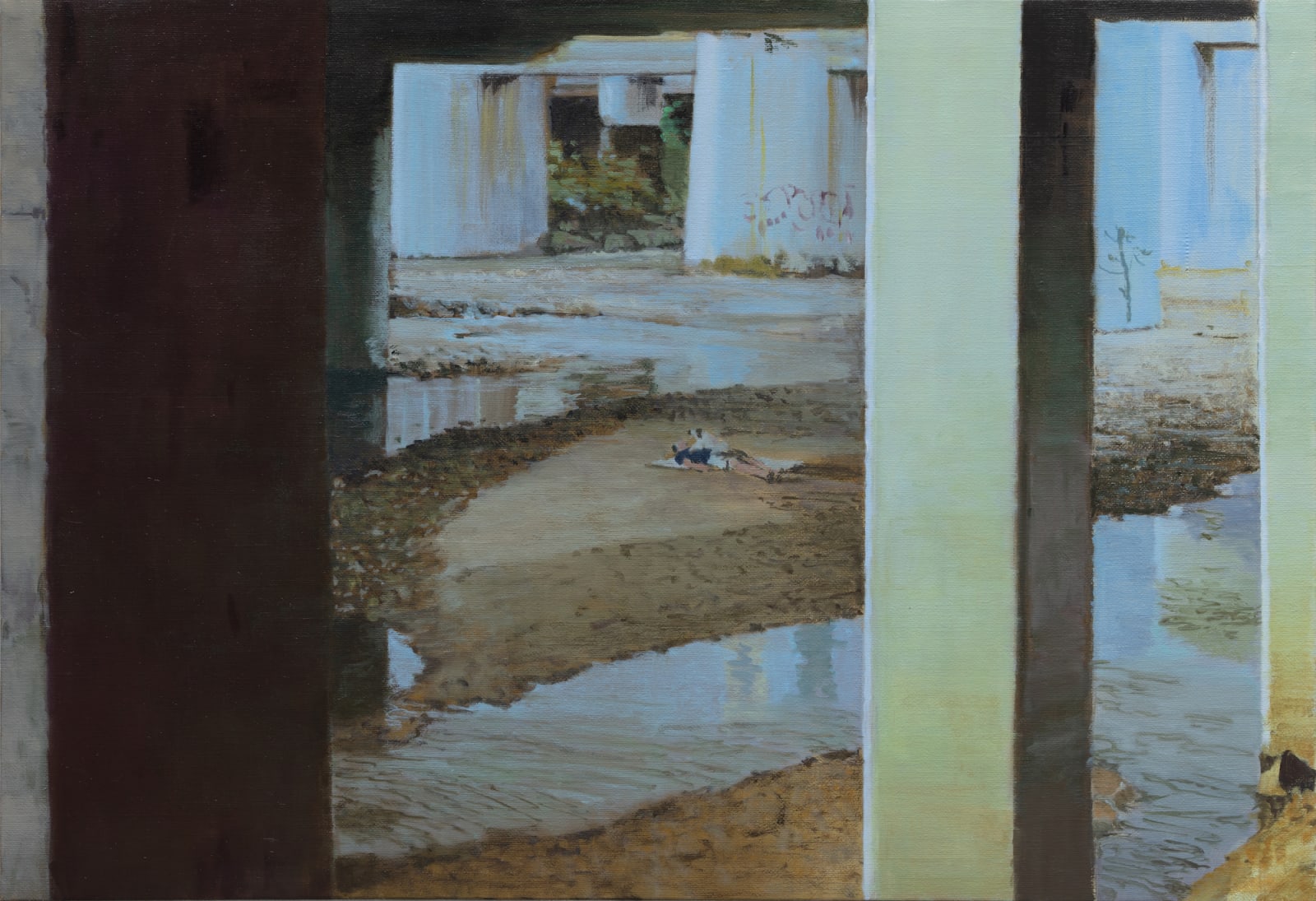
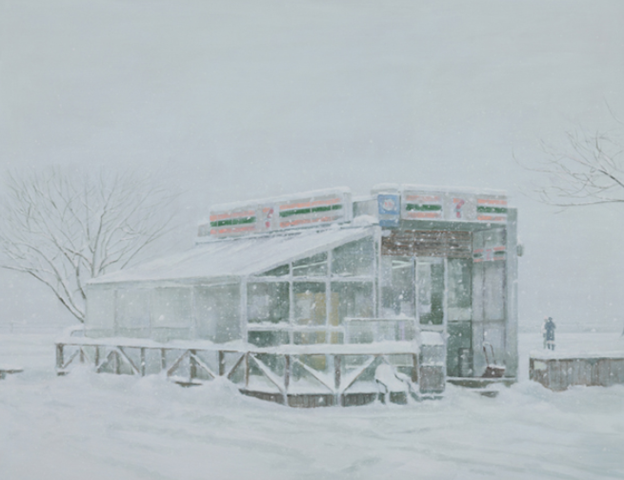
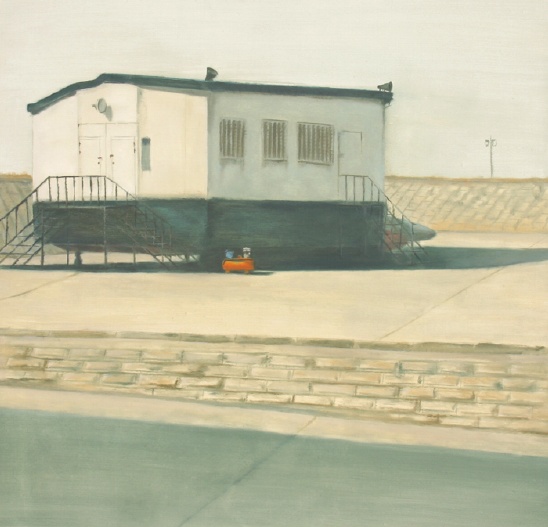
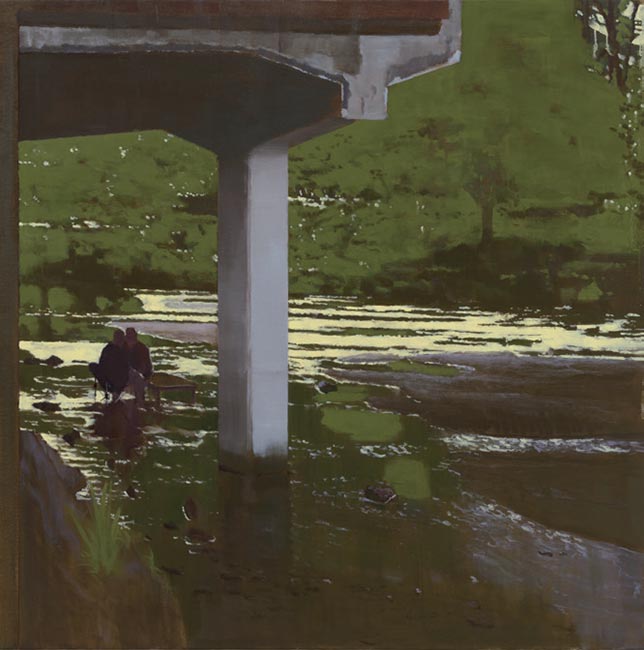
The body of work that most clearly evokes the name of Roh Choong
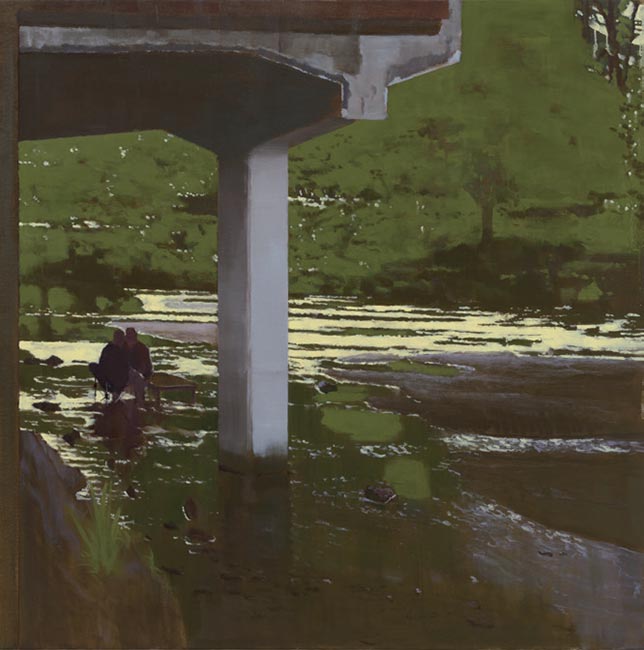
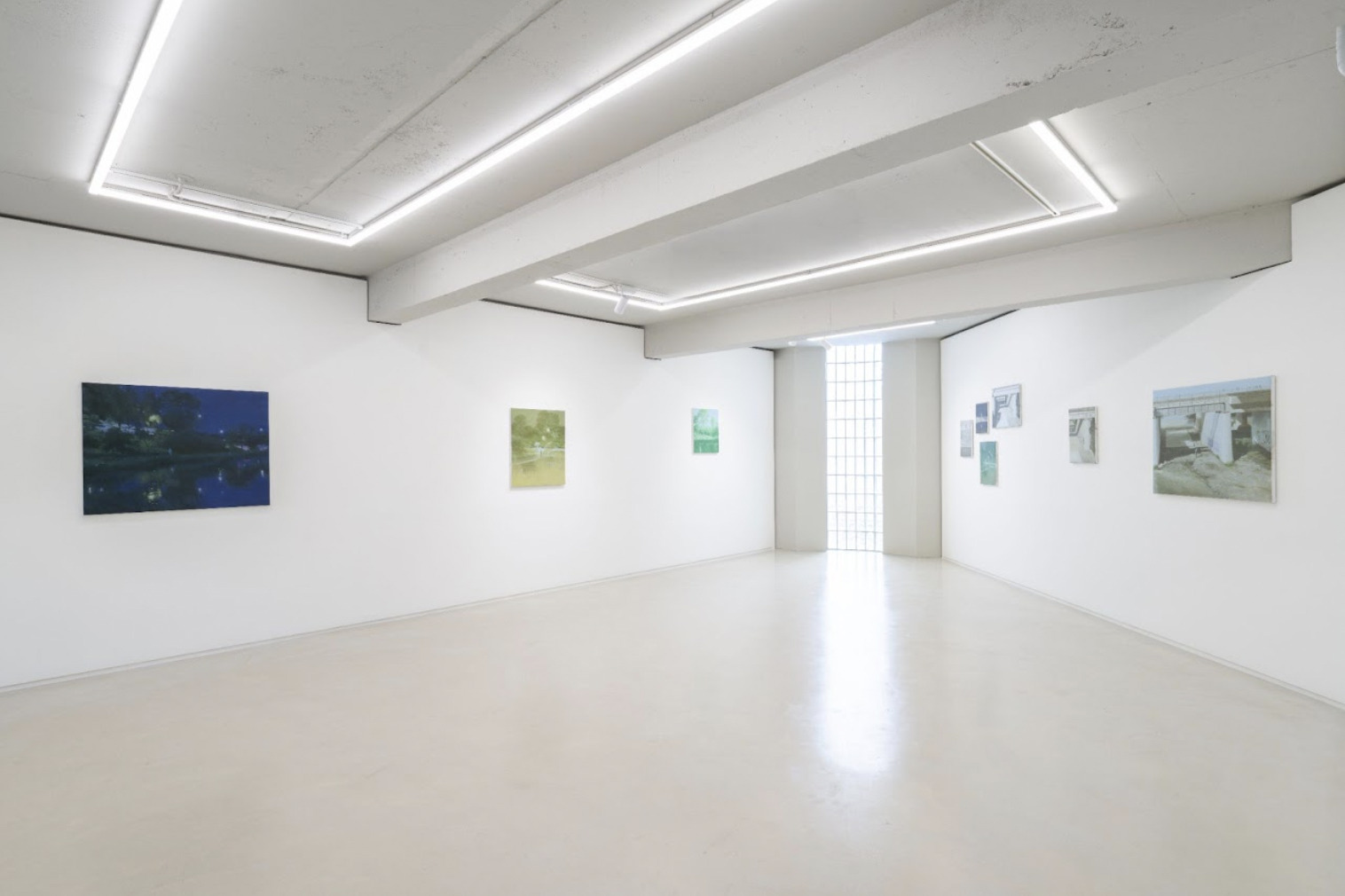
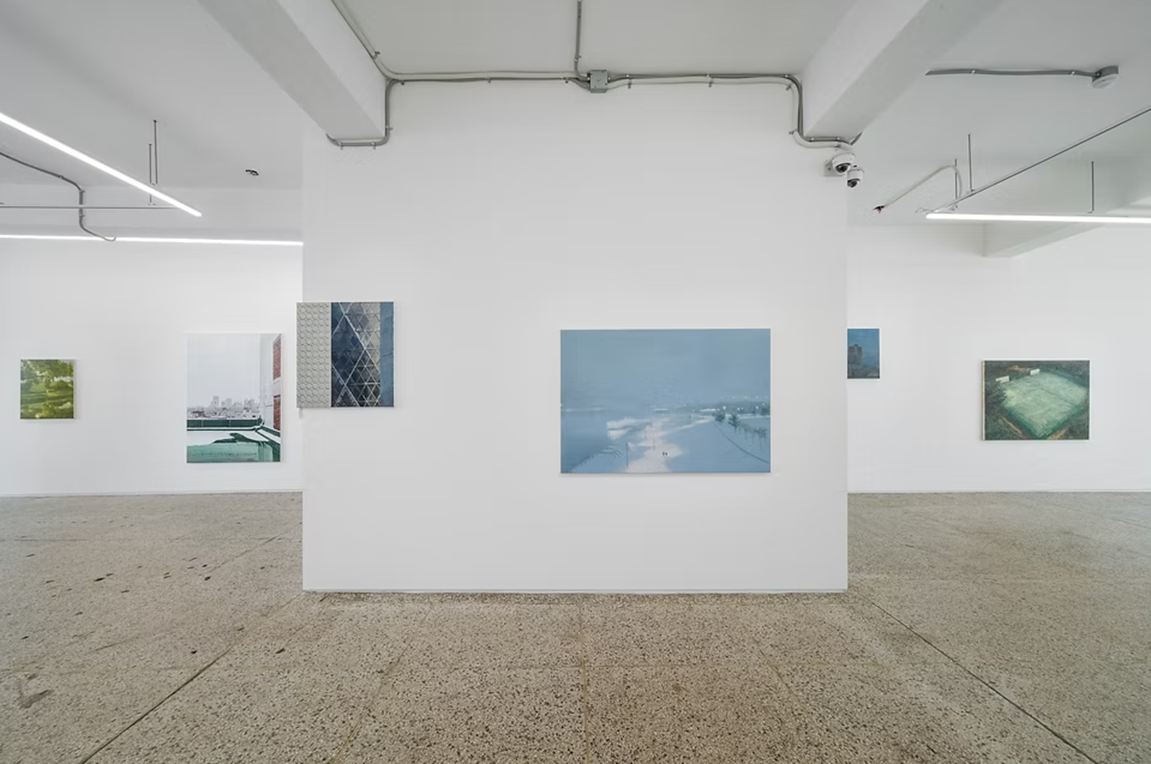
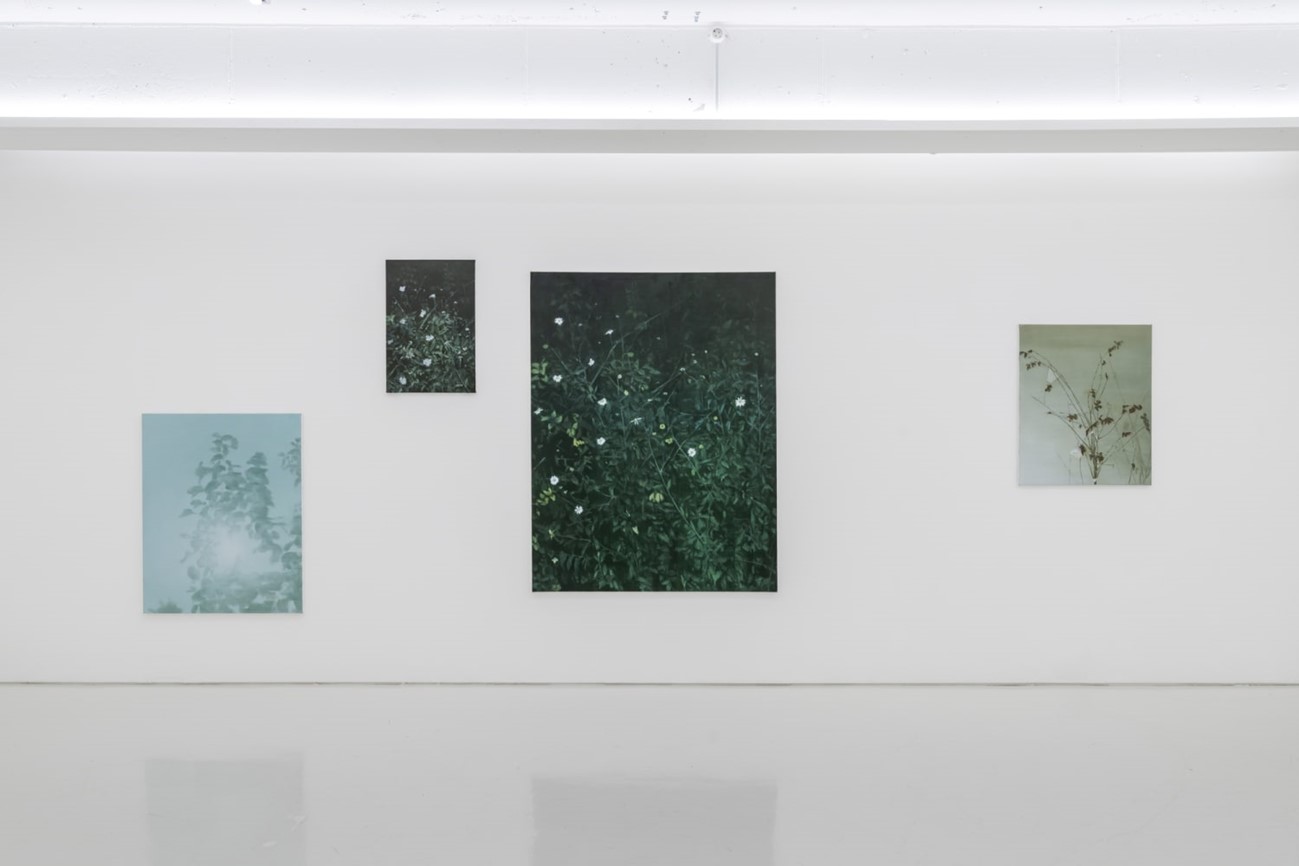
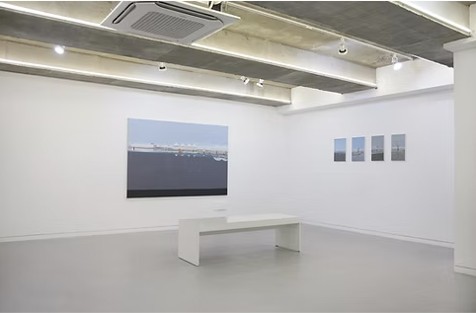
Hyun is his series Prosaic Landscape, in which he photographed the Hangang
Riverside Park with a digital camera and translated those images into
paintings. This practice of converting photographic images of reality into
painterly forms has, since the 2000s, become a defining methodology for a
branch of contemporary Korean painting, as seen in the works of artists like
Kang Seok-ho, Kim Sooyoung, Park Jinah, Park Juwook, Seo Dongwook, and Lee
Kwangho. Though indebted in part to Gerhard Richter’s painterly strategies
rooted in the photograph-painting relationship, the scenes they construct
reflect a certain local specificity embedded in Korean landscapes. Among them,
Roh Choong Hyun arguably occupies a central position, representing the terrain
of Korean contemporary painting since the 2000s.
His practice diverges from the modernist painting tradition that
inherited monochrome abstraction and from the ideological and critical
landscape strategies of Minjung art. Instead, it finds continuity with the
legacy of painters like Lee Seokjoo, who revealed the locality of Seoul in the
1990s, and Choi Jinwook, who explored the act of “painting” itself.
Roh’s landscapes are grounded in personal experiences of place,
yet they maintain a certain distance from them. This is partly a result of his
compositional choices, which prioritize panoramic perspectives, but more
crucially, it is an emotional distance—a detachment from the subject itself.
His work possesses a characteristically dry, austere quality, free from
emotional excess, and this tone arises from his deliberate maintenance of
emotional distance from the objects he paints. Such distance may reflect the
psychological stance of someone who grew up amidst the compressed processes of
industrialization and urbanization in Seoul—a cityscape that is at once
neutral, impersonal, and difficult to fully assimilate.
Nonetheless, Roh’s paintings contain subtle emotional
reverberations that intervene in his gaze upon the landscape. Despite the
detachment, the scenes are not cold; they capture an atmosphere strikingly
familiar to those, like myself, who are native to Seoul. His paintings of
Hangang Riverside Park—now considered his signature series—carry seasonal
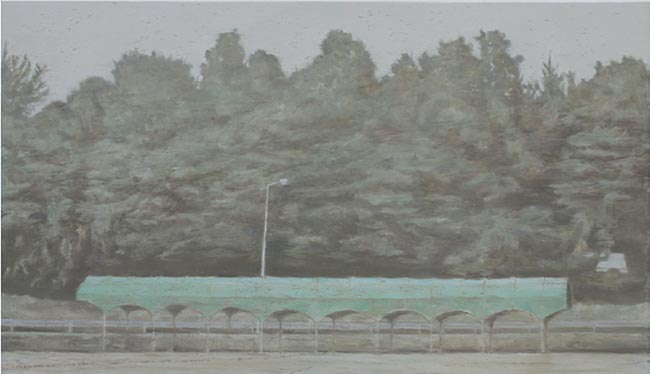
resonances that reflect emotional responses to the changing scenery. In works
like A Wave (2011), a mass of verdant trees sways like a
dance behind a stark, green shade screen standing lonesomely in the barren
riverside park. While the scene may appear mundane, it conjures a quiet
emotional response, as if the wind moving across the desolate stretch of land
were stirring the entire space—a feeling that perhaps the artist himself sensed
while standing there.