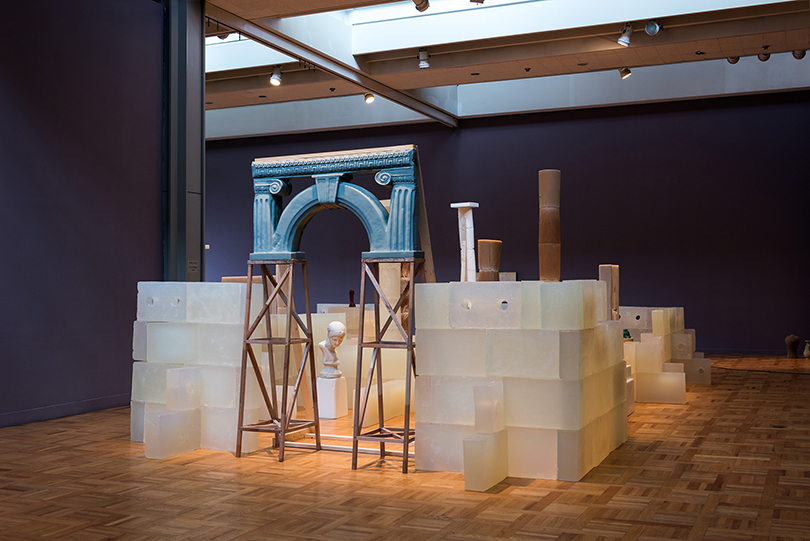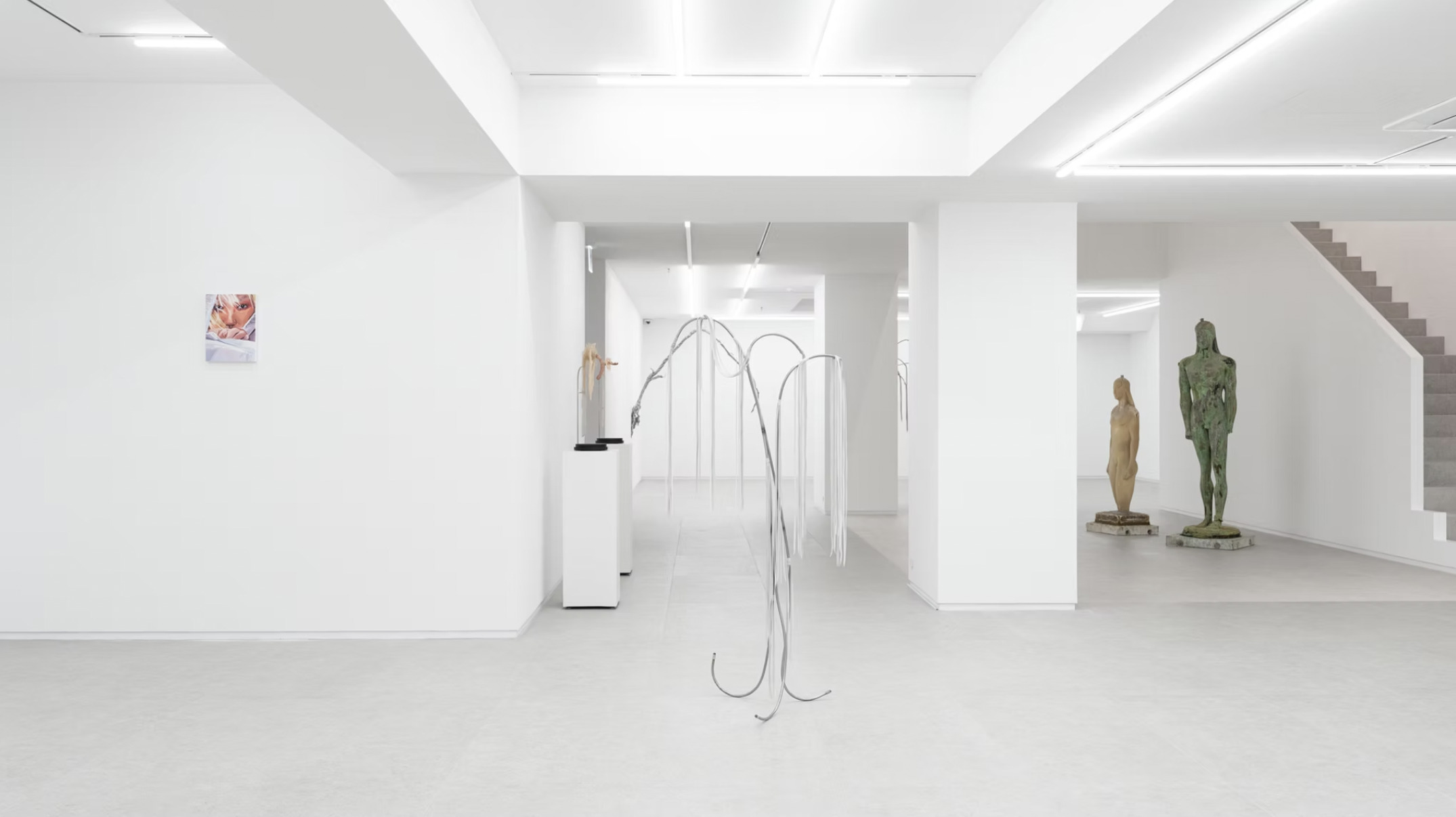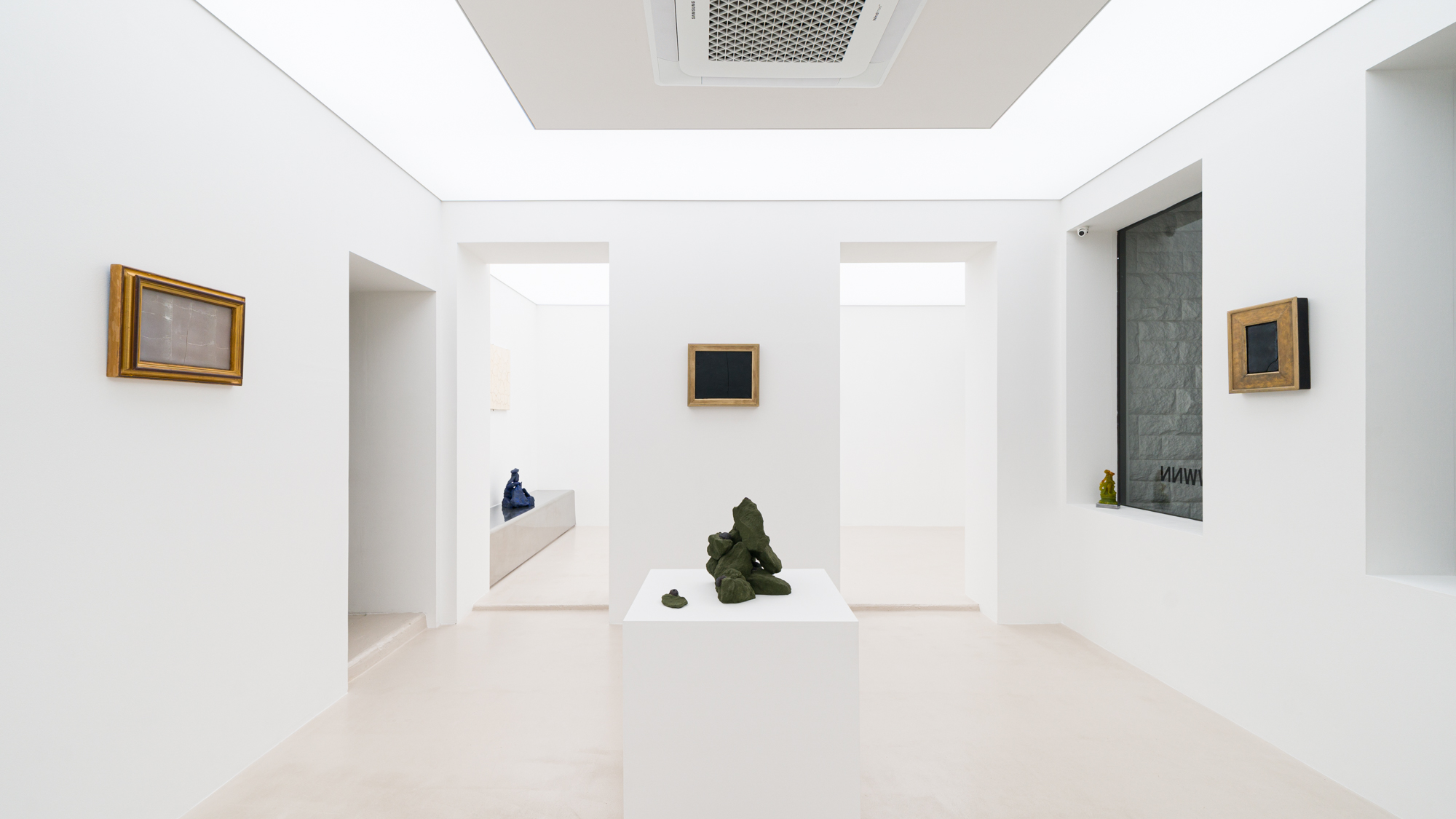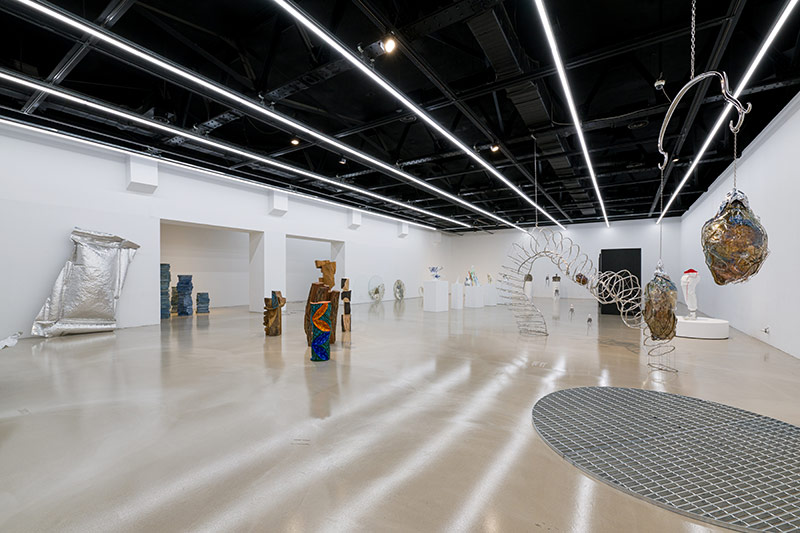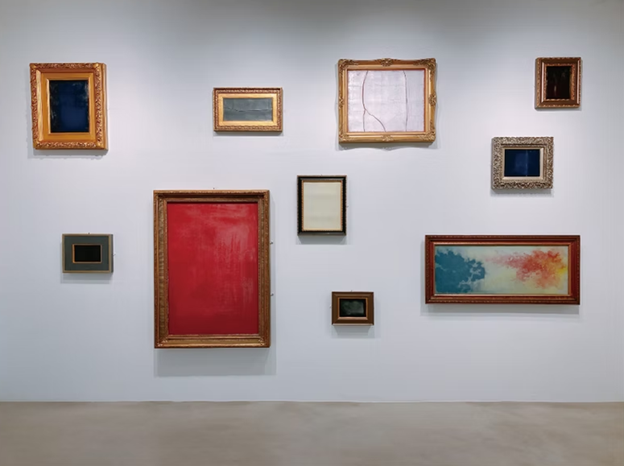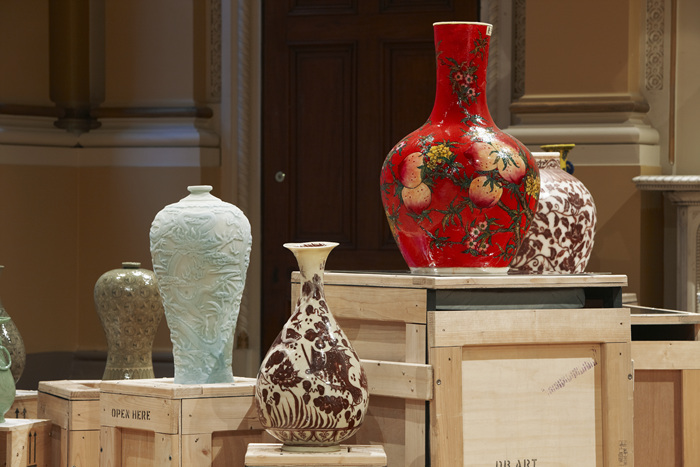


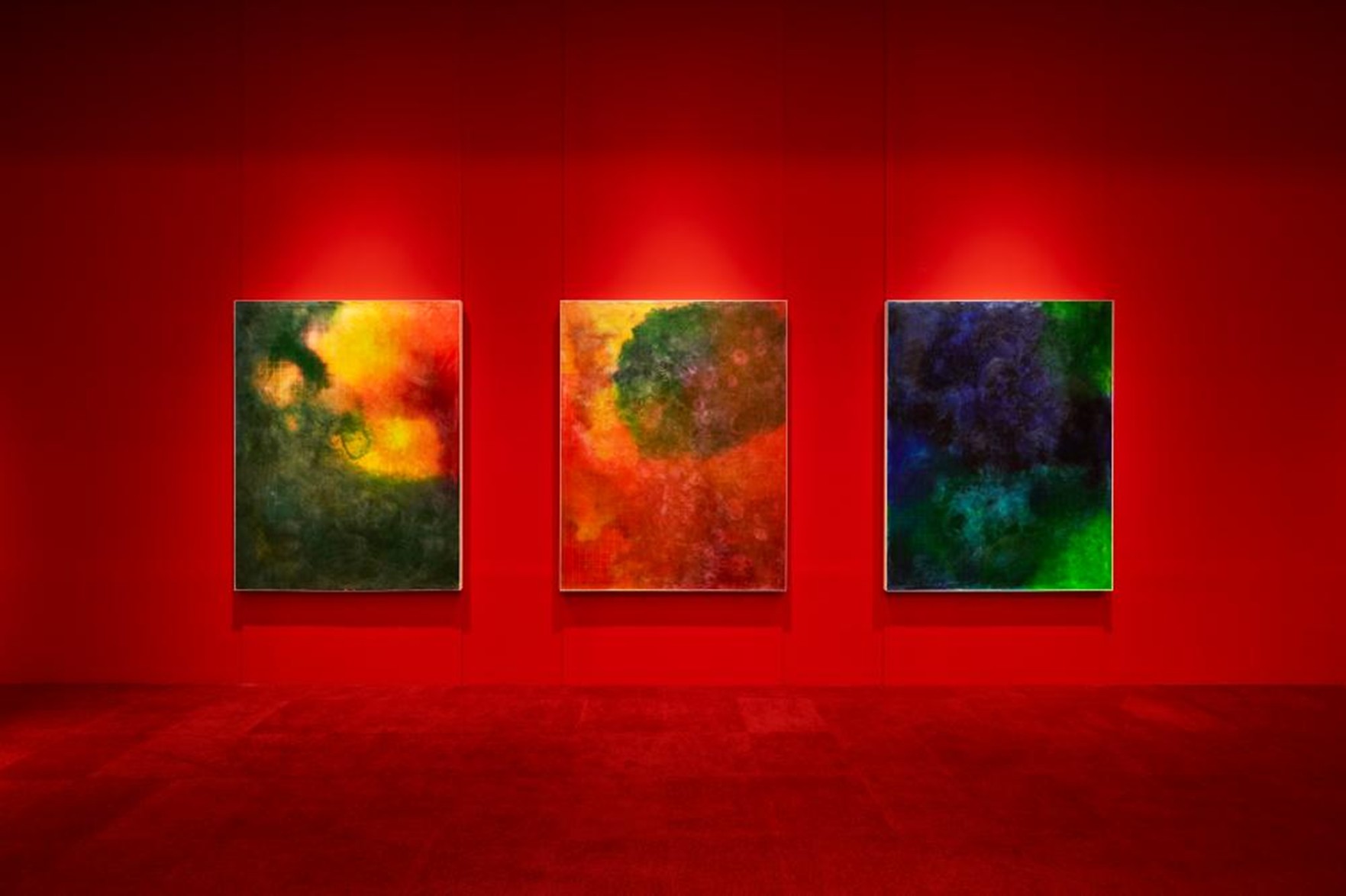
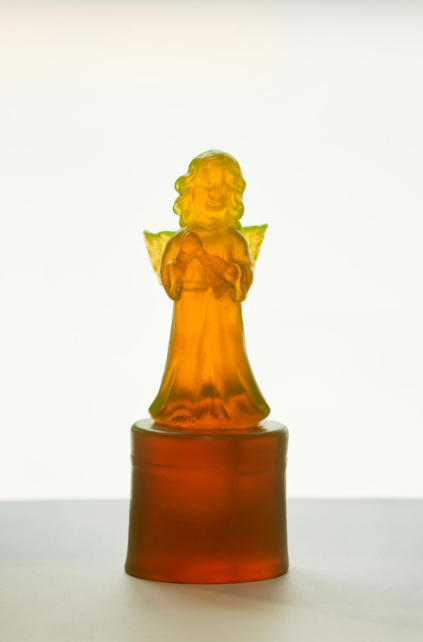
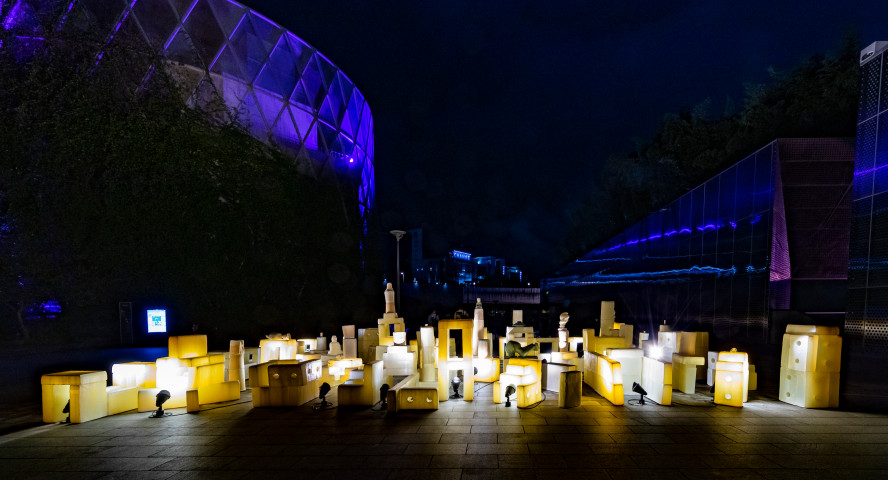
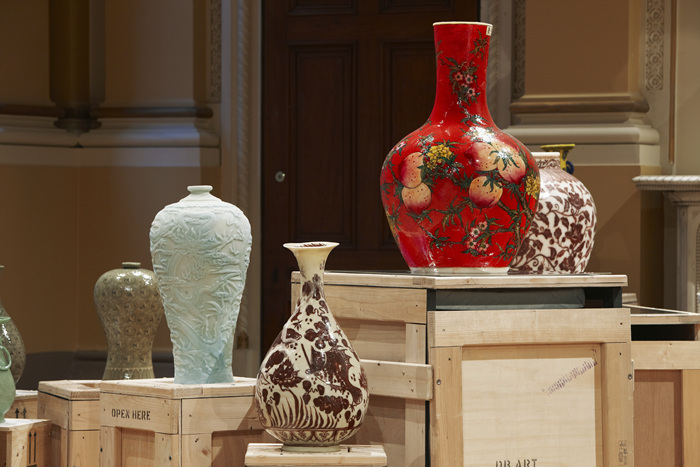
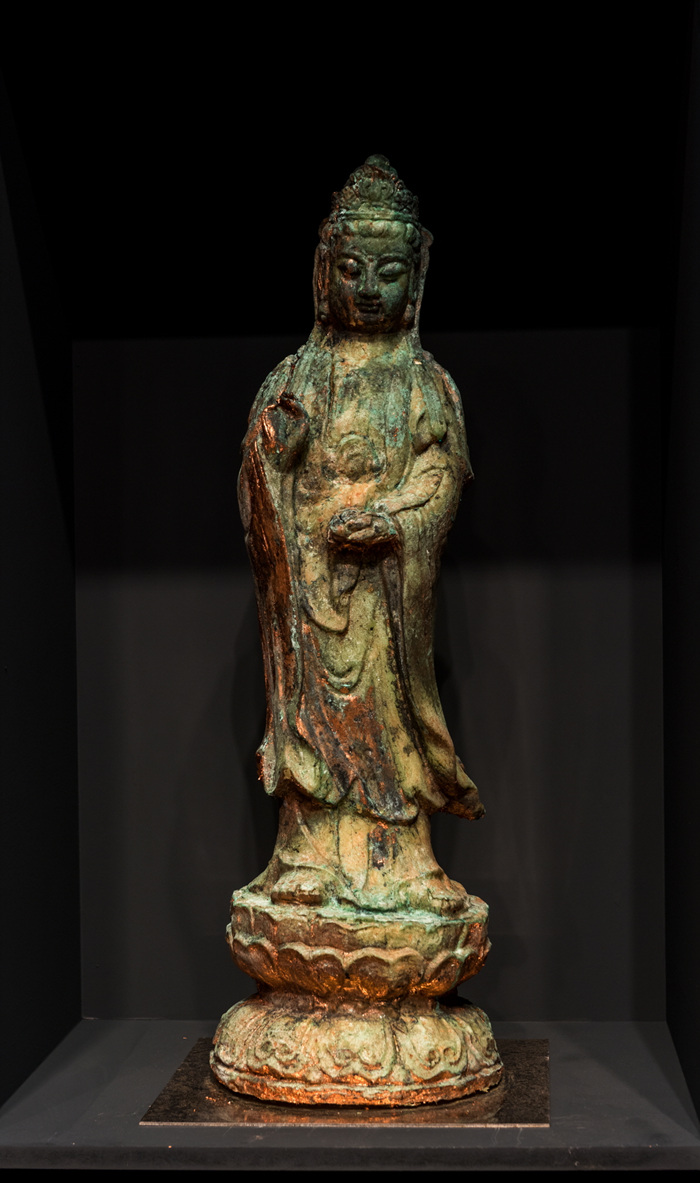
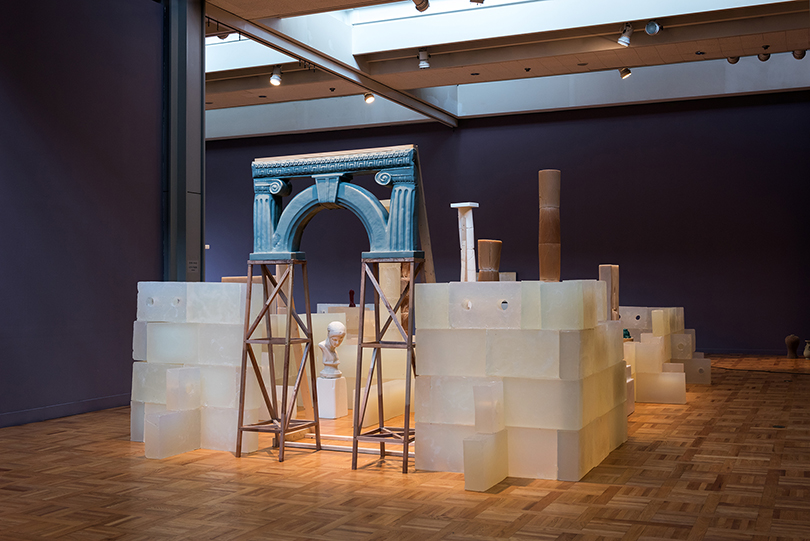
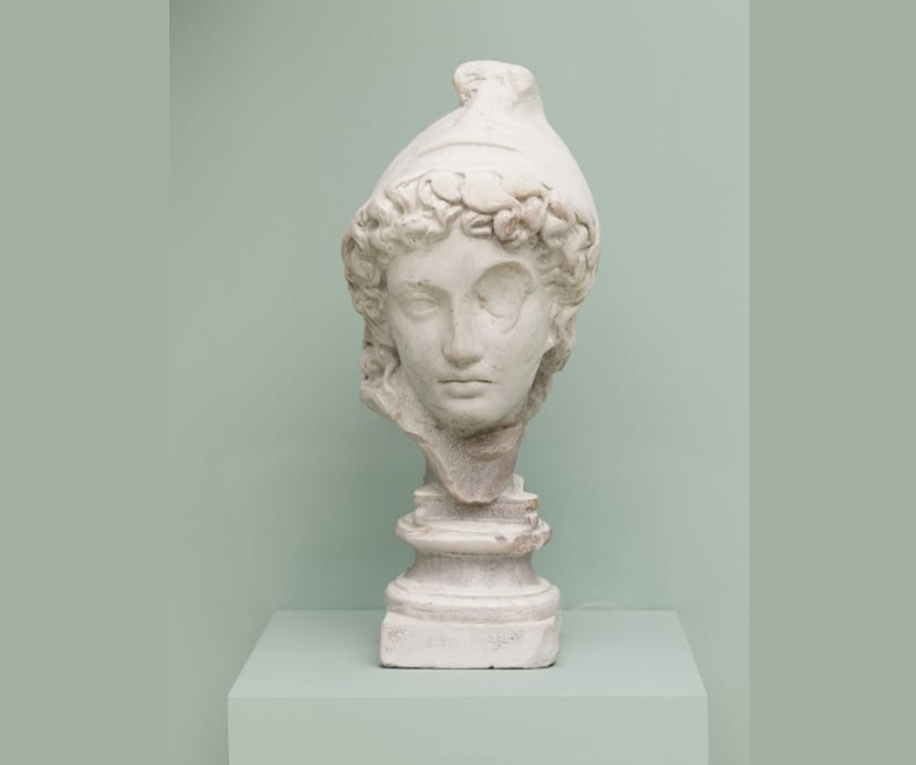
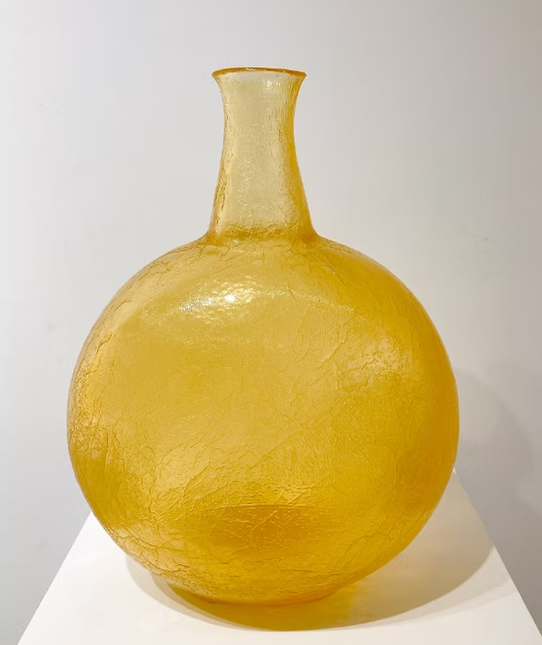
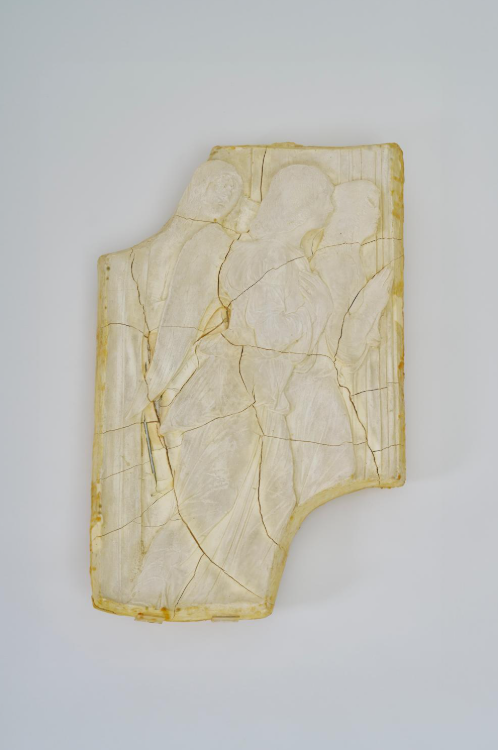
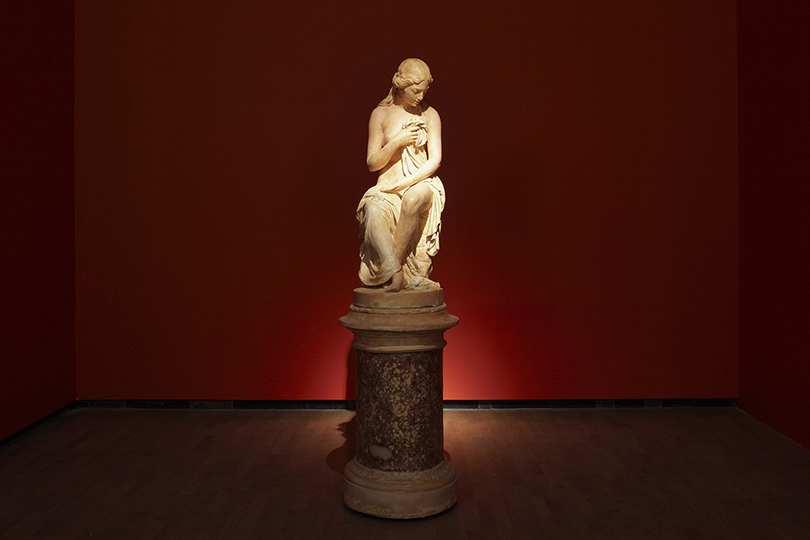
Installation view of 《VANITAS》 © Art Project CO

Vanitas, Beyond the Translation

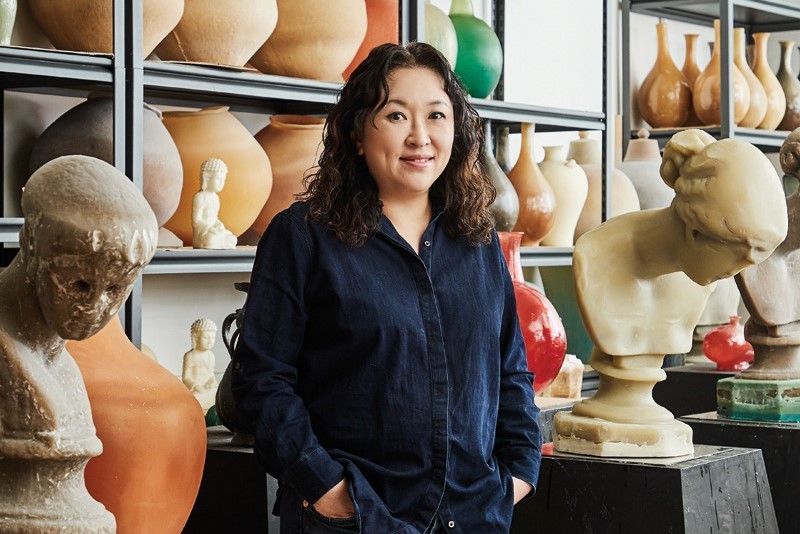
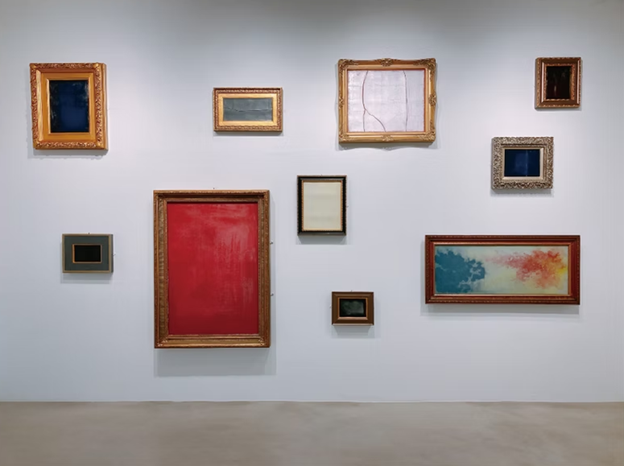
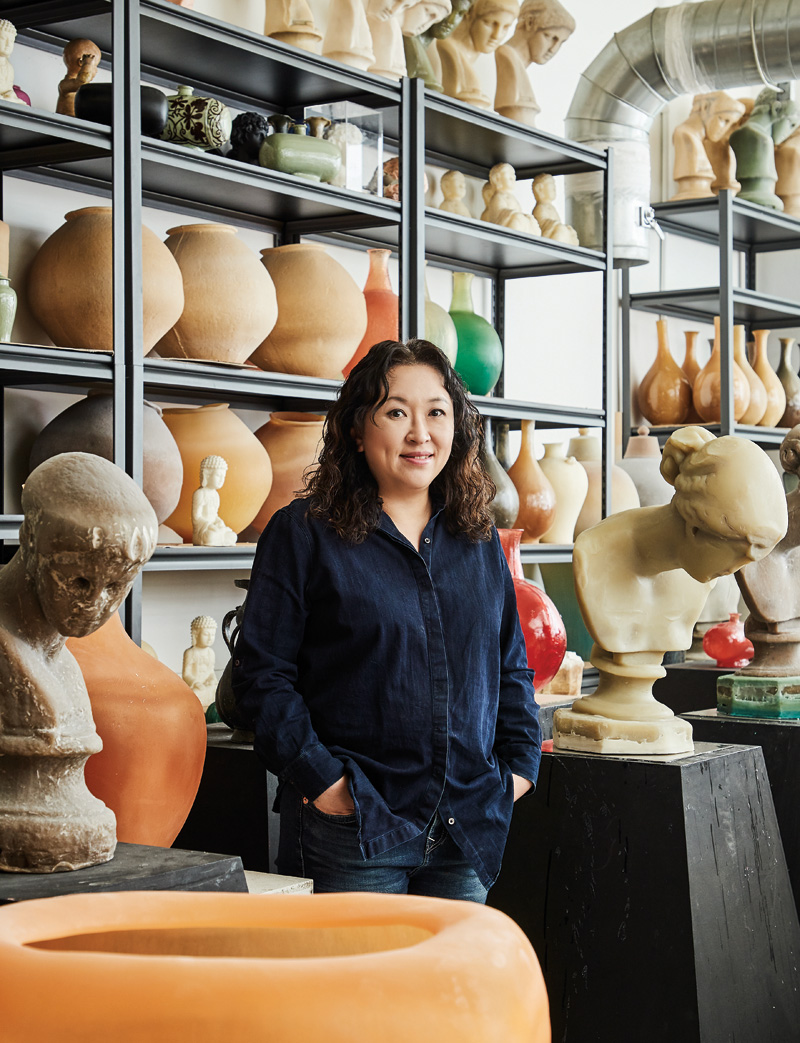
Art Project CO (Director: Eunhye Lim) presents Meekyoung Shin’s “process-oriented exhibition,” which introduces Vanitas across the framework of Translation as a new conceptual horizon, knocking on the door of possibilities embedded within her existing ‘Painting Series’ and ‘Ghost Series’.

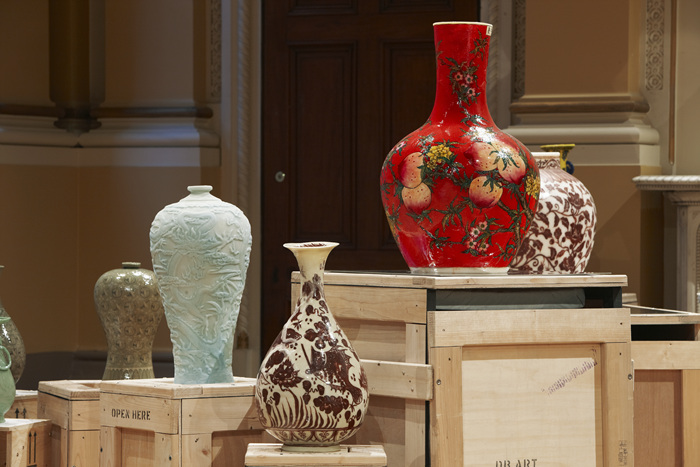
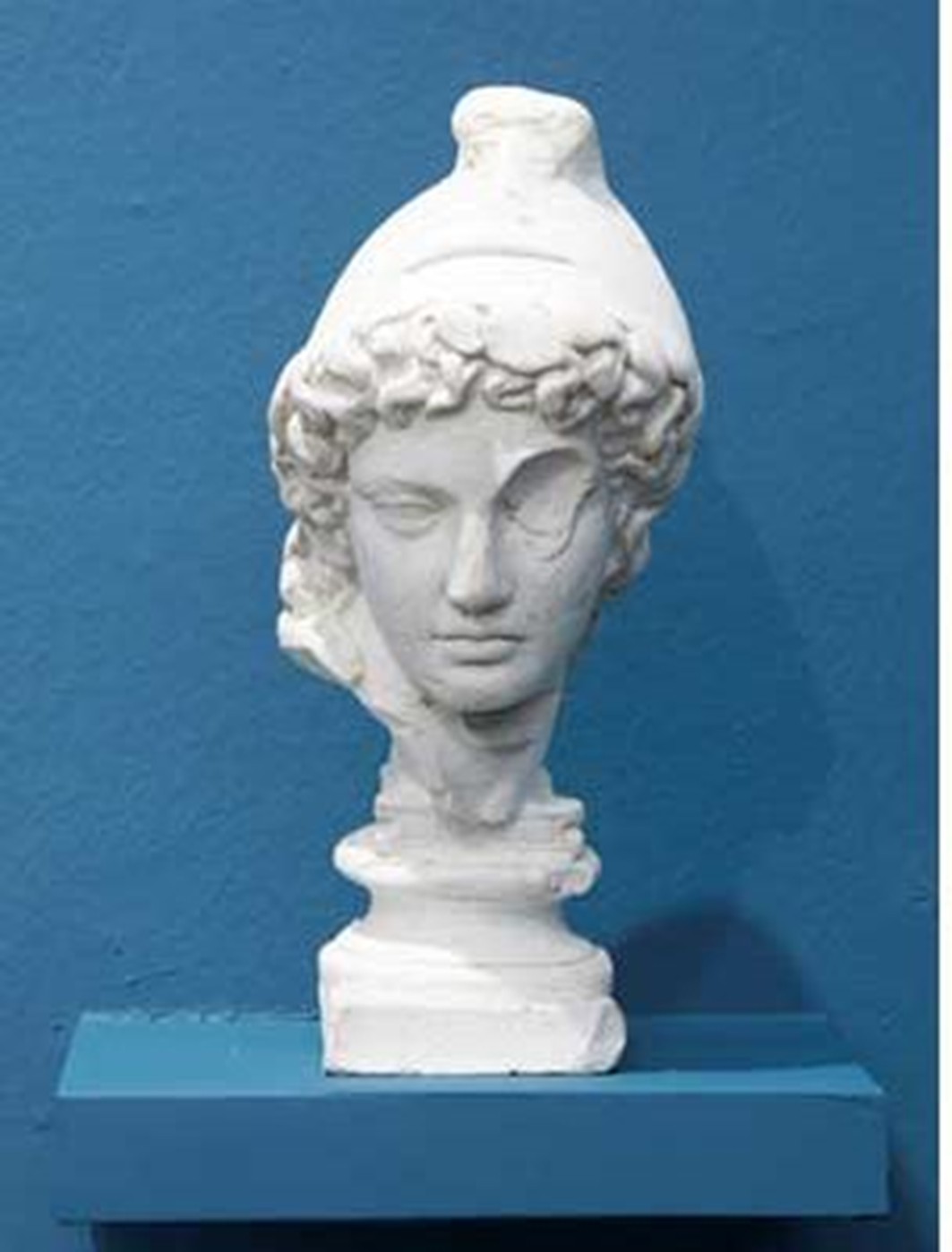
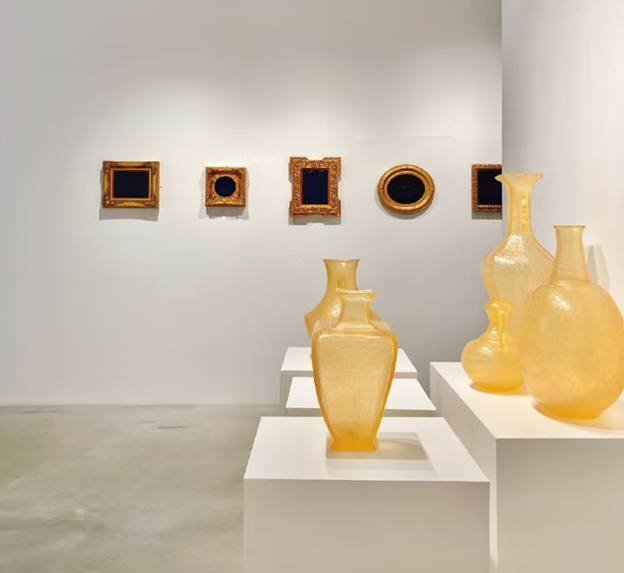
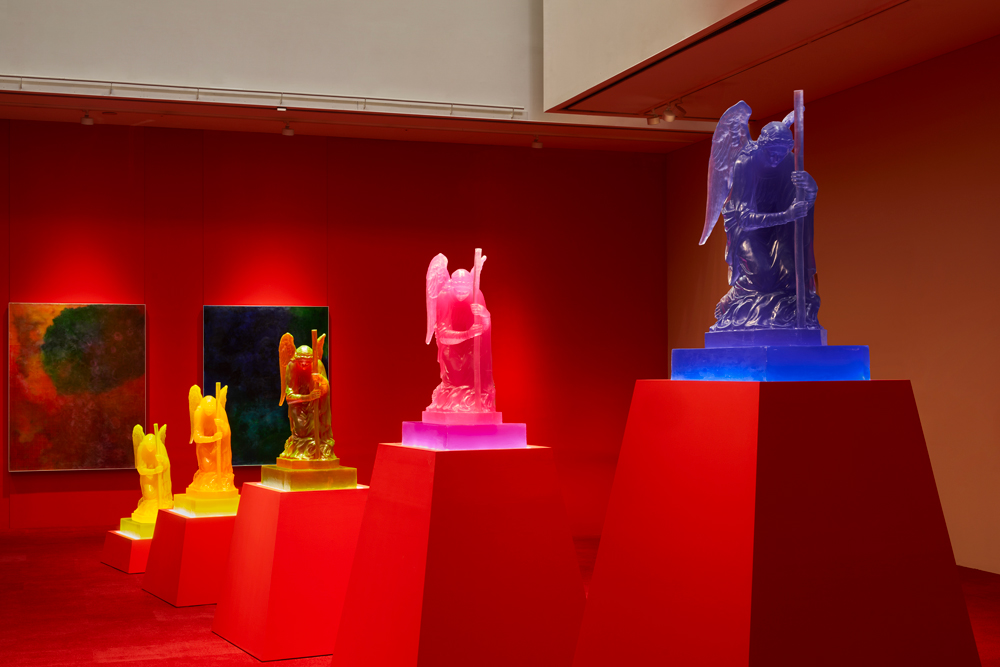
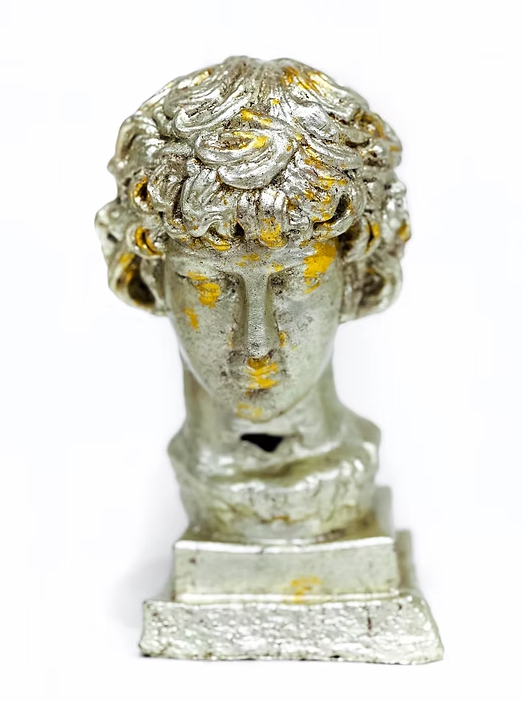
The ‘Ghost Series’ employs soap ceramics that create an optical illusion of Murano glass craftsmanship through the use of transparent soap. While remaining faithful to the expensive original forms of ceramics, the specially designed molds and the one-time, consumable nature of soap are cast into an ambivalent interpretation that is “light yet heavy, empty yet full.”

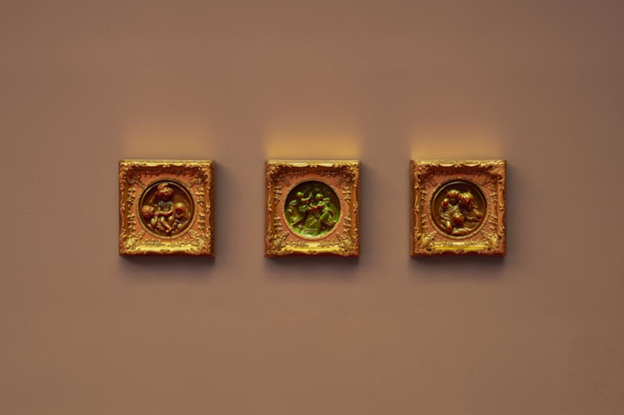
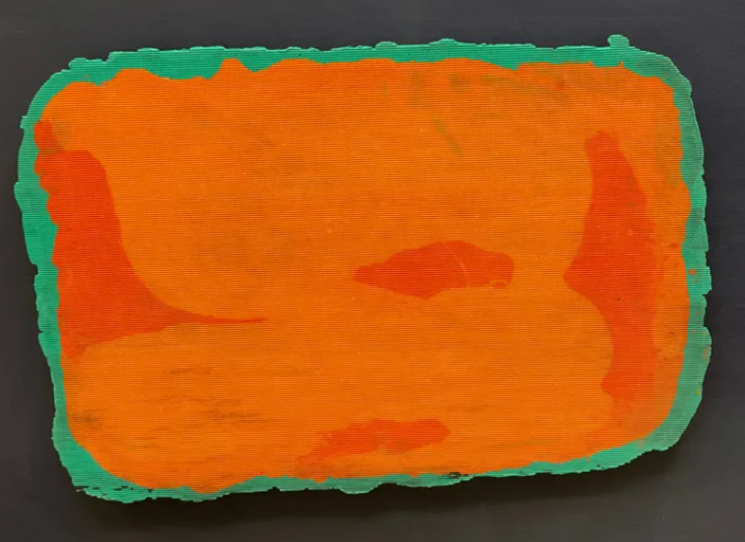
For the artist, what matters is not what is made, but what is subjectified. The relational structures formed by our gaze since modernity are nothing more than fictional myths produced by human traces (a materialist mode). The Painting Series operates similarly, posing a de-symbolizing question — “Reconsider what you see!” — within today’s mode of thought where East and West, modern and classical are interconnected.


Installation view of 《VANITAS》 © Art Project CO

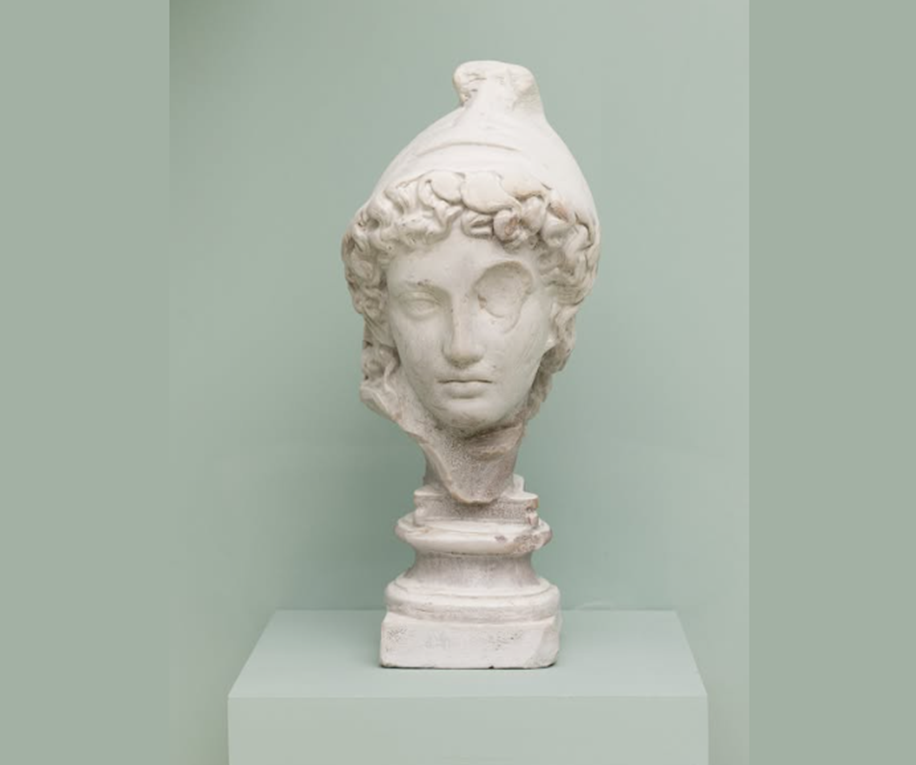
Until now, Meekyoung Shin has employed paradoxical interpretative structures that traverse heaviness and lightness, utilizing the “invisible devices (Context)” hidden behind the “visible object (Text)” in order to dismantle decontextualized museum relics from the ideology of colonialism. Through Translation — a dual play that deconstructs “the gap of the past concealed within mythologized thinking” — she actualizes them in the present.

Shin redefines the reproduction of relics within a Mythos structure. Mythical objects that were once religion lose their Logos — the language of reason and truth — as belief collapses, and are reduced to collective shells of a distant past. Myth, when only the object remains, falls into nihilism regardless of its original meaning.


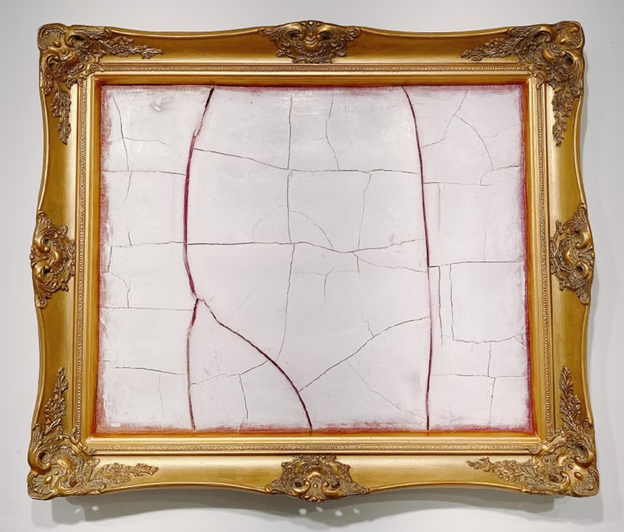
Meekyoung Shin, Painting Series #45, 2014 soap, frame, pigment, fragrance, 67.5x57x8cm © Art Project CO

Vanitas, a Latin term meaning emptiness, vanity, and transience, originates from the biblical verse Ecclesiastes 1:2: “Vanitas vanitatum et omnia vanitas.” It is interpreted as a nihilistic reflection on the transience of life. Shin’s argument, reinterpreting Vanitas in contemporary language, reveals the diversity of emptiness — or in Eastern philosophy, the generative coexistence of emptiness and fullness (虛實相生) — thereby leaving a value-based question about the originality of relics.

The framed paintings and the elegant ceramic-like Ghost Series imply new directions of possibility through the subversion of existing objects. Humans are beings who cannot defy death. Vanitas signifies the impermanence of life. Like the biblical “Memento Mori” (“Remember your death”), Shin’s works reflect upon the “modernist mode of thought” proposed by museology through the voice of death, leaving a lesson to pursue new values. At this point, we must consider why Shin translates the representation of reality and why she seeks a new path through Vanitas.

Her Translation is material in that it expresses one-time objects within a weighty mythic structure, yet philosophical in its use of metaphor and intuition to escape the prejudice of logical contemplation, revealing a skeptical philosophy that urges: “Doubt the object you find wondrous!” Therefore, Shin’s ‘Translation’ is a process-oriented practice that explores new possibilities by moving beyond the narrative of translation and interpretation, and beyond materialist interpretation.

 
Text by Hyunjung Ahn (Art Critic, PhD in Philosophy of Art)

References