As
close neighbors, Korea and China share similar cultures, particularly in the
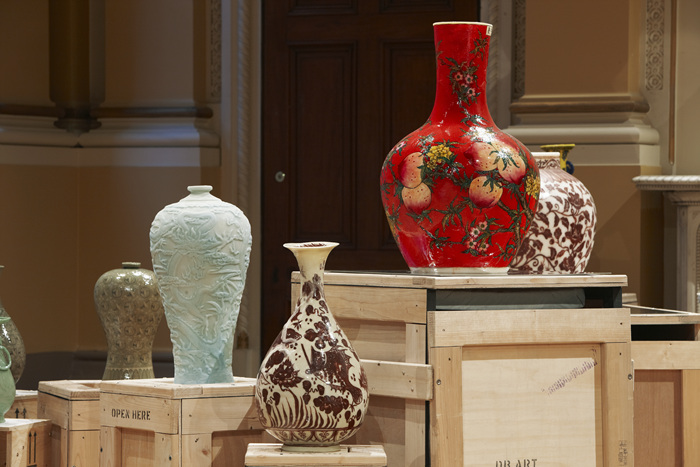
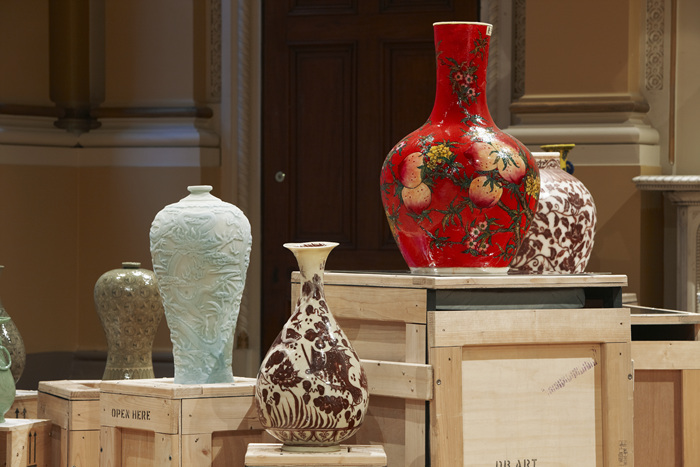
traditional art forms such as ink painting, ceramics and etc. The Chinese often
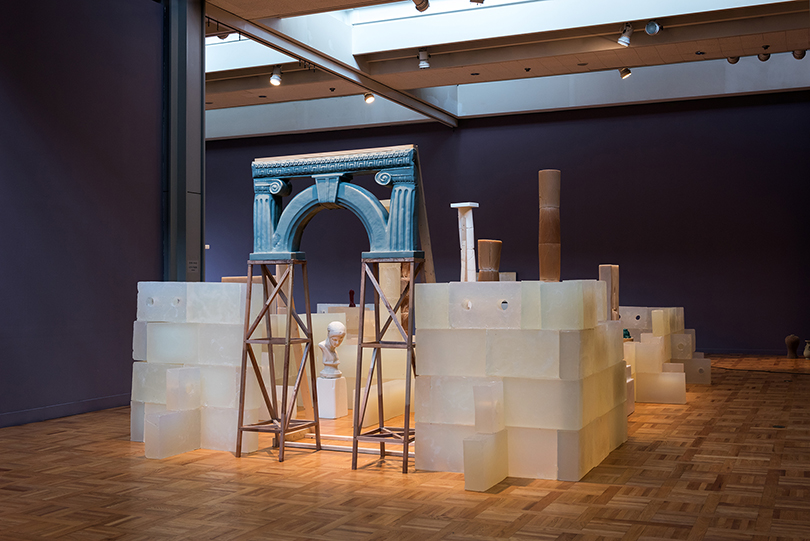
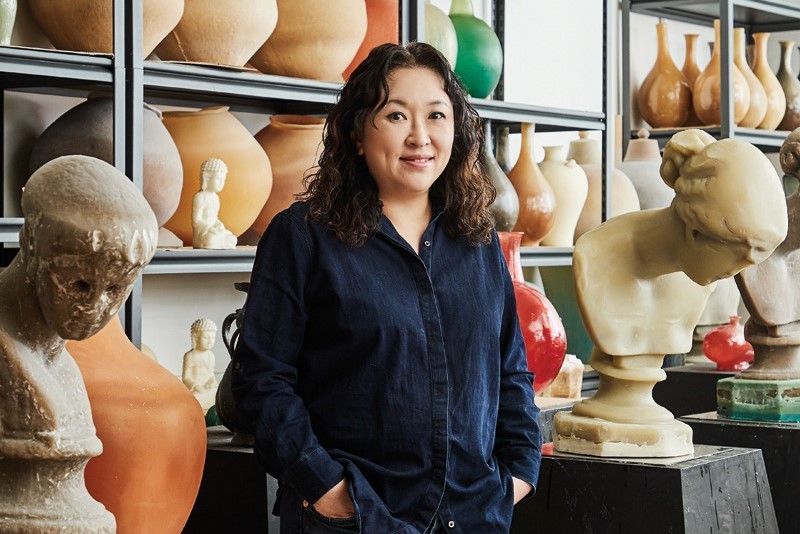
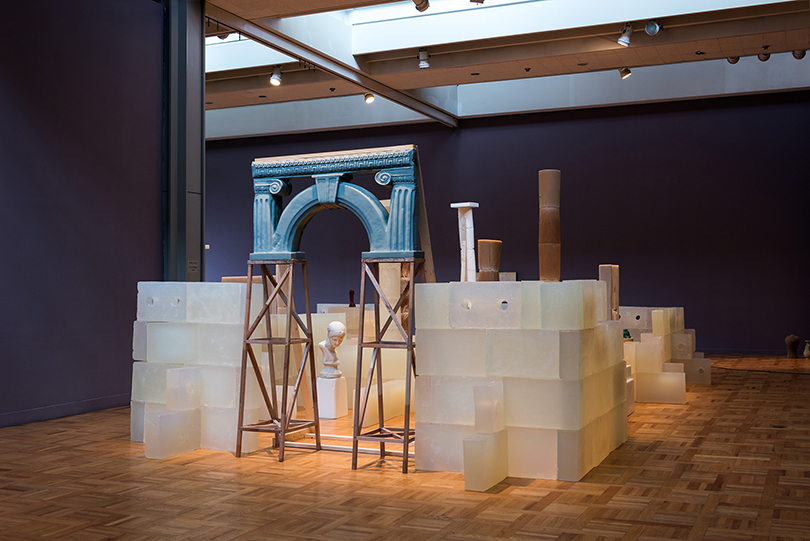
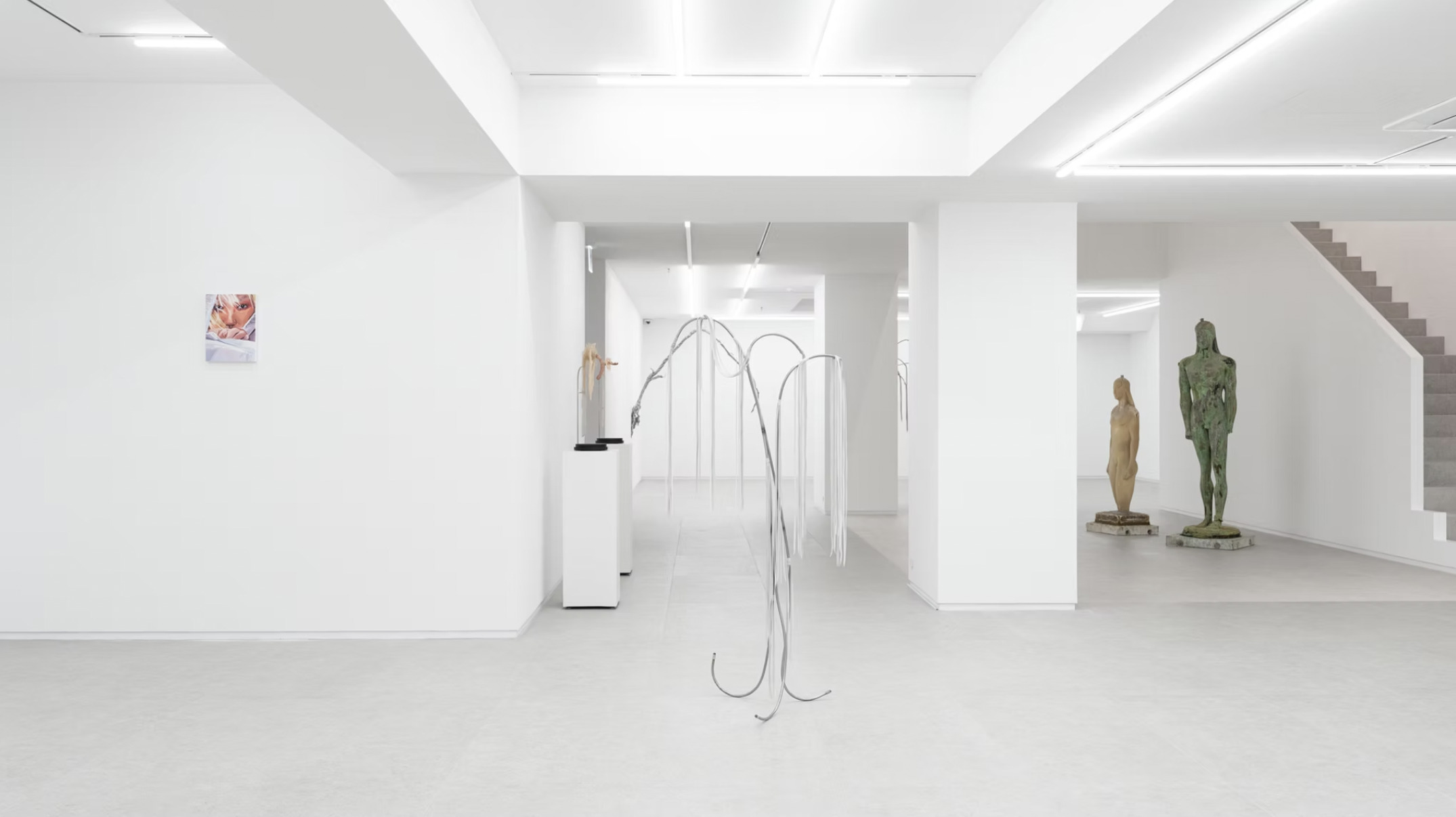
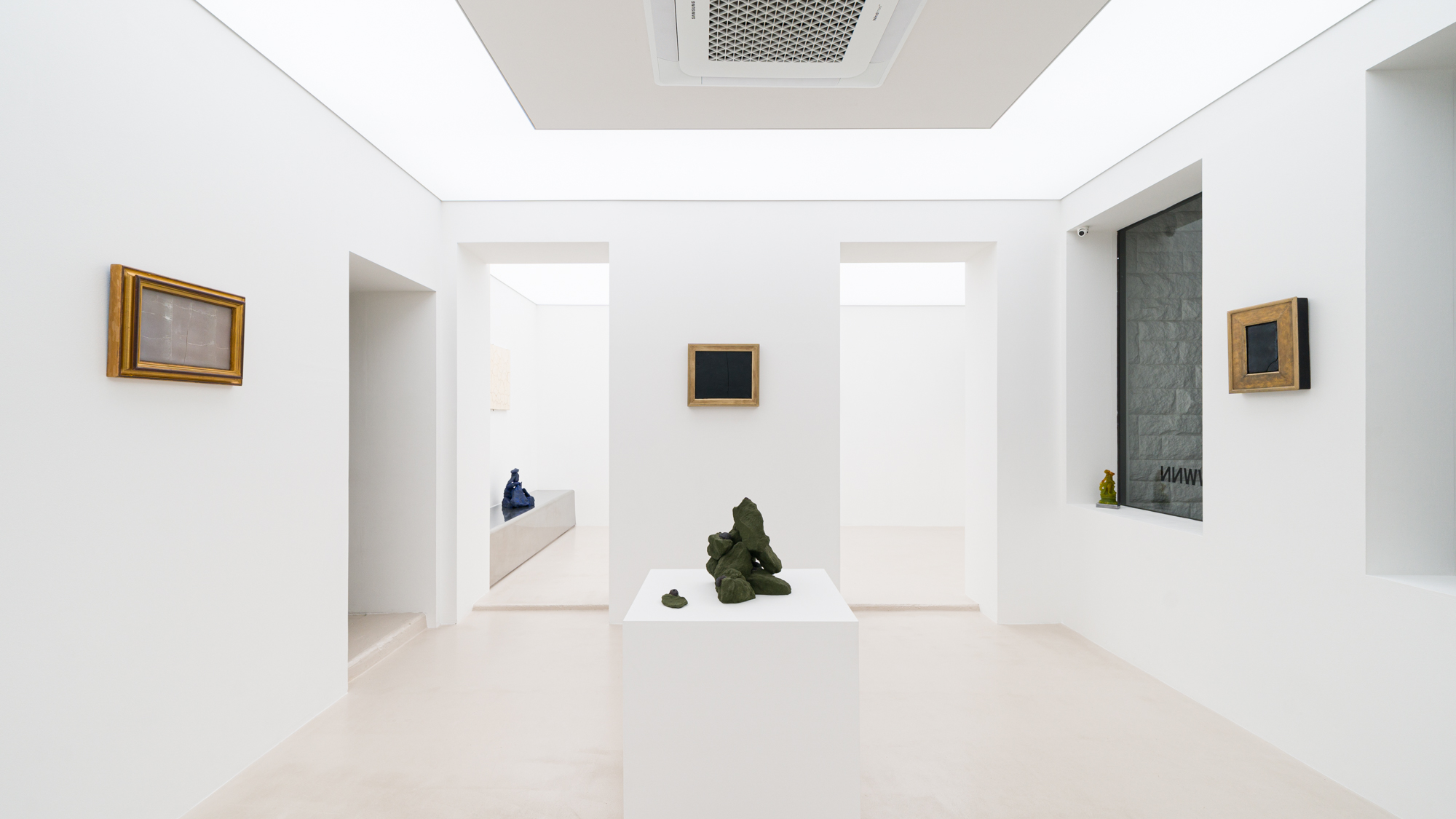
appreciate artworks with a sense of antiquity. Meekyoung Shin’s works seem to
offer such impression while the essence of her work rests in the concepts
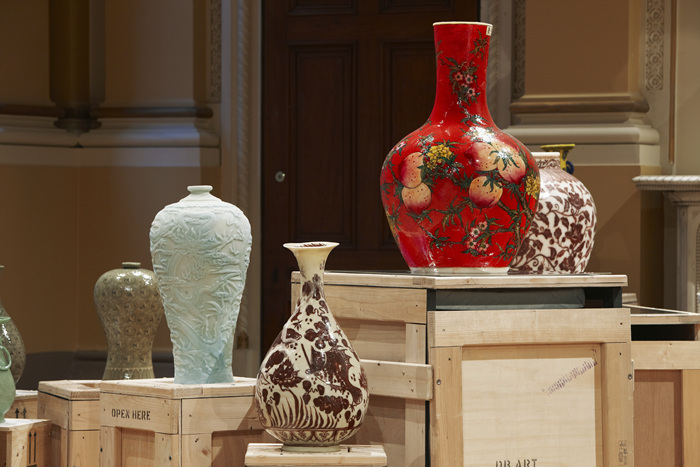
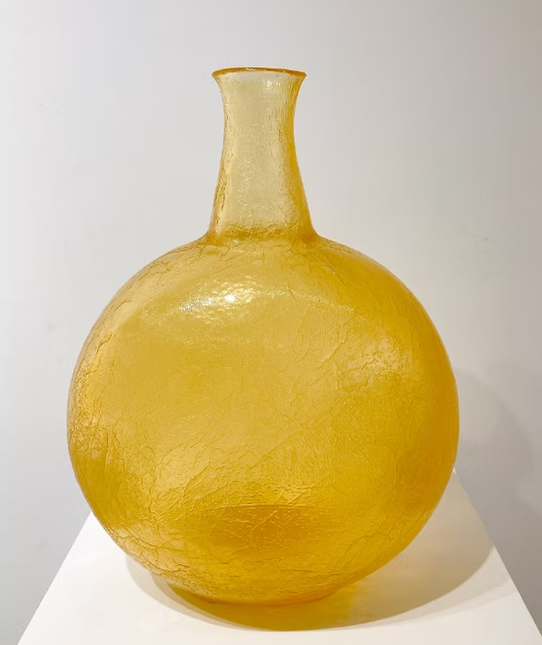
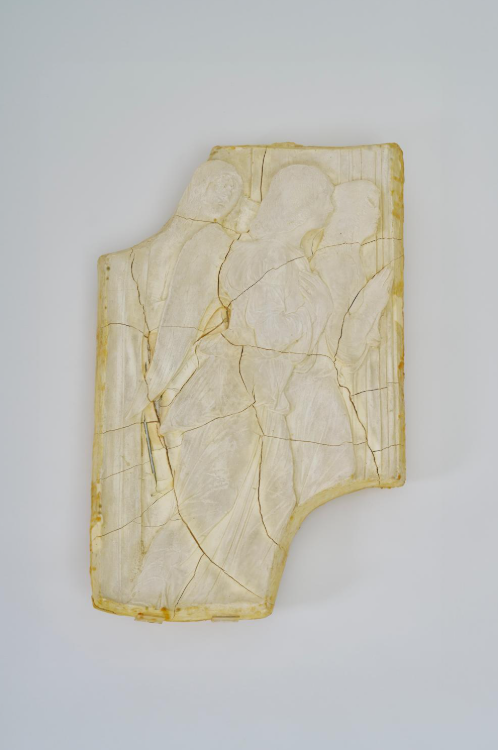
behind her use of material and artistic language. The sophistication in the
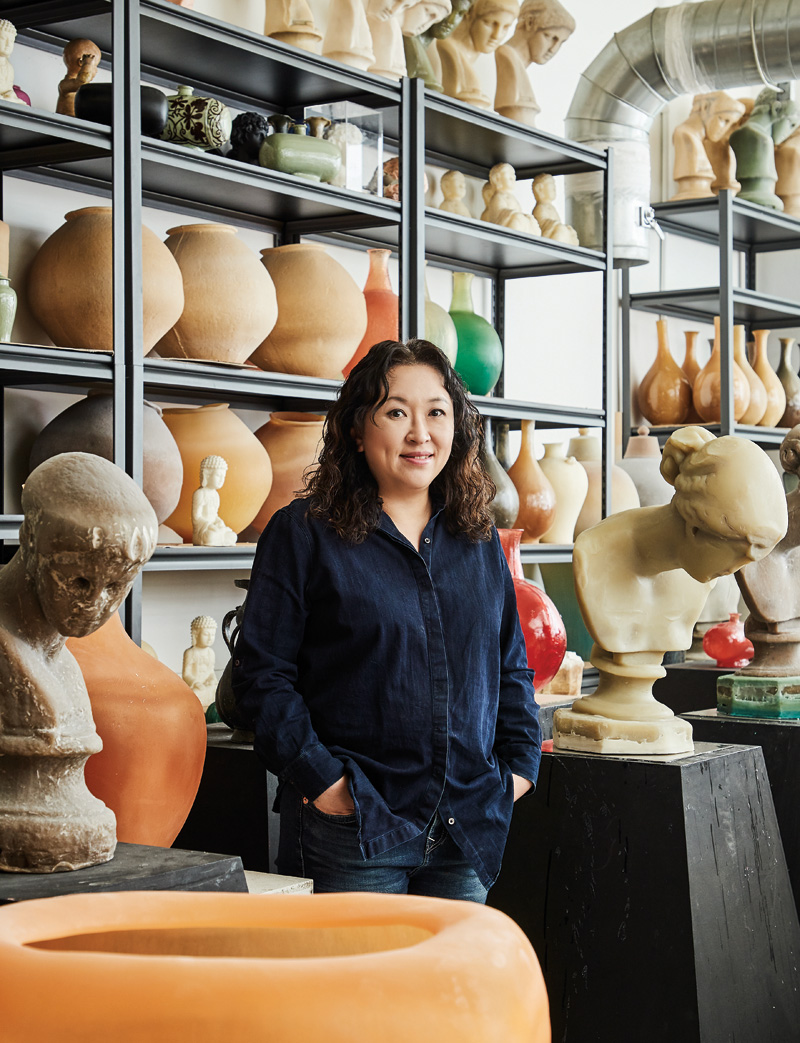
production of these works often prevents the viewer to identify the material
for these sculptures and ceramics being in fact, soap. If the viewer had the
opportunity to learn further about Shin’s sculpture, one would realize that the
transformed shapes are results of touching and using repetitively in the
toilet, which may be more appealing to the viewers.
For
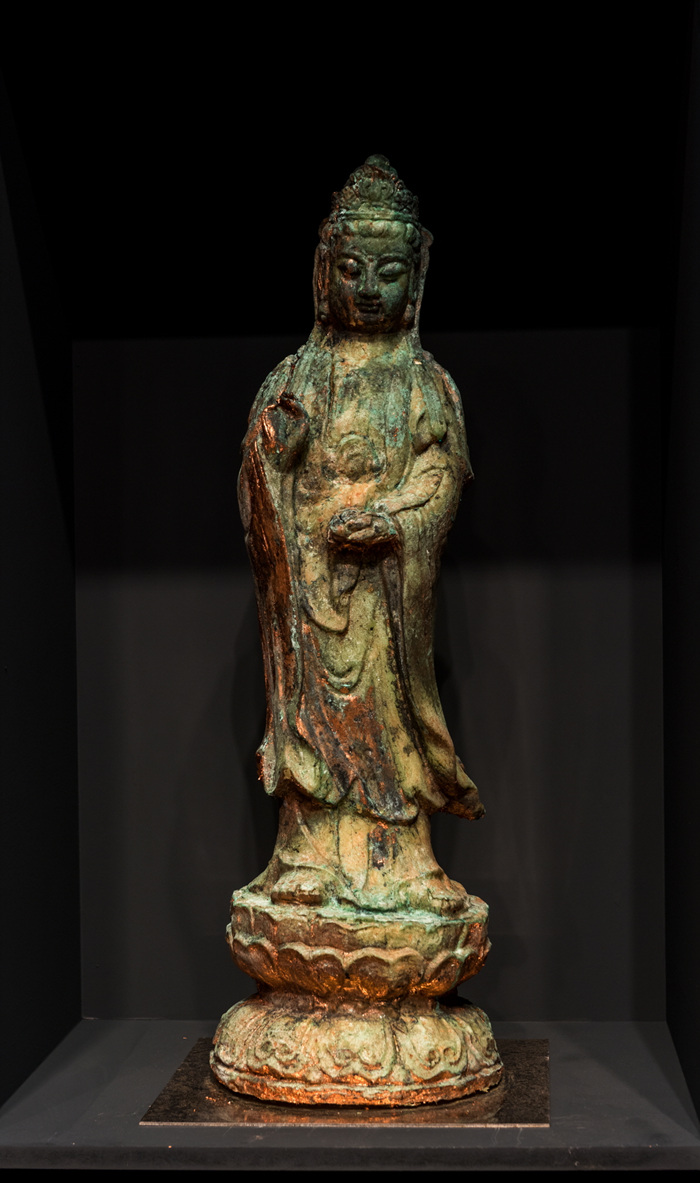
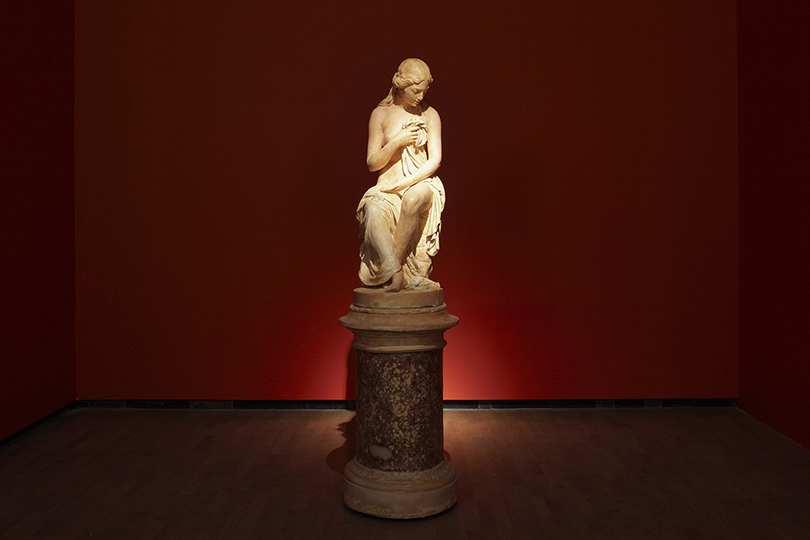
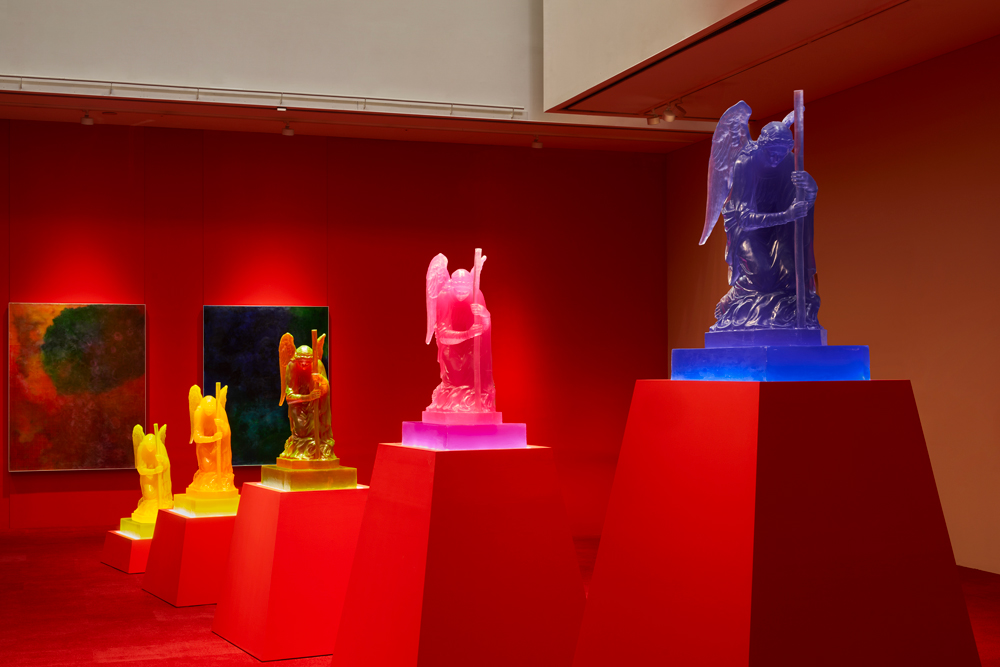
many Chinese, Buddhist icons are equally sacred and untouchable. The
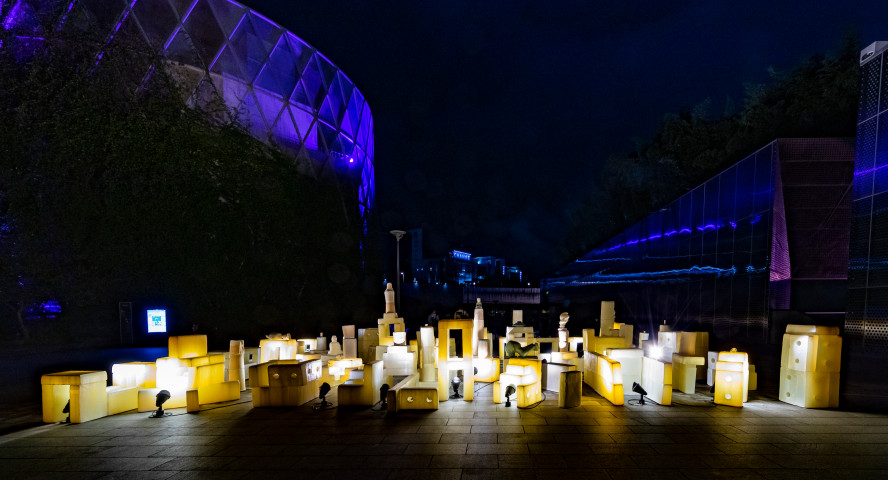
Toilet Project Meekyoung Shin executed in London suggests cultural
sensitivity. Because for most British, Buddhist sculptures lack sacred
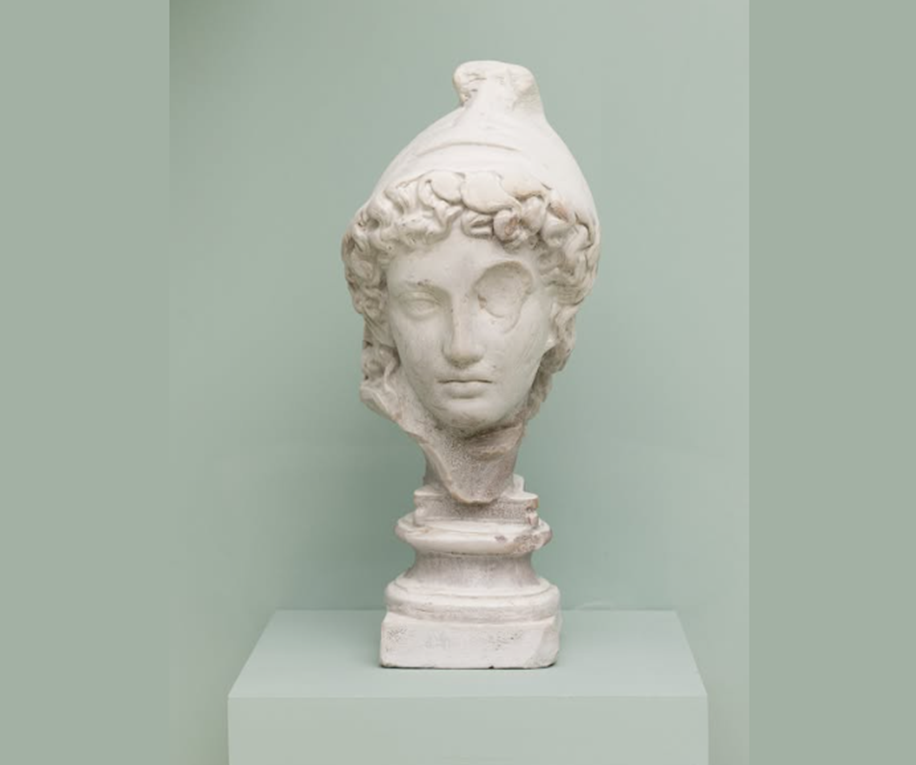
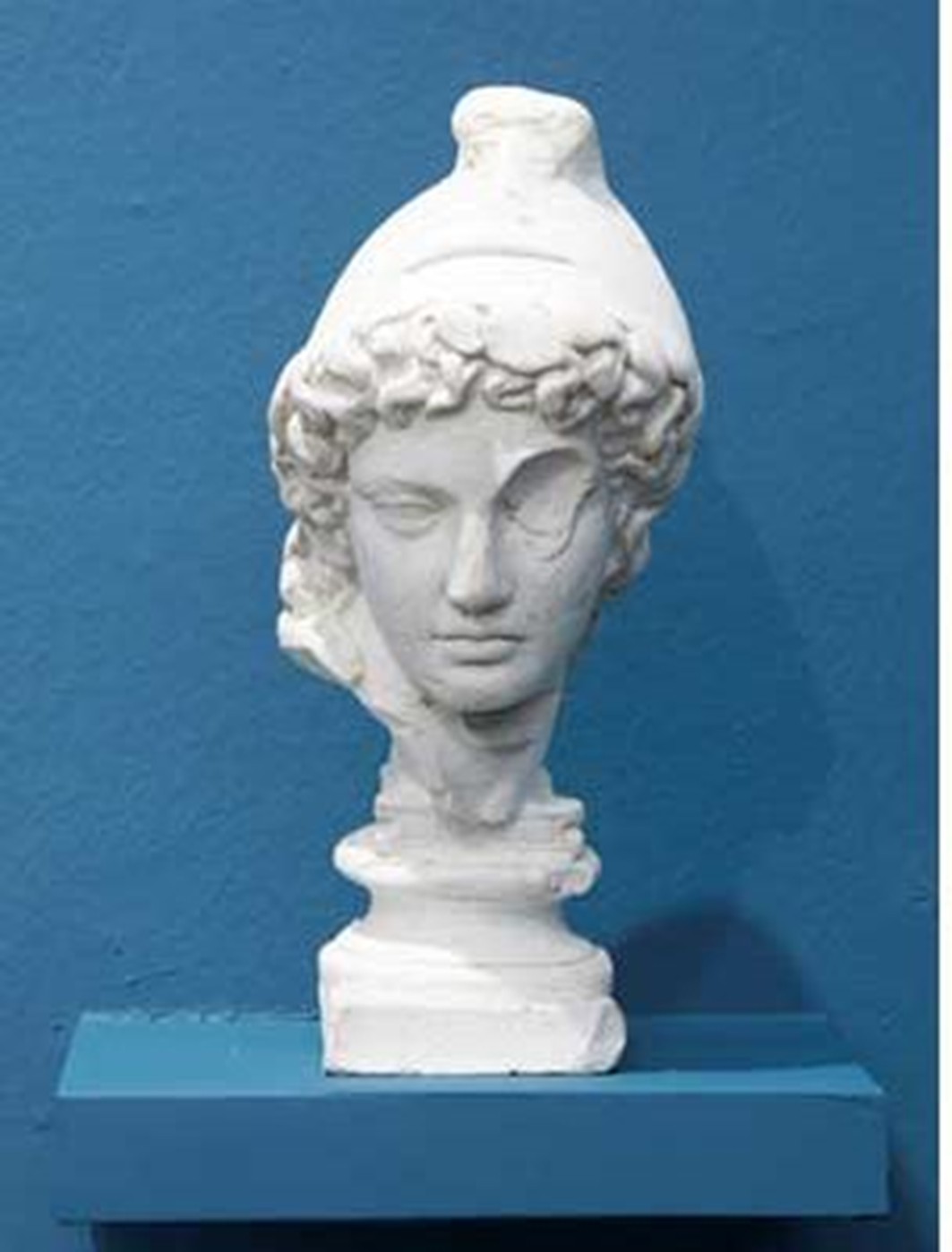
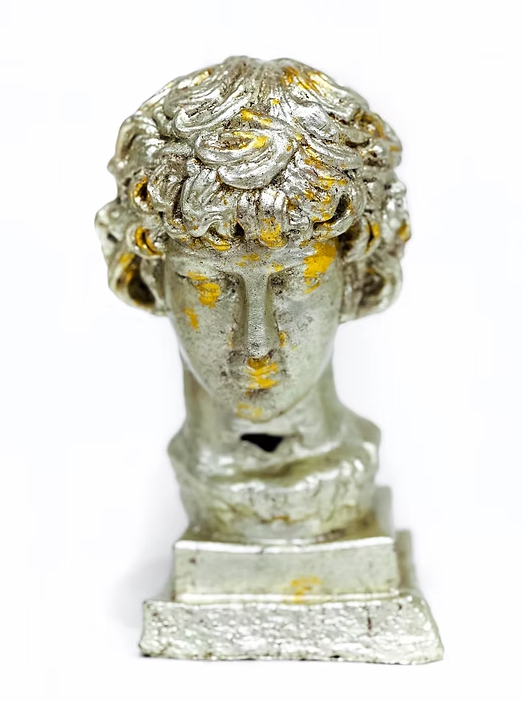
qualities, regardless of taboos, therefore Shin placed oriental Buddhist
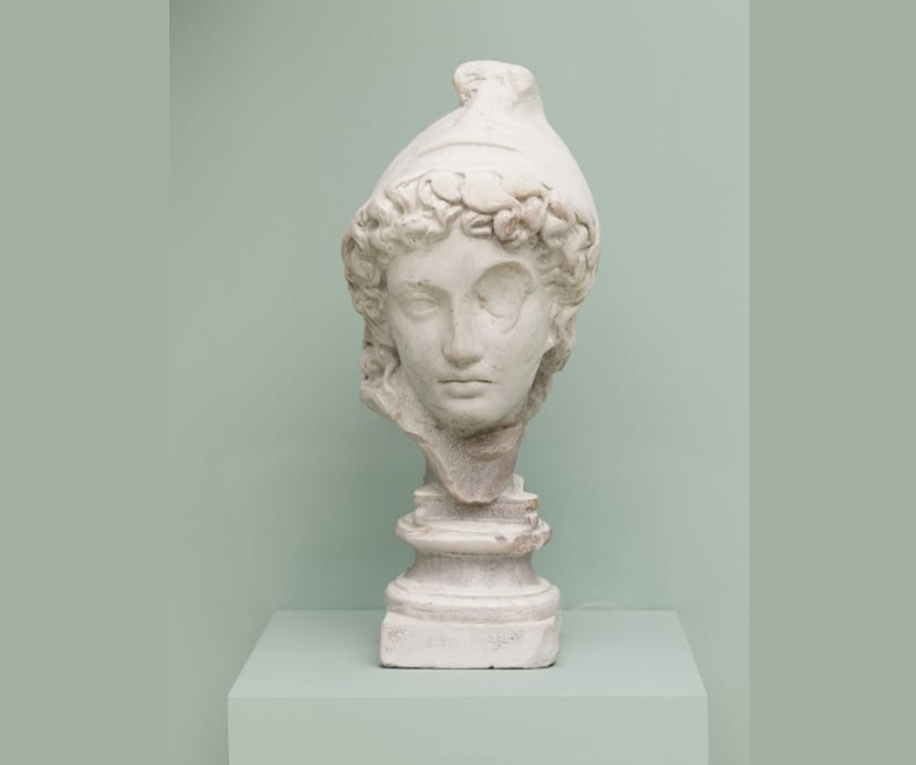
sculptures and classical Western sculptures made of soap at the toilet sink for
people to touch and use. Perhaps it is an everyday phenomenon that the locals
only considered them as soaps with a particular form, in which the using of the
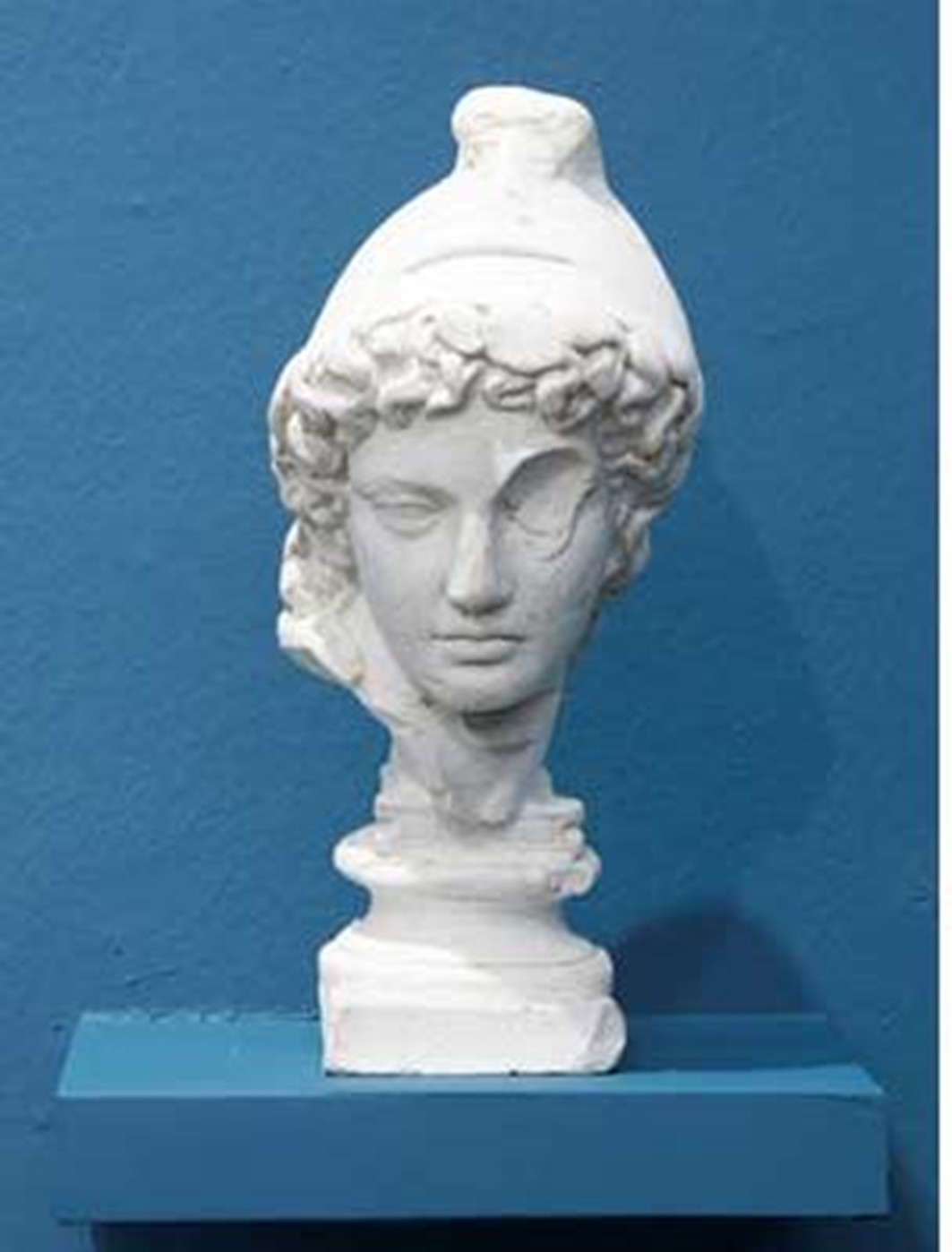
sculptures naturally transform its shape: the heads are chopped off, or facial
features warn off.
Usually,
the transformation of appearance is often determined subjectively by the
sculptor, rather, Shin has given this right to anyone who happens to encounter.
For the artist, there aren’t any specific rules or expectations to the outcome
of their transformation. In China, or even worldwide, many artists engage the
viewers’ participation as part of their artwork, while the viewers’ response to
the artwork is only one of its components, yet their participations do not
consist of a proactive component in the productive process. Shin has fully
given the right of action in changing the appearance of the sculptures to the
viewers in her Toilet Project, moreover the viewers do not
have the intension to alter the artwork with any artistic impetus, instead the
process is completed naturally through using and touching, thus this largely eliminates
any possibly intervention to the artwork due to the social attributes and class
discourse of the viewers.
The
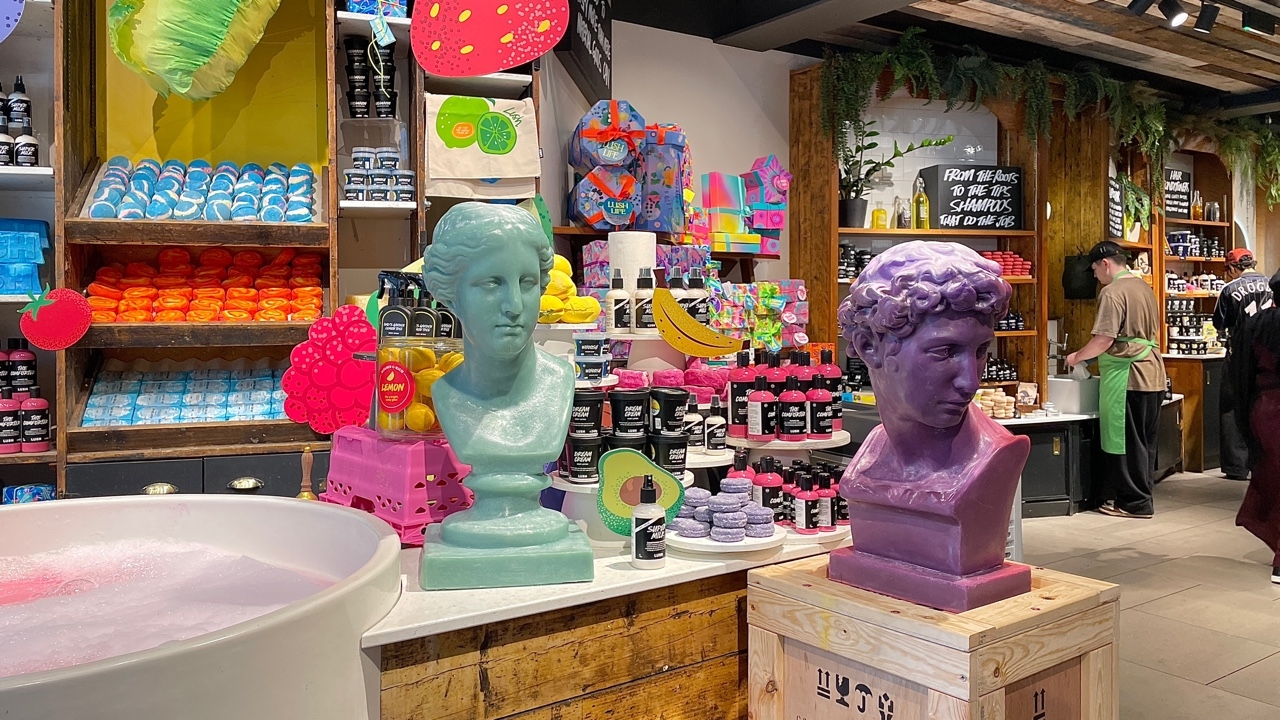
primary inspiration for the soap sculptures was to express Shin’s first
impression of classical western sculptures when she first arrived in London.
The Chinese would actually sympathize with Shin’s ideas, unlike the icons we
have seen throughout the history of art, as one looks at these familiar
classical western sculptures with one’s own eyes, various emotions and
psychological responses are often provoked, and for the artist, she doesn’t
believe classical sculptures should only exist as historical artworks, but
objects that provoke her to make new artworks. Shin’s personal and unique
impressions made her consider the resemblance of soap to the material of
marble, and soap as an everyday item, often allows female artists to make such
association, for Shin, the marble is solid, while soap is easily consumed.
German
philosopher of the 20th century, Heidegger once stated that the difference
between a work of art and an everyday item is that the latter is for
consumption, while the former would never be consumed through usage. Meekyoung
Shin places the soap sculpture in the toilet, to allow those who frequent the
facility to touch and use them, however, once these sculptures enter the art
museum, it’d be forbidden to touch. Therein, Shin asks the following question,
if the material used to make an artwork is an everyday item that will be
consumed, then, should the quality of the artwork consumed? Indeed, many
friends worry about her choice of material, that her work of art would
disappear with time.
Their worries are valid, because any artist would hope
their works of art would exist eternally, instead through translation and
renewal conceptually to allow the works of art to interact with the viewer on a
deeper level, even though it might be short lived physically, in the contrary,
the work would be more valuable. Like the splendid fireworks are consumed in a
flash second, yet it may leave resplendent and everlasting memories in one’s
mind, so why should we be caught up and persistent with the eternal life of an
artwork?
Neither Buddhism nor contemporary art advocates material immortality,
moreover as Albert Einstein’s relativity impacts people’s thinking, in order to
fully represent the state of the world at present through art, on must learn
and represent the body through transformation of appearances and the fluidity
of objects, especially in the flawed, broken, aged and bodies in pain, such
imperfect state of beings should not be purposefully concealed.
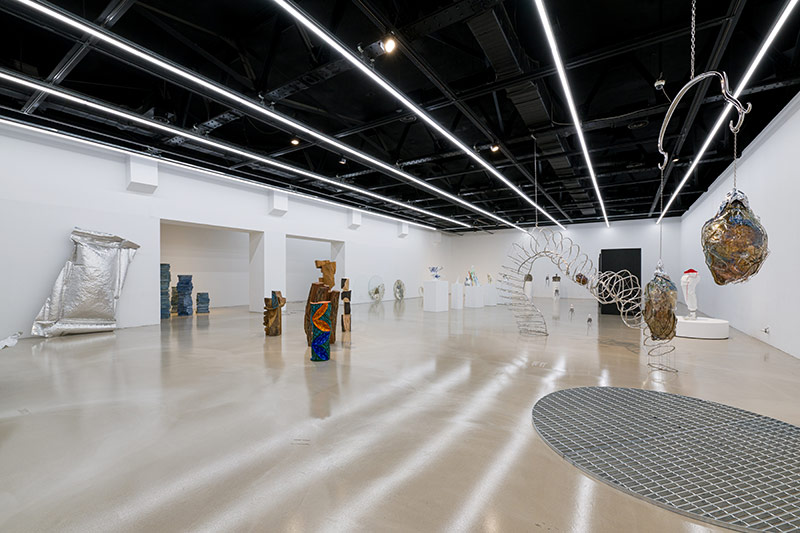
Meekyoung
Shin also created the deformed bronze, which happened accidentally by pressing
on it. Using a Chinese idiom, “hit the mark by a fluke”, where the unexpected
becomes a way of creating something, like the different outcomes from baking
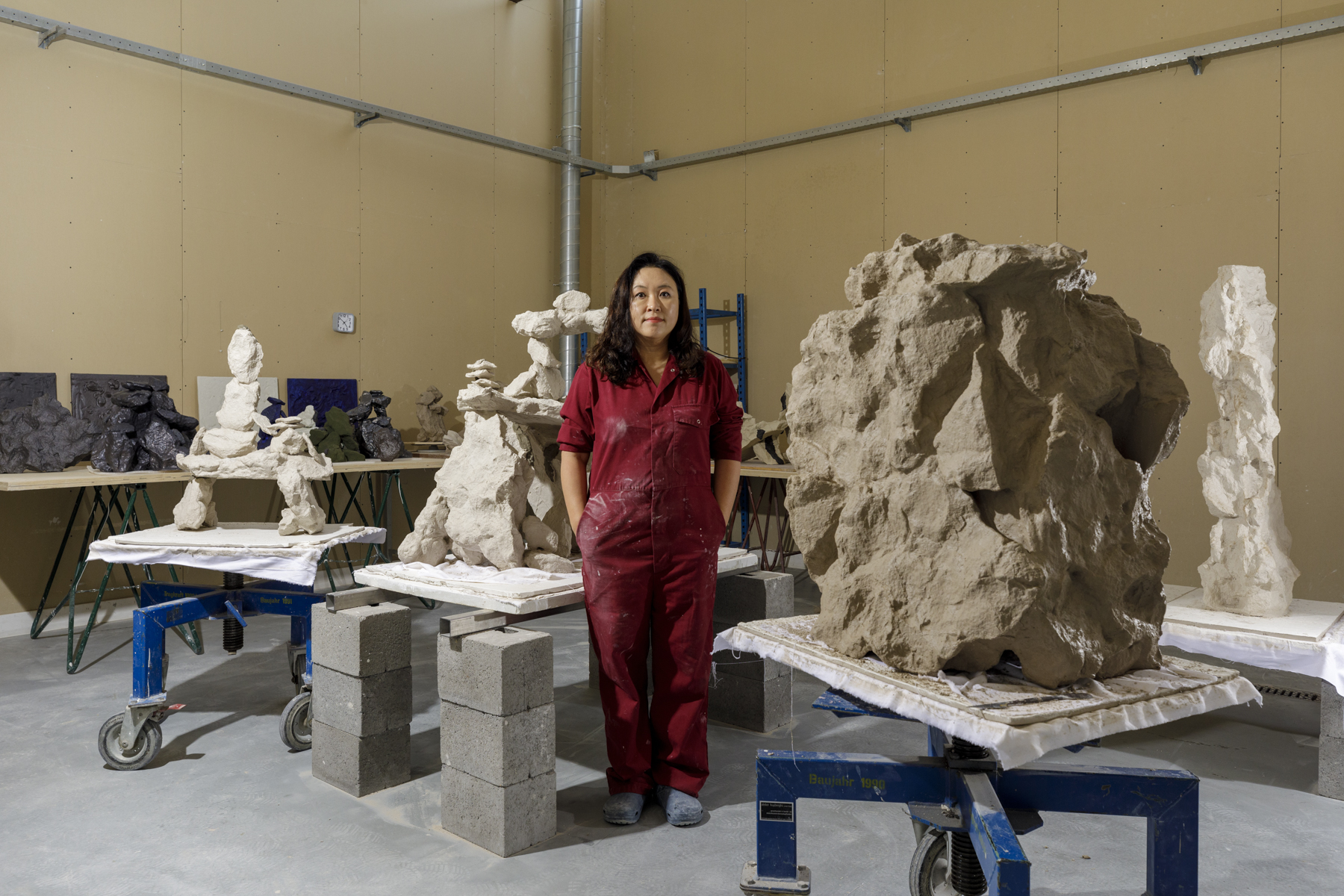
ceramics in the kiln, the collapse of clay idol. Led by the circumstances, Shin
kept the forms of collapsed clay idols, allowing the texture of bronze to
alter. The supposedly rigid bronze is no longer upright, by which to guide the
viewer to pay attention to the metaphorical differences between the attributes
and symbolic meaning of bronze. At the same time, the collapsed bronze also
suggests the tension asserted to this object from historical and sociological
discourse, such as time, power and etc.
The
works of Shin, either the sculptures or the bronzes, are not perfected as we
have seen in classical art. Since the end of the 20th century, the destruction
of artistic forms has been deeply rooted in the practice of contemporary art.
It is a forthright representation of living in the unfair and oppressed reality
of the world today. Although artists today may aspire to the complete and
perfected classical works of art, while their everyday life experiences
constantly remind them the holistic and perfect worldview is no longer valid.
Like
many Chinese artists living and working overseas, Meekyoung Shin is often
sensitive about her identity, and addresses her doubt to this issue. Under
different clashes of cultural contexts to exchange ideas while contests the
various existing cultural boundaries are the nurturing approaches to her
practice. Shin’s exhibition and exchange in China may equally produce
international outcomes that will not only bring new input to China, but also
providing a new context for her own artistic practice.