Over
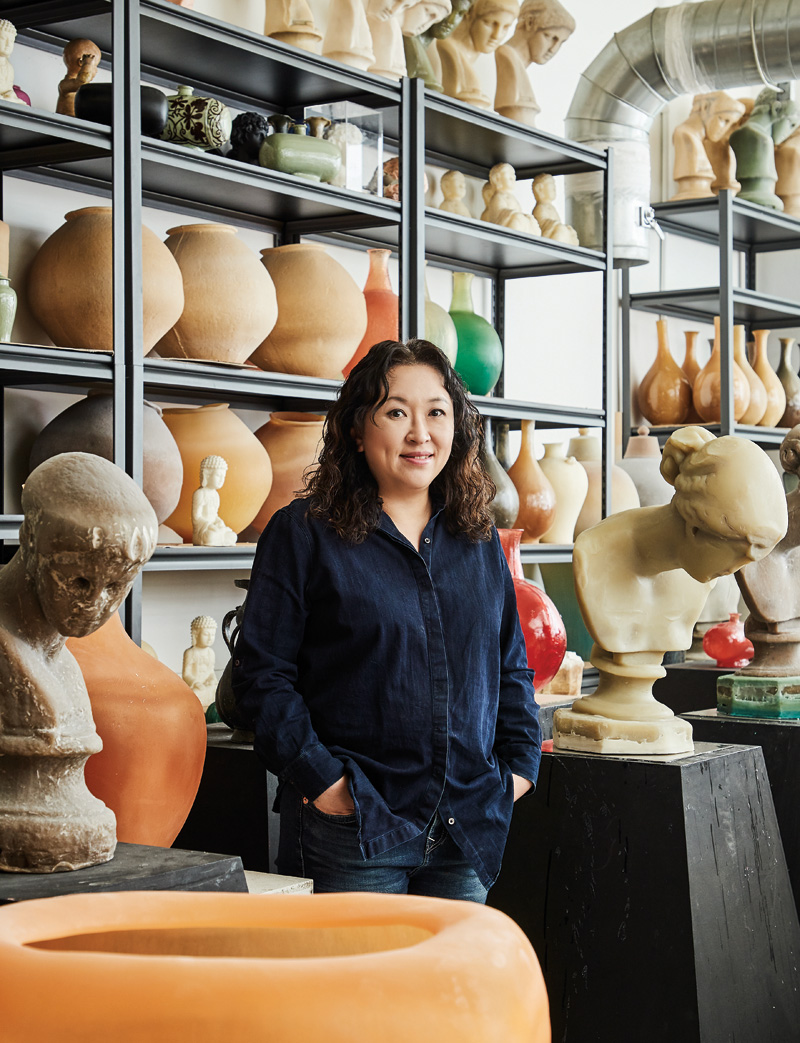
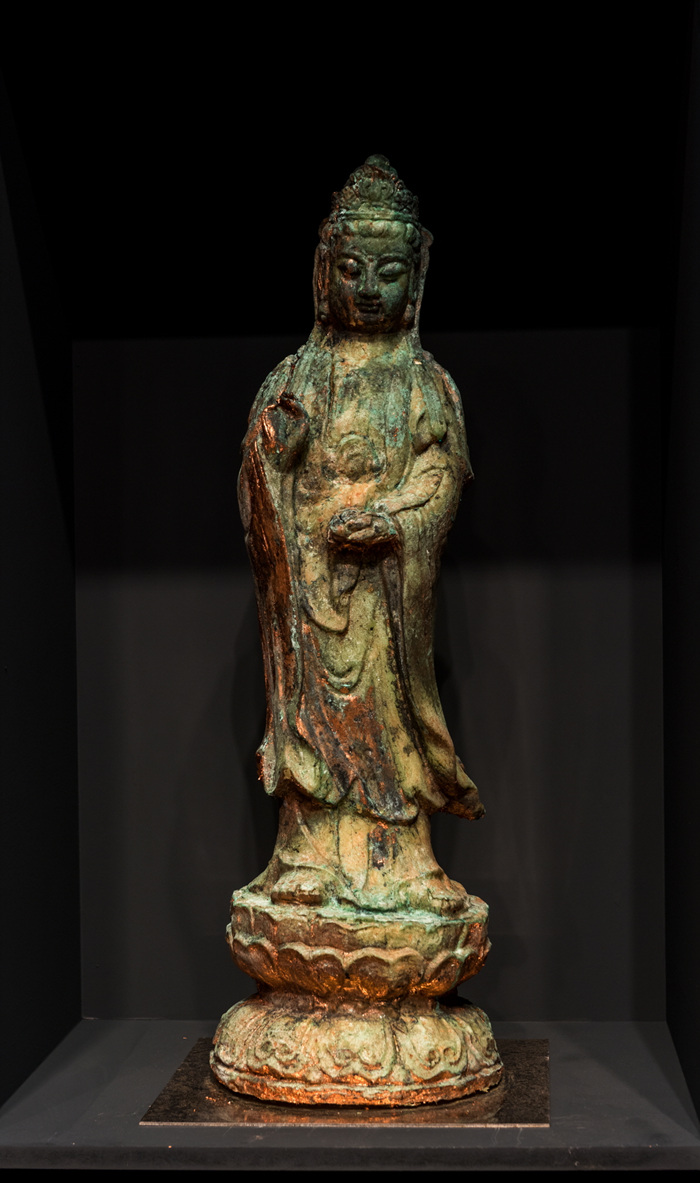
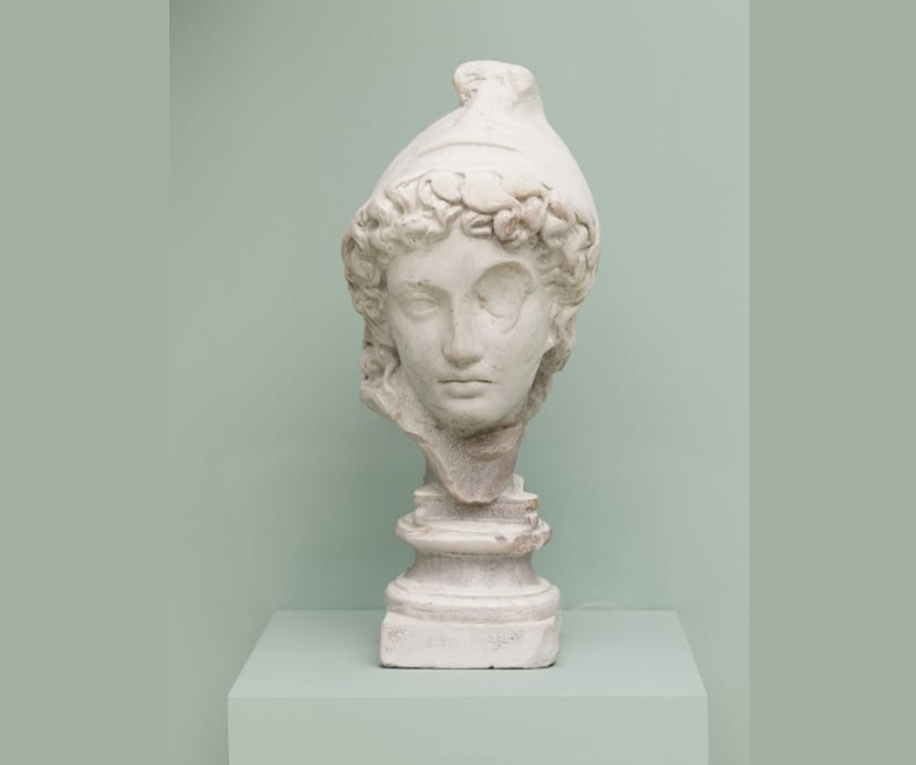
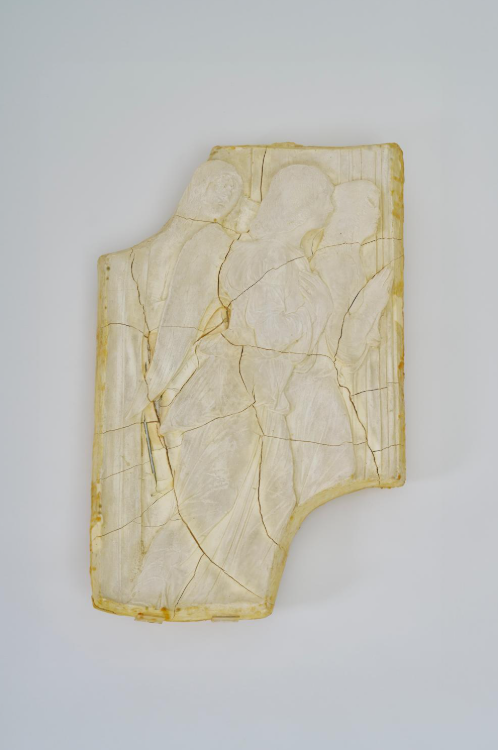
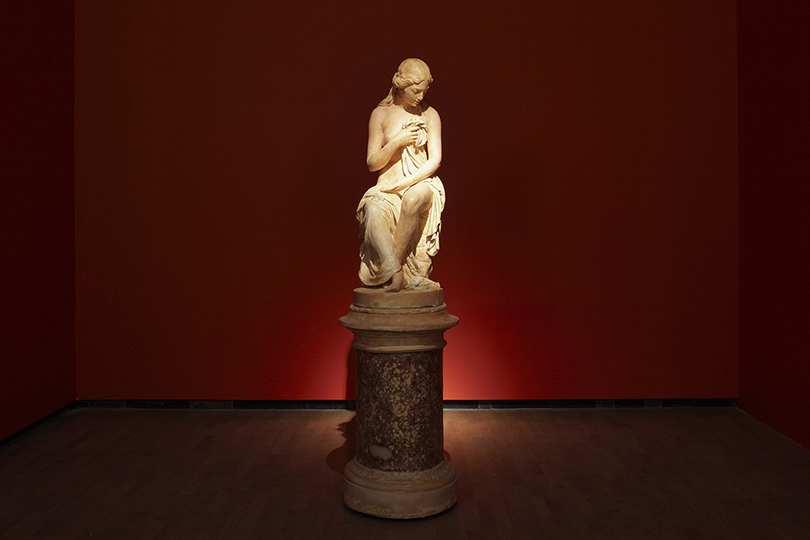
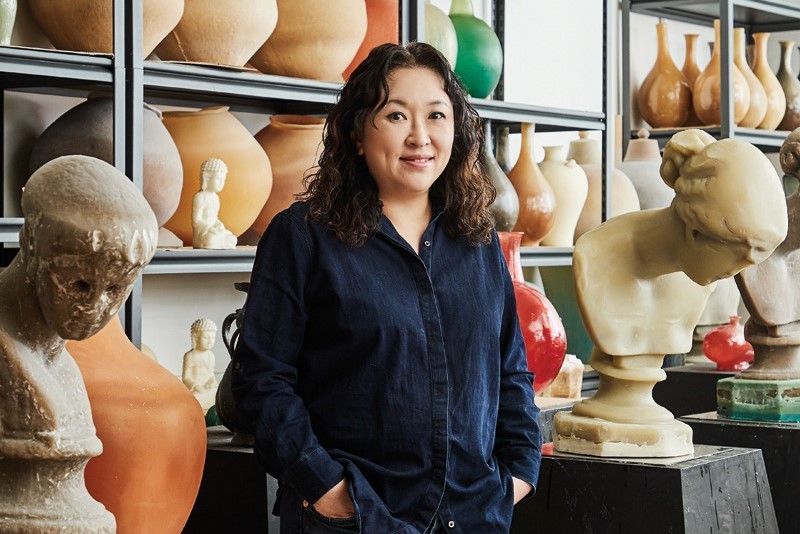
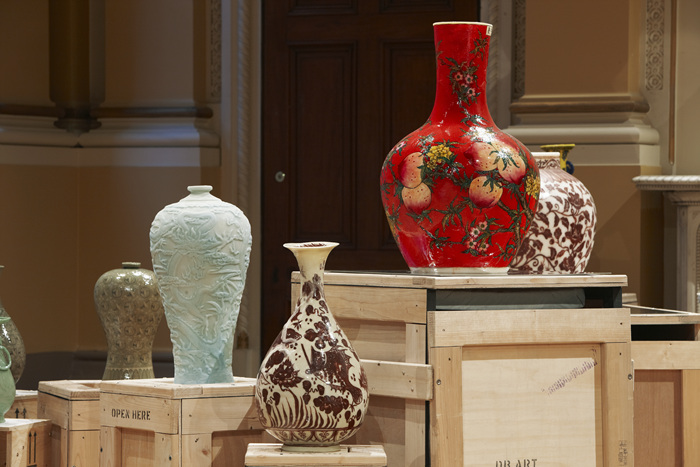
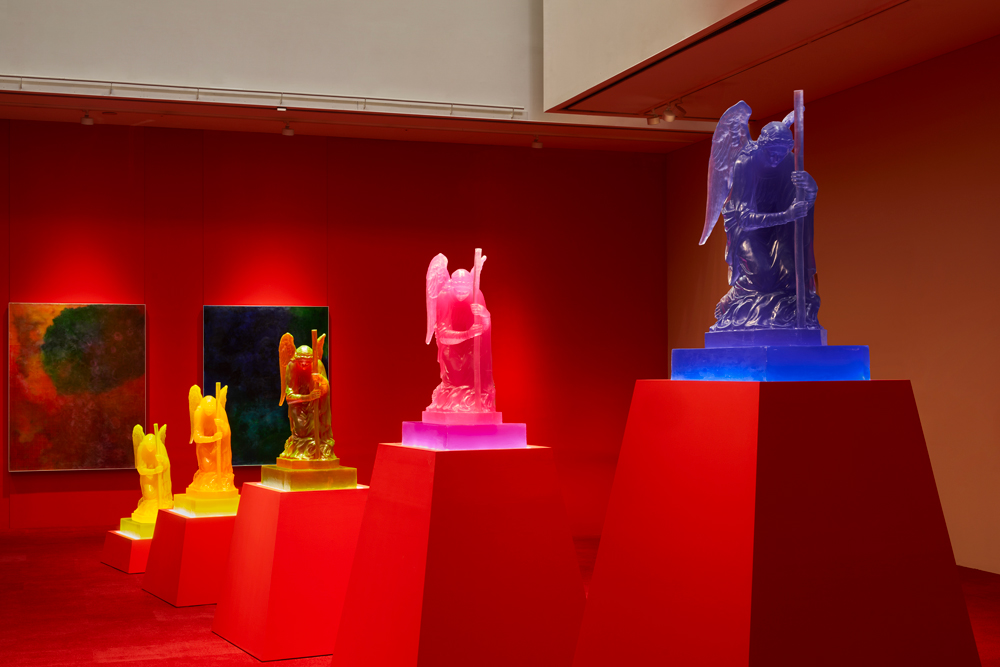
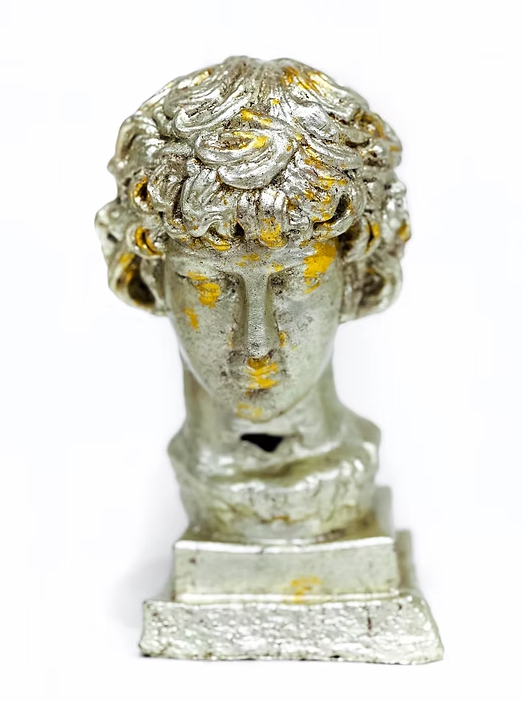
the past twenty years, sculptor Meekyoung Shin has used the familiar medium of
soap to recreate ancient Western sculptures and Asian Buddhist statues and
ceramics. An exhibition of her pieces is reminiscent of a Madame Tussauds for
antiquities, filled with near-perfect reproductions requiring time and
labor-intensive craftsmanship. Viewers may admire the remarkably detailed
semblance between the artist’s works and the original subjects, but Shin’s
purpose in creating soap sculptures goes beyond provoking superficial
fascination. The original pieces, created from sturdy, unchanging materials
such as stone and porcelain, have been imbued with the cultural significance of
such objects in the quotidian materials of soap, the artist highlights the
ineradicable gap between original and reproduction and exposes the subtle
distinctions between real and replica.
Just
as the Ancient Grecian marbles were conferred new context from their placement
in museums after being removed from their place of origin, they have again
acquired new cultural context through Shin’s recreations in soap. It embodies a
complex narrative which exceeds that of simple substitution of medium or
dichotomy of original and replica, and through this process of recreation the
artist blends the contrasting dualities of a single subject in order to freely
travel across boundaries between paradoxes and contradictions such as East and
West, decorative and fine arts, quotidian life and art, past and present,
artifact and oeuvre, original and replica. Furthermore, she not only exposes
the hidden context of objects but also creates new meaning through her own
artistic interpretation and translation.
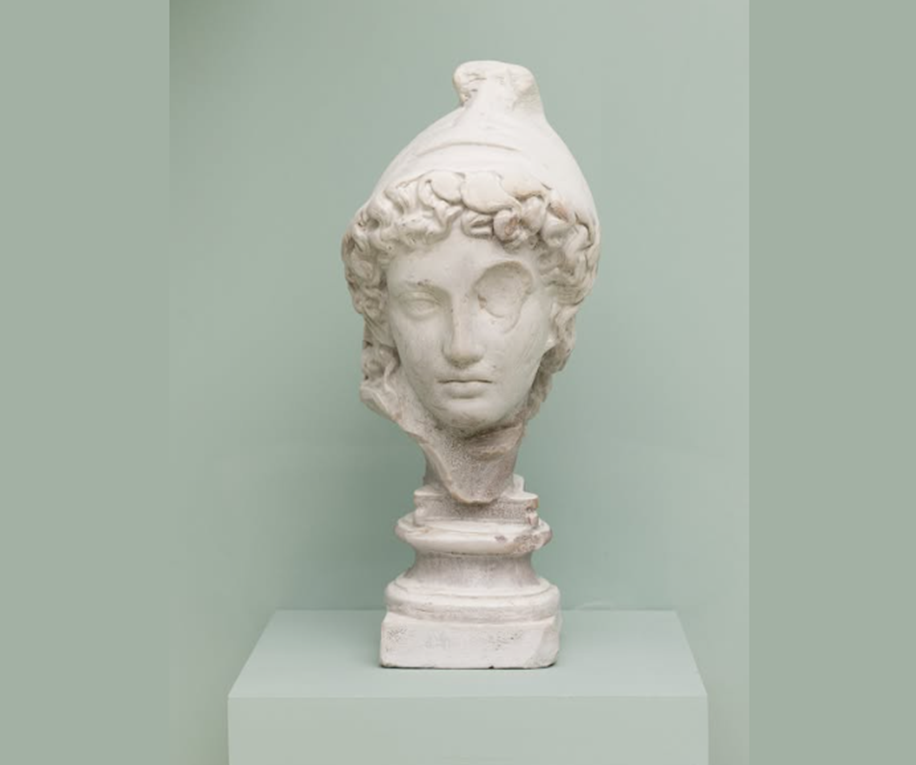
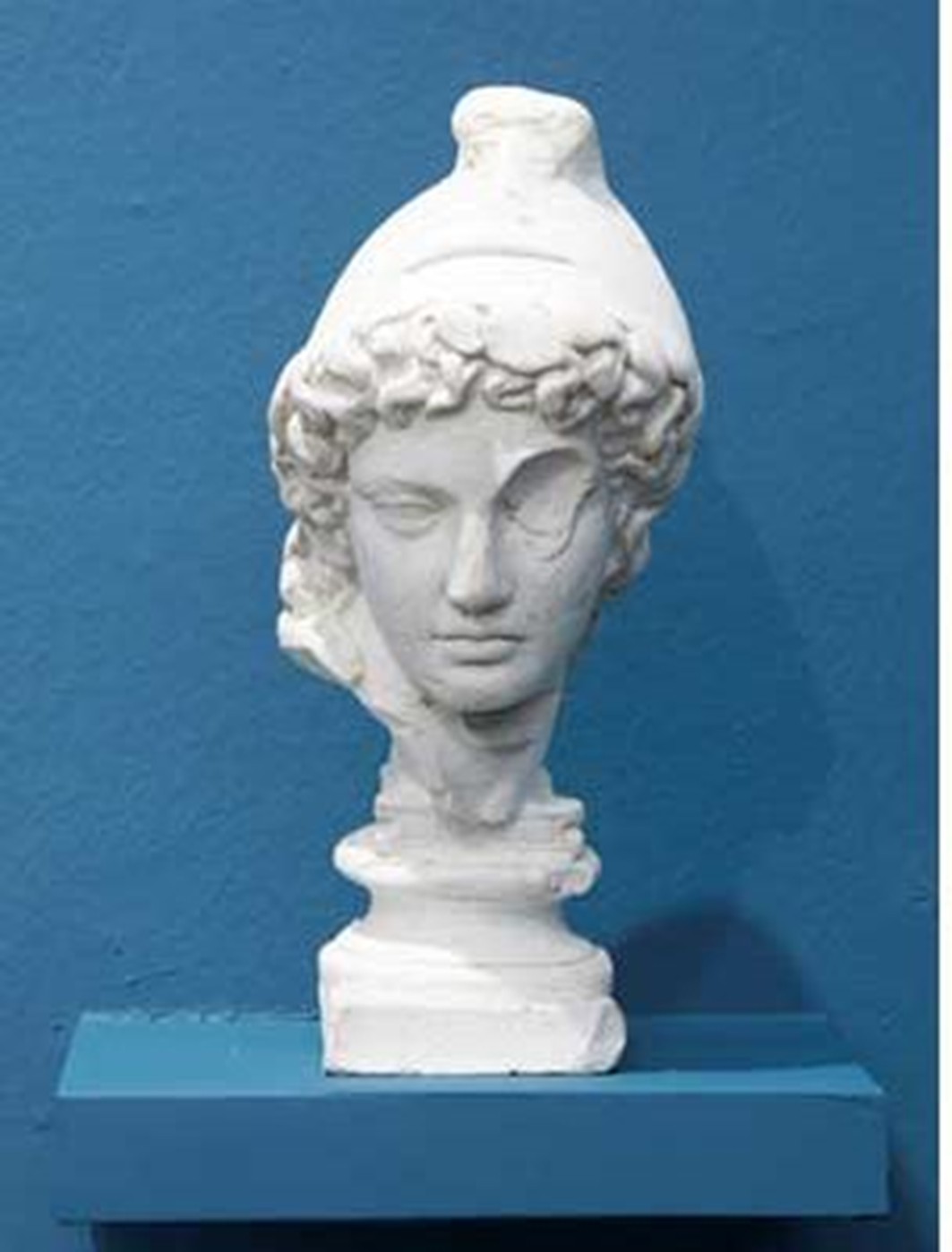
The
works of Western art that the artist encountered in Korea were plaster
reproductions of Ancient Greek and Roman sculptures, used for dessin practice
in university entrance examinations and therefore recast in a Koreanized
context far from their initial purpose and setting. The ancient sculptures she
later viewed in British museums were “authentic,” but preserved in institutions
far from their geographical origins and again bereft of their fundamental
meaning and purpose. In recreating these pieces in soap, the artist’s varied
experiences, and accomplishments permeate the process and result in the
creation of original artworks imbued with new meaning. These works are based on
Western artworks, but actively reflect the artist’s Eastern perspective and therefore
take on a unique identity that is neither entirely Western nor Eastern.
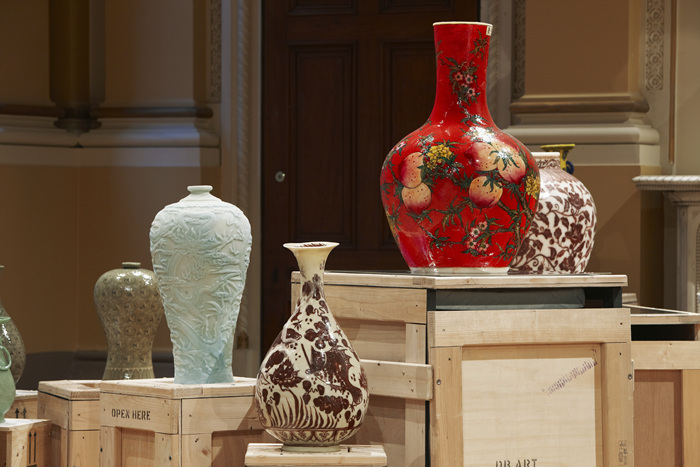
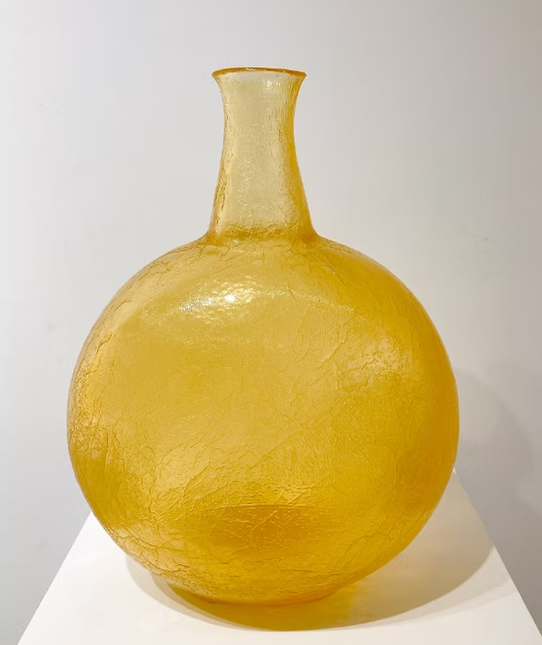
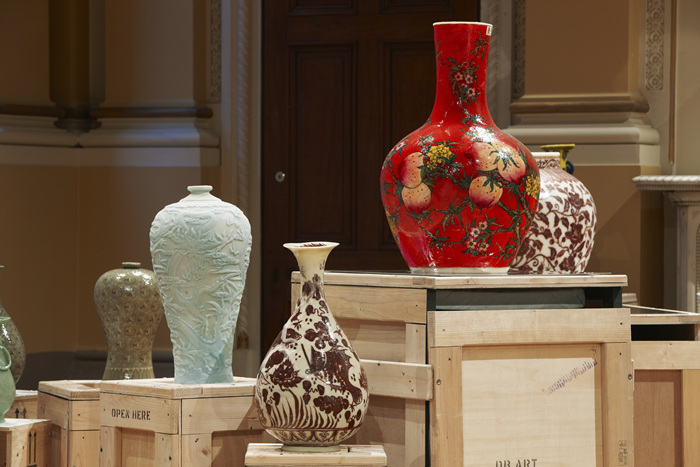
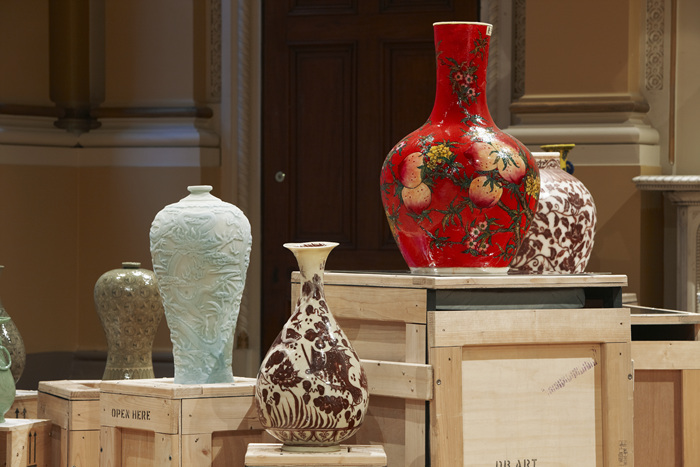
The
artist’s elaborate Chinese porcelain recreations also reflect connotations that
are not obvious at first glance. In Europe and other western countries, these
ceramics were considered to be emblematic of Chinese artistic styles, yet in
China they were not held to be authentically Chinese. They were merely pieces
produced solely for export purposes and therefore aligned with Western consumer
tastes. Chinese but not natively Chinese, Shin’s works illustrate a duality
inexplicable from a single perspective while reflecting her own point of view
as a 21stcentury Asian artist.
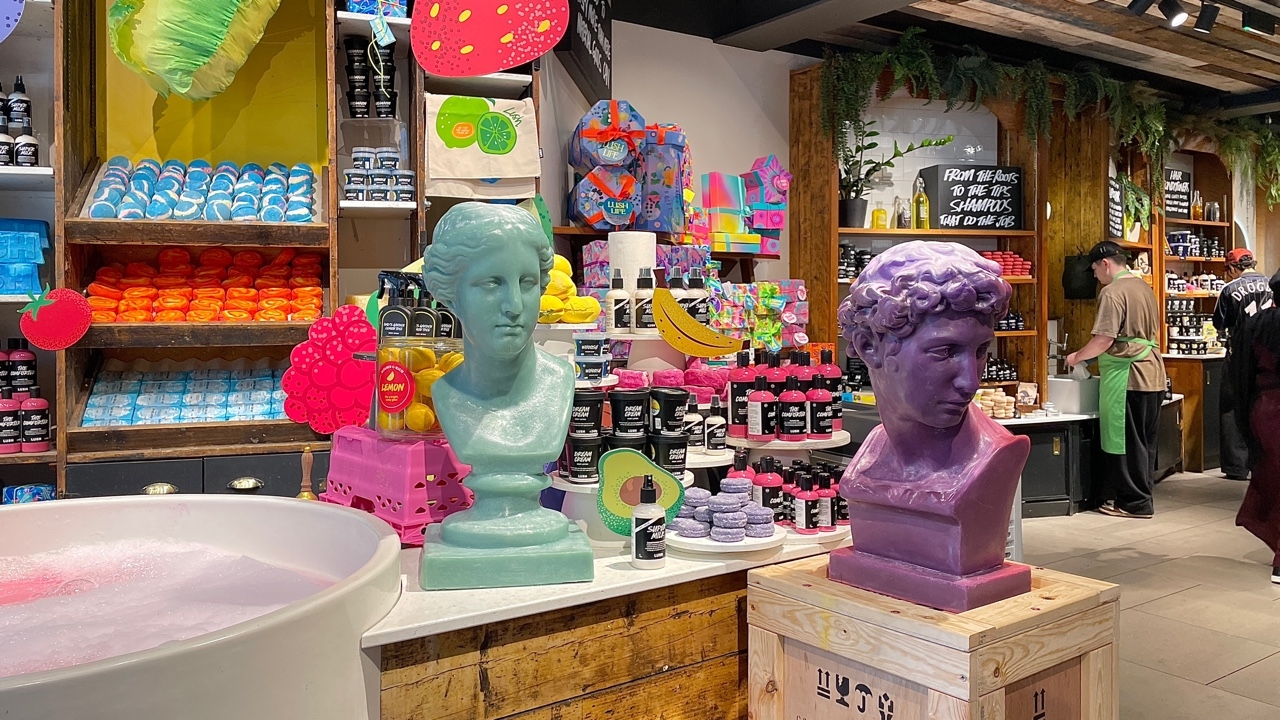
Occasionally,
Shin incorporates manufactured processes in order to rapidly age her
newlycreated pieces. She places her works, near-perfect soap reproductions of
ancient Western sculptures or Asian Buddhist figures, in restrooms for visitors
to use in washing their hands. Artworks which are normally restricted from the
touch of the general public are transformed into and consumed as functional,
everyday cleansing products, and by gaining the artificial patina from repeated
use they metamorphose into the time-worn forms of ancient artifacts before
ultimately returning to exhibition galleries. By freely shifting between the
various identities of art, artifact, and utilitarian item in a singly object,
the artist aims to disorient the audience.
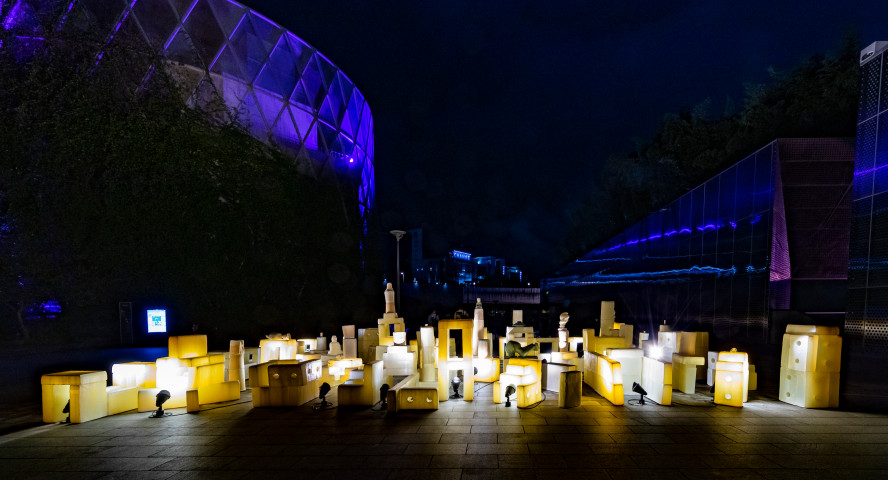
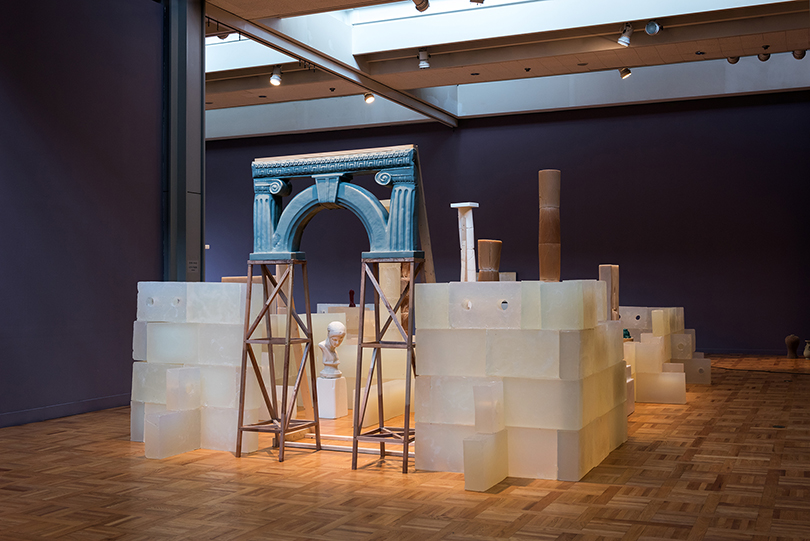
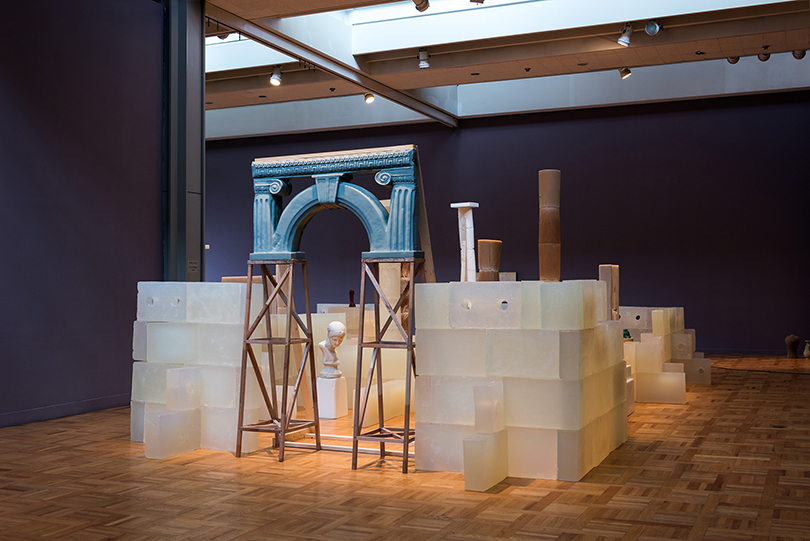
While
Shin has so far focused on recreating artifacts to expose their multifaceted
meanings, her latest work, Ruinscape(2018), attempts a
fascinating contextualization in which she suggests the provenance of her
creations. Soap, highly polished as though marble, is used to construct
demolished walls, and partial remnants of arches are place on teetering
structures. The scene resembles an excavation site in progress. By demonstrating
that her soap recreations, despite their external resemblance, can never have
the same origins as those of the Western sculptures that are the subjects of
her reproductions, she proposes a context unique to her works.
Here
the audience is led to rethink what constitutes the distinction between
original and replica. Why has the artist put in so much effort to create such
detailed reproductions? What value do her “copies,” created through such
complex processes hold? Even without discussing tenets of Eastern Philosophical
reasoning (in which “one must know the old in order to know and create the
new”), questions regarding appropriation, reinterpretation, and original and
imitation have long been present in the context of contemporary art. By
intentionally conferring different contexts on her recreations, Shin directs
the viewer to discover the distinction between original and replica. This not
only reflects the artist’s translation of the original subject, but also opens the
possibility for the viewer’s own interpretation.
Shin’s
creative philosophy, nimbly traversing the contrasting characteristics and
boundaries of a single objet, offers a satisfactory solution to one of
contemporary art’s most pressing issues. Even now, American and Western
European male artists are considered dominant on the global stage. The
expansion of the definition of contemporary art is one of the main concerns of
institutions as part of their effort to rectify this imbalance. Firstly,
geographical expansion is at the core of this effort, in which the discussion
regarding contemporary art extends beyond the traditional centers of Western
Europe and the USA to include art from Asia, the Middle East, Africa, and
Eastern Europe.
Furthermore, it is necessary to look beyond conventional area
of fine art, such as painting, sculpture, and installation, to include various
media and form, such as those of decorative art or design, in this discussion.
Few artists nowadays limit themselves to a single medium, and the state of art
has become too complex to delineate the boundaries of fine and decorative arts
simply by materials. In addition, it is a central mission of large museums
possessing works of various time periods and cultural contexts to apply
perspectives of contemporary art to the historical artifacts that constitute
the majority of their collections. Viewers tend to relate more readily to works
by contemporary artists, and it is necessary to utilize such phenomena to seek
ways to breathe new life into ancient and modern art that may feel antiquated.
To
Shin, Western art is simultaneously an objective foreign phenomenon which arose
from outside her country of origin and a subjective identity that settled in
Korea, and her particular translation and interpretation of it is based on her
geographical and cultural Korean and Asian background. She presents the
significance of Western art as it is gleaned through a Korean lends, and the
various contexts that arise from embodying this meaning in her work present a
new perspective to viewers. Her method of illustrating the unique position that
only an artist of Korea descent can hold without recording into displaying
overt, so-called “traditional Korean aesthetics” is a very clever approach
indeed.
Shin’s
processes, including her unending study of the characteristics of soap to
produce perfect reproductions, her analysis of optical developments of various
pigments, and the artistic skill involved in creating patterns on the
porcelain, are those of a ceramicist mastering the properties of materials by
investing time and effort and seeking to perfect the technique necessary in
production. This places the artist squarely between ceramic craftsman and
artist creator. However, when we consider that the purpose of decorative arts
at least partially lies in everyday functionality, Shin’s works fail to qualify
as such. On the other hand, the purpose of fine art is the opposite, in which
pieces are non-functional yet values. Therefore, the artist’s works, which
imitate the appearance and production of porcelain, can be said to occupy a
middle ground, in which they qualify as fine art yet have been created with the
approach and processes generally reserved for decorative arts.
Through
her soap sculptures, Shin symbolically represents the disruption of boundaries
caused by the expansion of contemporary art into areas previously excluded from
fine art, such as pop culture, mass media, and everyday items. Just as her
working process, a result of time-intensive labor, is exceedingly that of
craftsmanship yet does not categorize her work as decorative art, it is no
longer meaningful to distinguish between fine and decorative arts based on
medium or technique in the context of contemporary art, and we can clearly see
that the boundaries of fine art have become more flexible and inclusive.
Furthermore, the process of modern reinterpretation and re-contextualization of
historical artifacts directs the audience’s view to freely traverse the time
and space of past and present, place of origin and place or recreation, and
therefore allow for a more complex and multi-dimensional understanding of the
subject.
Meekyoung
Shin says that her purpose in blurring boundaries is to question the values she
formerly held as absolute, and through this questioning bring to light
additional meanings lying under the surface. The artist, whose processes in
sculpting soap to fundamentals of porcelain, she is in the midst of a
paradoxical roundabout. The artist has indicated that she intends to continue
crossing the boundaries of the notion of hybrid in her search for meaning, and
it is exciting to see what new life Meekyoung Shin’s efforts will breathe into
her future works.