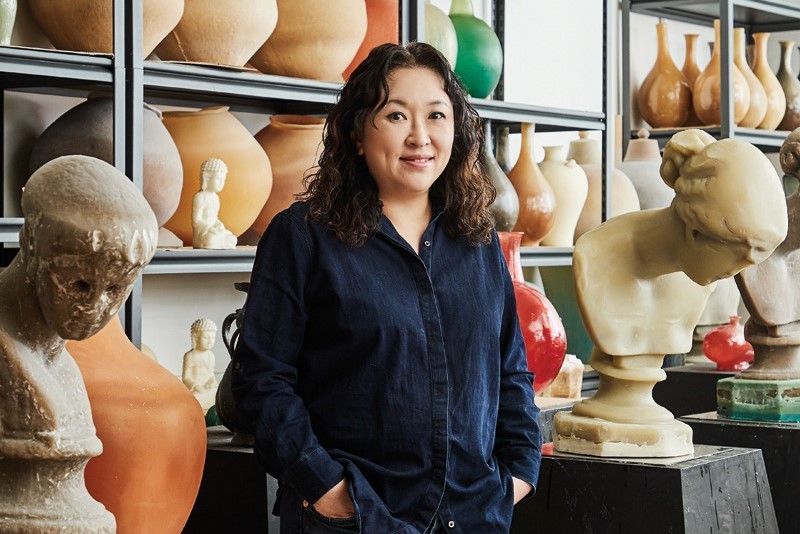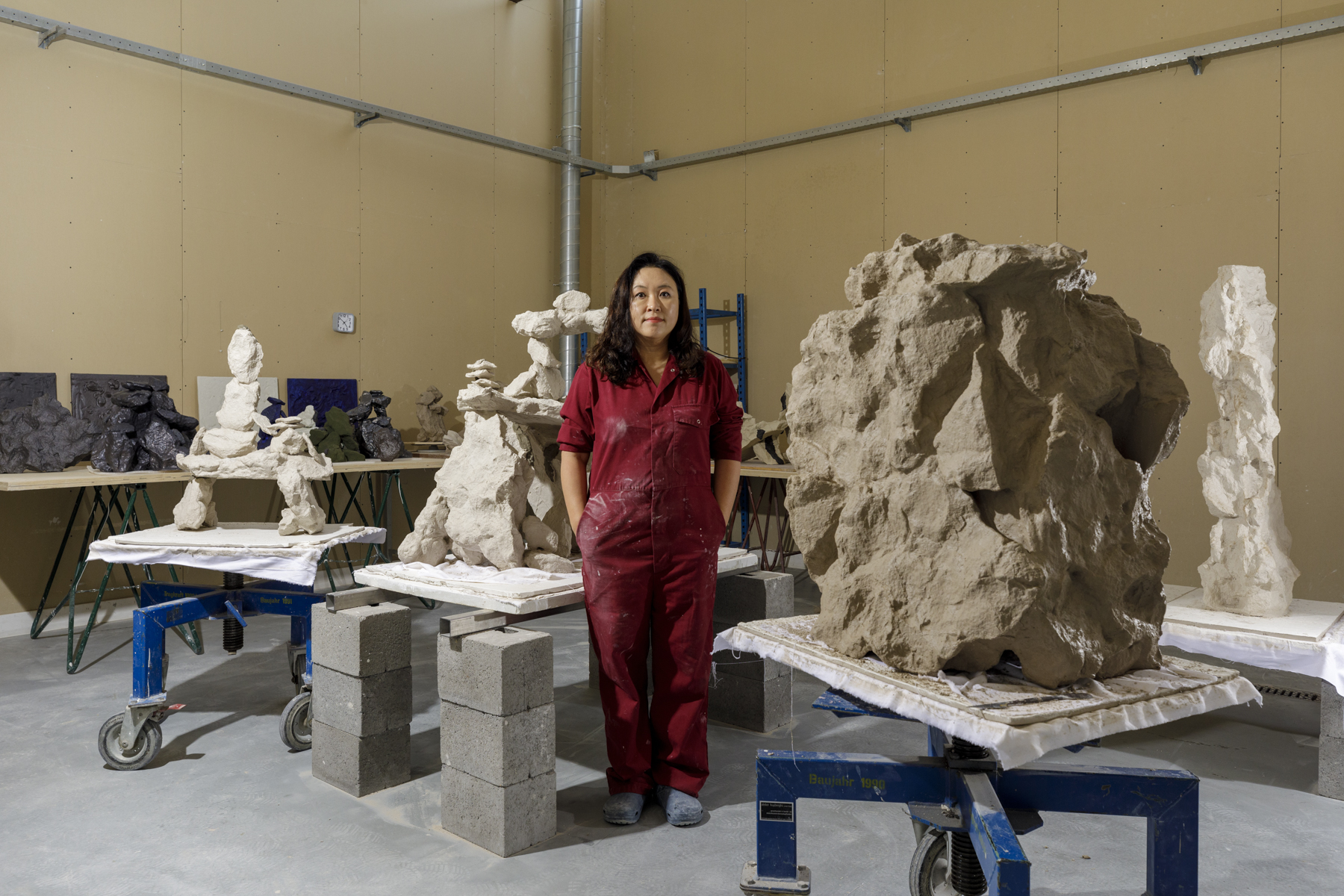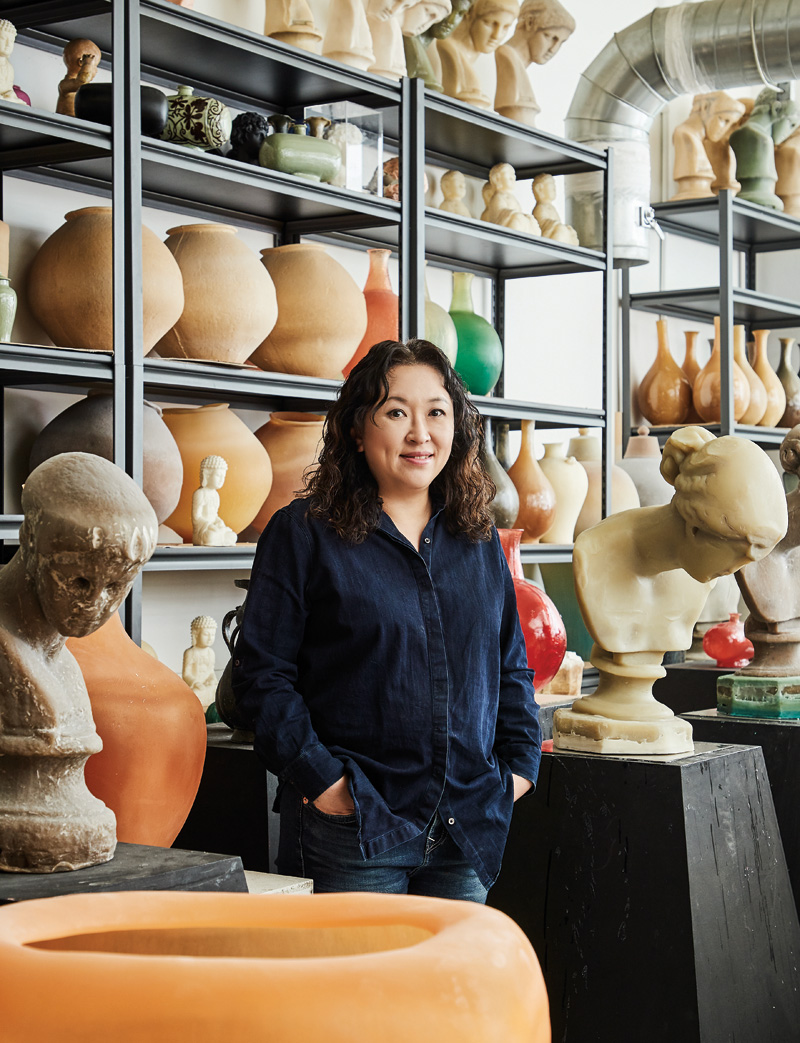


Meekyoung Shin studied sculpture and obtained bachelor’s and master’s degrees at Seoul National University, and furthered her studies at the Slade School of Fine Arts in London. She currently lives and works in Seoul, London
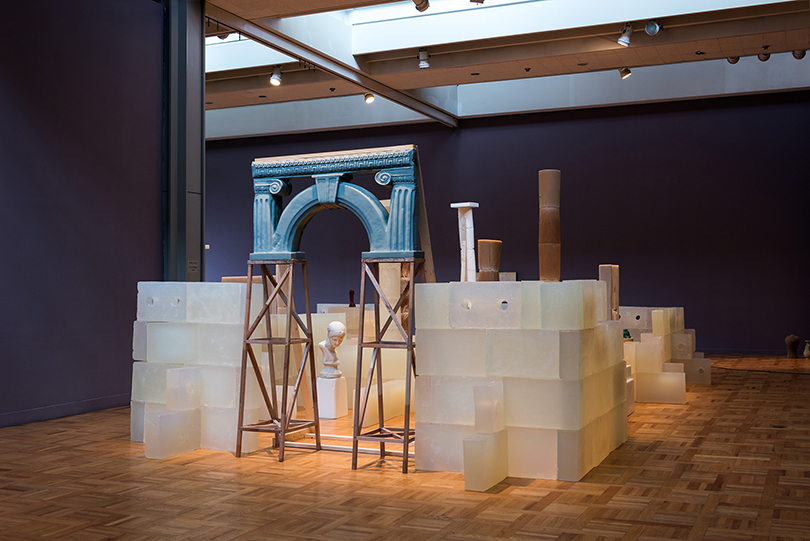
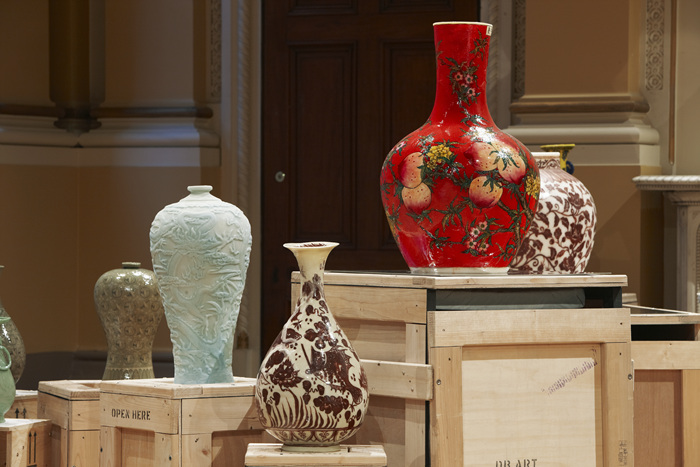
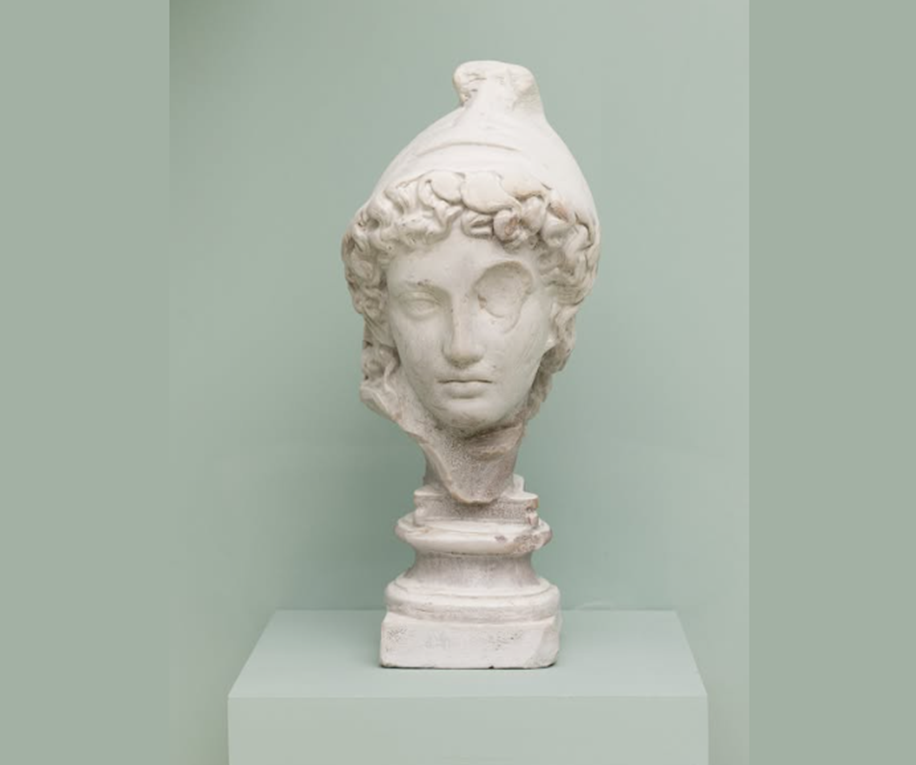
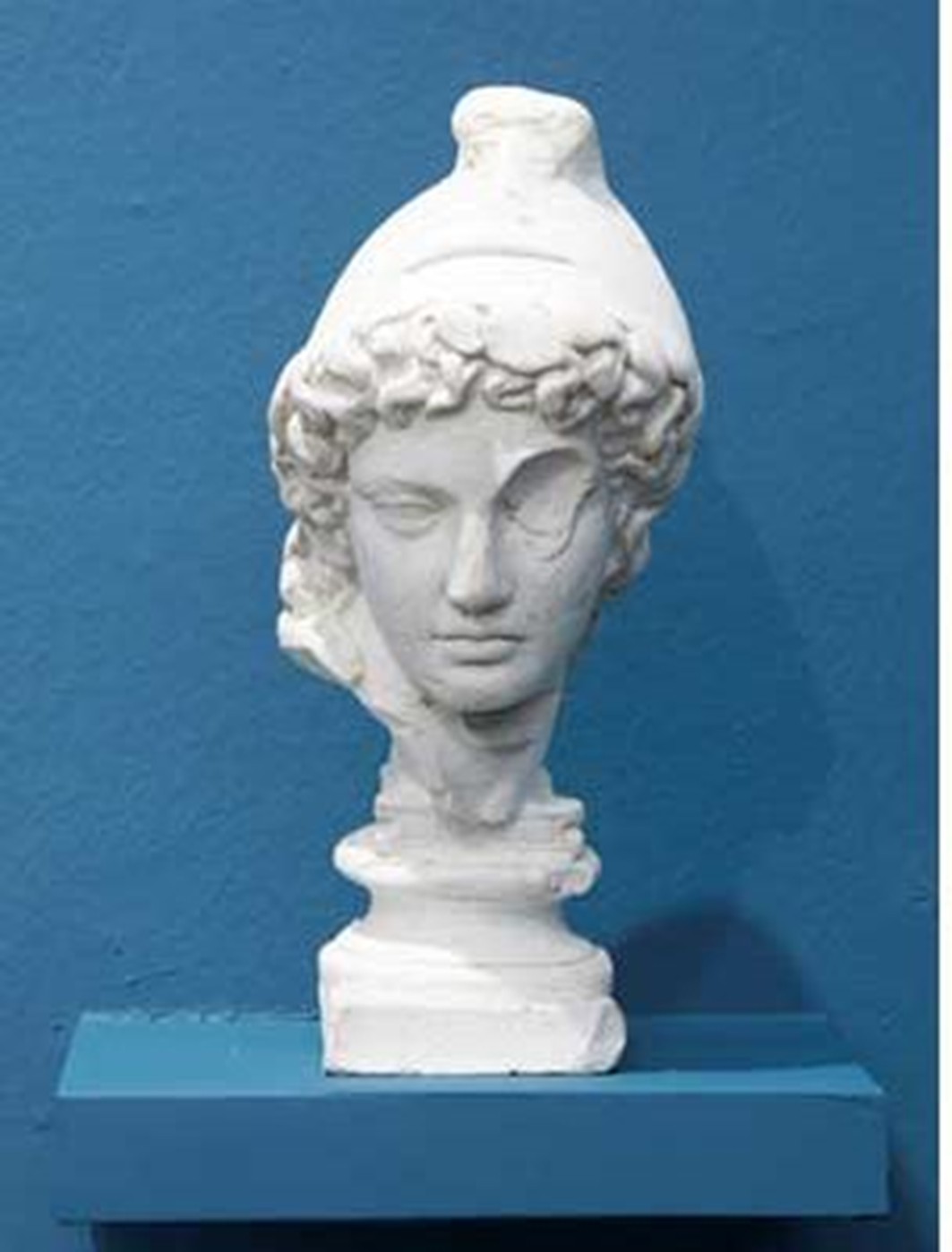
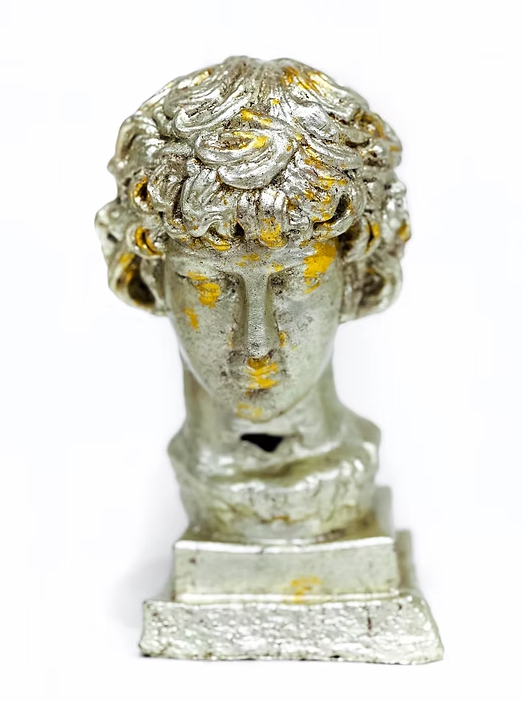
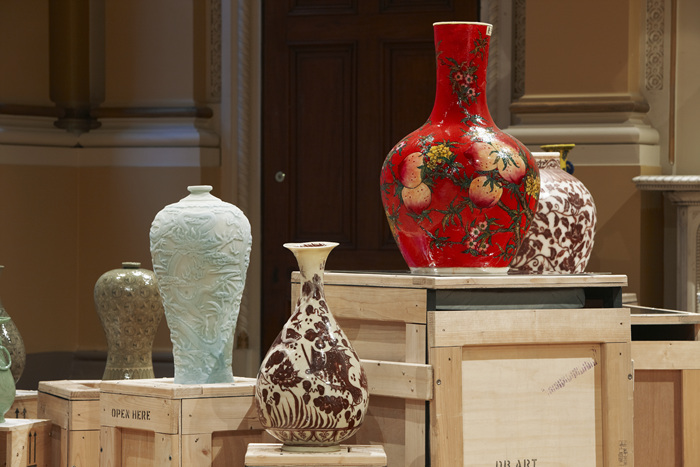
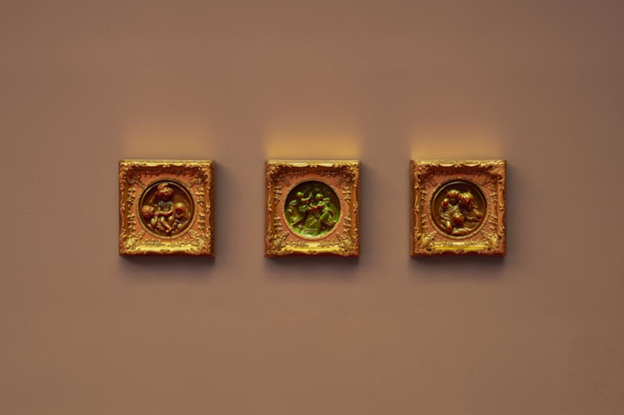
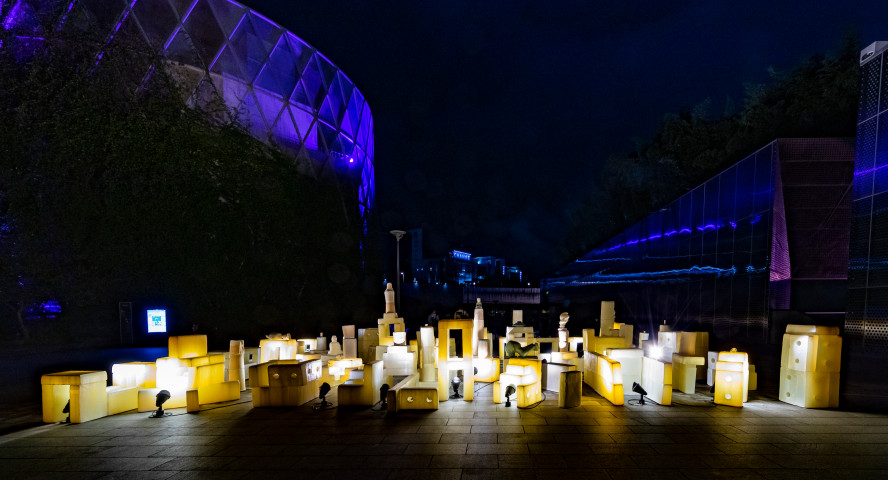
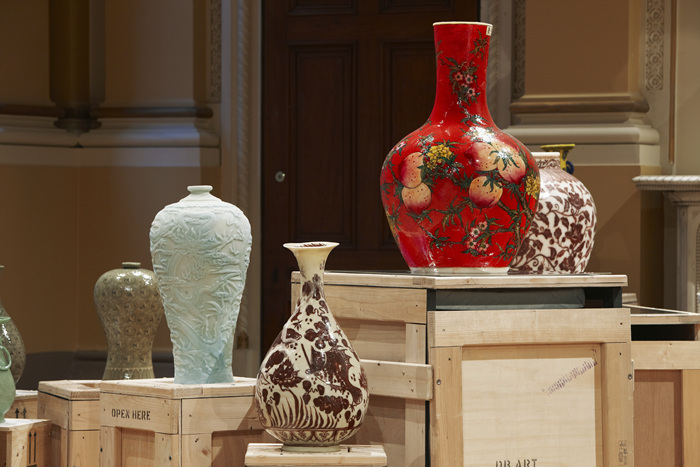
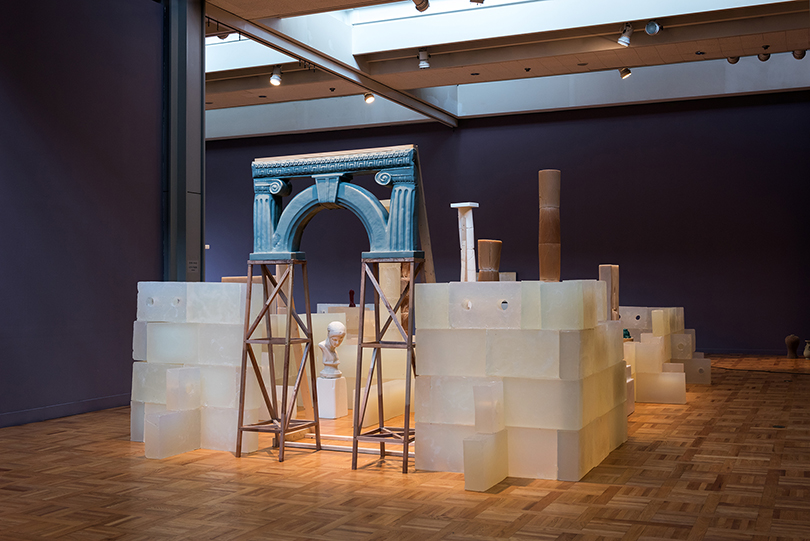
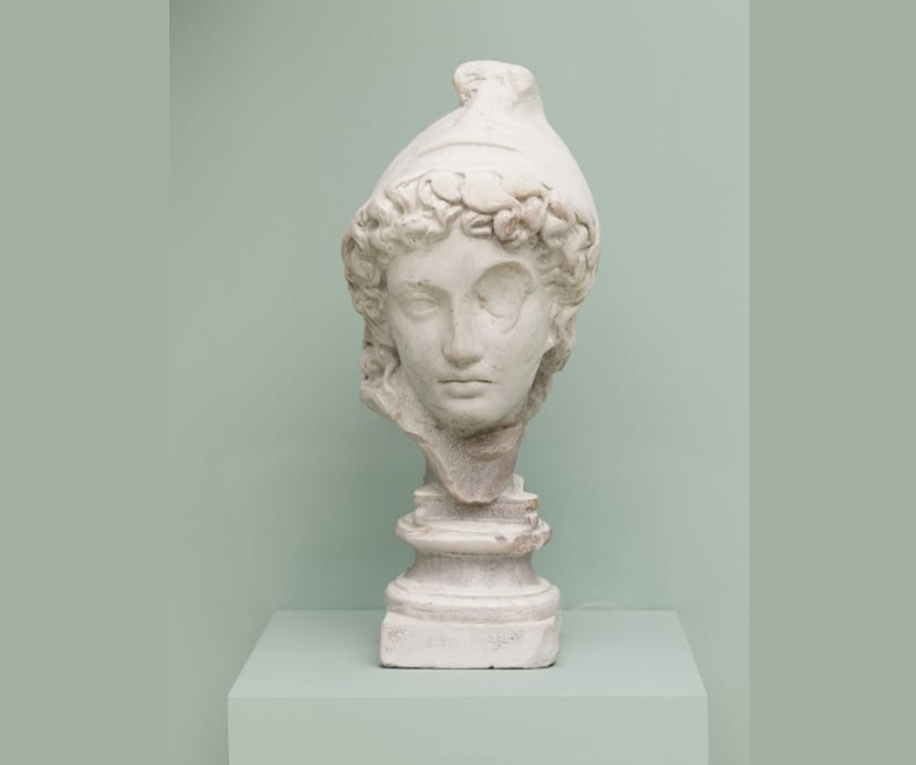
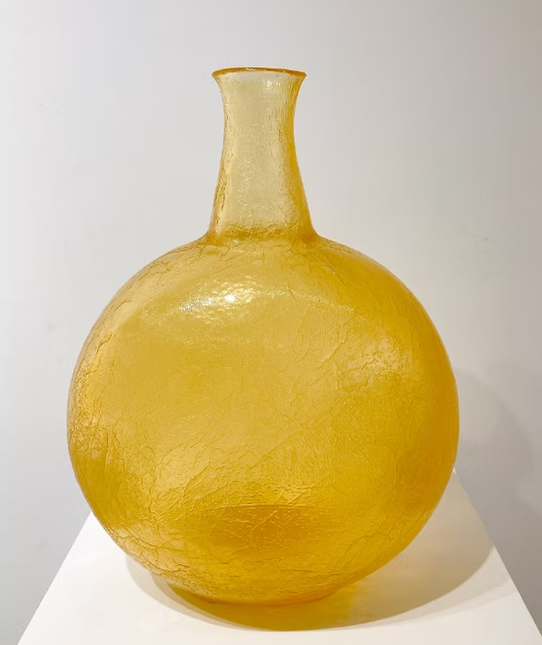
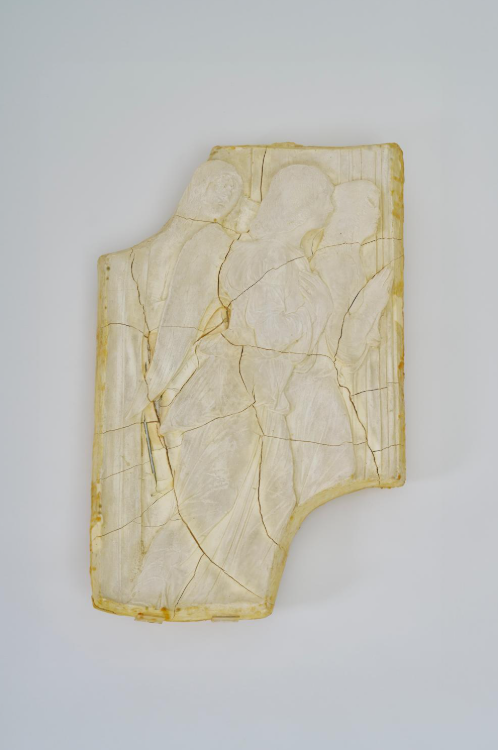
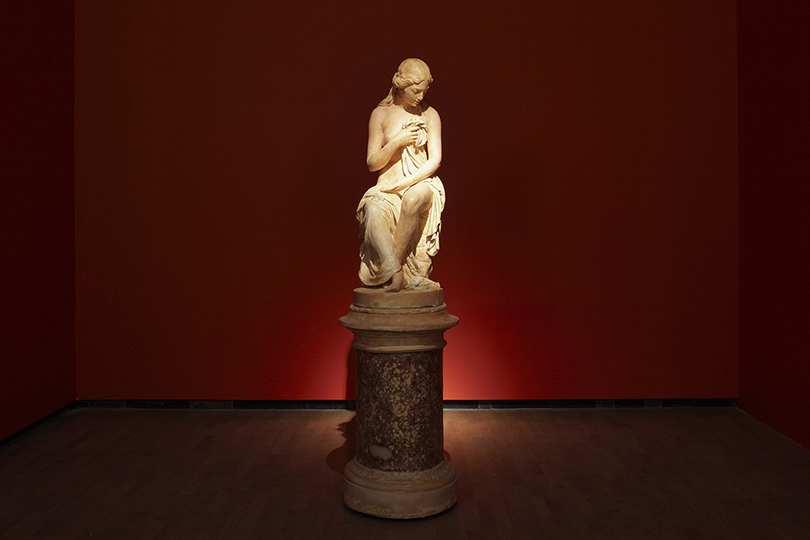
Meekyoung Shin, Translation
Series, 2019, soap, varnish, fragrance, pigment © Meekyoung Shin
Meekyoung Shin
(56), widely known for her distinctive “soap sculptures,” has been selected as
the recipient of the 2nd Ha In-doo Art Award. Recognized for an international
artistic language grounded in Korean identity, Shin has been named the second
laureate of the award.
Working primarily
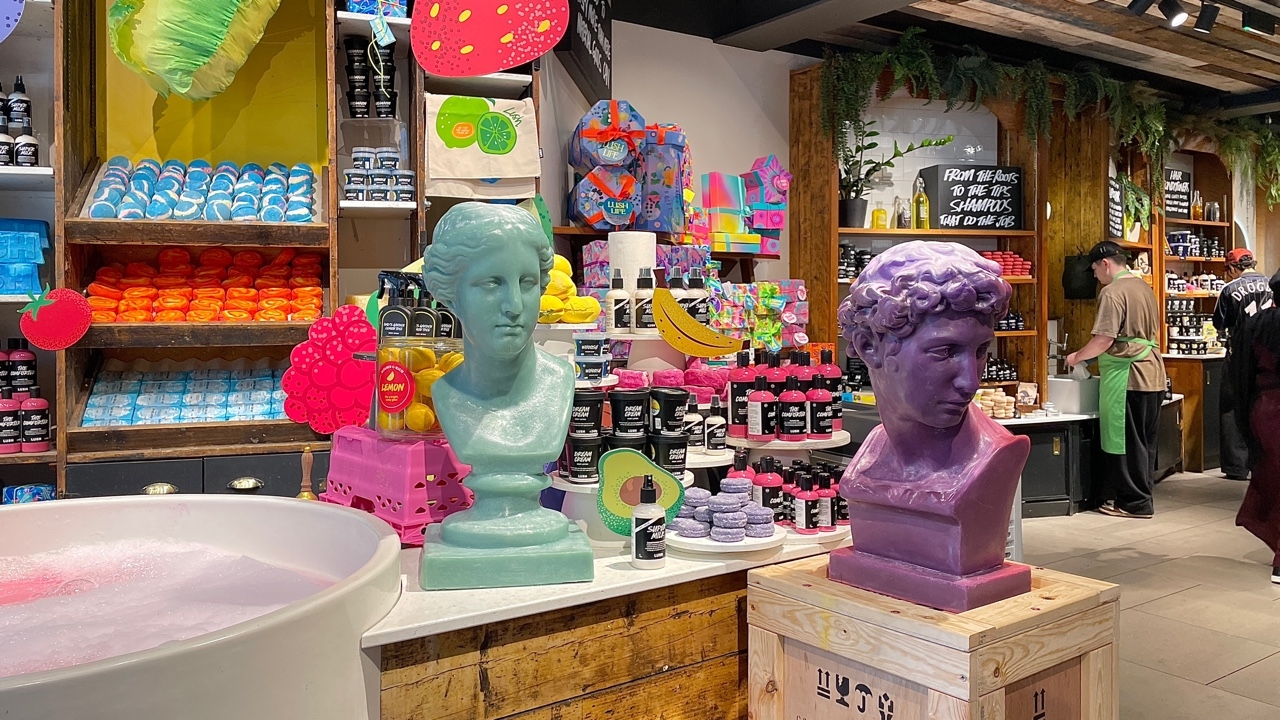
with soap, Shin has devoted herself to recreating artifacts and artworks that
symbolize specific cultures—ranging from Western sculptures and paintings to
Eastern Buddhist statues and ceramics. Rather than merely replicating these
objects, she deliberately adopts only their superficial attributes so that they
may function as new works. By amplifying the fragile and vulnerable materiality
unique to soap, she raises value-based questions about the originality and
authenticity of the original objects.
Soap is an everyday
material that easily breaks, wears away through use, and ultimately disappears.
By employing this material, Shin creates sculptures that closely resemble
Western statuary or Asian Buddhist figures. In doing so, her works become
another “original” while simultaneously operating in a new way. This approach
mirrors Shin’s method of dismantling conventional frameworks through which
ancient civilizations have been perceived. By “translating” these Eastern and
Western relics into soap, she invites viewers to reconsider notions of absolute
value.
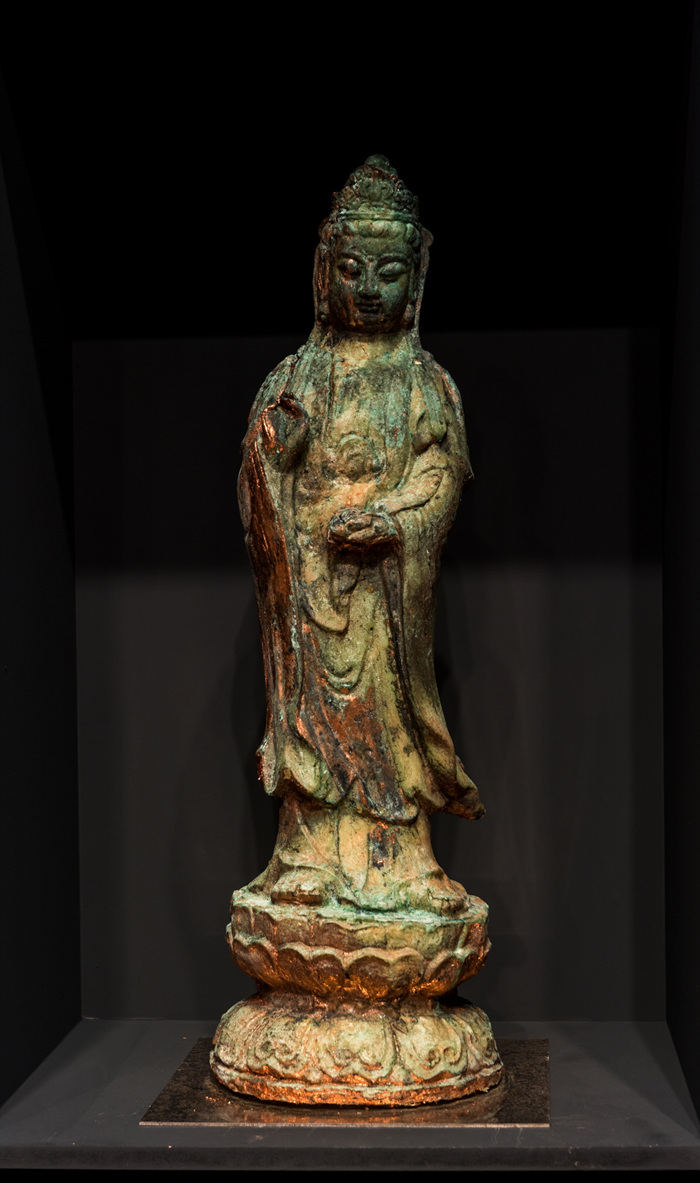
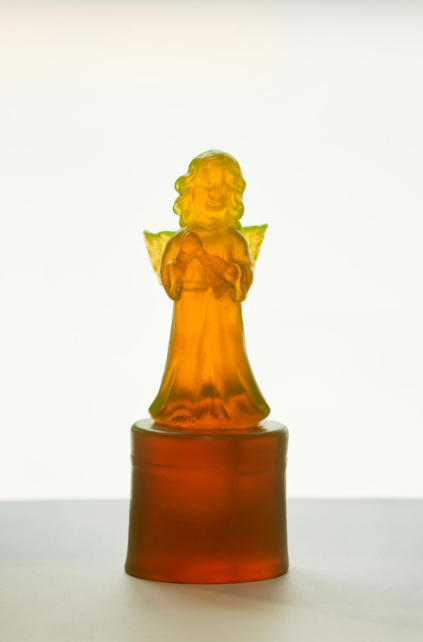
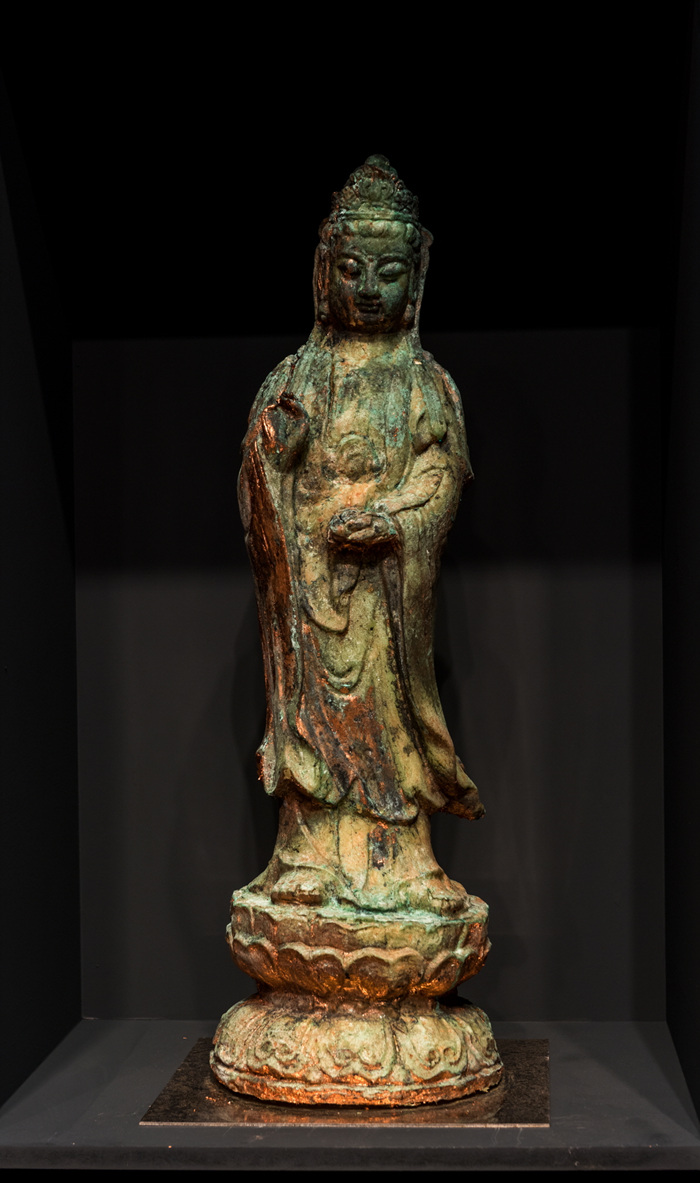
Meekyoung Shin, A Petrified Time Series: Buddha, 2018,
soap, copper leaf, fragrance, varnish, 33x33x78cm © Meekyoung Shin
Ahn Hyunjung, Director of the Sungkyunkwan
University Museum and Chair of the Jury for the 2nd Ha In-doo Art Award,
commented: “By interpreting the weathering and disappearing materiality of soap
as a deconstruction of authoritarianism, Meekyoung Shin has consistently forged
her own distinctive path, transcending the limitations often imposed on an
Asian woman artist. Her journey—akin to that of an art anthropologist
translating the contexts of Eastern and Western cultures into new discourses
and directions—promises to suggest new possibilities and alternatives for
contemporary art.”
Shin studied sculpture at Seoul National University
and its graduate school, and later graduated from the Slade School of Fine Art
in London and the Royal College of Art in the United Kingdom. She has since
maintained an active practice between Seoul and London. Her works are held in
the collections of major institutions worldwide, including the National Museum
of Modern and Contemporary Art and Leeum Museum of Art in Korea, the Museum of
Fine Arts, Houston in the United States, and Arts Council England in the United
Kingdom, earning her international recognition.
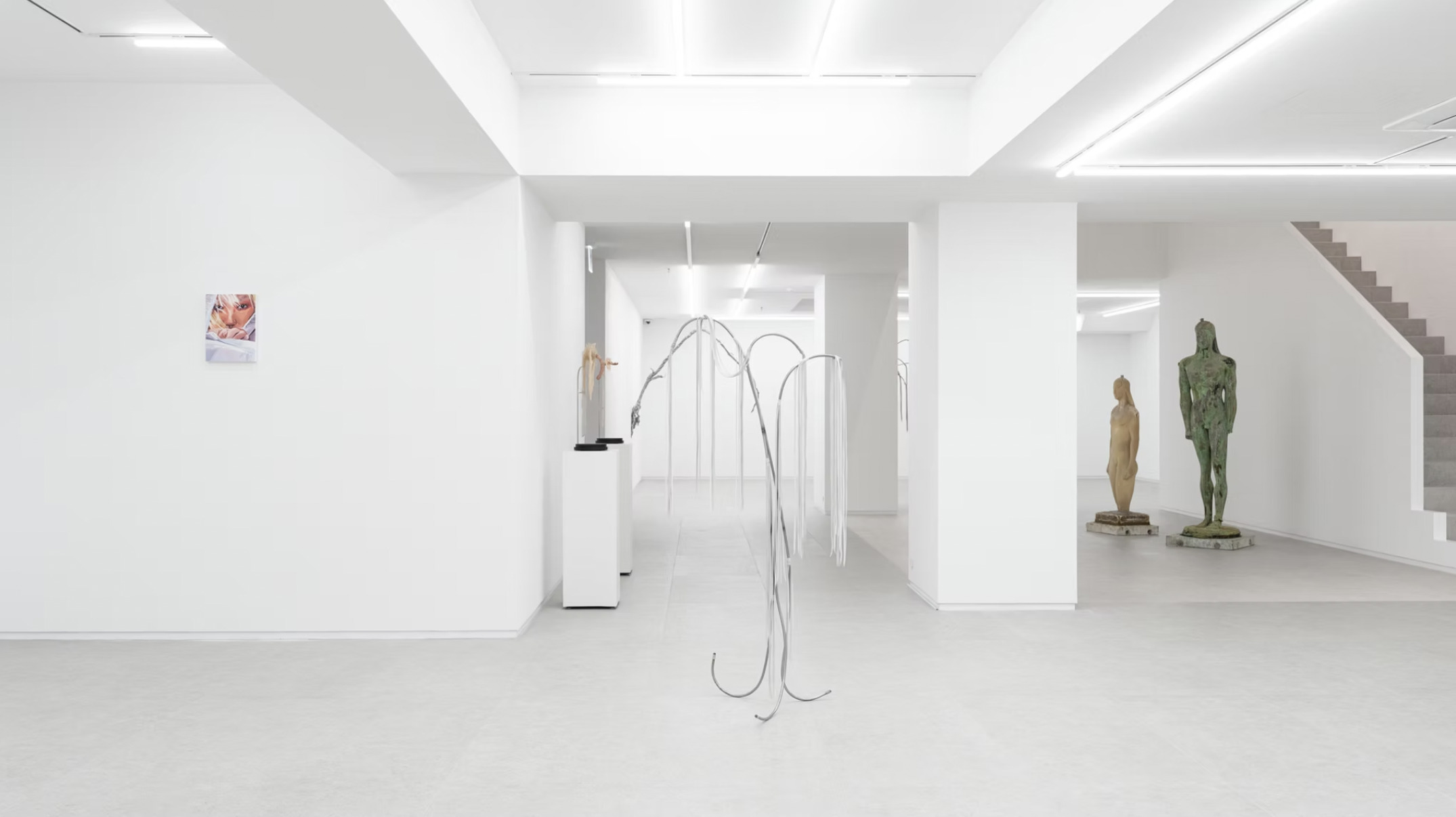
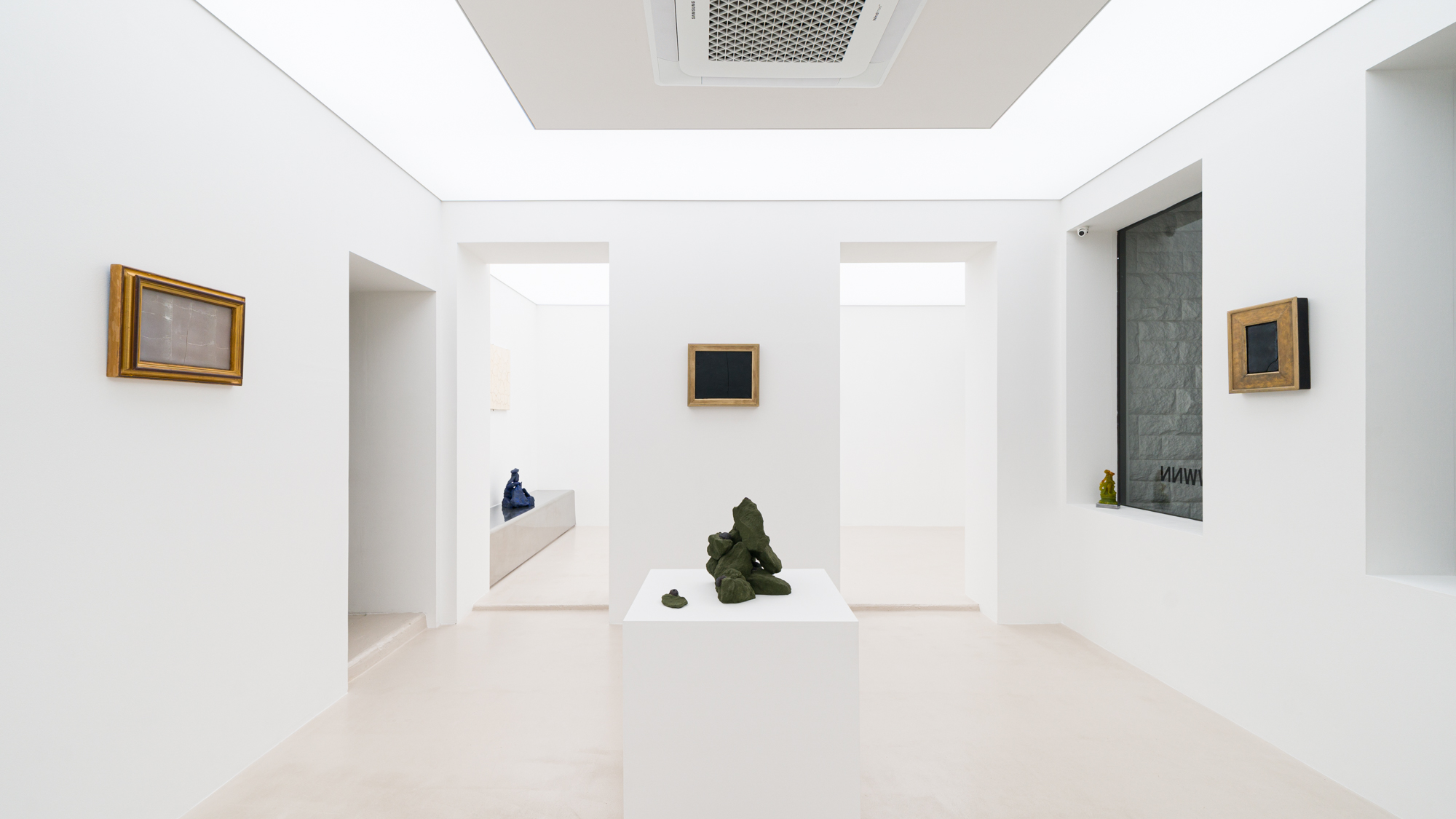
Recently, she held a solo
exhibition at the Coreana Museum of Art, and has also presented solo
exhibitions at the Princessehof National Museum of Ceramics in the Netherlands,
Barakat Gallery in London, Wooyang Museum of Contemporary Art, and ARKO Art
Center, among others.
Established in 2022 by ART CHOSUN, the Ha In-doo Art
Award was created to commemorate the artistic spirit of Ha In-doo (1930–1989),
who developed a distinctive painterly language, led Korean abstract art, and
made a significant impact on the history of modern and contemporary Korean art.
Ha In-doo passed away at the early age of 59 while
still deeply immersed in his artistic practice. Even during his prolonged
illness in his later years, he never put down his brush, continuing to create
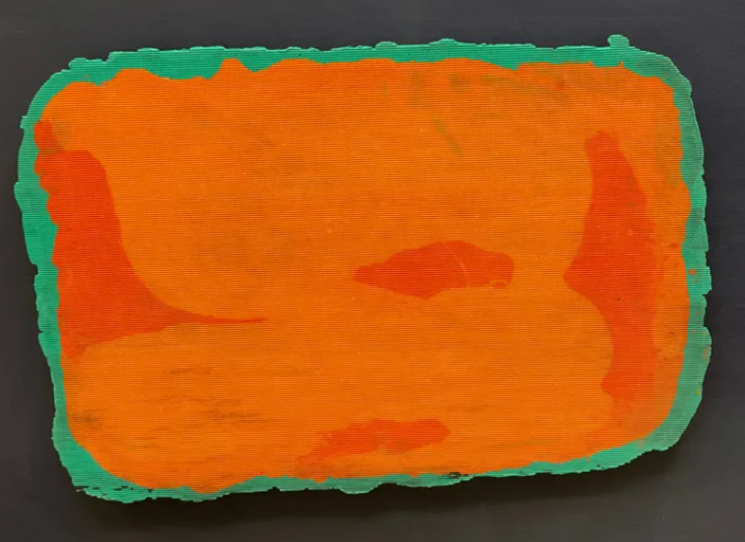
numerous works—including Honbul—now regarded as a
masterpiece. In honoring his legacy of relentless originality and devotion to
art even amid hardship, the Ha In-doo Art Award is presented to Korean artists
under the age of 59 who have established a distinctive artistic practice and
have been active in Korea for at least three years. The age limit derives from
Ha In-doo’s passing at 59. Although he was unable to continue beyond that age,
the award expresses the hope that its recipients will carry forward even more
vigorous artistic activity after turning 59.