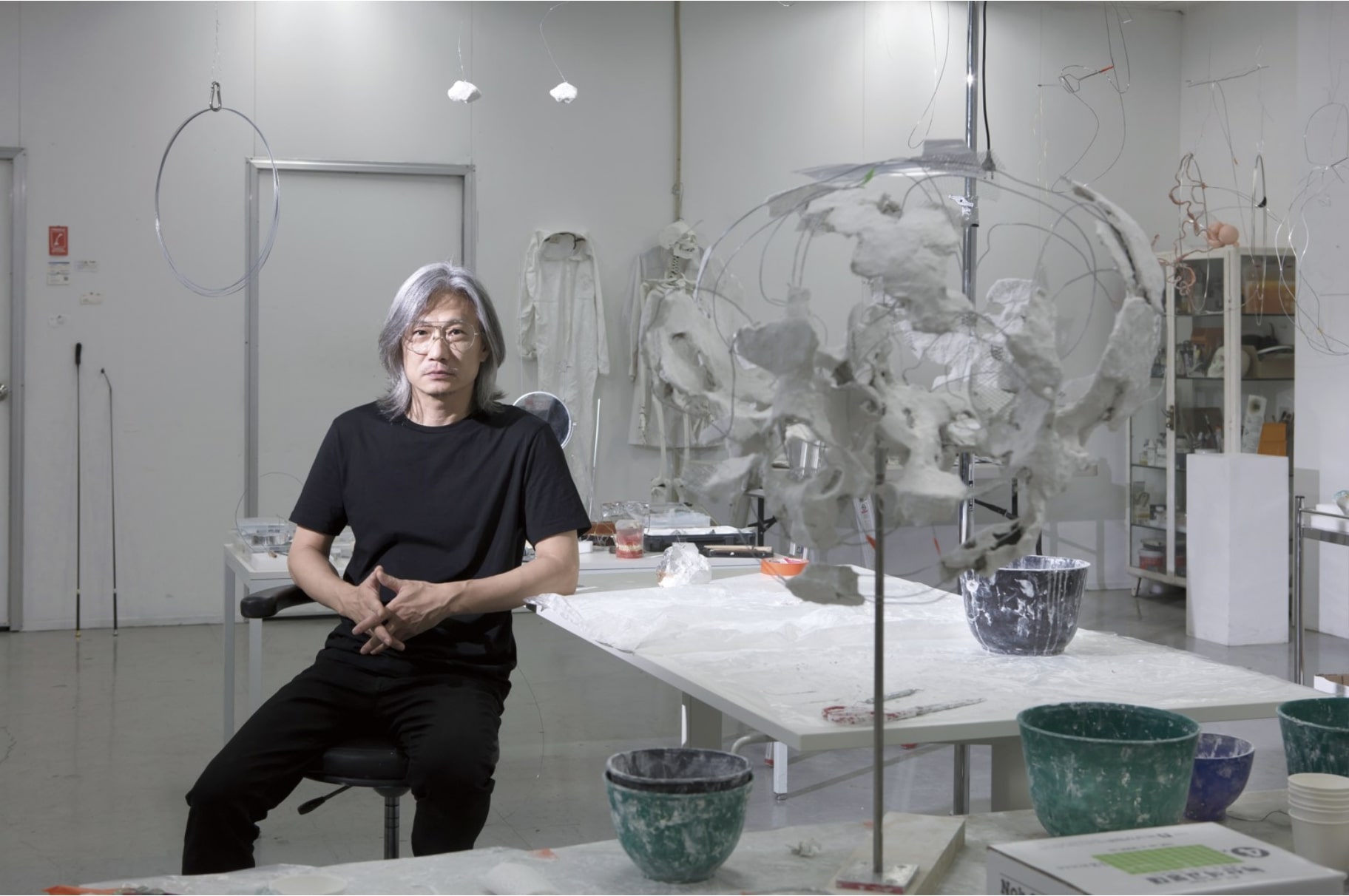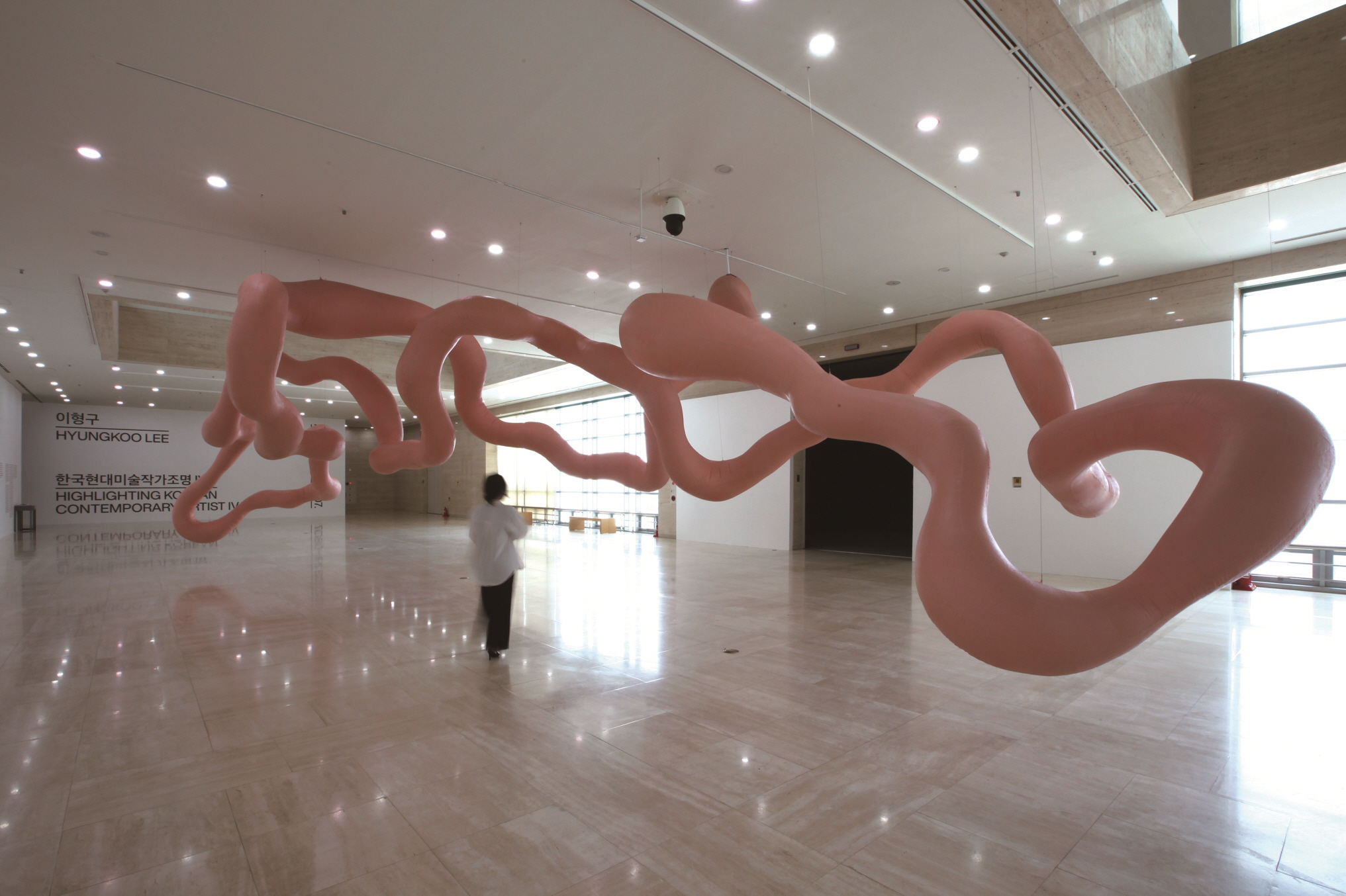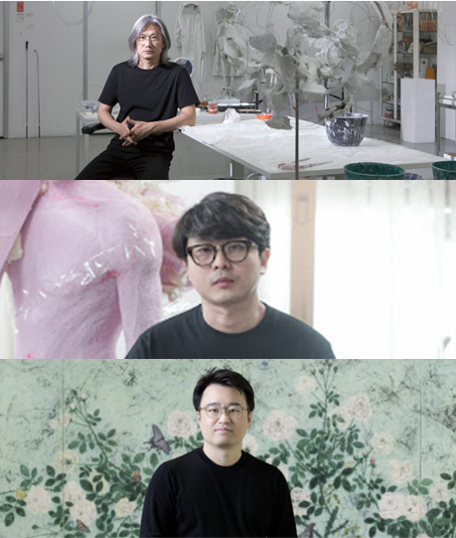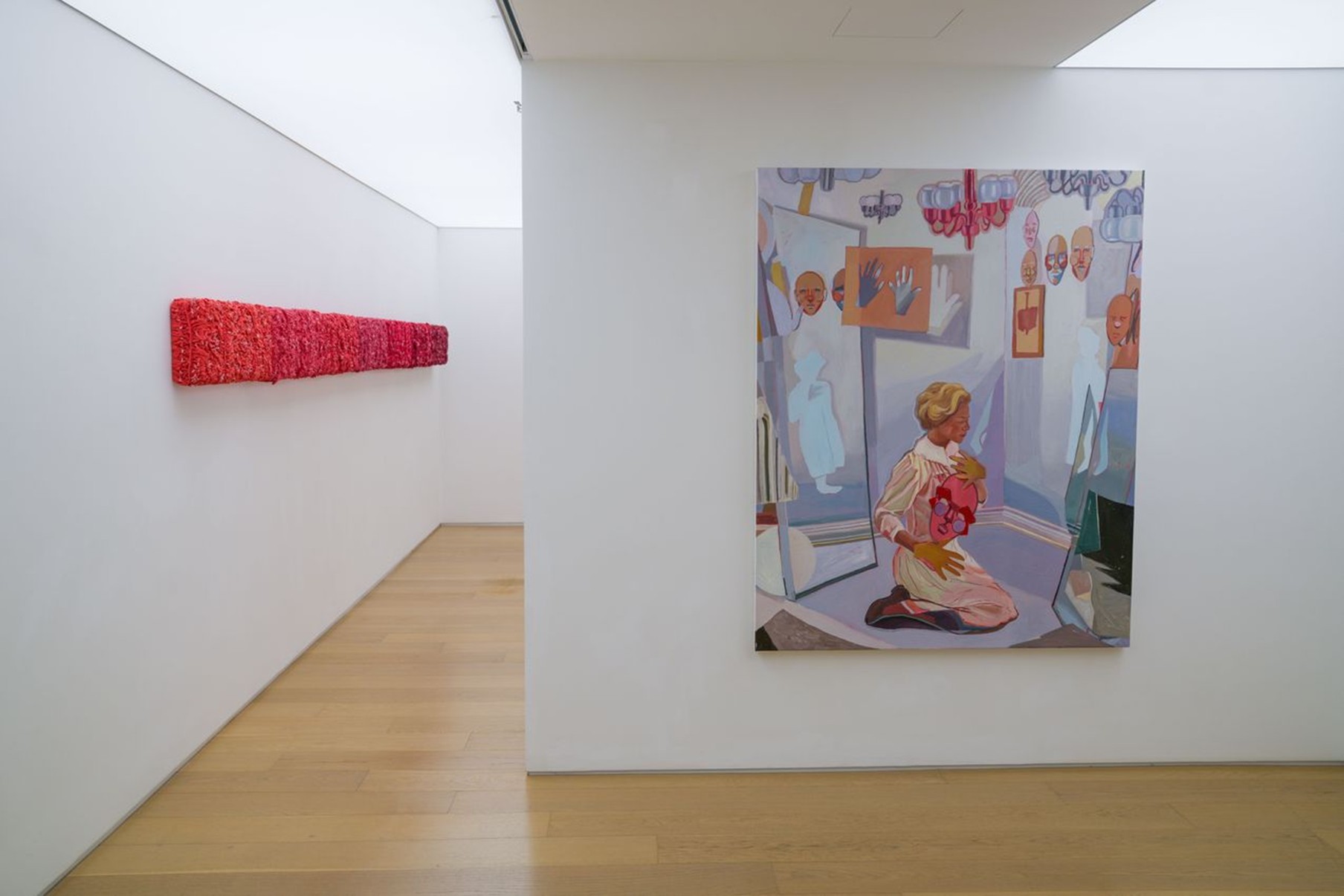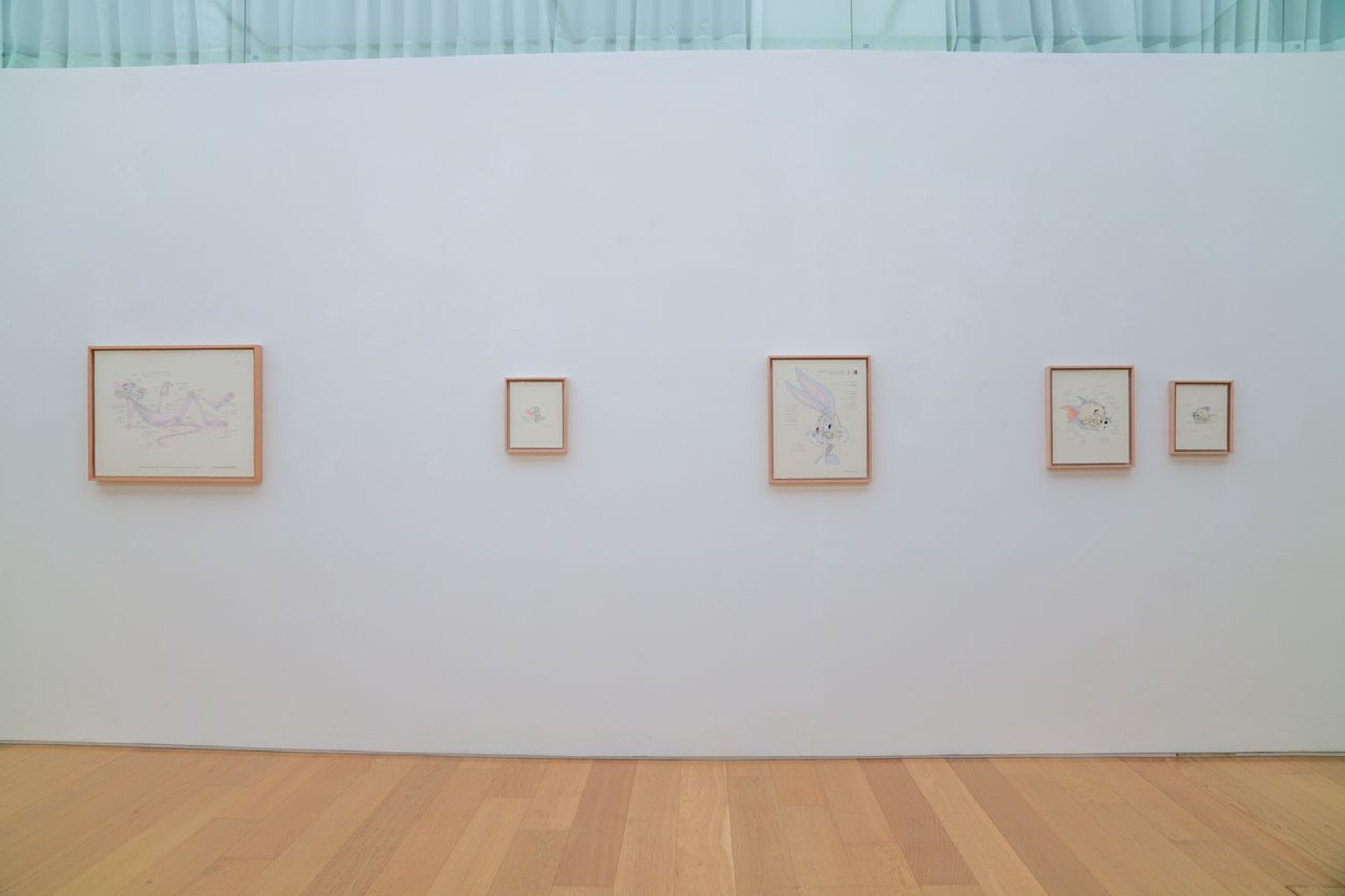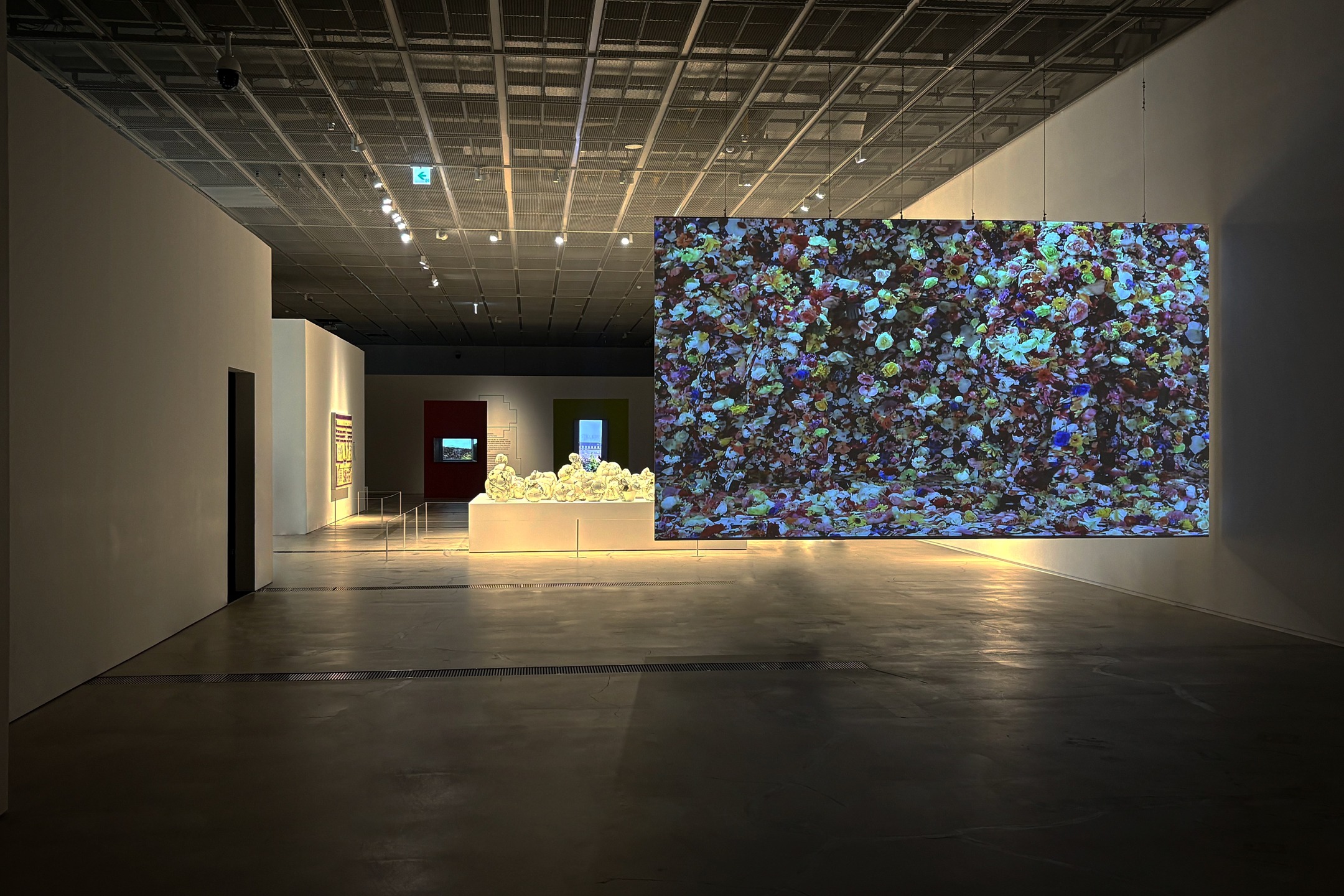

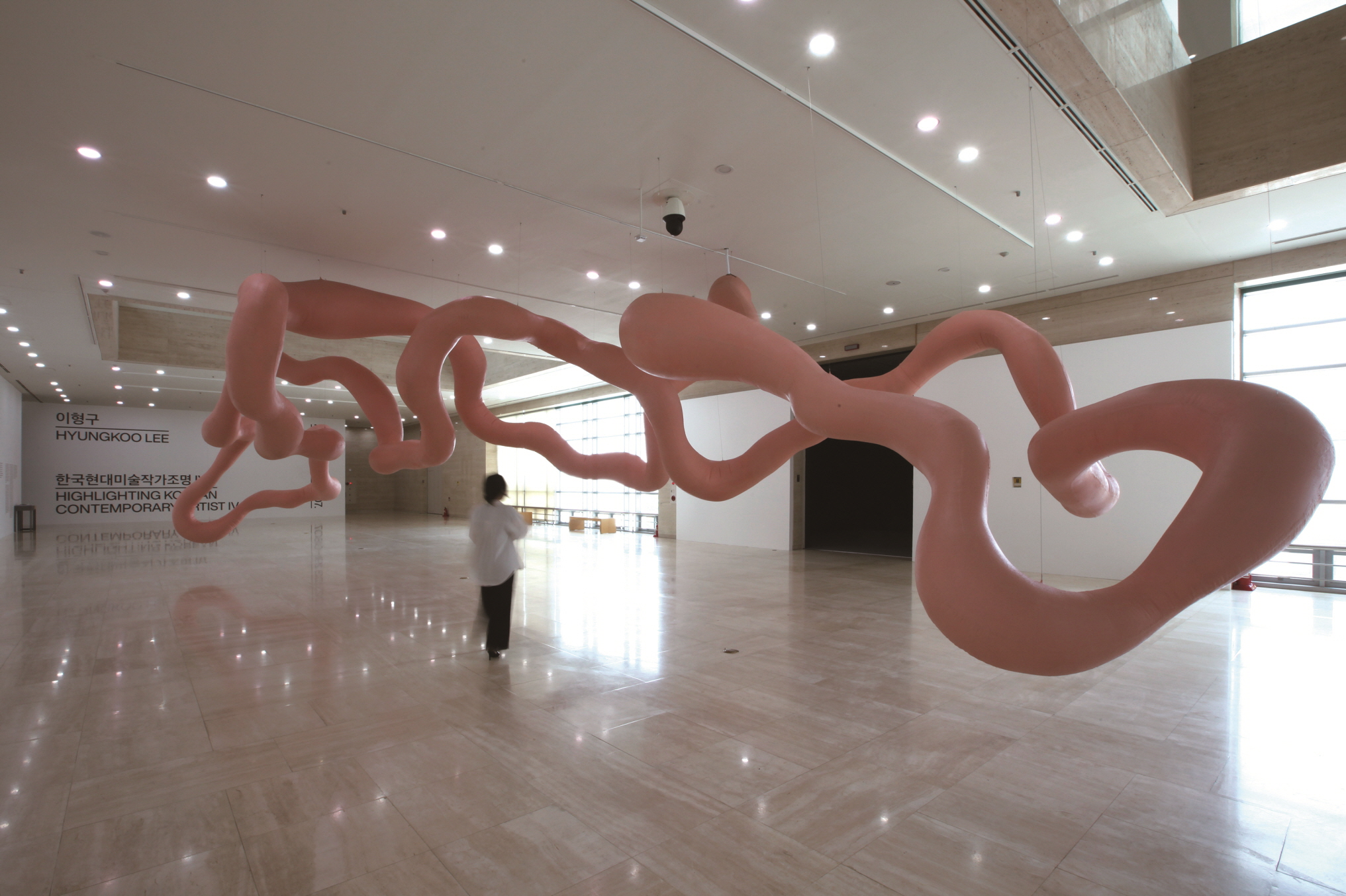

Installation view of 《Highlighting Korean Contemporary Artist IV》 © Busan Museum of Art

In an era of globalization, we live in a world where anyone can become a traveler. The free movement of capital, culture, and information across borders makes our existence as global citizens tangible, yet it also heightens the pressure to affirm identities grounded in nation, region, and tradition.

Contemporary artists confront this ambivalent reality. To embrace globalism risks the loss of cultural identity, while to remain within nationalism invites marginalization from global discourse.

The exhibition title 《The Tourists》 takes inspiration from the Japanese philosopher Hiroki Azuma (東浩紀, b. 1971) and his book The Philosophy of the Tourist (觀光客の哲學, 2017). Azuma describes the contemporary condition as a “two-layered” structure in which globalism and nationalism coexist. He proposes the figure of the “tourist” as a subject unbound by roots or borders, constantly in motion and open to chance encounters. Tourists do not remain fixed to a single origin or destination. They move between the foreign and the familiar, experiencing unforeseen moments and forming new relationships along the way.


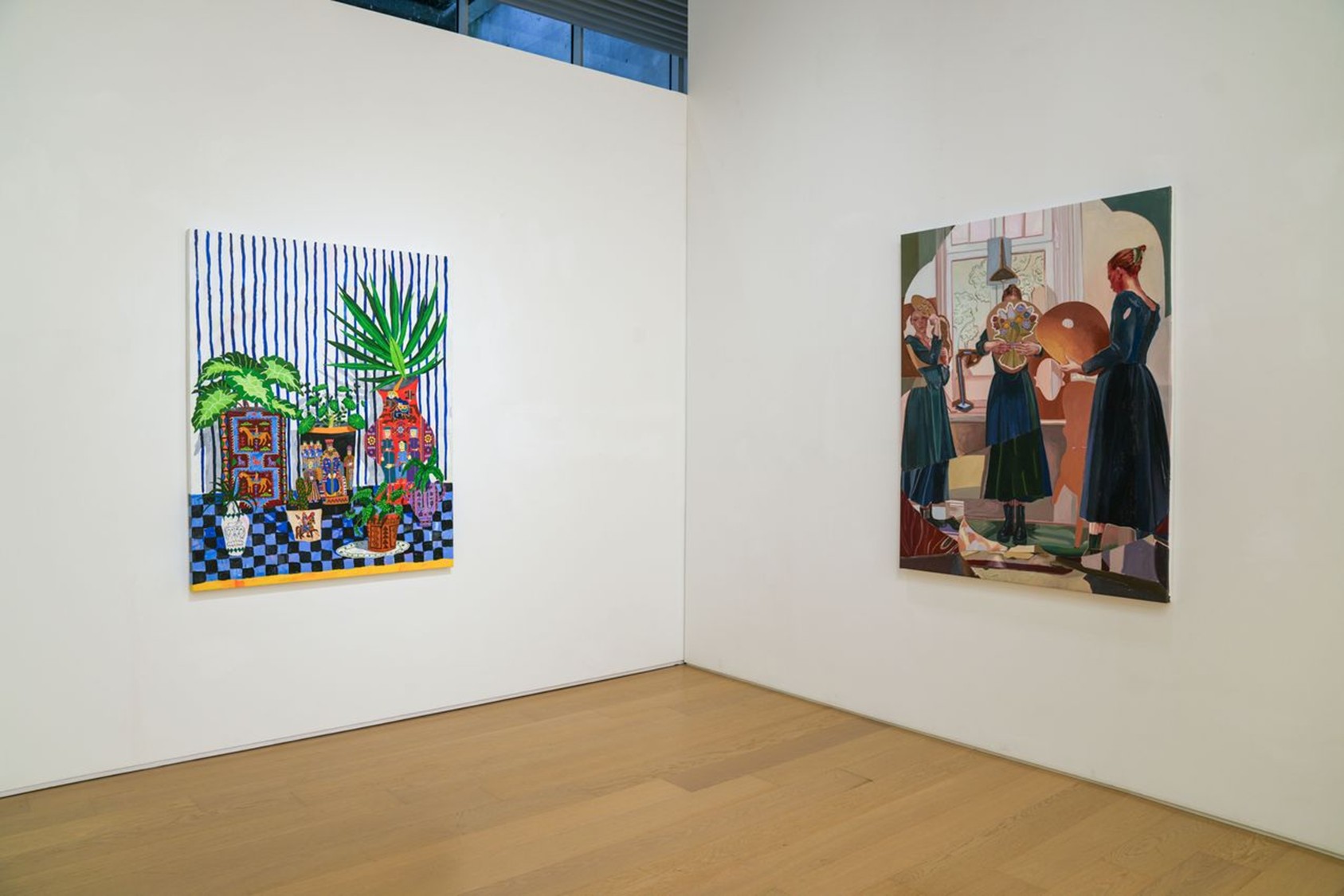
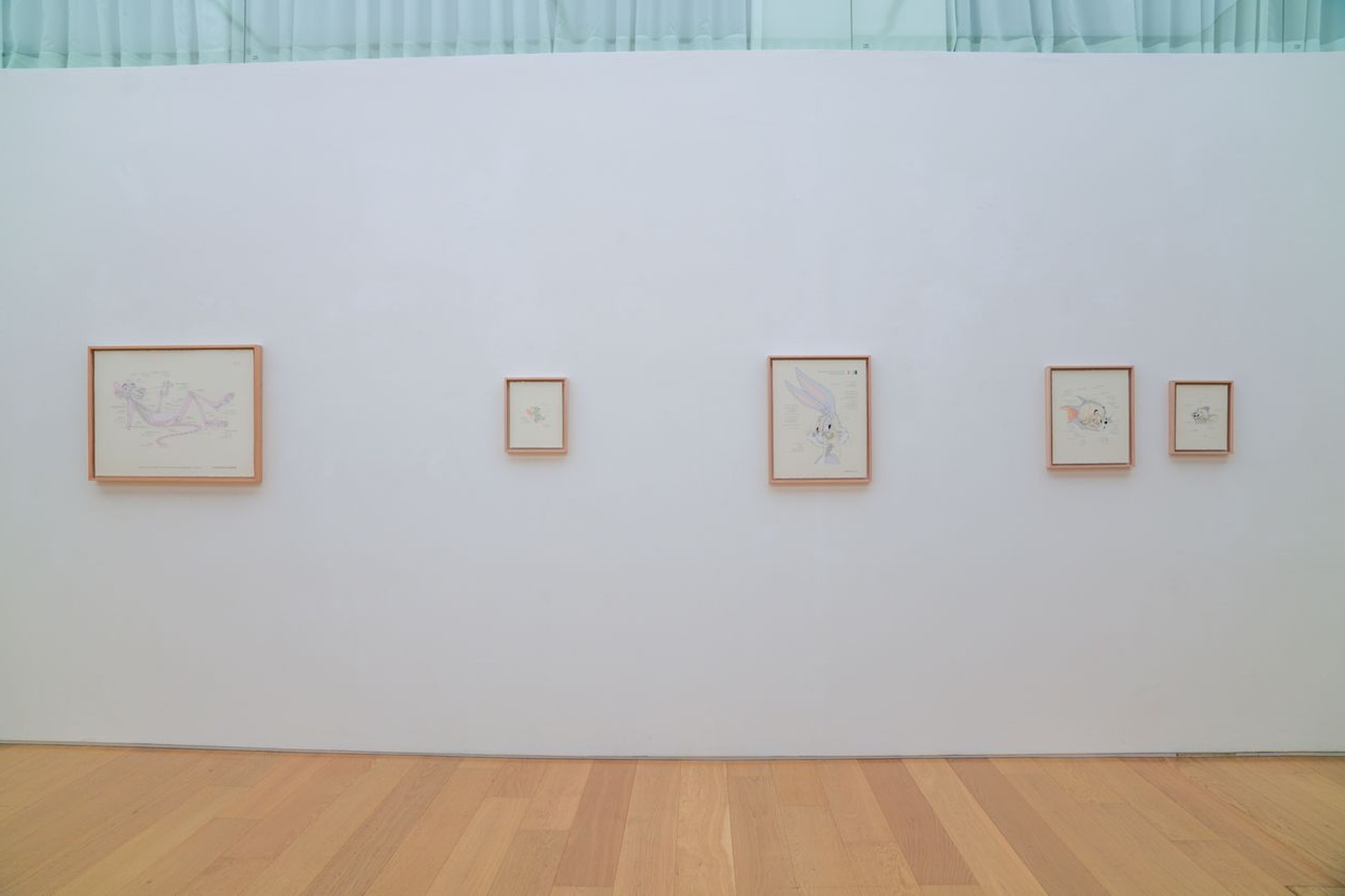
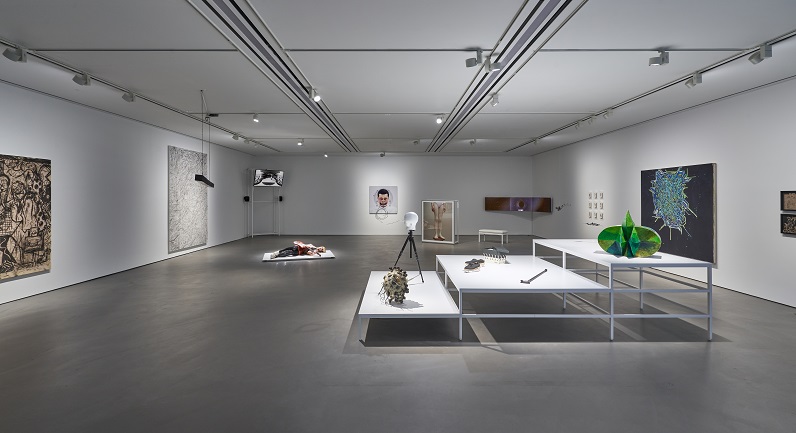
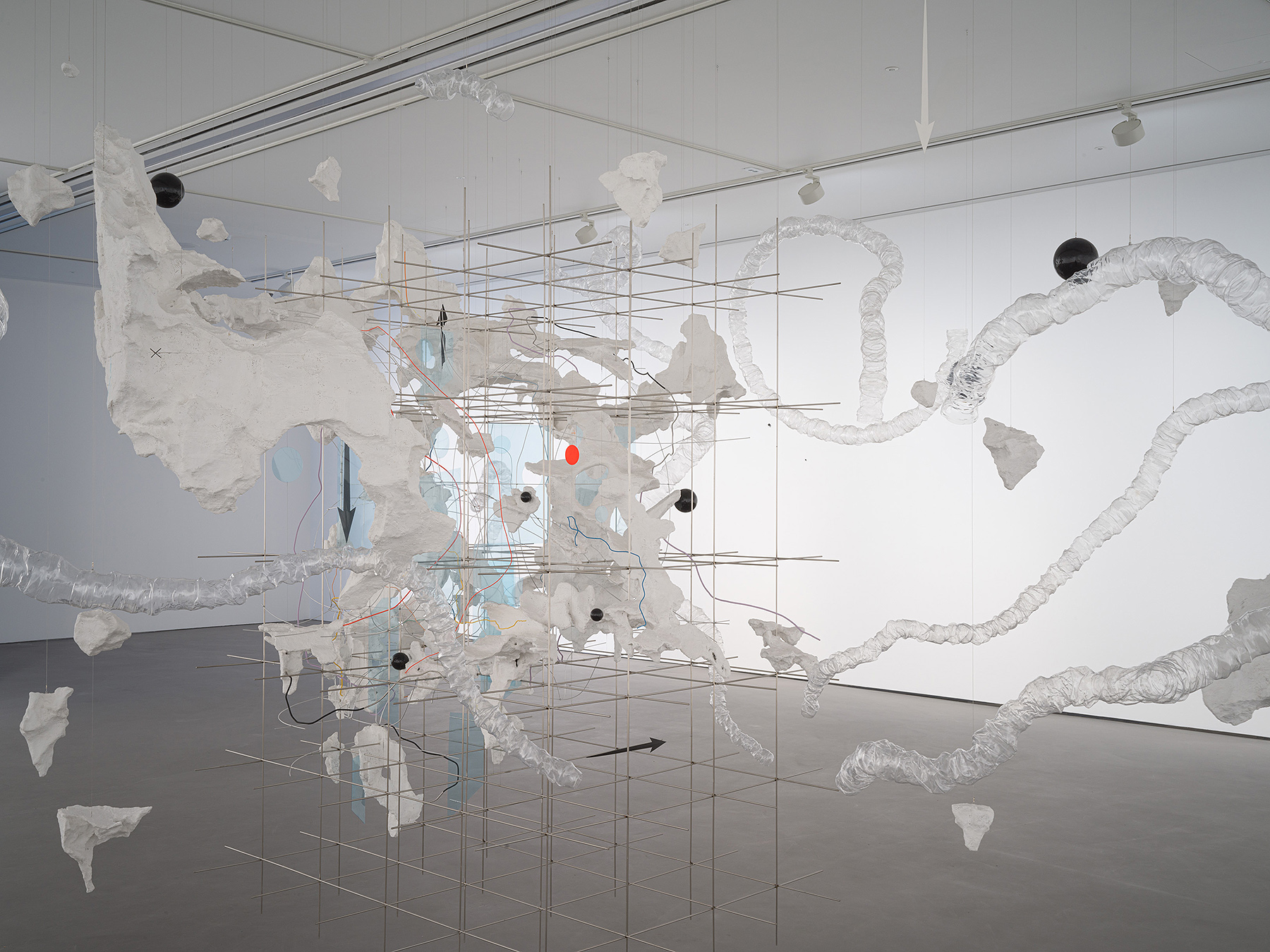
Installation view of 《The Tourists》 © Tang Contemporary Art Seoul

This line of thought resonates with Jacques Derrida’s The Post Card (1987) and his notion of “misdelivery.” In modern postal systems, mail is assumed to reach its intended recipient, yet in practice it may be delayed, lost, or delivered elsewhere. In this uncertainty, Derrida recognized a philosophical possibility to challenge established structures of truth, revealing new ways of thinking.

Truth and identity do not arrive at predetermined destinations in a linear way; they are continually reshaped through detours, delays, and misroutes. Building on this, Azuma presents the tourist as a framework for rethinking subjectivity in the twenty-first century. The chance encounters and loose connections generated by tourists suggest new forms of solidarity in an age of stagnation.

This perspective also illuminates our understanding of contemporary artists. When approaching a group exhibition, we often begin with the biographical shorthand “Name (b. Year, Country).” This format efficiently conveys age and birthplace, but cannot capture the complex trajectories of artists today. Through migration, residencies, study, exchange, and digital networks, identity can no longer be confined to the borders of a single nation. 《The Tourists》 takes its point of departure from this awareness. The works in the exhibition are not defined by birthplace or nationality but reveal artistic worlds shaped by movement, transformation, absorption, and reinterpretation.


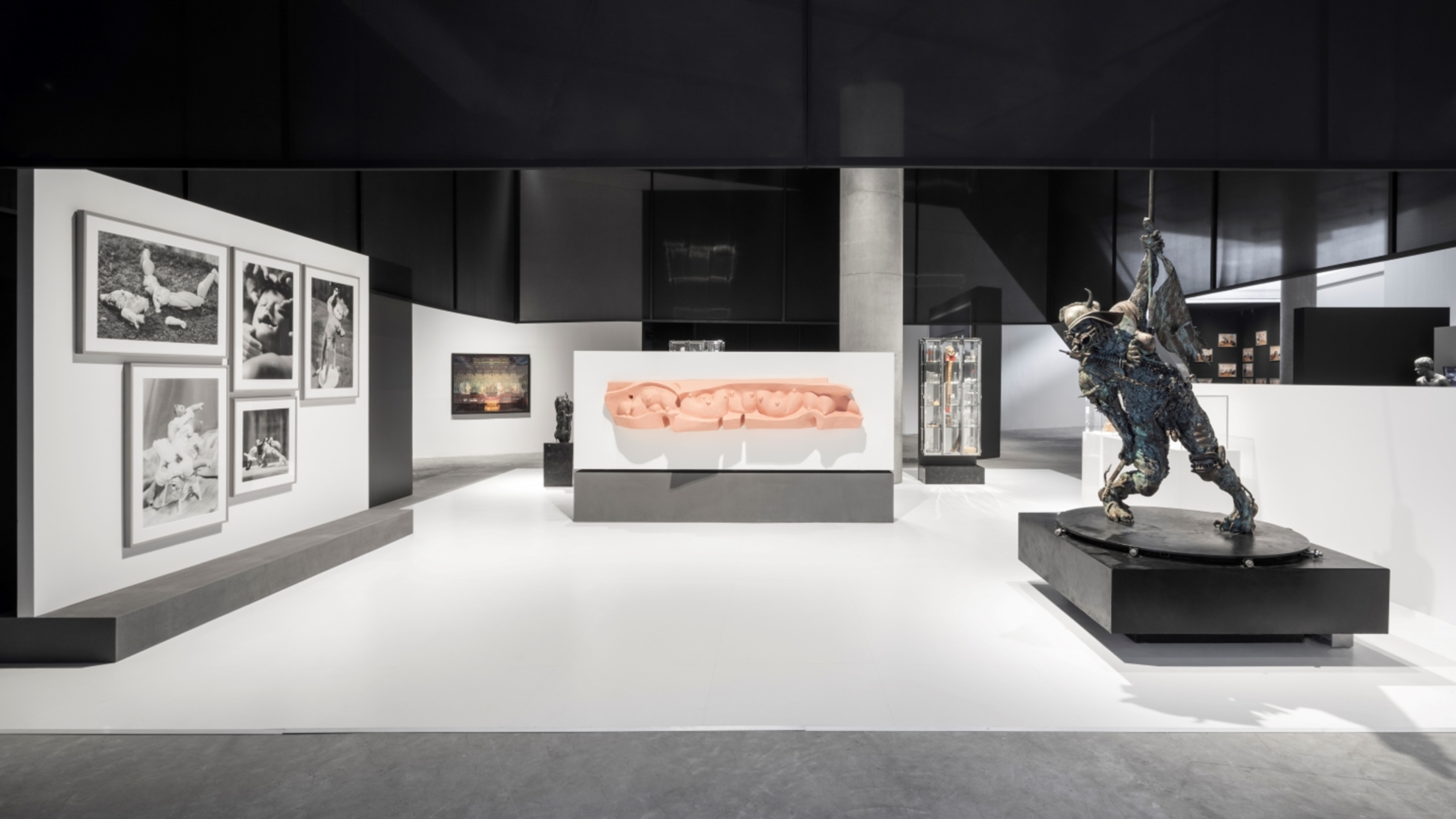
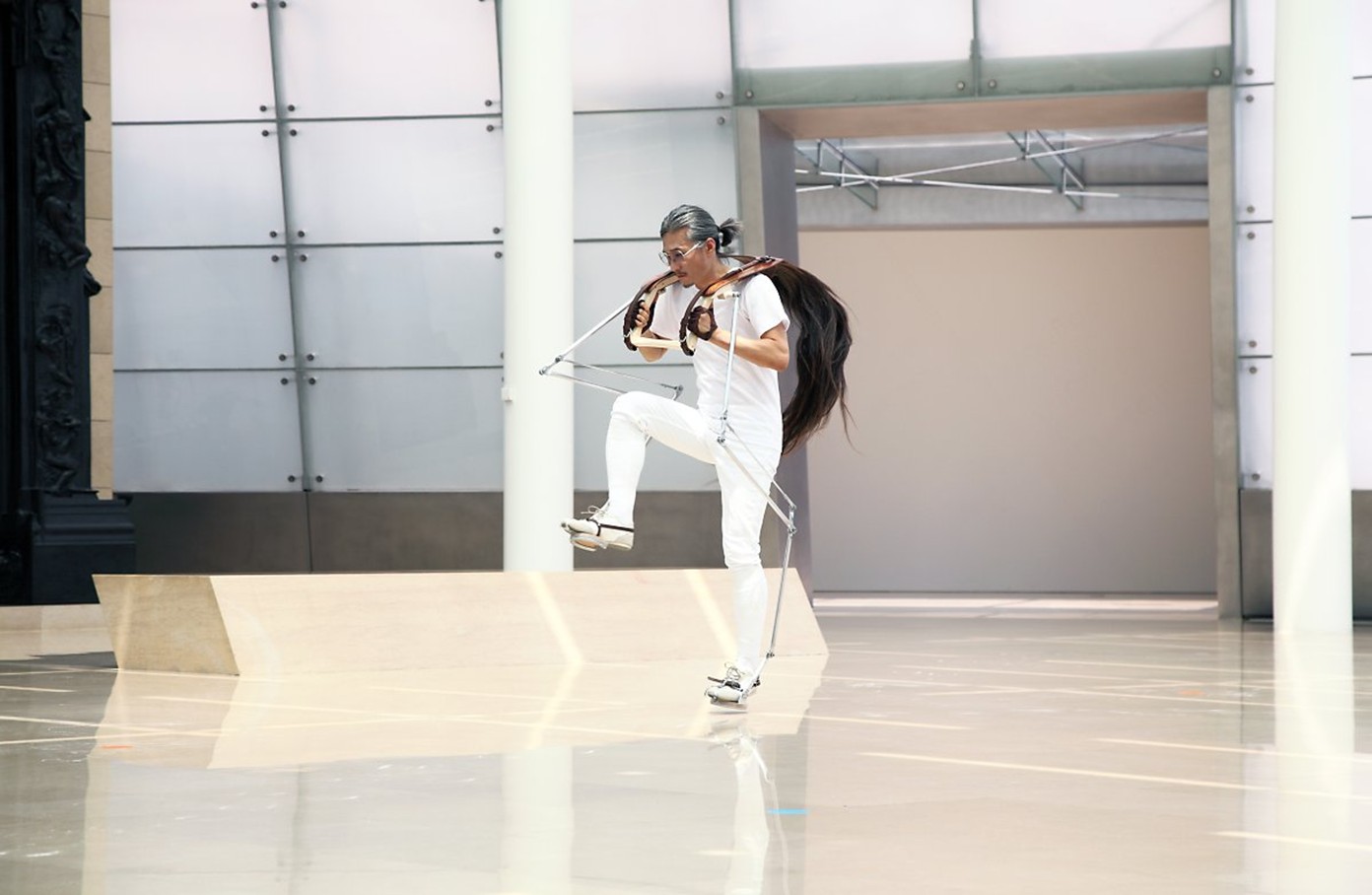
Installation view of 《The Tourists》 © Tang Contemporary Art Seoul

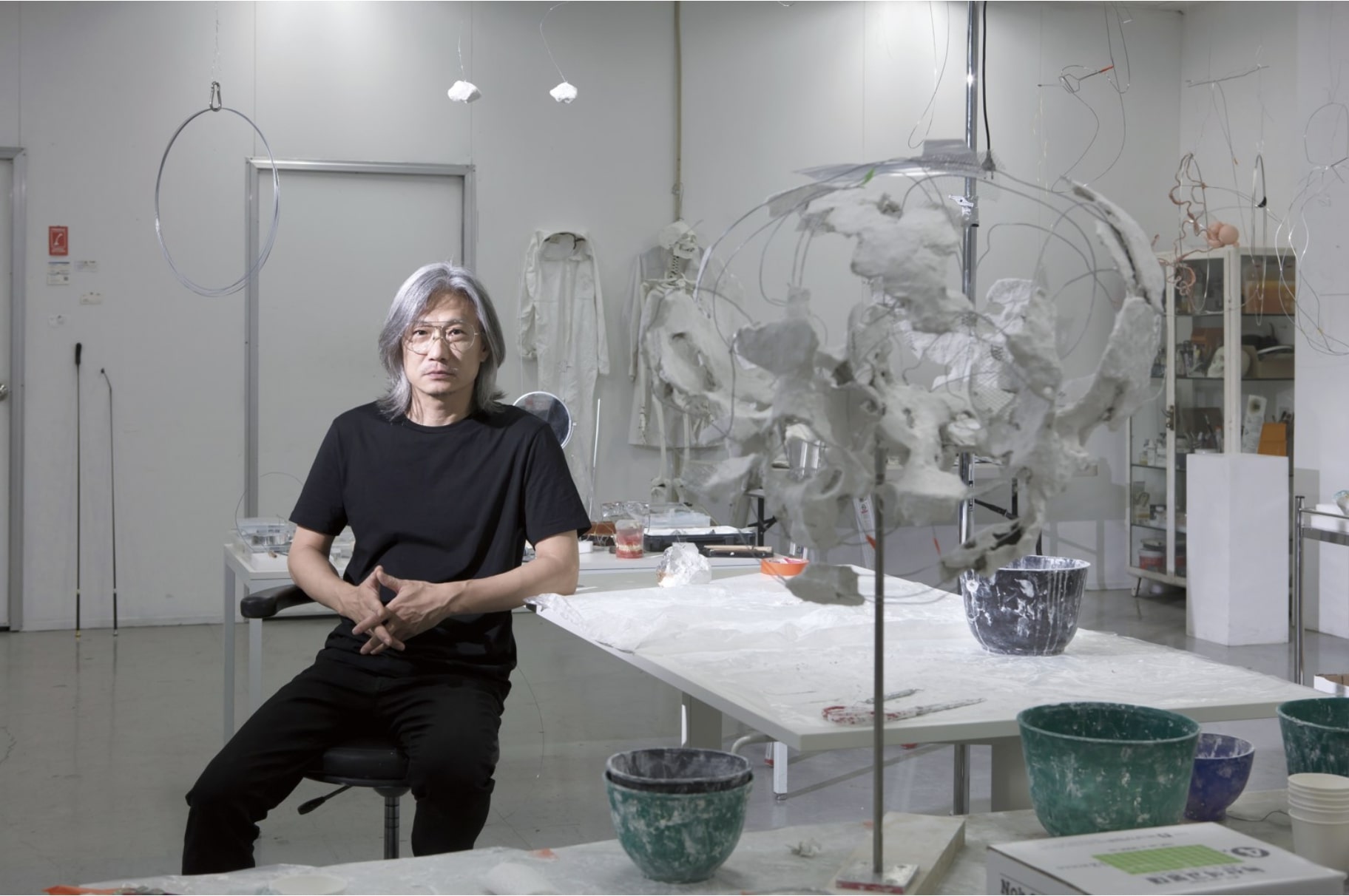
The seven artists have developed their practices through journeys that span childhood memories, study abroad, migration, residencies, and digital interaction. The exhibition invites us to see them as “tourists,” honoring the diverse experiences and identities shaped through artistic practice. This perspective continues throughout the exhibition. The works on view are not fixed to a single origin. They generate meaning through movement, misreading, and reinterpretation.

Visitors become tourists, encountering the works within this ongoing process. Like letters sent from different contexts, the works never arrive with certainty. Some evoke unexpected familiarity, while others remain distant and elusive. Within these differences and imperfections, new interpretations and relationships begin to unfold.

Through 《The Tourists》, the exhibition invites viewers in Seoul to encounter the artists and their works as travelers might, through moments of chance and gentle connection. Such fleeting encounters open spaces where different worlds meet, lingering as enduring landscapes in memory.

References