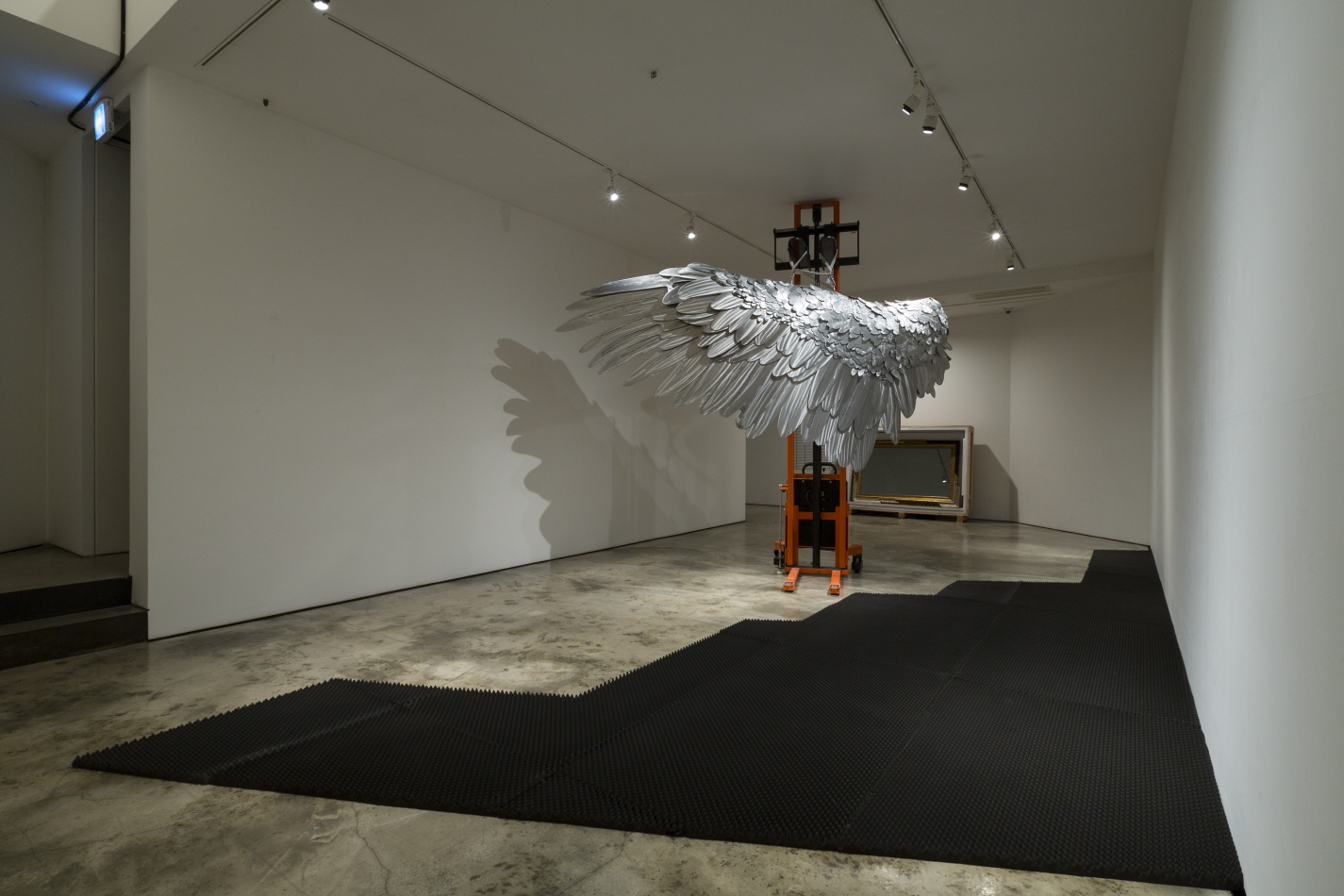
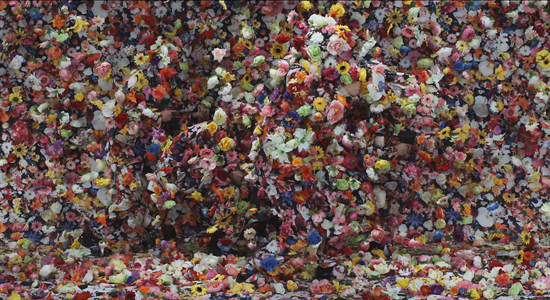
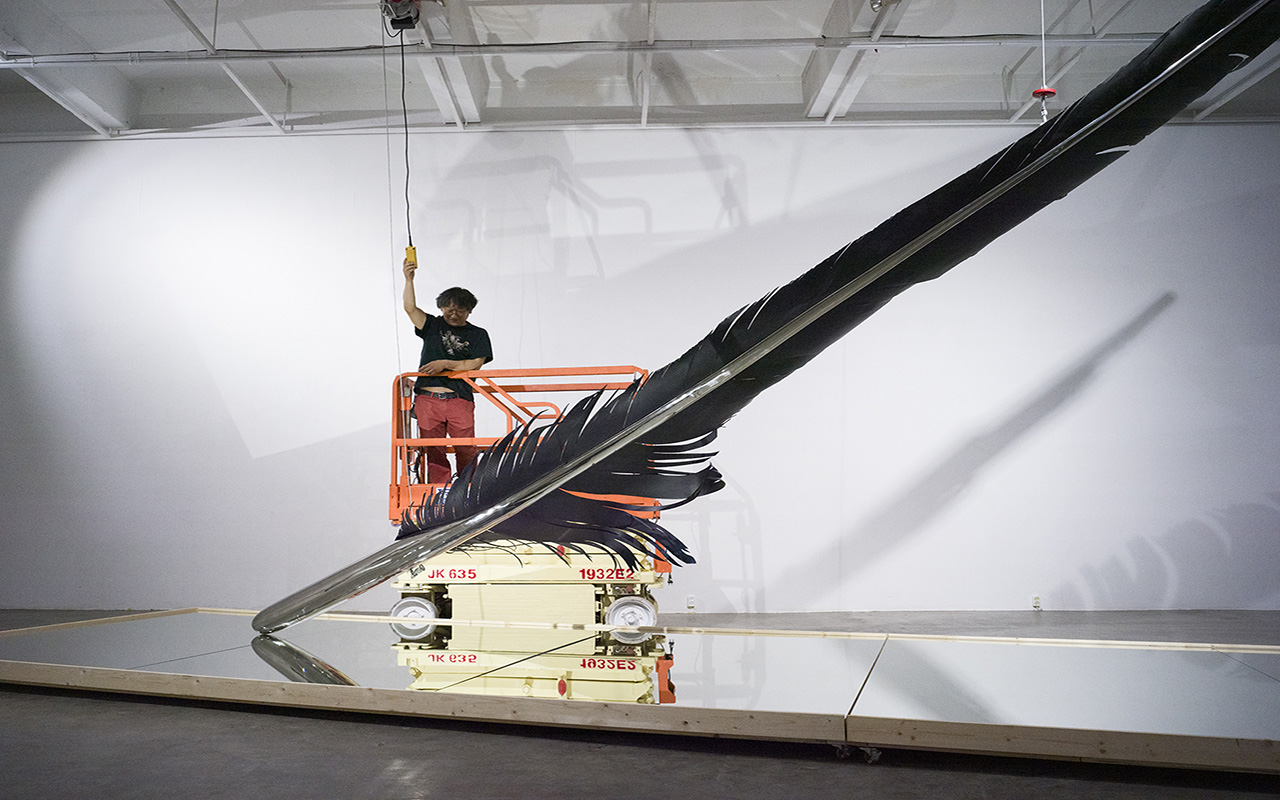
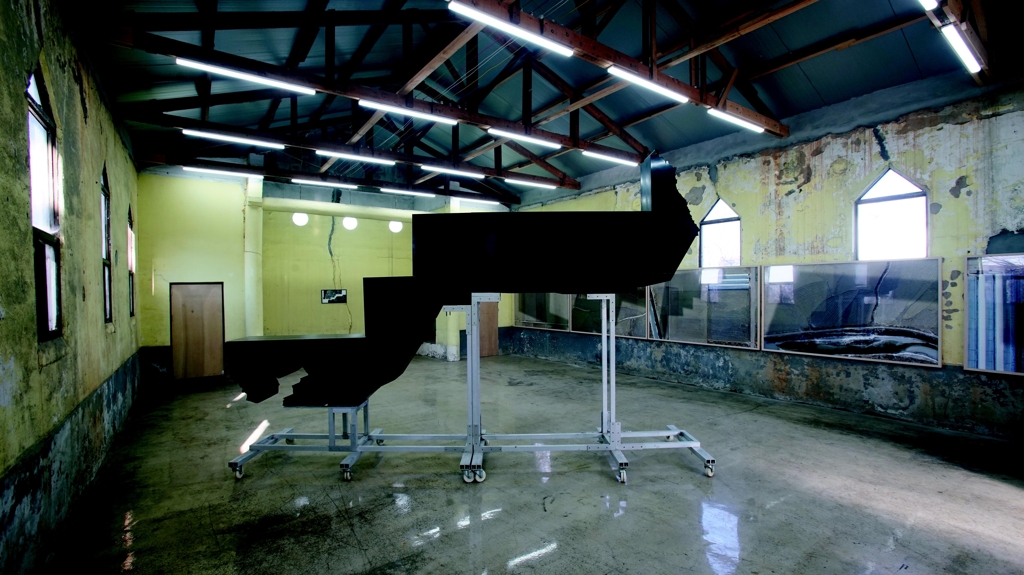
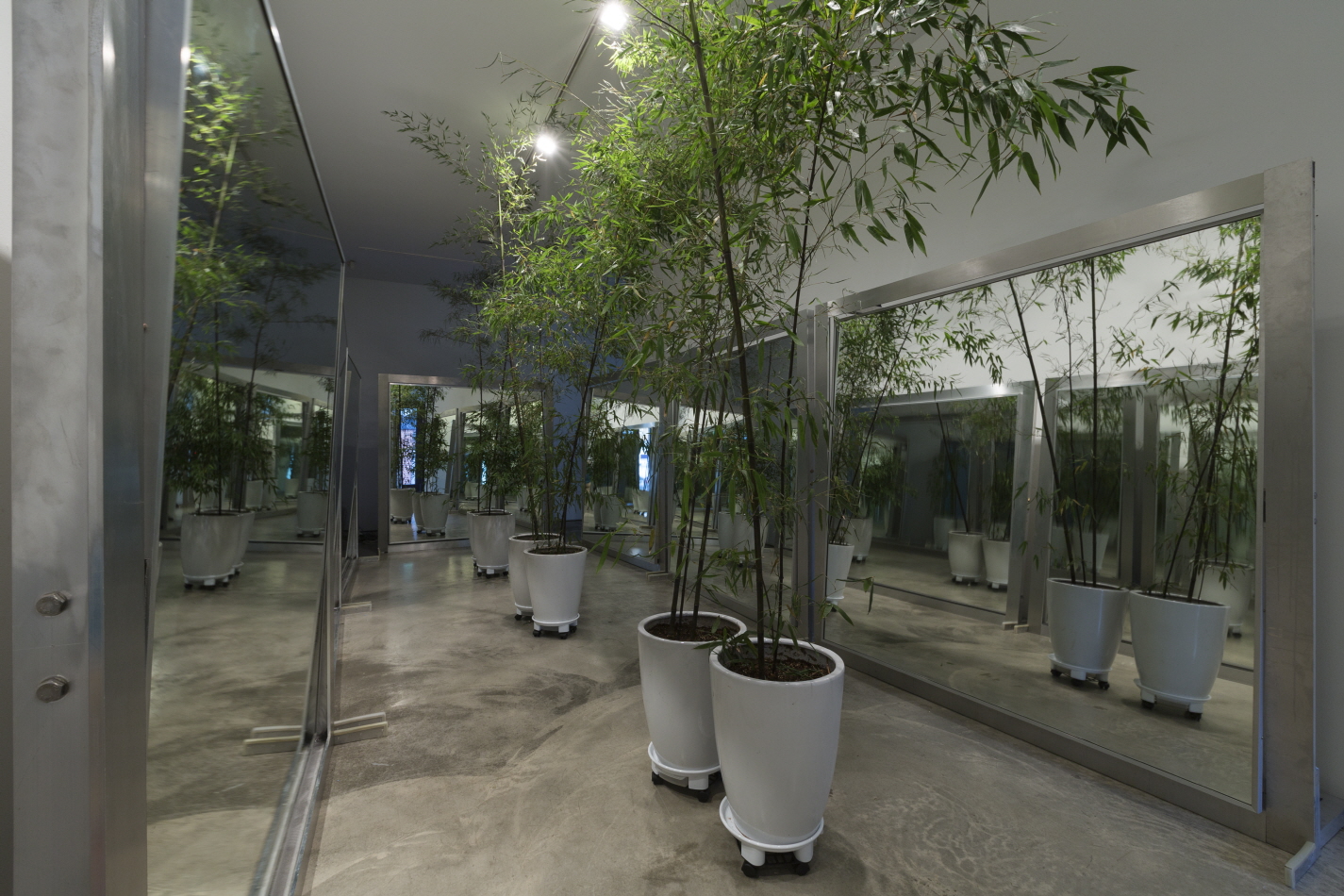
Yongbaek Lee, Angle-Soldier, 2011 ©Hakgojae Gallery

“Someday, I thought I would do it.”
 
This is media artist Yongbaek Lee’s response upon being selected as Korea’s representative for the 54th Venice Biennale, to be held in June 2011. Participating as the national representative in the world’s most prestigious art event, held every two years, would be an exhilarating occasion for anyone, yet his expression remained calm and composed.
 
This composure must have been earned through years of quietly dedicated work. His studio, located on the outskirts of Gimpo, was spacious and cluttered, befitting an artist who works across diverse media. The boisterous sound of trot music playing at the village hall reverberated all the way into the studio, breaking the stillness of the rural landscape.
 
Though it appeared to be a peaceful countryside, it lay only about six kilometers from the Demilitarized Zone. The trot song echoed like a tune masking the reality of division with a false sense of peace, calling to mind his representative work, Angel-Soldier.
 
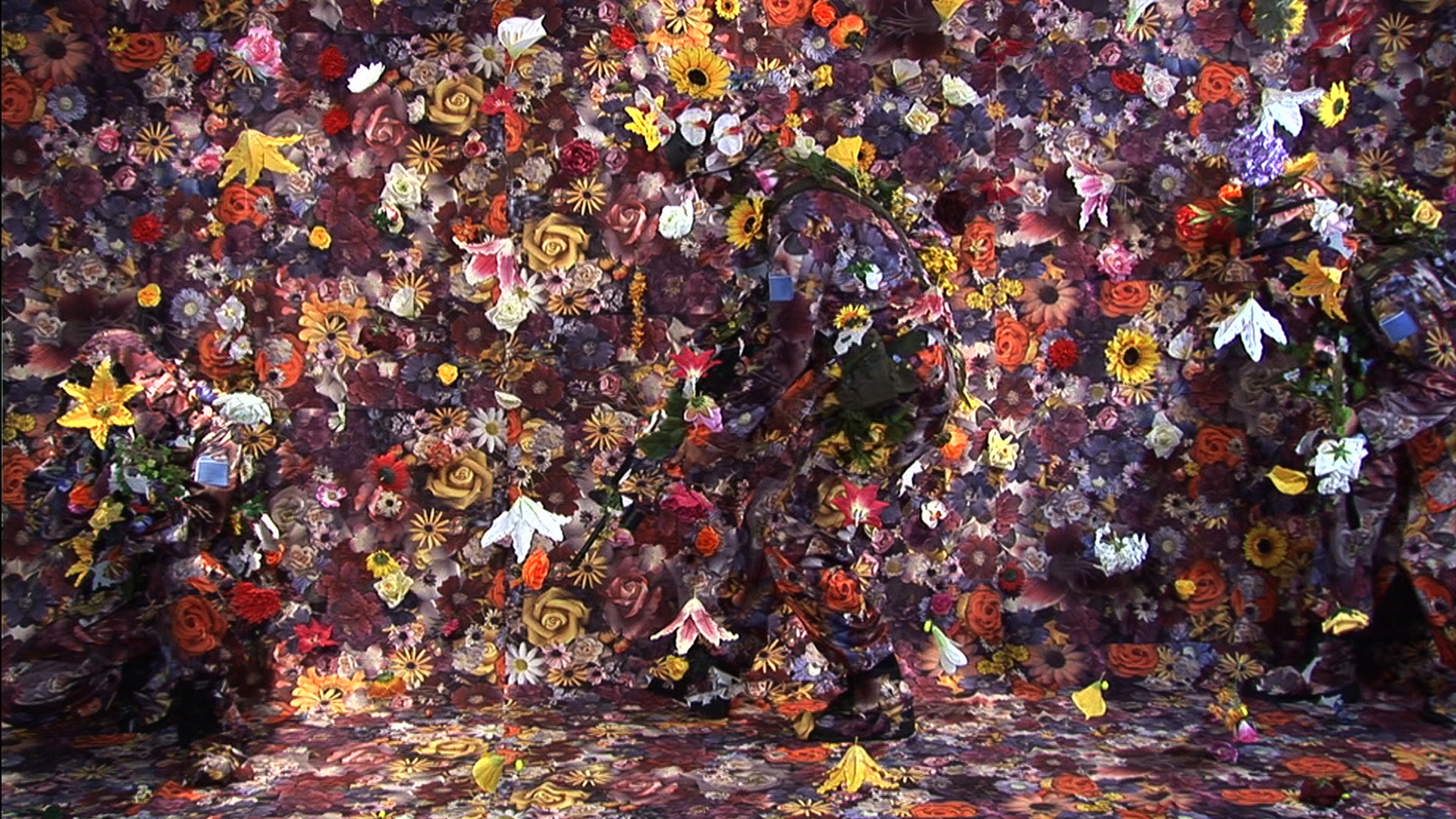
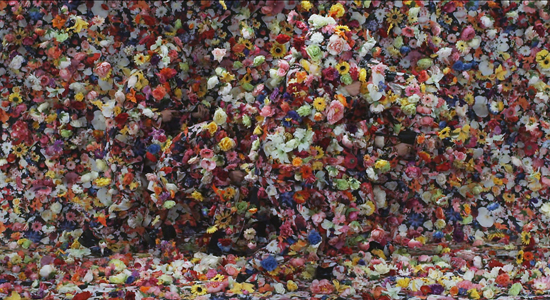
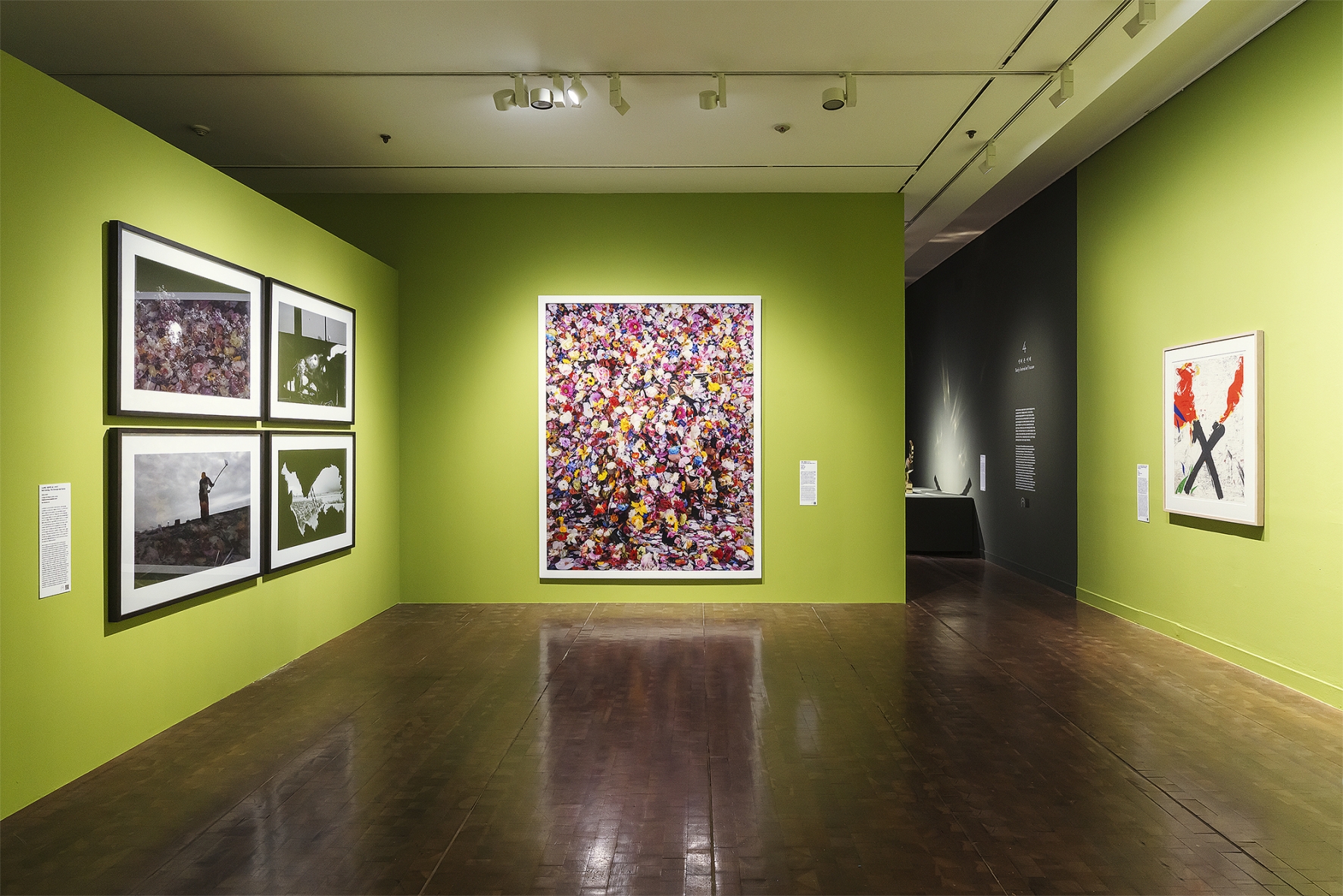
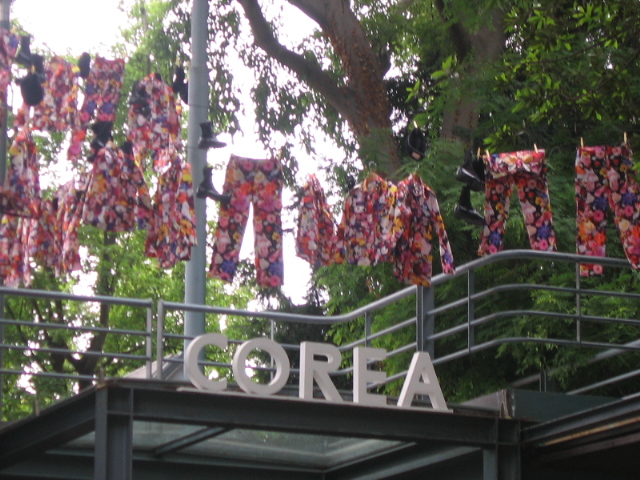
The 2005 video work Angel-Soldier shows soldiers dressed in flower-patterned military uniforms slowly emerging from heaps of flowers. On the surface, it appears to be a world filled with brilliant blossoms, yet at the same time, it reveals itself as a brutal battlefield. By capturing the everyday peace of Korea’s divided reality along with the tension embedded within it, this work has been evaluated as one of the most compelling expressions of Korean reality. Moreover, the fact that flower-patterned uniforms can only be effective if the entire world is covered in flowers delivers a powerful message of peace.
 
Angel-Soldier was produced in multiple formats, including performance, single-channel video, and photography. In the upgraded 2008 performance, military uniforms appeared bearing the names of one hundred artists and art figures spanning all cultural fields, including James Turrell, Bruce Nauman, Kim Soo-chul, Nam June Paik, John Cage, Joseph Beuys, Ryu Byung-hak, Ahn Sang-soo, Bae Byung-woo, and Moon Kyung-won.
 
“If ordinary soldiers wage wars over religion or borders, the army of artists fights a different war—one against stereotypes and prejudice. When I thought about who would fight that battle best, the answer was artists.”
 
This is the reason the army of artists was conceived. When asked to wear the flower-patterned military uniform for a photograph, Lee shyly admitted that it was his first time wearing such a uniform himself. Although it was his first time physically wearing it, he has faithfully carried out his mission as part of Angel-Soldier, consistently producing works that problematize the various ideologies embedded in everyday life.
 
After the Minjung Art movement, Korean art often relied on fashionable Western discourses while remaining depoliticized and socially indifferent, avoiding direct reference to Korean realities. However, Lee has addressed Korea’s particular conditions—division and its status as an IT powerhouse—within the broader context of universal discourse in a sophisticated manner.

Conversation with Yongbaek Lee flows freely and confidently. As a vanguard of the artistic battalion, he demonstrates sharp insight not only into contemporary art and art institutions, but also into Korean tradition and society as a whole.
 
The greatest issue of the 21st century is the development of media. Lee understands better than most the evolution of advanced media and the new sensibilities that arise from it. Using sculpture, video, performance, and painting with equal fluency, he has discovered a golden ratio between a sharp critical consciousness and new technology.


Yongbaek Lee, Vaporized Things (Post IMF), 1999-2000 ©MMCA

Meeting Nam June Paik, Who Drew Him a Painting to Sell for Money
 
Born in 1966, Lee’s university years coincided with a sharp confrontation between the monochrome movement advocating pure art and Minjung Art advocating socially engaged art. He chose a third path: media art.
 
In 1991, he went to Germany to become a student of Nam June Paik. Although Paik had resigned from his professorship by that time and Lee was unable to formally become his student, Lee vividly recalls meeting Paik in 1995.
 
That day, Paik had buttoned his shirt incorrectly. This memory was later expressed in one of Lee’s recent sculptural works. After various conversations, Lee showed Paik the works he had been preparing. Paik told him, “You must realize these works as soon as possible. Whether you remain in Germany or go to the United States or Korea, go somewhere where you can actualize them quickly.” Paik even sketched a drawing for him on the spot, telling him to sell it if he ever needed money, estimating it would fetch a few million won. Unfortunately, the drawing was lost during a move.
 
Paik also warned him, “Media art is fun. But if you get lost in that fun, you lose art.”
 
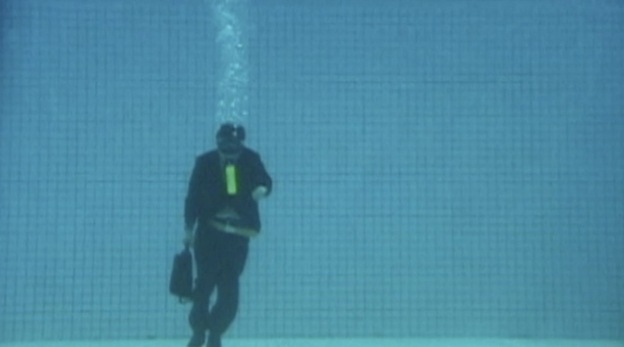
Lee packed his belongings and returned to Korea in 1996. He began expressing various issues of Korean society through his work. A performance piece showing an office worker wearing a rescue breathing apparatus and walking through water while wearing a suit was inspired by friends during the IMF crisis who would say, “It’s hard even to breathe.”
 
The work Artificial Emotion, in which viewers use artificial respirators to breathe air into a taxidermied calf, symbolizes artificial resuscitation for art and for “Koreanness” on the brink of death.
 
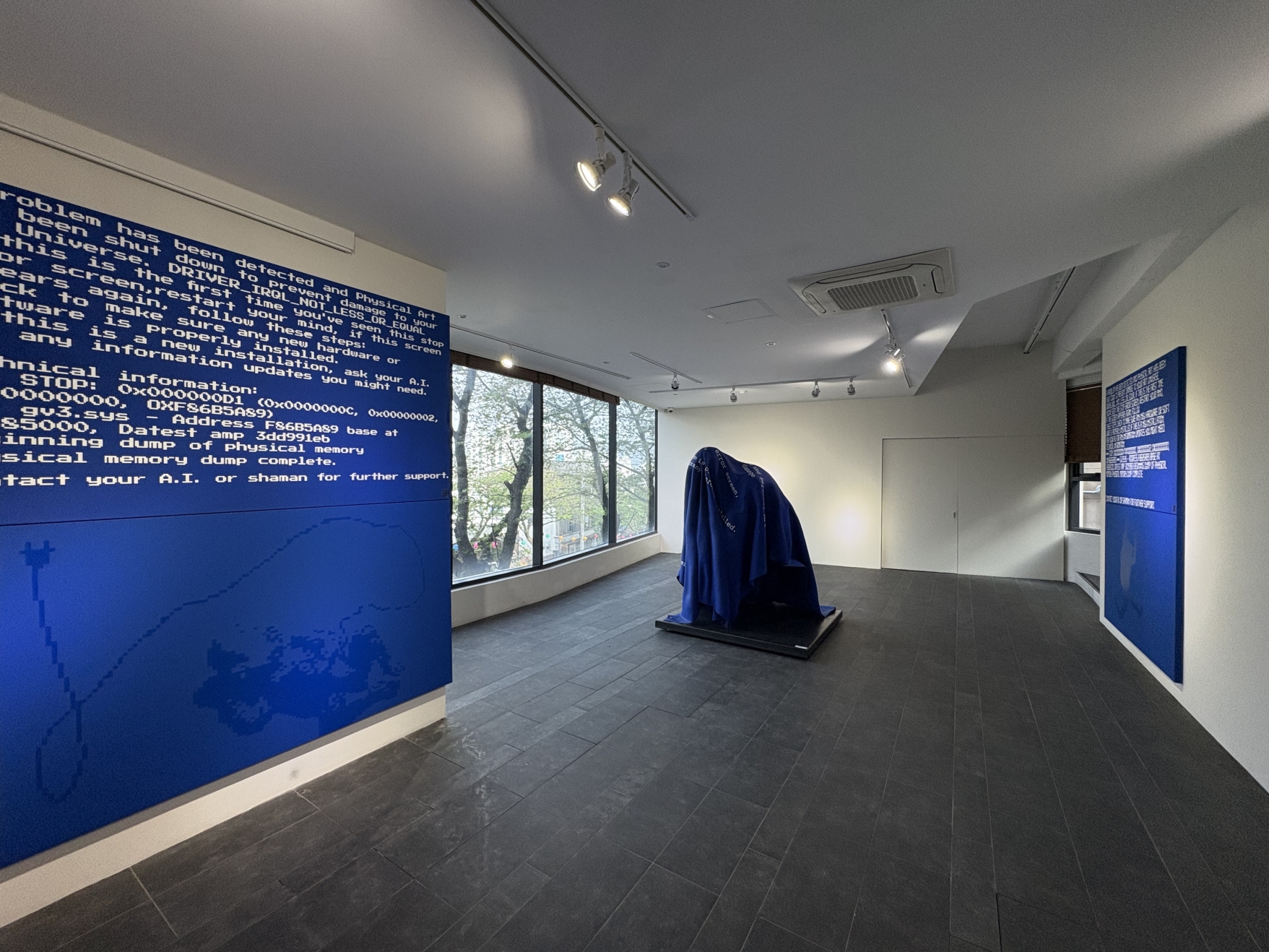
New Folder literally reproduces the yellow “new folder” icon generated on a computer screen in artificial marble. On a computer it is a zero-byte entity without mass; in physical space it becomes a 400-kilogram object. The act of making people drag it critiques neoliberal economic systems while revealing the transformation of virtual computer space into real space, thereby exposing the meaning of media.
 
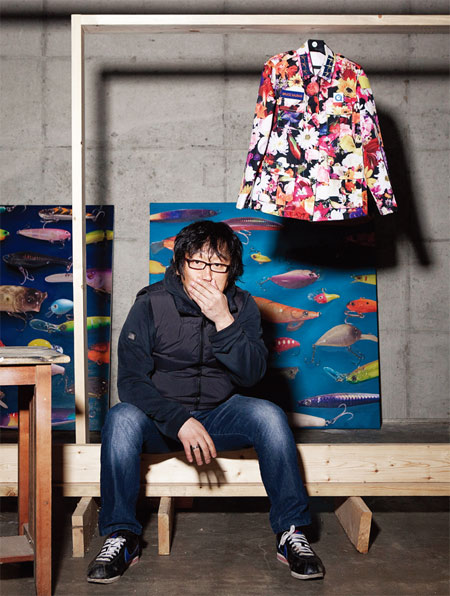
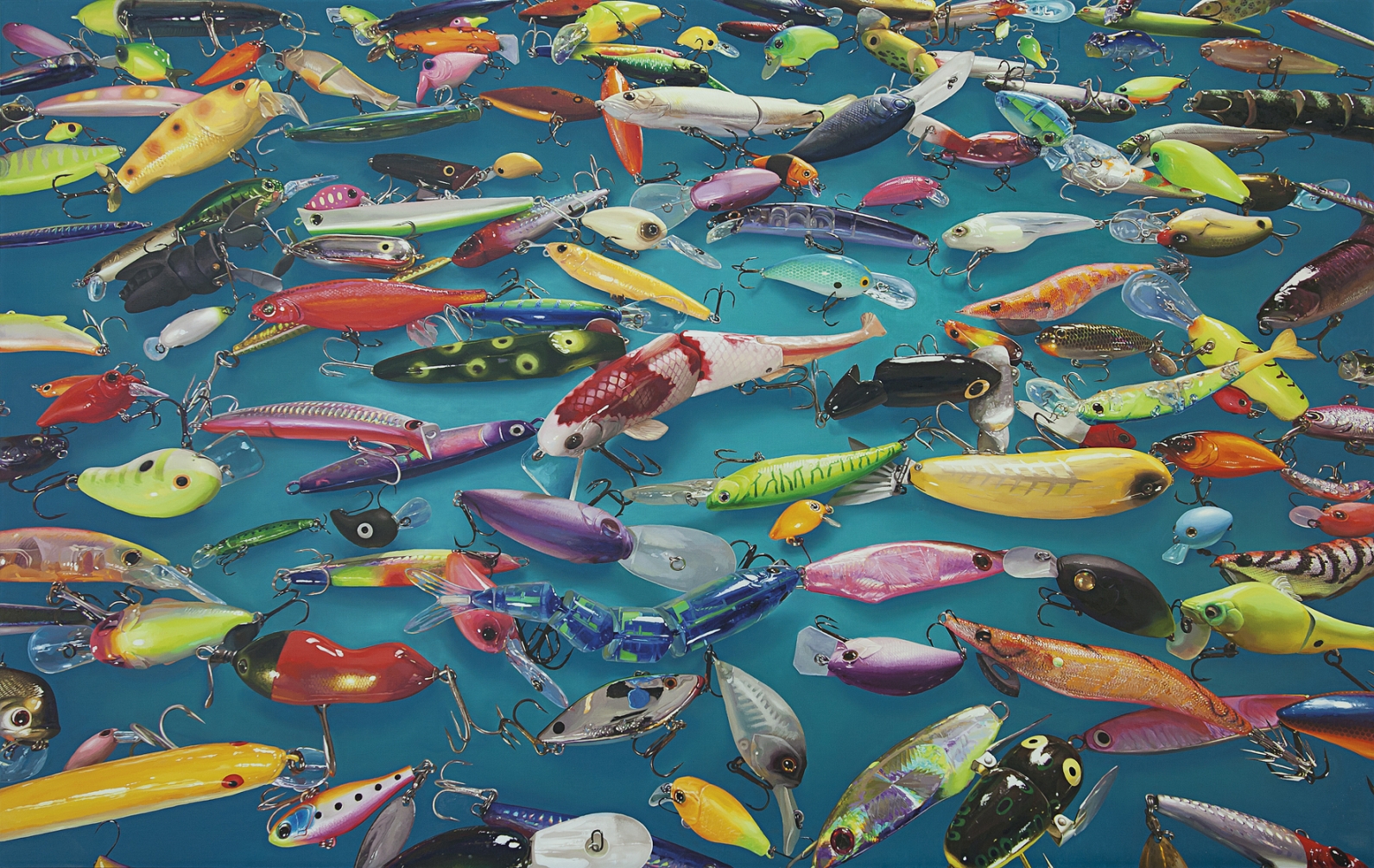
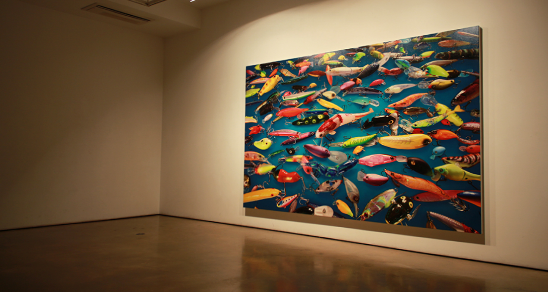
The flamboyantly colored artificial fishing lure paintings in one corner of his studio may seem unexpected. He is an avid sea fisherman, even appearing as a panelist on a fishing channel. These works reveal his identity as a painter by training. Painting, too, is simply one of many media he employs. The dazzling colors—impossible to find in traditional painting—are achieved by working from a computer monitor. One cannot help but conclude that he possesses an exceptional media sensibility.
 
Lee has gained international recognition through invitations to the Moscow Biennale, the Nanjing Triennale, Mediacity Seoul, and the Venice Architecture Biennale. And now, the Venice Biennale.
 
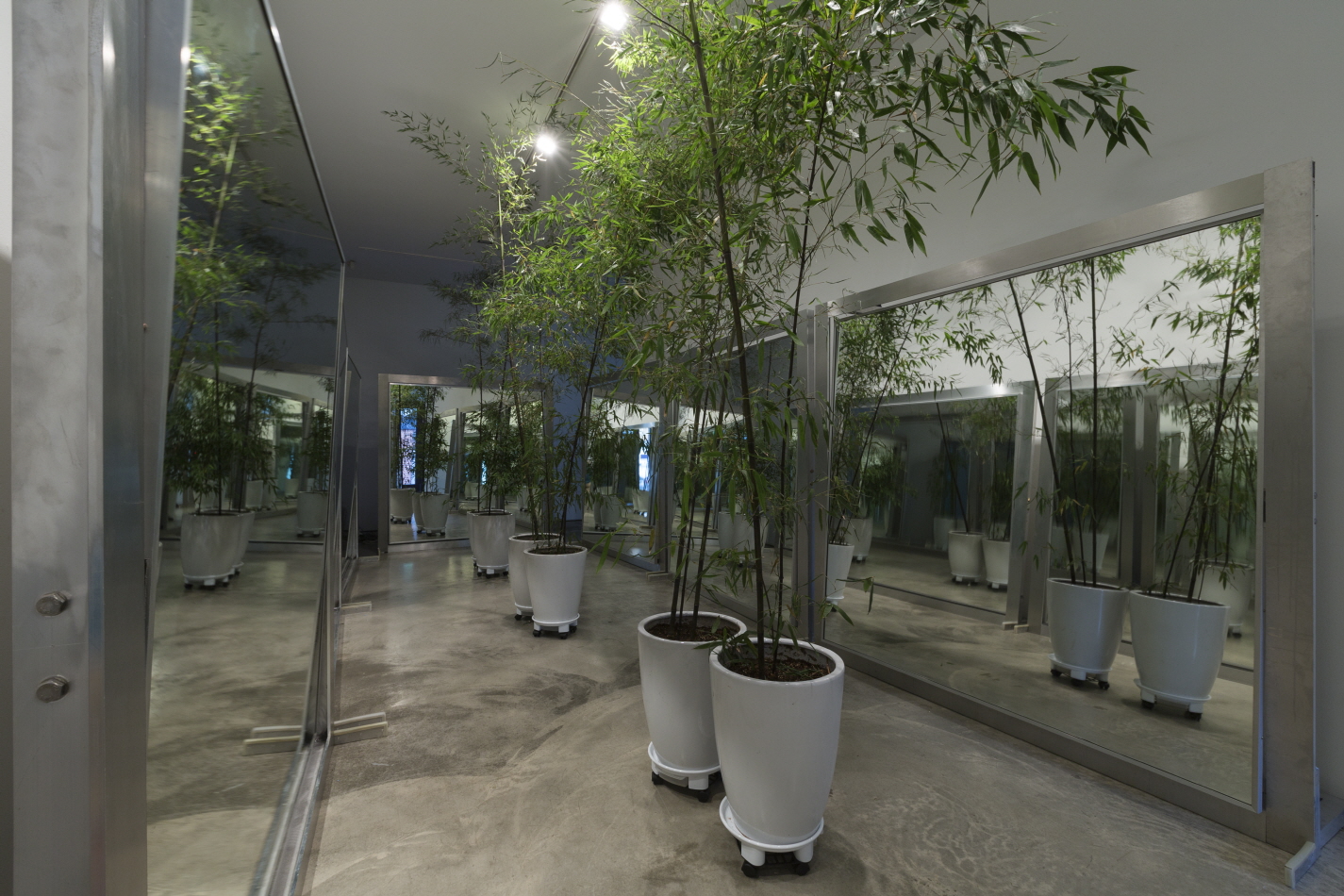
The Korean Pavilion in Venice, almost entirely made of glass, is notorious for its complexity. In this challenging space, he plans to present representative works including Angel-SoldierPietà, and Breaking Mirror.
 
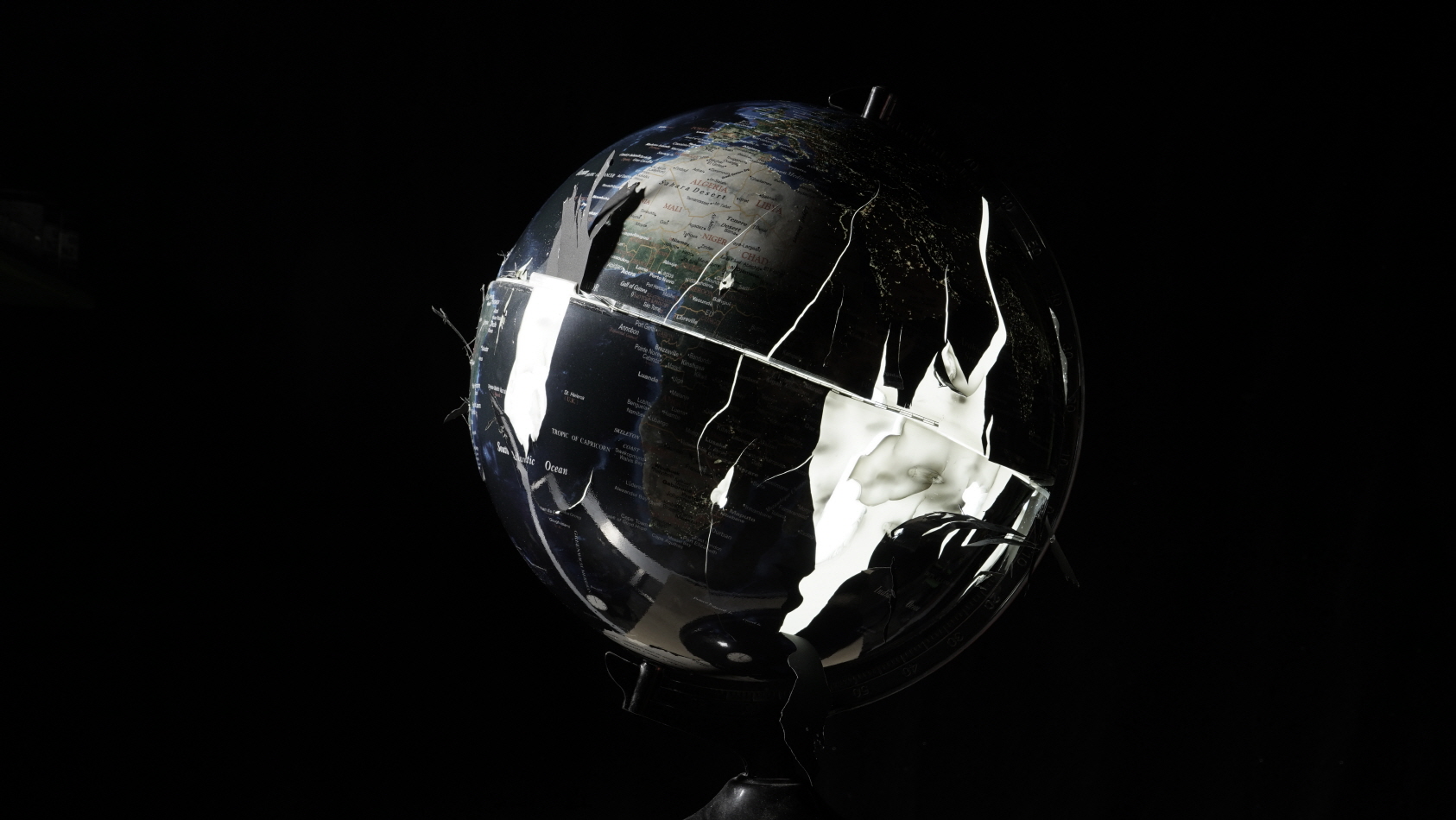
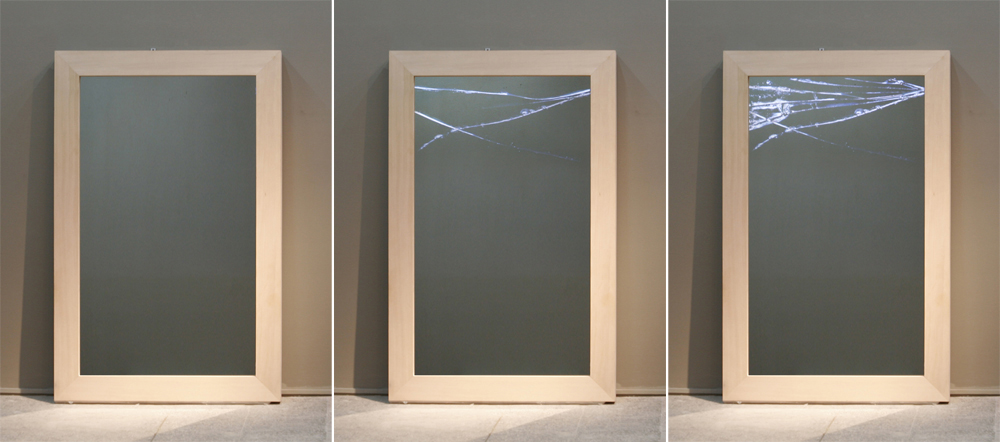
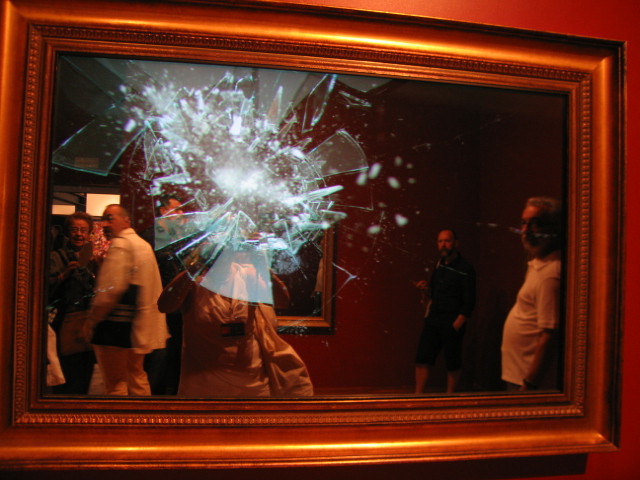
Breaking Mirror is a three-minute projection in which viewers see a mirror reflecting themselves shatter as if struck by bullets. As the mirror breaks, their reflected image and surroundings fragment simultaneously. It delivers a cathartic blow to long-standing debates on image and representation.
 
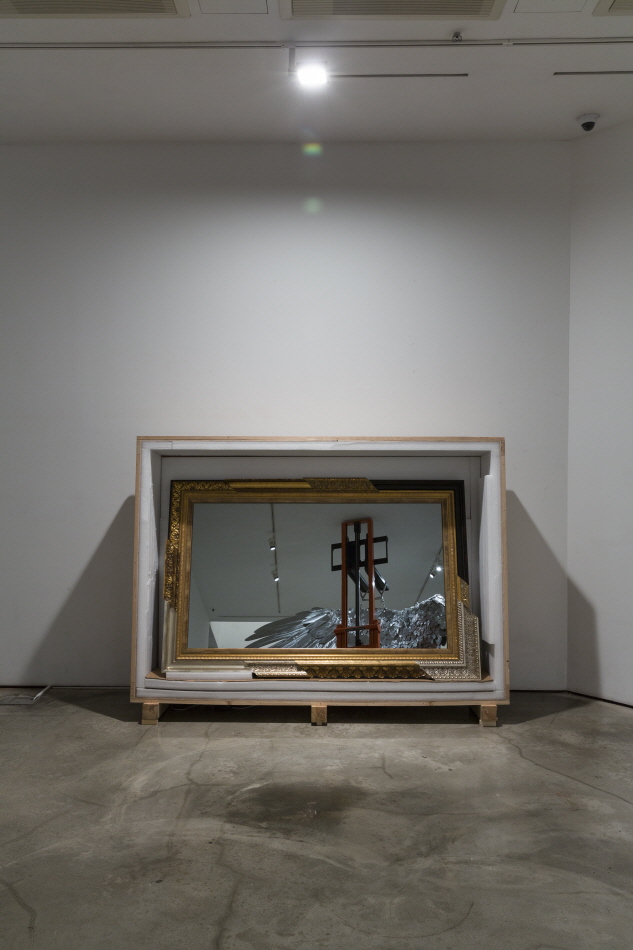
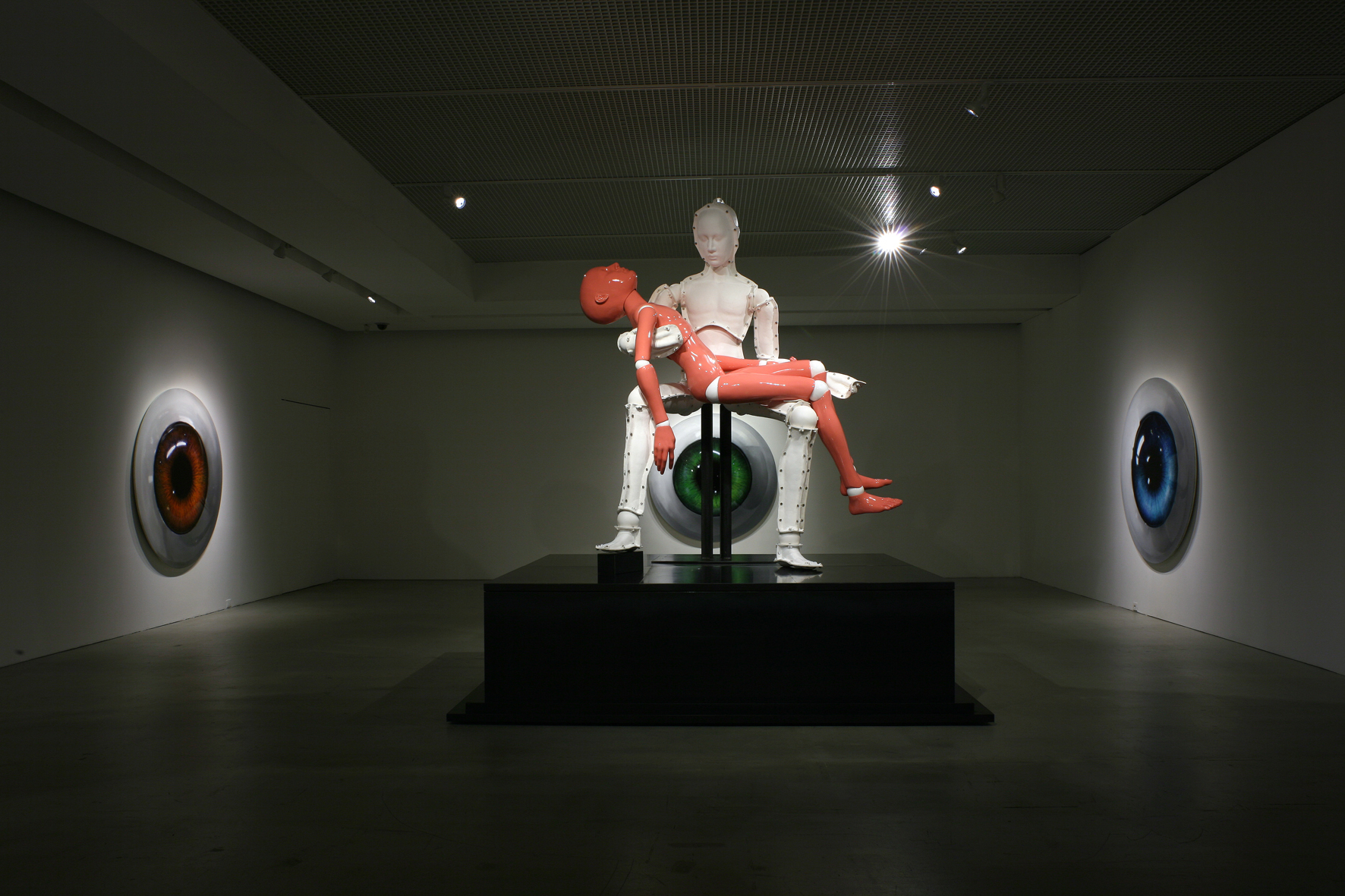
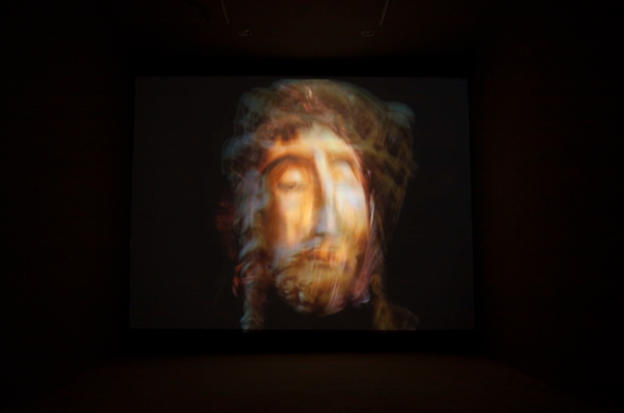
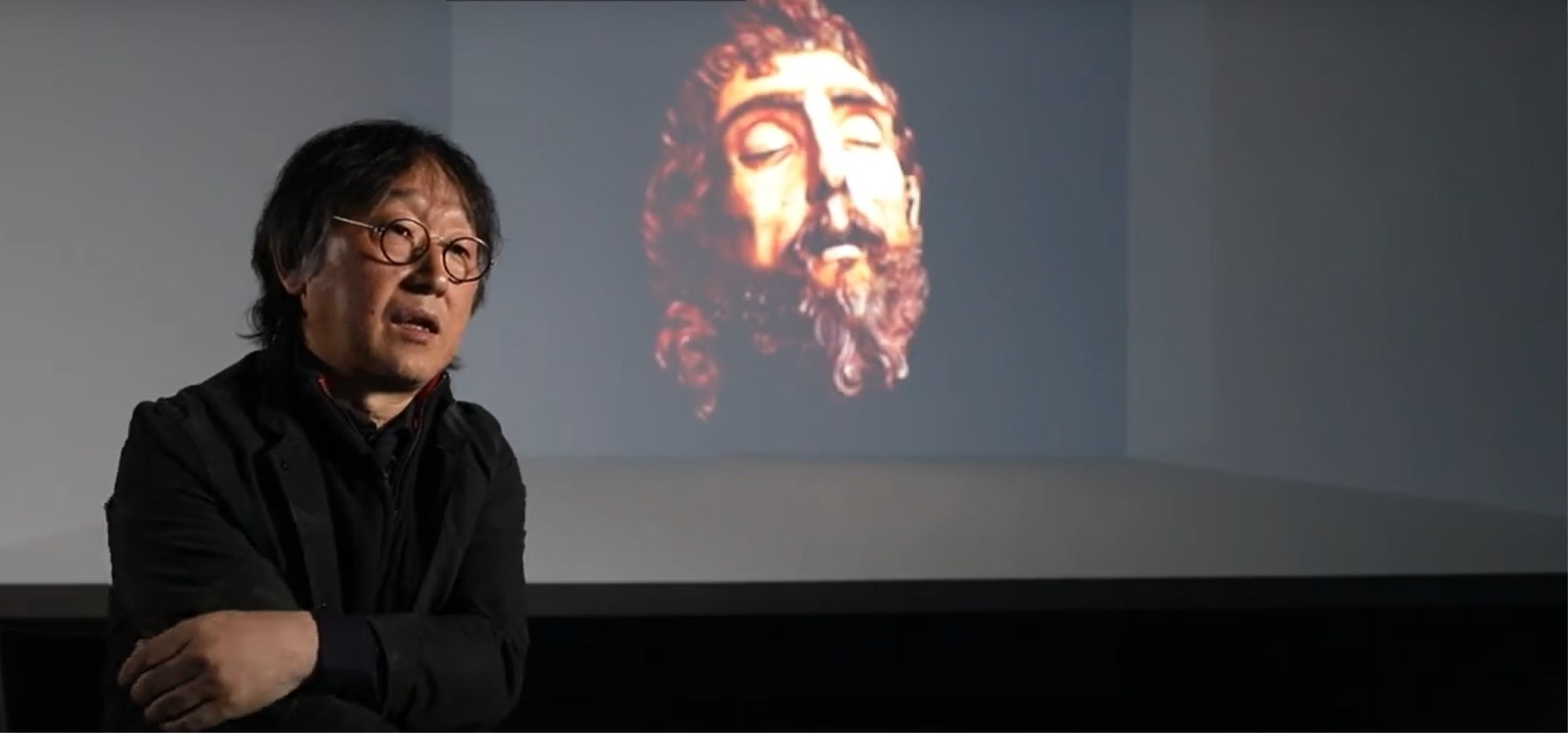
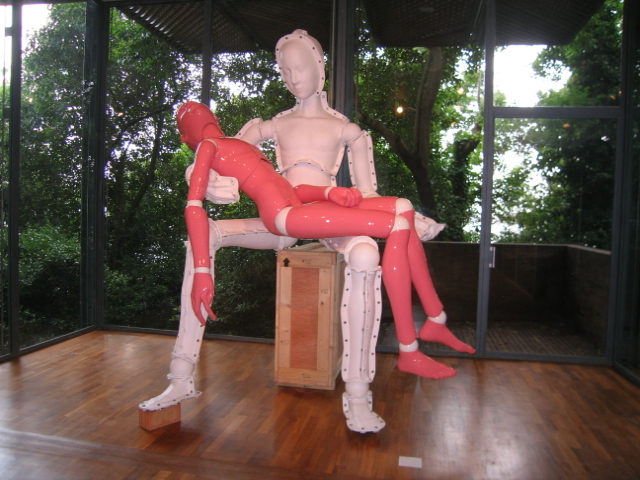
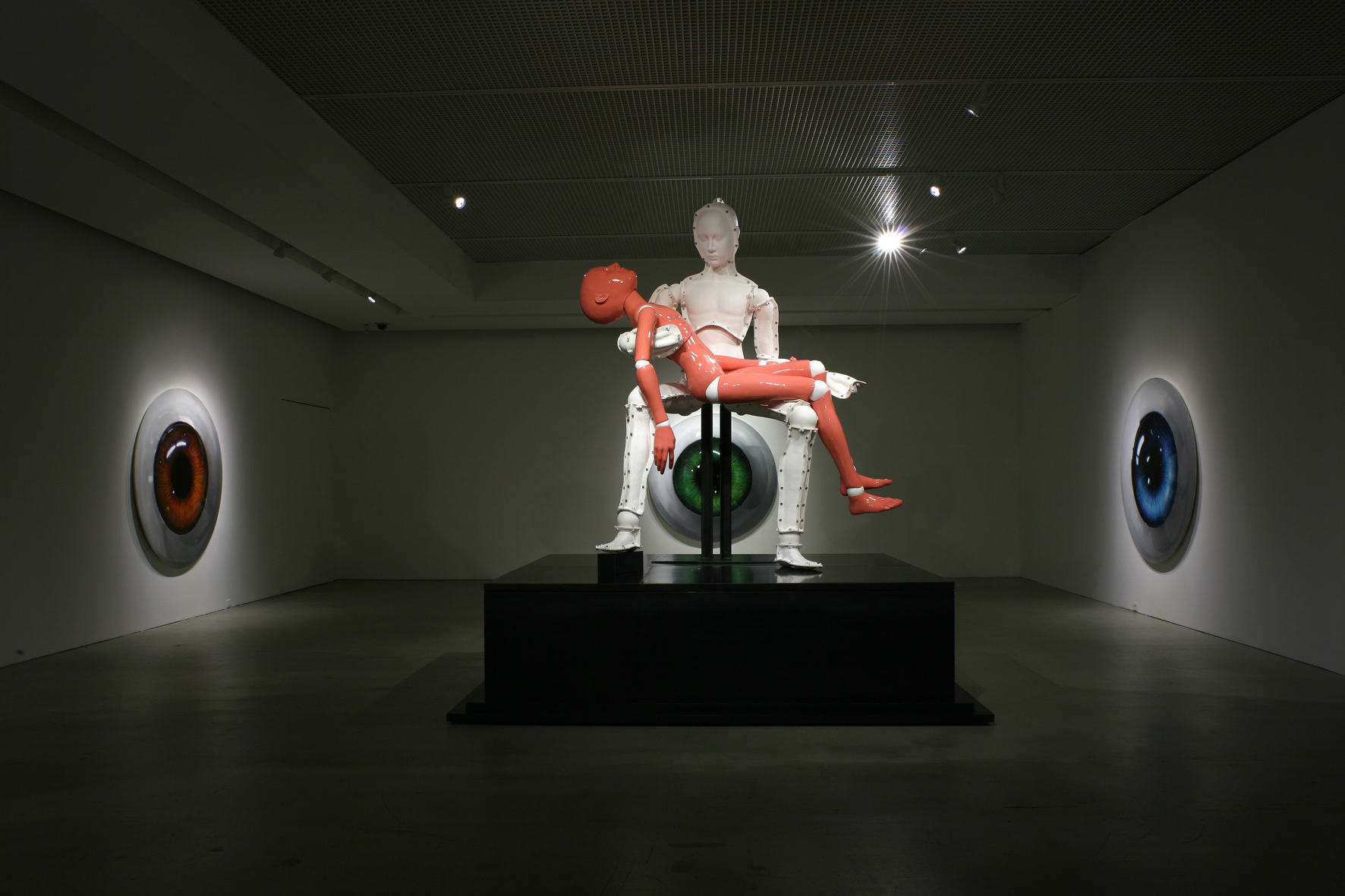
Lee’s Pietà presents a cyborg Jesus and Mary. Yet Mary is formed from the casting mold typically discarded after sculpture production, while Jesus is the final cast produced from that mold. It is a relationship of yin and yang, embodying the duality of the world in a deceptively simple form.
 
Amid formal diversity, the artistic virtue Lee values most is risk and experimentation.

 
“Creativity is my core. Creativity is not something that everyone understands. If everyone understands it, how can it be called creative? I like artists who constantly make people curious. One must continually change and develop. Otherwise, it is not art, and one cannot survive as an artist.”
 

His attitude toward the Venice Biennale is the same.

 
“In truth, my mind is already elsewhere. The Venice Biennale will present upgraded versions of works I have done so far, but what matters more are the works I will create in the future.”
 

As he says, the Venice Biennale will not be a point of arrival or an endpoint, but a new beginning announcing Yongbaek Lee and Korean contemporary art on the world stage. One may look forward even more to the works that will follow after June 2011.

References