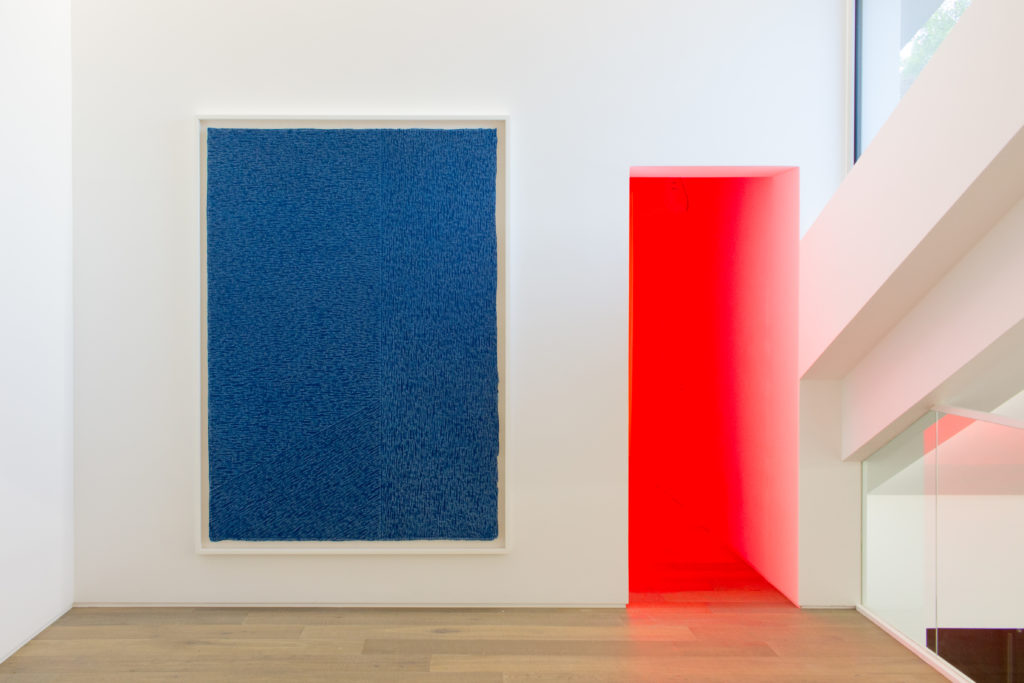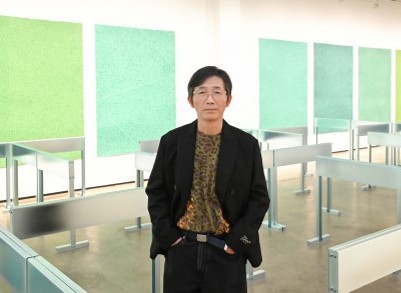
Kiwon Park, Width 161, 2019, Oil on Korean traditional paper, 215 x 151 cm © Kiwon Park

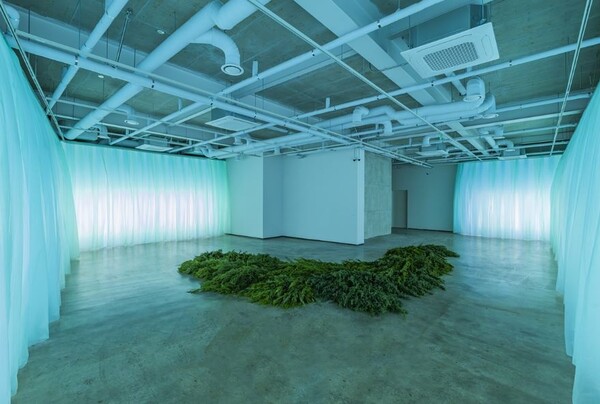
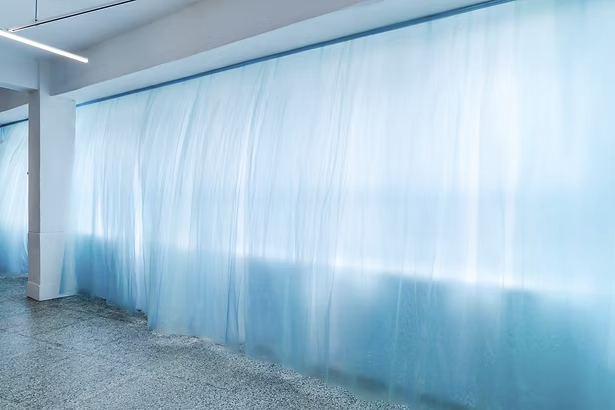
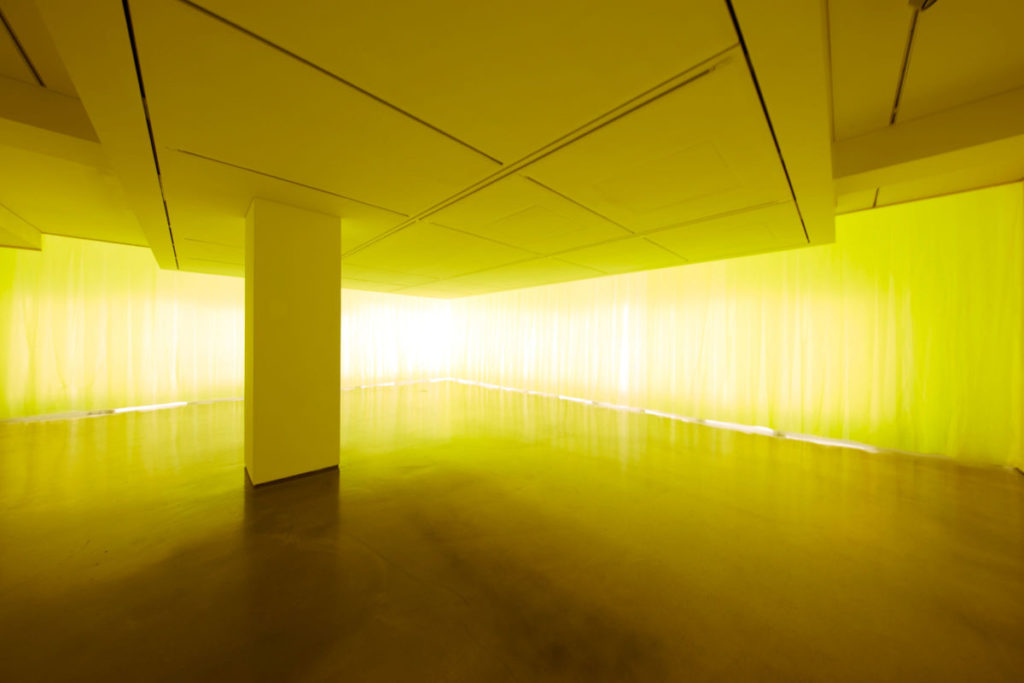
Artist Kiwon Park works with one or two simple materials to create works that meld into the space in which they are displayed. At times, due to how effortlessly Park’s artwork becomes one with the site, until someone mentions, “This is a part of the work, too,” it is often difficult to discern the work from the environment. At others, the floor and walls of the site are completely camouflaged by foreign materials that it essentially becomes unrecognizable from its original form. In any case, Park emphasizes and further utilizes the identity of each space by covering its surface with materials such as industrial varnish, tape, or vinyl, essentially, a third skin.

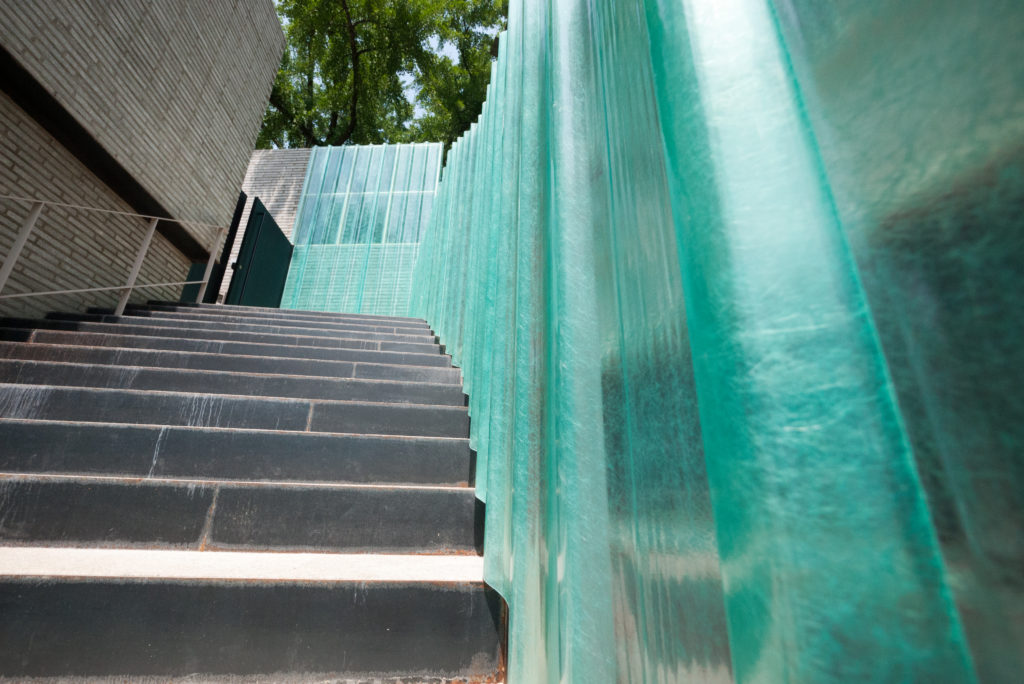
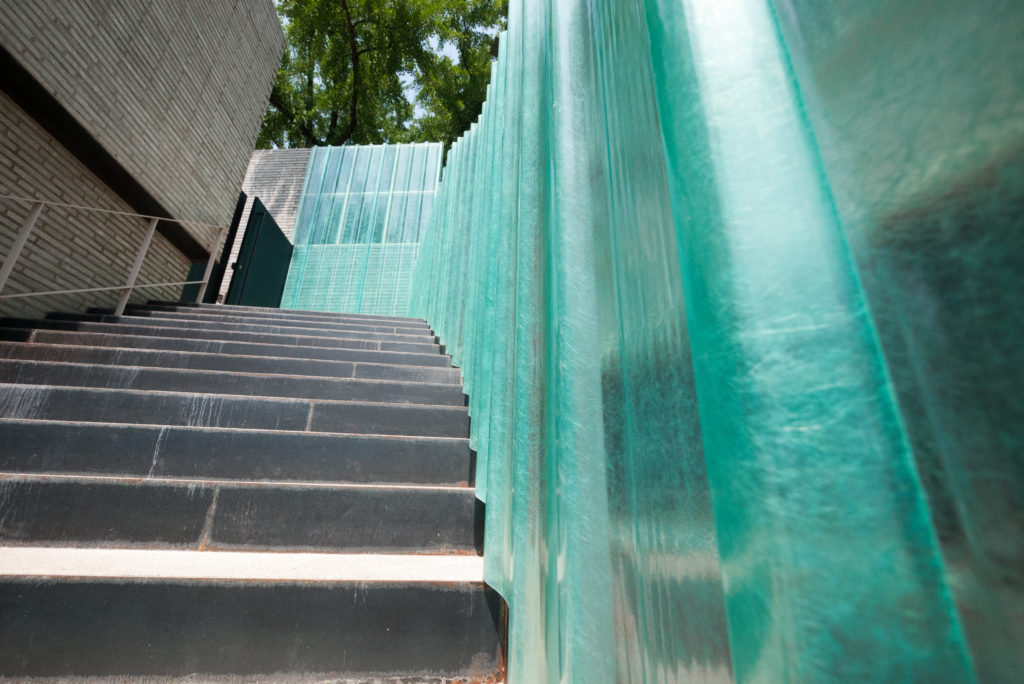
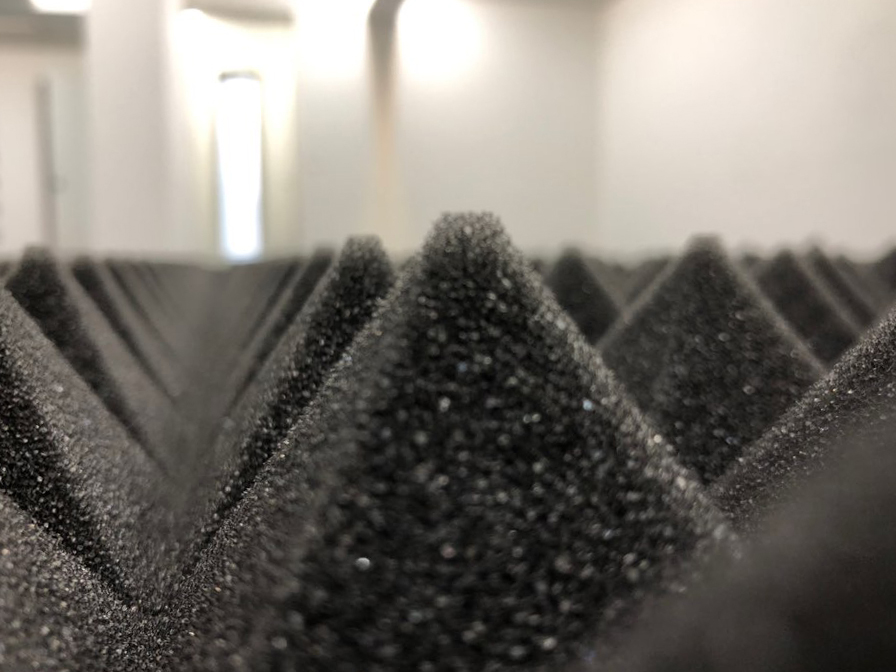
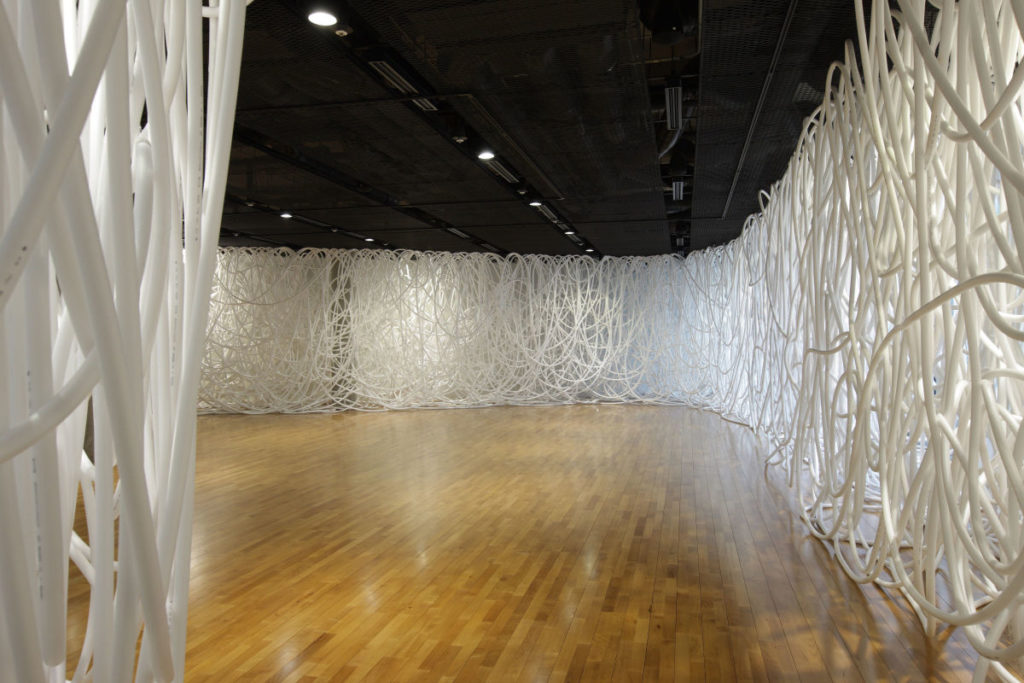
In the artist’s latest exhibition 《Continuity》, Park arranges his works to flow with the overall characteristics of the space. Although the works on display have all been made this year and the previous, they are all extensions of the series he had introduced before. From the very entrance of the exhibition space, the audience unknowingly becomes enveloped in the jade green FRP plastic walls titled Disappear Entrance. This installation has developed from Diminish, the walls that surrounded the exterior of the Korean Pavilion in the 2005 Venice Biennale as well as Movement, first shown in 1996. Upon entering the exhibition space, the sharp points of the Pyramid Ground tickles the feet, similar to how the 2008 steel scourge work Friction surprised the audience with its softness.

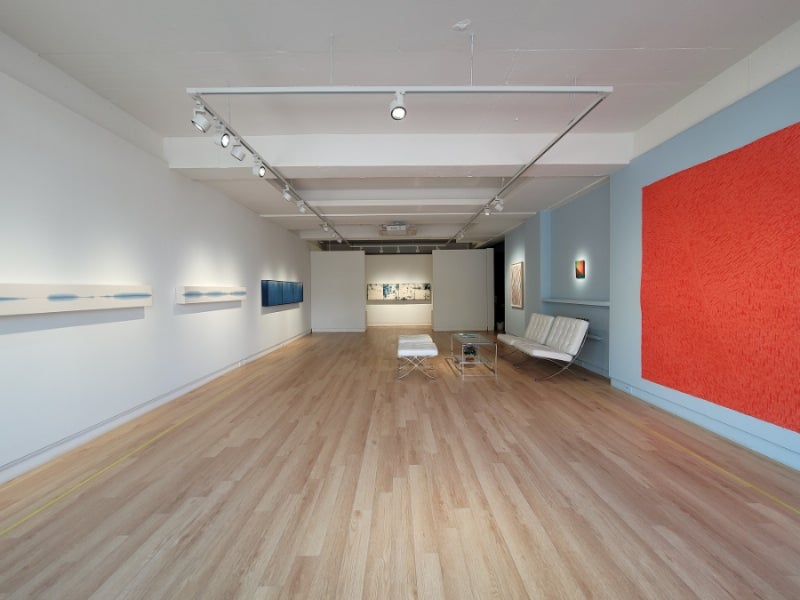
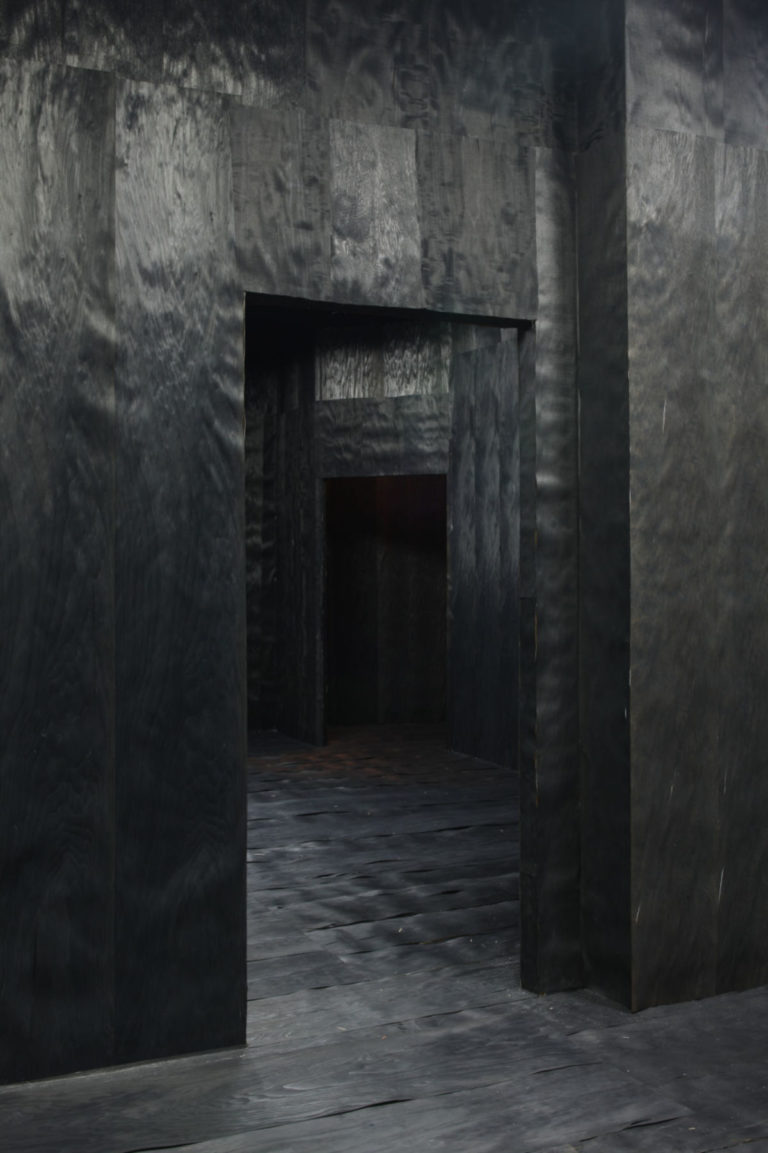
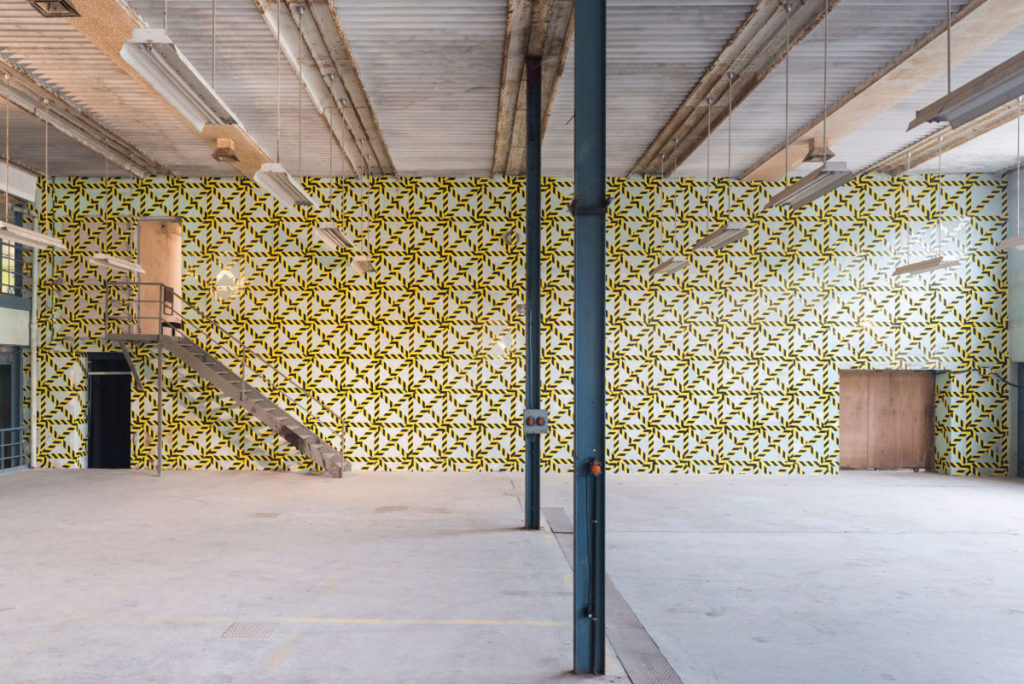
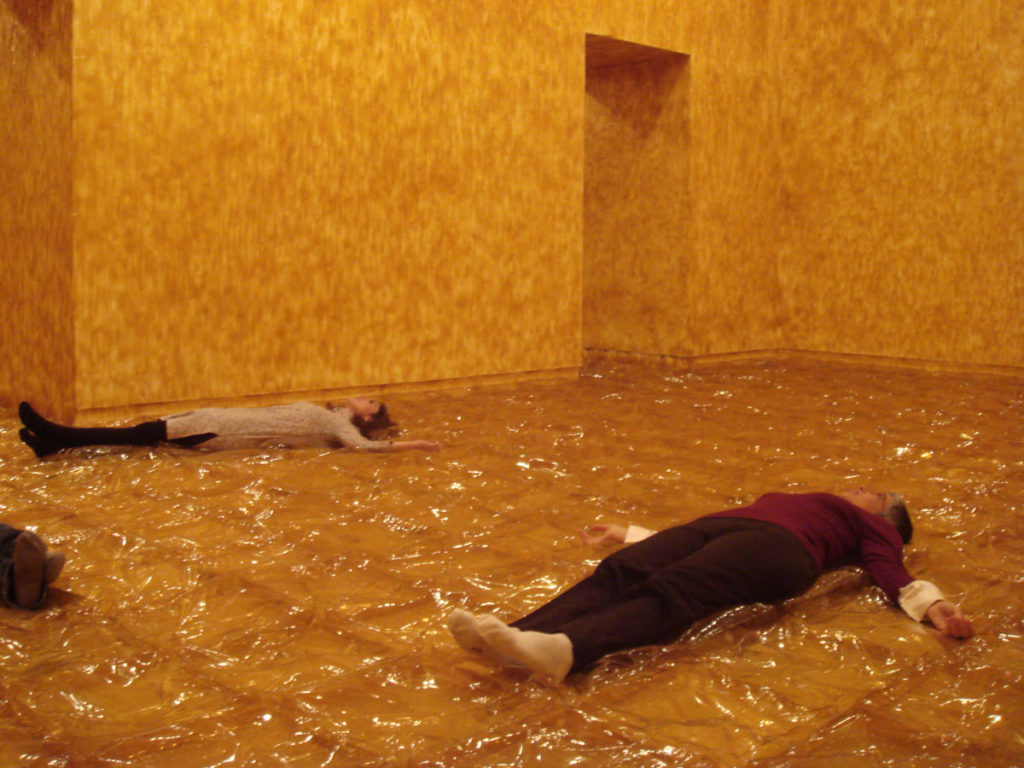
The X Mobile, a scrunched up ball of black and yellow tape, and Red Room, which stains the exhibition room red with lights from the LED and vinyl of the same color, and Width, the painting series that the artist has continued to develop since 2007, have all been works that Park has presented in the past ten years, through which the audience can understand that the artist’s interests lie in the passage, or “continuity,” of time.


Kiwon Park, Disappear Entrance, 2019, Fiber reinforced plastic, wood frame, Dimension variable © Kiwon Park

However, one thing to note in particular about this exhibition is the “continuity” with which the individual works are displayed. Oftentimes, Park links together the separate rooms of the exhibition space into one large installation work, accentuating the magnanimity of site itself. However, because 313 Art Project’s gallery space is divided into two separate buildings and multiple rooms, instead of forcing the different spaces under one overarching theme, Park installed distinctive works in each room. Therefore, instead of being perceived as simply an anthology of Park’s most renowned series, the exhibition ends and continues again with the passageways of the space, imbuing a dynamic rhythm to the experience.

The first exhibition space of Building A guides visitors past the green walls to Building B, where countless sharp pyramids await at the main lobby floor. The audience’s gaze lifts from the floor to the mobile hanging from the ceiling, where the architectural lines and planes invites the footsteps of the audience. Upon reaching the 2nd floor, the flatness of the oil painting on Korean traditional paper creates a stark contrast between the red light seeping past the doorway and the vast white walls. The exhibition space transforms into a place where the audience can stay and appreciate the site for what it is, in accordance with the artist’s original intent. In an exhibition where the works converse with each other, Kiwon Park reveals all facets of his works, awakening the audience’s senses.

References