
Solo Exhibitions (Brief)
Kang has presented major solo
exhibitions and public art projects across Korea, the United States, and Europe
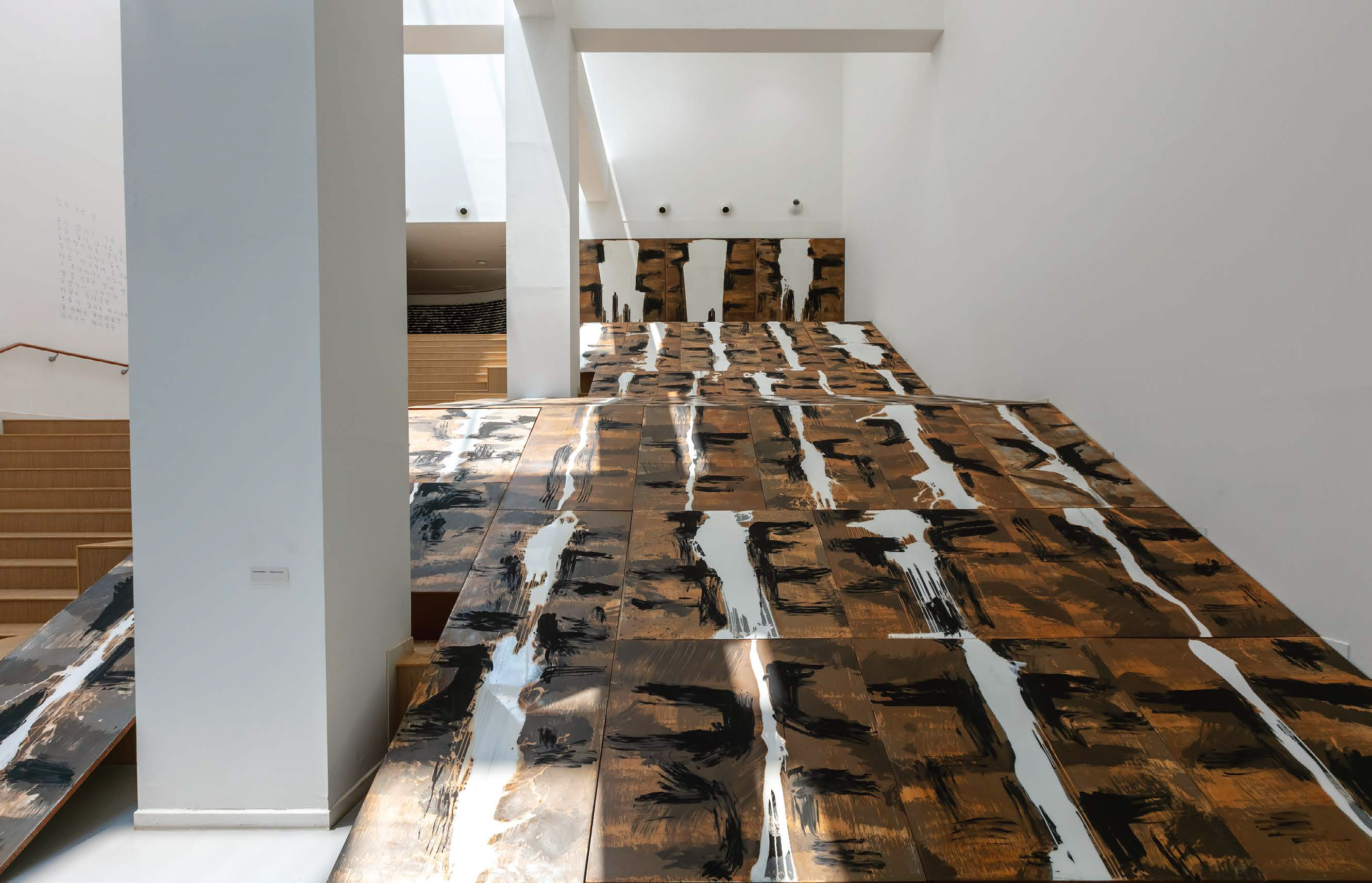
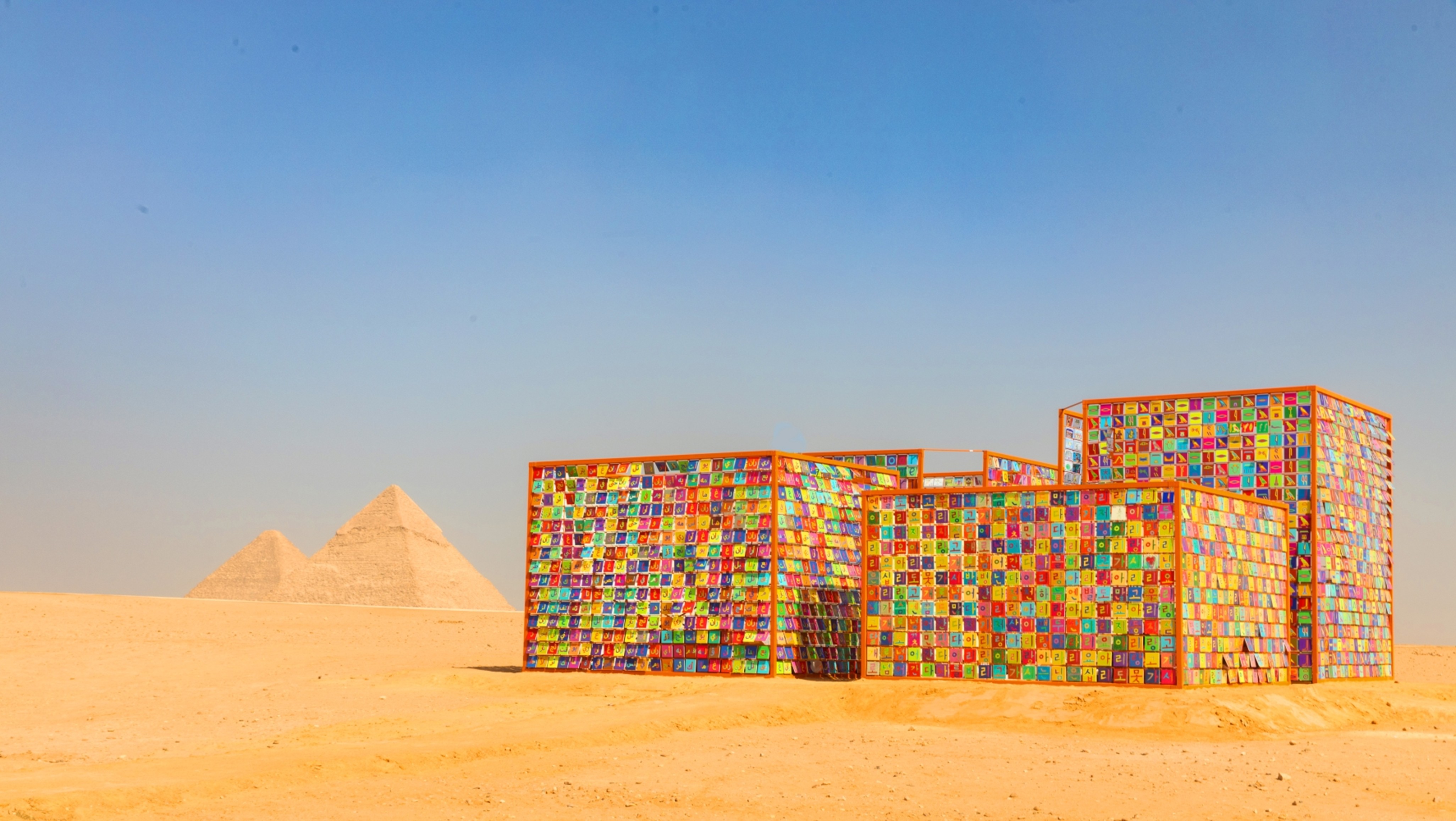
since the late 1980s. Notable solo exhibitions and projects include 《Four Temples,
Forever Is Now》(The Great Pyramid of Giza, Cairo,
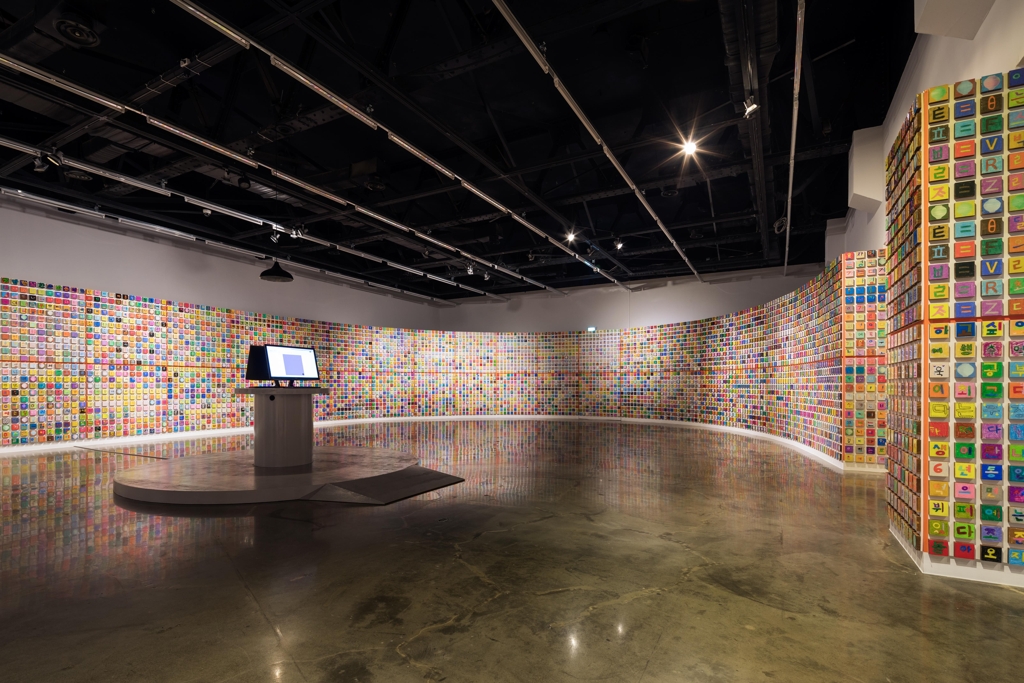
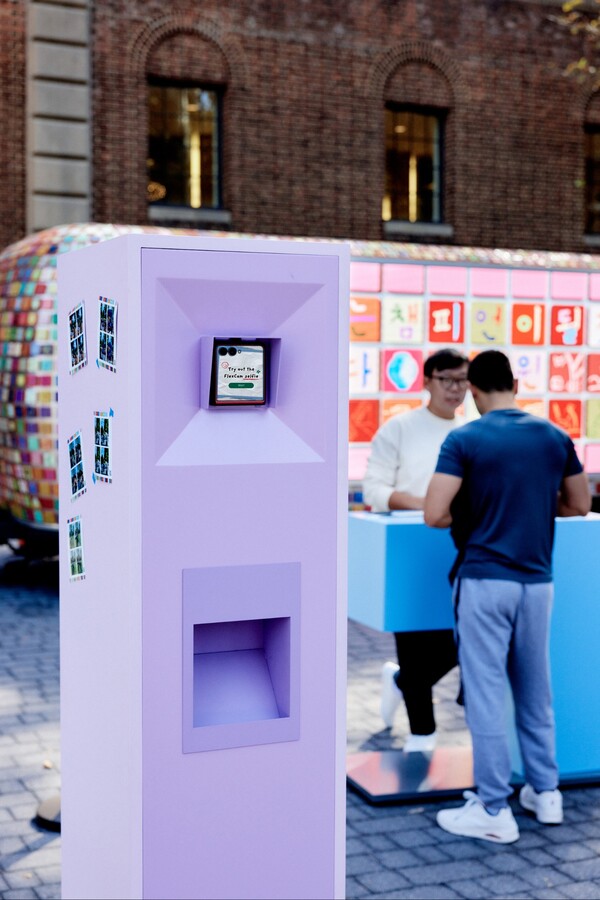
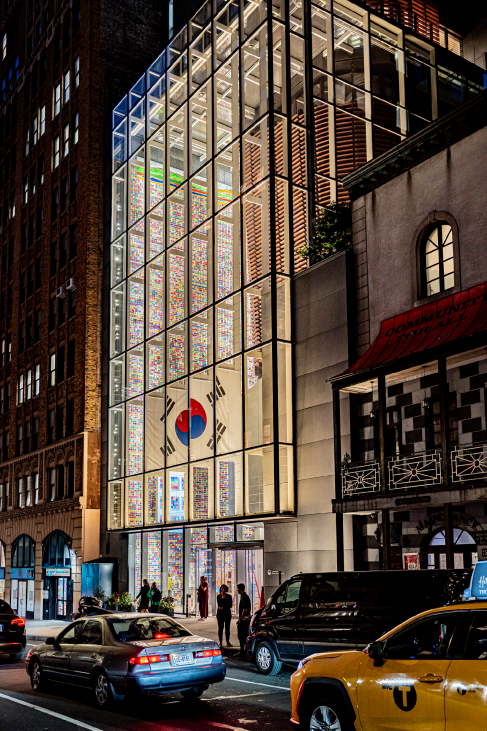
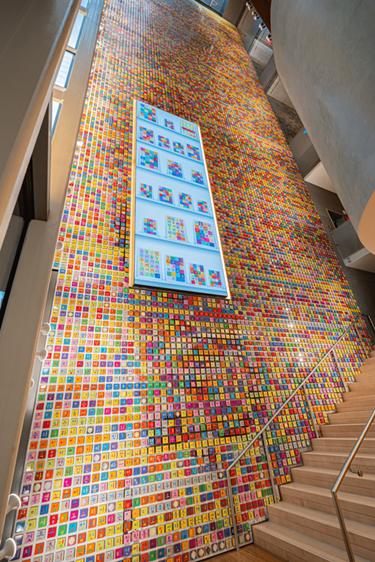
2024), 《Hangeul Wall and 40-Year Retrospective
Exhibition》(New York Korean Cultural Center, New York,
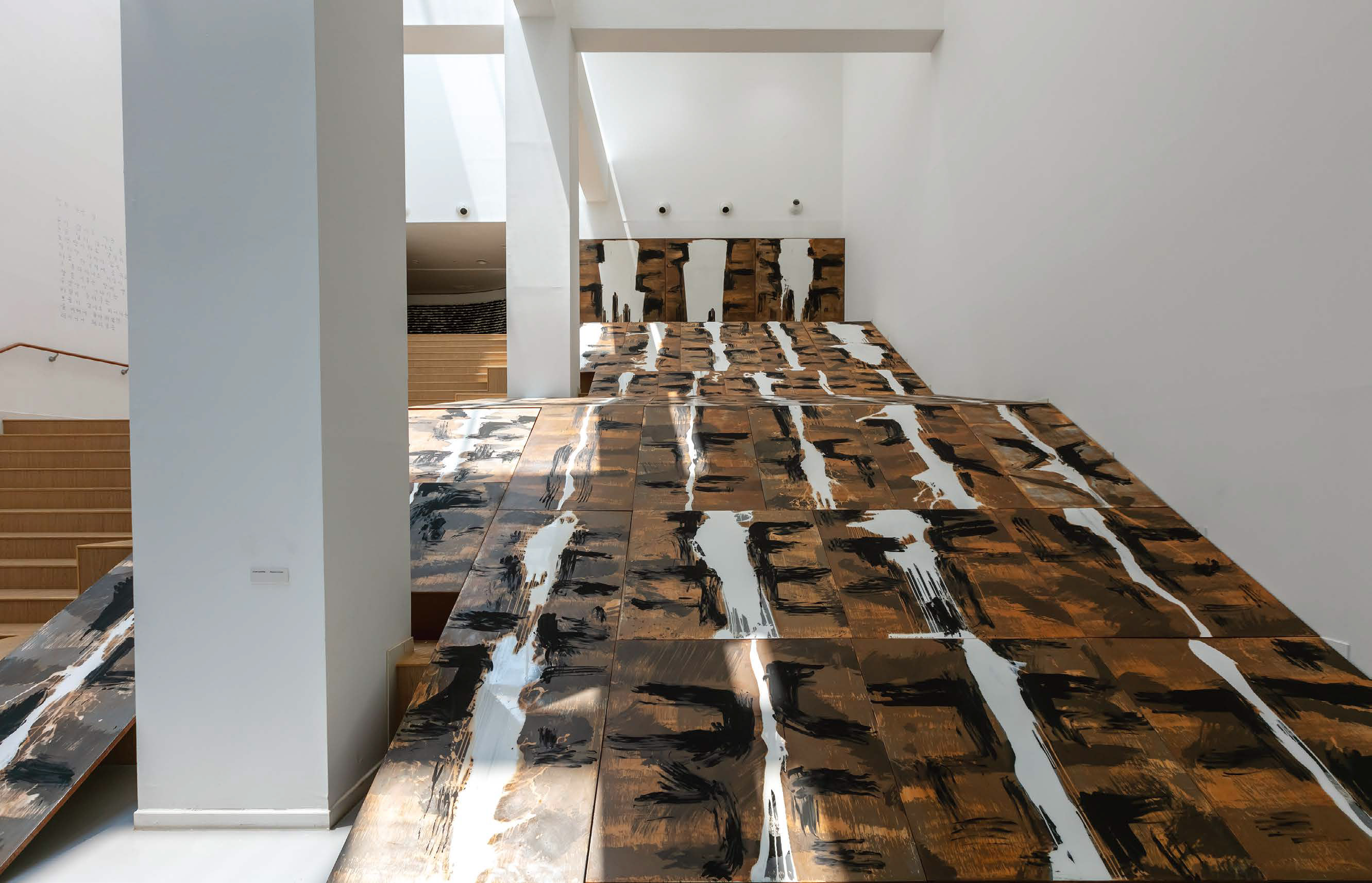
2024), 《Journey Home》(Cheongju
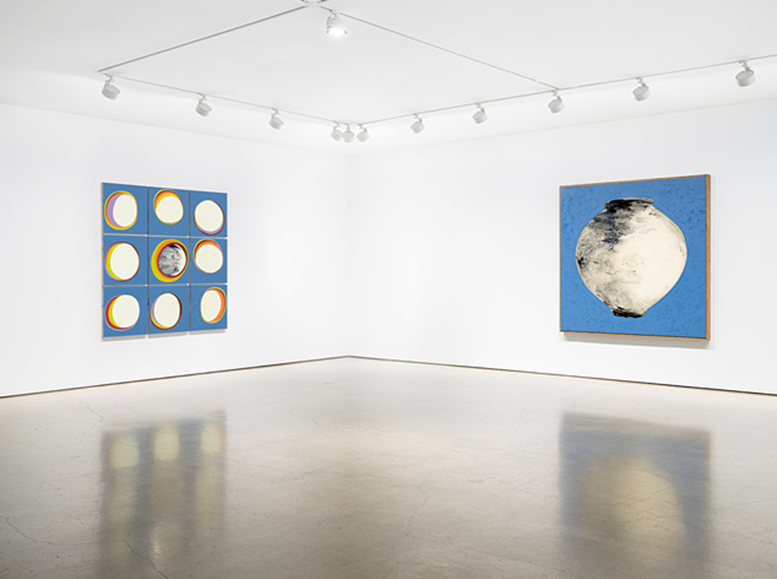
Museum of Art, Cheongju, 2024), 《The Moon is Rising》(Gallery Hyundai, Seoul, 2022), and 《Gwanghwamun
Arirang》(Gwanghwamun Square, Commissioned by the
Republic of Korea, Seoul, 2020).
Internationally, Kang has held solo
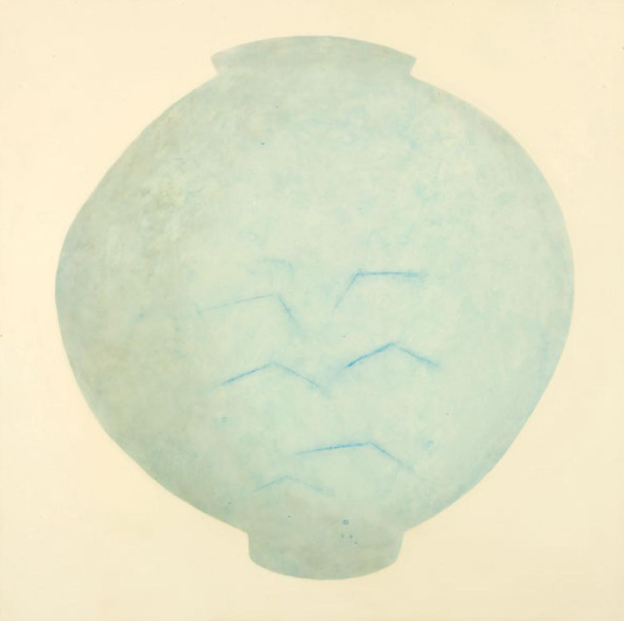
exhibitions such as 《Moon Jars》(National Gallery of Art, Sofia,
2017), 《Floating Dreams》(River
Thames, London, 2016), 《The Moon Jar》(Robilant and Voena Gallery, London, 2016), 《Floating Moon Jars and Mountain and Wind》(Museum
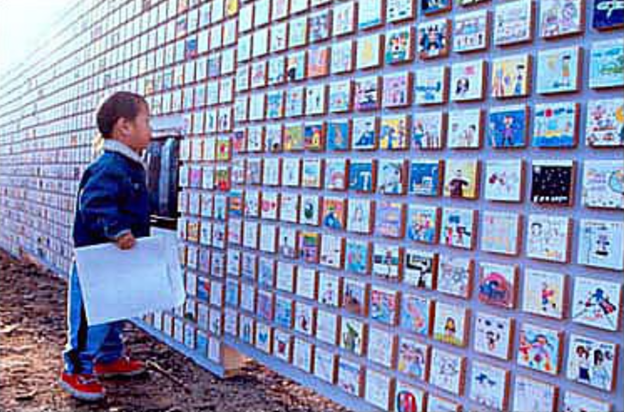
of Modern Art, Kuwait, 2015), and 《25 Wishes》(Korean Gallery, The Metropolitan Museum of Art, New York, 2010).
Group Exhibitions (Brief)
Kang has
participated extensively in major group exhibitions at national museums,
international biennials, and leading global institutions since the 1980s.
Notable exhibitions include 《MMCA Collection: Korean
Contemporary Art》 (National Museum of Modern and
Contemporary Art, Seoul, 2025-2026), 《Every Island is a
Mountain》 (Palazzo Malta, Venice, 2024), 《The Art of Our Time: Master Pieces from the Guggenheim Collections》 (Guggenheim Museum, Bilbao, 2015), 《Contemporary
Korean Ceramics》 (Victoria and Albert Museum, London,
2017), and 《Reshaping Tradition: Contemporary Ceramics
from East Asia》 (USC Pacific Asia Museum, Pasadena,
2015). He has also been invited to major international biennials, including the
Venice Biennale (1997), the Gwangju Biennale (1997, 2004), and the Buenos Aires
International Biennale (National Museum of Arts, Buenos Aires, 2002).
Awards
(Selected)
Kang received
the Special Merit Award at the 47th Venice Biennale in 1997, along with the
Louise Comfort Tiffany Foundation Fellowship and the Ellis Island Medal of
Honor. He was also awarded the Korean Art and Culture Award (Presidential
Award) in 2012 and the Sejong Cultural Award in 2021, marking significant
recognition of his contributions both internationally and in Korea.
Awards
(Selected)
Kang’s work has been included the collections
on numerous major art institutions in Korea and abroad, including the
Guggenheim Museum (New York); the British Museum (London); the Whitney Museum
of American Art (New York); the Museum of Contemporary Art, Los Angeles; the
Museum of Fine Arts Boston; the Museum Ludwig (Cologne); the National Museum of
Modern and Contemporary Art, Korea (Seoul); the Seoul Museum of Art; the
Gyeonggi Museum of Modern Art (Ansan), and the Leeum Museum of Art (Seoul).