An Invitational Exhibition Revealing the Full Scope of Ik-Joong
Kang’s Artistic World
AFKN
broadcasts a program titled ‘Window on Korea’, which offers brief
introductions to Korean culture for U.S. military personnel stationed in Korea
and for foreigners residing there. The significance of this program lies in its
reversal of perspective: it allows Koreans to perceive how their culture appears
through foreign—particularly Western—eyes.
What feels entirely natural within
Korean customs and modes of thought can appear novel or curious to outsiders.
Considering the relativity and specificity of culture, curiosity toward
unfamiliar cultures is only natural, and through such encounters, deeper
cross-cultural understanding becomes possible.
The
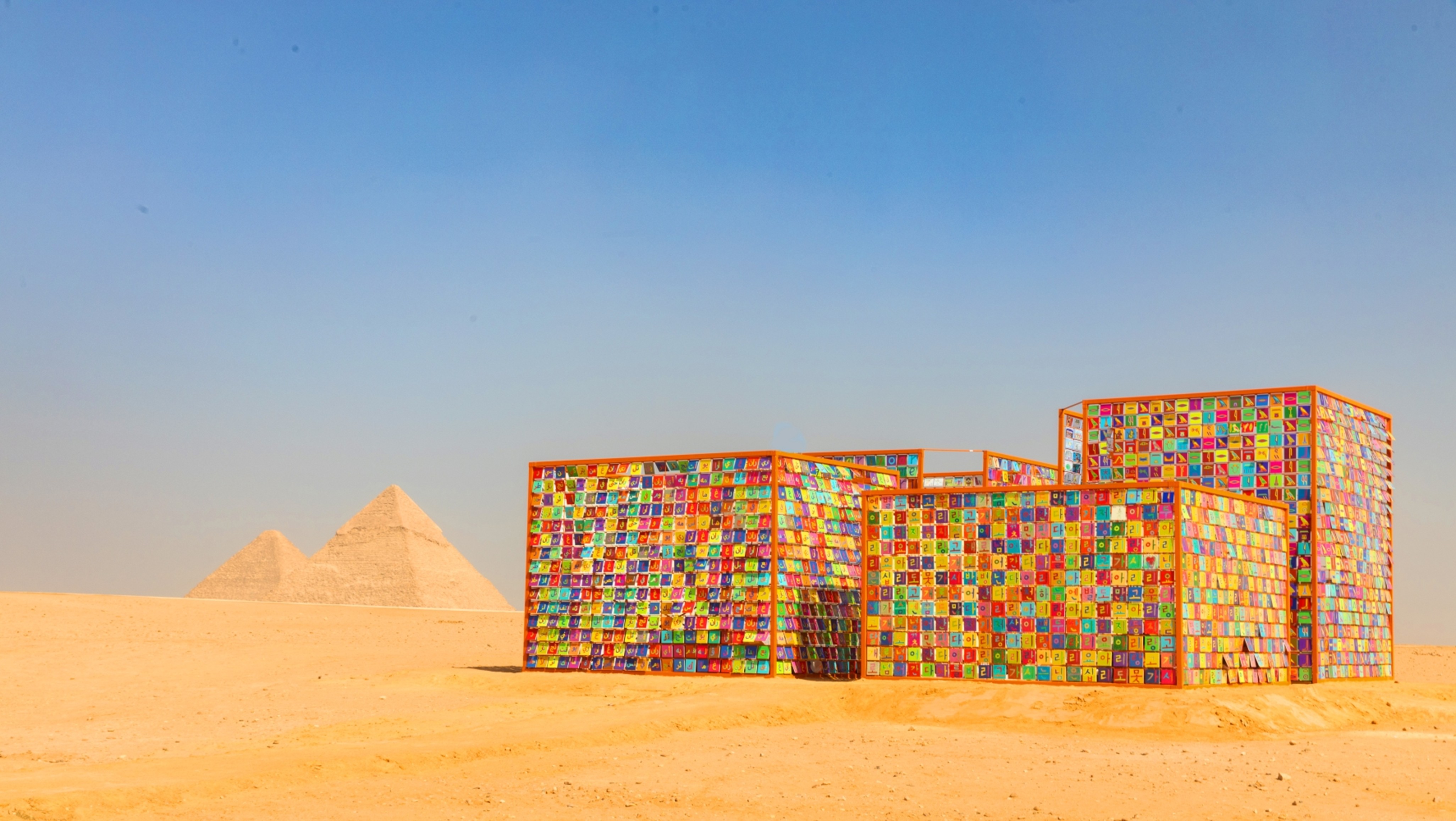
invitational exhibition of Ik-Joong Kang currently being held simultaneously at
three venues—Chosun Ilbo Gallery, Hakgojae, and Art Space Seoul—was striking
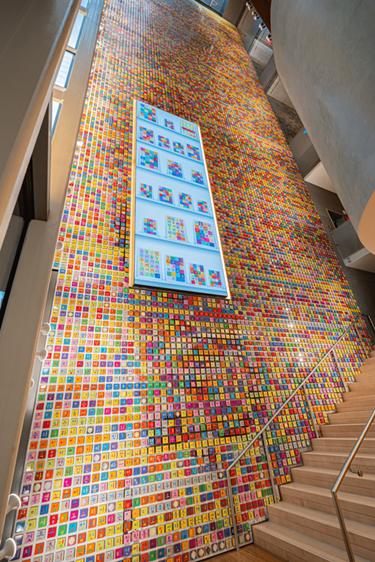
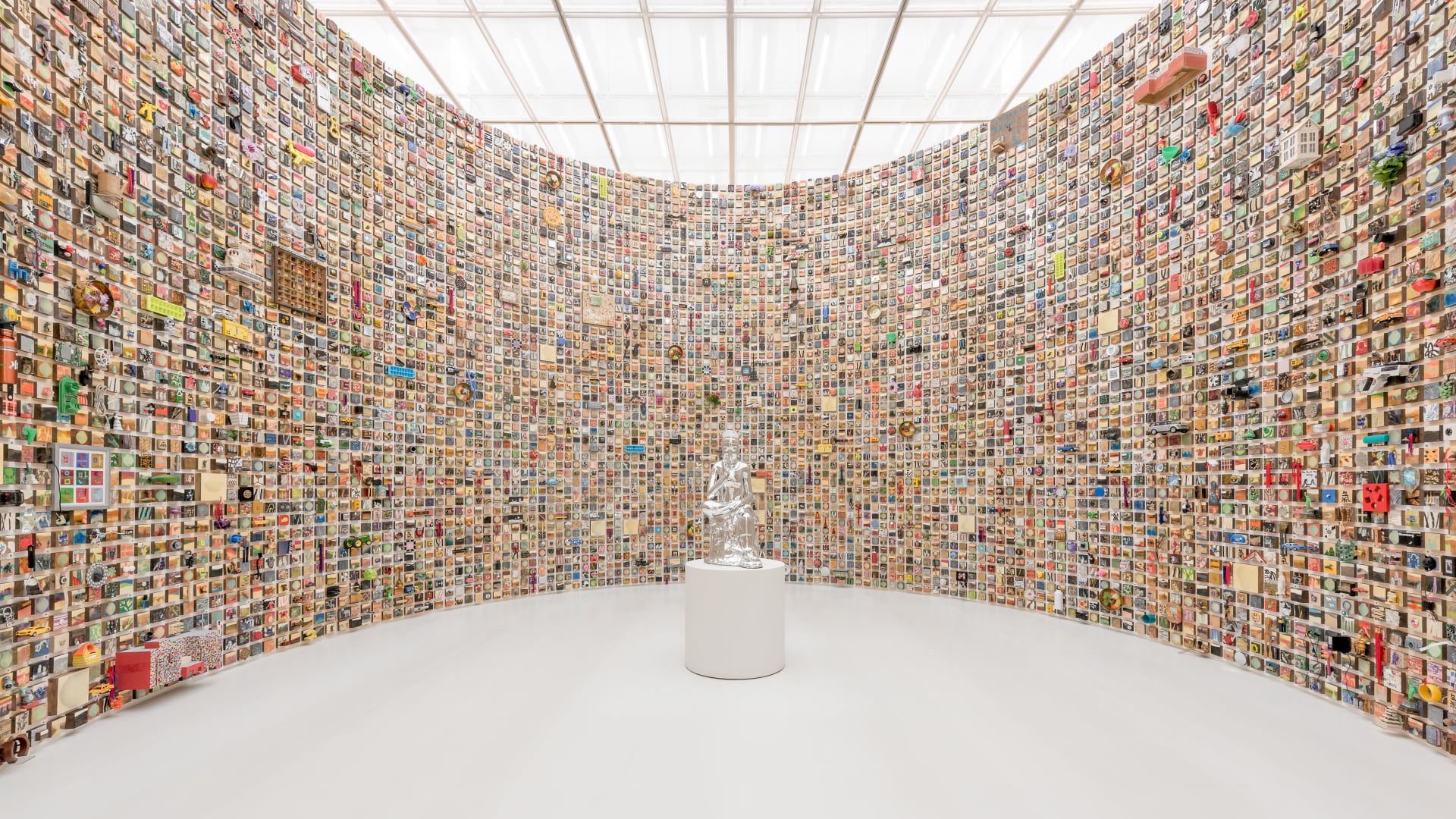
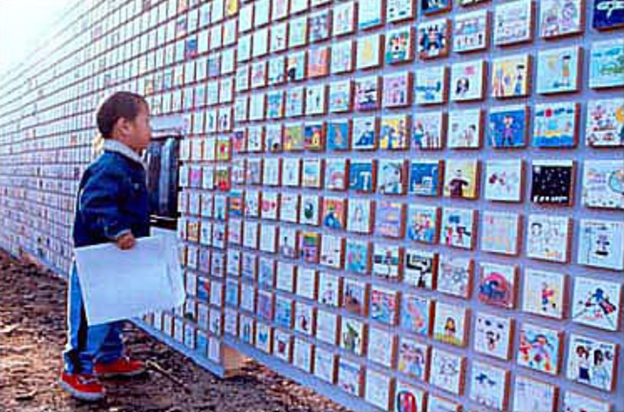
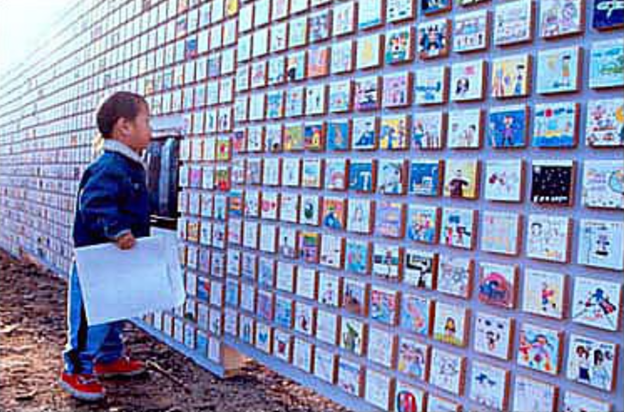
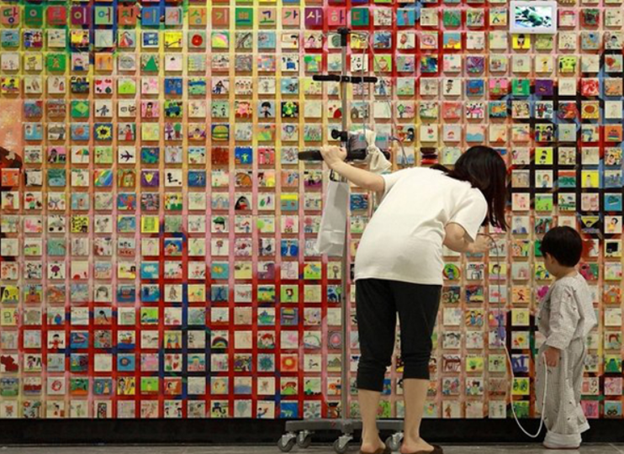
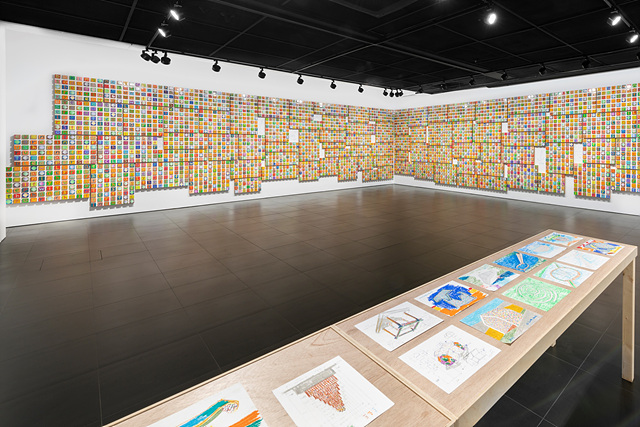
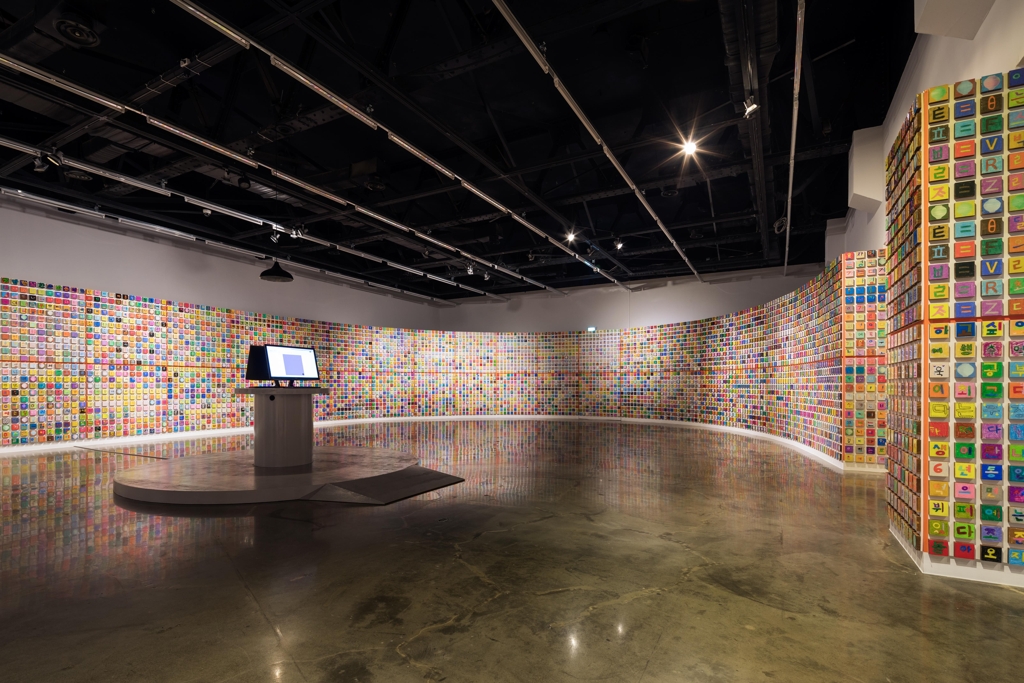
above all for its scale. Comprising approximately 50,000 square canvases
measuring 3 inches by 3 inches, the exhibition provided a rare opportunity to
examine the full scope of Kang’s artistic world, which until then had been
known primarily through foreign media.
Kang, a Korean artist based in New York,
first gained recognition among Korean art audiences through his invitational
exhibition at the Whitney Museum held with Nam June Paik. Having majored in
Western painting at Hongik University, Kang moved to New York in 1984 and
completed his graduate studies at Pratt Institute, thereafter embarking on his
full-fledged artistic career.
The
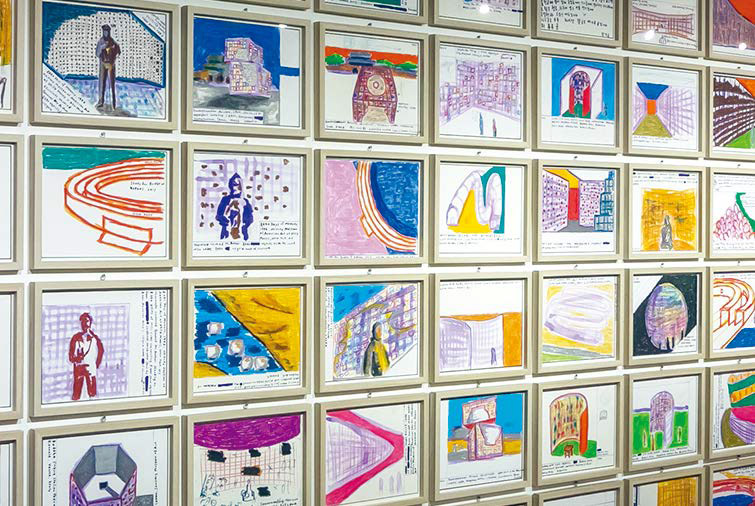
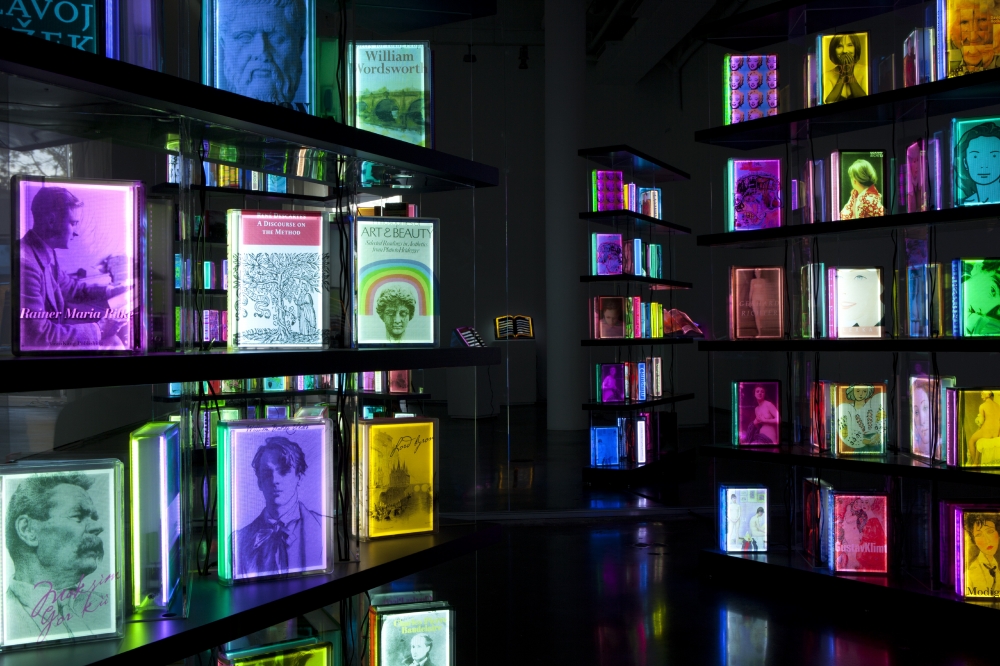
small canvases presented in this exhibition function as Kang’s personal
“windows,” recording impressions and reflections formed while living in the
United States. They also serve as repositories of his inner consciousness.
During his early years in New York, Kang was required to work part-time jobs to
cover living expenses. While commuting between home and work by subway, he
produced small-scale works inside the train cars—effectively transforming the
subway into a mobile studio. This period is vividly captured in the following
passage:
“Ik-Joong
Kang arrived in New York in 1984. For a time, he endured the grueling life of
an international student, working twelve-hour days. In the spare moments he
found time to paint, and it should not be considered particularly unusual that
he created small canvases to carry in his pocket and work on while commuting on
the subway.
Painting was synonymous with survival for him. Through this
process, the now-iconic ‘3-inch by 3-inch’ paintings were born. Today, Kang no
longer lives under conditions that require him to paint in the subway, nor does
he feel compelled to do so. As a full-time artist, he can concentrate on his
work in the studio.
Yet the countless impressions and images that once struck
him as ‘the shock of the new’ at his workplace and on the subway continue to
engage him with the alertness of a hunter. Though his working environment has
changed, the substance of his work has not.”
— Juheon Lee, Fragments of Everyday Life, and Their Accumulation,
Ik-Joong Kang Solo Exhibition Catalogue
Canvases as Windows onto the External World
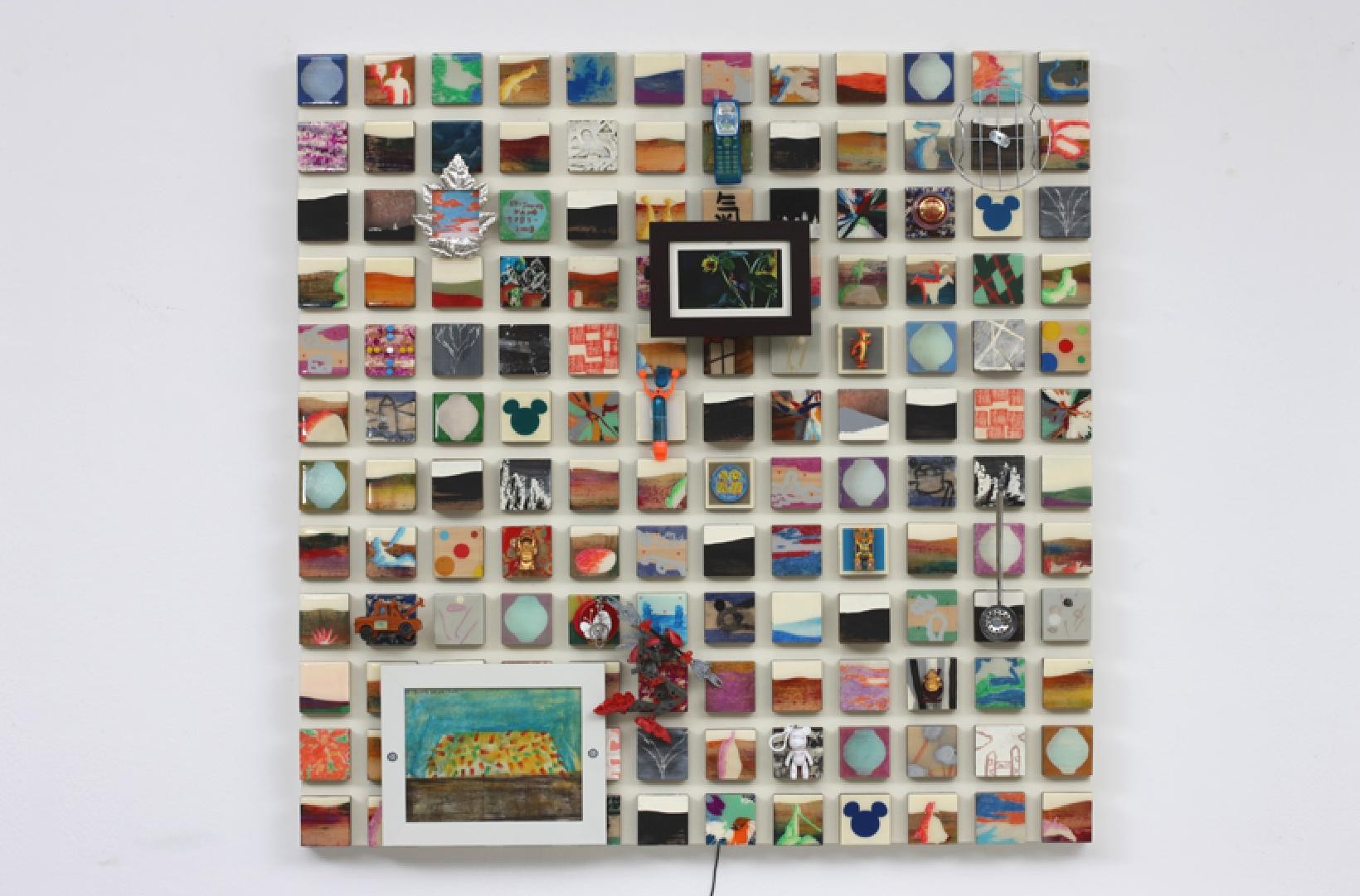
The
catalogue for this exhibition includes a particularly intriguing photograph: a
Japanese samurai examining the landscape by pressing together the raised soles
of his wooden clogs, which form a grid-like structure resembling a telescope.
Much like these clogs, Kang’s grid-based canvases function as windows through
which the painter observes the outside world. Images, objects, and events that
Kang sees, hears, feels, and contemplates in daily life are recorded through a
variety of forms. Minor fragments of everyday experience—encountered on the
street, at school, in the workplace, on the subway, or in markets and
restaurants—are visualized on canvas through Kang’s characteristic wit and
satire.
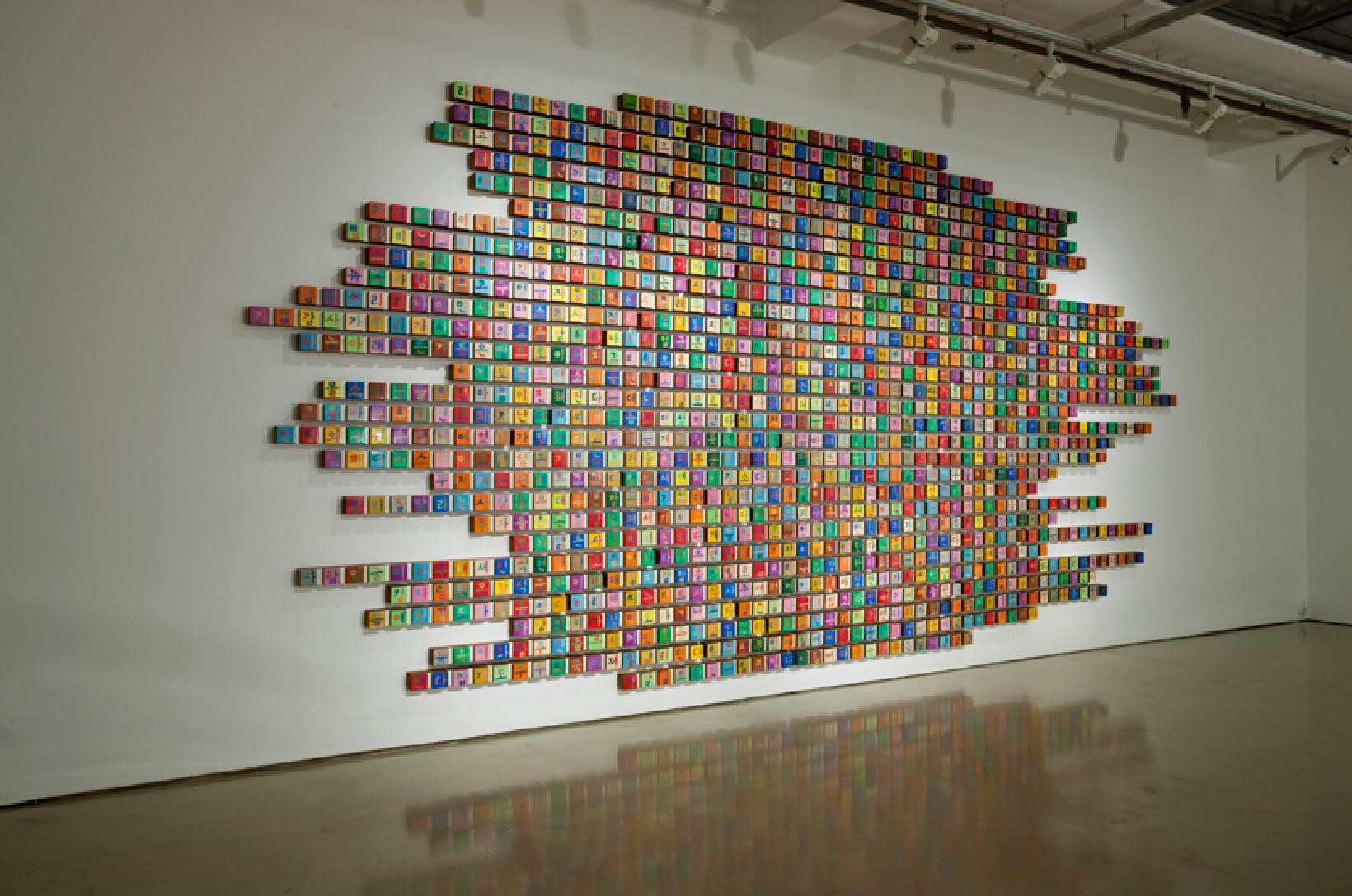
In
transforming objects and events into artworks, Kang does not confine himself
solely to drawing. Various languages—English, Korean, and Chinese
characters—are mobilized, and small everyday items, even fragments of
furniture, are attached as objects. Alongside the ‘happy’ series such as happy
frog, happy bread, and happy
happy sock, sentences like “Someday I will leave myself” also appear.
The countless symbols, signs, and images he creates—combined with numerous
objects he personally selects—offer clues into the flow of Kang’s
consciousness.
Each
3-inch canvas functions independently, much like a freeze-frame in a film, yet
collectively they form parts of a meticulously constructed drama. They serve as
incisive annotations on the complex multicultural reality of New York, a
metropolis where people of many races coexist. The underside of American
society—where racial discrimination, charity and exploitation, hunger and
extreme abundance exist side by side—is dissected through Kang’s distinctive
satire.
His outsider’s gaze upon American society is notably objective, and it
is precisely this objectivity that has contributed significantly to his recent
rise in the United States. When a society incapable of rendering an objective
self-portrait is laid bare by a foreigner, it can only be regarded with
curiosity. Kang’s work titled Research on Restaurant Guides for
Starving Artists conveys, in a bleak tone, the shadowed reality
of New York, widely known as the mecca of contemporary art. It is also a
self-portrait of the artist’s past.
Trust in the Outstanding Imagination of a Master “Mixer of
Cultures”
As
Kang himself has stated, his work resembles bibimbap. This traditional Korean
dish—rice mixed with assorted vegetables—aligns remarkably well with the core
concept of his artistic practice. In bibimbap, the rice placed at the bottom
corresponds to the foundational layer of Kang’s work: the totality of
“Koreanness.” Korean modes of thought, history, customs, cultural practices,
and lived experiences form a dense conceptual mass that constitutes the viral
core driving the expansion of his art.
The
vegetables placed atop the rice are merely supplementary ingredients; as long
as the nature of the rice remains intact, the method of mixing becomes
secondary. Thus, it is possible to argue that the techniques and forms Kang
incorporates into his work are not, in themselves, particularly novel. Rather,
what distinguishes his artistic world is its underlying spirit—the “rice”
itself.
The use of found objects, edible artworks (such as installations using
chocolate), the incorporation of sound, and performance are not what
fundamentally define his practice. Instead, it is the subjective perspective
from which these elements are approached that matters.
In
this regard, Kang’s work exemplifies universality precisely because of his
position as a cool-headed commentator on society. He is unmistakably a master
“mixer of cultures”—someone who mixes rice well.
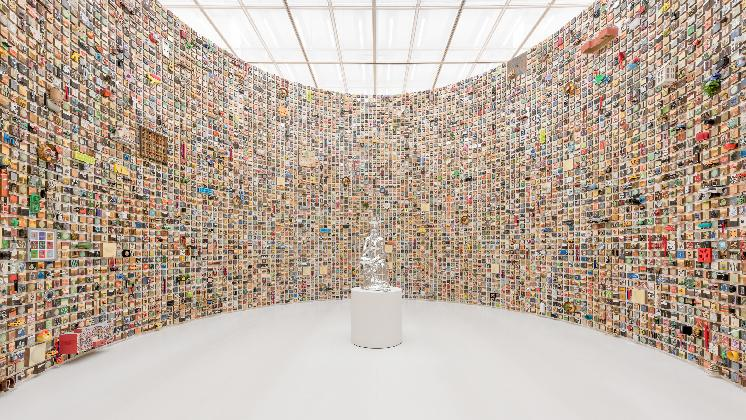
The
approximately 50,000 works presented in this exhibition are crystallizations of
the artist’s labor and sweat. Each individual piece contains Kang’s personal
memories and impressions of foreign cultures.
The panoramic installations
formed by these works resemble a department store of contemporary art, where
diverse artistic forms converge. One cannot help but anticipate how the work of
this artist—endowed with such exceptional imagination—will continue to unfold
in the future.