Held
at the Cheongju Museum of Art, 《Journey Home:
Ik-Joong Kang》 commemorates the 10th anniversary of the
administrative integration of Cheongju City and Cheongwon County. The
exhibition presents a wide range of works produced by the artist over the past
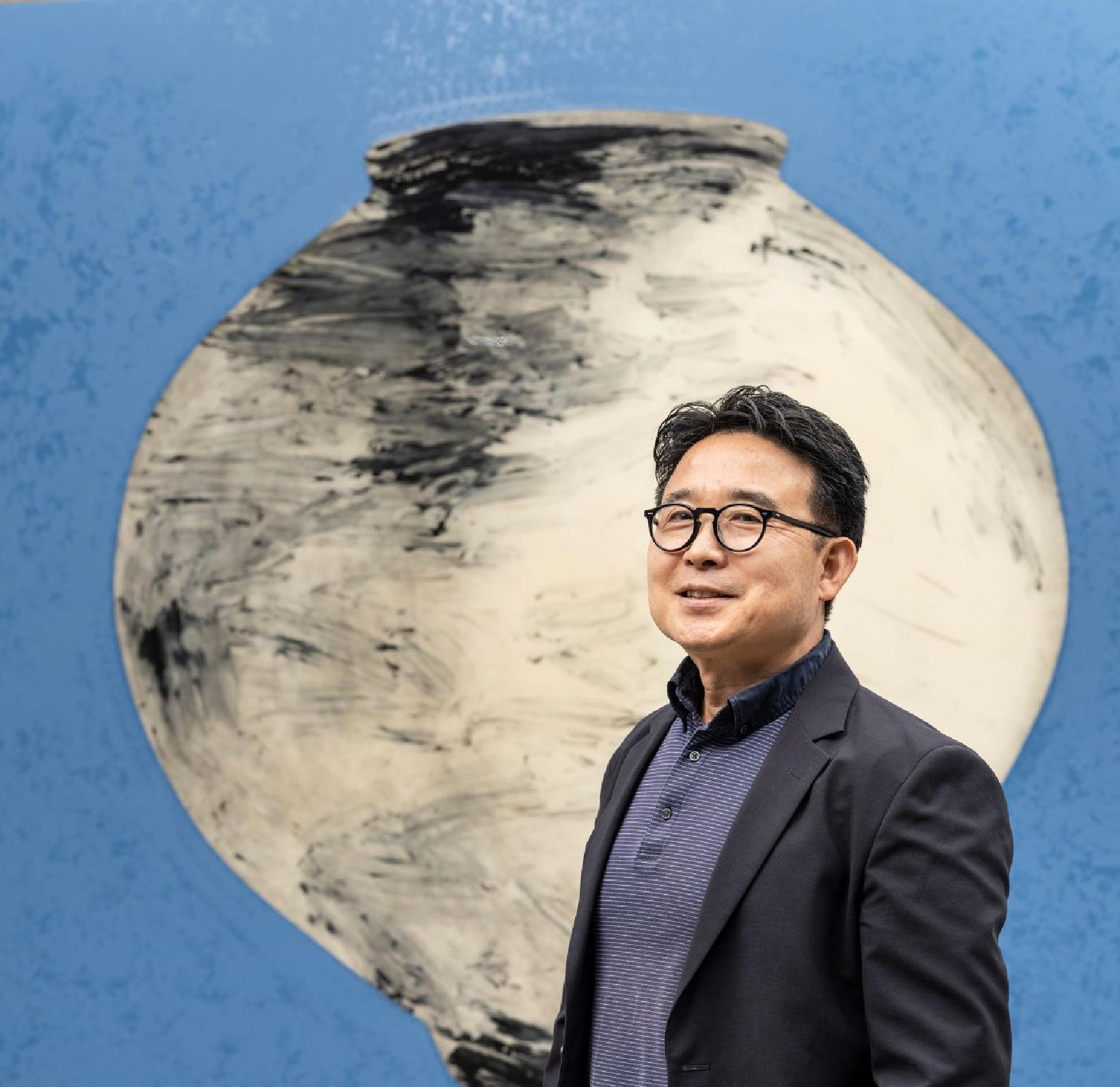
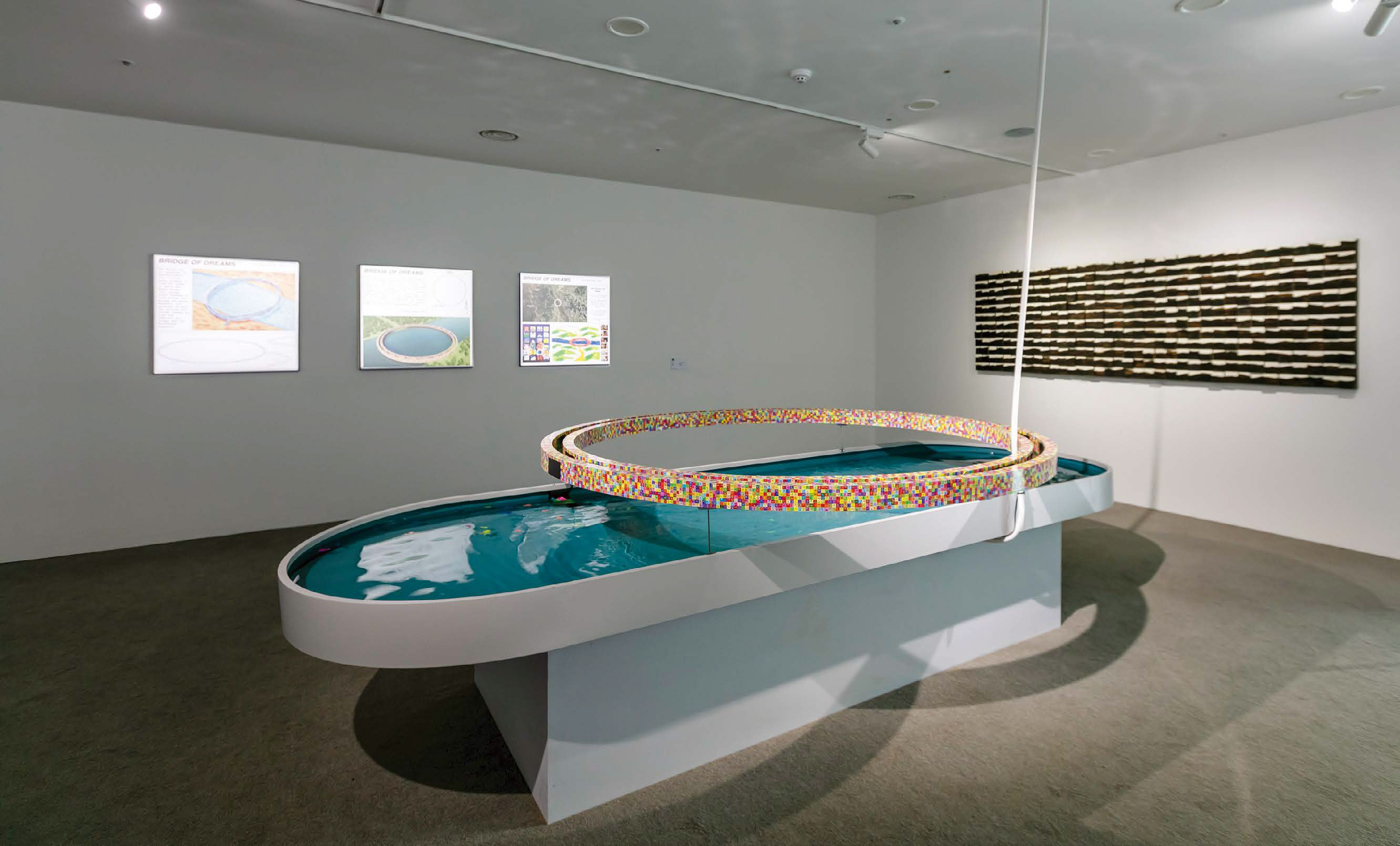
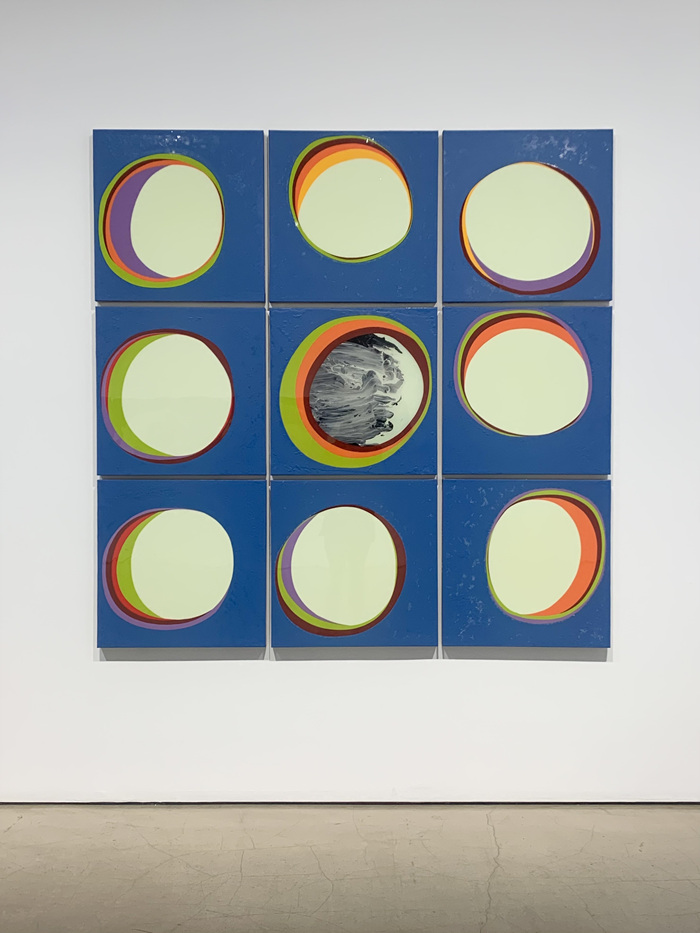
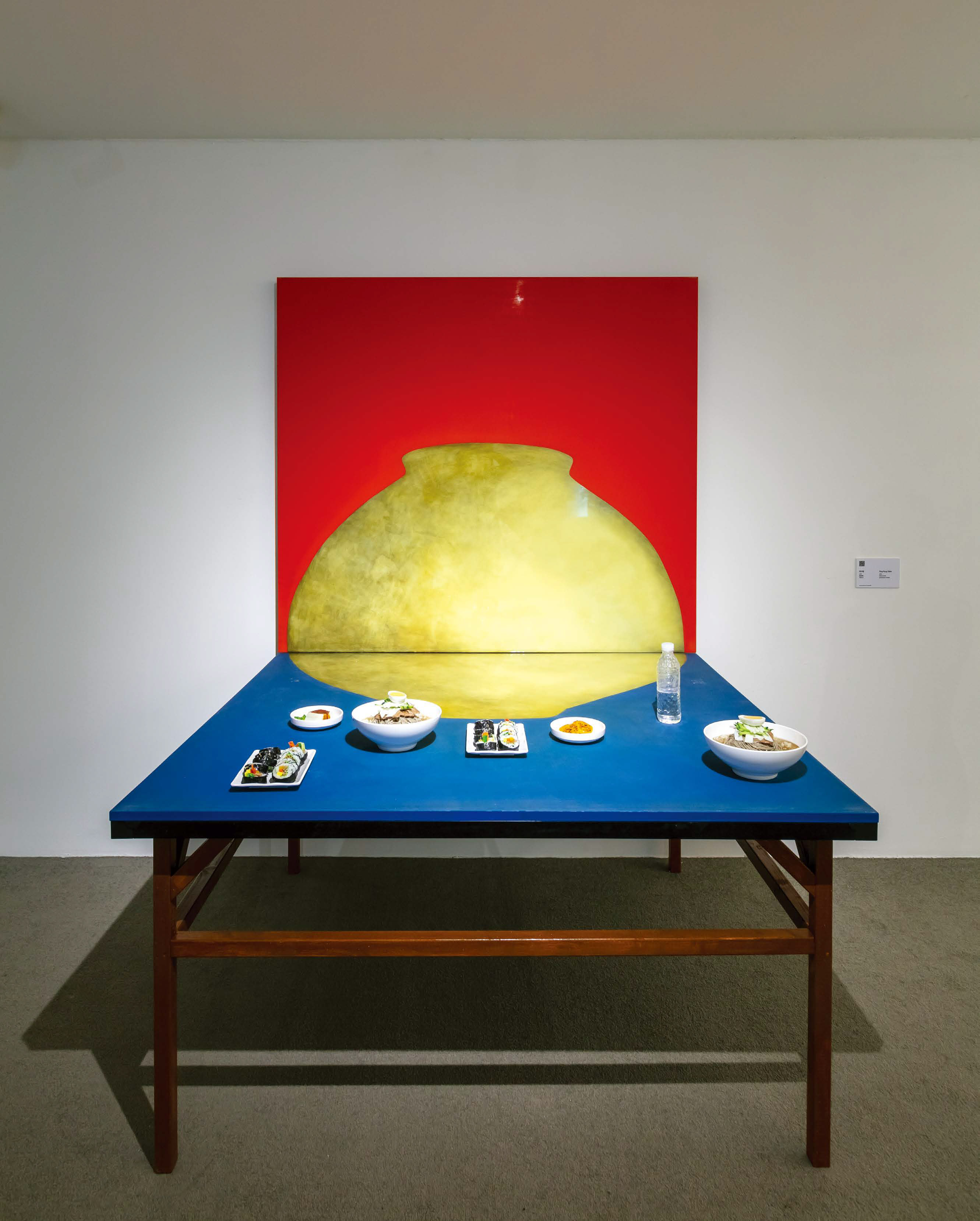
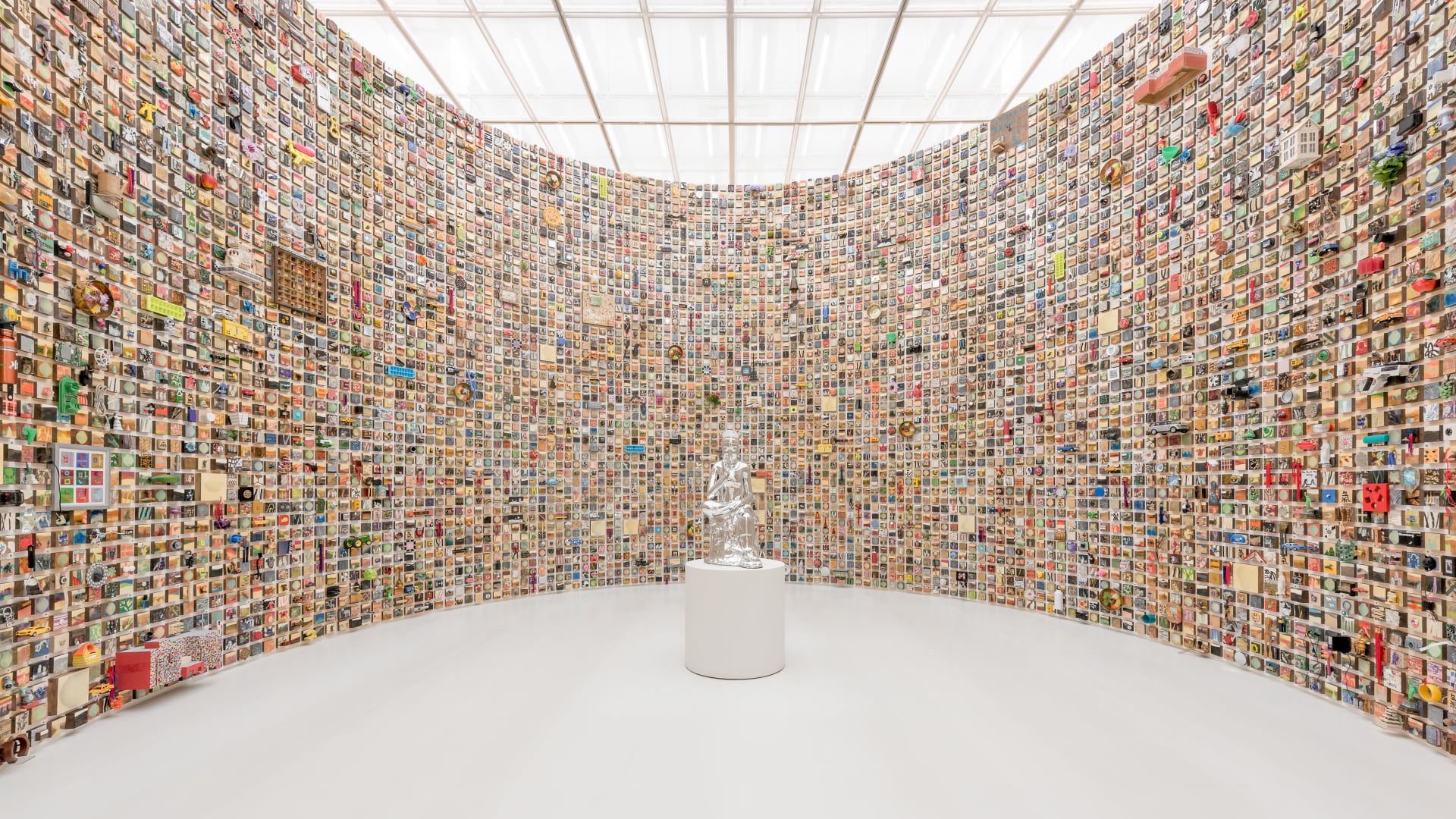
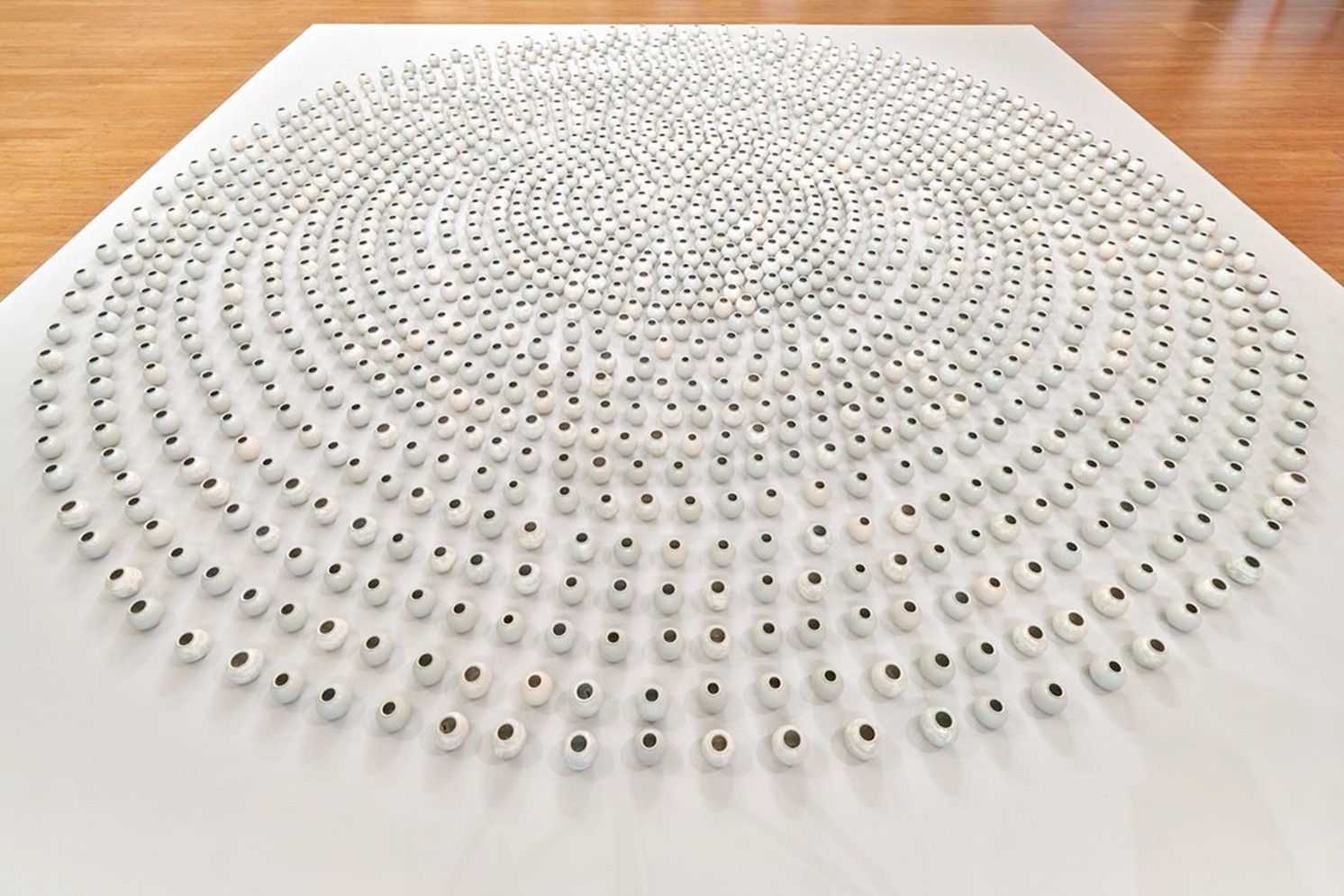
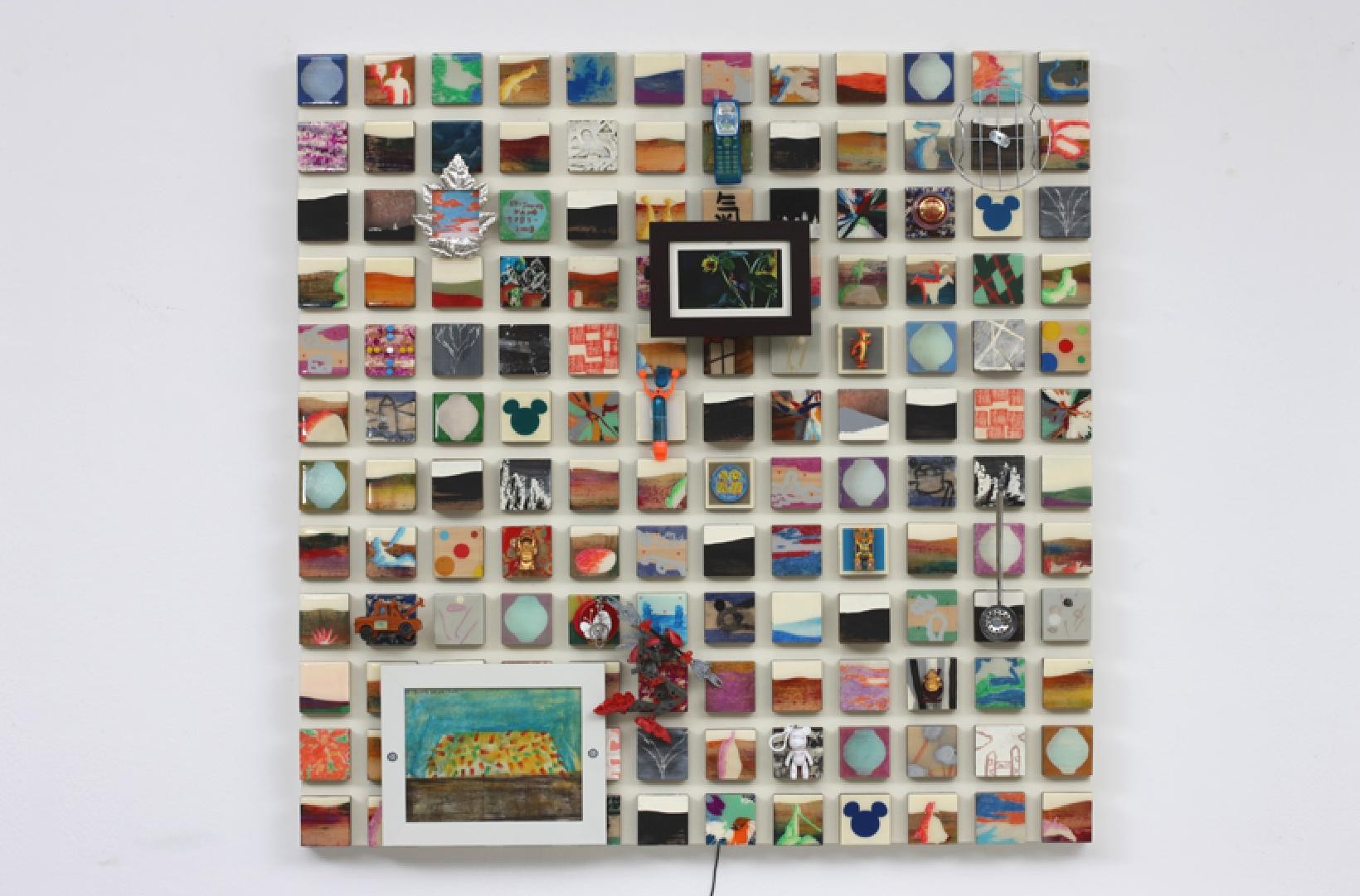
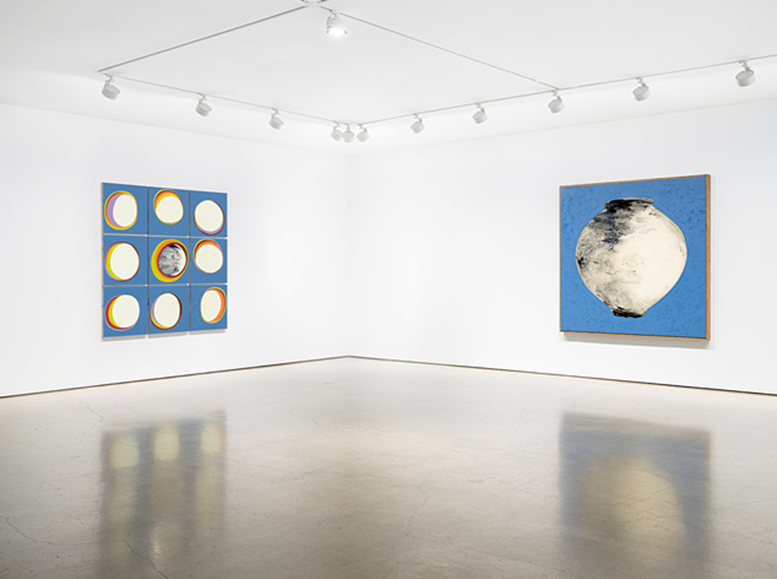
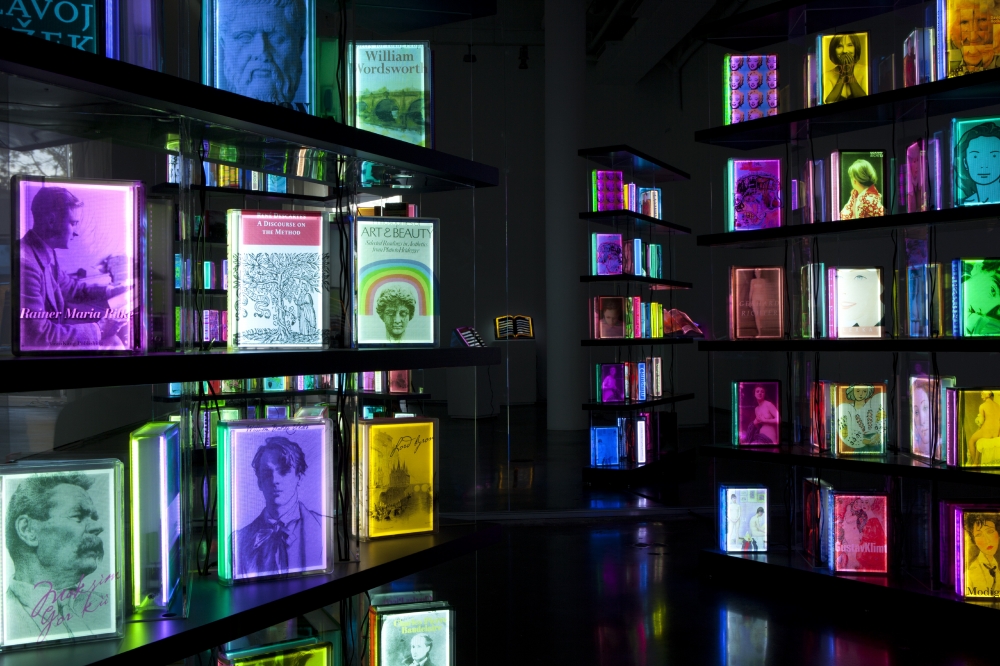
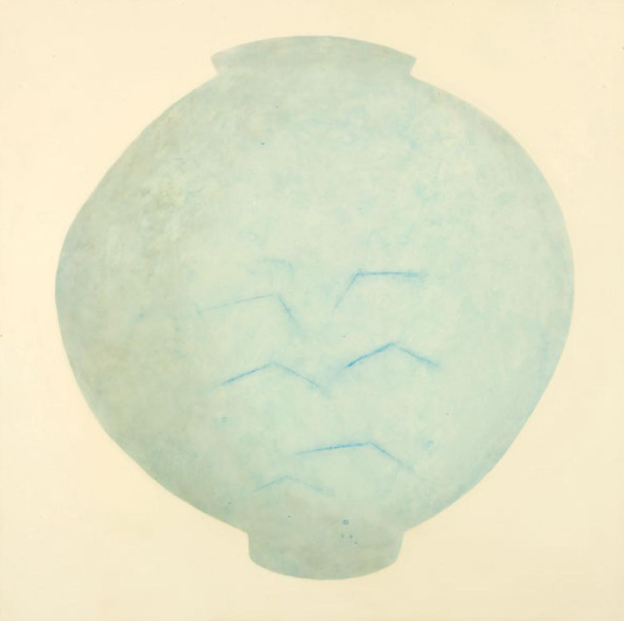
40 years, including Samramansang Happy World, the ‘Moon
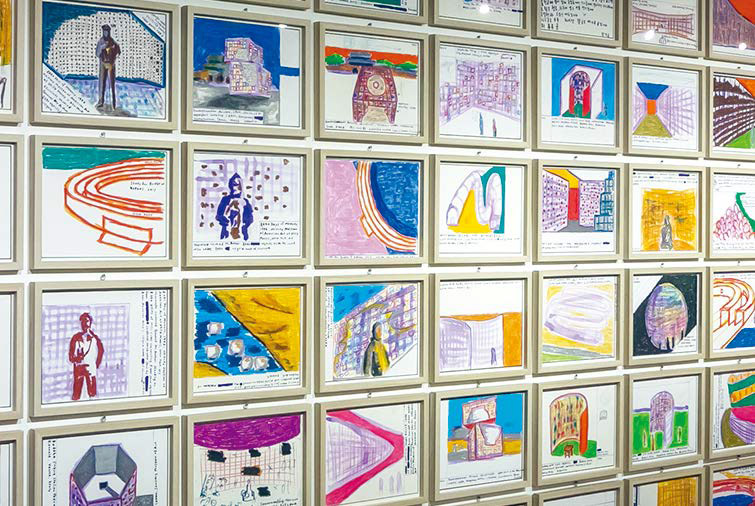
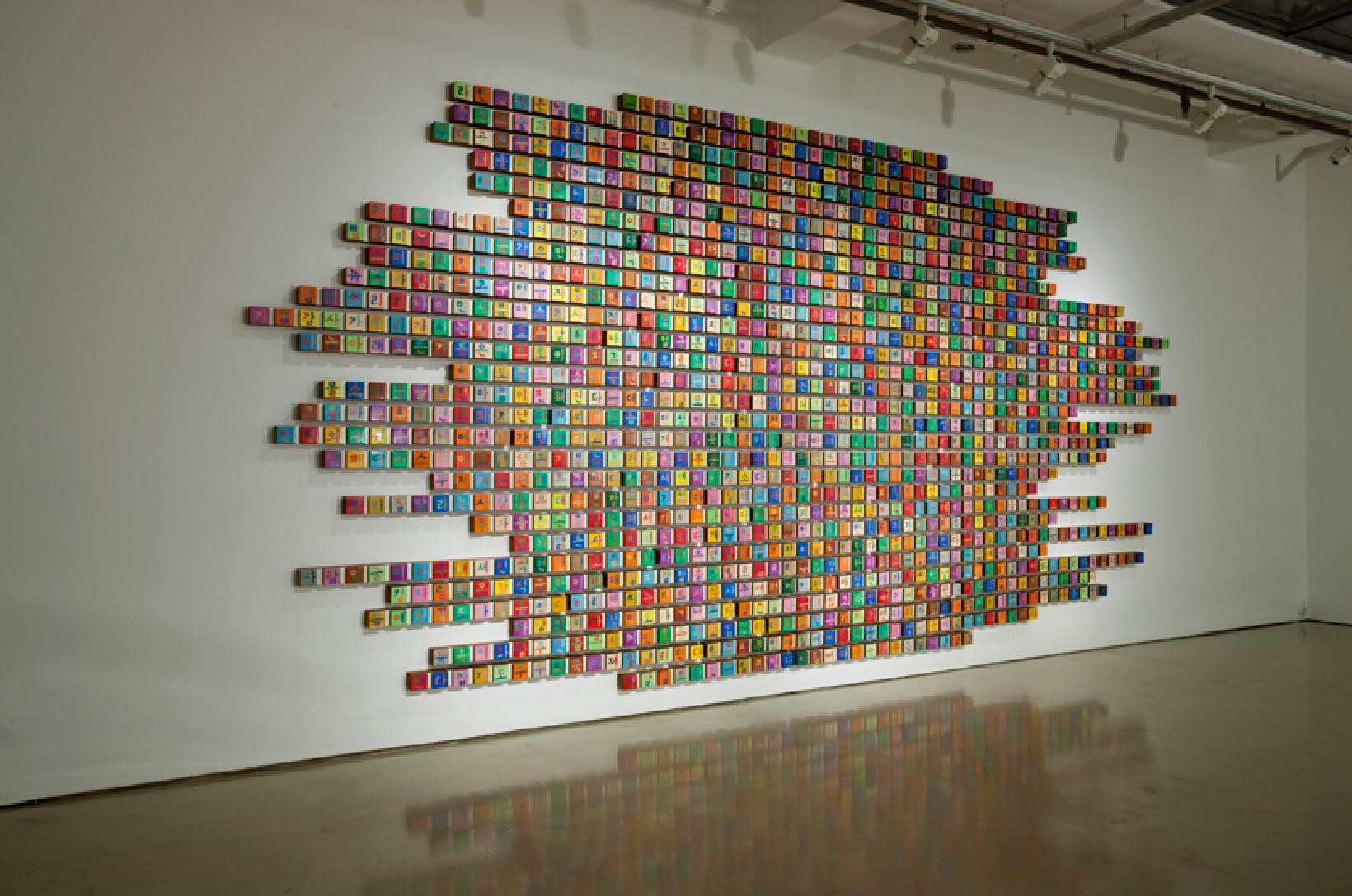
Jar’ series, 1,000 Drawings, the Hangeul project Things
I Know, Uamsan, and Musimcheon.
When
a regional art museum selects an artist for a solo exhibition—particularly one
tied to a civic or commemorative event—it requires both political sensitivity
and consensus among stakeholders. Priority is often given to artists born in
the region, those who have demonstrably contributed to the local community, or
distinguished figures originally from the area who have built their careers
elsewhere.
In this sense, regional museums seek not only to present an
exhibition but also to amplify the cultural identity of the region through the
artist’s practice, often hoping for extended effects such as cultural tourism.
Amid the growing number of Korean artists active internationally, there is an
increasing preference for figures who embody both regional rootedness and
global recognition.
What,
then, does such an exhibition mean for the artist? Unlike a one-time solo show,
a retrospective that surveys an artist’s career over time plays a crucial role
in organizing and reassessing their artistic trajectory. A return-oriented
exhibition—one that evokes nostalgia through its very title—is particularly
meaningful in that it begins from the artist’s personal history. Information
such as birthplace, upbringing, education, and interpersonal networks may
appear secondary to artistic production, yet these elements provide essential
clues that open new critical interpretations of the work.
Accordingly,
this exhibition centers on three key points. First, it selects representative
works that have persisted throughout the artist’s 40-year career, allowing
viewers to reflect on the defining characteristics of Ik-Joong Kang’s practice.
Second, it interweaves past, present, and future by connecting multiple
temporal perspectives and thematic concerns. Third, it foregrounds Kang’s
origins in Cheongju, repositioning his regional and cultural context within the
broader narrative of his work.
From
a retrospective standpoint, this exhibition most strongly embodies the
characteristics of a survey among Kang’s past presentations. A significant
number of his representative works—produced shortly after his move to New York
and continuing to the present—are on view. Although the exhibition design is
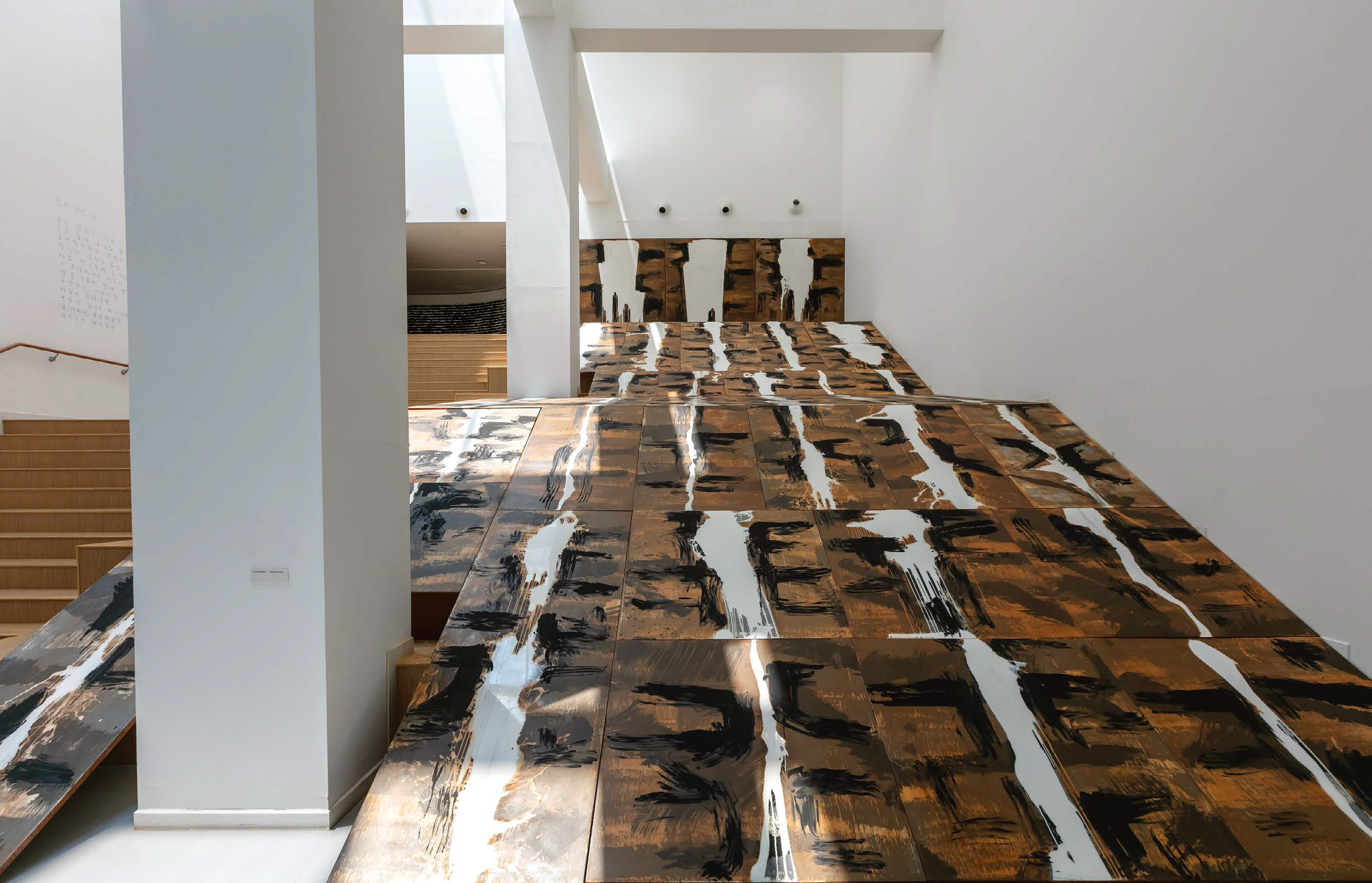
not strictly chronological, the first floor presents newly commissioned
installations, while the second floor features earlier works, allowing viewers
to trace shifts over time.
On
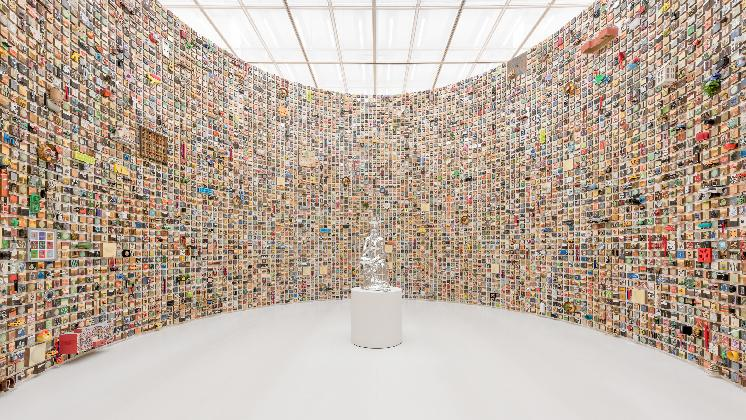
the second floor, key works from Kang’s New York period are displayed,
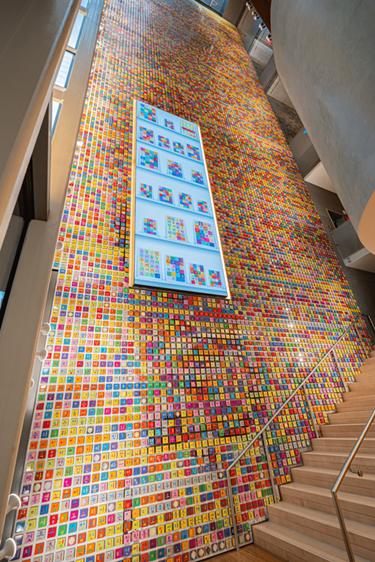
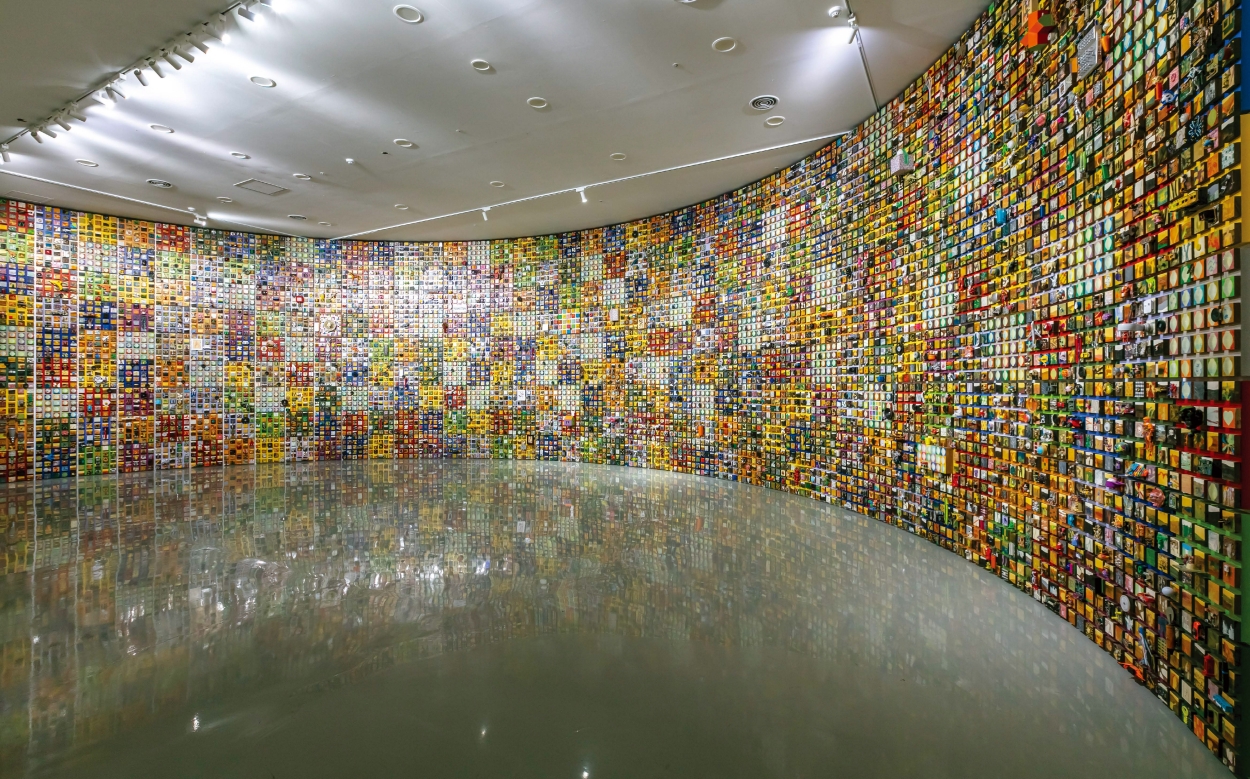
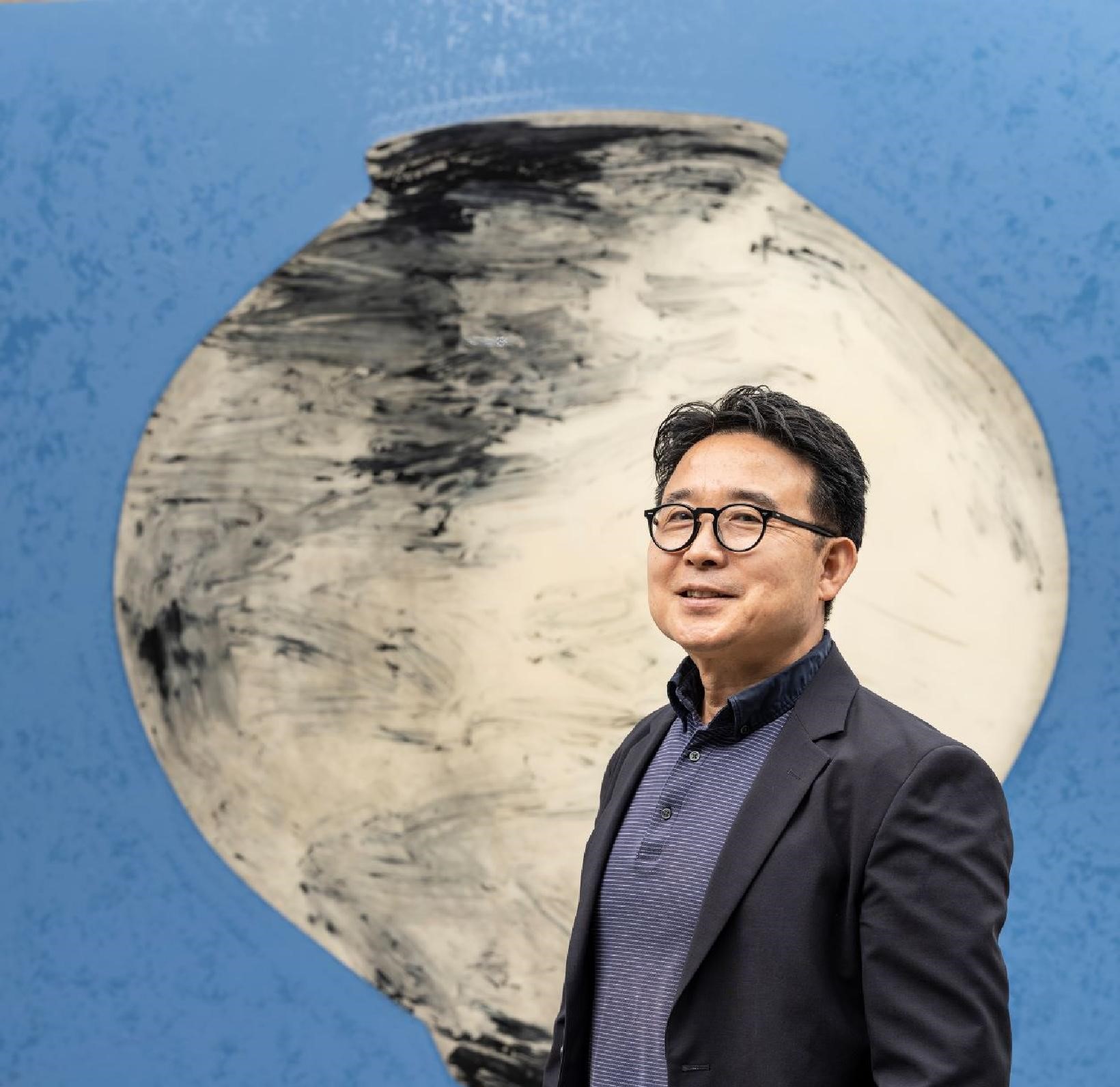
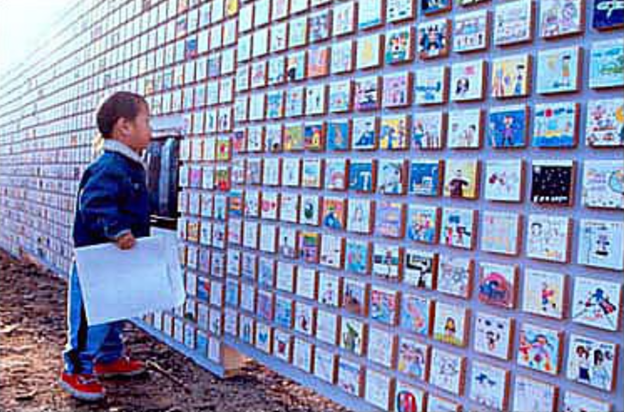
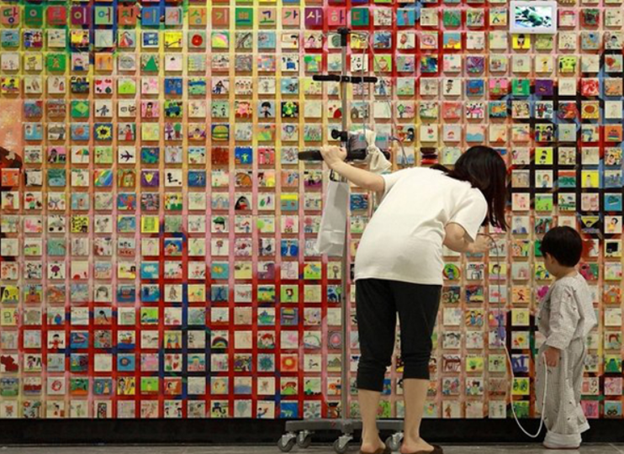
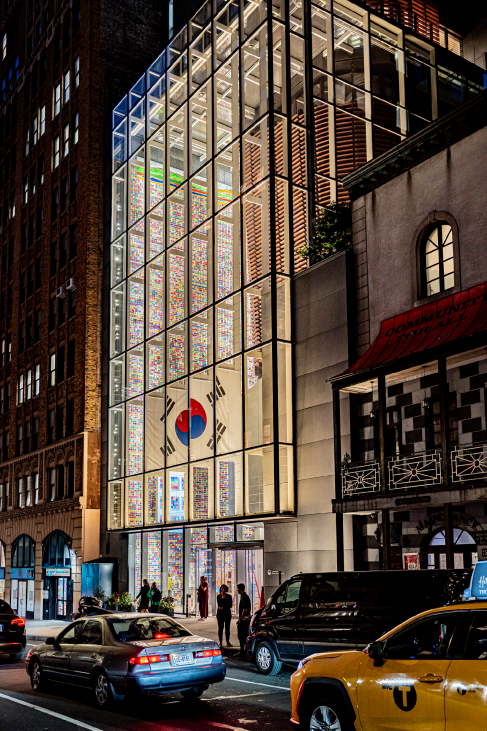
including Samramansang Happy World, composed of
approximately 10,000 three-by-three-inch canvases, along with objects and
paintings, as well as works from the ‘Moon Jar’ series. The small canvas format
was intentionally chosen to allow the artist to work continuously while
commuting by subway or bus in New York.
Kang’s method of assembling these small
units into large-scale installations tailored to specific spaces and themes is
well known. While each fragment carries its own meaning, their accumulation and
arrangement effectively visualize his enduring themes of harmony, connection,
communication, and coexistence. In this exhibition, nearly all works
demonstrate this logic of combination and amplification, revealing the origins,
present form, and stylistic completeness of his practice. The title Samramansang itself
refers to the totality of all things in the world, encapsulating this
worldview.
The
second major aspect of the exhibition is Kang’s approach to linking temporal
perspectives and themes. Works such as Samramansang Happy World,
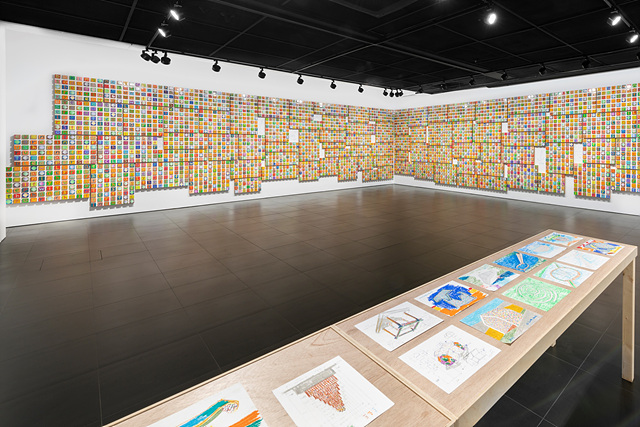
the ‘Moon Jar’ series, and 1,000 Drawings, initiated in
the 1980s, are ongoing series that continue today. Rather than viewing time as
linear, Kang revisits earlier works by introducing new formal elements,
transforming their experiential and narrative dimensions.
In recent iterations
of 1,000 Drawings, scenes of everyday life observed
through television around 2024 are incorporated, with imagery framed to
resemble CRT monitors. By layering magazine pages as a base, attaching white
paper, and drawing over them, the artist emphasizes the pervasive influence of
media images that transcend borders, generations, and time. Although these
images originate from television broadcasts, they ultimately transform into
scenes that feel universally familiar.
Notably, Samramansang
Happy World was presented with added lighting at the artist’s
request, so that the works would “shine like jewels in a jewelry store.” The
10,000 small blocks appear brighter than in previous exhibitions, accompanied
by sound that stimulates both visual and auditory senses, completing a
signature format unique to Kang.
The illuminated space, infused with street
noise, natural sounds, and human voices, evokes the dazzling world of
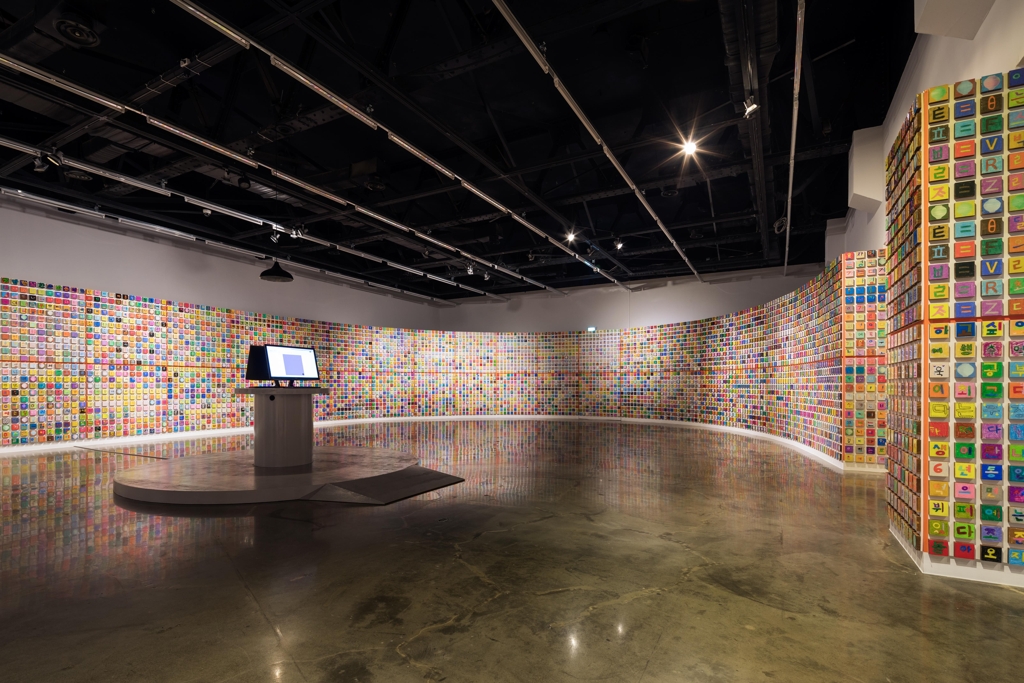
21st-century civilization. Installed within a 10-meter-high exhibition hall,
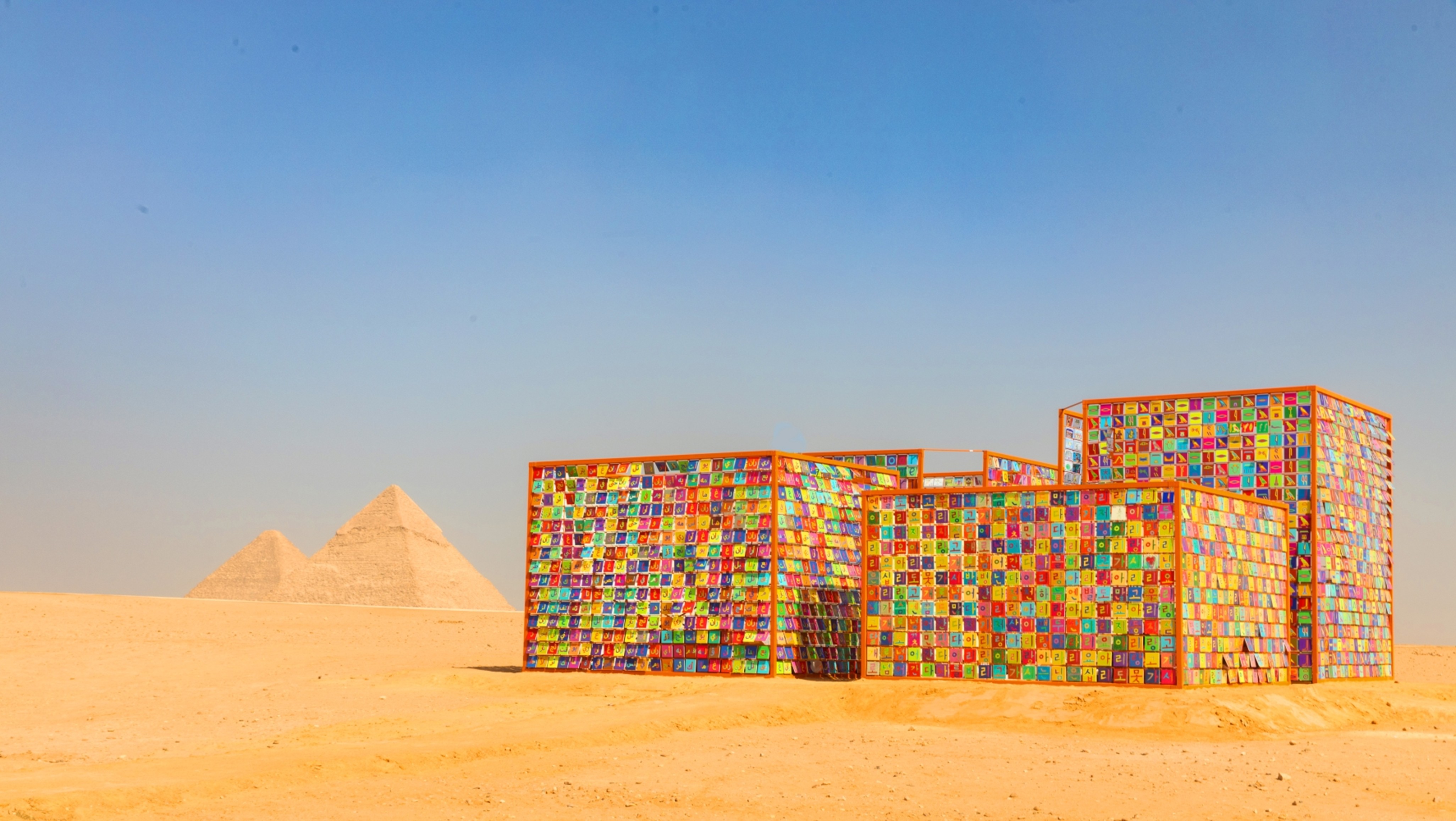
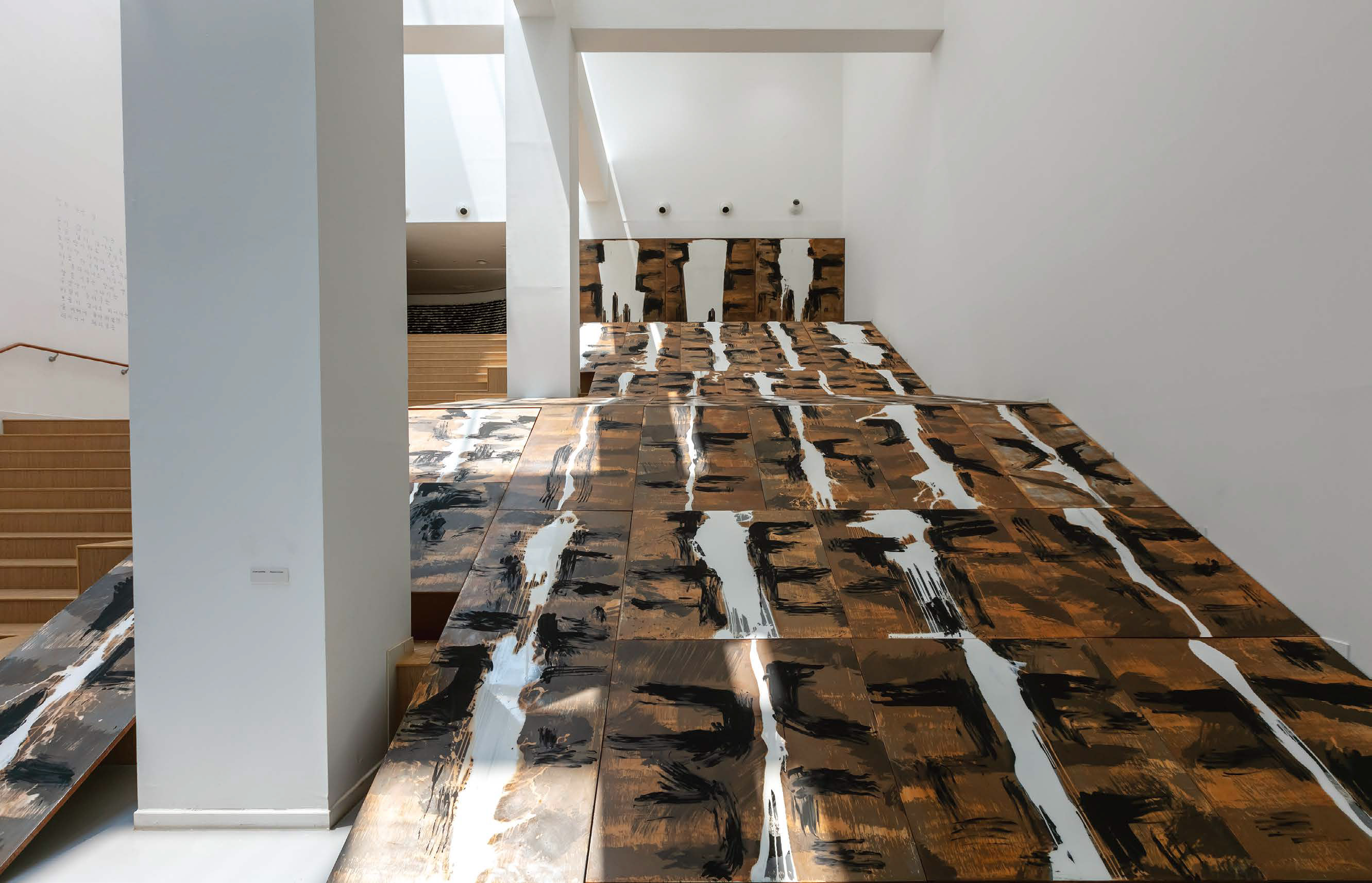
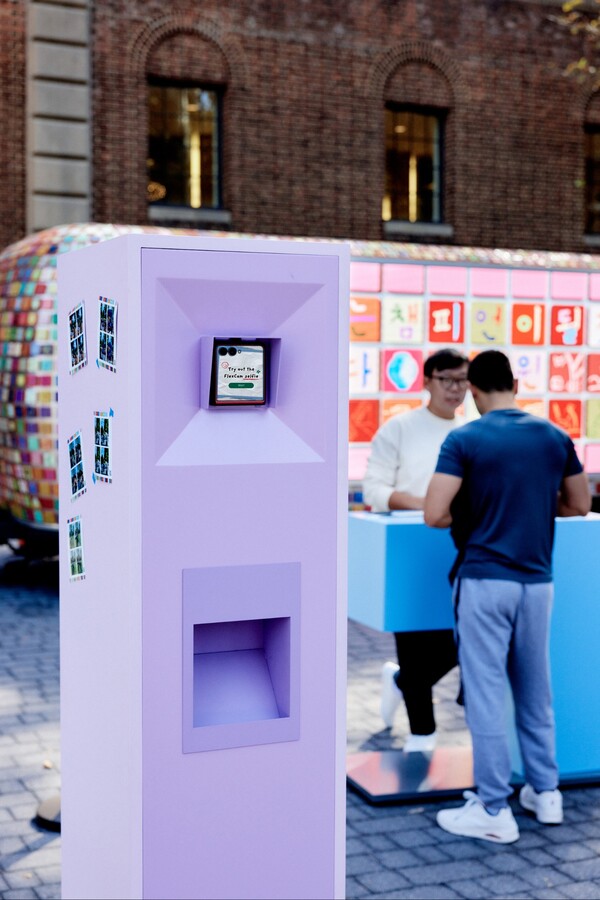
the Hangeul project Things I Know fills the space
with sentences composed of approximately 3,000 characters written since 2001,
containing fragments of life wisdom and diary-like reflections.
Originally
conceived to teach his son Hangeul by differentiating consonants and vowels through
color, the project simultaneously conveys familial affection and the artist’s
love for color as a foundational element of art. The sentences, written without
regard for spacing—despite Hangeul’s sensitivity to spacing—flow continuously
in a single line.
In this exhibition, the addition of a child’s voice reciting
the text transforms the gallery into an immersive environment. The interaction
between visual and auditory language recalls Kang’s early experiences learning
English in New York, while the dense field of characters evokes both the Tower
of Babel and the Buddhist concept of “form is emptiness, emptiness is form.”
In
an interview with Katherine Anne Paul, curator of Asian Art at the Birmingham
Museum of Art, Kang speaks of recalling his mother when thinking about his
hometown, suggesting that the human soul is fundamentally connected through
maternal memory. Reflecting this sentiment, the artist handwrote poems directly
onto the museum walls.