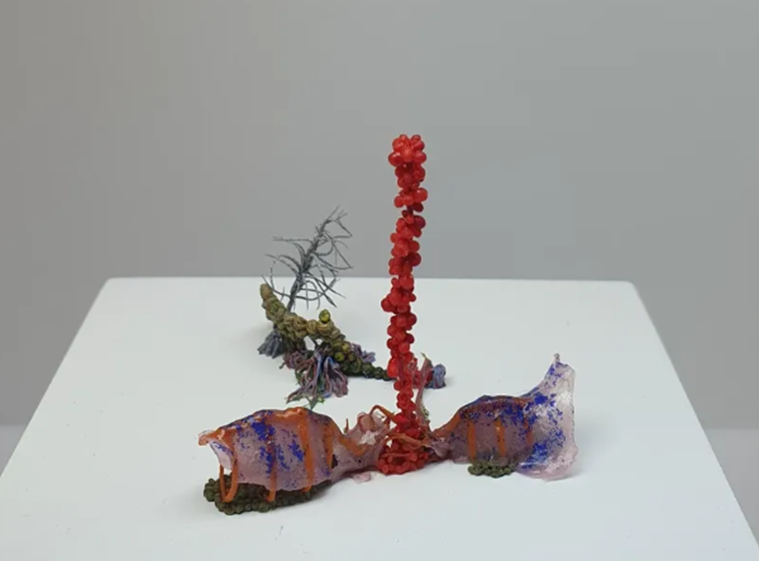
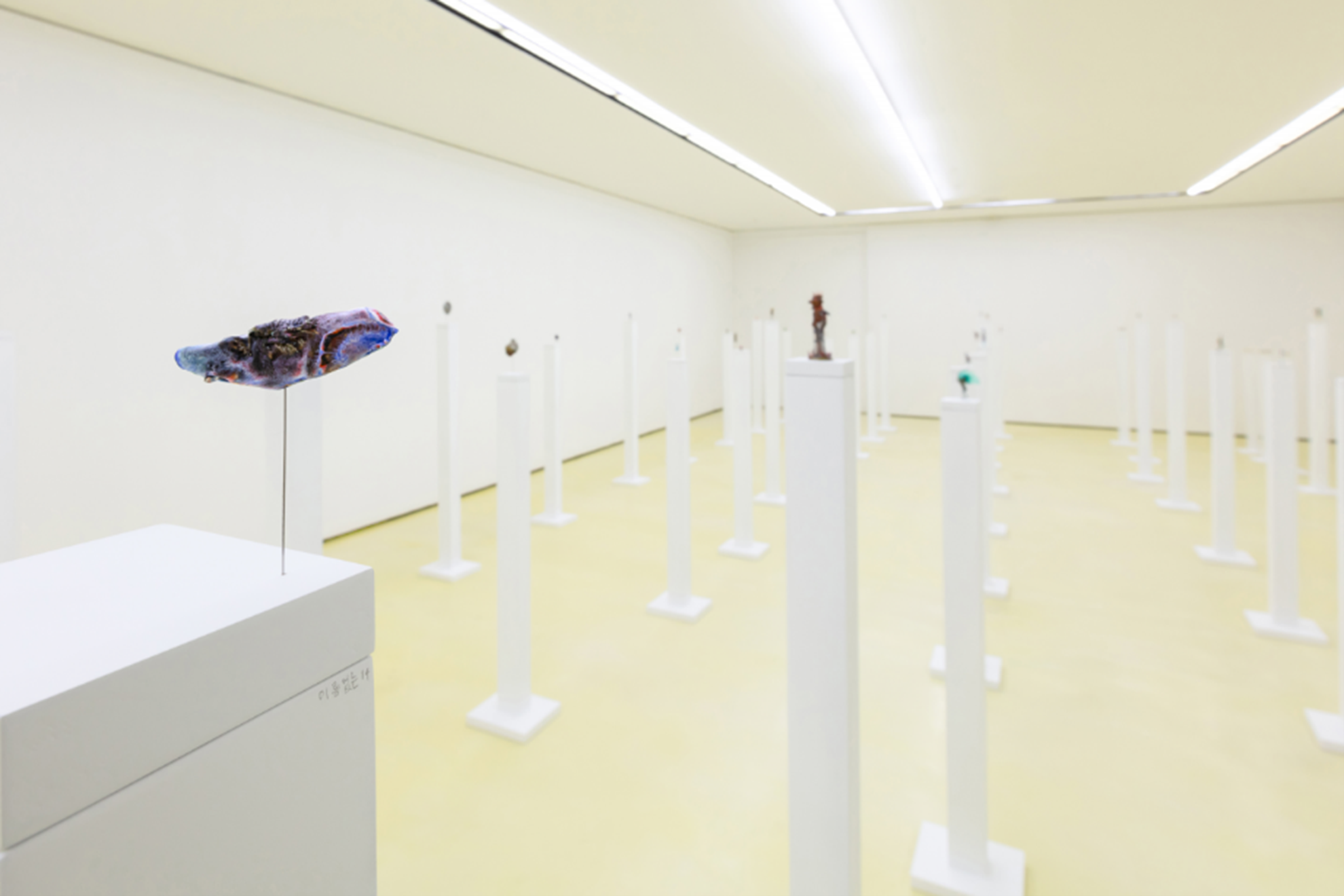
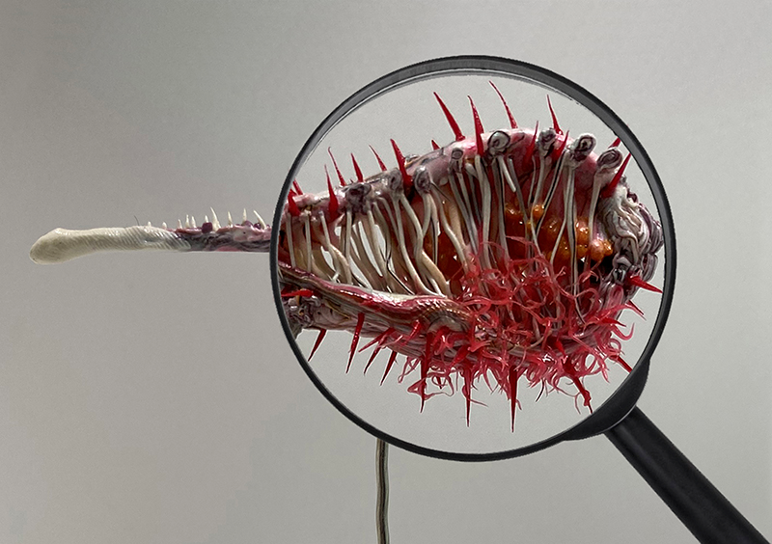
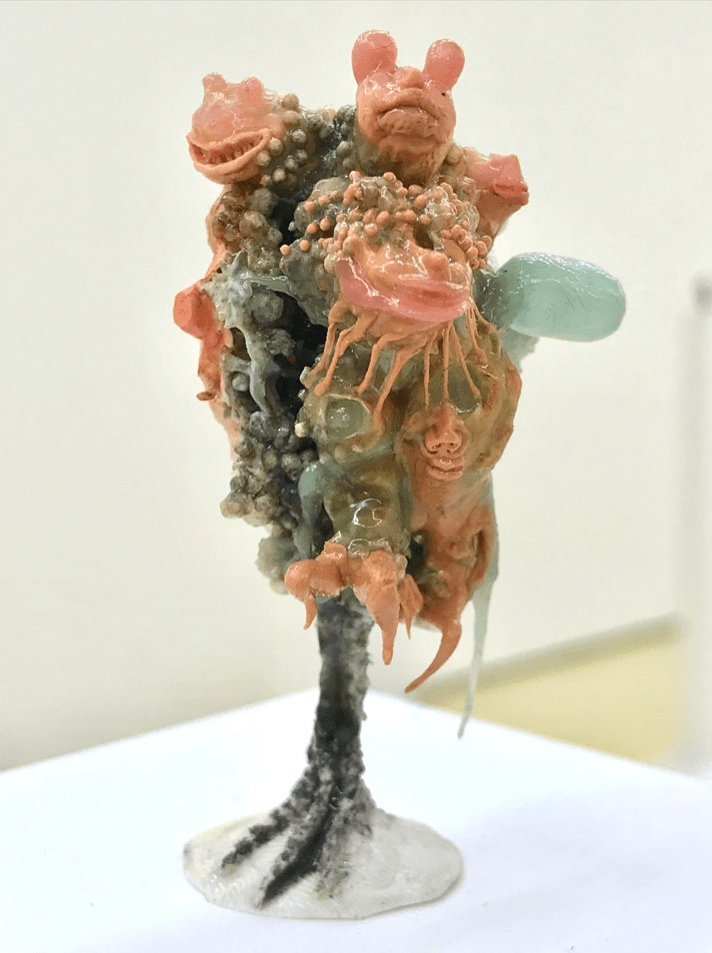
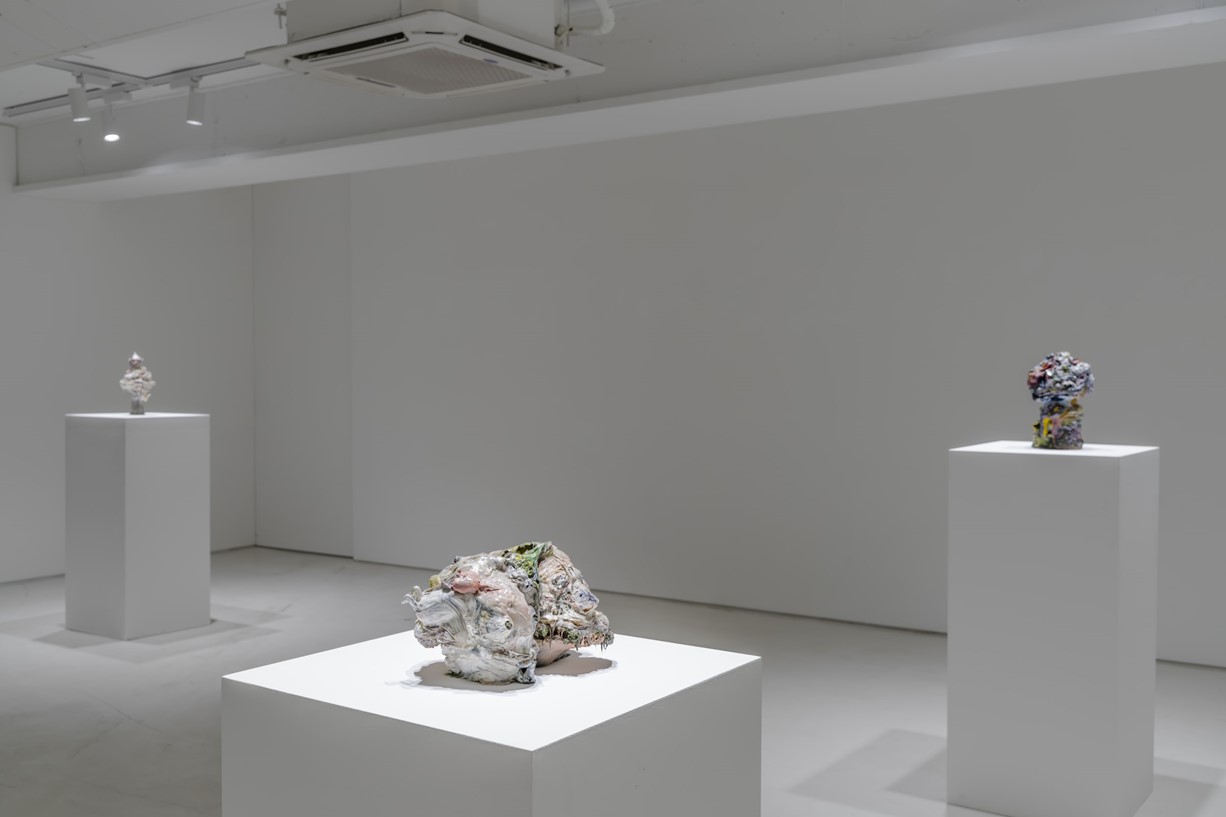
In 2019, at 《Phantom Mode》, a group exhibition of works by residents of Chapter II Residency,
Ham presented tiny-scale pieces smaller than 10cm in the shapes of unidentified
creatures or organisms. Especially, the exhibition tacitly indicated that the
residency period could have been a crucial transition phase for Ham as he
lessened narrative factors in his practice and attempted to detach himself from
his previous ways of producing, such as relying on effects of achromatic clay’s
simplicity. At the same time, it was intriguing that his desire for
successfully depicting the appearance of particular targets subtly evolved into
focusing on the act of constructing a configuration itself.
In respect of semantics, “the aim for constructing a
configuration” mentioned above has a clearly different context from his early
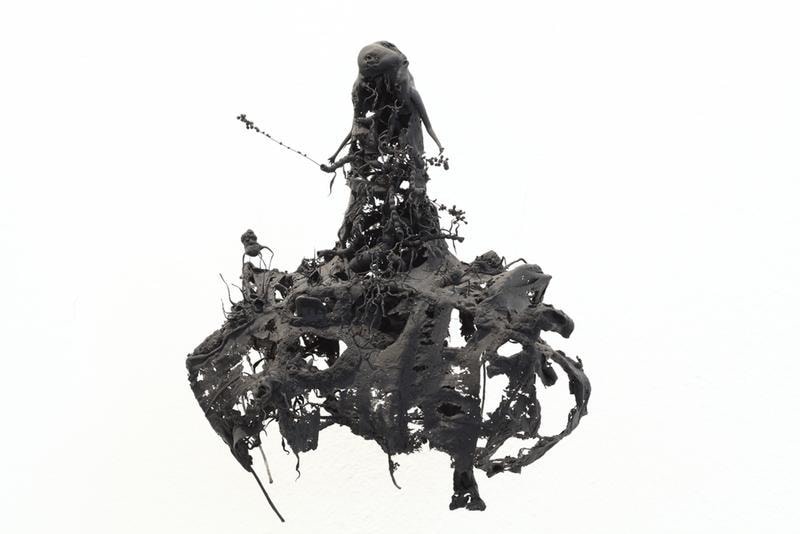
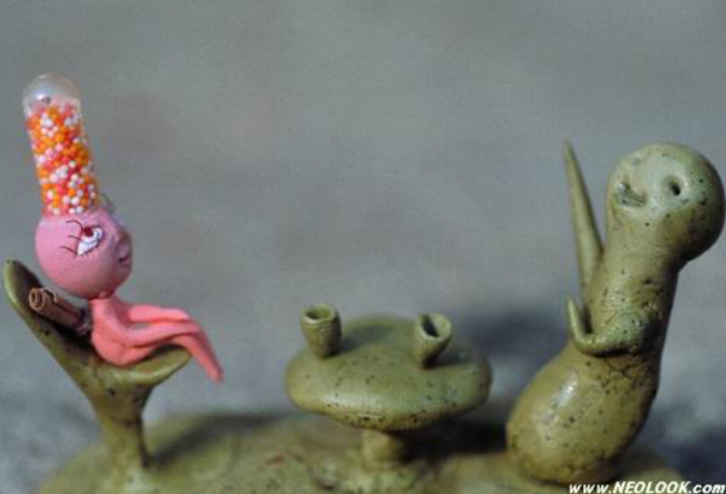
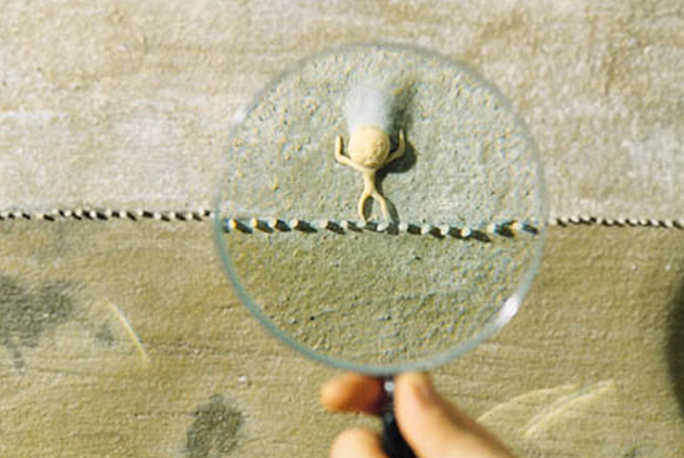
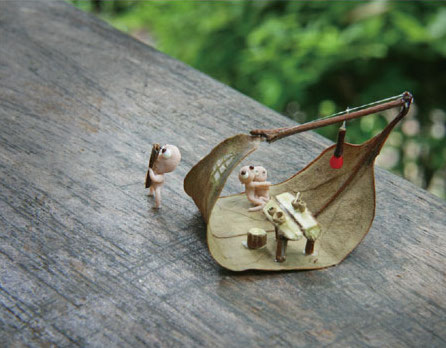
works. For example, in Underneath it (2005), one of his early
representative works, a single or group of tiny statuettes played a critical
role of deciding an entire situation of the work. Hence, it was necessary to
make the figures in discernable shapes in order to effectively convey their
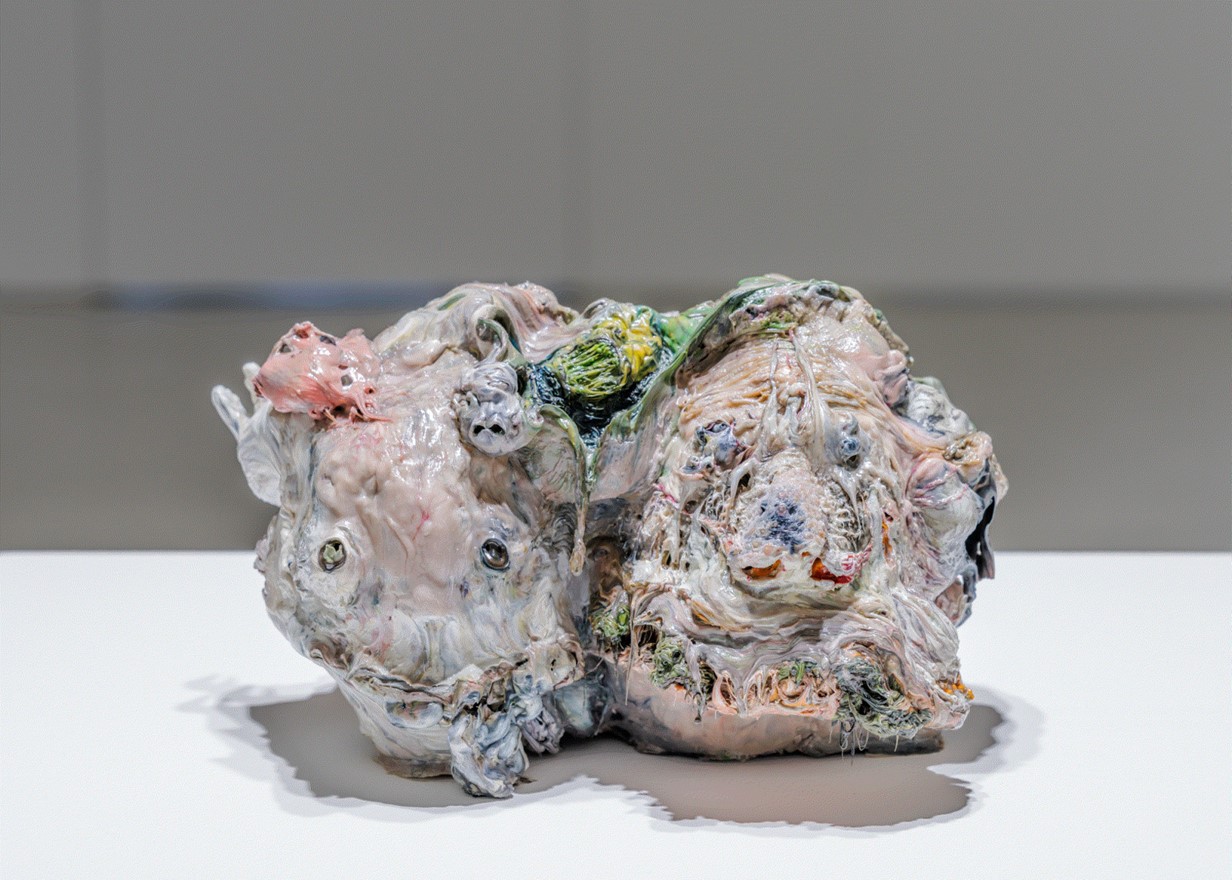
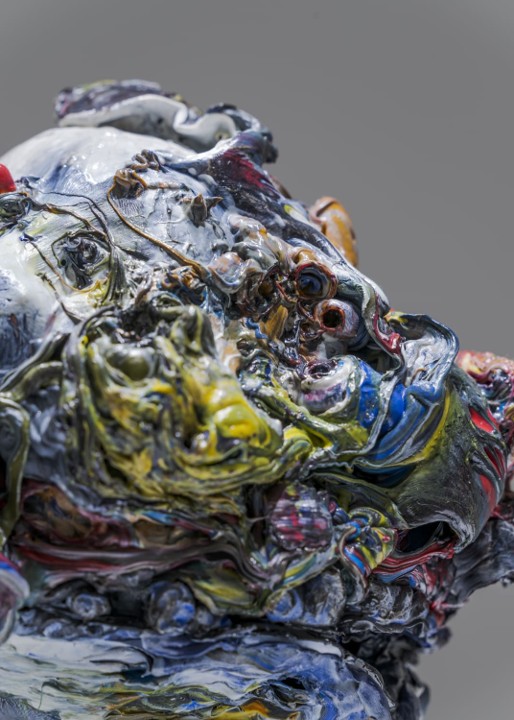
given roles and what they signified. On the other hand, Ham’s new series
emphasizes the process of assembling colored clay fragments through actions of
the artist’s hands and their detailed movements. Instead of following a
conventional mode of representing shapes decided depending on an intention, he
is convinced that forms appeared by inspirations and visual motives of each
moment have a meaning. This approach and his final figures led by it have many
parallels with what Tachisme had sought. Thus, although his aesthetic outcomes
spontaneously remind us of certain images, the images are not original motifs
of his creation.
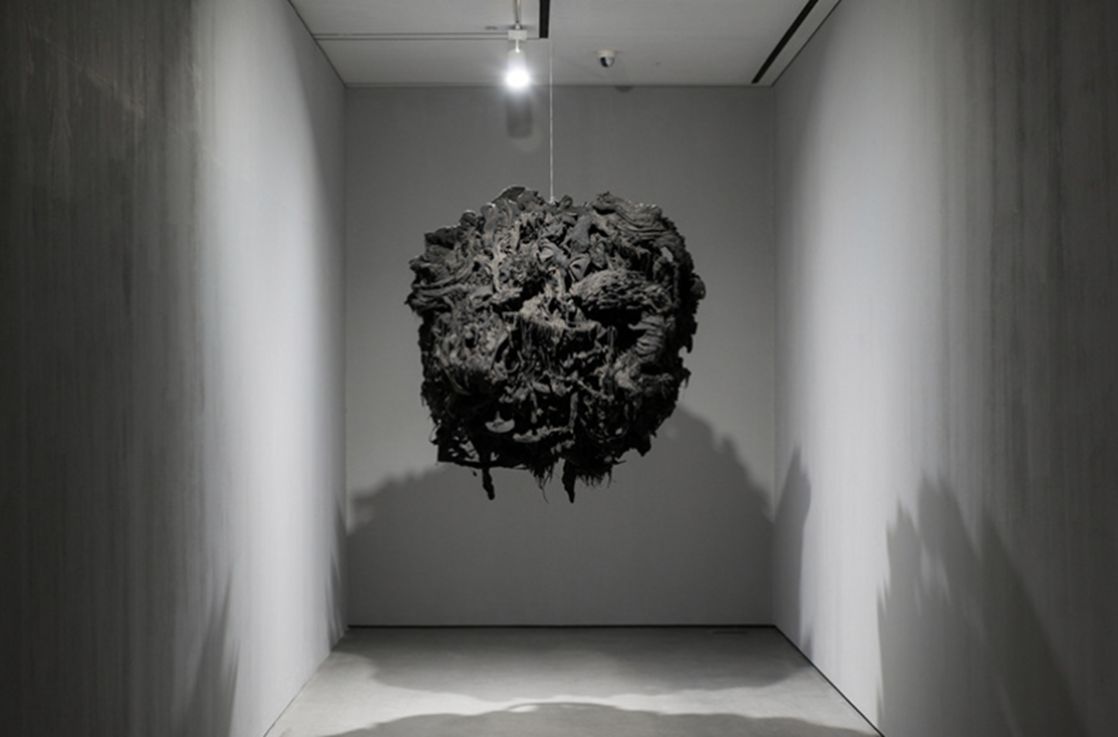
In this sense, his new series has similarities to the generation
process of stalagmites often discovered in caves. Stalagmites are
upward-growing mounds of mineral deposits that have precipitated from water
dripping onto the floor of a cave for a long period of time. Most stalagmites
have a form of standing statues which have color layers of a wide spectrum and
they are occasionally designated names of particular objects or figures when
their shapes are reminiscent of them. While Ham is immersed in delicately
adjusting a hand maneuver and controlling the level of power applied onto the
medium every moment, his unique manner of examining the whole and its sections
ultimately leads to establishing an object. Therefore, how the piece is
perceived later is a secondary result caused by the sequential actions of
making it. This ex-formal aspect is a vital ground allowing him to not only
resist uniformed interpretations or consumption of his practice, but broaden
his approaches of producing artworks towards multiple directions.
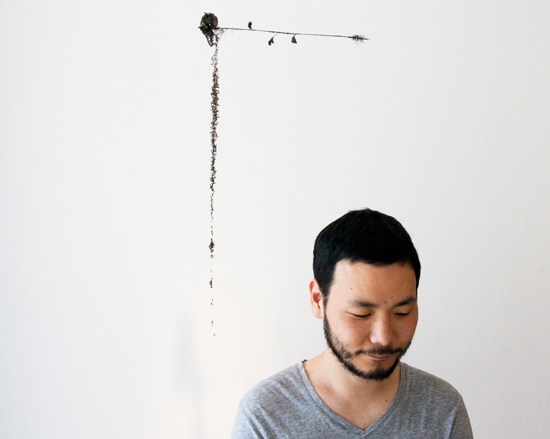
Ham Jin studied Environmental Sculpture at Kyungwon University.
His practice has been the subject of solo exhibitions such as those at Aomori
Contemporary Art Centre (2007), PKM Gallery and Doosan Gallery since his first
one at Project Space Sarubia (1999), and he was selected as one of the artists
presented in the Korean Pavilion at the 51st Venice Biennale (2005). Ham has
attended to numerous group exhibitions at international prestigious
establishments including Mori Art Museum (2005), Foundation Cartier pour l`art
Contemporain (2005), Espace Louis Vuitton (2008), Minsheng Art Museum (2010),
Busan Museum of Art (2013), Gyeonggi Museum of Modern Art (2016), Seoul
National University Museum of Art (2017). Also, his works are included in
collections of Seoul Museum of Art and Doosan Collection.